
You know what’s fascinating? Every time scientists think they have the puzzle of prehistoric life figured out, the ground beneath our feet proves them wrong. The fossil record isn’t some dusty, finished book sitting on a shelf. It’s alive with possibilities, constantly rewriting what we thought we knew about the ancient world.
The year 2025 has so far seen the discovery of 44 new dinosaur species, nearly one a week. That’s not just impressive. It’s mind-blowing when you consider how rare fossilization actually is. Each discovery brings fresh questions, unexpected twists, and sometimes completely upends decades of established thinking. Let’s dive into some of the most astonishing finds that are reshaping our understanding of life on Earth.
A Tiny Tyrannosaur That Was Never Just a Teenager
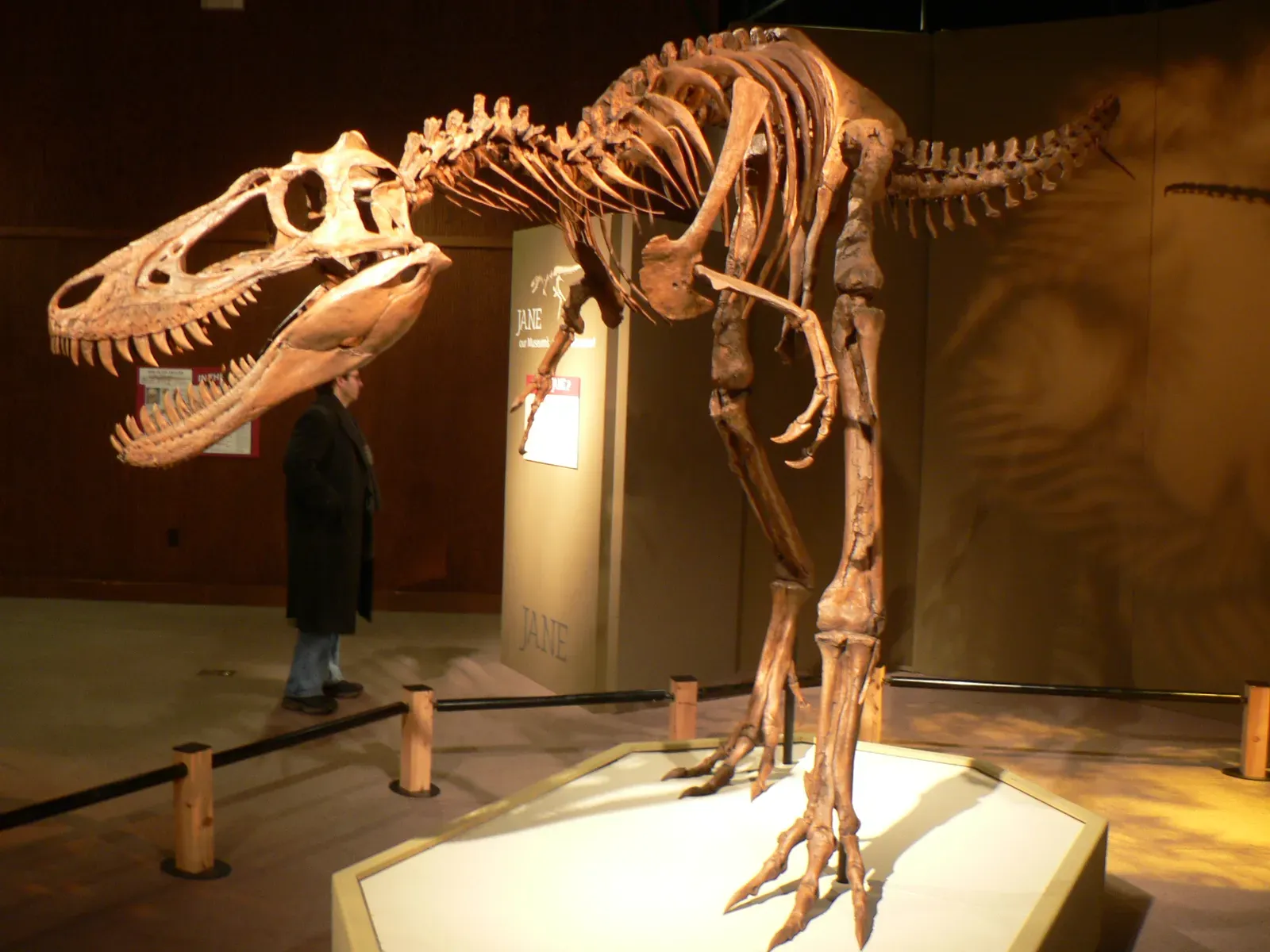
For decades, paleontologists have been locked in one of their fiercest debates. Were certain small tyrannosaur fossils just adolescent T. rex specimens, or did they represent an entirely separate species? The argument seemed settled in favor of the juvenile hypothesis.
Then came 2025, and everything changed. That tyrannosaur is now confirmed to be a fully grown Nanotyrannus lancensis – not a teenage T. rex, as many scientists once believed. The breakthrough came from examining the “Dueling Dinosaurs” fossil, which preserved a Nanotyrannus in prehistoric combat with a Triceratops. Using growth rings, spinal fusion data and developmental anatomy, the researchers demonstrated that the specimen was around 20 years old and physically mature when it died. Its skeletal features – including larger forelimbs, more teeth, fewer tail vertebrae, and distinct skull nerve patterns – are features fixed early in development and biologically incompatible with T. rex.
Here’s the thing that makes this discovery so remarkable. It means predator diversity in the final million years of the Cretaceous was far richer than anyone imagined. Two different tyrannosaur species, each with distinct hunting strategies and body sizes, prowled the same landscape. Think about the ecological complexity that must have existed.
Dinosaur Bones Piled Like a Traffic Jam in Transylvania
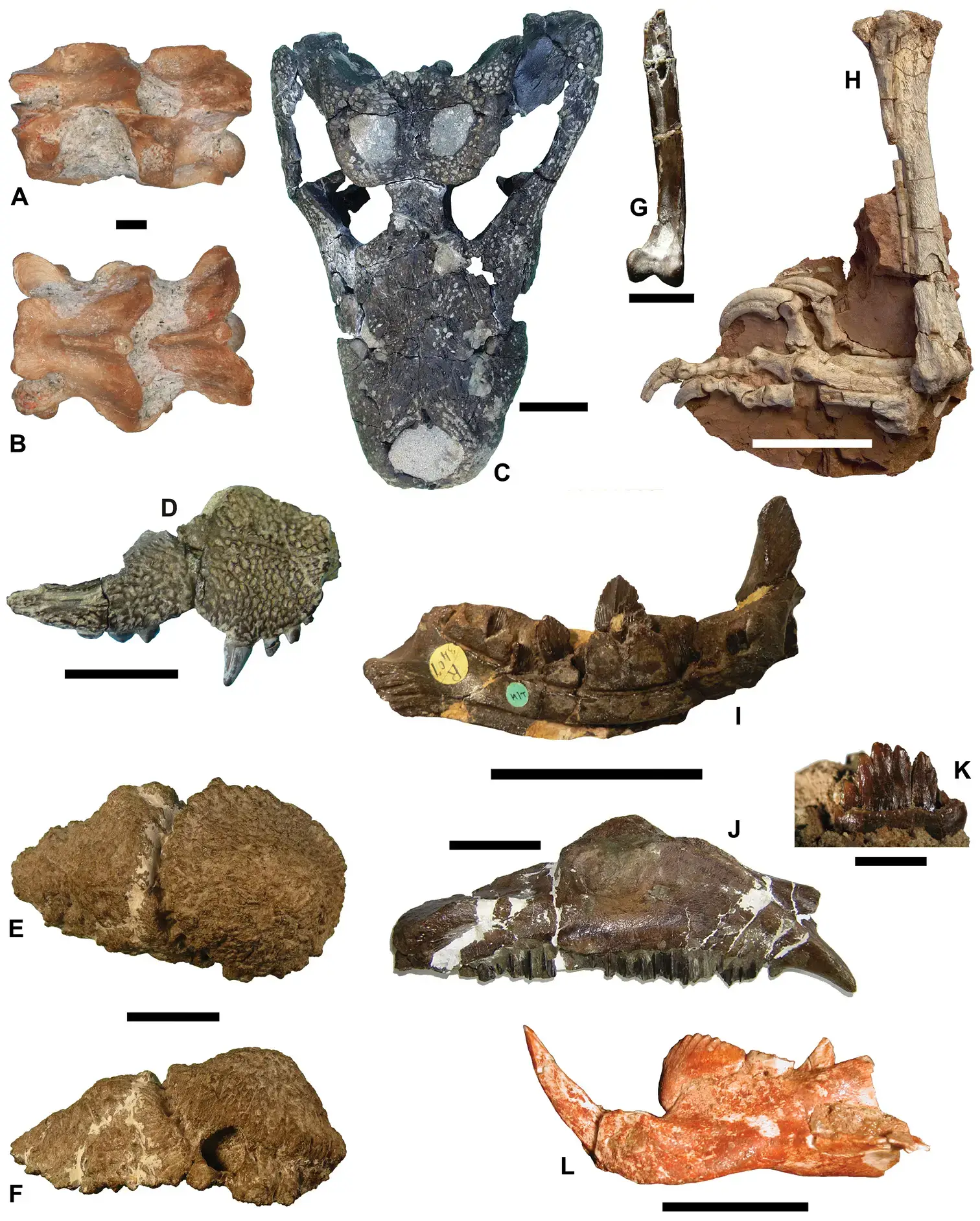
Scientists exploring Romania’s Hațeg Basin have discovered one of the densest dinosaur fossil sites ever found, with bones lying almost on top of each other. This isn’t your typical fossil site where you might find a scattered bone here and there. We’re talking about extraordinary concentration.
From an area measuring less than five square meters, researchers recovered more than 800 vertebrate fossils, making it the richest site documented so far. The site, known as K2, preserved remains from a prehistoric flood-fed lake that acted like a natural bone trap roughly 72 million years ago. Excavations have revealed fossil-rich deposits containing thousands of remains from amphibians, turtles, crocodiles, dinosaurs, pterosaurs, and mammals.
What makes this even more exciting is what the team found among the common local dinosaurs. Researchers uncovered the first well-preserved titanosaur skeletons ever found in the region. The sheer density of fossils at this location offers scientists a rare snapshot of an entire ecosystem frozen in time.
Preserved Metabolic Molecules Opening Windows to Ancient Life
Let’s be real, when you think about fossils, you probably picture bones and maybe some petrified wood. That’s already incredible, but what if fossils could preserve something far more delicate? Something molecular?
Researchers have uncovered thousands of preserved metabolic molecules inside fossilized bones millions of years old, offering a surprising new window into prehistoric life. This discovery is genuinely revolutionary. We’re not just looking at the shape of ancient life anymore. We’re potentially glimpsing its chemistry, its metabolism, the very processes that kept these creatures alive.
The implications are staggering. These molecular fossils could reveal details about how ancient animals processed energy, what their internal biochemistry looked like, and perhaps even offer clues about their physiology that bones alone never could. It’s hard to say for sure where this research will lead, but the potential is enormous.
Human Evolution Gets Even Bushier
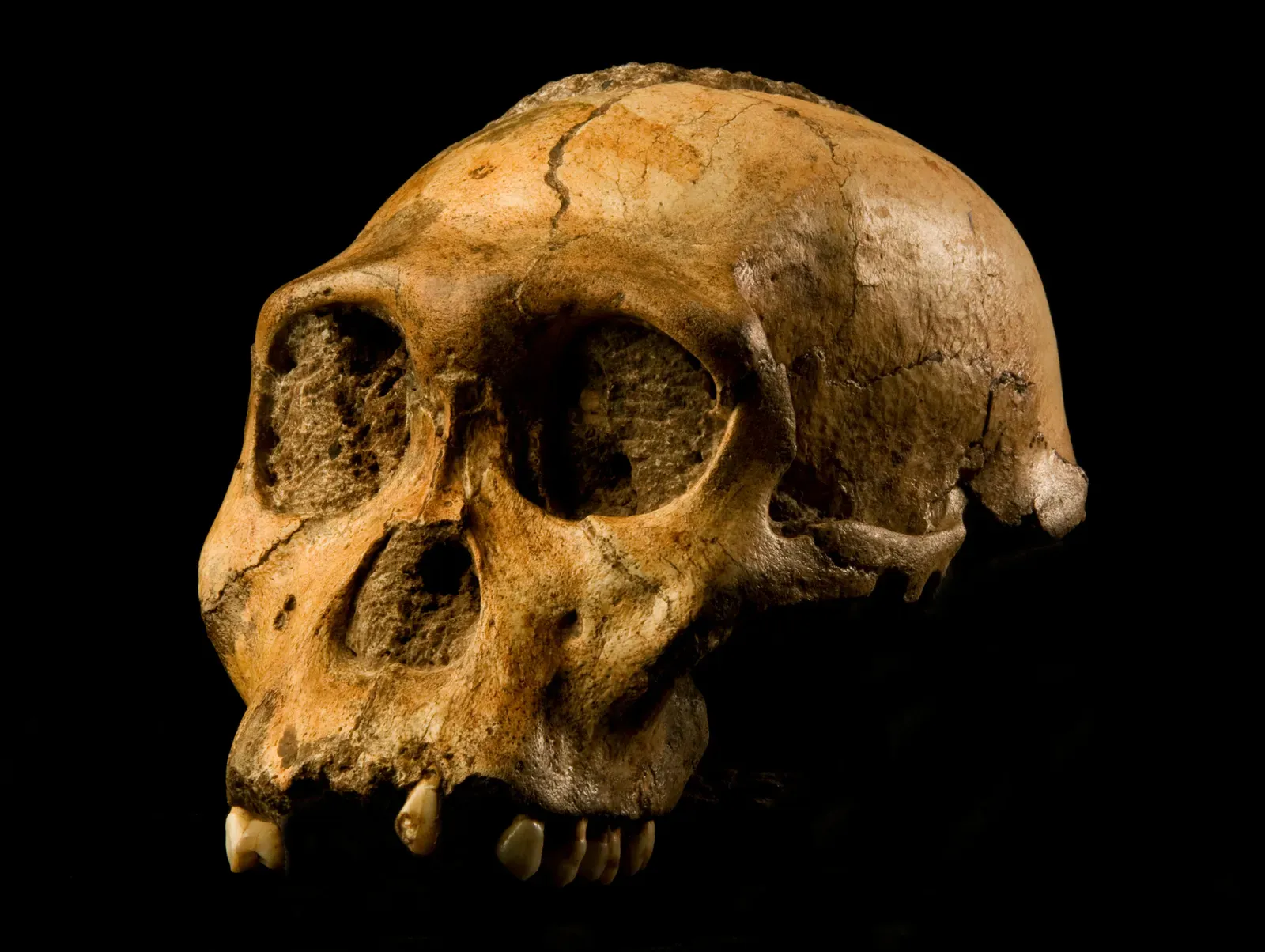
Remember that neat, linear progression from ape to human you might have seen in old textbooks? Yeah, throw that out the window. In the deserts of Ethiopia, scientists uncovered fossils showing that early members of our genus Homo lived side by side with a newly identified species of Australopithecus nearly three million years ago. These finds challenge the old idea of a straight evolutionary ladder, revealing instead a tangled web of ancient relatives.
A team of international scientists has discovered new fossils at a field site in Africa that indicate Australopithecus and the oldest specimens of Homo coexisted at the same place in Africa at the same time – between 2.6 million and 2.8 million years ago. The paleoanthropologists discovered a new species of Australopithecus that has never been found anywhere. They found 13 teeth that tell an incredible story about our origins.
The researchers haven’t named this new Australopithecus species yet because they need more fossils. Still, the discovery confirms something profoundly important about human evolution. Multiple hominin species shared the same landscape, possibly competed for resources, maybe even encountered each other. Our family tree isn’t a ladder. It’s a dense, tangled bush with countless branches that led nowhere.
The Punk Rock Dinosaur With Golf Club Spines
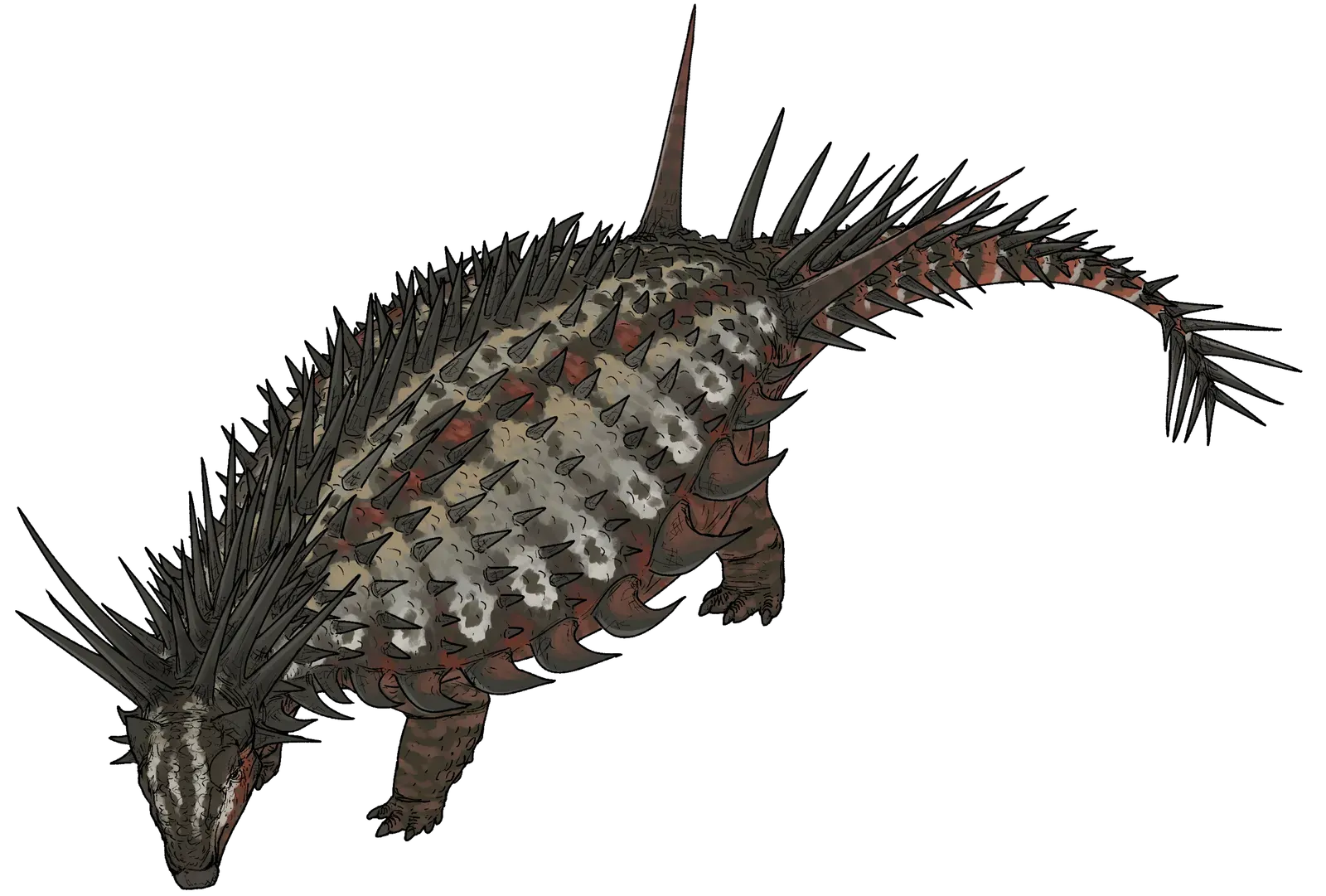
Spicomellus was named in 2021 based on an incomplete rib from 165-million-year-old rocks in Morocco. It is a rib unlike that in any other animal, alive or extinct, with a series of long spines fused to its surface. That partial rib was strange enough, but nobody could have predicted what the complete skeleton would reveal.
In 2025, I was part of a team led by researcher Susie Maidment that described a much more complete skeleton. It revealed one of the strangest dinosaurs ever discovered. This wasn’t just another armored dinosaur. Spicomellus is characterised by its bizarre armour, bristling with long spines all over the body, including a bony collar around the neck with spines the length of golf clubs sticking out of it.
The new fossils show that Spicomellus is the oldest known member of the ankylosaurs, heavily armoured, low and squat plant-eaters described by Maidment as resembling “walking coffee tables”. The BBC dubbed it the “punk rock dinosaur,” and honestly, that name fits perfectly. This discovery is changing how scientists understand ankylosaur evolution and highlighting the importance of Moroccan fossil sites.
Long Necks Started Earlier Than We Thought
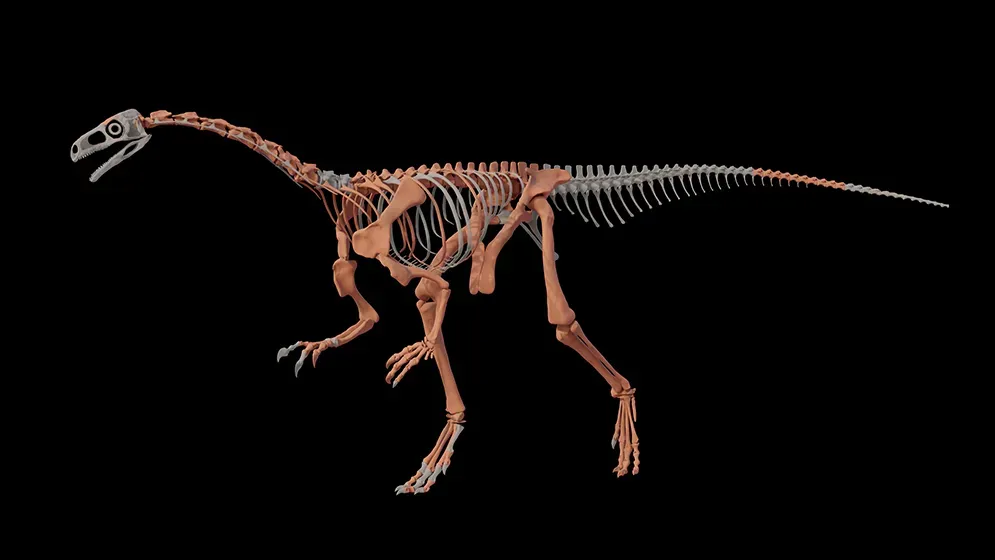
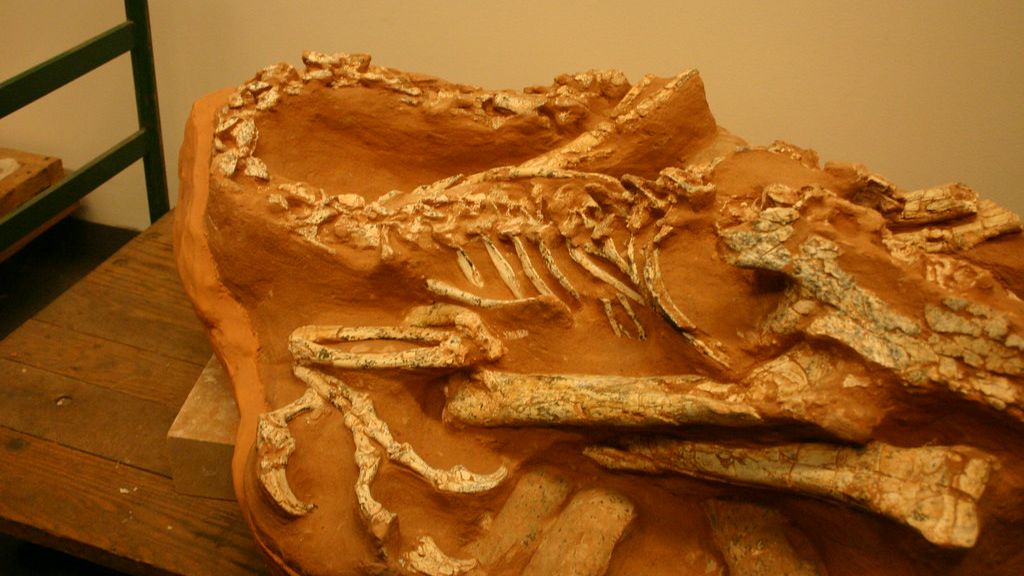
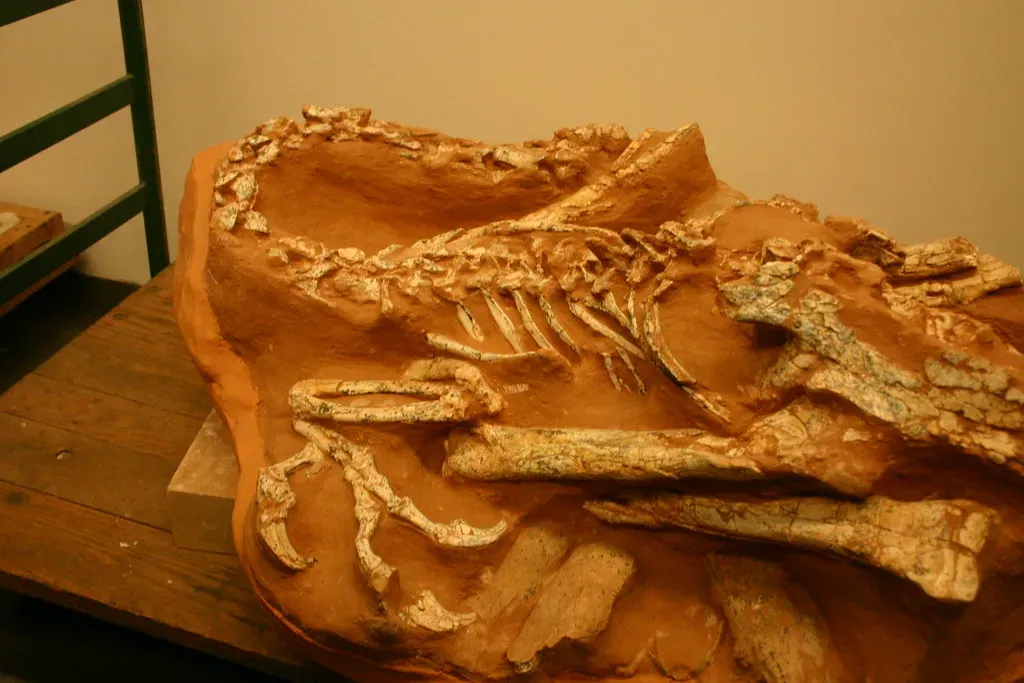
Argentine scientists have discovered the nearly complete skeleton of an unknown dinosaur species that lived approximately 230 million years ago in the Andes Mountains. Paleontologists may have discovered when plant-eating dinosaurs evolved their long necks after a new species of sauropodomorph was found in Argentina. The fossils of the new dinosaur species, named Huayracursor jaguensis, were found in the Santo Domingo Formation in the Andes of La Rioja province in northwestern Argentina
The 2m long Huayracursor was described from 228-million-year-old rocks in the Andes, making it one of the oldest known sauropod ancestors. It has a much longer neck than other species from the dawn of dinosaur evolution, revealing the earliest stages in the evolution of the extreme neck elongation seen in later sauropods. This tiny creature, weighing only about 40 pounds, shows the beginning of the body plan that would eventually produce some of Earth’s largest land animals.
What’s fascinating here is the timing. This discovery pushes back our understanding of when certain key dinosaur features evolved. Those iconic long necks didn’t appear suddenly. They developed gradually, starting with modest elongations in small creatures like Huayracursor millions of years before the giant sauropods roamed the planet.
Ancient Snakes Hiding in Plain Sight

Sometimes the most exciting discoveries aren’t fresh from the field. They’re sitting in museum drawers, misidentified or overlooked for decades. The new fossil snake species, Paradoxophidion richardoweni, lived in a much warmer England over 37 million years ago. An extinct snake has slithered its way out of obscurity over four decades after its discovery.
The fossil was collected from southern England but wasn’t properly studied until recently. When researchers finally examined it closely, they realized it represented something completely new. It’s especially exciting to have described an early diverging caenophidian snake, as there’s not that much evidence about how they emerged.
This discovery underscores an important point about paleontology. Museum collections around the world are filled with fossils that haven’t been fully studied. Each drawer potentially holds new species, new insights, waiting for someone to take a closer look. The past is still revealing its secrets, even from specimens collected generations ago.
Sauropod Skin With Color Clues
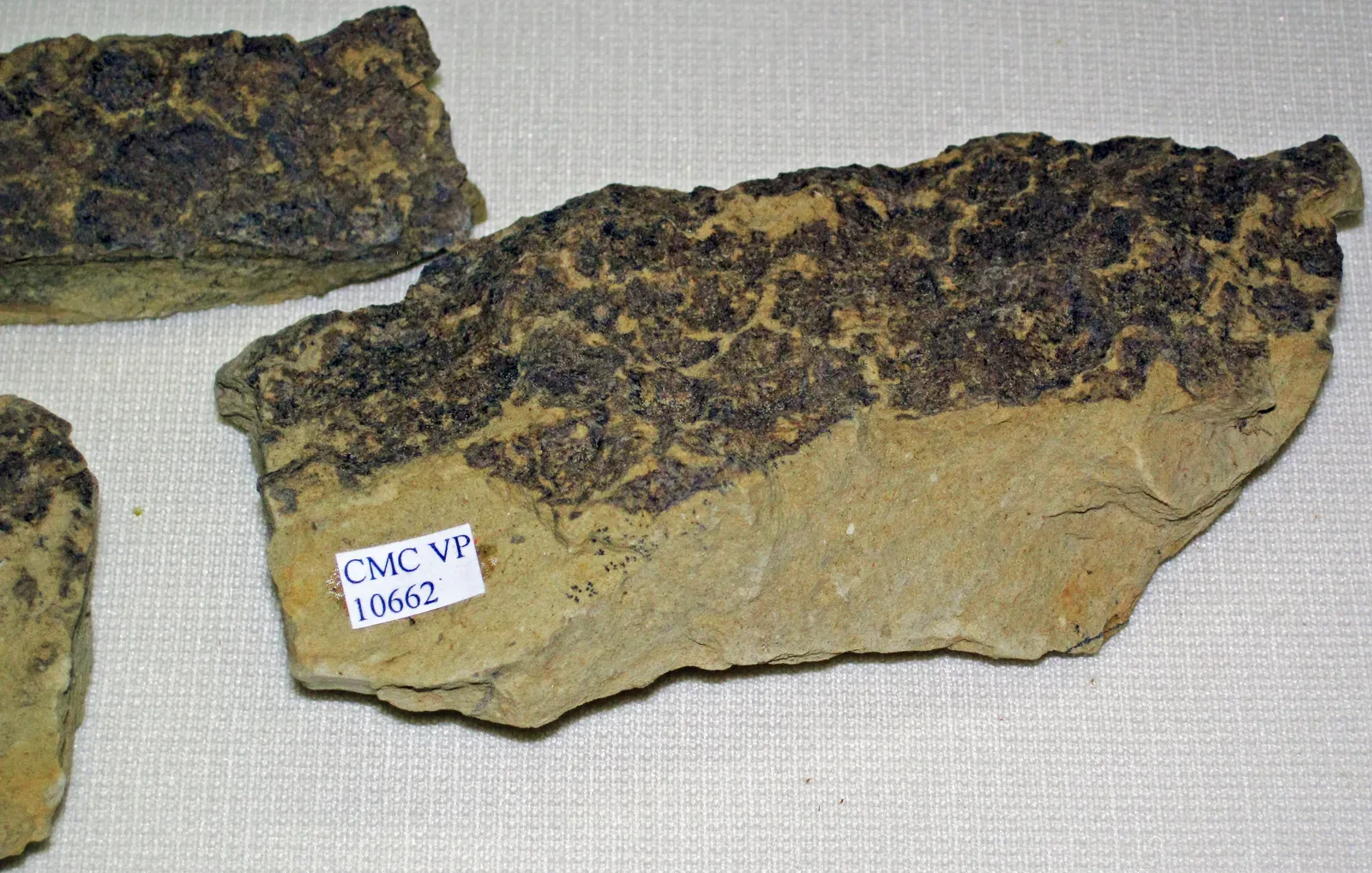
From the Jurassic rocks of Montana’s Mother’s Day Quarry, however, paleontologists uncovered fossils of sauropod skin so delicately preserved that they include impressions of pigment-carrying structures called melanosomes. Think about how rare that is. Soft tissue preservation is already exceptional, but preserving microscopic structures that once held color? That’s extraordinary.
While this team was reluctant to do that with the juvenile Diplodocus the skin came from, the researchers detected that the dinosaur would have had conspicuous patterns across its scales. The finding suggests sauropod dinosaurs were not uniformly gray or brown, but had complex color patterns like other dinosaurs, birds and reptiles.
The temptation to reconstruct exact colors is strong, but the scientists showed admirable restraint. What they could confirm, though, is that these massive creatures weren’t the drab, elephant-gray animals often depicted in older illustrations. They likely sported intricate patterns, possibly for camouflage, species recognition, or display. Imagine a herd of Diplodocus with zebra-like stripes or spotted patterns moving through Jurassic forests.
Conclusion
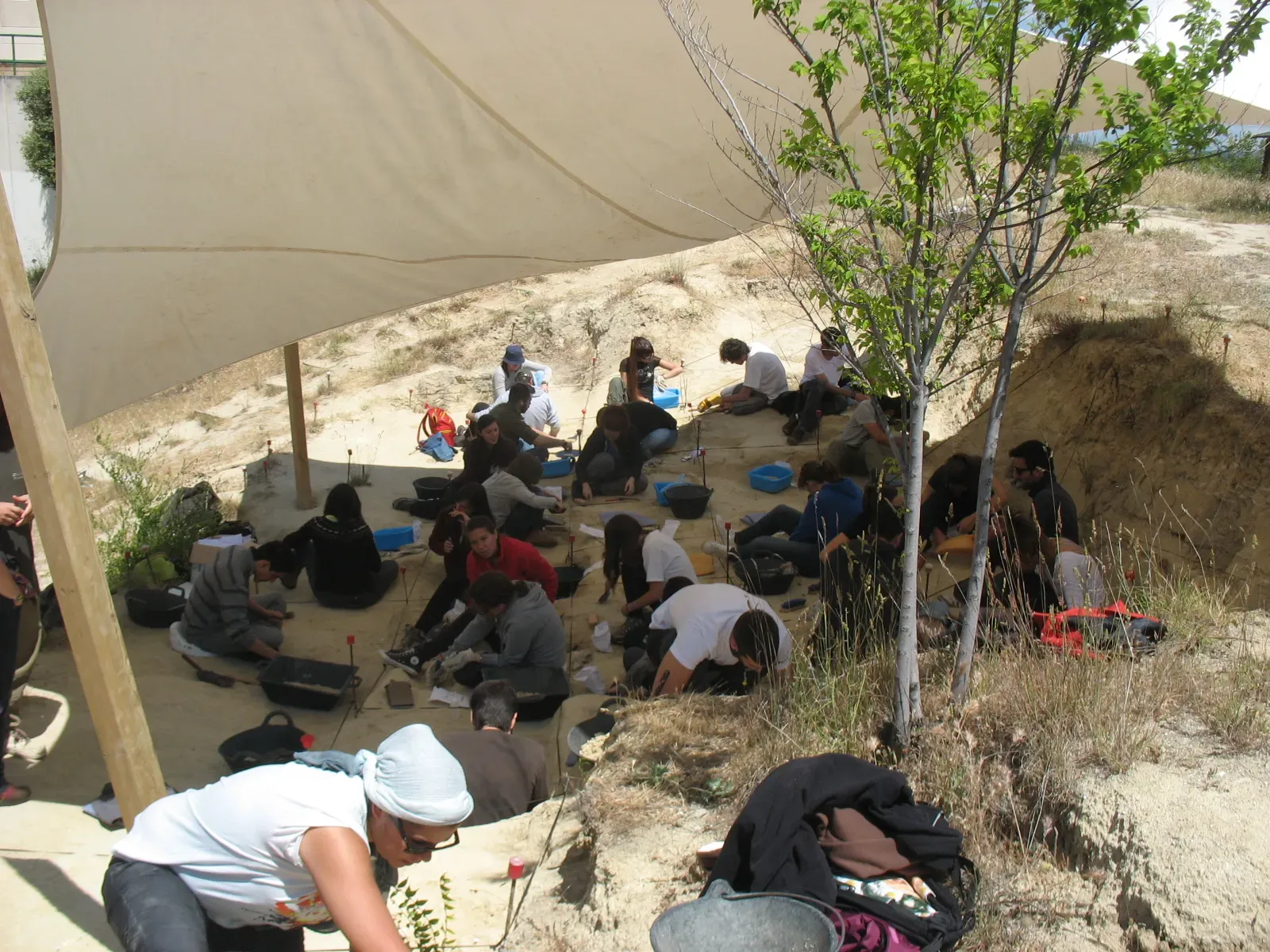
The fossil record isn’t finished surprising us. If anything, the pace of discovery is accelerating. Every new find adds another piece to the puzzle, but it also reveals how much we still don’t know. From tyrannosaurs that weren’t juveniles to molecular fossils that preserve ancient chemistry, from human ancestors living side by side to punk rock dinosaurs bristling with spines, the ground beneath our feet holds countless stories.
Here’s what strikes me most about these discoveries. They remind us that science isn’t about finding final answers. It’s about asking better questions. Each fossil changes the narrative, forces us to reconsider what we thought we knew, and opens doors to possibilities nobody had even considered.
The next groundbreaking fossil could be discovered tomorrow, or it might be sitting in a museum collection right now, waiting for someone to recognize its significance. What do you think the next big fossil discovery will reveal? The ancient world still has so much to teach us.


