Every time scientists think they’ve pieced together the grand puzzle of life on Earth, the ground shifts beneath their feet. A new bone surfaces. A layer of rock gives up its secrets. A tiny impression preserved in ancient stone overturns decades of confident thinking. The fossil record, it turns out, is not a passive archive. It is an active challenger, perpetually rewriting what you thought you knew about how life evolves.
What makes this story so remarkable is that the disruptions never stop coming. Barely a year passes without some discovery upending a textbook. And in 2026, that tempo has only accelerated. So buckle up, because what follows might genuinely surprise you. Let’s dive in.
When the Cambrian Explosion Wasn’t Really an Explosion
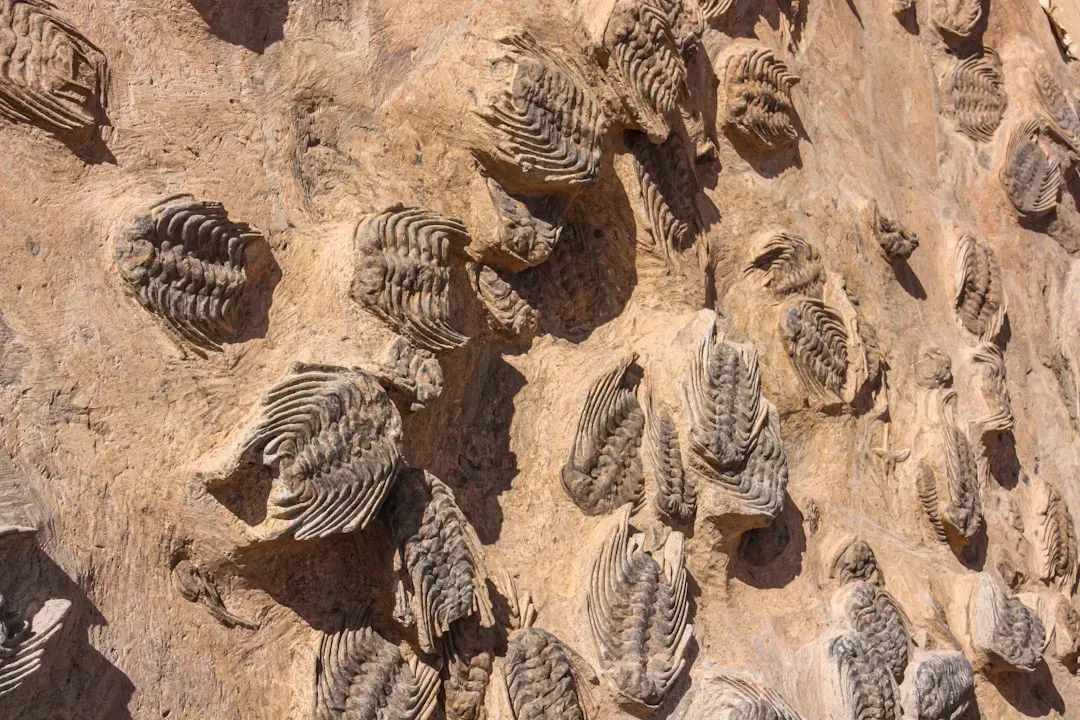
For generations, students learned that complex animal life burst onto the scene during the Cambrian Period, roughly 535 million years ago, in what became known as the Cambrian Explosion. It made for a clean, dramatic narrative. Then the fossils started telling a different story entirely.
The discovery of a new fossil site in China has revealed exceptionally well-preserved specimens from the Ediacaran Period, pushing back the timeline for when many major animal groups evolved by at least four million years. That might not sound like much on a human timescale, but in evolutionary terms, it’s staggering.
The fossils come from the Jiangchuan Biota in Yunnan Province, where researchers uncovered more than 700 specimens dating from 554 to 539 million years ago. The site contains a rich mix of Ediacaran life, including entirely new species as well as organisms previously thought to appear only in the Cambrian. Honestly, that’s a bombshell wrapped in ancient rock.
The discovery of ambulacrarian fossils in the Jiangchuan biota also means that the chordates, animals with a backbone, must also have existed at this time. Think about that for a moment. The roots of your own evolutionary lineage stretch back even further than scientists believed.
Before the Cambrian: Life Was Already Getting Complicated
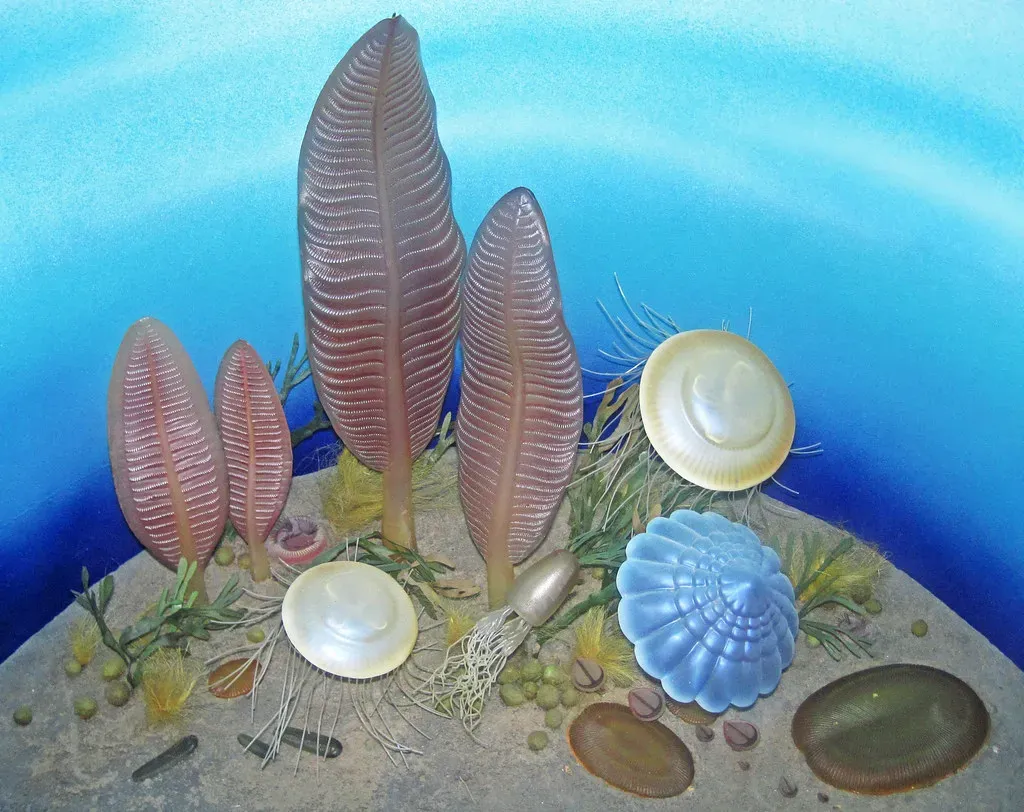
The Cambrian Explosion is a landmark moment in the history of life on Earth when many of the major groups of animals first appear in the fossil record. New research, however, suggests that many of their key characteristics were already in place millions of years earlier during the Late Ediacaran Period. The Cambrian Explosion may have been less of a burst of evolution, and more of a final flourish.
Traditional fossil studies skew toward creatures with hard parts, because bones and shells preserve most readily in rock. Trace fossils capture a different story: the activities of soft-bodied animals that rarely leave skeletal remains. It’s a bit like judging an iceberg by the tip you can see above water.
The study quantitatively indicates that organisms with slender body profiles thrived around 545 million years ago. “Furthermore, these organisms could move in a specific direction and probably possessed sensory capabilities to move and feed on heterogeneous substrates in a habitat dominated by microbial mats.” These were not simple, drifting blobs. They were already surprisingly sophisticated.
Many of the fossils display unusual combinations of features, including tentacles, stalks, attachment discs, and feeding structures that could be turned inside out. These forms do not match any known species from either the Ediacaran or Cambrian periods. Evolution, it seems, was running experiments we hadn’t even imagined.
Lucy Had Neighbors We Never Knew About
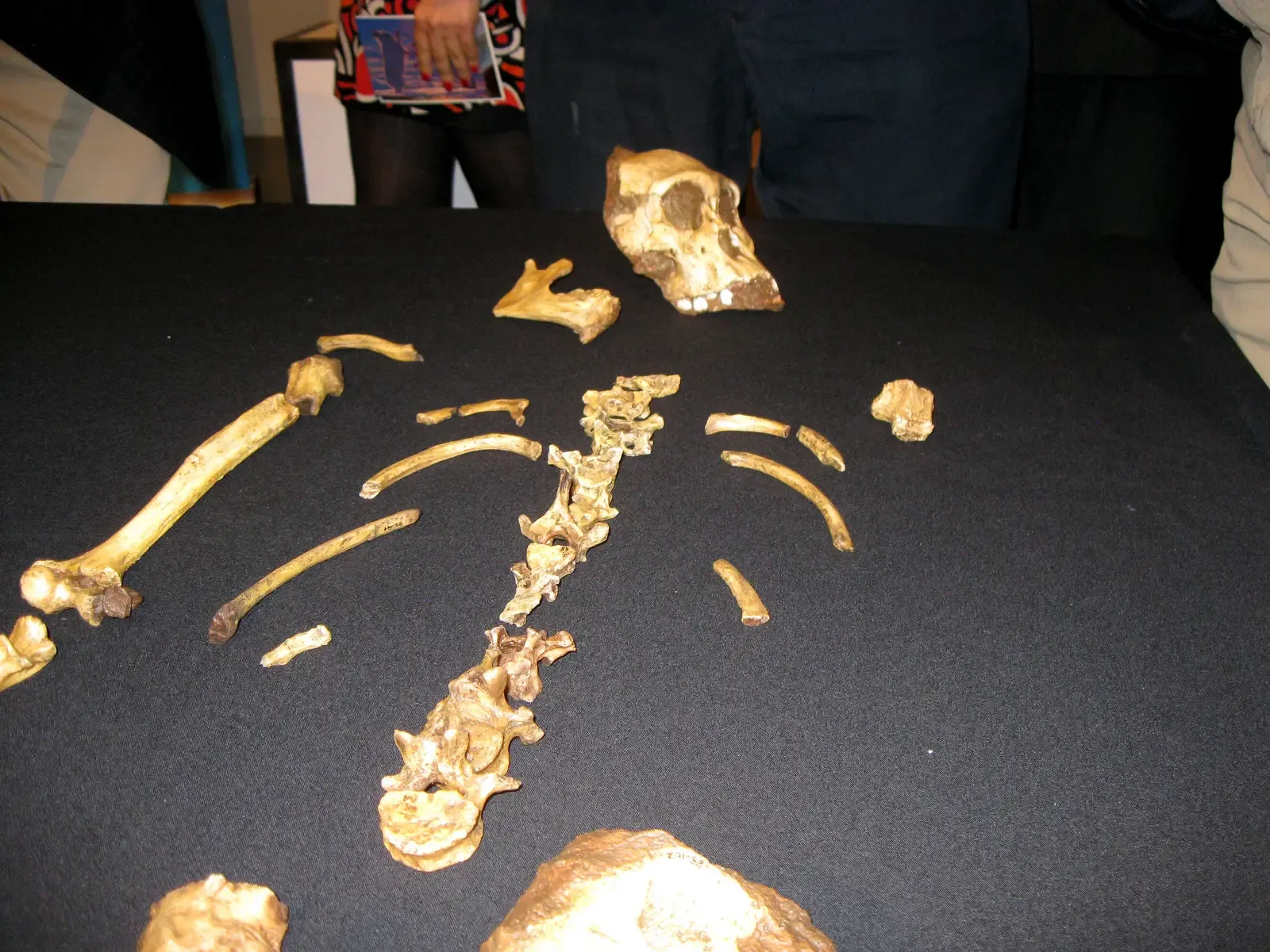
For decades, the famous hominin Lucy stood as a solitary queen of her era. Scientists largely assumed her species, Australopithecus afarensis, dominated the ancient East African landscape alone. Then Ethiopia gave up another secret.
The famed Lucy lived about 3.2 million years ago in what’s now East Africa. Scientists once thought her species, Australopithecus afarensis, was the only early human relative in the area between about 3.8 million and 3 million years ago. But new fossil finds in Ethiopia dating to around 3.4 million years ago, including a foot and fragments of a pelvis, skull, jaw and teeth, suggest she had neighbors.
The fossils belonged to Australopithecus deyiremeda, scientists say, suggesting multiple related species coexisted in the same region. A. deyiremeda had more primitive features than A. afarensis, including a grasping big toe for climbing trees. So instead of a lone pioneer, you have a crowded evolutionary landscape. The human family tree keeps getting bushier.
Homo naledi: The Rule-Breaker That Refused to Fit
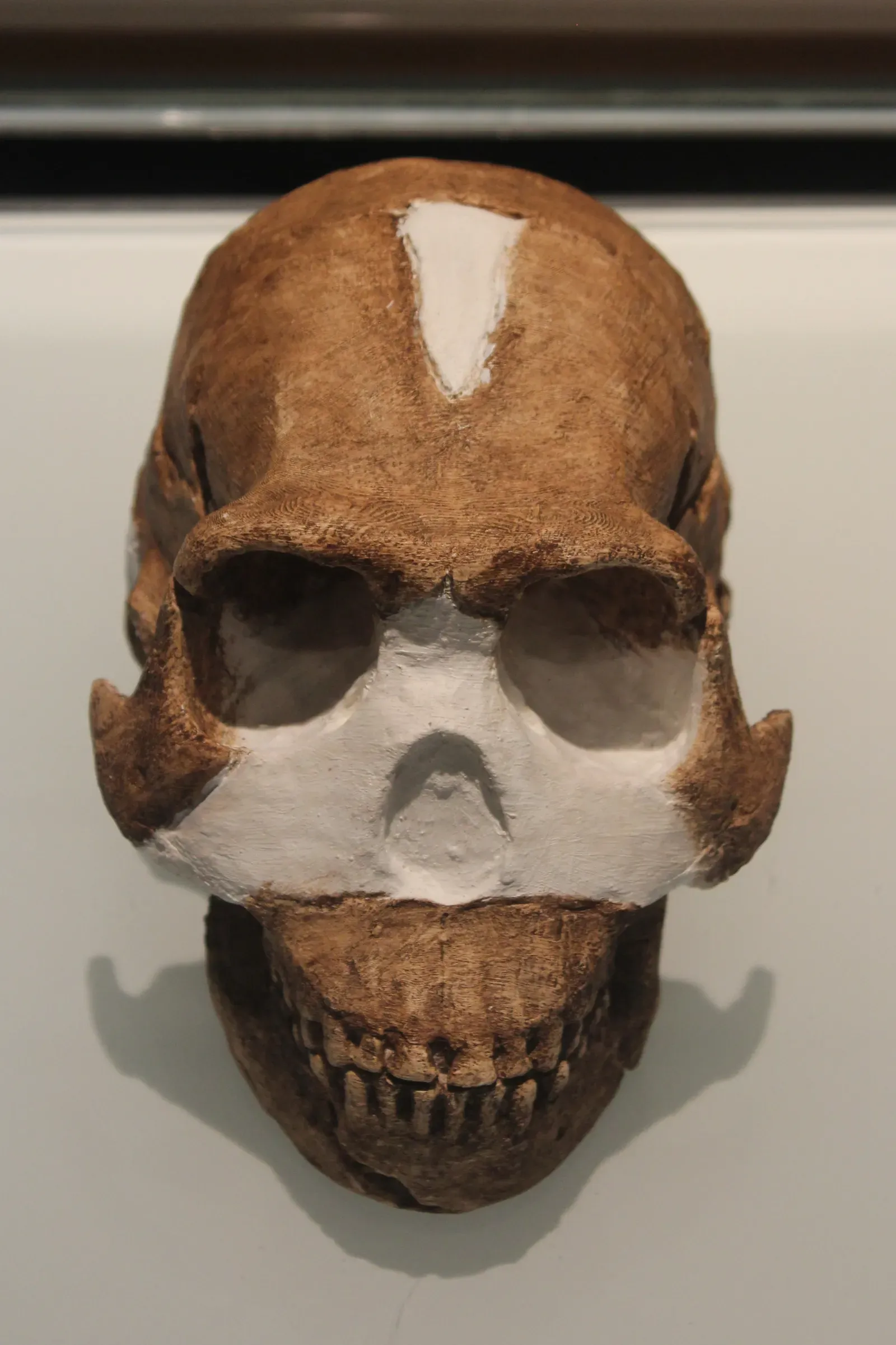
Here is the thing about evolution: scientists love a tidy progression. Bigger brains, more sophisticated behaviors, modern anatomy. Then Homo naledi showed up and threw that entire framework into chaos.
In 2015 researchers caused a sensation when they unveiled more than 1,500 human fossils representing some 15 individuals, male and female, young and old, discovered in South Africa. It was an almost unimaginable bonanza, one of the richest assemblages of human fossils ever found, recovered from a chamber deep inside an underground cave system near Johannesburg called Rising Star. From it, the team was able to deduce the bones belonged to a new species, Homo naledi, which had a curious mix of primitive traits, such as a tiny brain, and modern features, including long legs.
The age published in 2017 took scientists by surprise: they were between 236,000 and 335,000 years old. “This is astonishingly young for a species that still displays primitive characteristics found in fossils about two million years old.” In other words, this ancient-looking creature was walking around at roughly the same time as early Homo sapiens.
The persistence of small-brained humans for so long in the midst of bigger-brained contemporaries revises the previous conception that a larger brain would necessarily lead to an evolutionary advantage, and their mosaic anatomy greatly expands the known range of variation for the genus. Let’s be real, this rattled some deeply held convictions about what it means to be human.
Where Did the Apes Actually Come From?
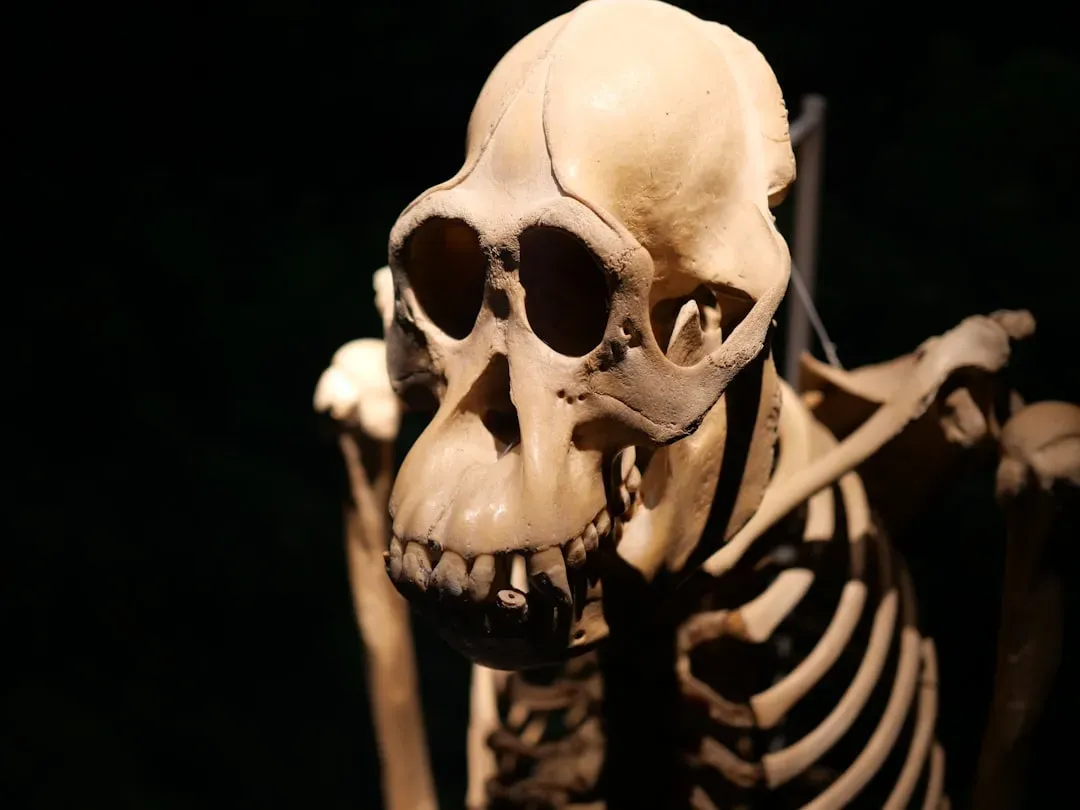
For a very long time, the story of ape origins pointed firmly at East Africa. It was the consensus, the assumed center of the evolutionary universe for our primate lineage. Then, just recently, a fossil from northern Egypt rewrote the map.
The species, Masripithecus, lived about 17 to 18 million years ago and may sit very close to the ancestor of all modern apes. This finding challenges the long-standing focus on East Africa. Instead, it points to northern Africa and nearby regions as a possible birthplace of apes.
Still, the exact origin of modern apes, which include all living species and their last common ancestor, remains uncertain because fossils from this time are rare, scattered, and often difficult to interpret. This challenge is made worse by gaps in Africa’s fossil record, where most discoveries come from a limited number of locations, leaving large areas from this period unexplored. It’s a humbling reminder that absence of evidence is not evidence of absence, especially when so much ancient terrain remains unexcavated.
Ardipithecus and the Problem With Preconceived Ancestors
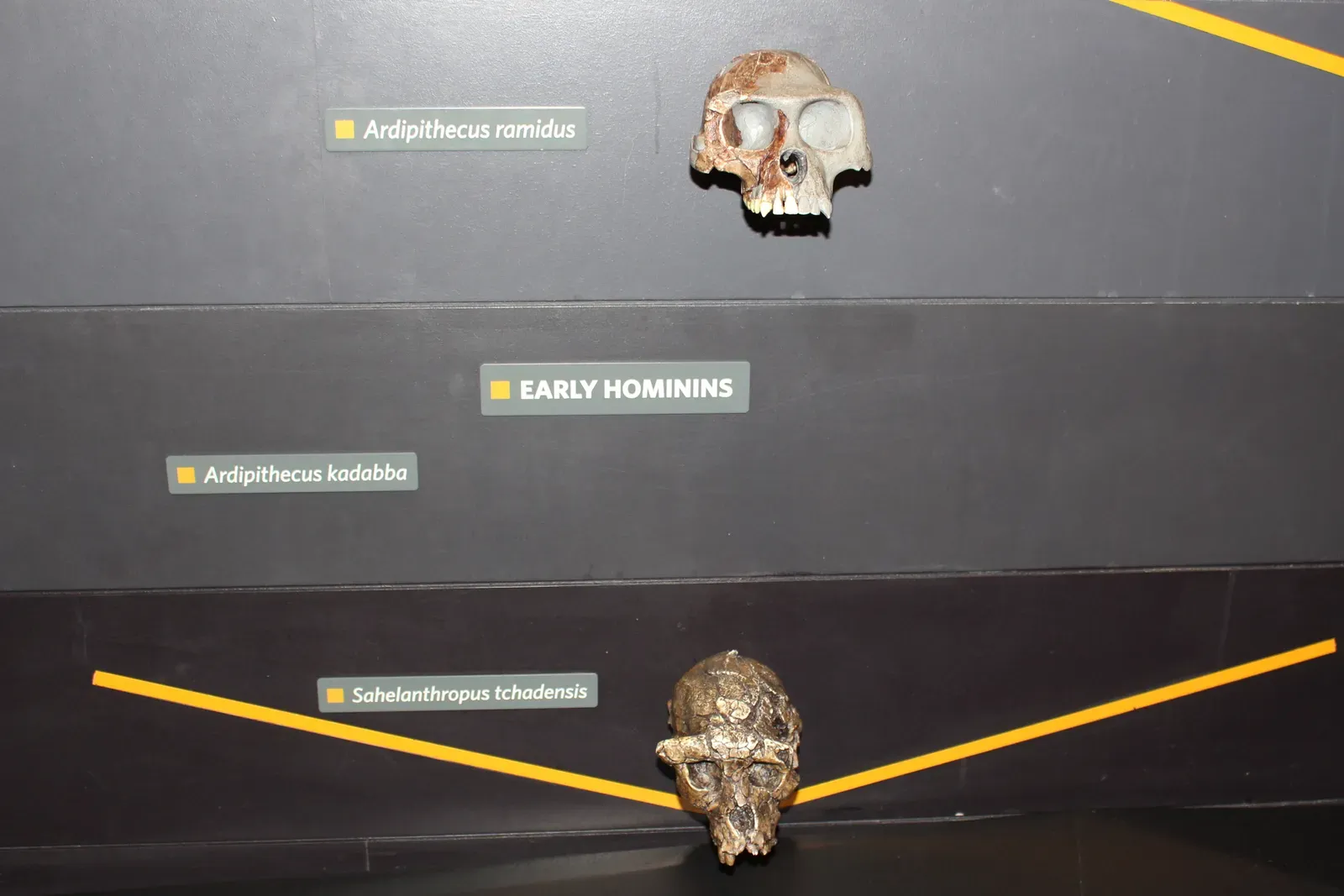
I think one of the most fascinating examples of fossil-induced humility involves our assumptions about what our own direct ancestors looked like. Scientists assumed for generations that human ancestors were essentially chimpanzee-like. It seemed logical. It turned out to be wrong.
Research shows that a priori assumptions about what evolutionary ancestors should look like can be misleading in our understanding of human evolution. Biologists have long assumed that the immediate ancestors of the human clade were chimpanzee-like. The discovery of Ardipithecus challenges these assumptions on multiple levels. By revealing both unexpected morphological conditions and ecological provenance, this discovery reveals an informative complexity to hypotheses of morphological transformation and adaptation during the acquisition of traits unique to humans.
The empirical analysis of evolutionary tempo and mode has been one of the great contributions of paleontology. Phenotypic stasis has proven to be far more prevalent than expected, and the challenge is now to rigorously test alternative evolutionary models for long-term phenotypic evolution and seek explanatory mechanisms for the different trajectories exhibited in fossil timeseries. In plain terms: species can stay remarkably unchanged for millions of years, which itself defies older assumptions about constant gradual change.
Mammal Jaws, Convergent Evolution, and a Discovery From Brazil
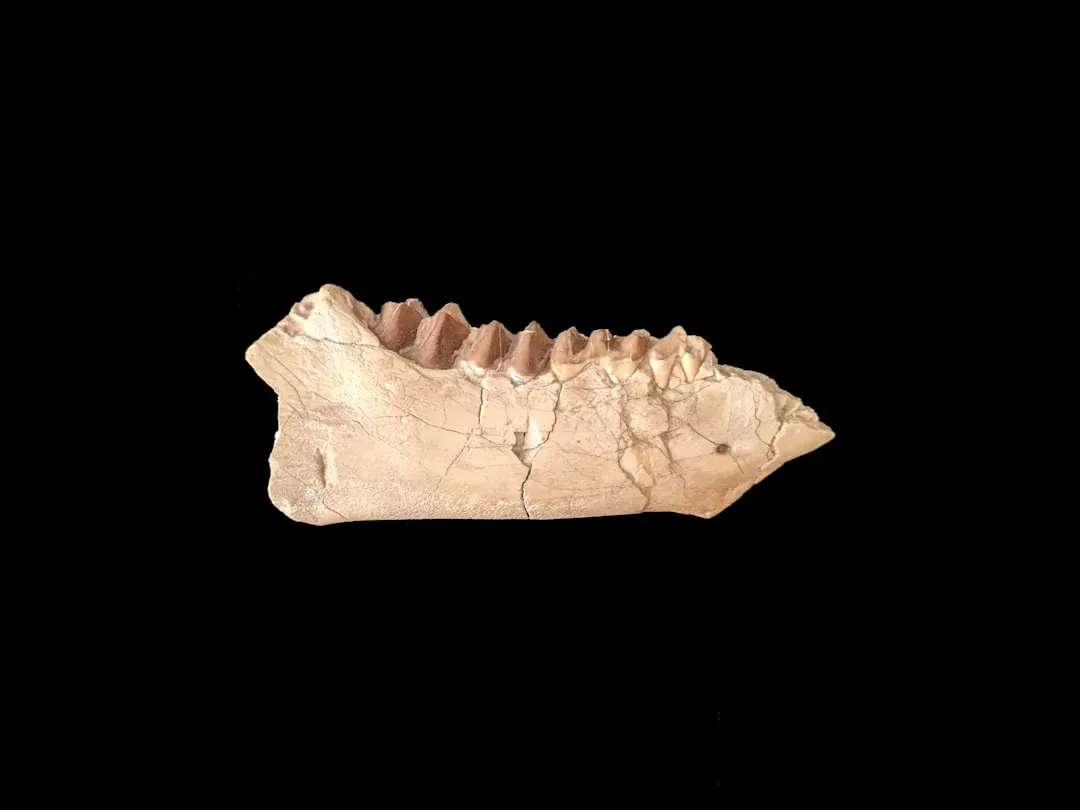
You might think that the evolution of the mammalian jaw is well understood. Fossils from the reptile-to-mammal transition are among the most studied in all of paleontology. Yet even here, the ground keeps shifting beneath researchers’ feet.
Scientists used CT scanning to digitally reconstruct the jaw joint of key fossil species and found something very unexpected and surprising. The jaw joint anatomy of two Brazilian species was very different, with the joint of Riograndia being more mammal-like than that of Brasilodon, even though the later genus is considered as closer related to modern mammals. Furthermore, Riograndia was dated to be about 17 million years older than any other previously known mammal-like reptile with such an advanced jaw articulation.
At first, such a transition would seem unlikely. It is hard to imagine what function such bones could have had during their intermediate stages. Yet paleontologists discovered two transitional forms of mammal-like reptiles, called therapsids, that had a double jaw joint, one joint consisting of the bones that persist in the mammalian jaw and the other composed of the quadrate and articular bones, which eventually became the hammer and anvil of the mammalian ear. Evolution, it turns out, found the same solution more than once, through completely separate pathways. That is both elegant and bewildering.
The Fossil Record’s Biggest Lesson: Evolution Is a Branching Bush, Not a Ladder
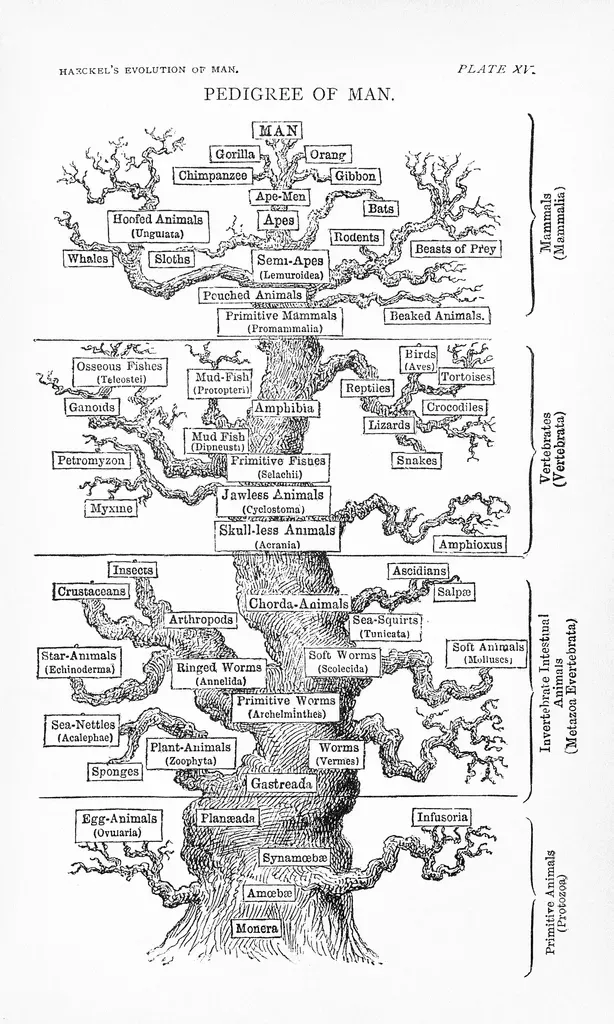
Perhaps the most profound shift driven by the fossil record is not about any single creature, but about the entire mental model most people carry. Evolution is not a tidy ladder from primitive to perfect. It never was.
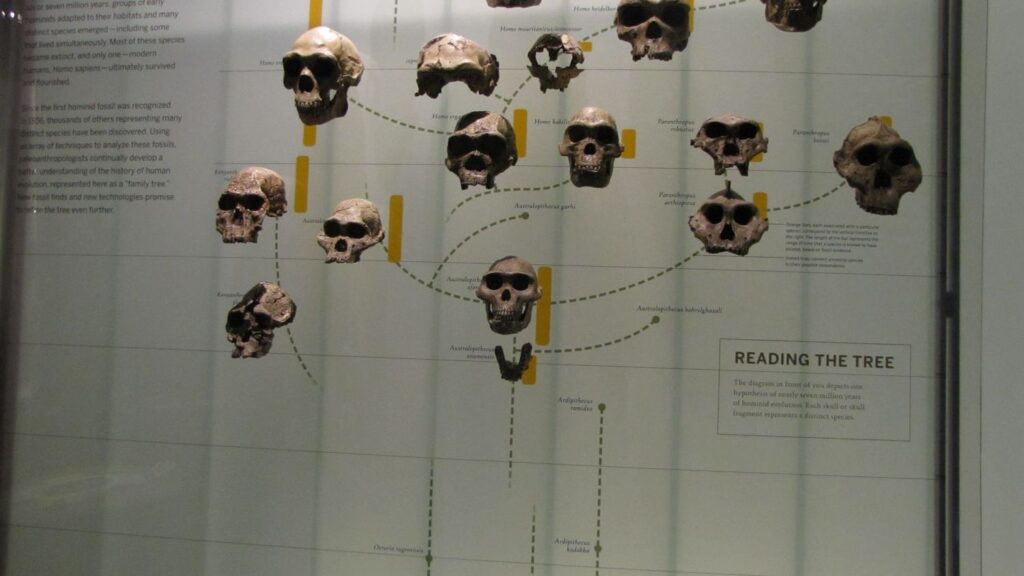
Think of evolution as a tree, not a chain. Not every animal species directly evolves into another species; just as dodo birds and T-rexes went extinct without evolving into something else, some branches on the evolutionary tree just end. That means that humans and apes both evolved separately from a common ancestor millions of years ago, as opposed to a single, direct chain as one species evolved into another.
Over time, scientists realized that many evolutionary experiments did not survive. The history of life was not a straight line of progress but a branching tree filled with extinct possibilities. Every fossil discovery adds another branch, another dead end, another wild divergence to that ever-expanding tree.
The fossil record provides snapshots of the past which, when assembled, illustrate a panorama of evolutionary change over the past 3.5 billion years. The picture may be smudged in places and has bits missing, but fossil evidence clearly shows that life is very, very old and has changed over time through evolution. The smudges are precisely where the most exciting science happens.
Conclusion: Science Is Better When the Ground Shakes
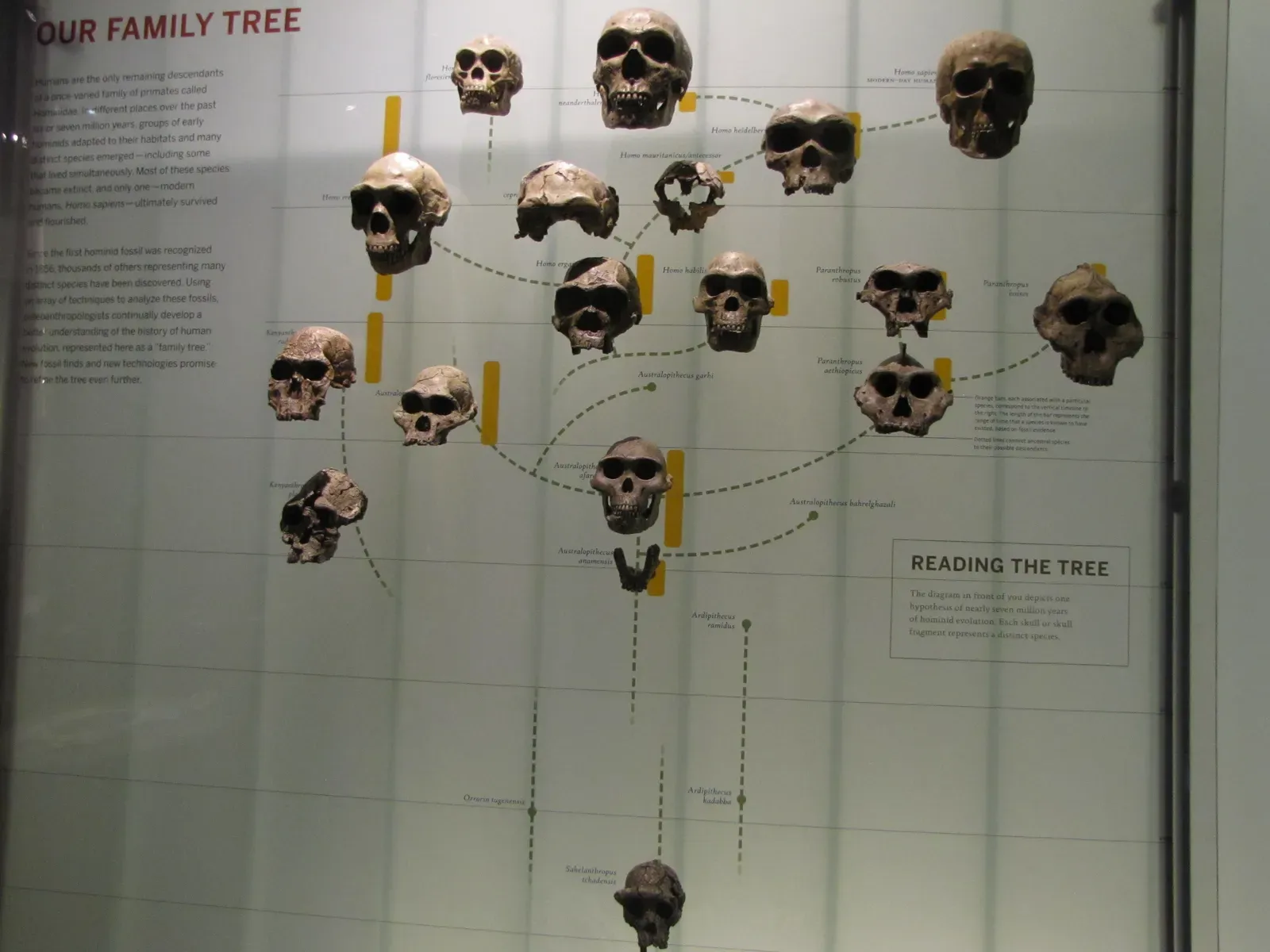
Here is something worth sitting with. Every single discovery discussed in this article did not weaken the theory of evolution. It deepened it. We have strong evidence from multiple independent sources, most notably fossils and genetics, that human beings developed through an evolutionary process. This remains true even if the details of the process are still under investigation.
The fossil record is humbling precisely because it keeps proving us wrong on the details while confirming the grand story. Scientists thought they knew where apes began. They thought Lucy walked alone. They thought the Cambrian Explosion was the starting gun. Over and over, ancient stone has said: not quite. These fossils connect us to creatures that lived millions of years before us, and they remind us that life is a story constantly being rewritten. The Earth still has countless secrets hidden in its rocks and soils, waiting for someone to stumble upon them.
The most honest thing science can do is to keep digging, keep questioning, and keep welcoming the discomfort of being wrong. That willingness to revise, rather than resist, is what makes the pursuit of evolutionary knowledge so powerful. What would you have guessed was hiding in the rocks all along?