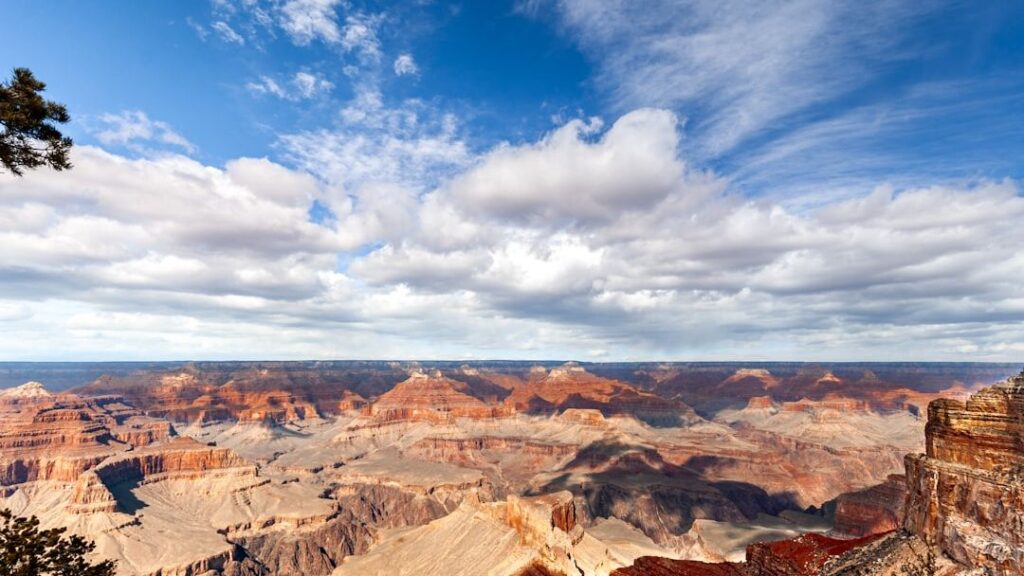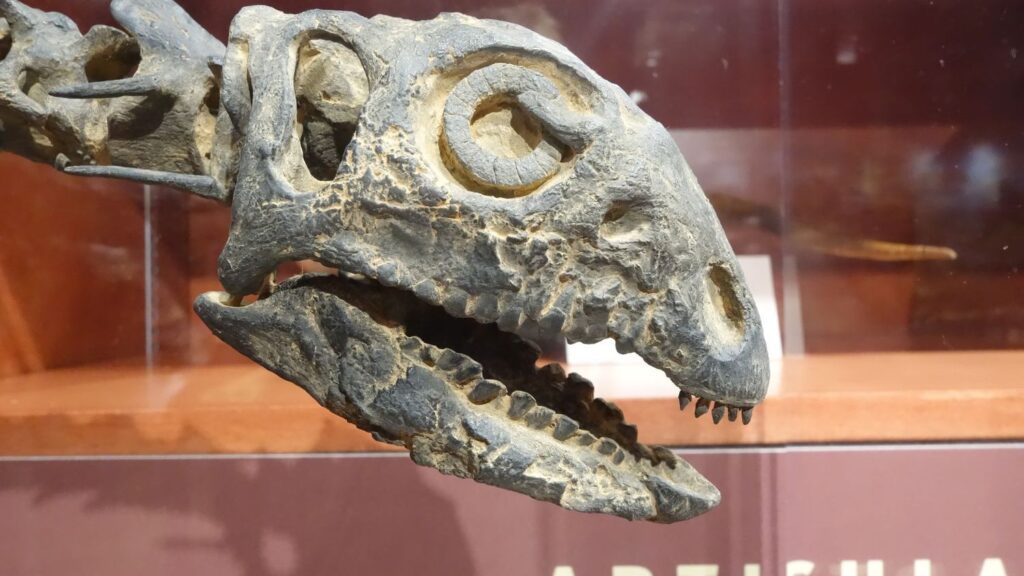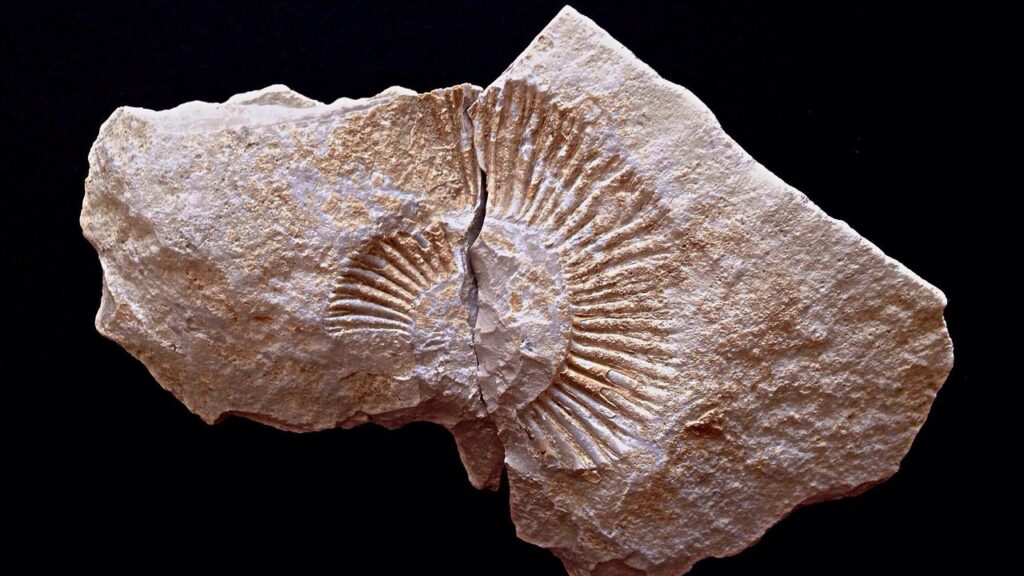
Imagine holding a rock in your hand and realizing it contains the outline of a creature that breathed, moved, and lived hundreds of millions of years before you were born. That moment, honestly, is one of the most quietly staggering things a human being can experience. Fossils serve as a bridge to our planet’s deep past, preserving traces of ancient life and offering profound insights into evolution, extinction, and the development of life on Earth.
The fossil record is a critical scientific resource that offers insights into the history and evolution of life on Earth, encompassing the preserved remains of ancient organisms dating back approximately 3.5 billion years, with around 250,000 known fossil species identified. From tiny microscopic cells to gigantic dinosaur skeletons, this buried archive never stops surprising us. So let’s dive in.
What Exactly Is a Fossil, and How Does One Form?
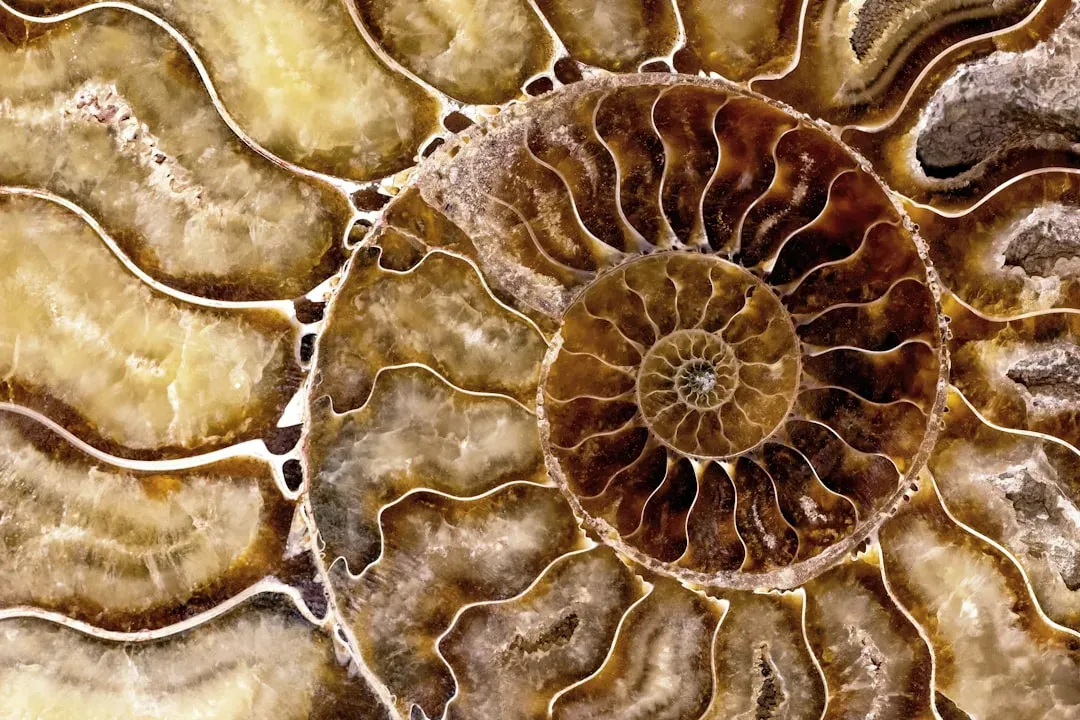
You might picture a dinosaur skull in a museum when you hear the word “fossil,” but the reality is far more varied and fascinating. Fossils are the remains or traces of ancient organisms, preserved over the ages in rock, amber, tar, ice, or another medium. They can be bones, shells, leaf prints, footprints, or even the chemical ghost of a long-dead organism locked inside stone.
Here’s the thing – forming a fossil is actually incredibly rare. After they die, most organisms are eaten or decompose quickly because they are exposed to the air. In order to become fossilized, organisms must be preserved in low-oxygen conditions, since oxygen feeds the bacteria that break down dead organisms. Think of it like a perfect storm of burial conditions, chemistry, and time – all lining up just right. An insect stuck in tree sap, an Iron Age man trapped in a bog, a dinosaur swept downriver and buried in sediment from a flood – these are rare events, but because life has existed for so long, and so many creatures have walked the face of the earth, we now have massive collections of fossils spanning most of Earth’s history.
How Old Can Fossils Actually Get?
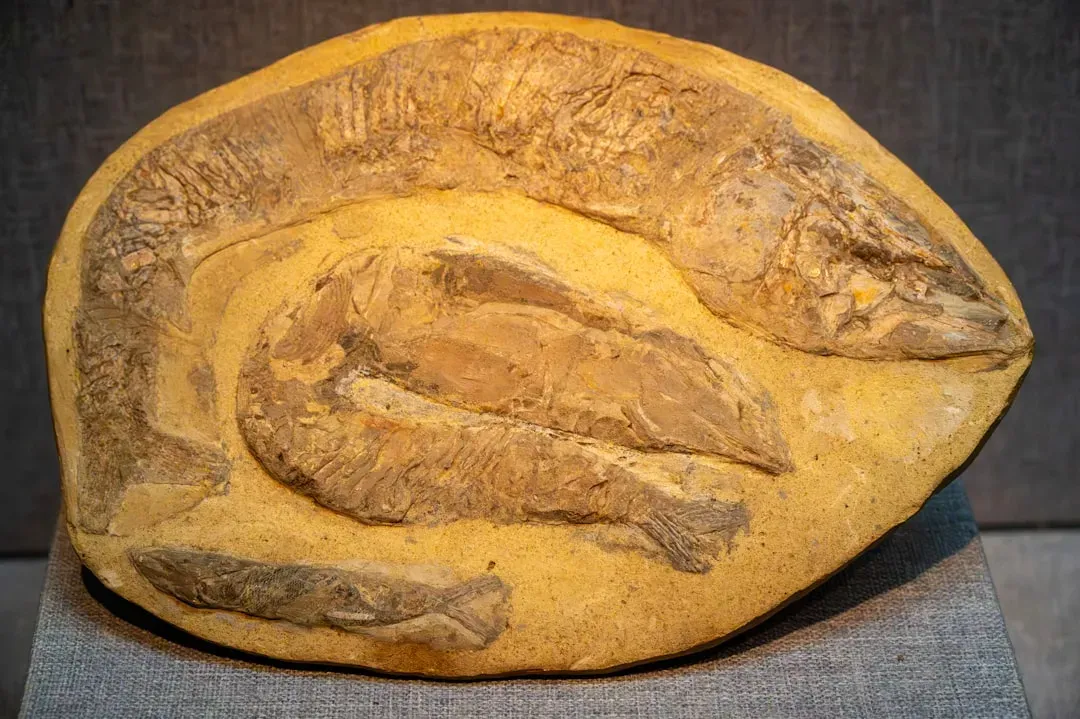
This is where things get almost unbelievably mind-bending. We tend to think of dinosaurs as ancient, and they are. But they are practically yesterday’s news compared to the oldest fossils ever discovered. The oldest fossils, microbial mats in Greenland, are 3.7 billion years old. To put that in perspective, that predates the formation of most of the continents as you know them today.
Precambrian microfossils showed us that life on Earth started much earlier than we thought. While complex animals emerged only 500-600 million years ago, these microscopic organisms were living billions of years before that. I think this is the part most people never fully absorb. Life did not begin with big, dramatic creatures. It began as something you’d need a microscope to see – and those invisible pioneers are the ancestors of every living thing on Earth today. Cyanobacteria fossils showed that oxygen didn’t exist naturally on Earth, but was produced by living things over billions of years.
The Fossil Record as a Story of Evolution
The study of fossils, known as paleontology, has revealed a wealth of information about the evolution of plants, animals, and other organisms over millions of years. You can essentially read the history of life like a layered book, with older chapters buried deeper in the rock and newer ones closer to the surface. The sheer order of it is breathtaking.
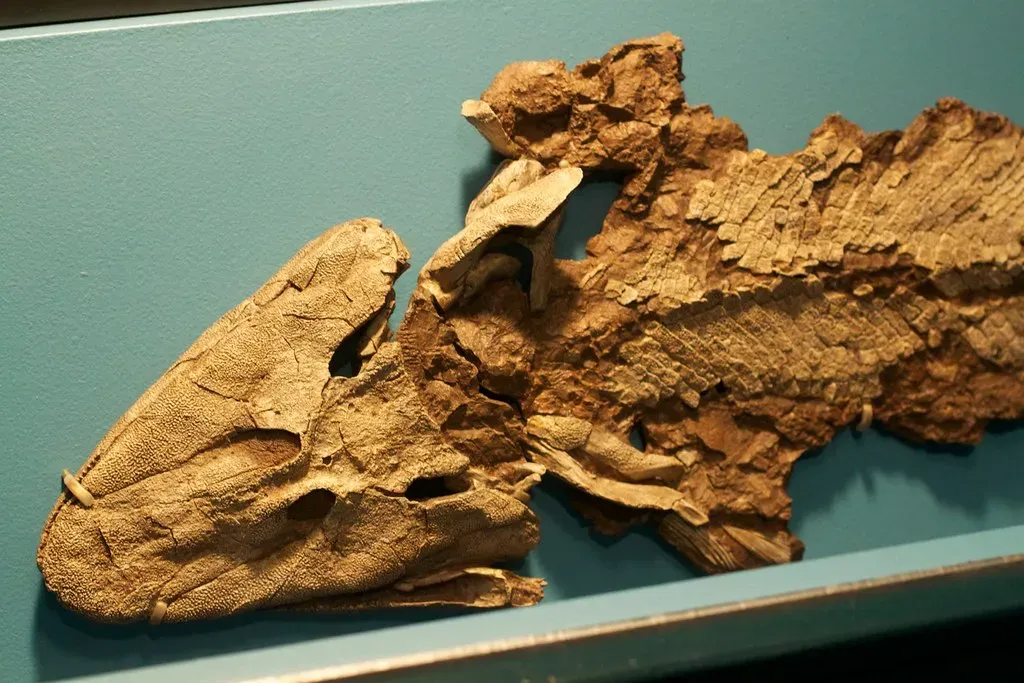
The arrangement of fossils within rock layers and across the world is highly ordered, and transitional fossils are abundant. One of the most famous transition fossils is Tiktaalik, a creature discovered in Canada that showed the evolutionary link between fish and land-dwelling vertebrates. The fossilized remains of Tiktaalik are housed in museums around the world and continue to be studied by paleontologists interested in the evolution of vertebrates. Tiktaalik remains one of the most famous and significant fossil discoveries in recent history. It is, quite literally, the moment evolution stepped out of the water.
What Fossils Reveal About Ancient Behavior and Ecosystems
Fossils are not just body parts frozen in time. They are behavioral snapshots. Fossils can also tell us about growth patterns in ancient animals. Patterns in the bones can reveal how fast an animal grew, whether it was sick, how old it was, and even how it used different parts of its body. That is far more information than most people expect from a chunk of rock.
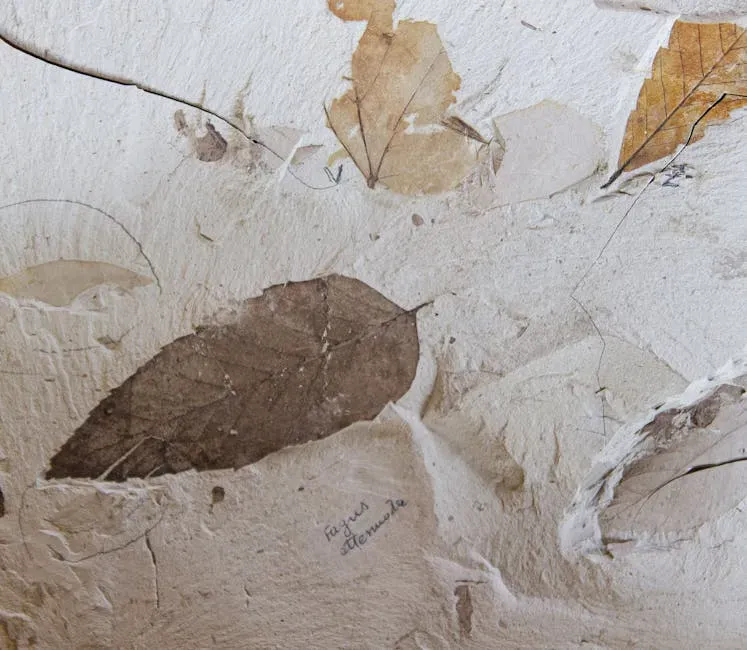
A leaf fossil just over 10 million years old shows a distinct pattern of damage matching the damage to modern leaves caused by the caterpillar of the moth Stigmella heteromelis. The damage patterns are so similar and distinct from other sorts of leaf damage that, although we don’t have fossils of the ancient moth itself, we know from the leaf fossil that it must have been present in the environment. Based on where this fossil was found, scientists know that the moth species has a much smaller range today than it did in the past. That is ecological storytelling on a geological scale – and it never gets old.
Landmark Human Ancestor Fossils That Rewrote Our Story
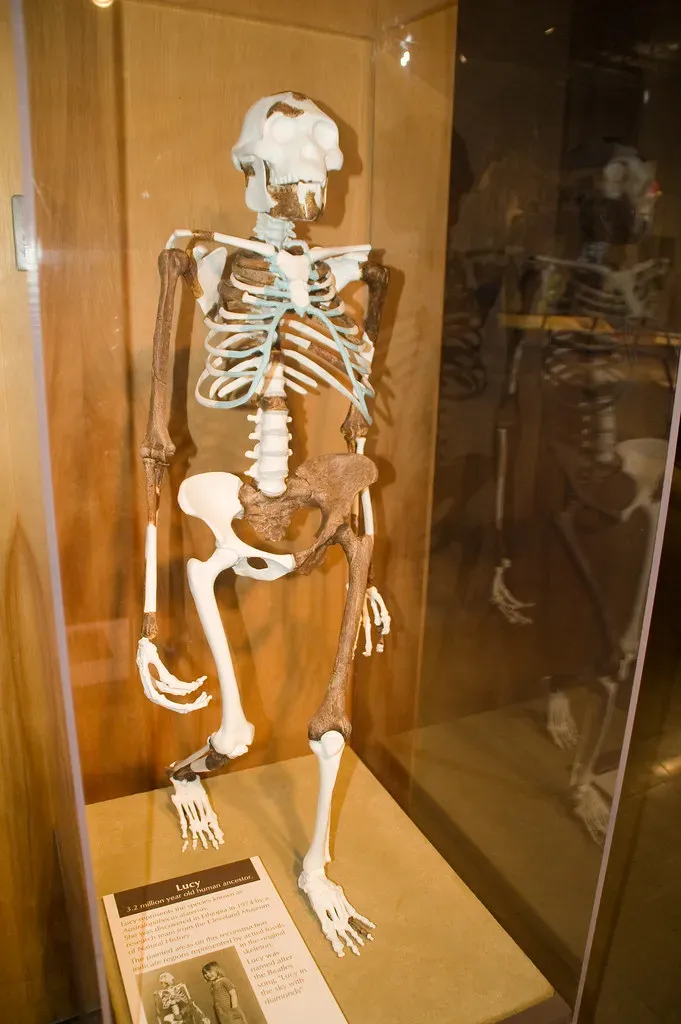
Let’s be real, few topics stir human curiosity quite like the question of where we came from. The fossil record has been central to answering that question, and some of the most dramatic finds have come from Africa. Lucy is the name given to a collection of fossilized bones belonging to an ancient hominid species called Australopithecus afarensis, which lived in East Africa approximately 3.2 million years ago. She was discovered in 1974 by a team of researchers led by paleoanthropologist Donald Johanson in Ethiopia’s Afar Depression.
The discovery of Lucy was significant because it was one of the most complete and well-preserved fossils of an early human ancestor ever found. The fossil included almost the entire skeleton of an adult female, including her skull, jaw, teeth, and limb bones. The study of Lucy’s bones has provided valuable insights into the evolution of human ancestors. More recently, in early 2026, the scientific world was buzzing again. One of the most complete human ancestor fossils ever found may belong to an entirely new species, according to an international research team. It seems our family tree keeps gaining new branches.
The World of Dinosaur Fossils – Always Full of Surprises
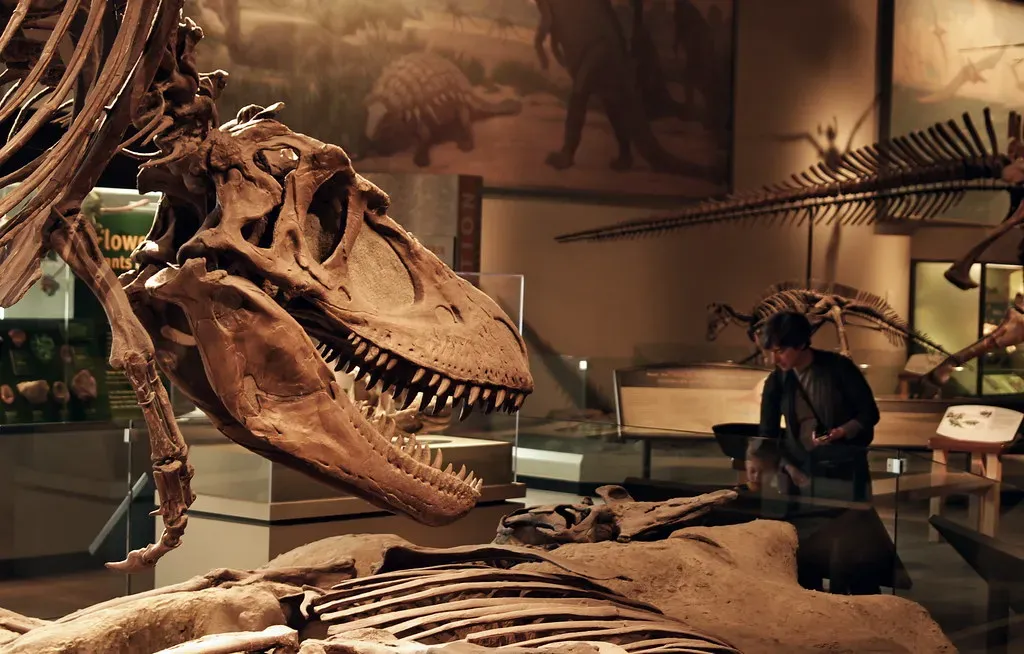
Few fields of science generate as much public excitement as dinosaur paleontology. It is a discipline that regularly pulls the rug out from under what you thought you knew. Take one of the most talked-about debates of recent years: the case of Nanotyrannus. For decades, Nanotyrannus lancensis occupied one of the most controversial footnotes in dinosaur science, frequently dismissed as a juvenile T. rex. In 2025, new histological sampling and skeletal comparisons from the famous “Dueling Dinosaurs” specimen demonstrated that Nanotyrannus was not an immature rex, but a separate, fully grown tyrannosaur.
Meanwhile, discoveries keep expanding our geographic understanding of dinosaur life. Among the most dramatic vertebrate fossil announcements of 2025 was a massive Early Cretaceous spinosaurid recovered from Thailand’s ancient river deposits. Estimated at 25 feet long, the animal stalked tropical waterways 125 million years ago and shows enough skeletal differences from Spinosaurus and European spinosaurids to suggest a distinct Asian radiation of the family. This discovery fills a major biogeographic gap, showing that extreme body size and semi-aquatic specialization evolved repeatedly across continents. If that is not astounding, I honestly do not know what is.
Modern Technology Is Transforming How We Read Fossils
Here is where the story of fossil science in the 2020s gets genuinely thrilling. The old tools of brush and chisel have been joined by something entirely different. Researchers have uncovered thousands of preserved metabolic molecules inside fossilized bones millions of years old, offering a surprising new window into prehistoric life. We are no longer just looking at shape and structure. We are reading the biochemistry of extinct creatures.
Advances in fossil protein sequencing and bone micro-analysis are expected to unlock new biological details from iconic specimens, and renewed attention on ancient forests and early land plants may reveal how ecosystems rebounded after ancient climate shocks. Technology is also reshaping how we find fossils in the first place. Dinosaur footprints have always been mysterious, but a new AI app is cracking their secrets. DinoTracker analyzes photos of fossil tracks and predicts which dinosaur made them, with accuracy rivaling human experts. Paleontology, it turns out, is just as much a science of the future as it is a science of the past.
Fossils as Windows Into Earth’s Climate and Future
One of the most underappreciated aspects of fossil science is what it can tell us about climate change – not just ancient shifts, but the patterns that help us understand our world right now. Fossils can also tell us about our future. By studying the fossil record, we can see how past ecosystems and species adapted to different conditions, helping us anticipate potential upcoming changes in biodiversity and ecosystem dynamics. That is a pretty remarkable application for something that has been sitting in the ground for millions of years.
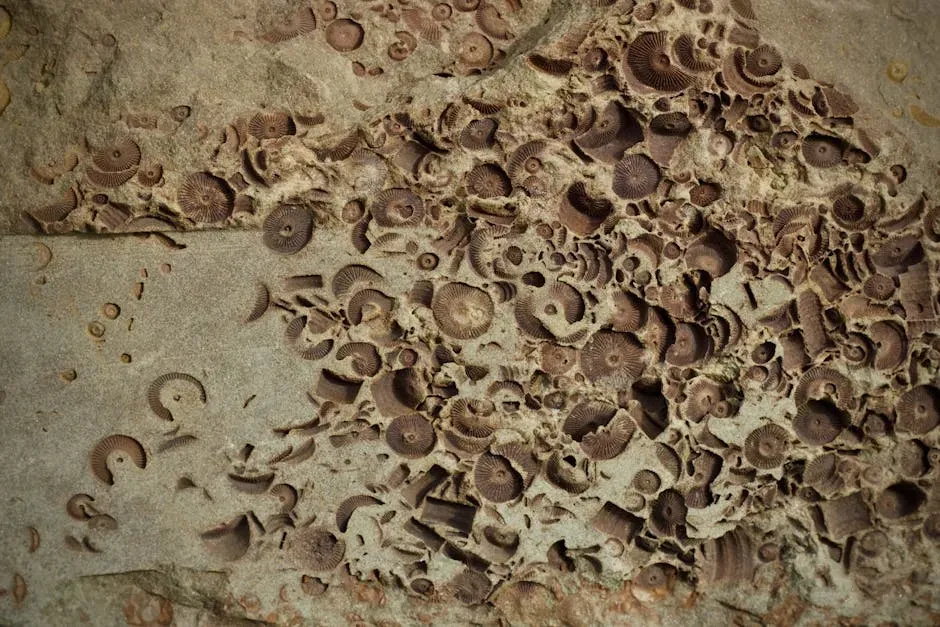
Consider the coral fossil record as a particularly vivid example. A study on fossils of members of coral from Miocene sites in Austria and Hungary provided evidence of low calcification rates during the mid-Miocene climate warming that likely affected the formation and maintenance of coral reefs. A study on the fossil record of Cenozoic Caribbean corals indicated that the largest turnovers of species and of traits that impact resilience coincided with climate and biogeographic changes. The message is clear: ancient fossils are not just relics. They are climate warnings written in stone, offering a road map of how life responds when the planet heats up.
Conclusion: Every Rock Holds a Potential Story
The fossil record is, without exaggeration, one of the most extraordinary archives in existence. Paleontology has proved once again that Earth still holds extraordinary stories in stone, amber, and microscopic cellular archives. Fossil finds and scientific breakthroughs have captured global attention, reshaped evolutionary family trees, revealed ancient behavior, and even pushed the boundaries of molecular preservation.
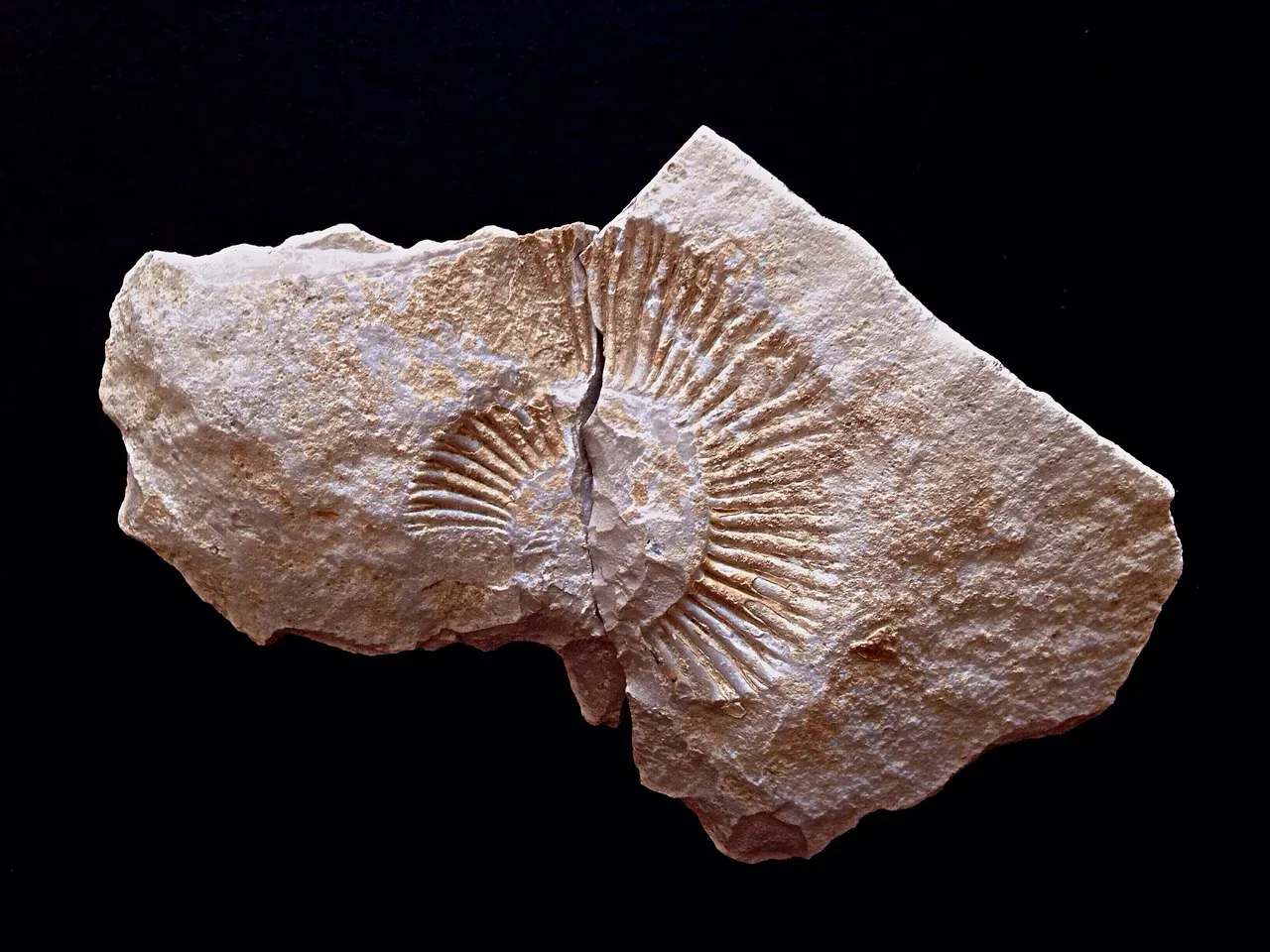
Captivating remnants of ancient times, fossils offer a window into Earth’s history and the evolution of life. They document the past, providing clues about extinct species, vanished environments, and the processes that shaped our planet. From dinosaur bones to prehistoric plant impressions, fossils are a source of fascination and wonder, inspiring scientific exploration and a deeper understanding of our world.
The next time you pick up an ordinary-looking rock, just consider for a moment what might be hiding inside it. Somewhere out there, a discovery is waiting to rewrite everything we think we know – again. What fossil discovery has surprised you the most? Tell us in the comments.