You probably picture dinosaurs as solitary, cold-blooded killing machines, roaming ancient landscapes without a care for anything except their next meal. It’s the image Hollywood has sold us for decades. But here’s the thing – the fossil record tells a wildly different story, one packed with nurturing parents, communal nurseries, tight-knit herds, and young ones too helpless to survive a single day without adult care.
What the bones and nests and fossilized footprints reveal is almost unsettling in the best possible way. These creatures, who vanished roughly 66 million years ago, apparently loved their young with something that looks a lot like devotion. Let’s dive in.
Maiasaura – The Dinosaur That Changed Everything
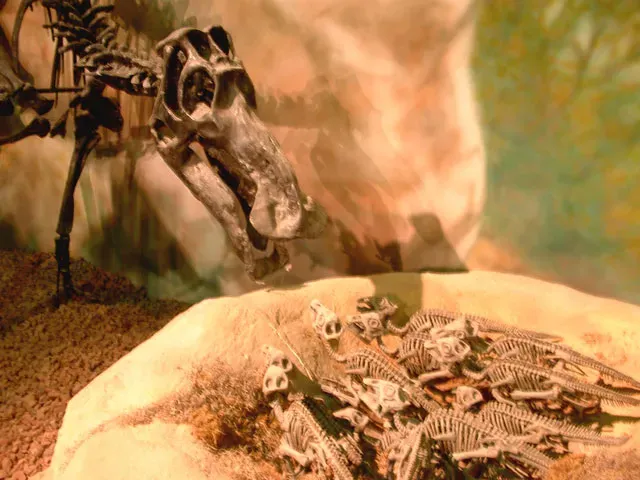
Imagine digging into a Montana hillside and pulling out not just bones, but proof that a creature millions of years extinct was, in many ways, a devoted parent. That’s exactly what happened in 1978. In that year, paleontologist Dr. Jack Horner made an unusual discovery in Montana – he found fossil remains of eggshells and adult and baby Maiasaura. The scientific world would never look at dinosaurs the same way again.
Upon hatching, fossils of baby Maiasaura show that their legs were not fully developed and thus they were incapable of walking – and fossils also show that their teeth were partly worn, which means the adults brought food to the nest. Think about that for a moment. A creature the size of a camping trailer was bringing meals to its babies, much like a robin at a birdfeeder. It was the first evidence that some dinosaurs nurtured and cared for their young, and it helped people see dinosaurs as animals that once demonstrated complex behaviours.
Egg Mountain – A Colonial Nursery Frozen in Time
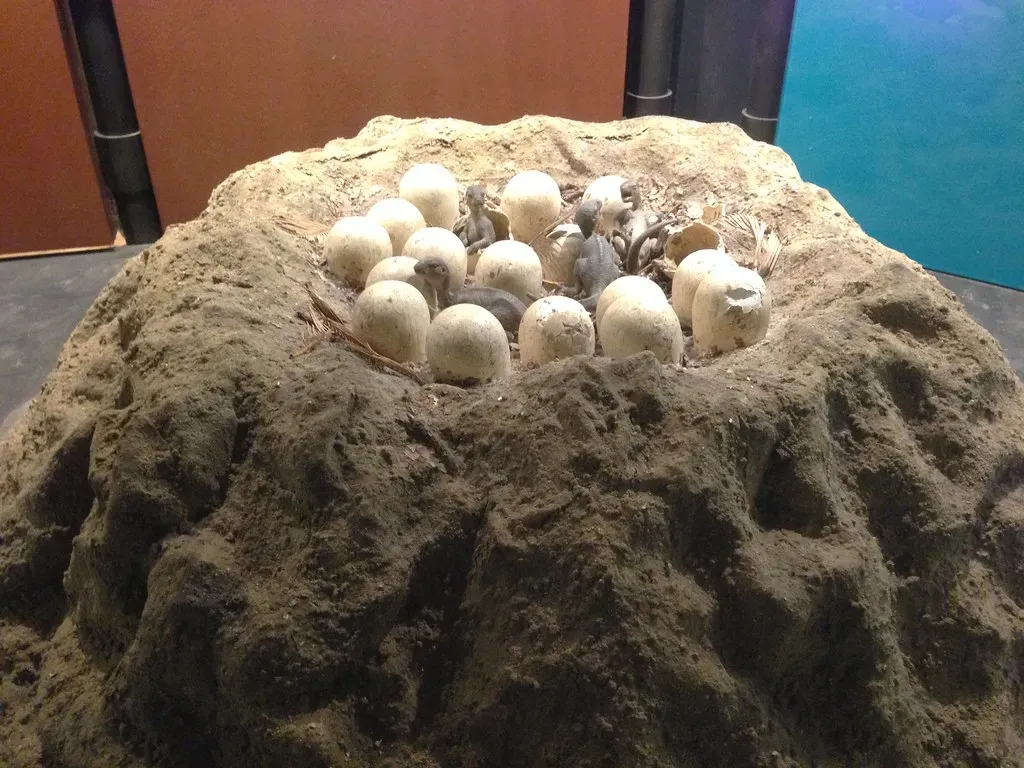
One of the most significant dinosaur localities, these exposures of the Two Medicine Formation produced the first dinosaur eggs and babies discovered in the western hemisphere. The fossils of the duck-billed dinosaur Maiasaura indicate these animals nested in groups and cared for their young – discoveries which helped shift the public and scientific perception of dinosaurs and their behavioral complexity. You’re looking at what amounts to a Cretaceous maternity ward, preserved in rock.
Maiasaura lived in herds and raised its young in nesting colonies. The nests in the colonies were packed closely together, like those of modern seabirds, with the gap between the nests being around seven metres – less than the length of the adult animal. The nests were made of earth and contained 30 to 40 eggs laid in a circular or spiral pattern. The sheer organization of the site is staggering. This was not random behavior – it was structured, intentional, and remarkably familiar.
The Oviraptor Redemption – A Misunderstood Parent
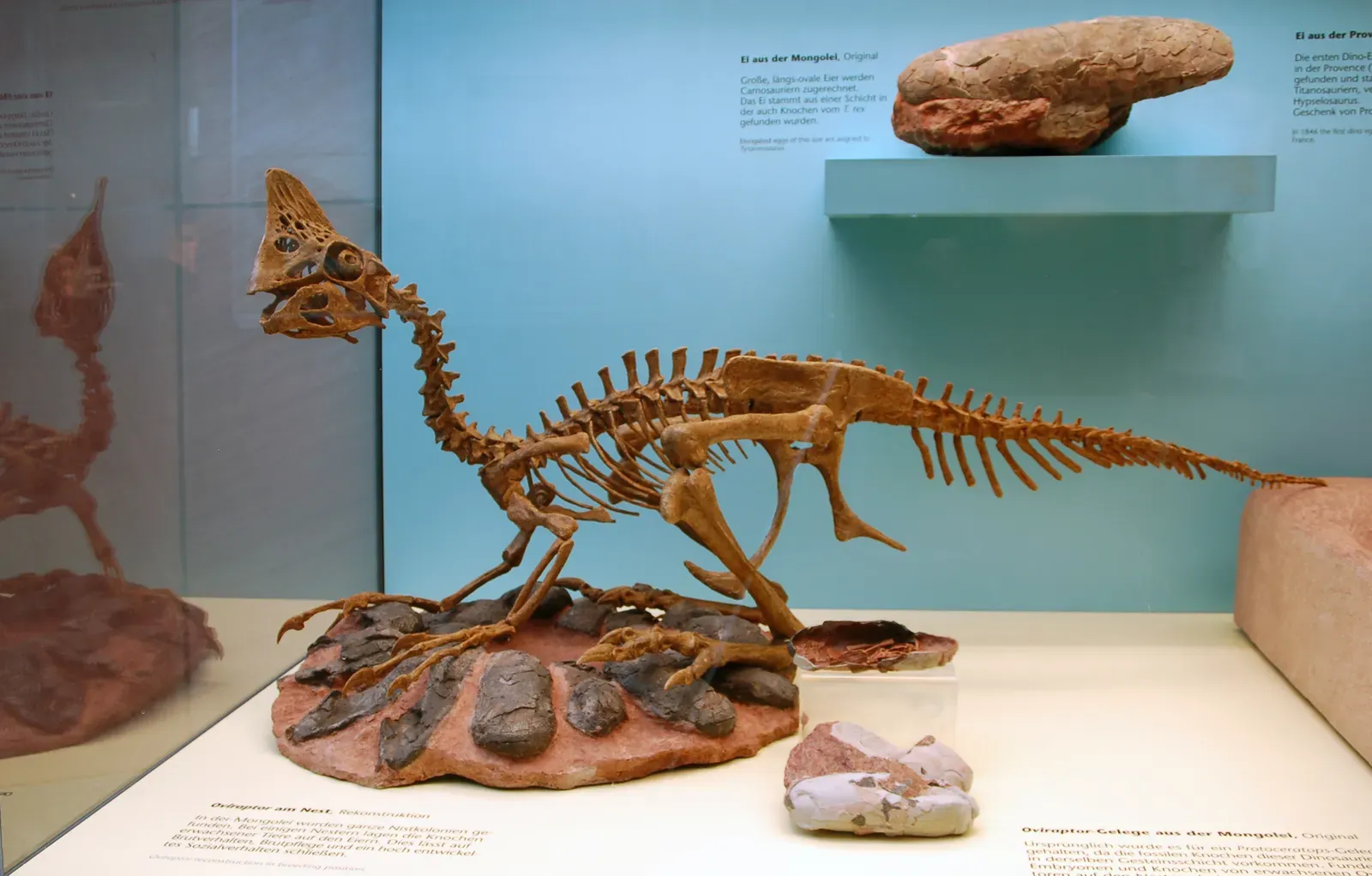
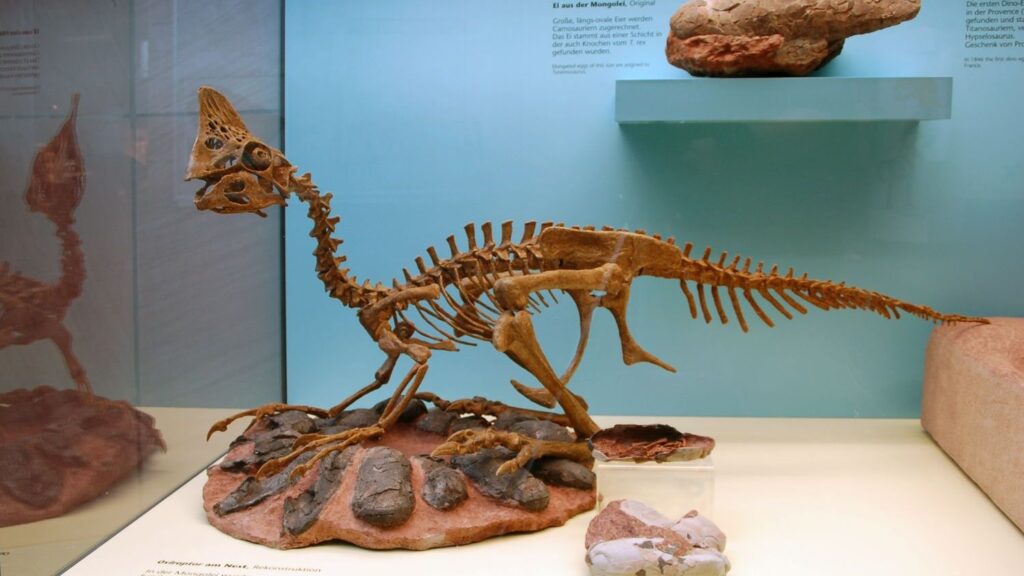
Here’s a story of scientific injustice that took decades to correct. Oviraptor, whose name is derived from the Latin for “egg thieves,” was first discovered in the 1920s in association with eggs that were thought to be of the small ceratopsian dinosaur, Protoceratops – and based on this find, scientists thought that Oviraptor may have stolen and eaten other dinosaurs’ eggs. It was essentially branded a criminal for nearly a century. Honestly, that has to sting, even if you’re extinct.
It has now been confirmed that the eggs actually belonged to Oviraptor, and there is no other evidence that it stole eggs – in fact, oviraptorids show substantial evidence of putting their lives on the line for their young. Scientists know from previous finds that oviraptorids laid two eggs at a time in a clutch of 30 or more, meaning the mother would have had to stay with or at least return to the nest, lay her pair of eggs, arrange them carefully in the circle, and bury them appropriately every day for two weeks to a month. That is an extraordinary level of parental investment.
Mussaurus and the Oldest Evidence of Herd Living
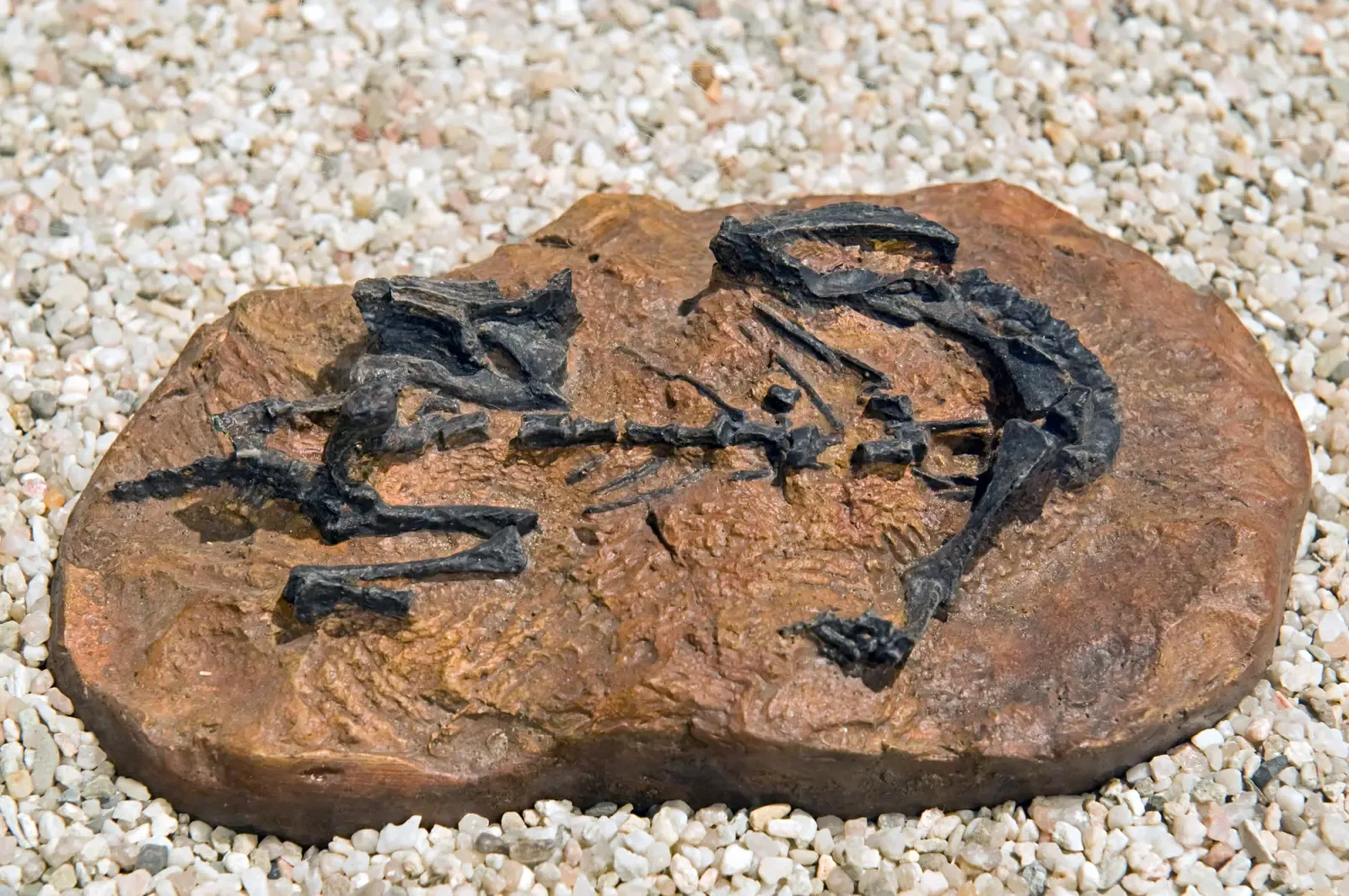
In a paper appearing in Scientific Reports, researchers from MIT, Argentina, and South Africa detailed their discovery of an exceptionally preserved group of early dinosaurs that shows signs of complex herd behavior as early as 193 million years ago – 40 million years earlier than other records of dinosaur herding. That’s not just old. That’s staggeringly ancient. The idea of family bonds in dinosaurs doesn’t just stretch back into the Cretaceous – it reaches all the way to the dawn of the Jurassic.
Each nest was found with eight to 30 eggs in a relatively small area, suggesting that Mussaurus patagonicus raised its young in a communal breeding ground. What makes the discovery so exciting is that there are hatchlings, juveniles, and fully grown adults of Mussaurus all in the same place – meaning that multifamily groups got together not just for breeding and nesting but potentially formed life-long herds, more like today’s elephants or wildebeests. Picture a Jurassic savannah governed by the same social logic as an elephant family. Remarkable.
Age-Segregated Groups – A Surprisingly Modern Social Structure
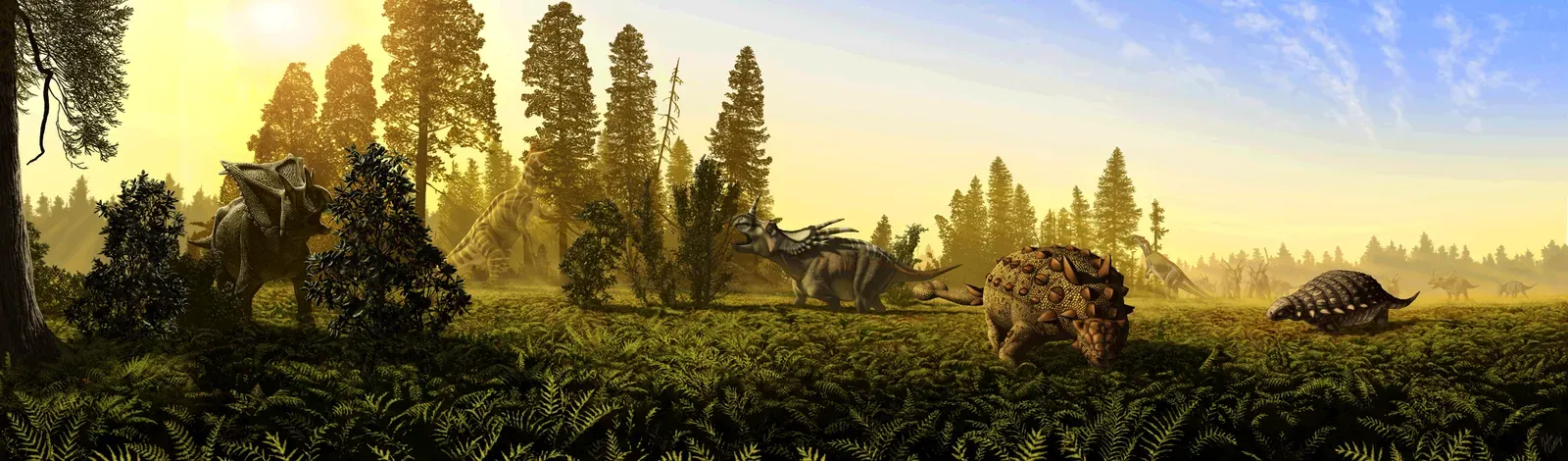
You might not expect a dinosaur to organize its society in a way that mirrors modern large mammals, but the fossil evidence keeps surprising us. This “age segregation,” researchers believe, is a strong sign of a complex, herd-like social structure. The dinosaurs likely worked as a community, laying their eggs in a common nesting ground, while juveniles congregated in “schools” and adults roamed and foraged for the herd. It’s an almost eerily familiar arrangement.
This may mean that the young were not following their parents in a small family structure, according to team member Jahandar Ramezani, a research scientist in MIT’s Department of Earth, Atmospheric and Planetary Sciences – suggesting instead a larger community structure where adults shared and took part in raising the whole community. Herding behavior could have protected the tiny hatchlings from predation until they grew up, and living in herds might have allowed the species to collectively find more food to fuel their large bodies. Survival through community. It sounds deeply human.
Massospondylus – Helpless Hatchlings That Needed Parental Care
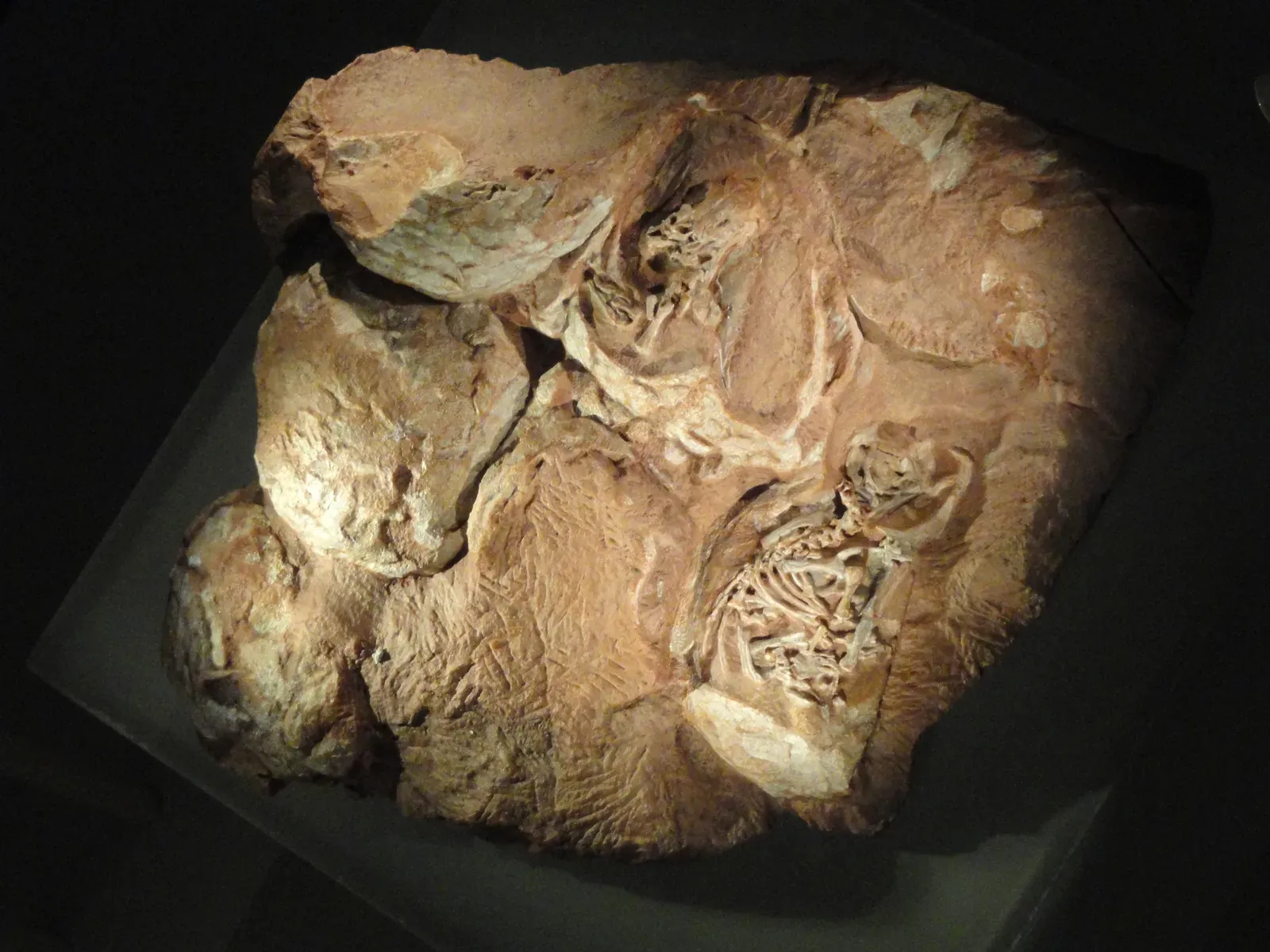
Some of the most compelling proof of dinosaur family bonds comes not from dramatic discoveries of adults guarding nests, but from the fragile bodies of the babies themselves. An embryo of the basal sauropodomorph Massospondylus was found without teeth, indicating that some parental care was required to feed the young dinosaurs. When you’re born with no teeth in a world full of predators, you are entirely dependent on someone bigger than you to survive.
Just like Mussaurus and Lufengosaurus, the Massospondylus hatchlings were likely altricial, remaining close to or within the nest, and not necessarily relying on effective quadrupedal locomotion. The embryos of Massospondylus remain the oldest dinosaur embryos ever found. Notably, the near-hatchlings had no teeth, suggesting they had no way of feeding themselves – and based on the lack of teeth and the animal’s body proportions, scientists speculate that postnatal care might have been necessary. Every bone in those tiny skeletons tells a story of dependence, and by extension, of care.
Nest Architecture and Egg Diversity – Intentional Parenting by Design
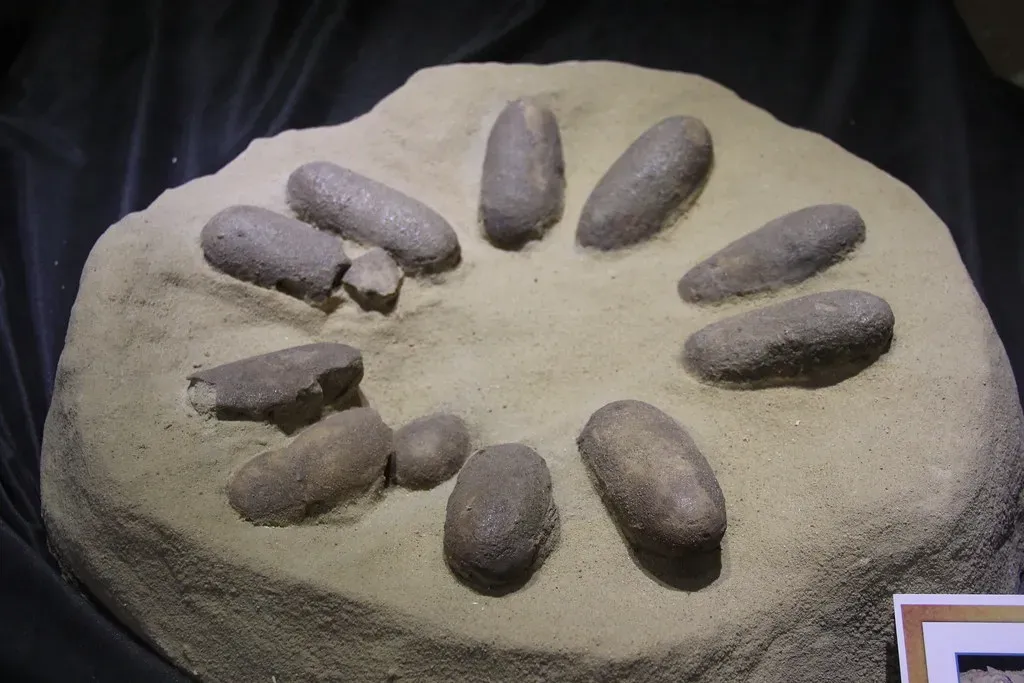
Not all dinosaurs parented the same way, and the fossil record reveals a surprisingly rich diversity of nesting strategies. No typical dinosaur nest exists – some species laid lots of round, hard eggs in a pile, while others laid eggs two-by-two and arranged them carefully. It’s like walking through a neighborhood and realizing every household has a completely different approach to raising children. As is the case with modern birds, different egg types relate to the ways adult dinosaurs behaved.
Clutches attributed to dinosaurs are either circular or linear, and it is suggested that the reason may be related to the social structure of the particular dinosaur species. Circular clutches had egg concentrations in smaller areas and were only partially covered with sediment, suggesting that parents would have had to give them attention in order to incubate them and provide protection from predators. In the pennaraptorans, one or more parent brooded directly on top of the eggs to keep them warm. The engineering of the nest was itself an act of parental dedication.
The Living Legacy – Birds, Crocodiles, and the Family Tree of Care
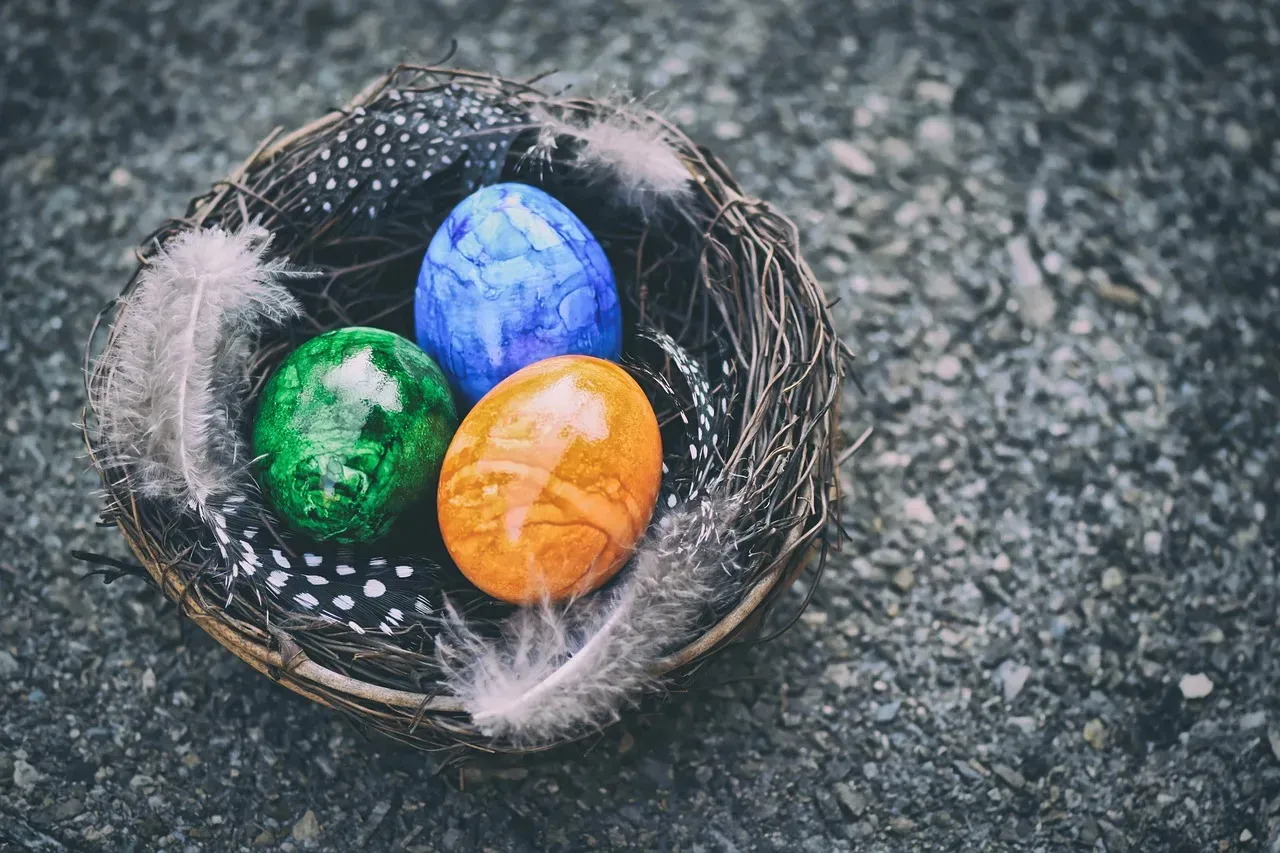
If you want to understand ancient dinosaur family bonds, you don’t have to limit yourself to stone and bone. Living dinosaurs – birds – and their closest living relatives, crocodilians, share many derived features of reproduction, including nests built of vegetation rather than buried in sand, vocal communication between parents and offspring prior to hatching, and some degree of parental care for at least a few weeks. The emotional weight of a mother crocodile carrying her hatchlings to water is a window into something far older than we typically imagine.
Palaeontologists can also look at dinosaurs’ modern-day relatives – birds – for theories on ancient reptile behaviour. Through most of the 20th century, before birds were recognized as dinosaurs, most of the scientific community believed dinosaurs to have been sluggish and cold-blooded. Most research conducted since the 1970s, however, has indicated that dinosaurs were active animals with elevated metabolisms and numerous adaptations for social interaction. The next time you watch a bird feed its chick, you are witnessing a behavior older than you can truly comprehend.
Conclusion
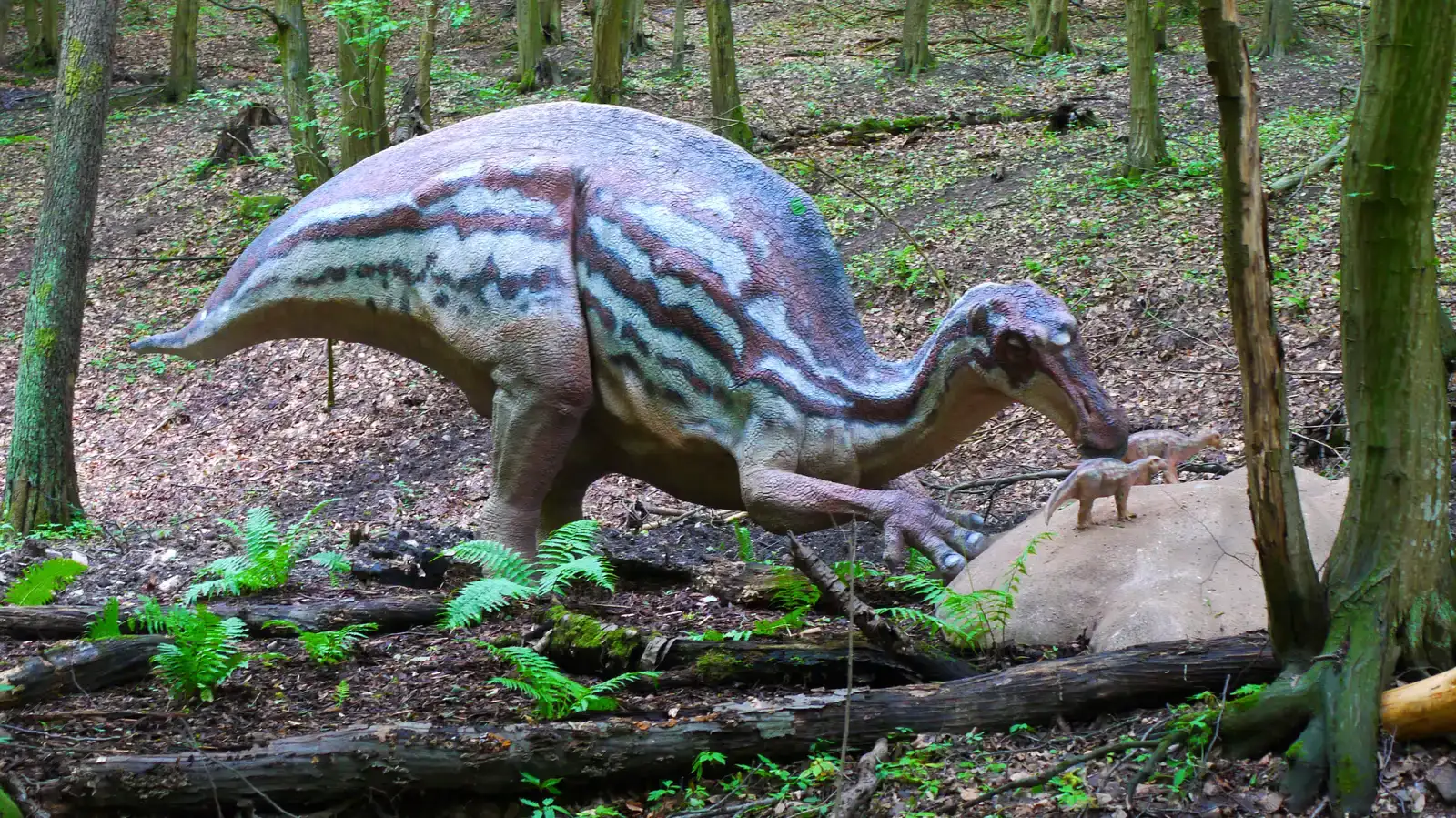
What the fossil record ultimately offers you is a profound reframing of everything you thought you knew about dinosaurs. These were not mindless, solitary beasts stumbling through a hostile world. They built nests with care, returned to the same breeding grounds season after season, organized their young into age-separated groups, and in several documented cases, quite literally could not leave their babies to fend for themselves. Different species made annual treks to the same nesting ground, showing that site fidelity was an instinctive part of dinosaurian reproductive strategy.
The bones don’t lie. From the helpless toothless hatchlings of Massospondylus to the organized nesting colonies of Maiasaura to the vast communal herds of Mussaurus, the is not speculative – it is written into the rock. Examination of the fossils suggested this dinosaur cared for its young after they hatched and inspired its name: Maiasaura, meaning “the good mother reptile.” The deeper science digs, the more it uncovers not cold-blooded monsters, but creatures with something that looks, against all expectations, remarkably like love.
Could it be that the instinct to protect and nurture your young is one of the oldest forces in the history of life on Earth? What do you think? Share your thoughts in the comments below.