When most people hear the word “dinosaur,” their minds immediately conjure enormous, roaring beasts stomping through ancient jungles with nothing but brute force and appetite driving them forward. It’s the image Hollywood perfected, and honestly, it stuck. The T. rex that crashes through a fence, the Velociraptor that opens doors with its claws – thrilling, sure, but dangerously incomplete.
The truth hiding inside millions of years of fossilized rock is far more fascinating. Dinosaurs were not just the planet’s most intimidating heavyweights. They were problem-solvers. Survivors. Extraordinary adapters who reshaped their biology, behavior, and social lives in response to a constantly changing world. What the fossil record actually reveals might surprise you more than any blockbuster movie ever could. Let’s dive in.
The Fossil Record: Earth’s Ancient Diary
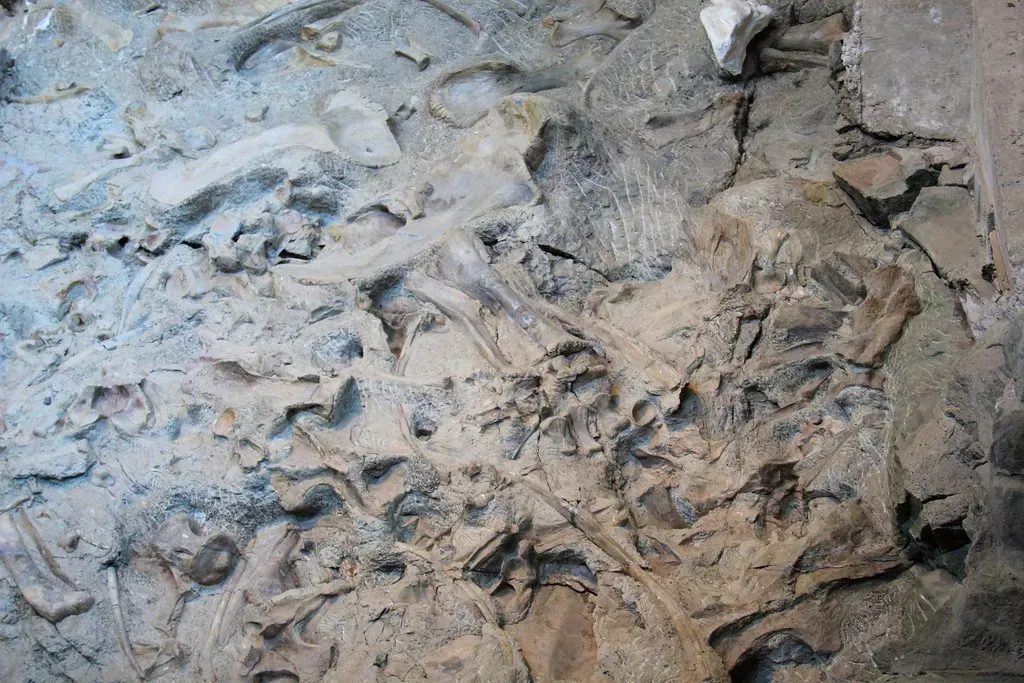
You might think of fossils as just old bones collecting dust in museum halls. Here’s the thing – they are so much more than that. The fossil record provides snapshots of the past which, when assembled, illustrate a panorama of evolutionary change over nearly 3.5 billion years. Think of it less like a photograph and more like a living story, written slowly across layers of stone, waiting for someone patient enough to read it.
The clues to what dinosaurs were like are found in fossils, including the ancient remains of an organism, such as teeth, bones, or shells, or evidence of animal activity like footprints and trackways. Everything we know about non-avian dinosaurs is based on these fossils, which include bones, teeth, footprints, tracks, eggs, and skin impressions. That’s a remarkable toolkit. From a single bone, a skilled paleontologist can reconstruct posture, diet, growth rate, and even social behavior.
Behavioral Clues Hidden in Stone
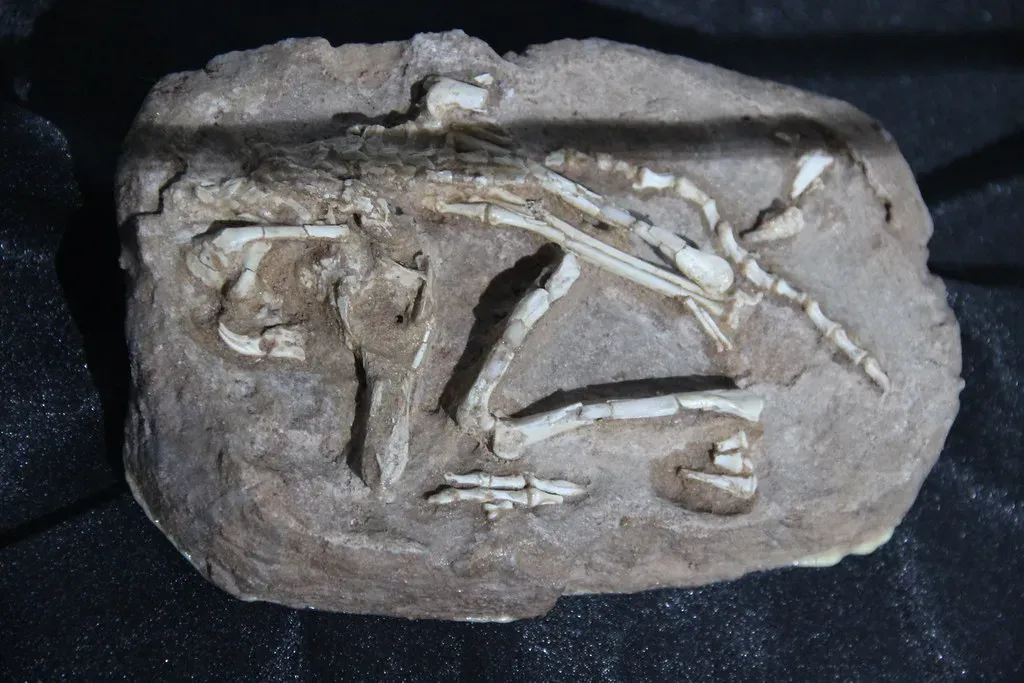
I think one of the most underrated aspects of paleontology is its ability to decode behavior from objects as seemingly cold and silent as rock. Dinosaur behavior is difficult for paleontologists to study since much of paleontology is dependent solely on the physical remains of ancient life. However, trace fossils and paleopathology can give insight into dinosaur behavior. Interpretations of dinosaur behavior are generally based on the pose of body fossils and their habitat, computer simulations of their biomechanics, and comparisons with modern animals in similar ecological niches.
Paleontologists have established rules for comparative anatomy that allow them to make certain statements with clarity and confidence, a key principle today – what one might call “evidence-based reconstruction.” For example, sharp teeth indicate a diet of meat rather than plants. It’s a bit like being a detective who never saw the crime but can reconstruct the entire scene from footprints, bite marks, and scattered evidence. Remarkably, it works.
From Brutes to Social Creatures: The Herd Mentality
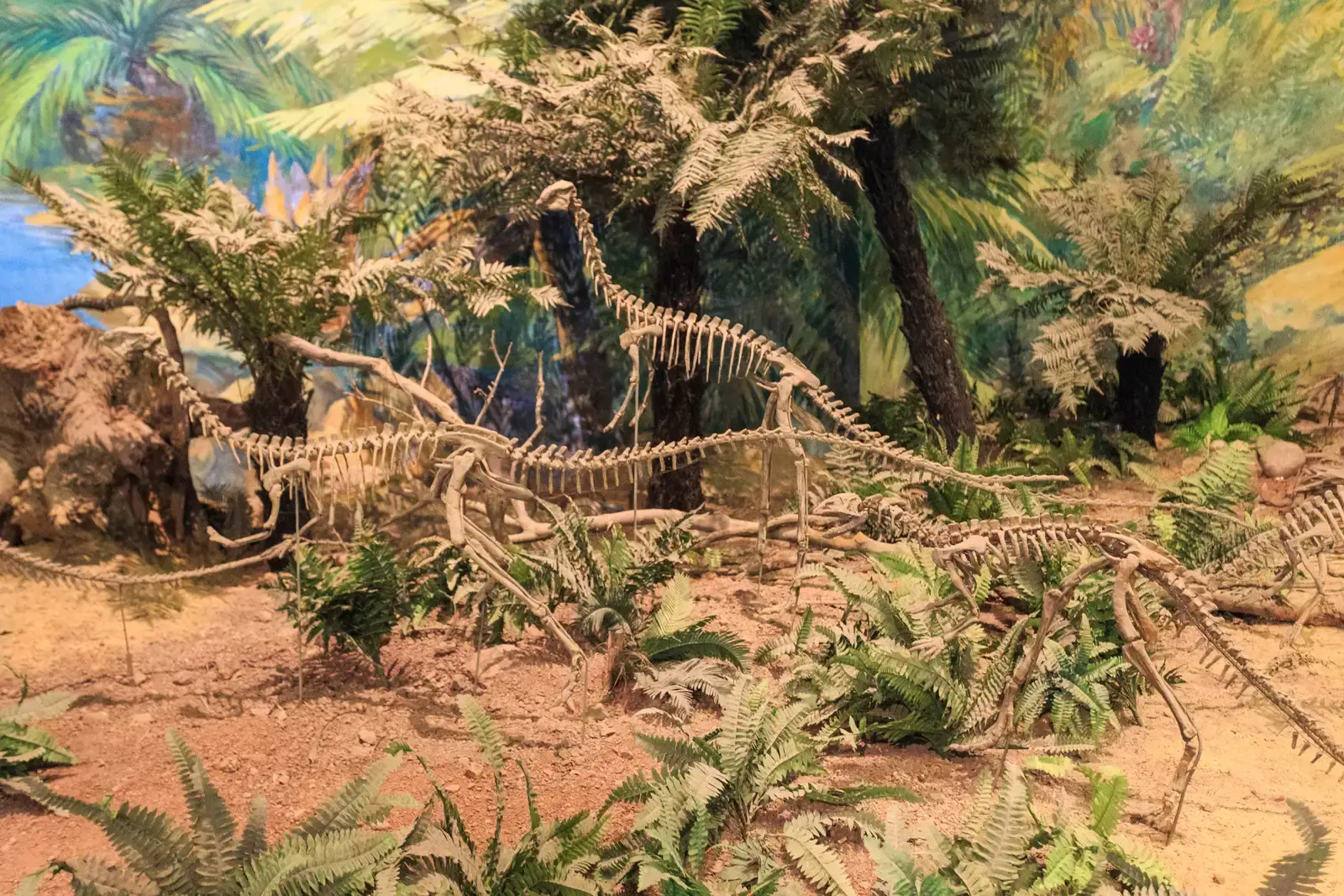
Let’s be real – when you picture a dinosaur, you probably picture a loner. A solitary predator stalking through a dark forest. The fossil record has a different story to tell you. The first potential evidence of herding behavior was the 1878 discovery of 31 Iguanodon dinosaurs thought to have perished together in Bernissart, Belgium. Trackways of hundreds or even thousands of herbivores indicate that duck-billed hadrosaurids may have moved in great herds, much like the American Bison or the African Springbok.
Based on fossils scientists have unearthed, it’s very likely that specific species, such as the Styracosaurus and Triceratops, traveled in massive herds. Paleontologists theorize this because they’ve unearthed dinosaur footprints that occur in a succession indicating group travel. Social behavior on that scale demands coordination, communication, and trust – qualities you don’t typically associate with mindless prehistoric brutes.
Feathers, Insulation, and the Cold Surprise
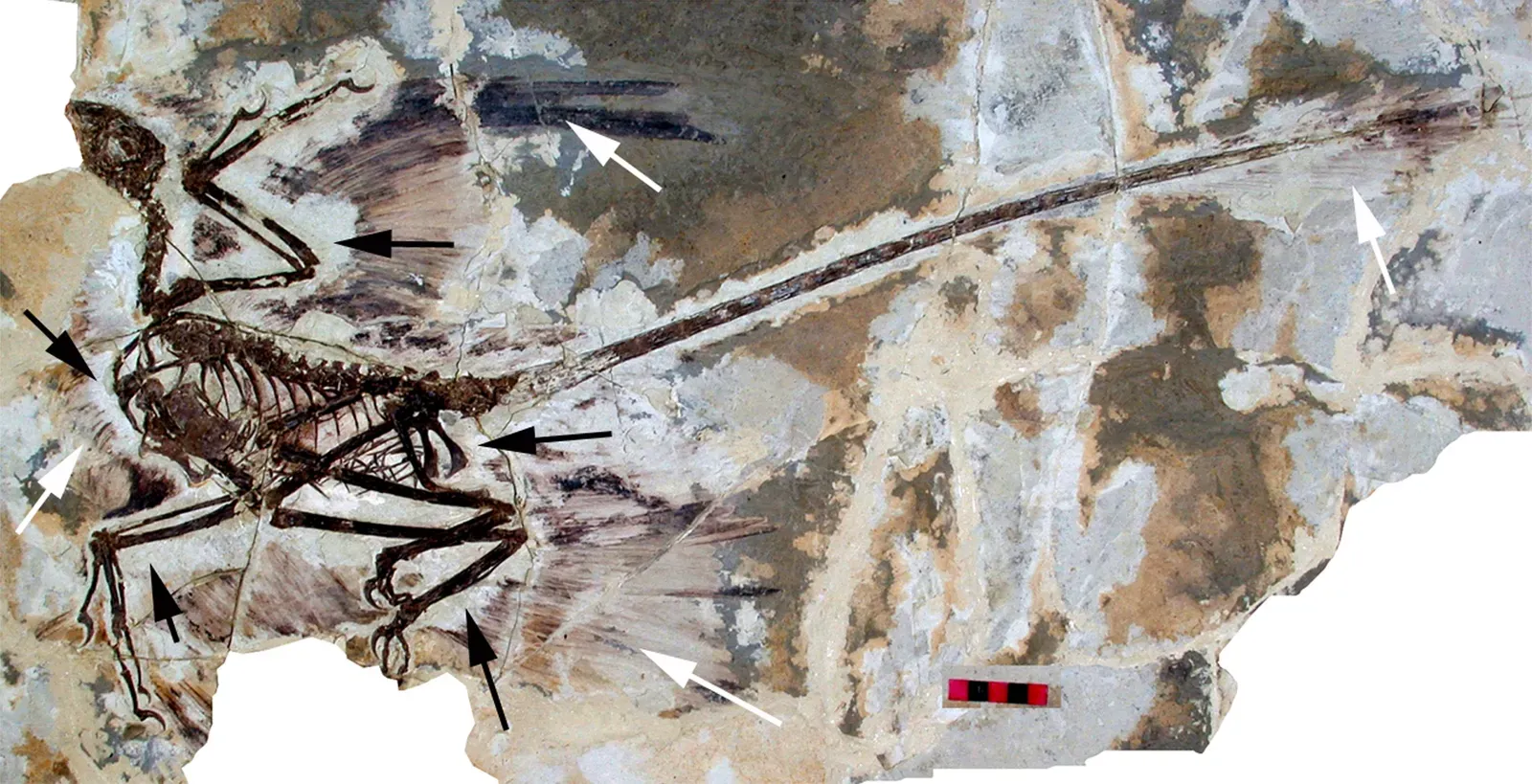
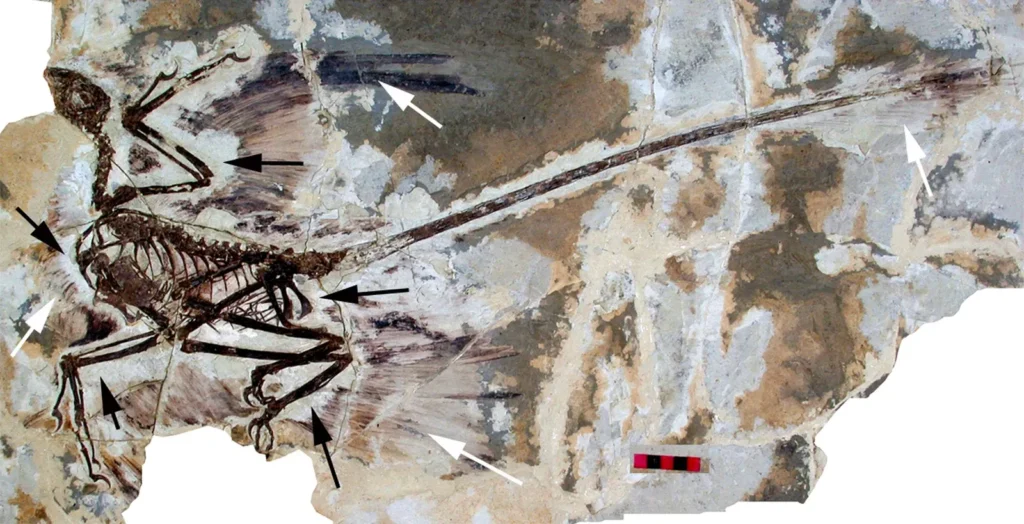
Here’s something that might genuinely shock you. Dinosaurs are almost universally imagined as creatures of scorching tropical heat, roaming lush prehistoric jungles. Widespread volcanic eruptions around 202 million years ago triggered a mass extinction event that killed off three-fourths of the planet’s species, including many large reptiles. Yet dinosaurs survived and went on to thrive. The secret to their survival may have been how well adapted they were to the cold. Their warm coats of feathers could have helped the creatures weather relatively brief but intense bouts of volcanic winter.
One of the largest feathery dinosaurs yet found is Yutyrannus, a large carnivore that lived in prehistoric China about 125 million years ago. Yutyrannus was about five times as long as the small carnivore Dilong and still covered with wispy feathers from head to tail. Such extensive plumage would have acted as insulation, perhaps indicating that Yutyrannus lived in a colder environment, or one more affected by colder winters, than tyrannosaurs from warmer times and places. So much for the idea that feathers were purely a bird invention.
Dinosaur Nesting Strategies Reveal Surprising Smarts
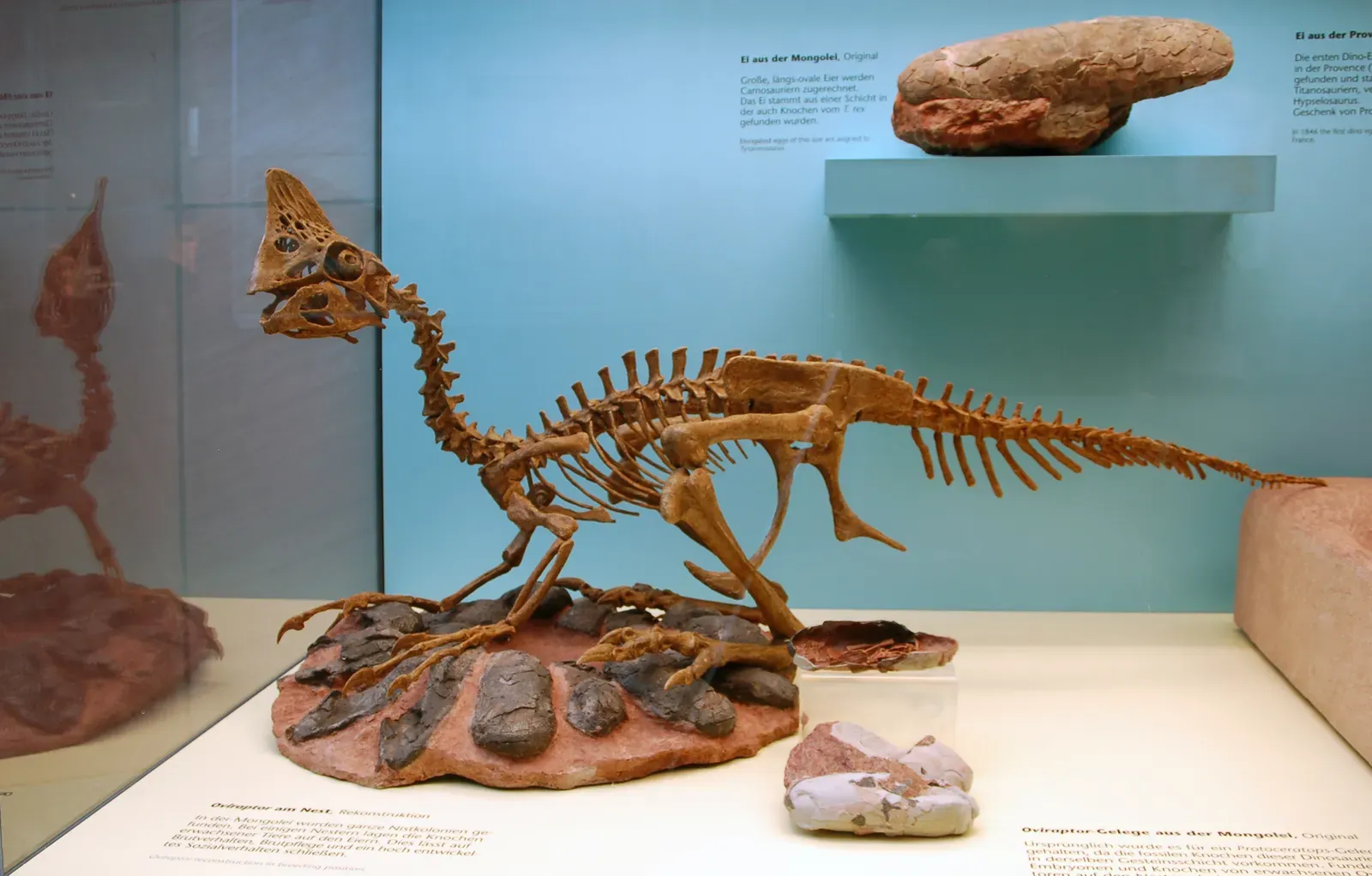
You want to talk about adaptation? Look at how dinosaurs raised their young. Studies suggest that some species exhibited behavior akin to brooding, where adults protected and warmed the eggs. Furthermore, the variety of nesting strategies observed in the fossil record reflects the adaptability of different dinosaur species. This is not random. This is parenting, prehistoric style.
Fossil sites show that a number of different dinosaur species made annual treks to the same nesting ground, though perhaps not all at the same time. Because of the succession of similar nests and eggs lying one on top of the other, it is thought that particular species returned to the same site year after year to lay their clutches. As researchers concluded, “site fidelity” was an instinctive part of dinosaurian reproductive strategy. You have to admire that. Returning to the same safe spot each year – a parental instinct that transcends 200 million years.
Diet Diversity: Far More Than Mindless Eating Machines
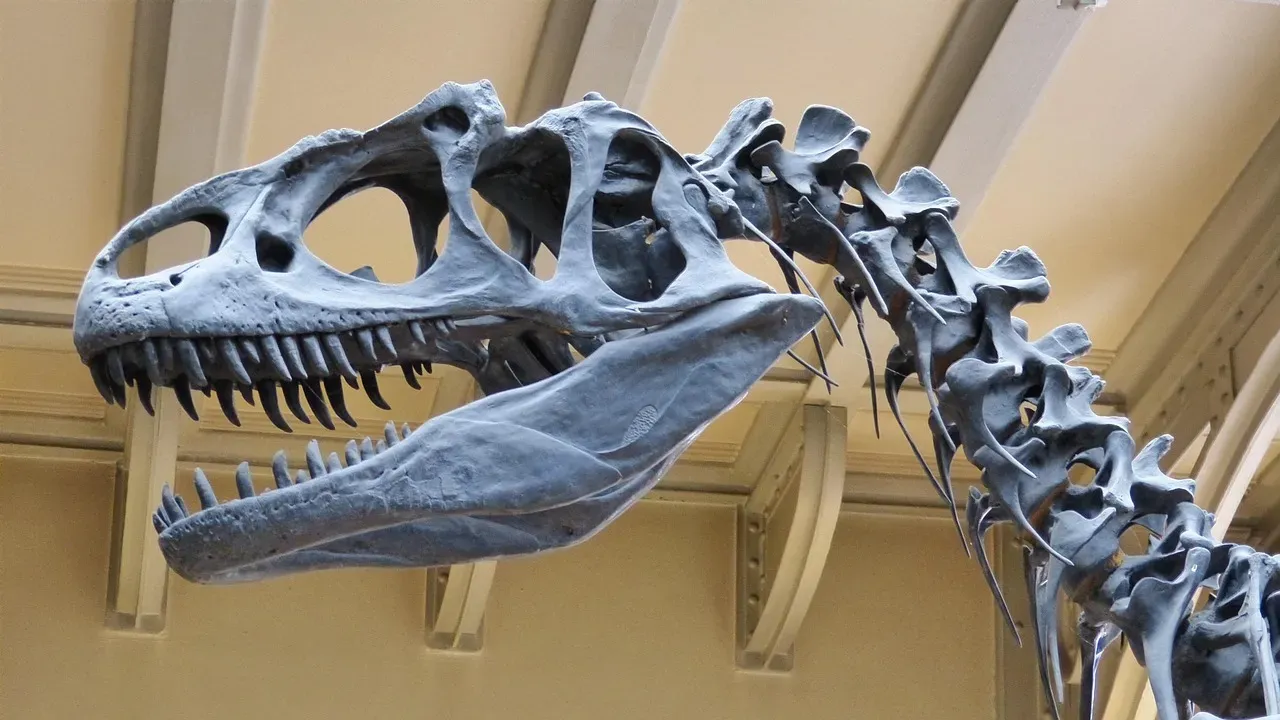
Dinosaurs are often painted as either ravenous meat-eaters or helpless leaf-munchers. The fossil evidence tells a far richer story about dietary flexibility and specialization. Fossil evidence tells us that dinosaurs had a range of diets. Specific fossil features, such as a dinosaur’s teeth, indicate whether it was an herbivore or carnivore. Plant-eating dinosaurs had flatter, rounded teeth, while meat-eaters had rows of sharp teeth.
Teeth marks on the intact arm bone of a duck-billed dinosaur suggest that Tyrannosaurus rex probably stripped meat from the bone rather than chomping straight through. Tooth wear can help reveal whether sauropods such as Diplodocus preferred snacking on tall trees or low-lying foliage. That kind of dietary precision suggests not just instinct, but a level of ecological awareness – knowing where the food is, and how best to get it. Different species carved out entirely different feeding niches, avoiding direct competition in ways that kept entire ecosystems balanced.
Warm-Blooded or Cold? The Metabolic Masterclass
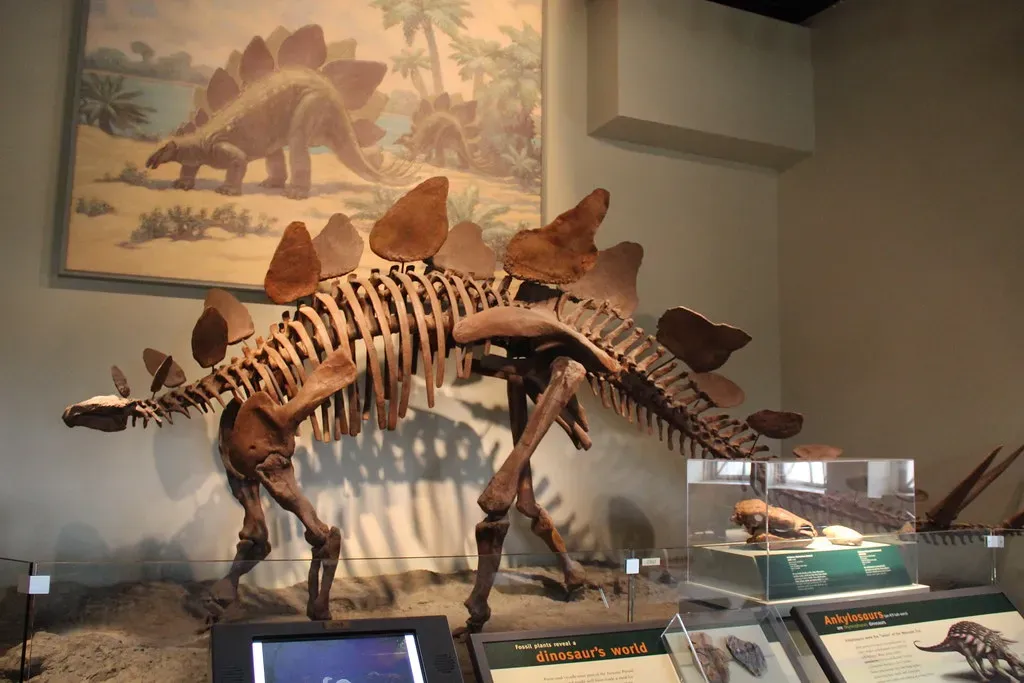
One of the most exciting ongoing debates in paleontology is whether dinosaurs were warm-blooded, cold-blooded, or something entirely in between. Honestly, it looks like the answer is more complex and more interesting than either option. Some scientists propose that dinosaurs had a blend of traits, not fully cold- or warm-blooded. These hypotheses suggest some dinosaurs could control their temperature internally to some degree. This intermediate state is sometimes called mesothermy. Evidence includes growth rings in bones that suggest seasonal metabolic changes.
As further discoveries were made, the less it made sense to think of dinosaurs as lethargic and inactive. They stood with upright postures, grew to enormous sizes over short periods of time, and are thought to have engaged in lifestyles unsuited for purely cold-blooded animals. Think about that for a second – a creature that could regulate its own internal temperature, adjust its metabolism with the seasons, and grow to massive sizes at remarkable speed. That is not a brute. That is a biological masterpiece.
Dinosaurs as Bird Ancestors: The Ultimate Adaptive Legacy
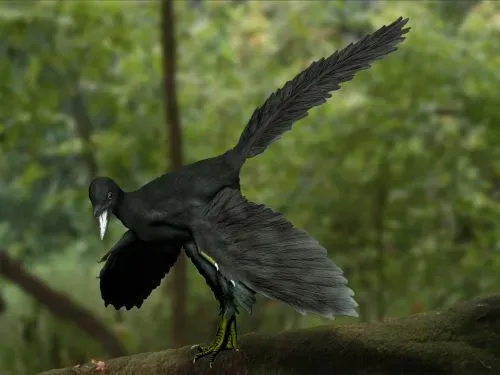
Perhaps the most awe-inspiring proof that dinosaurs were master adapters is the fact that you can watch their descendants right now – every time a sparrow lands on your windowsill or a hawk circles overhead. Modern birds are a kind of dinosaur because they share a common ancestor with non-avian dinosaurs. That connection is not a metaphor. It is a biological reality, written into the bones of every bird alive today.
When you look at the fossil record, you can see that many features we think of as distinctly bird-like were actually inherited from dinosaurs. Feathers, wings – these are dinosaurian features that birds inherited, while other features evolved during the Cretaceous evolution of birds. The dinosaur lineage did not simply end with a bang 66 million years ago. It transformed, shifted, adapted, and kept going. In a very real sense, dinosaurs never went extinct at all – they just learned to fly.
Conclusion: Rethinking the Ancient Giants
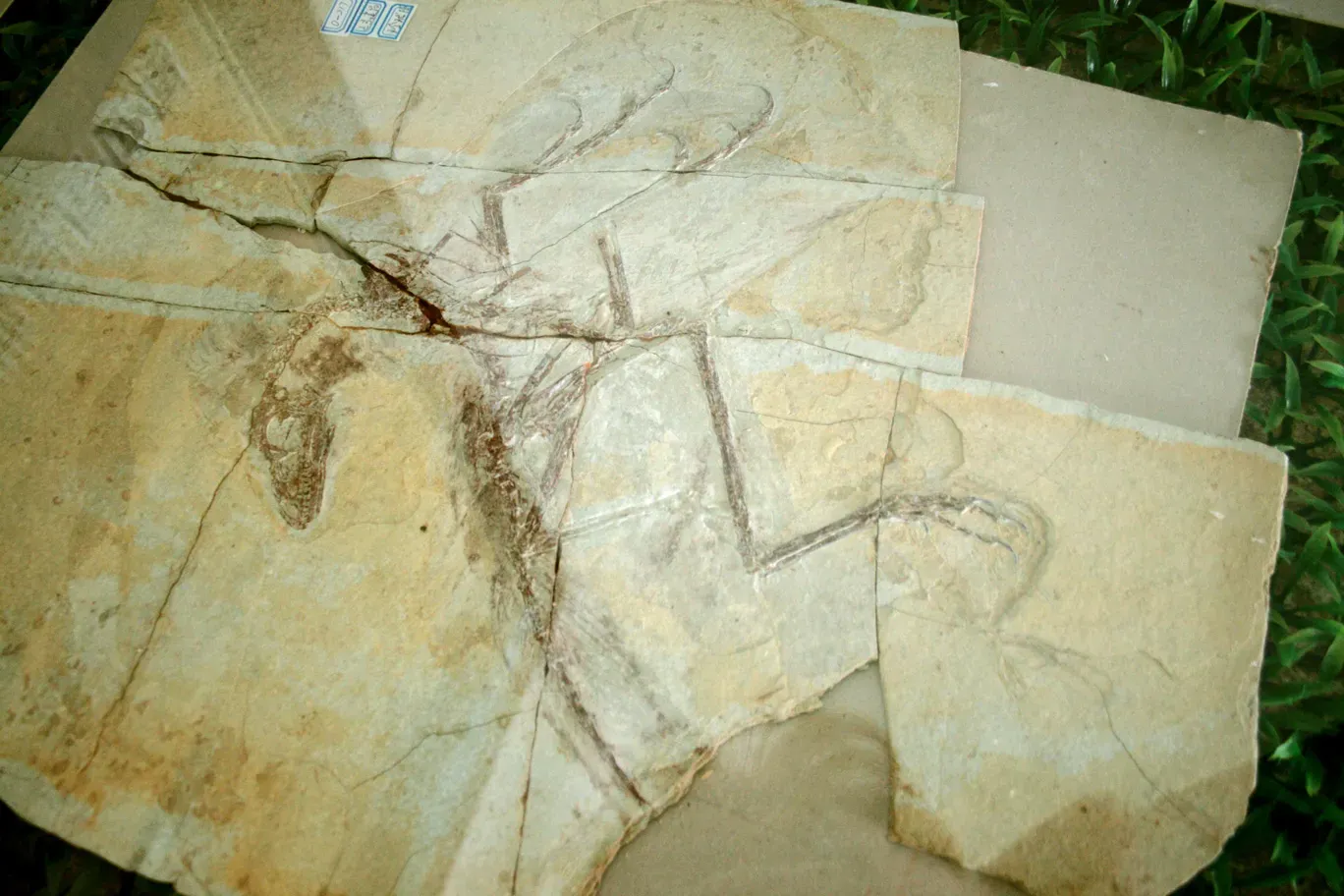
The fossil record does not show you a world dominated by mindless monsters stomping around in the mud. It shows you something far more astonishing – a group of creatures that survived volcanic winters, crossed continents in herds, raised their young with devotion, developed complex metabolisms, grew feathers for warmth, and ultimately gave rise to one of the most diverse animal groups on the planet today. That is not brute force. That is mastery.
Every new fossil discovery adds another layer to this incredible story. Our understanding of dinosaur behavior has long been hampered by the inevitable lack of evidence from animals that went extinct more than 65 million years ago. Today, with the discovery of new specimens and the development of cutting-edge techniques, paleontologists are making major advances in reconstructing how dinosaurs lived and acted. The more you look, the more you realize that dinosaurs were not the world’s most dangerous mistakes – they were some of its greatest evolutionary success stories.
So next time you see a crow solving a puzzle or a heron patiently stalking fish at the water’s edge, take a moment. You are watching a dinosaur. What do you think about the fact that the most adaptable creatures in Earth’s history never really disappeared? Drop your thoughts in the comments below.