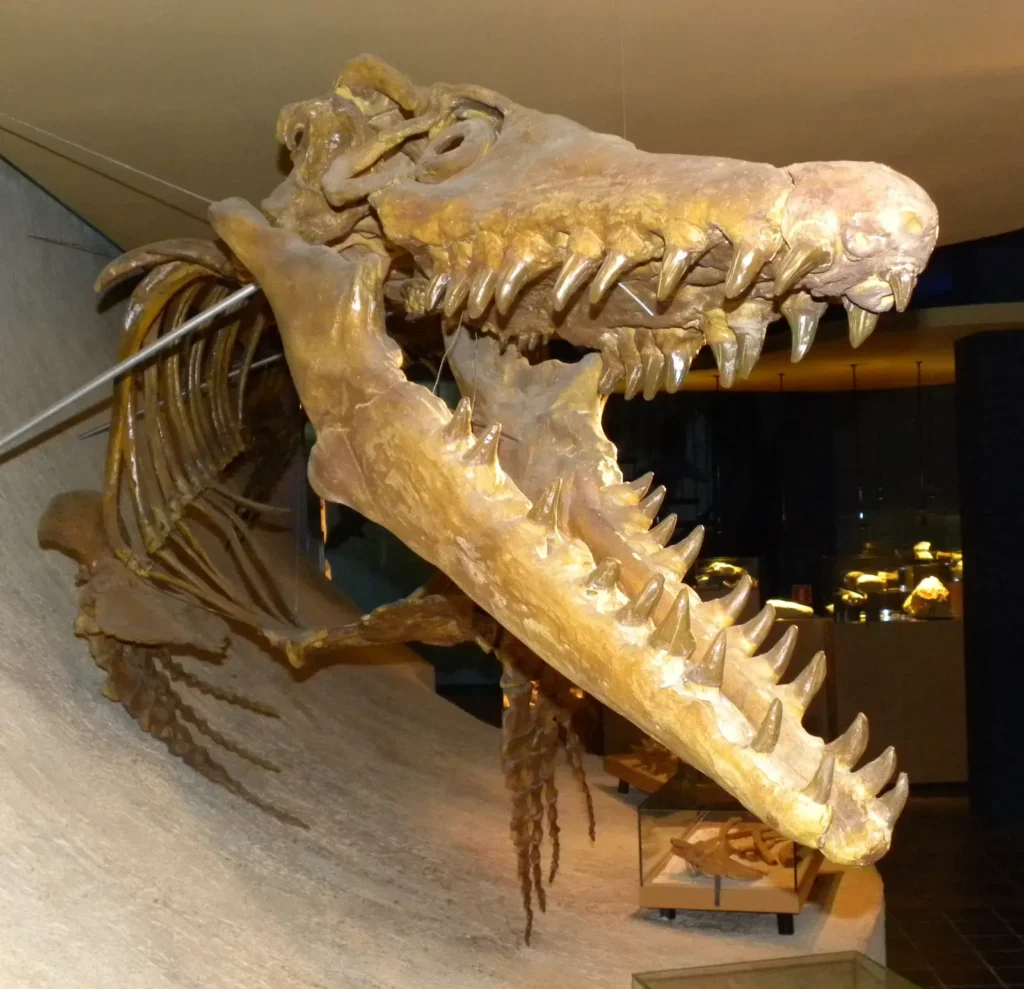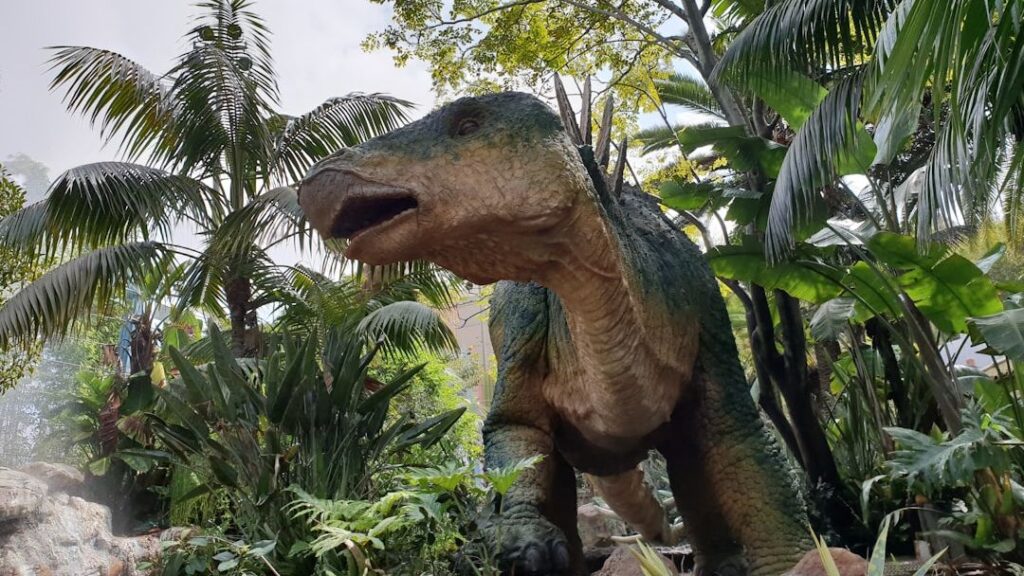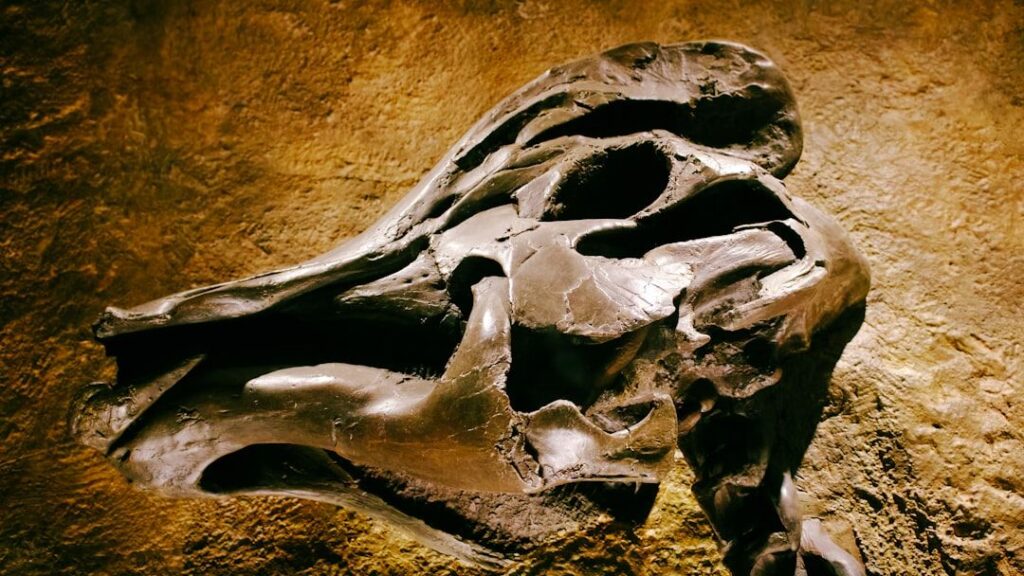
Beneath our feet, locked inside ancient rock and sediment, lies one of the most violent stories ever told. It is a story written not in words, but in teeth marks, punctured shells, cracked bones, and the frozen last meals of creatures that lived millions of years before us. Honestly, when you start digging into what paleontologists have uncovered about prehistoric predation, the picture that emerges is almost unbelievable.
You might think you already know the basics. T. rex was terrifying. Sharks were ruthless. Nature was brutal. Sure. But the fossil record goes so much deeper than those familiar images. It reveals ecosystems so fierce, so layered, and so shockingly complex that modern nature looks tame by comparison. Let’s dive in.
The Oldest Arms Race You Never Knew About
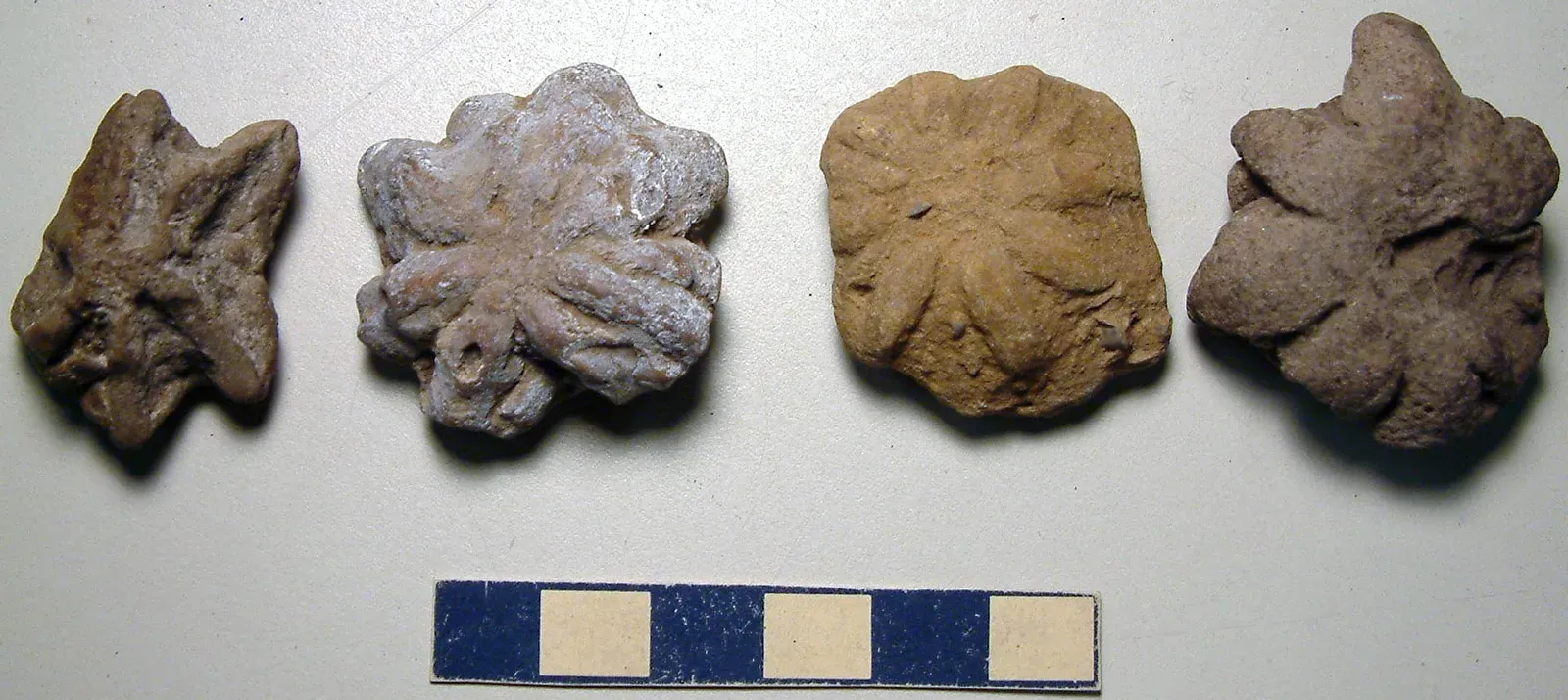
Imagine a creature barely the size of an apple seed, living in the ancient Cambrian ocean more than half a billion years ago, already locked in a deadly struggle for survival. A new study presents what is believed to be the oldest known example in the fossil record of an evolutionary arms race, with these 517-million-year-old predator-prey interactions occurring in the ocean covering what is now South Australia. The prey was a tiny shelled animal distantly related to brachiopods, and its enemy was an unknown marine creature capable of punching holes right through its shell.
Researchers studied a large sample of fossilized shells of an early Cambrian species called Lapworthella fasciculata, finding more than 200 specimens with holes likely made by a soft-bodied mollusk or worm. Analyzing these specimens against their geologic ages, they discovered an increase in shell wall thickness that coincides directly with an increase in the number of perforated shells. Think of it like an ancient security upgrade. The prey kept building thicker walls, and the predator kept finding new ways to break in. This record demonstrates, for the first time, that predation played a pivotal role in the proliferation of early animal ecosystems and shows the rapid speed at which such changes arose during the Cambrian Explosion.
When Dinosaurs Ate Mammals for Breakfast
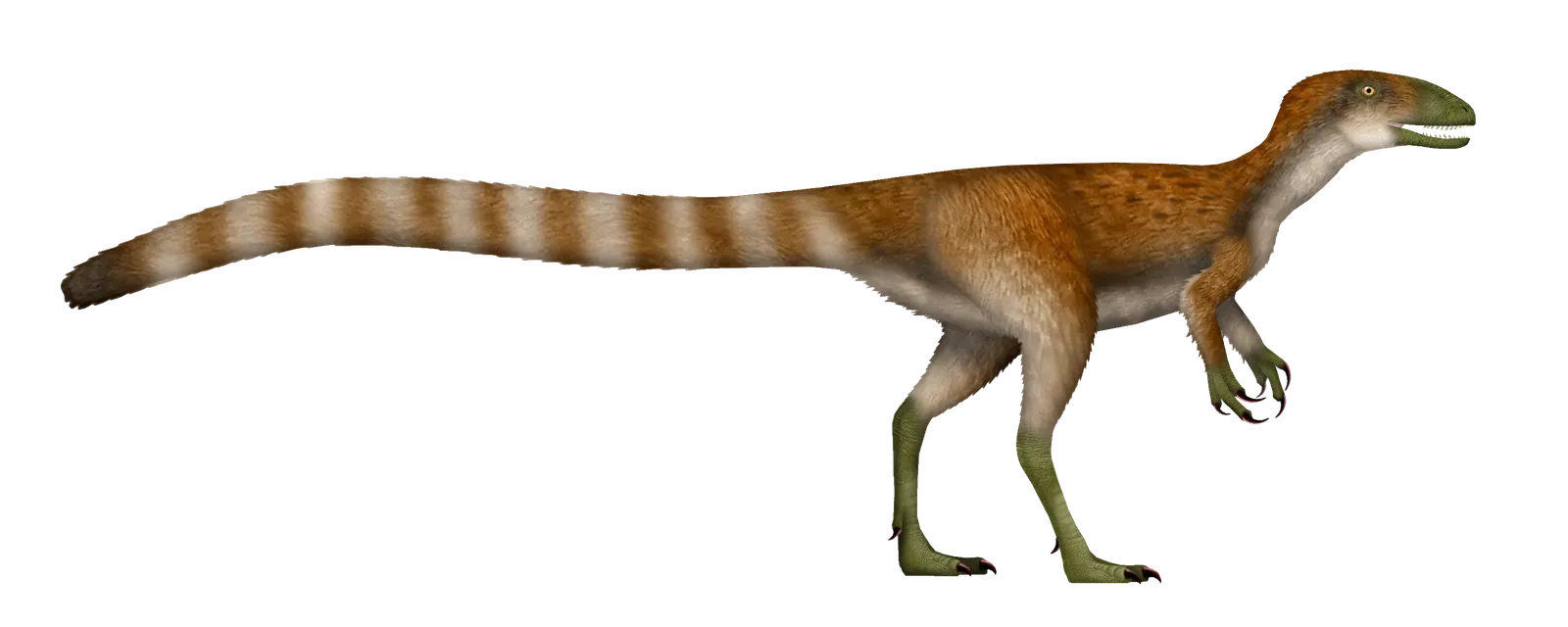
Here is something that might genuinely surprise you. We tend to picture early mammals as scrappy little survivors hiding from dinosaurs in the dark. But the fossil record has now given us direct, stomach-churning proof of just how real that danger was. Paleontologists in northeastern China uncovered two previously unknown species of feathered theropod dinosaurs dating back 125 million years, one of which includes direct evidence of mammal predation, an unprecedented find that sheds new light on the behaviors and ecological roles of small carnivorous dinosaurs in the early Cretaceous period.
Classified as compact, agile hunters, Huadanosaurus sinensis is unique because its fossilized remains contain the skeletons of two ancient mammals, a complete eutriconodont and fragments of a eutherian, marking the first direct evidence of dinosaur-mammal predation ever found within the Jehol Biota. It is one thing to theorize about who ate whom. It is another thing entirely to find the bones of a meal still sitting inside the predator’s own fossilized gut. The fossil record from this region is not only biologically rich but geologically dynamic, as tectonic activity during the Early Cretaceous led to the breakup of the North China Craton, creating rift basins that dramatically altered the environment and intensified competition, forcing evolutionary adaptations in many species.
The Ocean’s Most Terrifying Food Chain Ever Measured
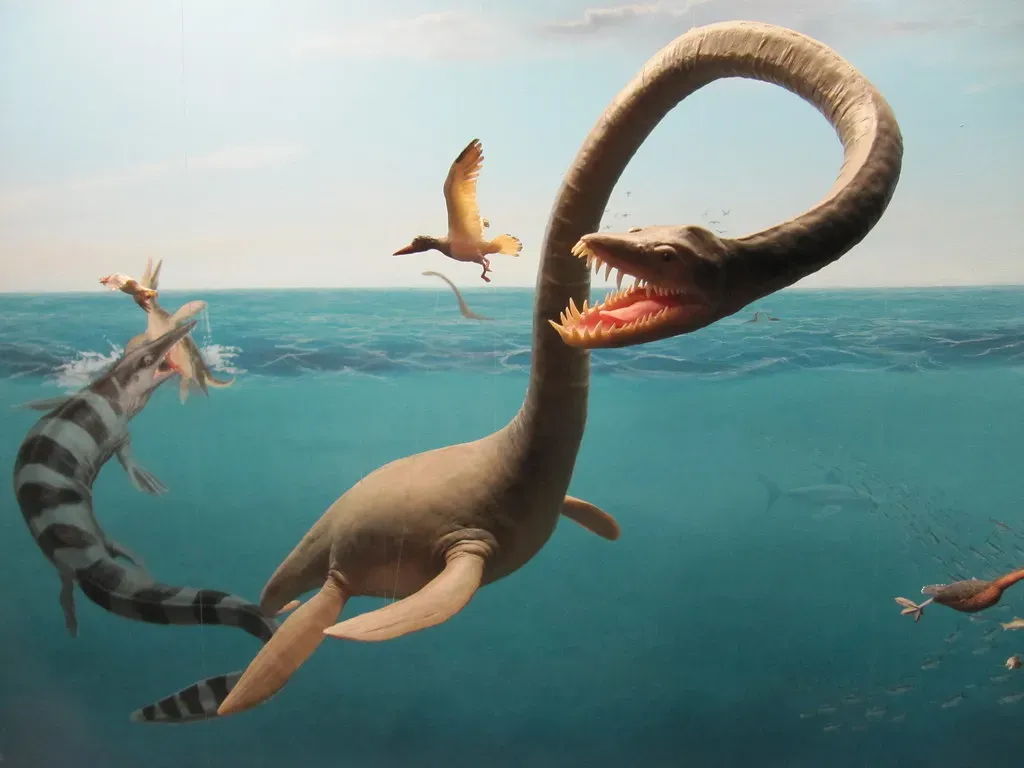
You might consider today’s killer whales and great white sharks the pinnacle of ocean predation. You would be wrong. Scientists have reconstructed a 130-million-year-old marine ecosystem from Colombia and found predators operating at a food-chain level higher than any seen today, with the ancient seas bursting with life from giant reptiles to rich invertebrate communities, this extreme complexity revealing how intense competition helped drive the evolution of modern marine ecosystems. This is not just a matter of bigger teeth. It is an entirely different category of ecological dominance.
These ancient creatures occupied a seventh trophic level, one step higher than the top of any modern marine food chain. Trophic levels refer to the different layers within a food chain, describing how organisms obtain energy and nutrients, indicating who eats whom within an ecosystem. In today’s oceans, the highest trophic level is the sixth, held by apex predators such as killer whales and great white sharks. Two species stand out in the study: Monquirasaurus boyacensis and Sachicasaurus vitae. These pliosaurs reached about 10 meters in length, with jaws lined with conical teeth designed to grip and crush large prey. The ocean of 130 million years ago, in short, was operating by rules that simply have no modern parallel.
T. Rex Reimagined: From Scavenger to Social Hunter
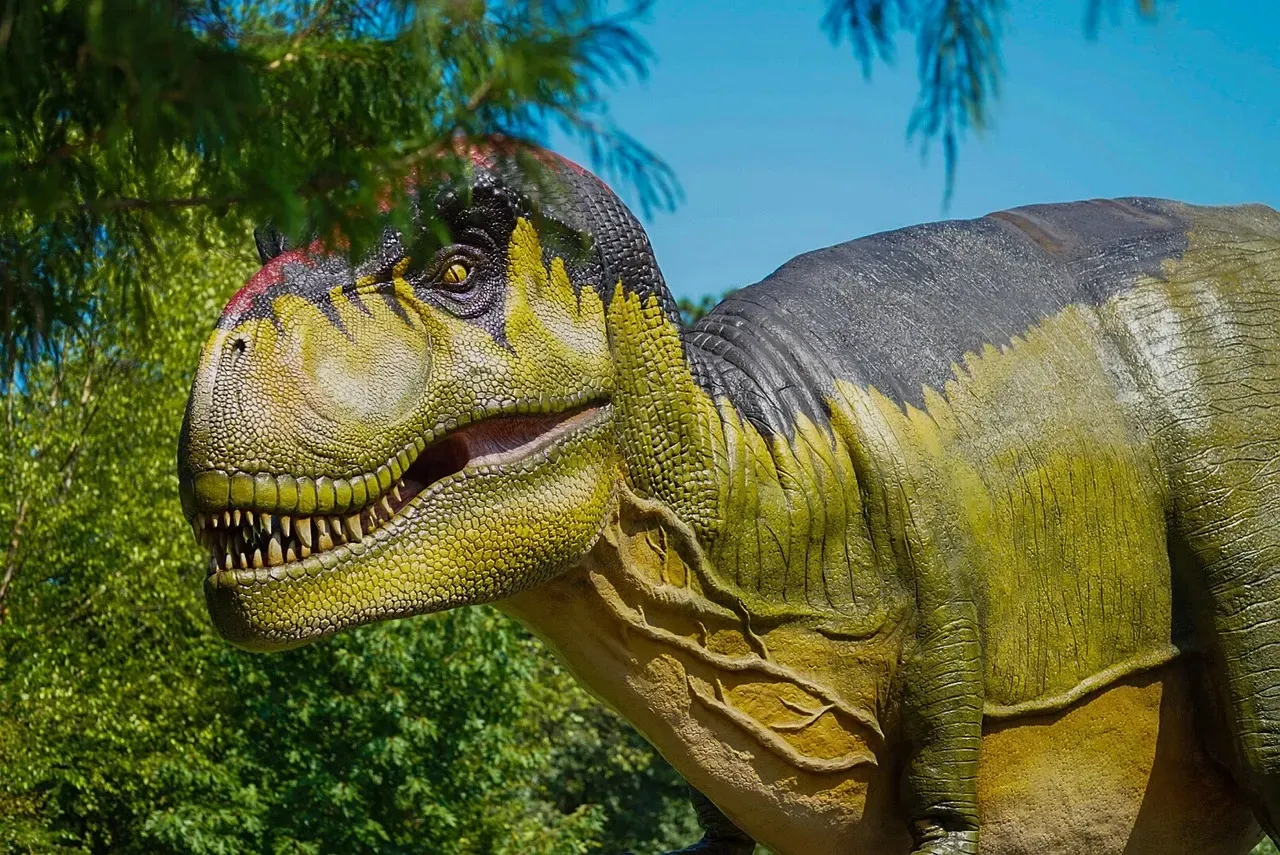
Let’s be real. Tyrannosaurus rex has been misrepresented more than almost any creature in fossil history. For decades, pop science portrayed it as a lumbering scavenger with tiny useless arms. The fossil record has been quietly, persistently proving that version wrong. The history of T. rex study has been intriguing, as new discoveries continue to change interpretations, transforming this dinosaur from a slow, lumbering scavenger to an agile predator, and from a solitary pursuit predator to a social hunter like lions on today’s savanna.
Then there is the remarkable Nanotyrannus question, which has shaken up everything we thought we knew about Late Cretaceous predator dynamics. For decades, Nanotyrannus lancensis was frequently dismissed as a juvenile T. rex, but in 2025, new histological sampling and skeletal comparisons from the famous “Dueling Dinosaurs” specimen demonstrated that Nanotyrannus was not an immature rex, but a separate, fully grown tyrannosaur. The find will cause paleontologists to reconsider how T. rex grew up and how both predatory species coexisted. Two apex predators of the same lineage, sharing the same ecosystem. That changes the picture entirely.
Permian Chaos: When Top Predators Kept Swapping Seats
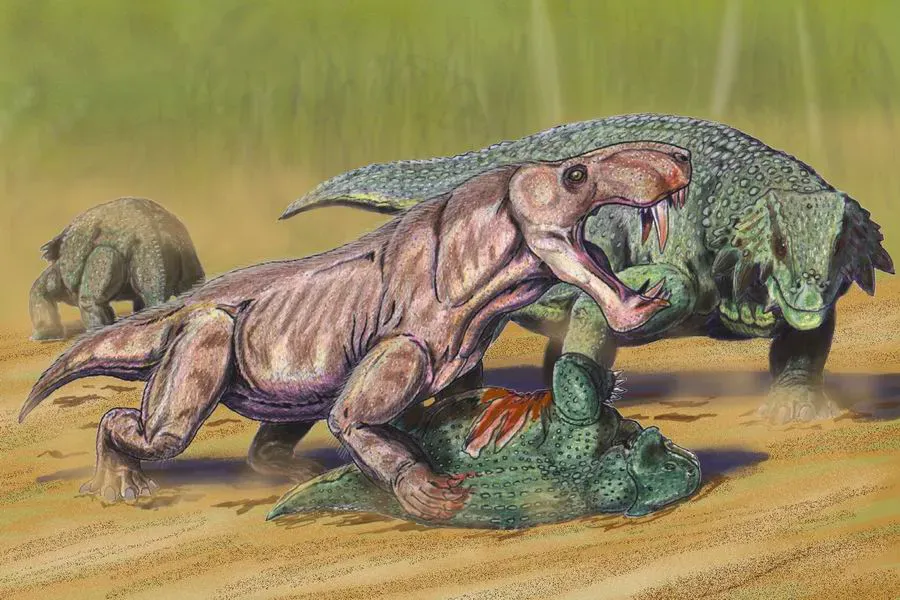
Think the modern world has messy ecology? Try living through the end of the Permian period, roughly 252 million years ago. Two hundred and fifty-two million years ago, Earth experienced a mass extinction so devastating it became known as “the Great Dying,” with massive volcanic eruptions triggering catastrophic climate change, killing off nine out of every ten species. The Great Dying was a long process, taking up to a million years, and during that time the fossil record shows drama and upheaval as species fought to get a foothold in their changing environments.
What makes it truly astonishing is how frantic the reshuffling at the top actually was. Scientists have shown that the shift in which groups of animals occupied apex predator roles occurred four times over less than two million years around the Permian-Triassic mass extinction, which is unprecedented in the history of life on land. One creature caught in the middle of this chaos was Inostrancevia, a tiger-sized saber-toothed proto-mammal. A new fossil discovery suggests that Inostrancevia migrated 7,000 miles across the supercontinent Pangaea, filling a gap left by vanishing local predators. It was about the size of a tiger and likely had skin like an elephant or a rhino, and while vaguely reptilian in appearance, it was part of the group of animals that includes modern mammals. A predator crossing half a supercontinent just to find something to eat. Desperate times indeed.
Predation Older Than We Thought: 280 Million Years of Bite Marks
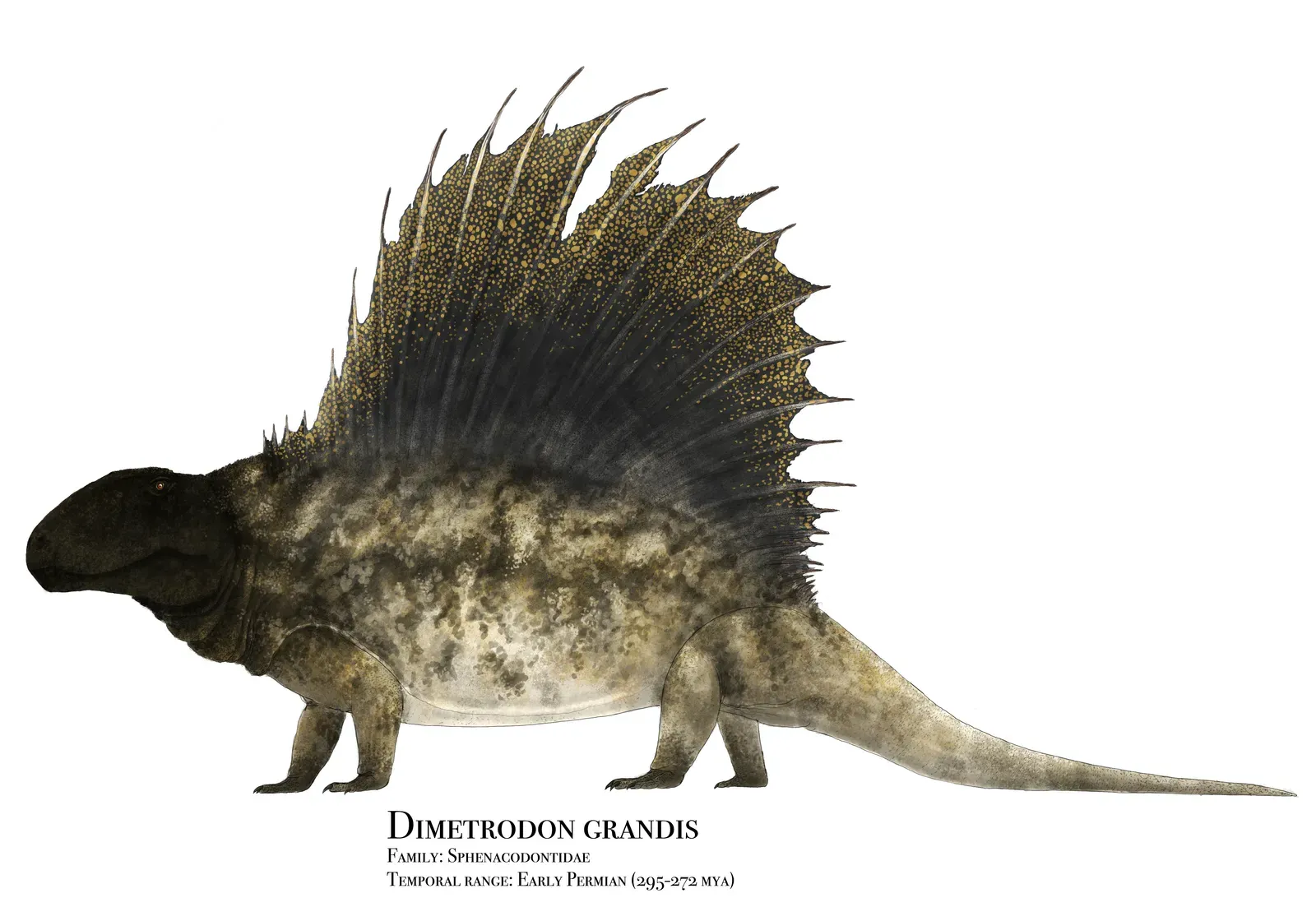
Here is something that came completely out of left field, just recently. Most paleontologists assumed that large-scale apex predation involving truly big herbivores on land was a phenomenon tied to the age of dinosaurs. The evidence now shows that assumption needs to be pushed back significantly. New research from University of Toronto Mississauga paleontologists has forged a remarkable window into prehistoric predator-prey dynamics, extending our understanding of terrestrial ecosystems back more than 280 million years to the early Permian period, focused on fossilized remains of young herbivorous vertebrates discovered in Texas whose bone surfaces preserve an intricate record of carnivorous interactions etched in tooth marks and boreholes, establishing a tangible timeline for the emergence of complex food webs involving apex predators and sizeable herbivores far earlier than previously documented.
University of Toronto Mississauga researchers studied bite marks on the skeletons of three young herbivores from the early Permian of Texas, revealing feeding patterns from multiple predators and a glimpse into how animals hunted and interacted with each other. “This discovery shows predator-prey hierarchies were formed earlier than previously expected,” said Professor Reisz, co-author of the work. Bite marks on young herbivore skeletons reveal feeding by multiple predator species, including varanopid and sphenacodontid synapsids, as well as scavenging by arthropods, demonstrating complex trophic interactions in the Paleozoic Era. It is humbling how much the deep past keeps outpacing our guesses about it.
What Trace Fossils Tell You That Body Fossils Cannot
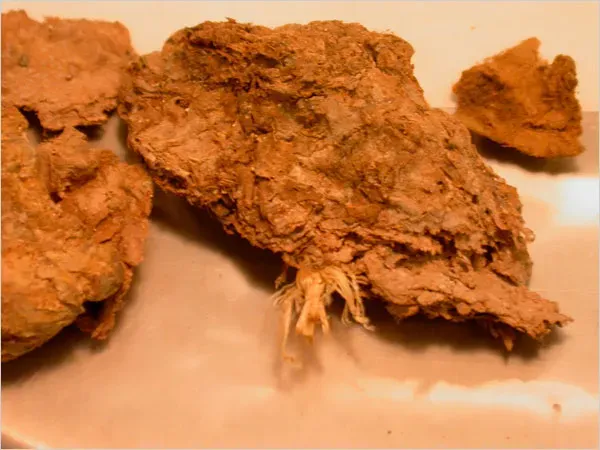
You might be familiar with the classic fossil, a bone, a shell, a tooth, preserved in rock. But paleontologists working on predation increasingly rely on a different, arguably more intimate category of evidence. Bite marks, injuries from interactions, and fossilized excrement help fill in the specifics of who was eating whom. Coprolites, which are fossilized excrement, provide a wealth of information to paleontologists about what extinct animals were eating. It sounds unglamorous, I know. But a fossilized dropping can tell you more about diet than a hundred bones.
Unlike body fossils, trace fossils like coprolites give an indication of the behavior of long-dead animals, and this added perspective helps paleontologists interpret how individuals in past communities interacted with each other. Research on trace fossils left by predators in the skeleton of their prey is arguably one of the most powerful sources of direct data on predator-prey interactions available in the fossil record, with critical surveys of sampling protocols and analytical approaches revealing that various methods can be fruitful depending on logistic circumstances and scientific goals. It is hard to say for sure how many more surprises are buried out there, but the answer is almost certainly: a lot more than we currently imagine.
Conclusion: The Past Was More Savage Than You Think
Taken together, these discoveries paint a portrait of ancient life that is far more aggressive, complex, and interconnected than anything in the modern world. You look at today’s ecosystems and they feel rich, even brutal at times. Then you look at what the fossil record is revealing, and modern nature starts to seem almost tame. Food chains with seven levels. Predators migrating thousands of miles to fill ecological voids. Dinosaurs with ancient mammals frozen inside their own fossilized guts. Shell creatures locked in a war of thickening armor and sharpening attacks, half a billion years ago.
The fossil record seems to indicate that the diversity of marine creatures increased and decreased over hundreds of millions of years in step with predator-prey encounters. That connection, between predation and the very shape of life on Earth, is what makes this field so electrifying. Predation did not just kill. It built complexity. It drove evolution. It made us. As researchers continue to decode these ancient skeletal puzzles, the story of life’s resilience and adaptation through deep time grows ever more vivid and compelling, with the integration of cutting-edge imaging techniques with traditional fossil analysis heralding a new era where the behaviors and interactions of long-extinct organisms can be reconstructed with unprecedented clarity.
Every fossil unearthed is another page in the most savage survival story ever written. What will the next discovery reveal about the world that existed long before us?