For most of human history, dinosaurs have been painted with the same broad, scaly brush: hulking, slow-witted reptiles dragging their tails through swamps, waiting to be outsmarted by evolution. It is a picture that cinema adored, that toys immortalized, and that science has spent decades systematically tearing apart. The truth buried in ancient rock is far stranger, far more colorful, and honestly far more fascinating than anything Hollywood ever dreamed up.
Every year, paleontologists push the boundaries of what you thought you knew. From feathered giants to devoted dinosaur parents, from creatures with vision rivaling modern raptors to herds with sophisticated social lives, the fossil record is rewriting the story from the ground up. Buckle in, because what follows might just change the way you see the next chicken on your dinner plate.
They Were Not the Scaly Brutes You Grew Up With
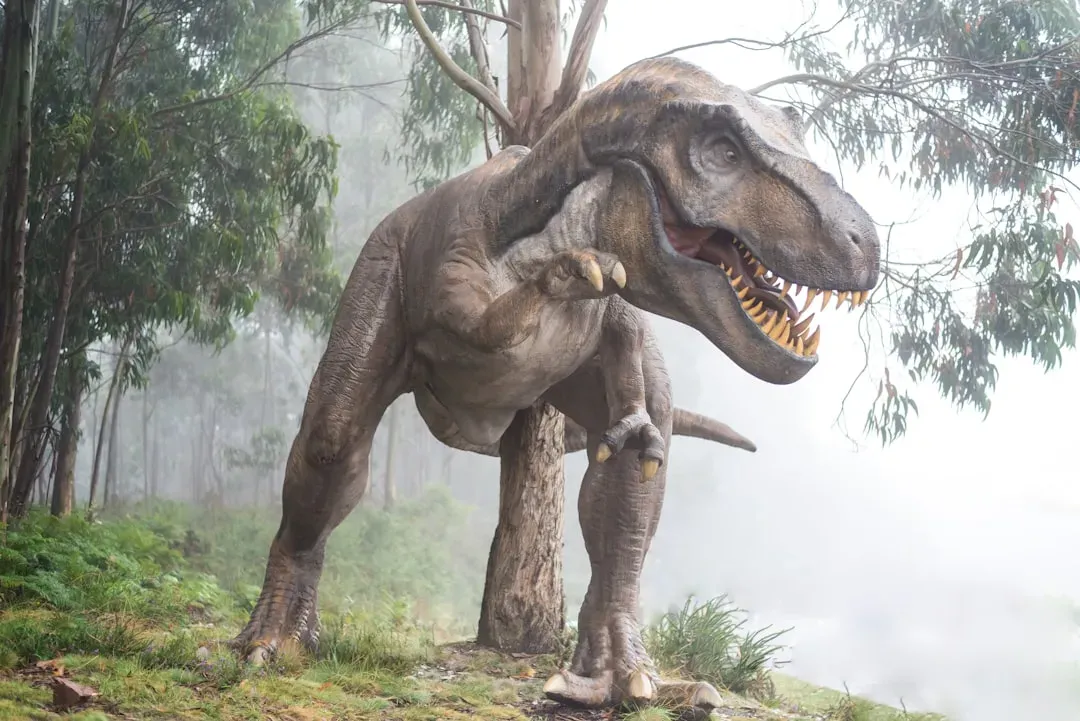
Let’s be real. If your mental image of a dinosaur still looks like a giant iguana, the science left you behind a long time ago. Since scientific research began on dinosaurs in the early 1800s, they were generally believed to be closely related to modern reptiles such as lizards, and the very word “dinosaur,” coined in 1842 by paleontologist Richard Owen, comes from the Greek for “terrible lizard.” That framing stuck around for far too long.
That view began to shift during the so-called dinosaur renaissance in the late 1960s, and by the mid-1990s, significant evidence had emerged that dinosaurs were much more closely related to birds, which descended directly from an earlier group of theropod dinosaurs. Think about that for a second. The birds chirping outside your window right now are, quite literally, living dinosaurs. The family resemblance is not coincidental.
The time of dinosaur dominance, from the end of the Triassic to the final catastrophic meteor strike, was not the Age of Reptiles. It was the Age of Big Weird Feathered Things. That line is not mine, but I wish it were, because it perfectly captures just how wrong the old picture always was.
Feathers Came Long Before Flight Did
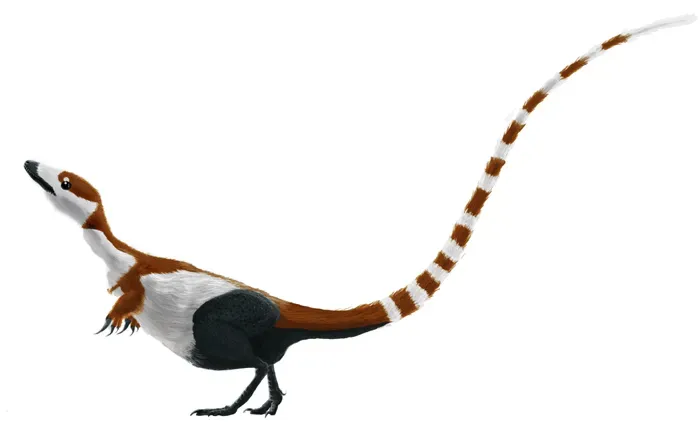
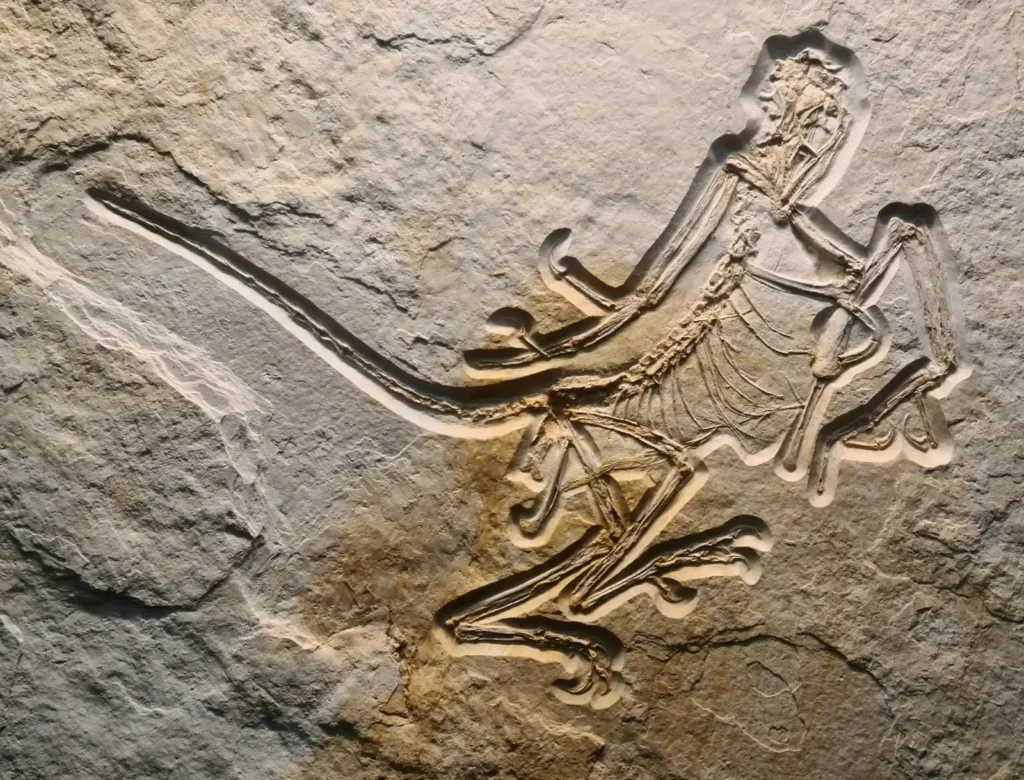
Feathers came first, scientists now say definitively. Yet this feathery revelation does not arise from discoveries of ancient birds, but of birds’ ancestors, namely, dinosaurs. The discovery of Sinosauropteryx in 1996 was a turning point that many people still do not know about. It cracked the scientific world wide open.
What experts had hoped for was a non-bird theropod with preserved feathers to clinch the connection between birds and dinosaurs. Sinosauropteryx fulfilled exactly what paleontologists had been looking for, with fossilized feathers along the neck, back and tail of the dinosaur leaving no doubt that birds had evolved from feathery dinosaur ancestors. It is one of those moments in science where a single fossil just quietly demolishes decades of assumption.
In recent decades, evidence has accumulated that many non-avian dinosaur species also possessed feathers or feather-like structures in some shape or form, though the extent to which feathers were present in dinosaurs as a whole remains a subject of ongoing debate and research. Even dinosaurs with no close bird relationship, like the little horned Psittacosaurus, were found with bristle-like structures on their tails. The feathery surprise runs deeper than most people imagine.
Some Dinosaurs Were Shockingly Colorful
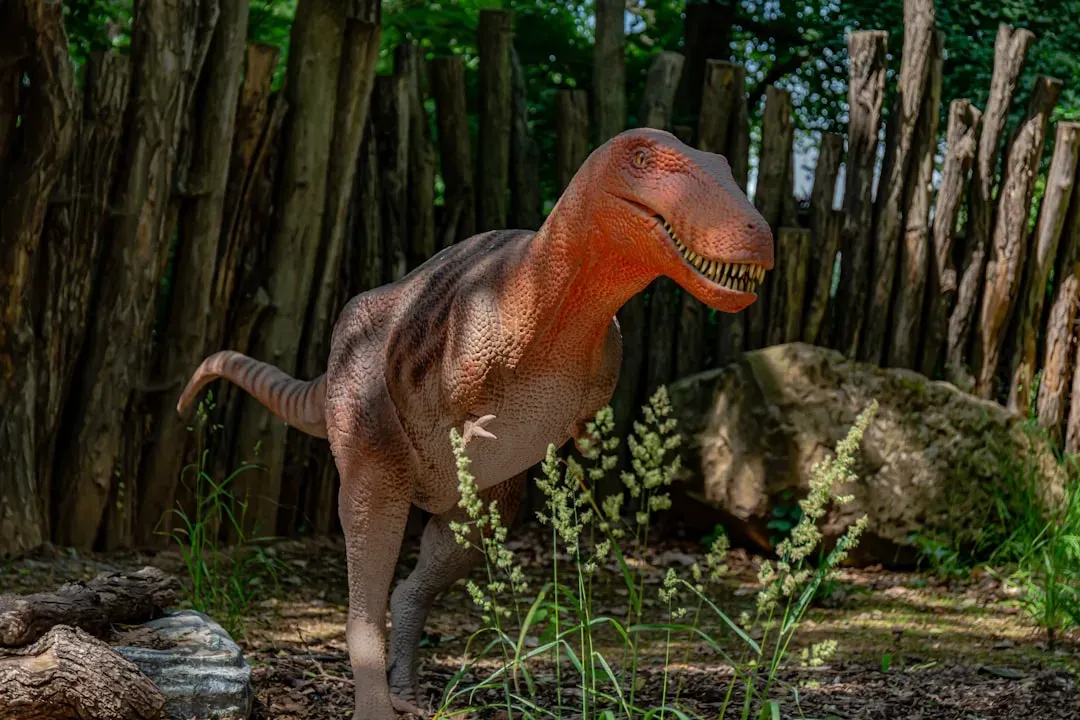
You might picture Mesozoic life in grim, grey-green tones like an old nature documentary. Here is the thing: the fossil record tells a very different story, one bursting with vivid color. Unlike earlier work that inferred only two types of melanin pigments in various species, a Yale-led study analyzed color-imparting structures called melanosomes from an entire fossil of a single animal, enabling researchers to reveal rich color patterns across the entire body of Anchiornis huxleyi.
This dinosaur sported a generally gray body, a reddish-brown, Mohawk-like crest and facial speckles, and white feathers on its wings and legs, with bold black-spangled tips. I know it sounds crazy, but picture that creature strutting through a prehistoric forest. It would not look out of place in a zoo today.
There is an increasing body of evidence supporting the display hypothesis, which states that early feathers were colored and increased reproductive success, with coloration possibly providing the original adaptation of feathers, implying that all later functions like thermoregulation and flight were co-opted. This hypothesis has been supported by the discovery of pigmented feathers in multiple species. So dinosaurs may have grown feathers not to fly, but to flirt. Evolution has a flair for the dramatic.
T. Rex Was a Sensory Powerhouse, Not a Bumbling Brute
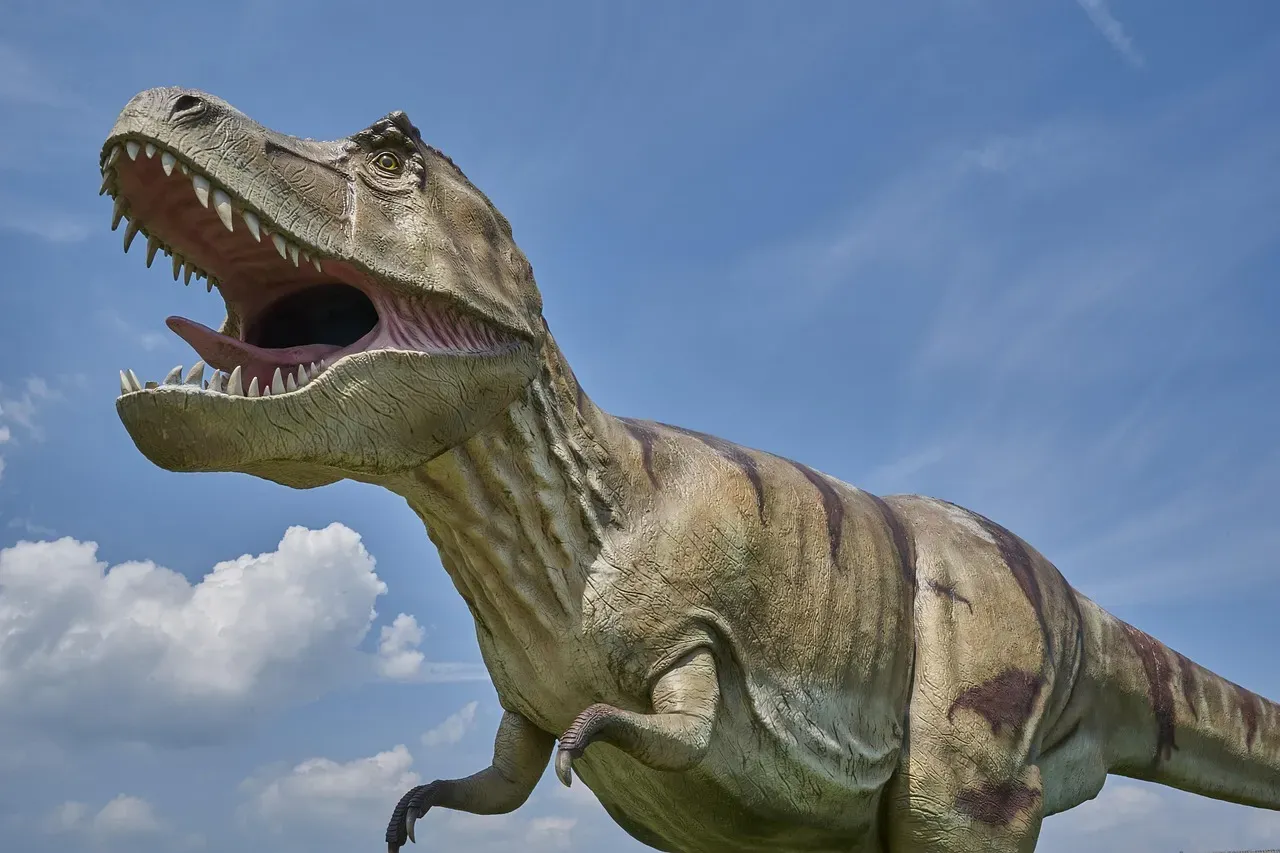
Pop culture handed you a T. rex that could not see you if you stood perfectly still. That idea is not just outdated. It is spectacularly wrong. T. rex had visual acuity likely among the best in terrestrial life, with studies suggesting its visual clarity may have been up to 13 times sharper than that of a human, allowing it to discern objects at vast distances. Standing still was never going to save you.
Tyrannosaurus had very large olfactory bulbs and olfactory nerves relative to their brain size, the organs responsible for a heightened sense of smell. This suggests that the sense of smell was highly developed, and implies that tyrannosaurs could detect carcasses by scent alone across great distances. Think of it as the nose of a bloodhound attached to a creature the size of a school bus.
When researchers projected their model back to dinosaurs, they found that Tyrannosaurus rex probably had between 620 and 645 genes encoding its olfactory receptors, a gene count only slightly smaller than those in today’s chickens and house cats. T. rex was not a stumbling monster. It was a finely tuned predator, and the fossil evidence for that is overwhelming.
Dinosaurs Were Devoted, Surprisingly Tender Parents
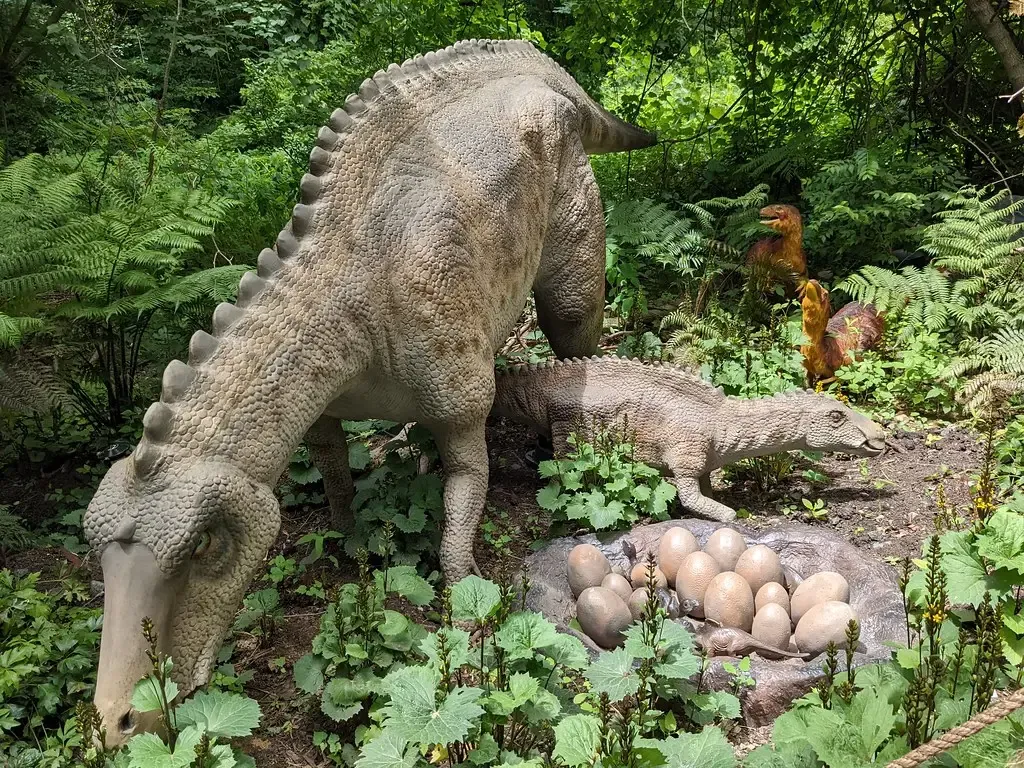
Forget the idea of prehistoric creatures abandoning eggs and wandering off. The fossil evidence for dinosaur parenting behavior is touching in a way that no one expected. The duck-billed Maiasaura, a name meaning “good mother lizard,” is one of the best-known examples of parental behaviour, with these Late Cretaceous dinosaurs having lived around 80 to 75 million years ago in large colonies, with parents thought to have extensively provided food and protection for their hatchlings.
A specimen of the oviraptorid Citipati osmolskae was discovered in a chicken-like brooding position in 1993, which may indicate that they had begun using an insulating layer of feathers to keep their eggs warm. That image, a dinosaur crouching protectively over its nest like a modern hen, is one of the most quietly stunning things the fossil record has ever produced.
The details indicate that dinosaurs constructed their nests with considerable care. Scientists know from previous finds that oviraptorids laid two eggs at a time in a clutch of 30 or more. That kind of committed, repeated behavior speaks to a depth of parental instinct that the old “dim-witted reptile” narrative simply cannot accommodate. These animals cared.
They Lived in Complex Social Herds Much Earlier Than Anyone Thought
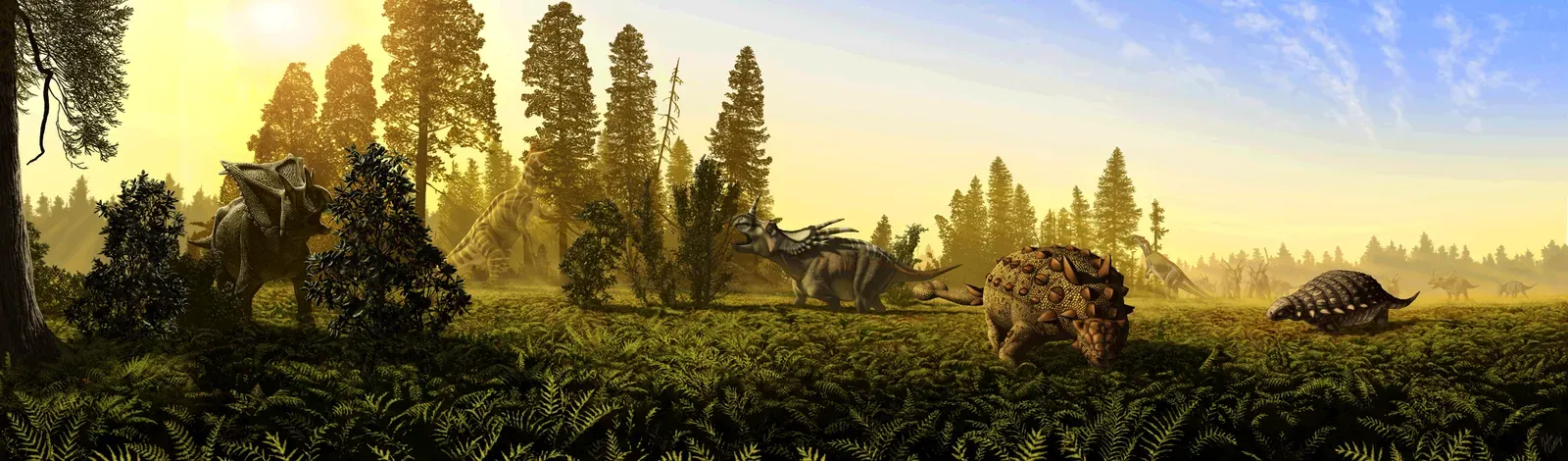
Herding behavior in dinosaurs is no longer surprising. What is surprising is how early and how sophisticated it truly was. Researchers from MIT, Argentina, and South Africa detailed the discovery of an exceptionally preserved group of early dinosaurs showing signs of complex herd behavior as early as 193 million years ago, which is 40 million years earlier than any other records of dinosaur herding. That kind of deep social structure is not what anyone predicted for creatures at this point in evolutionary history.
The researchers observed that fossils were grouped by age, with dinosaur eggs and hatchlings found in one area and skeletons of juveniles grouped in a nearby location, with fossils indicating a communal nesting ground and adults who foraged and took care of the young as a herd. It sounds less like ancient prehistory and more like a modern elephant family.
Gregarious behavior was common in many dinosaur species, with dinosaurs having possibly congregated in herds for defense, migratory purposes, or to provide protection for their young. There is evidence that many types of dinosaurs, including various theropods, sauropods, ankylosaurians, ornithopods, and ceratopsians, formed aggregations of immature individuals. Society, it turns out, is not a human invention. It is very, very old.
The Fossil Record Keeps Rewriting What “Dinosaur” Even Means
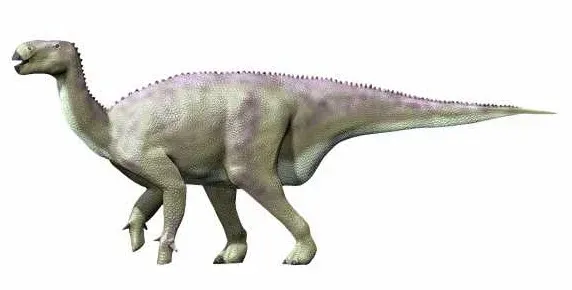
Just when you think paleontology has filled in the picture, the ground gives up something that breaks the frame entirely. A 125-million-year-old dinosaur just rewrote what scientists thought they knew about prehistoric life. Scientists in China uncovered an exceptionally preserved juvenile iguanodontian with fossilized skin so detailed that individual cells are still visible, and even more astonishingly, the plant-eating dinosaur was covered in hollow, porcupine-like spikes, structures never before documented in any dinosaur.
The findings, published in Nature Ecology and Evolution in February 2026, introduce an entirely new feature to the known diversity of dinosaur anatomy. This discovery not only adds a new species to the Iguanodontia group but also reveals that dinosaur skin and body coverings were more varied and innovative than previously understood. We are still in the middle of the story, not at the end of it.
Over the past decade, paleontology has entered a new era of rapid discovery and scientific transformation. Breakthrough fossils unearthed across Asia, South America, North America, and Europe have dramatically expanded understanding of dinosaur evolution, biology, and behavior, with these finds remarkable for their preservation, size, or scientific implications, showcasing how much remains to be uncovered about life in the Mesozoic. Honestly, the most exciting discoveries may not have happened yet.
The Largest Dinosaurs May Still Be Waiting to Be Found
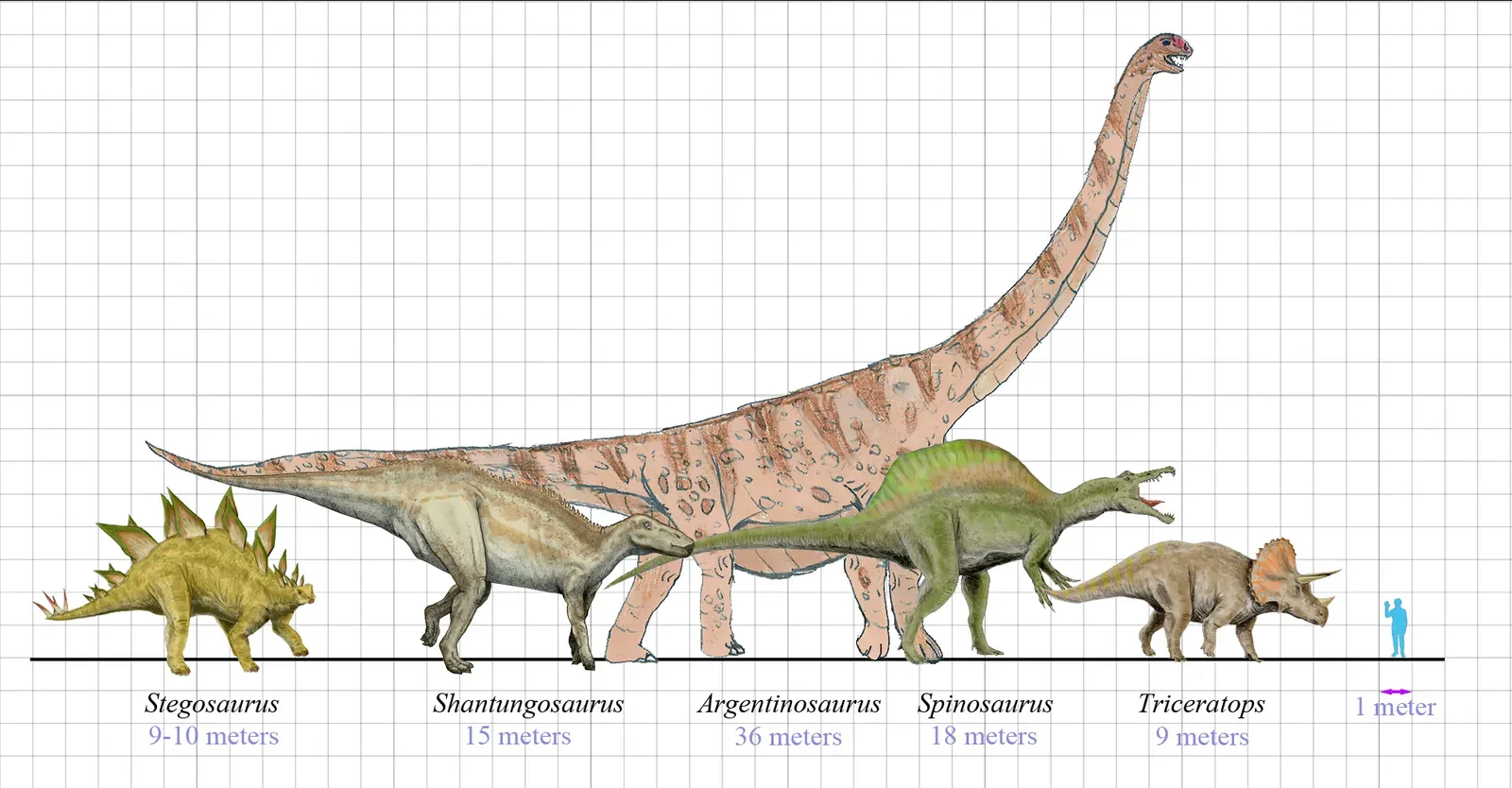
Here is a thought that genuinely keeps paleontologists up at night: the biggest dinosaurs ever to walk the Earth might still be buried in rock somewhere, completely undiscovered. Paleontologists have certainly found some big T. rex specimens, about 40 feet long and estimated at around nine tons. However, by modeling a virtual T. rex population and using information from modern alligators to outline variation between individuals, a study anticipates that some T. rex were likely up to 70 percent more massive than any found so far.
These giants were very rare, in the 99.99th percentile of body size for the species, and may take hundreds if not thousands of years to uncover based on the current rate of fossil searches. While the study focused primarily on T. rex, the same principles hold for dinosaurs in general. Experts have found some big dinosaurs, but the most exceptional giants have not yet been found. Somewhere beneath the surface of the Earth, something impossibly large is still waiting.
In Patagonia, paleontologists uncovered the remains of Patagotitan mayorum, a massive titanosaur that quickly became a contender for the title of the largest land animal ever discovered. Estimated to exceed 120 feet in length and weigh around 69 tons, this colossal sauropod offered new insight into the size limits of terrestrial vertebrates. The exceptional completeness of the fossilized skeletal remains enabled scientists to reconstruct how titanosaurs supported their immense bulk. Even that, it turns out, might not be the record holder.
Conclusion: The Dinosaur You Know Is a Fossil of an Idea
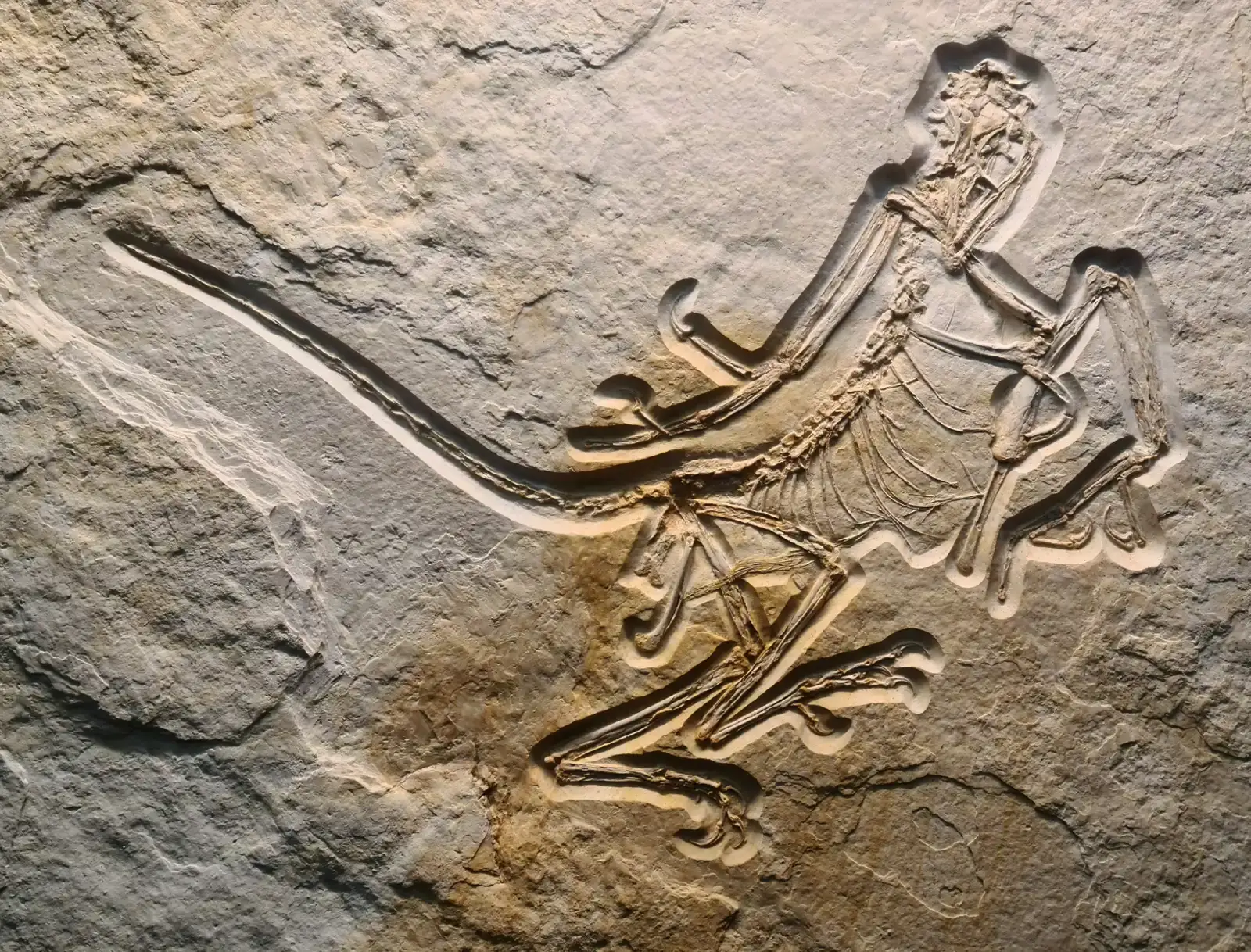
The image of the dinosaur most people carry around in their heads is itself a kind of fossil, a preserved relic of scientific thinking from a century ago that never quite got updated. The real animals were feathered, colorful, socially complex, sensorially sophisticated creatures with parenting instincts, herd loyalty, and body plans so strange and varied they would astonish you on sight.
Every shovel that breaks new ground, every CT scan of a fossilized skull, every newly named species from the Gobi Desert or Patagonia pulls the picture a little closer to reality. The fossil record is not just a catalogue of bones. It is a love letter from deep time, asking you to look again, look harder, and stop underestimating what once walked this Earth.
The next time you see a bird outside your window, remember: you are looking at a dinosaur. The Age of Dinosaurs never ended. What do you think about that?