For most of history, people pictured dinosaurs as solitary, brutish creatures stumbling through a prehistoric world without much social grace. Giant reptiles thundering alone across ancient plains. Monsters in isolation. It’s a compelling image, honestly, but the fossil record has been quietly dismantling it for decades. What scientists are uncovering instead is something far more fascinating, and far more surprising, than anyone initially expected.
The bones, the eggs, the fossilized footprints – they all tell a different story. A story of communities, of age-grouped herds, of communal nurseries and multi-species travel companions. You’re about to discover just how deeply social these ancient animals really were. Let’s dive in.
The Mussaurus Discovery That Changed Everything
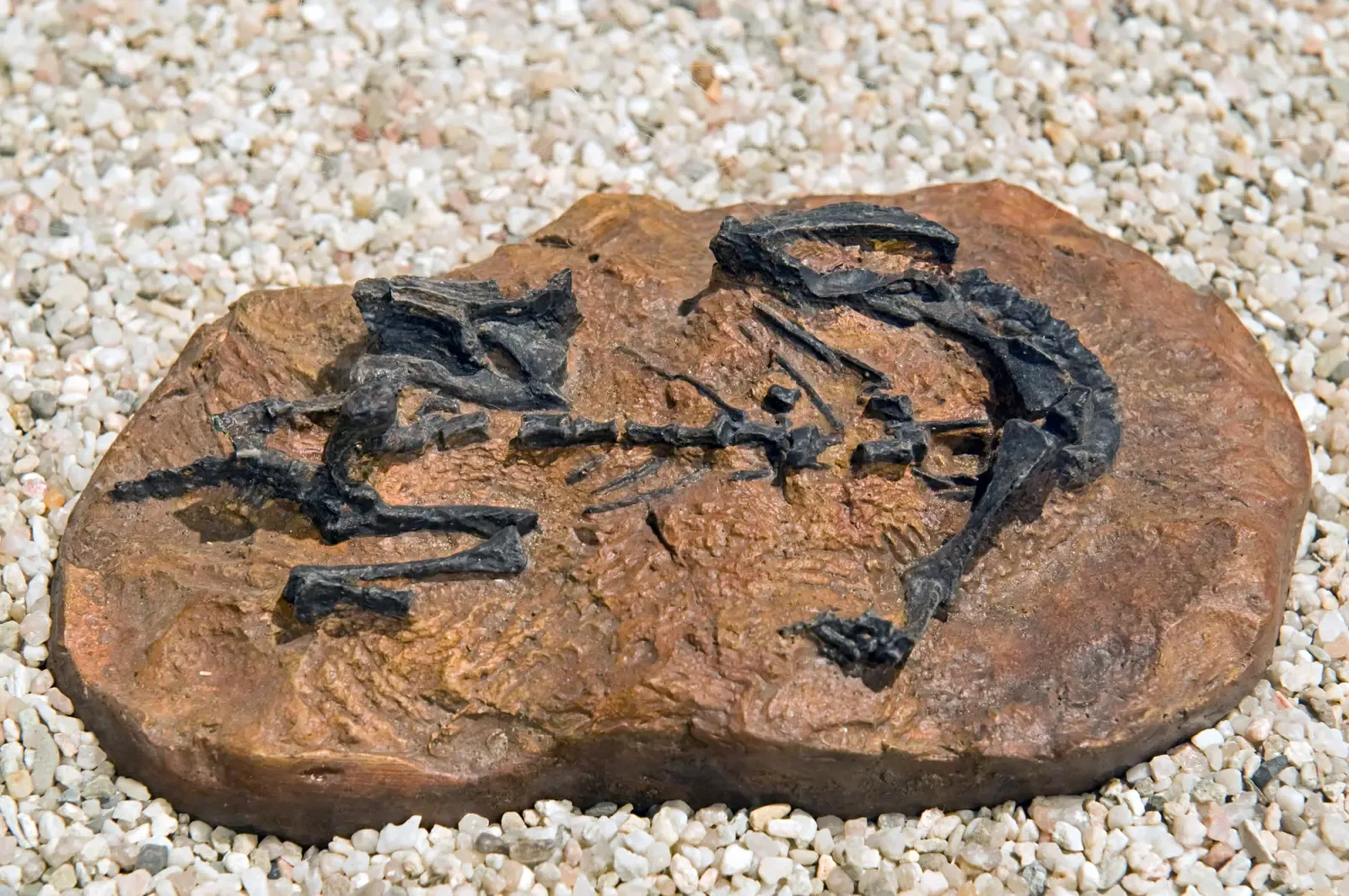
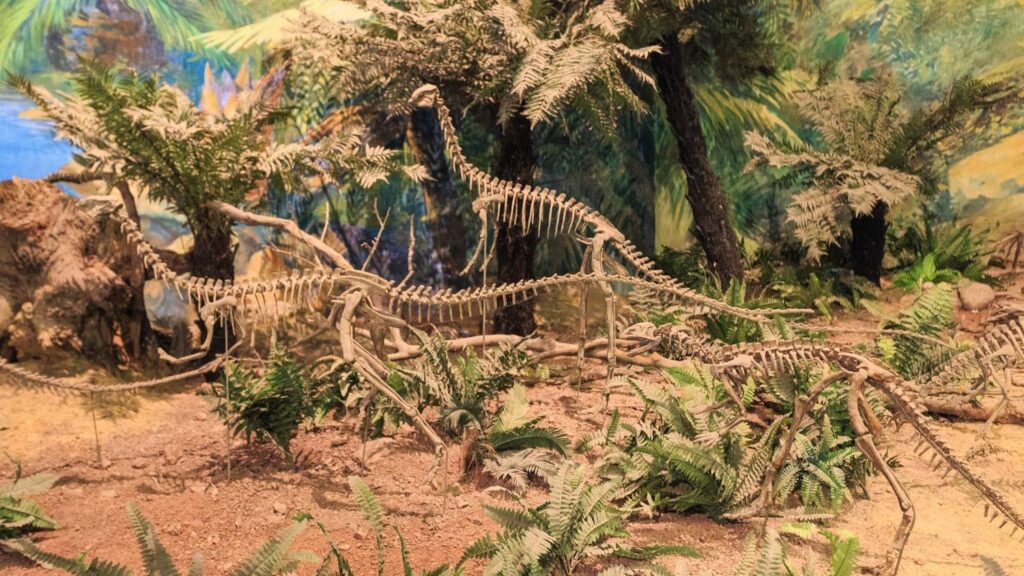
If there’s one fossil site that genuinely reshaped what we know about dinosaur sociality, it’s the Laguna Colorada Formation in Patagonia, Argentina. A fossil occurrence from Patagonia includes over 100 eggs and skeletal specimens of 80 individuals of the early sauropodomorph Mussaurus patagonicus, ranging from embryos to fully-grown adults, with an Early Jurassic age as determined by high-precision U-Pb zircon geochronology. Think about that for a moment. Embryos, juveniles, and full-grown adults – all in one place, frozen in time for nearly 200 million years.
Researchers from MIT, Argentina, and South Africa say Mussaurus patagonicus may have lived in herds as early as 193 million years ago – 40 million years earlier than other records of dinosaur herding. That kind of time gap is staggering. It’s like discovering that complex social behavior in these animals didn’t gradually evolve late in the dinosaur era – it was there right from the very beginning. These findings provide the earliest evidence of complex social behaviour in Dinosauria, predating previous records by at least 40 million years.
Age Segregation Within the Herd: A System More Advanced Than You’d Expect
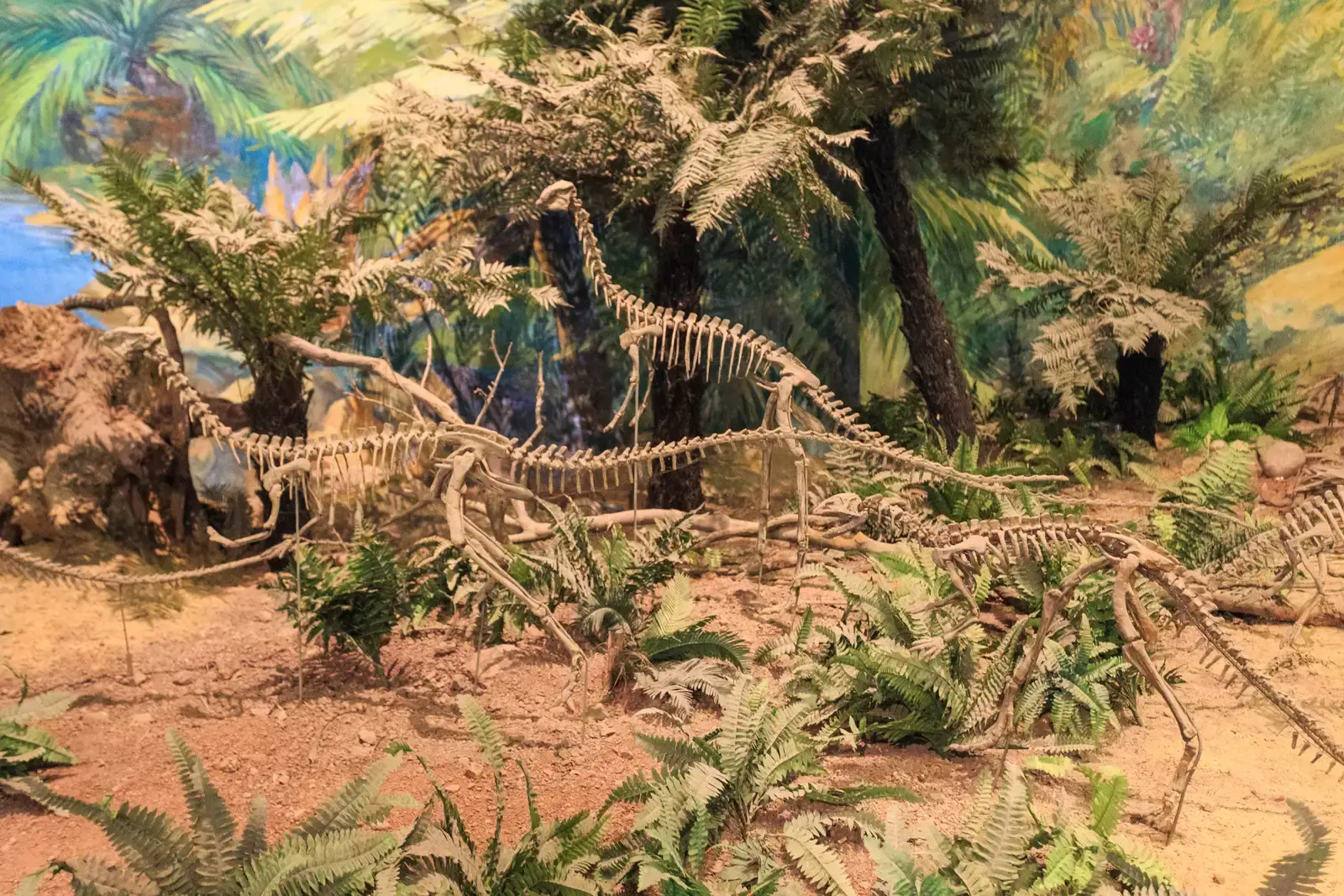
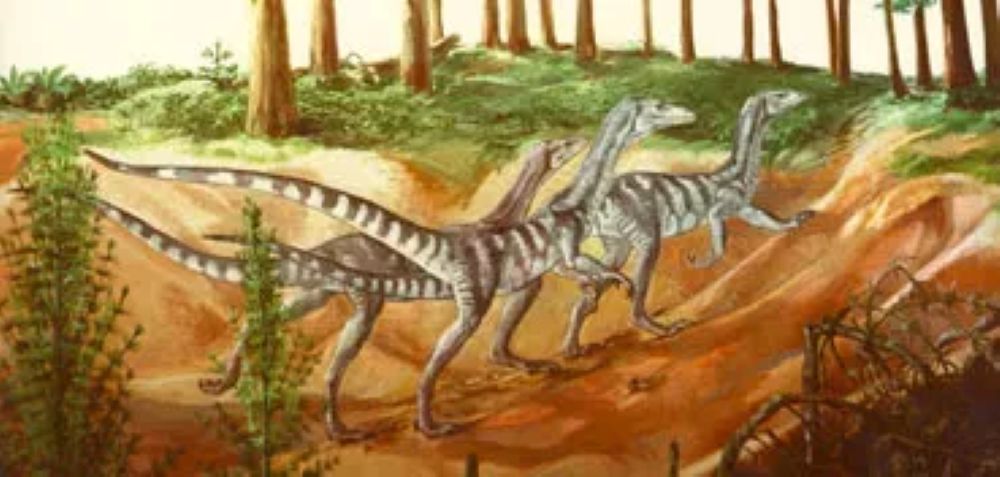
Here’s the thing that really surprises people when they first hear it. These dinosaurs didn’t just live together randomly. Researchers observed that the fossils were grouped by age: dinosaur eggs and hatchlings were found in one area, while skeletons of juveniles were grouped in a nearby location, with remains of adult dinosaurs found alone or in pairs throughout the field site. It’s almost eerily organized – like a school system baked into the herd structure itself.
Scientists identified a cluster of 11 juveniles aged less than a year old, two adults found together, and nine specimens aged between a year old and adult, suggesting that M. patagonicus lived in herds throughout their lives but primarily associated with others their own age within herds. You can think of it like a massive migratory community where the toddlers stayed in daycare while the adults went out foraging. The dinosaurs likely worked as a community, laying their eggs in a common nesting ground, with juveniles congregating in “schools” while adults roamed and foraged for the herd.
Colonial Nesting Grounds: Where Communities Were Born
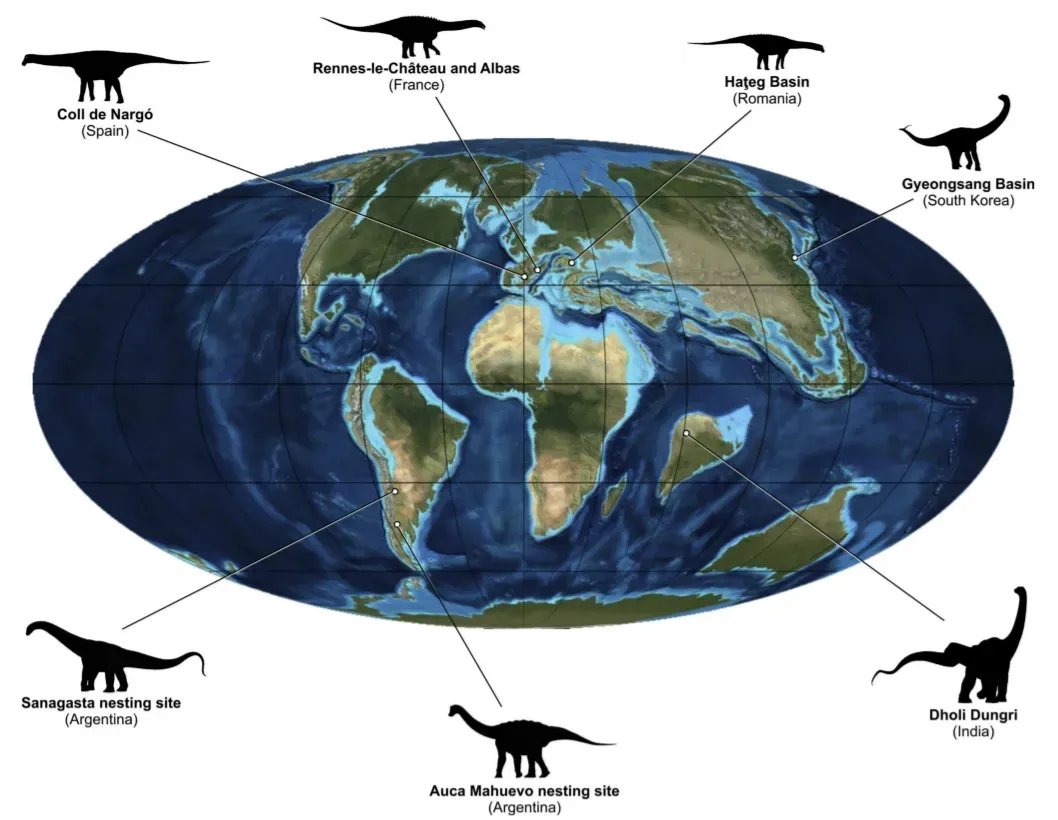
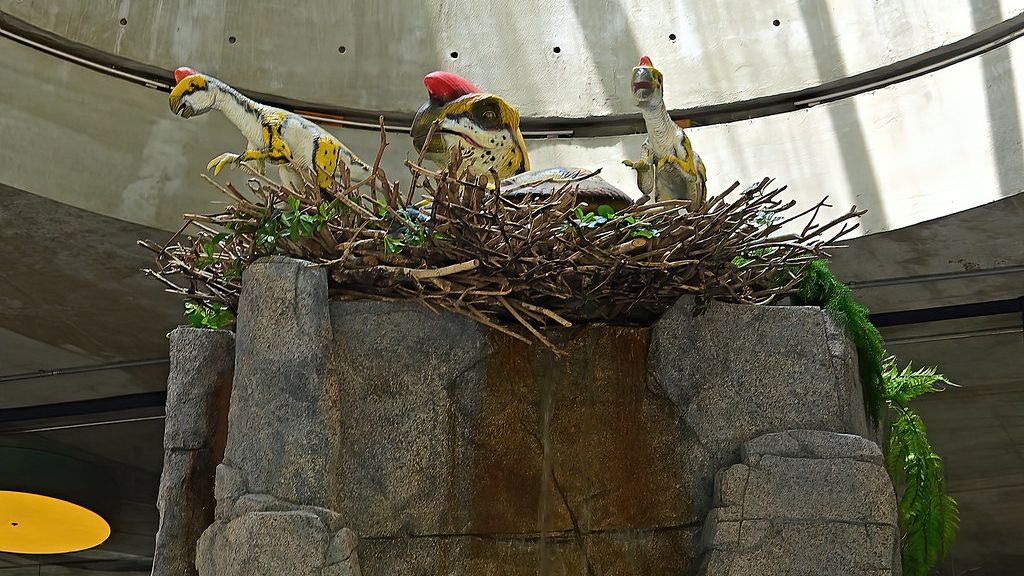
One of the most underappreciated revelations from the fossil record is that many dinosaur species didn’t just tolerate each other during nesting season. They actively returned to the same grounds, year after year, in behavior that mirrors what you see in modern seabirds and colonial mammals. Recent discoveries in the Late Cretaceous Two Medicine Formation of western Montana indicate that some dinosaur species, like some modern species of birds and crocodiles, nested in colonies, with evidence that members of one species returned to the same nesting area for many years.
The clutches of Maiasaura eggs were spread apart, meaning that the dinosaur nested in colonies, and these nesting grounds were preserved in successive layers, meaning that parents returned to the same grounds to mate, possibly every year like many birds today. Honestly, this blew me away the first time I read it. Dinosaurs with nesting site fidelity. Researchers identified 80 individual dinosaur skeletons, as well as nests and about 100 eggs, with nests that were shallow trenches in the ground containing eight to 30 spherical eggs arranged in rows and piled in layers.
Communal Parenting: Evidence of Shared Childcare Across the Mesozoic
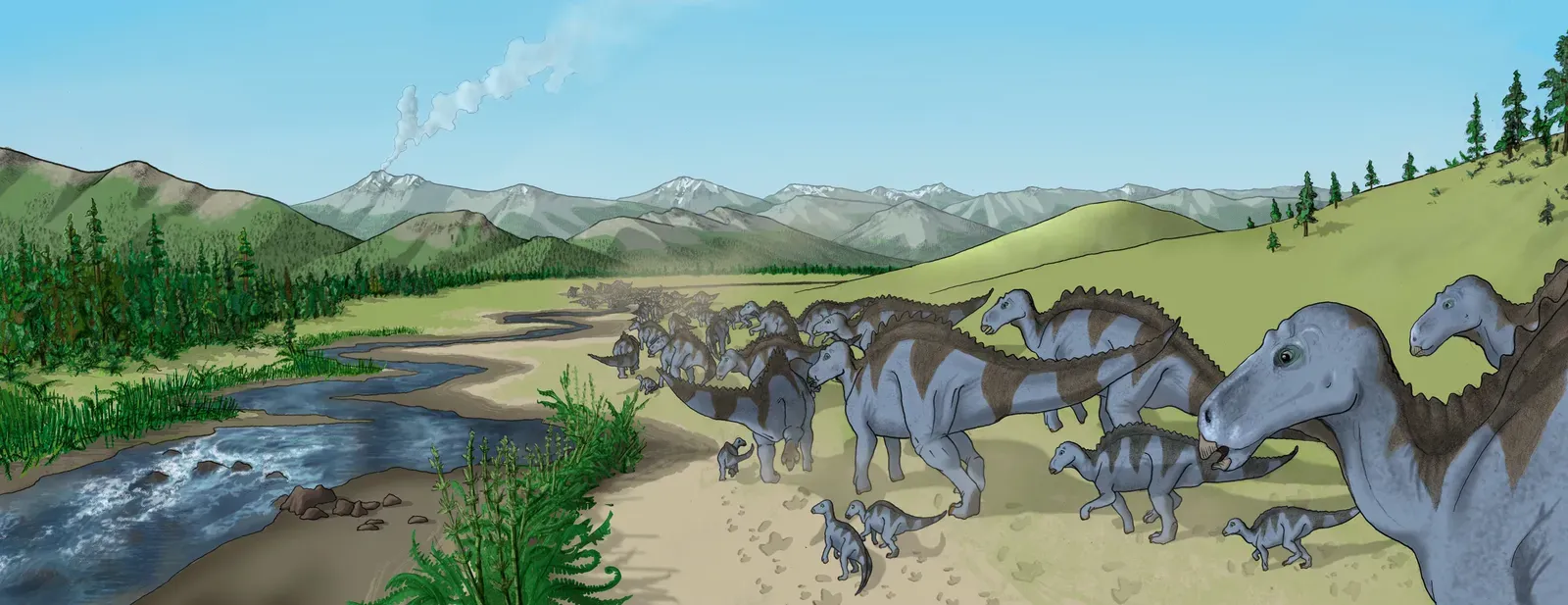
Few ideas about dinosaurs have provoked as much debate as the notion of parental care, but the evidence just keeps building up. Maiasaura, recognized as a prominent member of the hadrosaur family, often called “duck-billed” dinosaurs, lived in herds and exhibited social behaviors, with fossil evidence including nesting sites with young and hatchlings suggesting that these dinosaurs may have engaged in communal breeding. The very name Maiasaura translates to “good mother lizard” – and that name wasn’t given lightly.
Group nesting sites suggest that herds laid and watched over eggs together, and shell and skeletal evidence reveals that hatchlings likely remained in the nest for a period of time and were fed by their parents or other adult hadrosaurs. That last part is remarkable. Not just parents, but other adult members of the herd potentially helping to raise the young. This means that multifamily groups got together not just for breeding and nesting but that they potentially formed life-long herds, more like today’s elephants or wildebeests. The comparison to elephants isn’t just poetic – it reflects a genuinely similar social strategy across millions of years of separate evolution.
Trackways and Footprints: The Living Diary of a Moving Herd
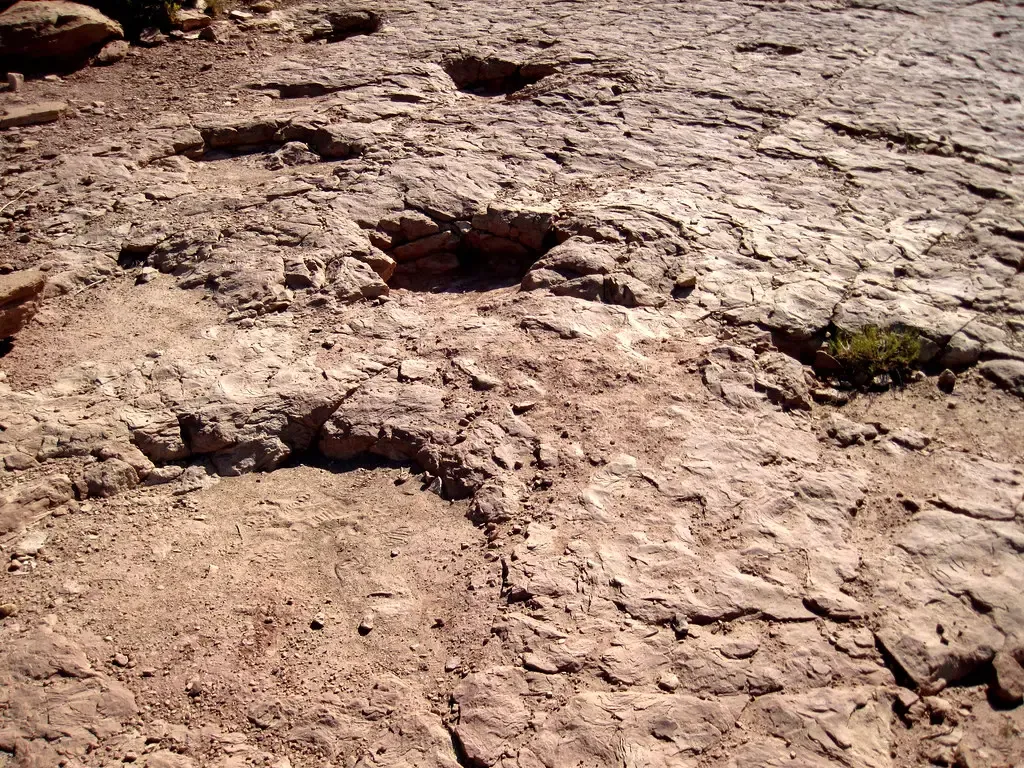
Bones are extraordinary, but footprints are in some ways even more revealing. They capture a moment of living motion rather than a moment of death. Trackways were first noted by Roland T. Bird in the early 1940s along the Paluxy riverbed in central Texas, where numerous washbasin-size depressions proved to be a series of giant sauropod footsteps preserved in limestone of the Early Cretaceous Period, and because the tracks are nearly parallel and all progress in the same direction, Bird concluded that the sauropod trackmakers “passed in a single herd.”
These sites, dating from the Late Triassic Period to the latest Cretaceous, document herding as common behaviour among a variety of dinosaurs. Large trackway sites have since been found across multiple continents, from North America to England to Argentina to China. Trackways of hundreds or even thousands of herbivores indicate that duck-billed hadrosaurids may have moved in great herds, like the American bison or the African springbok. Picture that. Thousands of creatures moving together across an ancient landscape – a sight that, had any human existed to witness it, would have been nothing short of breathtaking.
Mixed-Species Herding: When Different Dinosaurs Traveled Together
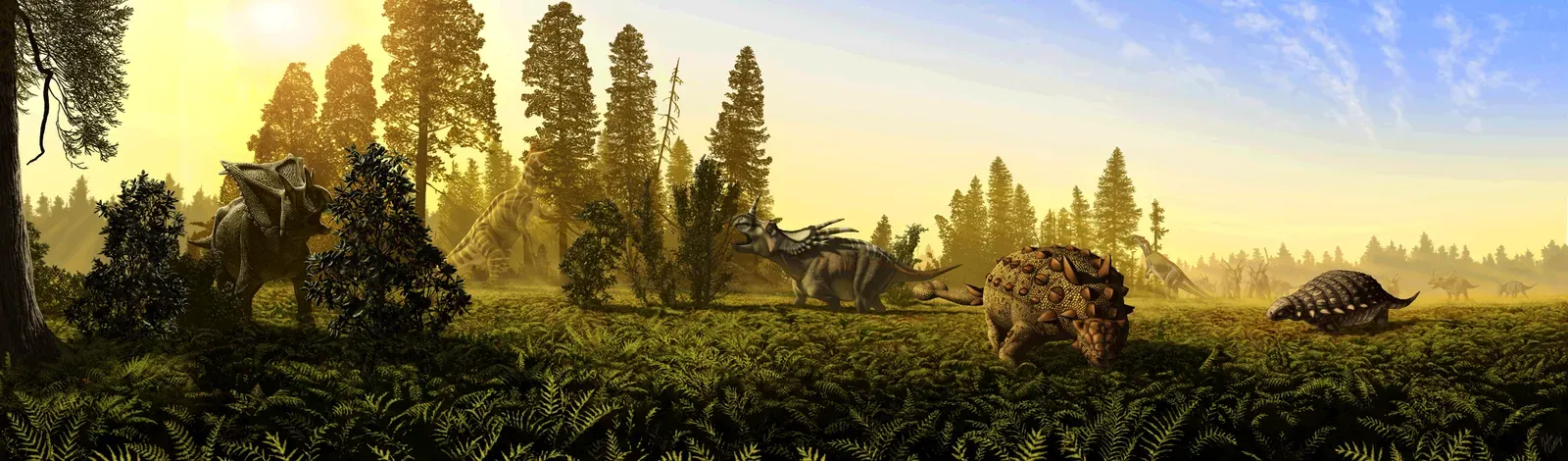
Perhaps the most jaw-dropping discovery of recent years is the evidence that herds weren’t always made up of a single species. A collection of footprints from a group of ceratopsians and an Ankylosaurus could be the first evidence of dinosaur herds that were made up of multiple species. This was found at a site in Canada, and it changes the picture of ancient ecosystems in a profound way. The discovery provides the first evidence of mixed-species herding behavior in dinosaurs, similar to how modern wildebeest and zebra travel together on the African plains.
At the site, paleontologists unearthed 13 ceratopsian tracks from at least five animals walking side by side, with a probable ankylosaurid walking in the midst of the others, and they were also surprised to find the tracks of two large tyrannosaurs walking side-by-side and perpendicular to the herd, raising the prospect that multispecies herding may have been a defence strategy against common apex predators. It’s hard to say for sure whether this was routine behavior or a rare coincidence, but the implication is wild. Different dinosaur species, instinctively coordinating their movement to protect against shared threats – not unlike the mixed herds you see on African savannas today.
Why Social Behavior May Have Driven Dinosaur Evolutionary Success
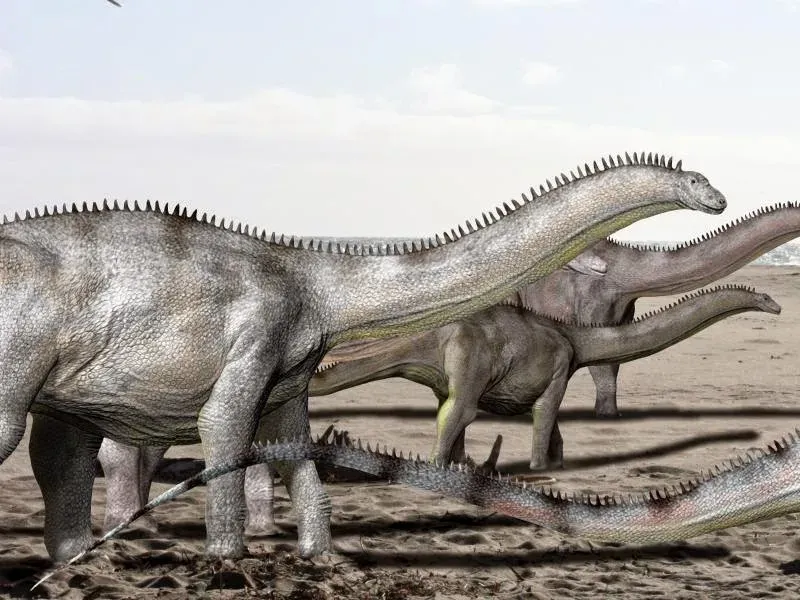
All of this raises a bigger and genuinely exciting question: did social behavior actually give certain dinosaurs an edge that allowed them to survive and thrive when others didn’t? Living in herds may have given Mussaurus and other social sauropodomorphs an evolutionary advantage. These early dinosaurs originated in the late Triassic, shortly before an extinction event wiped out many other animals, and sauropodomorphs held on and eventually dominated the terrestrial ecosystem in the early Jurassic. That overlap isn’t something you can easily dismiss as coincidence.
Researchers speculate that the evolution of complex social behavior among sauropodomorphs may have coincided with increases in body size that occurred between 227 million and 208 million years ago. Larger bodies need more food, more coordination, more strategy – and herding may have been the answer. The complex social behaviour in early dinosaurs observed in this research lines up with other fossil evidence that dinosaurs were more bird-like than crocodilian-like, with evidence suggesting dinosaurs and their relatives were warm-blooded creatures. Warm-blooded, social, and community-driven: this is not the picture of the ancient world we grew up with, and I think that’s exactly what makes it so remarkable.
Conclusion: The Ancient World Was More Connected Than We Ever Imagined
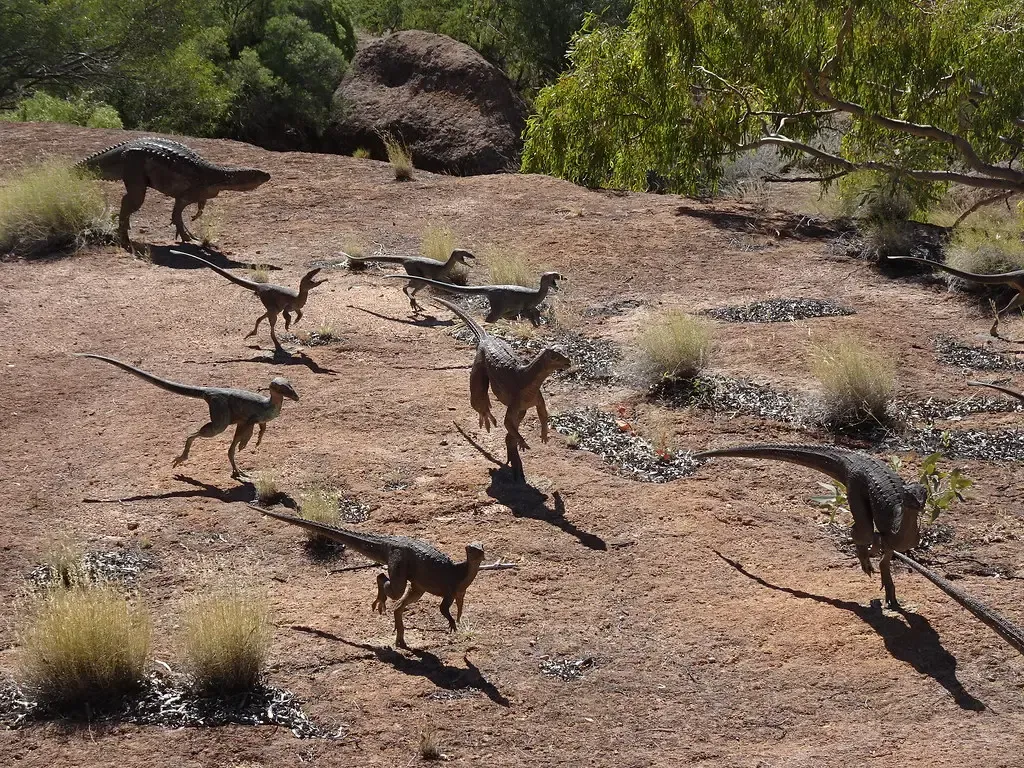
The fossil record, it turns out, is not just a graveyard. It’s a behavioral archive, preserving the social lives of creatures that lived hundreds of millions of years before the first humans ever drew breath. What you’ve seen in this article is a steady accumulation of evidence pointing toward one clear conclusion: dinosaurs were not the mindless, solitary giants of popular imagination. They were organized, community-oriented animals capable of age-segregated group living, shared parenting, multi-species cooperation, and long-term loyalty to nesting sites.
Every new dig site adds another layer to this story. Every fossil cluster, every footprint, every scanned egg containing an ancient embryo, tells you something about what life actually looked like in the Mesozoic Era. Most research conducted since the 1970s has indicated that dinosaurs were active animals with elevated metabolisms and numerous adaptations for social interaction. The more researchers look, the more complexity they find – and if the history of paleontology has taught us anything, it’s that the next discovery is always just a layer of rock away. So what part of this surprised you the most? Tell us in the comments.