Time itself seems to hold its breath when we encounter fossils that capture life’s most intimate moments. Imagine discovering a creature locked forever in the act of taking its final meal, jaws clamped around prey with the same intensity it displayed millions of years ago. These extraordinary snapshots of ancient life offer us a window into prehistoric behavior that goes far beyond mere bone structure and anatomy.
The Moment That Changed Everything
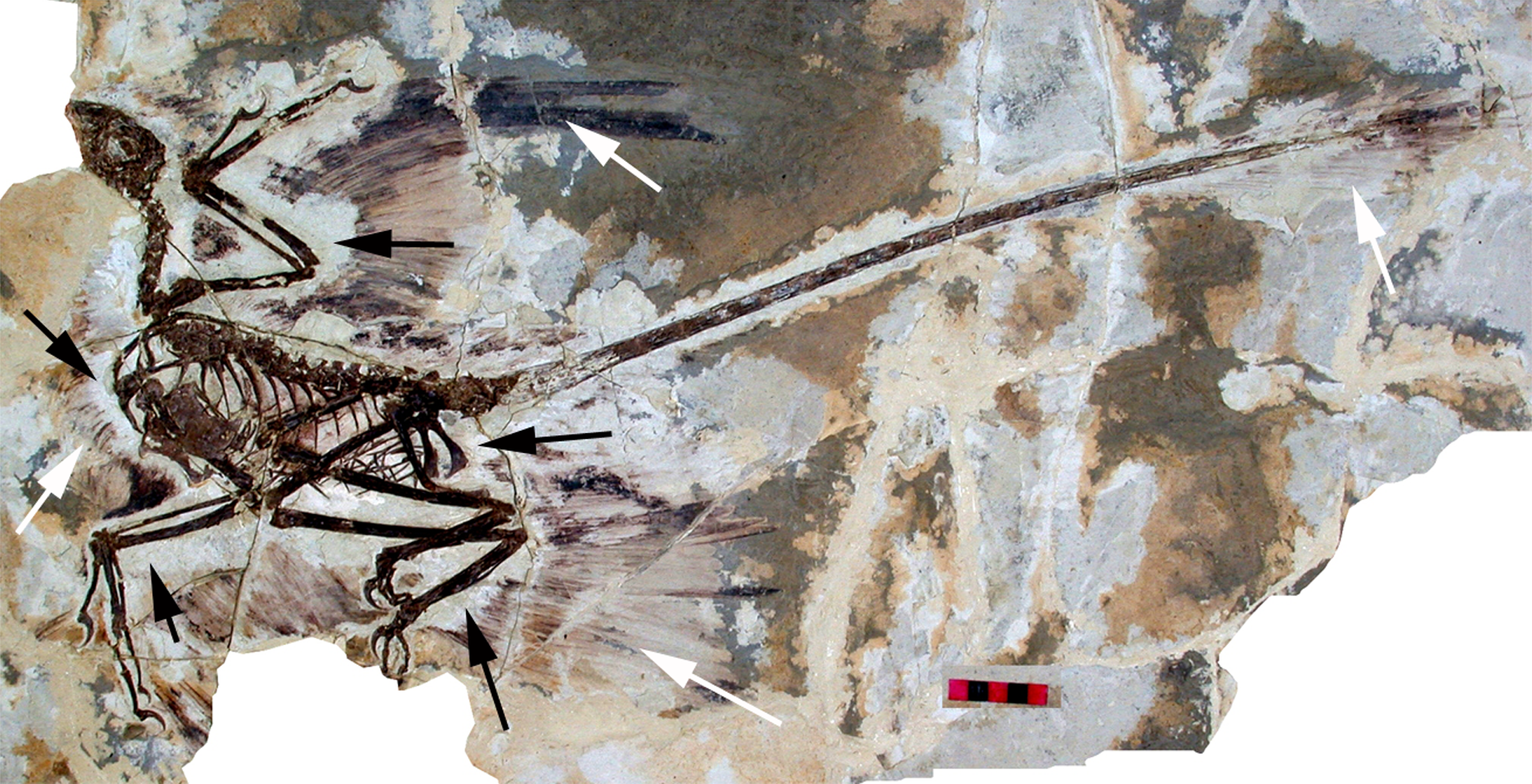
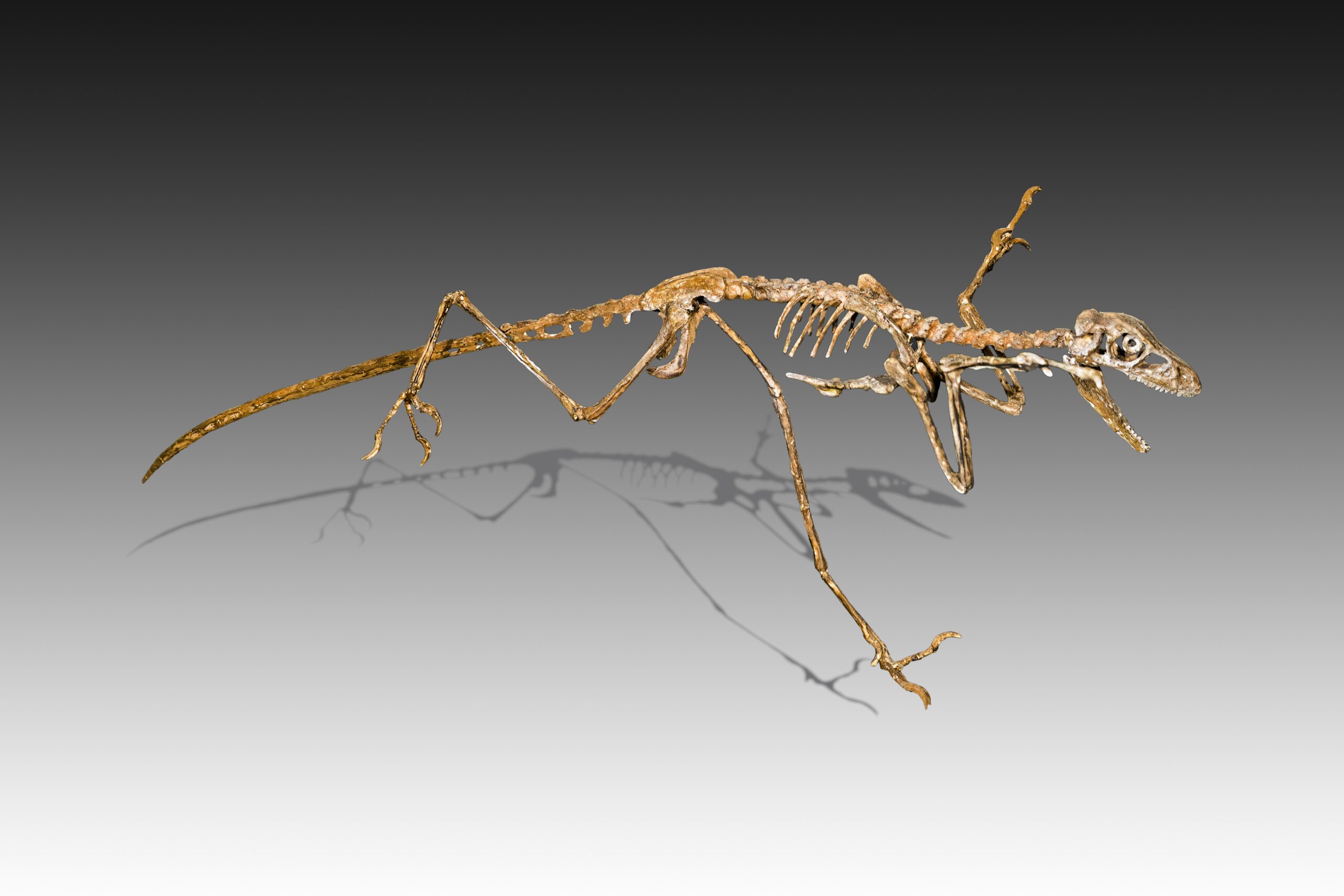
In 2011, paleontologists working in the Liaoning Province of China made a discovery that would revolutionize our understanding of prehistoric predator-prey relationships. They uncovered a fossil specimen of Microraptor gui, a small feathered dinosaur, with the remains of a primitive bird called Sinornithosaurus preserved within its stomach cavity. But this wasn’t just any fossilized meal – detailed analysis revealed that the Microraptor had died while still in the process of swallowing its prey.
The preservation quality was so exceptional that scientists could identify individual bones, feathers, and even soft tissue remnants. This fossil represents one of the most complete behavioral snapshots we’ve ever recovered from the Mesozoic Era. The specimen now resides in the Institute of Vertebrate Paleontology and Paleoanthropology in Beijing, where researchers continue to study its remarkable details.
What Makes This Discovery So Extraordinary
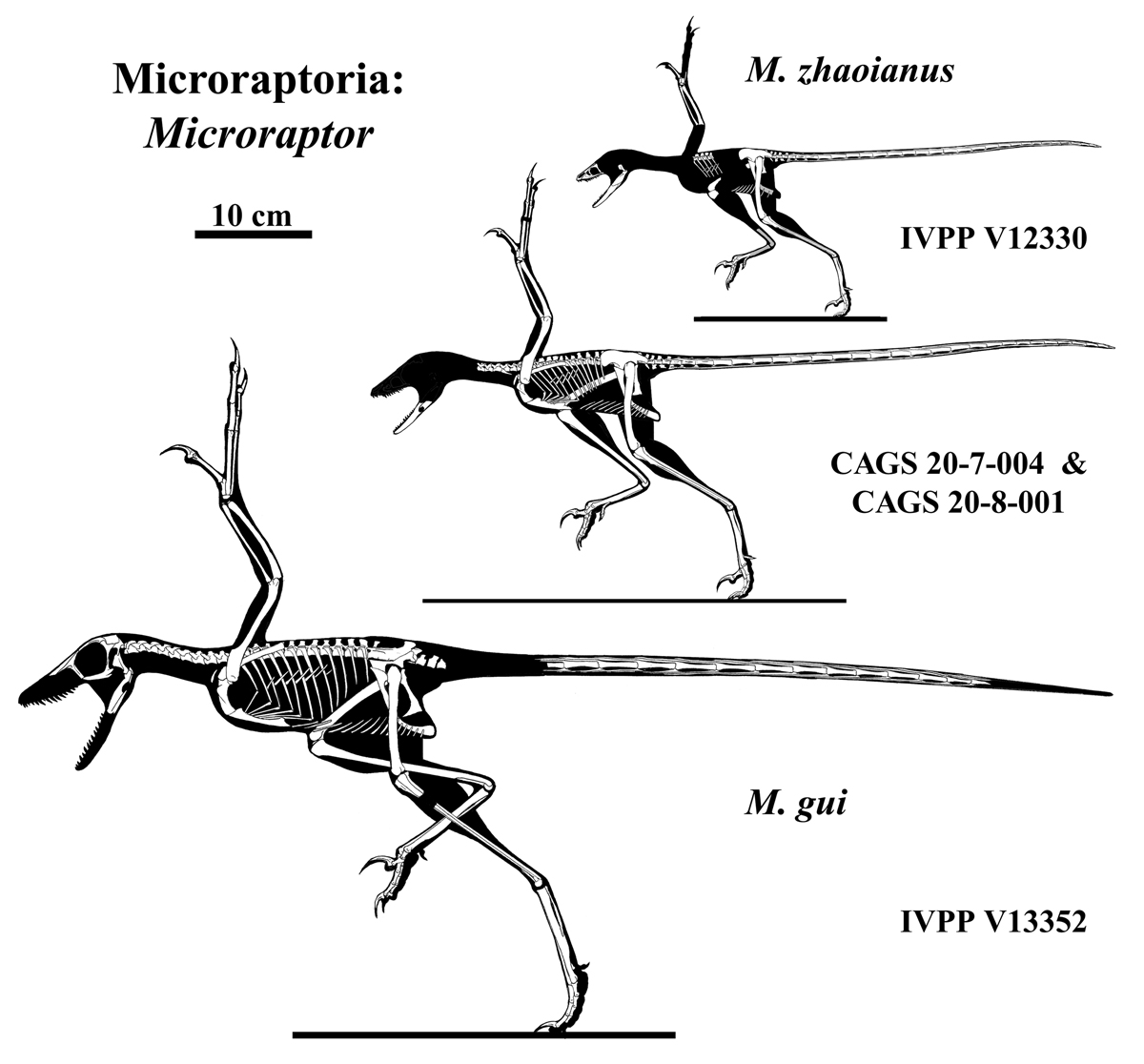
Most fossils give us static images of ancient life – skeletons arranged in death poses that tell us little about behavior. This Microraptor specimen breaks that mold entirely by preserving a dynamic moment of interaction between two species. The fossil shows the predator’s neck extended, jaws stretched wide, with the prey bird positioned head-first down its throat.
The level of detail preserved is staggering. Scientists can see the individual vertebrae of both animals, the delicate wing bones of the prey bird, and even traces of the predator’s last meal before this final, fatal encounter. Such preservation requires incredibly specific conditions that occur perhaps once in millions of fossilization events.
The Science Behind Exceptional Preservation
The Liaoning fossil beds are famous for their exceptional preservation, but even by those standards, this specimen stands out. The area was once covered by ancient lakes surrounded by volcanic activity, creating the perfect storm for fossil preservation. When animals died, they were quickly buried in fine volcanic ash that prevented decomposition and scavenging.
The lack of oxygen in the lake sediments meant that bacteria couldn’t break down the organic materials effectively. This anaerobic environment, combined with the fine grain size of the sediment, allowed for the preservation of soft tissues, feathers, and even the contents of digestive systems. The rapid burial also prevented the natural disarticulation that typically occurs when animals decompose.
Microraptor: The Four-Winged Predator
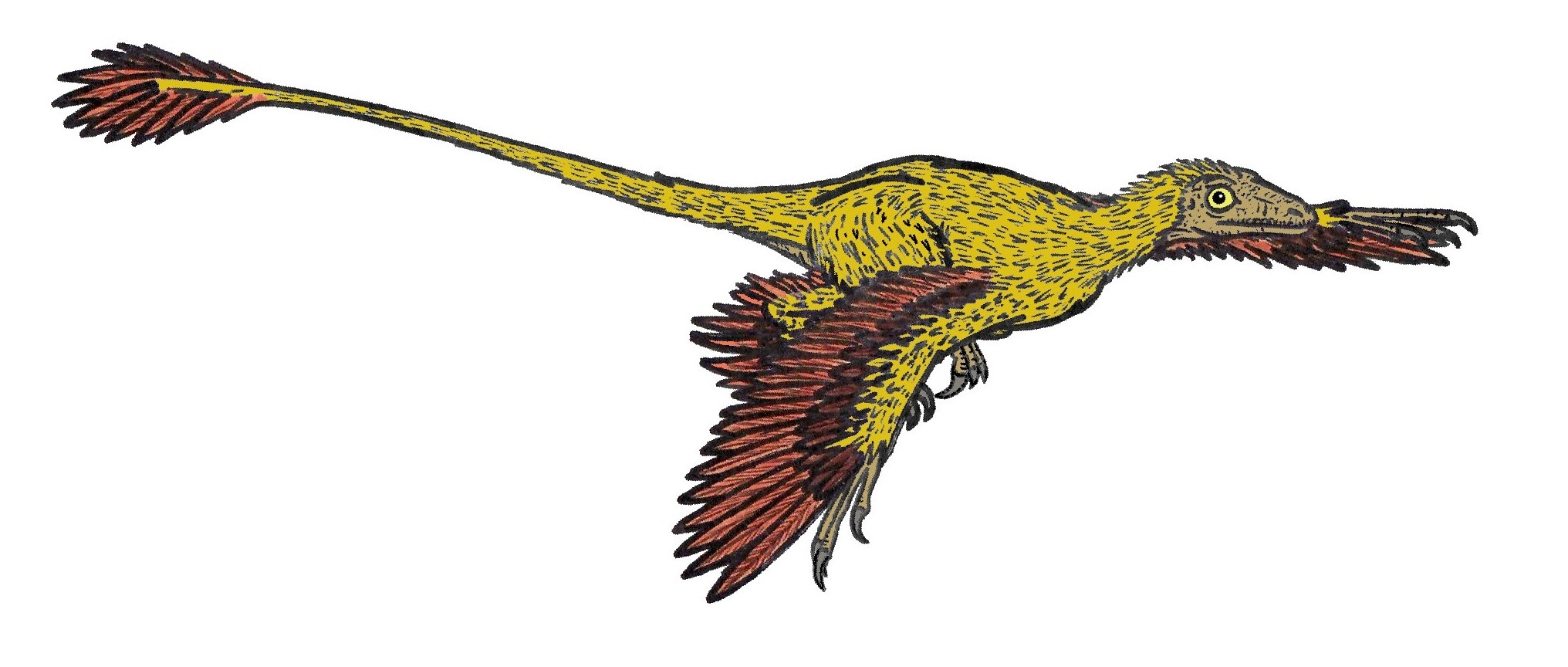
Microraptor gui was no ordinary dinosaur. This crow-sized predator possessed four wings – two on its arms and two on its legs – making it one of the most unique flying dinosaurs ever discovered. Its body was covered in iridescent black feathers that would have shimmered like a raven’s plumage in the Cretaceous sunlight.
Despite its small size, Microraptor was a formidable hunter. Its razor-sharp teeth were perfect for grasping slippery prey, while its powerful claws could deliver devastating strikes. The discovery of this mid-bite fossil confirms that these dinosaurs were active predators rather than mere scavengers, settling a long-standing debate in paleontology.
The specimen also provides crucial insights into Microraptor’s hunting behavior. The positioning of the prey suggests that these dinosaurs may have hunted from ambush, much like modern birds of prey, rather than pursuing their quarry in extended chases.
The Victim: A Window into Ancient Ecosystems
The prey bird preserved in this fossil belongs to the Enantiornithes, a group of primitive birds that dominated Mesozoic skies. These toothed birds were more advanced than Archaeopteryx but still retained many reptilian characteristics. The particular species found in the Microraptor’s throat was roughly the size of a modern sparrow.
This discovery provides direct evidence of the predator-prey relationships that existed in Cretaceous ecosystems. It shows that small dinosaurs and early birds competed for the same ecological niches, with some dinosaurs actually preying on their avian cousins. The fossil essentially captures a moment in the evolutionary arms race between predator and prey.
Reading the Final Moments
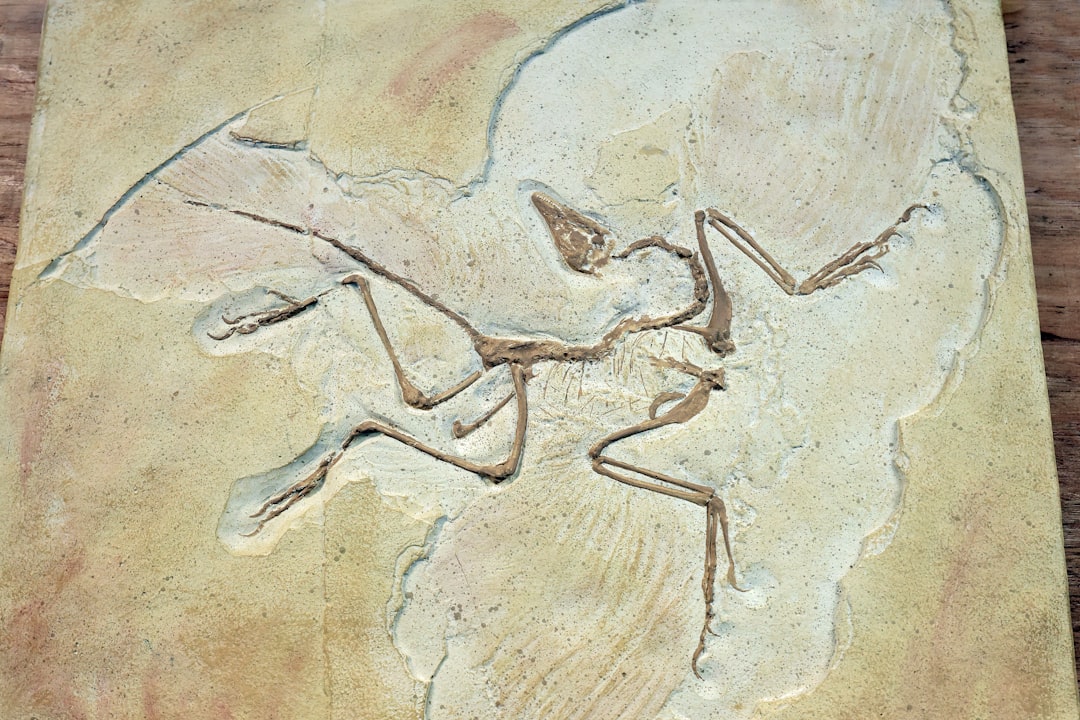
The positioning of the bones tells a dramatic story of the predator’s final moments. The prey bird is oriented head-first down the Microraptor’s throat, suggesting that the dinosaur was attempting to swallow it whole – a behavior still seen in modern birds of prey. The Microraptor’s neck is hyperextended, indicating it was struggling with the large meal.
Evidence suggests that the Microraptor may have bitten off more than it could chew, quite literally. The prey bird appears to have been too large for the predator to swallow safely, possibly leading to choking or other complications that contributed to both animals’ deaths. This tragic miscalculation was preserved for eternity in stone.
The fossil also shows signs of stress in the predator’s posture, with limbs positioned in ways that suggest distress or struggle. This wasn’t a peaceful death but rather a dramatic final act that played out over minutes or hours.
Similar Discoveries Around the World

While the Microraptor specimen is perhaps the most famous example of predation preserved in stone, it’s not alone. Paleontologists have discovered other remarkable fossils that capture animals in their final acts. In Montana, researchers found a Tyrannosaurus rex tooth embedded in a Triceratops frill, providing evidence of these titans’ legendary battles.
The Gobi Desert has yielded fossils of Velociraptor and Protoceratops locked in mortal combat, their claws and teeth still engaged after 80 million years. These discoveries collectively paint a picture of prehistoric life that was far more dynamic and violent than early paleontologists imagined.
Each of these specimens represents a lottery win in the fossil record – moments when the perfect conditions aligned to preserve behavior rather than just anatomy. They remind us that the ancient world was filled with the same drama and struggle that characterizes nature today.
What This Tells Us About Dinosaur Behavior

The mid-bite fossil revolutionizes our understanding of how small theropod dinosaurs hunted and fed. Rather than being opportunistic scavengers, as some scientists had proposed, this evidence clearly shows that Microraptor was an active predator capable of taking down flying prey. The fossil demonstrates sophisticated hunting behavior that rivals modern raptors.
The specimen also provides insights into the feeding ecology of feathered dinosaurs. The fact that Microraptor was attempting to swallow its prey whole suggests feeding behaviors similar to those of modern birds of prey rather than the dismembering behavior seen in larger theropods. This behavioral evidence helps bridge the gap between dinosaurs and their modern bird descendants.
The fossil challenges previous assumptions about size limitations in predator-prey relationships. The prey bird was nearly as large as the predator, suggesting that these ancient hunters were willing to take considerable risks for substantial meals – a behavior that ultimately proved fatal in this case.
The Role of Volcanic Catastrophes in Fossil Formation
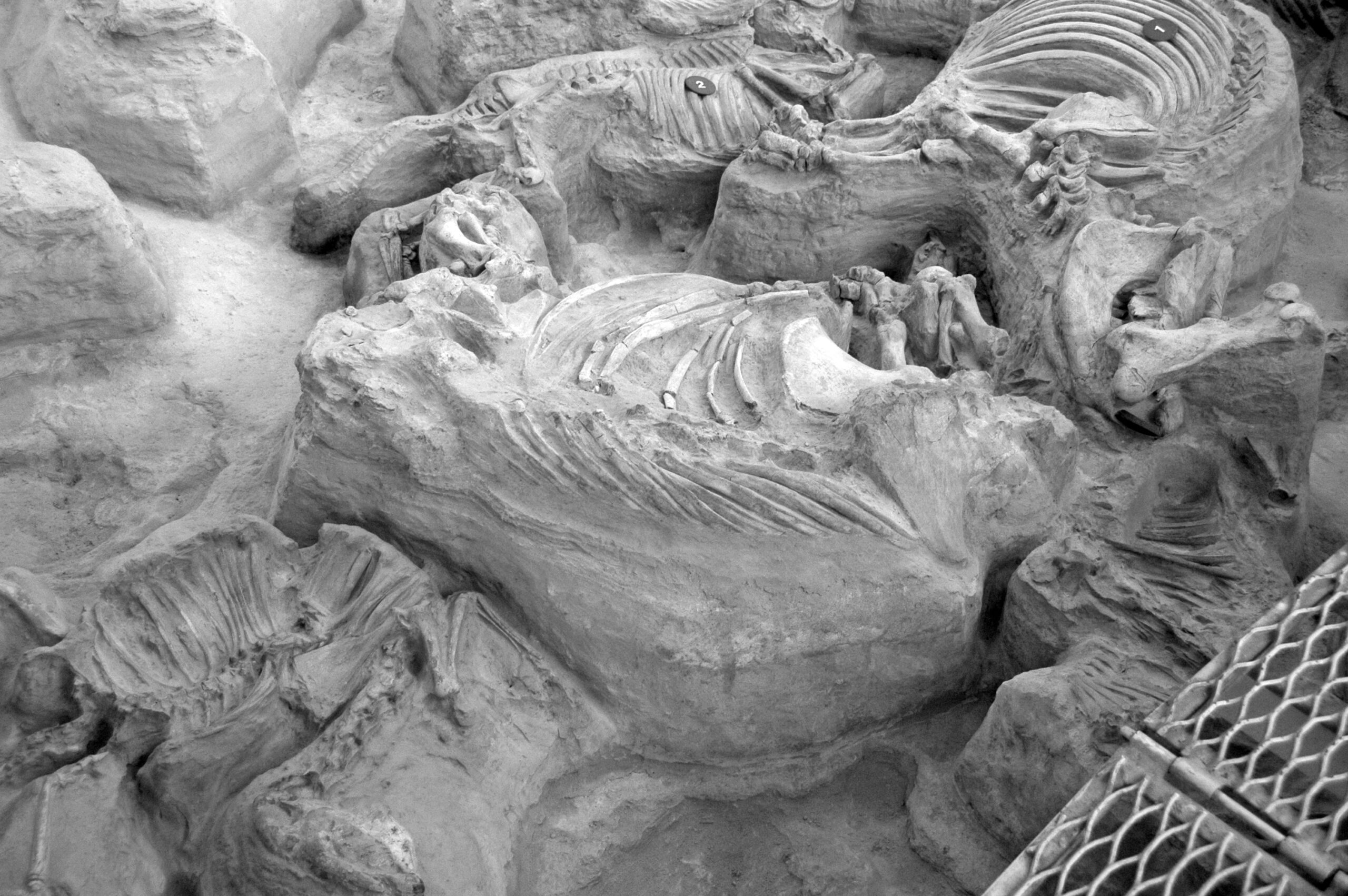
The Liaoning fossil beds owe their exceptional preservation to catastrophic volcanic eruptions that occurred roughly 125 million years ago. These eruptions didn’t just kill the animals – they buried them so quickly that decomposition couldn’t begin. The fine ash acted like a natural mold, preserving even the most delicate features.
Volcanic preservation creates what paleontologists call “Pompeii effects” – moments when entire ecosystems are flash-frozen in time. The animals preserved in these deposits often show signs of having died suddenly, without warning, which explains why we sometimes find them in such dynamic poses.
The chemistry of volcanic ash also plays a crucial role in preservation. The minerals in the ash can replace organic materials molecule by molecule, creating detailed replicas of soft tissues that would normally decay within days or weeks. This process, called permineralization, can preserve features as delicate as individual muscle fibers.
Modern Technology Reveals Ancient Secrets
When the Microraptor fossil was first discovered, paleontologists could only study what was visible on the surface. Today, advanced imaging techniques allow researchers to peer inside the specimen without damaging it. CT scans reveal the three-dimensional arrangement of bones within the predator’s body cavity, providing unprecedented detail about the final meal.
Synchrotron radiation – a technique borrowed from particle physics – can reveal the chemical composition of fossilized tissues. This technology has allowed scientists to identify preserved proteins, pigments, and even traces of original DNA in some specimens. The Microraptor fossil has been subjected to many of these advanced analyses, revealing new details with each study.
Computer modeling now allows paleontologists to reconstruct the exact sequence of events that led to the fossil’s formation. By analyzing the positioning of bones and the stress patterns in the rock, researchers can determine how the animals died and even estimate how long the process took.
The Evolutionary Significance
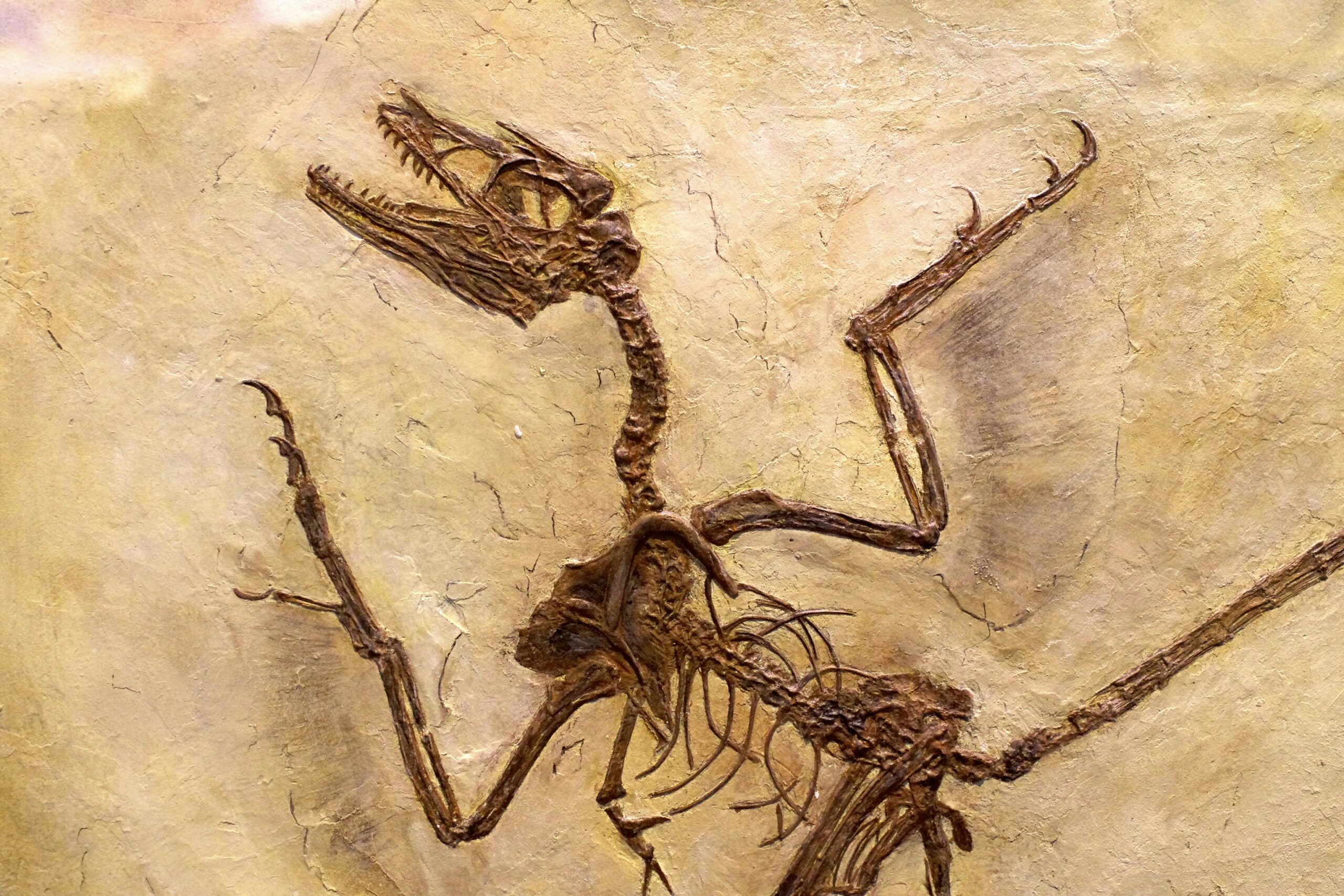
This fossil provides crucial evidence for understanding the evolutionary transition from dinosaurs to birds. Microraptor represents a side branch of this evolutionary tree – a dinosaur that developed flight independently from the lineage that led to modern birds. The predation behavior preserved in this specimen shows that these early experiments in flight were successful enough to support active predatory lifestyles.
The discovery also highlights the complex ecological relationships that existed during the Cretaceous period. Rather than simple predator-prey hierarchies, these ancient ecosystems featured intricate webs of interaction between different groups of animals. Dinosaurs, early birds, and primitive mammals were all competing for resources and adapting to each other’s presence.
The fossil demonstrates that behavioral complexity evolved early in dinosaur evolution. The sophisticated hunting strategies evidenced by this specimen suggest that dinosaurs possessed cognitive abilities that were far more advanced than previously assumed, helping explain their evolutionary success.
Implications for Understanding Ancient Ecosystems
The Microraptor specimen provides direct evidence of energy flow in Cretaceous ecosystems. By studying the predator-prey relationships preserved in fossils, scientists can reconstruct ancient food webs and understand how nutrients moved through these prehistoric communities. This fossil shows that small theropods occupied important ecological niches as mesopredators.
The discovery also reveals the diversity of feeding strategies that existed among feathered dinosaurs. While larger theropods like Tyrannosaurus rex were clearly specialized for taking down large prey, smaller species like Microraptor were filling niches similar to modern birds of prey. This ecological diversity helps explain how dinosaurs dominated terrestrial ecosystems for over 160 million years.
The fossil evidence suggests that competition between early birds and small dinosaurs may have been more intense than previously thought. Both groups were competing for similar food sources and ecological niches, with some dinosaurs actually preying on their avian cousins.
The Future of Behavioral Paleontology
Discoveries like the mid-bite Microraptor fossil are transforming paleontology from a science focused on anatomy to one that increasingly understands behavior. As preservation sites like Liaoning continue to yield exceptional specimens, we’re building a more complete picture of how ancient animals lived, hunted, and interacted with their environments.
New techniques in chemical analysis are allowing scientists to extract information from fossils that was previously impossible to obtain. Researchers can now identify the remains of specific prey species in predator digestive systems, trace migration patterns through isotopic analysis, and even determine the time of year when animals died based on growth patterns in their bones.
The integration of paleontology with other fields – from biomechanics to computer modeling – is opening new avenues for understanding prehistoric behavior. Virtual reality reconstructions now allow researchers to experience ancient ecosystems firsthand, while AI algorithms can identify patterns in fossil data that human observers might miss.
Conservation Lessons from Deep Time
The Microraptor fossil serves as a powerful reminder of the fragility of life and the importance of ecosystem stability. This predator-prey relationship, preserved for 125 million years, represents a system that was ultimately disrupted by mass extinction events. The fossil record shows us that even the most successful ecosystems can be vulnerable to rapid environmental changes.
Modern conservation efforts can learn from these ancient examples. The complex relationships between species – evidenced by fossils like this one – demonstrate that ecosystem health depends on maintaining the full web of interactions between different organisms. The loss of one species can have cascading effects throughout the entire community.
The exceptional preservation conditions that created this fossil also highlight the importance of protecting geological sites. Many of the world’s most important fossil deposits are threatened by development, mining, and climate change. These windows into deep time are irreplaceable resources that, once lost, can never be recovered.
The story captured in this remarkable fossil transcends time itself, offering us a visceral connection to a world that existed long before humans walked the Earth. This single specimen contains multitudes – evolutionary history, ecological relationships, and behavioral insights that continue to reshape our understanding of prehistoric life. The Microraptor’s fatal feast reminds us that the ancient world was every bit as dynamic and complex as our modern ecosystems, filled with the same struggles for survival that define life today. What other moments of prehistoric drama might still be waiting, locked in stone, for us to discover?