You might picture ancient dinosaurs as solitary hunters prowling desolate landscapes, or imagine their world as a simple fight for survival where only the strongest individuals endured. That image, while dramatic, couldn’t be further from reality. The ground beneath your feet holds secrets that challenge everything you thought you knew about prehistoric life.
Recent fossil discoveries have shattered the lonely monster myth, revealing something far more fascinating. These ancient creatures weren’t just eating and surviving. They were interacting, cooperating, caring for each other in ways that mirror modern societies. The evidence lies frozen in stone, waiting to rewrite what you believed about life millions of years ago.
Mussaurus Patagonicus: The Herd That Changed Everything
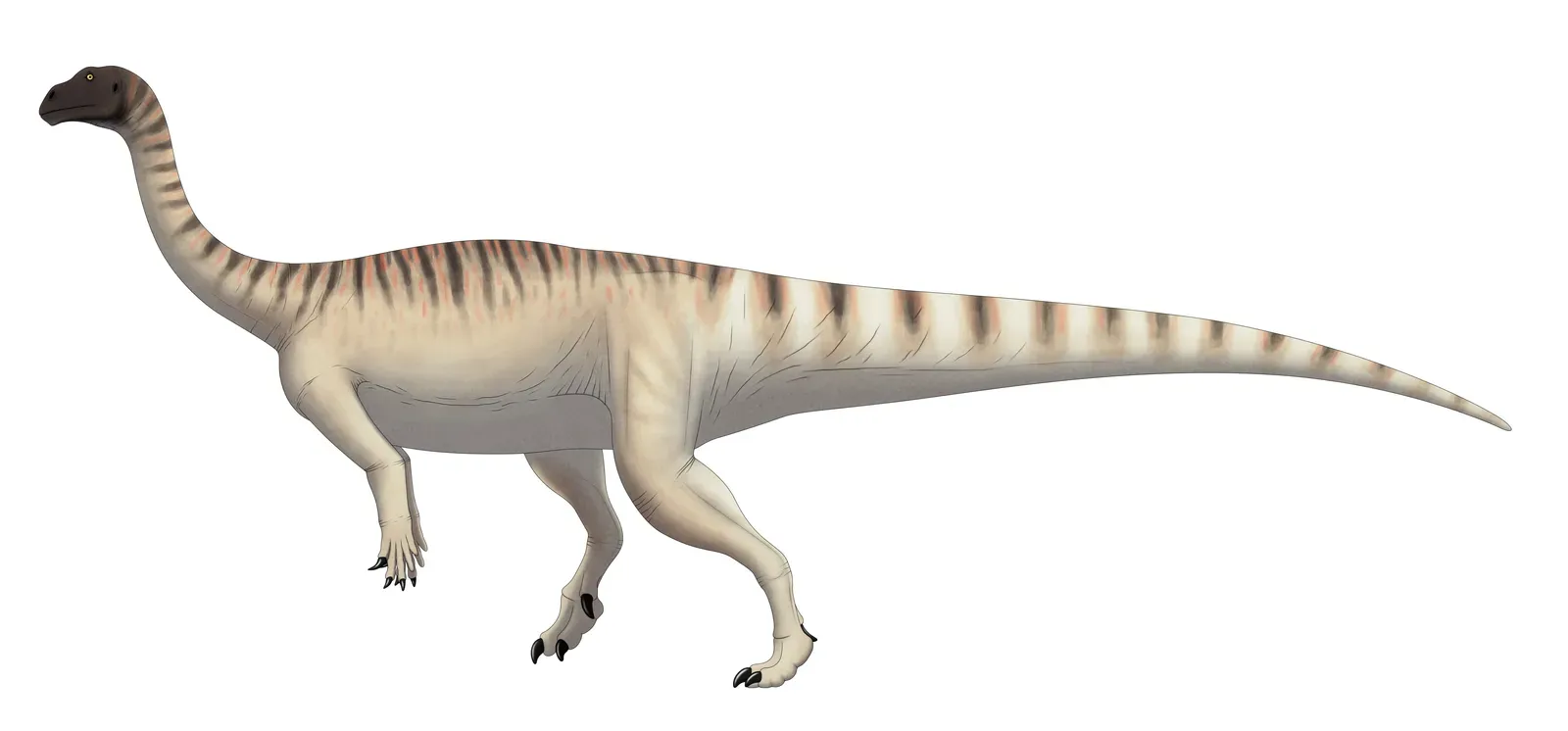
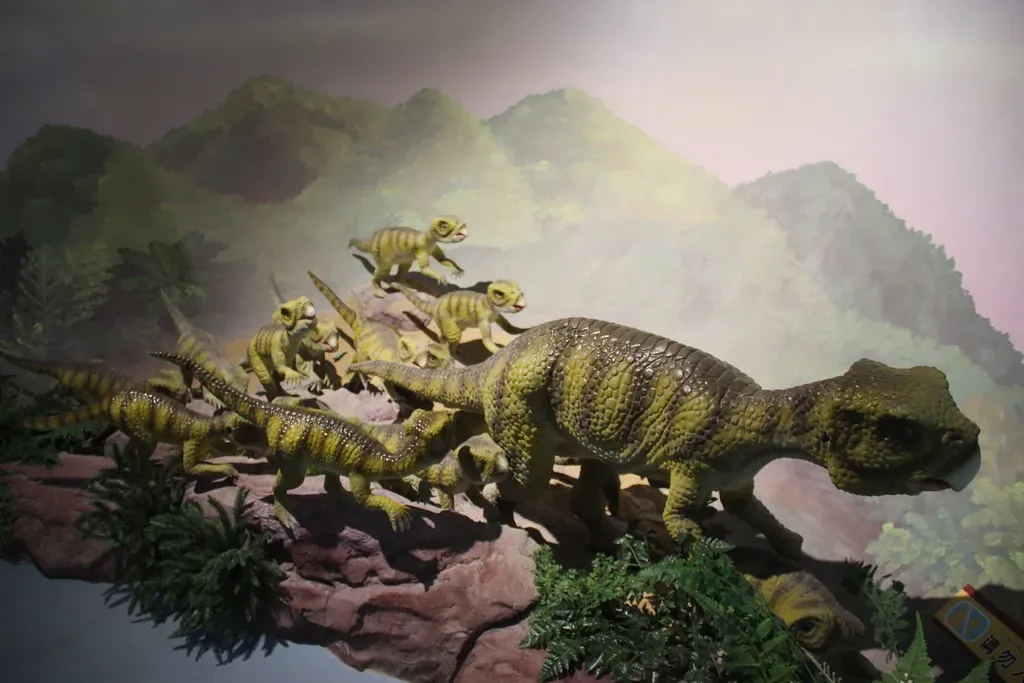
Picture this: over one hundred eggs and skeletal remains of eighty individuals, ranging from tiny embryos to full-grown adults, all discovered clustered together in Patagonia with an Early Jurassic age determined through high-precision geochronology. When researchers unearthed this extraordinary site, they realized something revolutionary. These fossils showed signs of complex herd behavior dating back roughly 193 million years ago, pushing evidence of dinosaur herding back by about forty million years earlier than previously recorded.
What really captures the imagination is the organization these creatures displayed. The study team interprets the clustering as evidence that Mussaurus moved in age-segregated herds, with animals of similar sizes and ages moving together within the group, giving paleontologists the oldest evidence ever found of this kind of herd behavior within dinosaurs. Think about what that means. These weren’t random gatherings. Adults shared and took part in raising the whole community, suggesting a larger community structure rather than small family units. The juveniles stuck together for protection while adults foraged, creating a prehistoric daycare system that might make modern parents jealous.
Filikomys Primaevus: The Social Mammal That Lived Alongside Dinosaurs
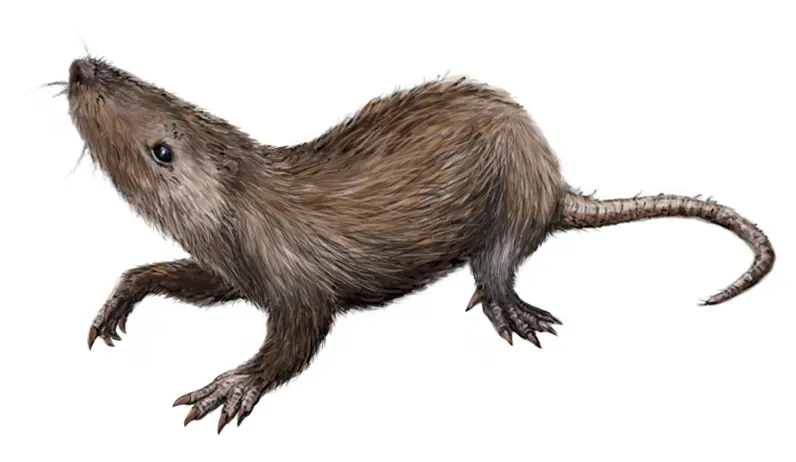
Here’s where things get really interesting. Previously, scientists thought social behavior in mammals first emerged after the mass extinction that killed off the dinosaurs, but these fossils show mammals were socializing during the Age of Dinosaurs in an entirely different and more ancient group called the multituberculates. This small rodent-like creature completely rewrote the mammalian social playbook.
The fossils are the most complete mammal fossils ever found from the Mesozoic in North America, with at least twenty-two individuals of Filikomys primaevus discovered at Egg Mountain, typically clustered together in groups of two to five. What were these tiny mammals doing? Based on how well preserved the fossils are and their powerful shoulders and elbows similar to today’s living burrowing animals, researchers hypothesize these animals lived in burrows and were nesting together. Multituberculates are one of the most ancient mammal groups, extinct for thirty-five million years, yet in the Late Cretaceous they were apparently interacting in groups similar to what you would see in modern-day ground squirrels.
Pterosaurs: Colonial Nesting Sites in the Prehistoric Skies
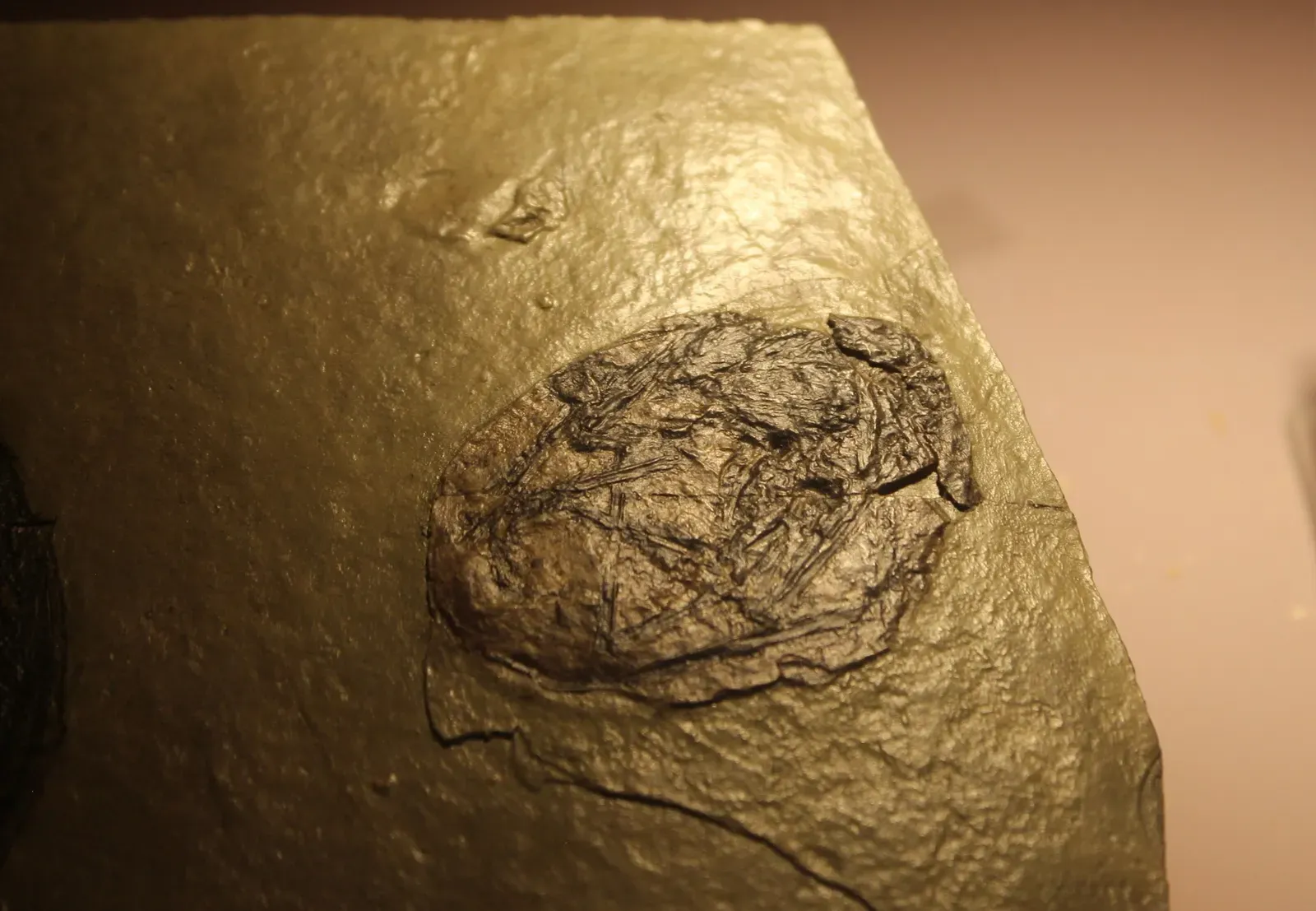
When you think of flying reptiles, you probably imagine solitary hunters gliding through Mesozoic skies. Reality painted a different picture entirely. Fossilized Hamipterus nests preserved many male and female pterosaurs together with their eggs in a manner similar to that of modern seabird colonies. Let that sink in for a moment.
While little is known about the social behavior of pterosaurs, some fossil sites show evidence of pterosaurs living in groups or colonies. At least some species lived in large colonies, and many may have been social animals. The evidence suggests these winged reptiles weren’t lone sky wanderers but community dwellers who gathered at breeding sites season after season. There’s ongoing debate about social behavior, with some evidence suggesting that Pteranodon may have lived in large colonies. Whether they raised their young cooperatively or simply nested nearby for protection remains unclear, yet the sheer clustering of nests tells its own story.
Dicynodonts: The Ancient Communal Latrine Users
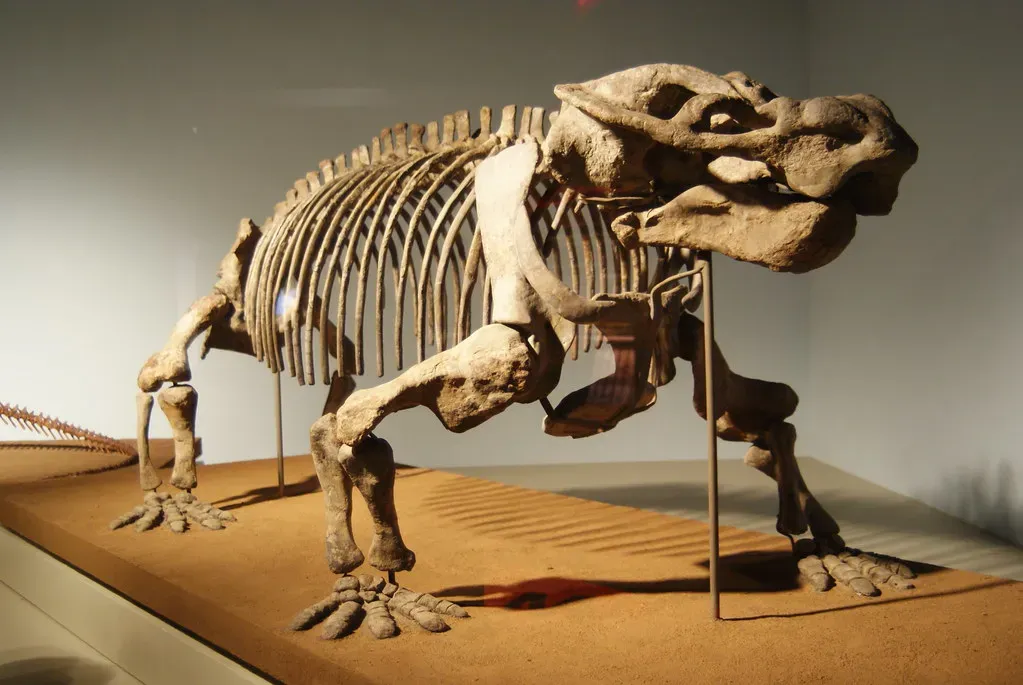
Now here’s something you probably never expected to find in a paleontology article. A giant pile of fossilized ancient reptile scat tells an interesting story, announcing the discovery of the oldest communal latrines, ones nearly 240 million years old. Yes, you read that correctly. These rhino-like reptiles had designated bathroom areas.
These reptile restrooms are more than 200 million years older than previous known examples of such communal behavior in animals and represent the first, earliest evidence of a large animal species other than mammals exhibiting such behavior, with these animals exceeding weights of three tons, living in large herds. Why does this matter? The behavior helps as a way of protection against predators and enhances communication among the members, with the coprolites providing firm evidence that these ancient reptiles lived together and were social animals. It’s hard to say for sure, but communal latrines require coordination and social rules. These weren’t mindless beasts following instinct alone.
Trilobites: Marine Communities from Earth’s Distant Past
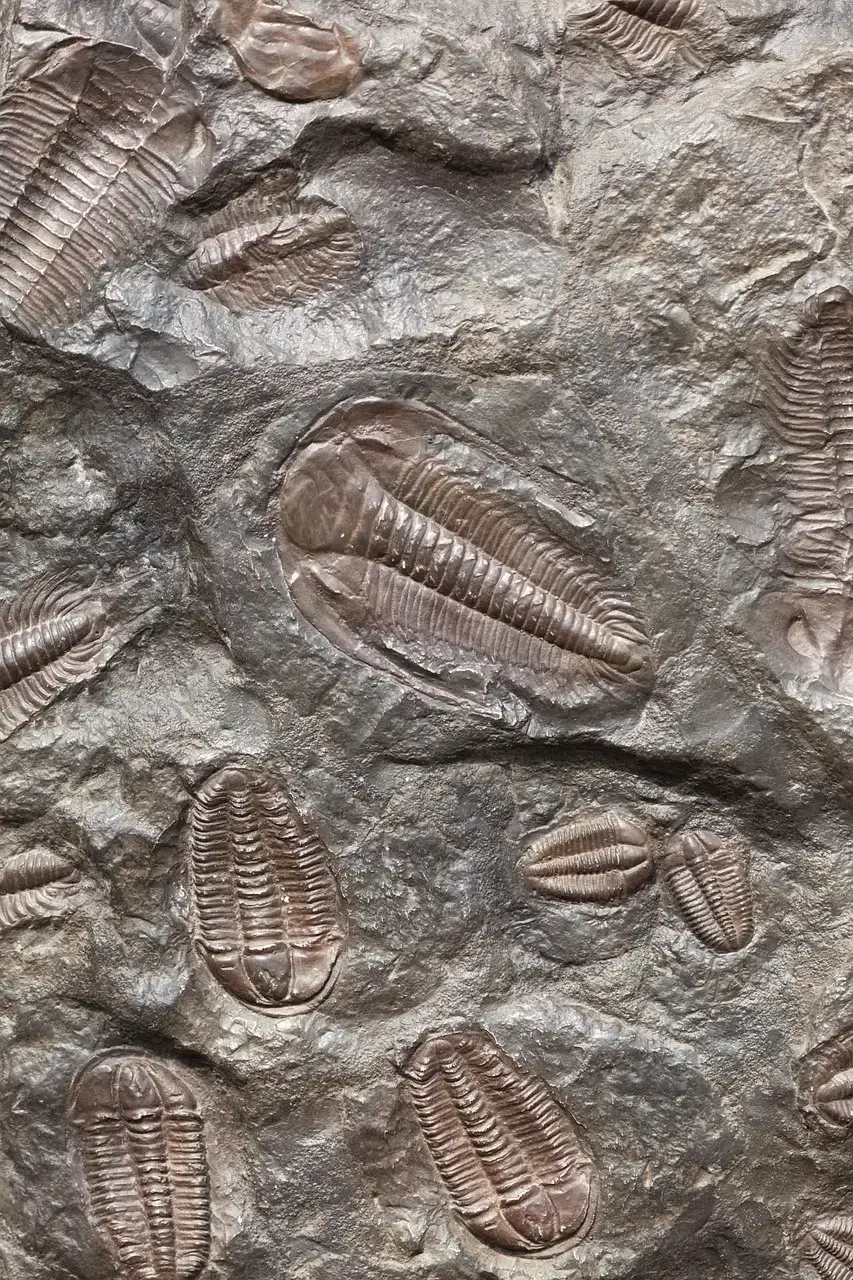
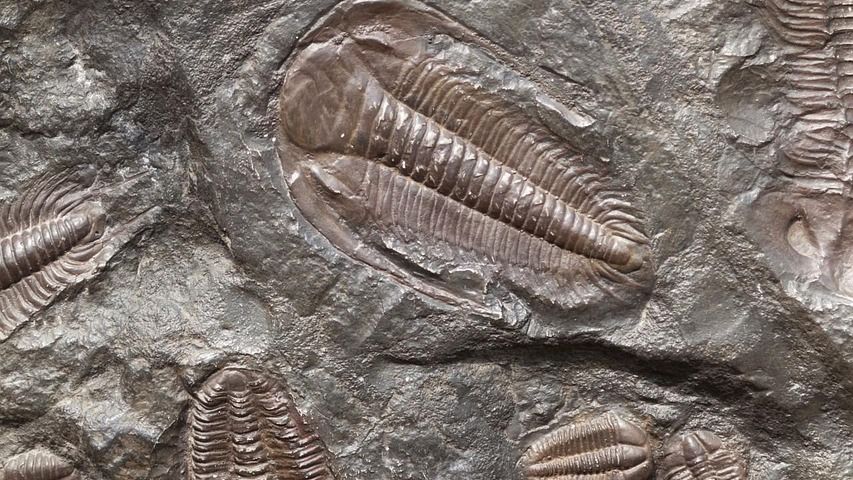
Trilobites might seem like simple sea bugs from textbooks, but fossil evidence suggests otherwise. Exceptionally preserved specimens have been interpreted to show paired internal structures consistent with reproductive organs, suggesting that some trilobites may have carried or brooded eggs, supporting the idea that at least some trilobites practiced parental investment involving egg production, possible brooding, and seasonal reproductive behavior.
Recent research suggests that Wallopseris trilobites may have used their tridents in sexual combat, similar to how male stag beetles use their horns in competition for mates. Sexual combat implies mate competition, territory disputes, and social hierarchies. These weren’t just creatures drifting along ocean floors. The tracks left behind by trilobites living on the sea floor are often preserved as trace fossils. Some of these trackways show patterns suggesting coordinated movement, though interpreting behavior from tracks alone requires caution. Still, the combination of reproductive complexity, competitive behavior, and movement patterns paints a picture of surprisingly sophisticated marine social structures existing over four hundred million years ago.
Conclusion
The fossilized record speaks volumes if you’re willing to listen. From dinosaurs organizing communal childcare to tiny mammals huddling together in burrows beneath a dinosaur-dominated world, from flying reptiles creating seabird-like colonies to ancient reptiles establishing bathroom etiquette, the prehistoric world was far more socially complex than anyone imagined.
These discoveries force you to reconsider what survival really meant in ancient times. It wasn’t always about being the biggest predator or having the sharpest teeth. Sometimes it was about cooperation, community, and caring for the next generation. The next time you see a dinosaur depicted as a lonely monster in a movie, remember the truth frozen in stone tells a completely different story.
What surprises you most about these prehistoric social structures? Does it change how you picture ancient life?