Every time a dinosaur stomps onto the screen, most of us are too busy clutching our popcorn to ask awkward questions like: could that thing actually roar like a lion, sprint like a cheetah, and hunt in slow motion through a rainstorm? We just go with it, because movie dinosaurs are basically rock stars in reptile form. But once you start noticing the weirder mistakes filmmakers quietly slip in, it becomes impossible not to laugh a little every time a supposedly fearsome predator does something that would make a real paleontologist bury their face in their hands.
What makes this even funnier is that a lot of these errors are not the obvious ones everyone argues about, like missing feathers or oversized teeth. The really entertaining mistakes are the subtle, oddly specific details that quietly break the rules of physics, biology, or basic common sense. Think underwater super‑raptors, T. rexes treating raindrops like performance enhancers, or herbivores acting like they live on an all‑meat gym diet. Once you see these tiny absurdities for what they are, movie dinosaurs become less like monsters and more like over‑dramatic actors in rubber suits, desperately trying to look scientific while completely ignoring science.
The T. rex That Only Works in the Rain
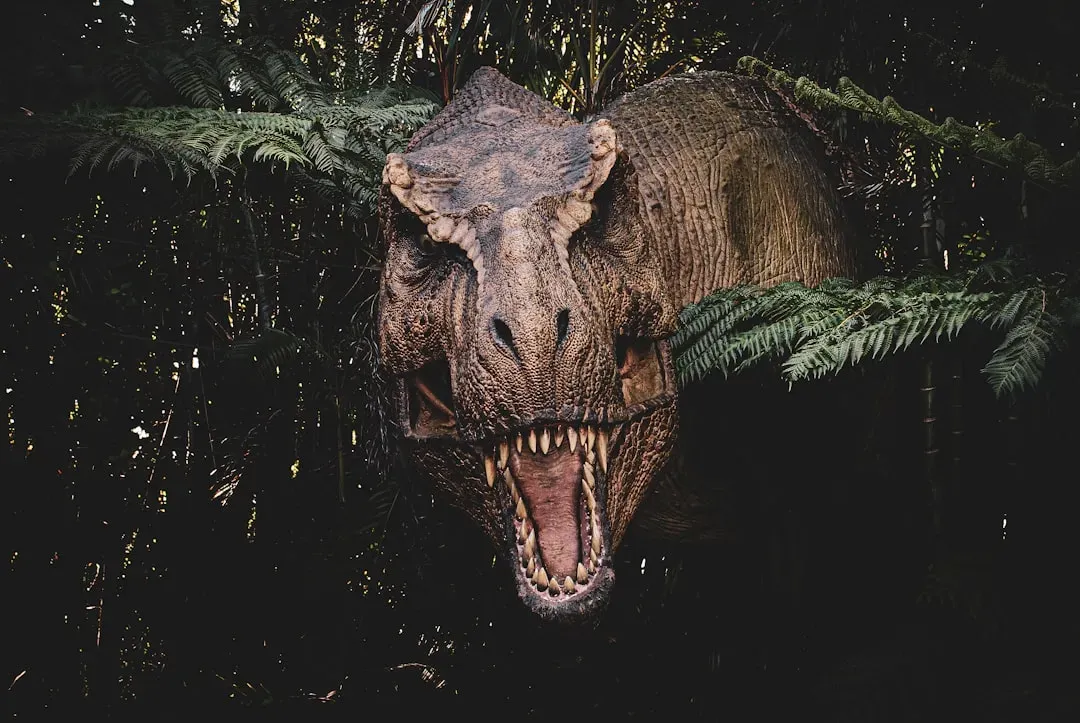
One of the strangest unspoken traditions in dinosaur movies is the idea that a Tyrannosaurus rex only really shows up properly during a dramatic thunderstorm. Filmmakers love the image of rain bouncing off its scales, lightning flashing in the background, and a perfectly timed roar echoing across a soggy jungle. It looks incredible, but it quietly suggests something ridiculous: that this apex predator is basically solar‑powered in reverse and needs bad weather like a Wi‑Fi signal before it can attack. If you think about it for more than half a second, it is almost as if the T. rex is waiting backstage for the weather crew to yell “Action, it’s raining!” before it steps onto the set.
From a biological point of view, this is hilariously off. A real T. rex would have hunted in all kinds of conditions, probably preferring clear visibility instead of stumbling around in mud and monsoon‑level rain. Heavy rain would interfere with smell, hearing, and traction, which are exactly the things a large predator depends on. Yet movies keep treating storms like a dinosaur summoning spell, as if thunder flips some dramatic switch in their brain. It is not the worst scientific sin on screen, but it might be one of the funniest, because it quietly turns one of history’s most fearsome animals into something that basically needs a weather upgrade to function.
Underwater Super‑Raptors That Forgot How Lungs Work
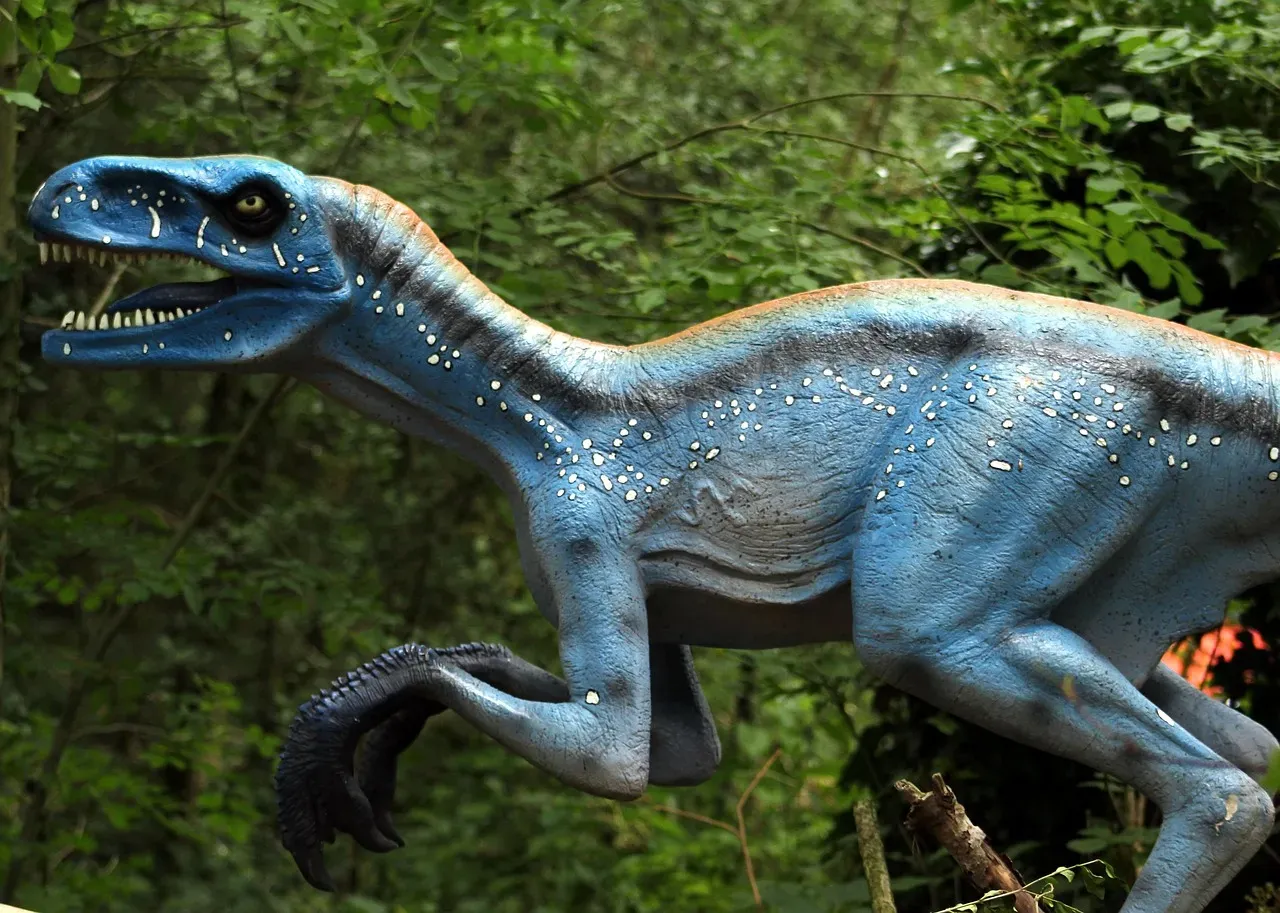
Another quietly absurd trope is the underwater dinosaur that behaves like a crocodile crossed with a submarine, even when the animal in question was clearly built for land. Movies sometimes show raptor‑like dinosaurs diving deep, swimming smooth long distances, or lurking underwater with eerie patience like an alligator waiting for prey. The problem is that most of these species, as far as we know from fossils, were land animals with bodies designed for running, not for long, graceful swims. Watching them move effortlessly through water is like watching a human sprint underwater and somehow go faster than a fish.
Real air‑breathing predators that can swim, like crocodiles or otters, have very specific body shapes and lung capacities that make this possible. Play‑acting a land predator as a stealthy aquatic ninja ignores things like buoyancy, energy use, and the simple fact that lungs need air, not endless dramatic underwater shots. The result is unintentionally comical: the dinosaur turns into a sort of scaly superhero whose powers change depending on what scene the director wants. In trying so hard to look cool, these movies accidentally give their dinosaurs abilities that would make more sense in a comic book than in a fossil record.
Herbivores With a Secret High‑Protein Predator Phase
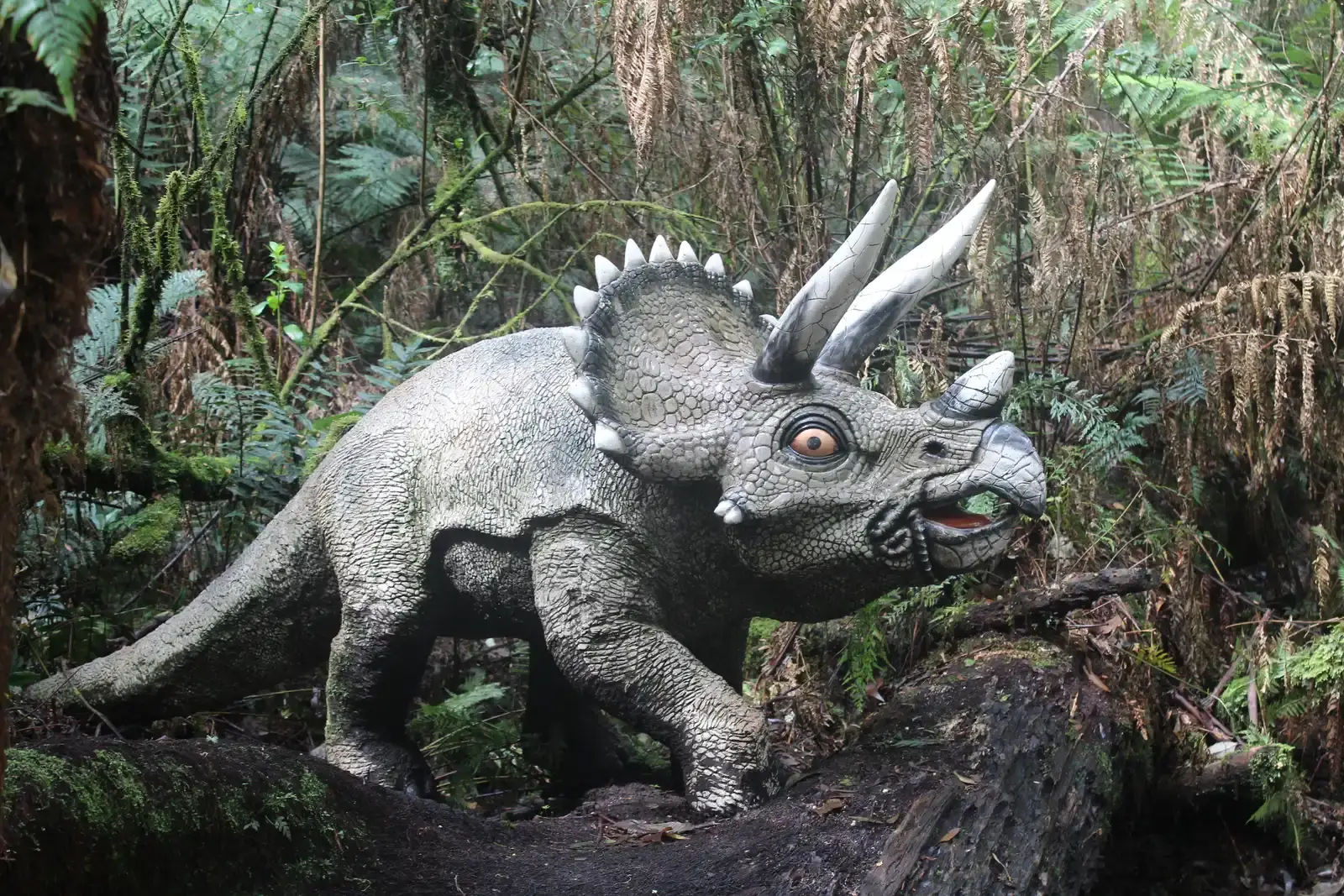
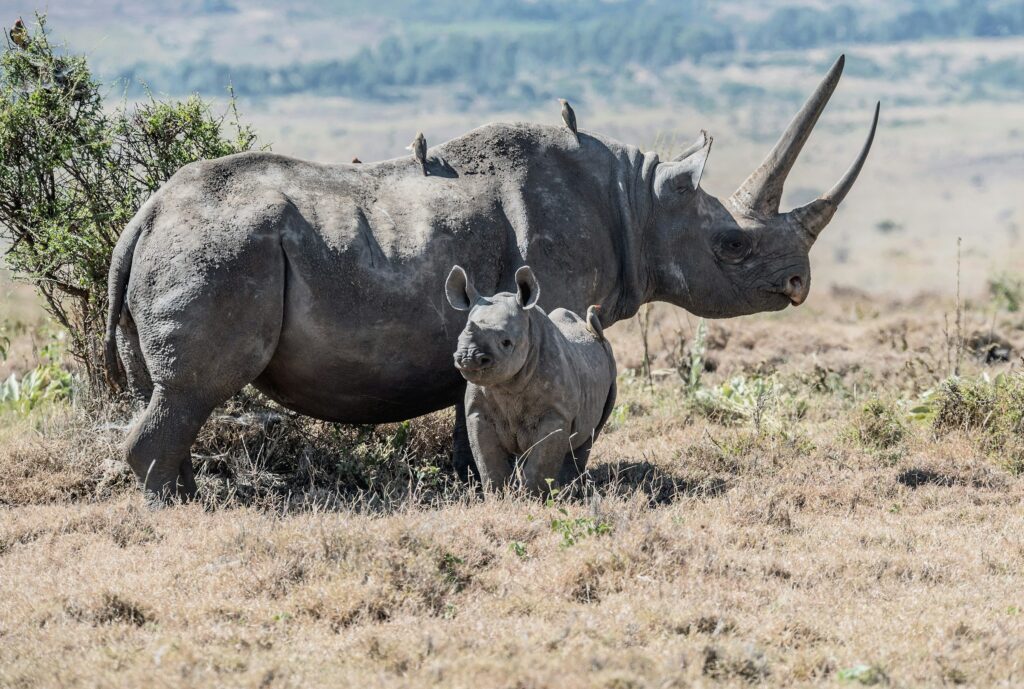
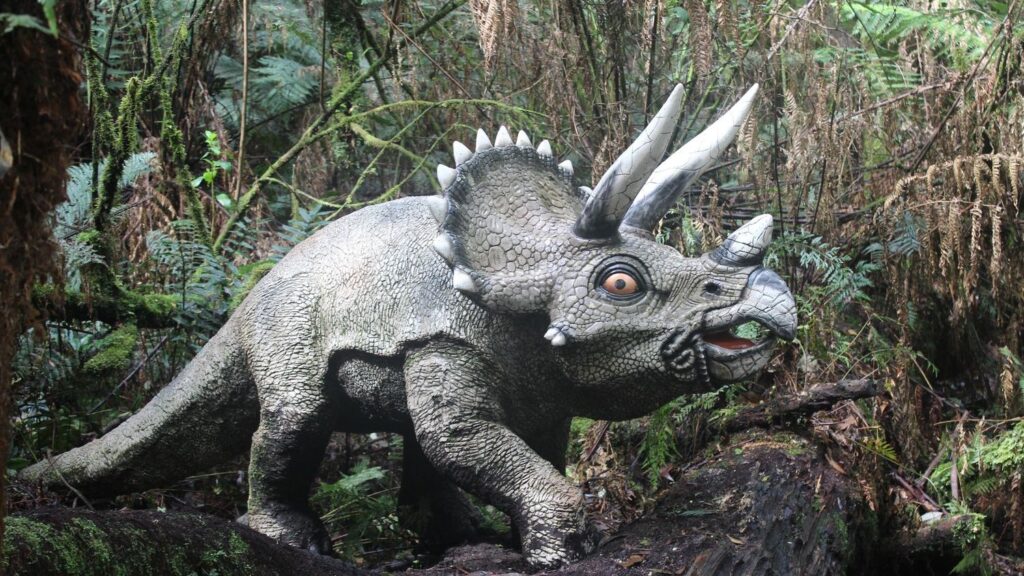
Herbivorous dinosaurs in movies often behave like they are one emotional breakdown away from becoming full‑time carnivores. We have gentle, long‑necked sauropods lunging aggressively at people, or big horned plant‑eaters charging anything that moves with the enthusiasm of a caffeine‑overloaded bull. Sure, real herbivores today can be dangerous; anyone who has seen an angry hippo or a moose in a bad mood knows that. But films frequently take this to a cartoonish extreme, turning peaceful plant‑eaters into unpredictable monsters that basically exist just to crash through trees and fling vehicles into the air.
The funny part is that many of these same movies still show these animals happily chewing leaves a moment later, as if nothing happened. There is almost never a reason given for their aggression – no territory to defend, no young in danger, nothing except the script needing a sudden action beat. In that sense, these herbivores are not characters based on real animals at all, they are moving special effects that occasionally remember they are supposed to eat plants. It reduces incredibly interesting creatures into moody background chaos, like extras on a film set who were told to just “go wild” without any direction.
Dinosaur Soundtracks Borrowed From the Zoo and the Farm
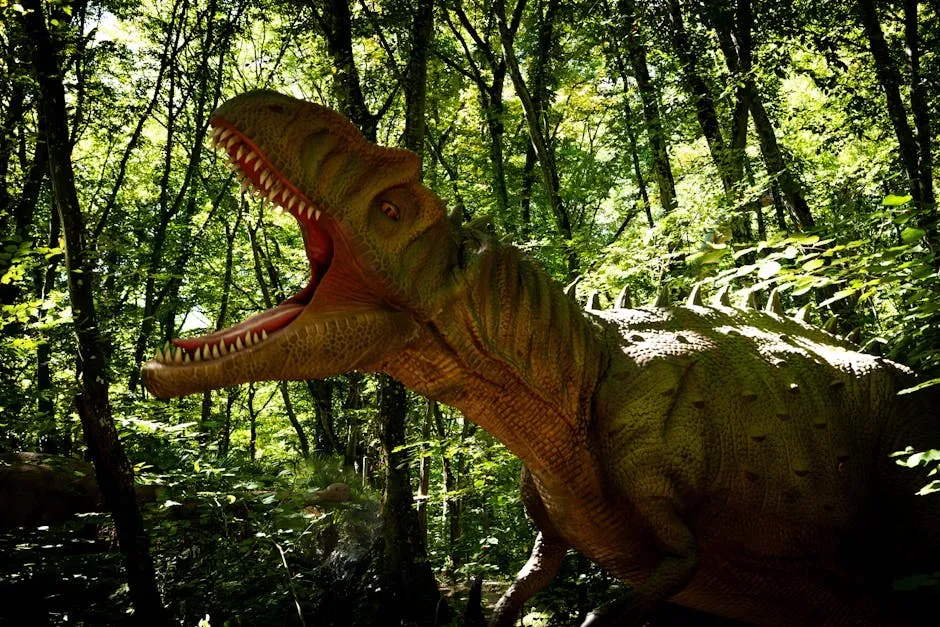
Most dinosaur roars in movies are pure audio fiction, stitched together from lions, tigers, elephants, whales, and whatever else sounds scary enough through a powerful speaker. We do not know exactly what dinosaurs sounded like, but we do have a decent idea that many of them probably did not roar like oversized jungle cats. Some may have produced deep, resonant calls using air sacs or low, booming sounds more like birds and crocodiles than lions. Yet films nearly always go for the same familiar mammal‑style roar, because it is recognizable and instantly signals “monster” to the audience.
Once you realize you are basically listening to a mix of zoo animals every time a dinosaur opens its mouth, those supposedly terrifying sounds suddenly become kind of funny. It is like realizing a horror movie soundtrack is secretly built out of edited vacuum cleaner noises and slowed‑down door squeaks. There is nothing wrong with artistic license in sound design, but movies almost never admit how artificial these noises are. The result is a running joke hidden in plain hearing: the most iconic dinosaur voices in cinema are built on borrowed sounds from animals that never shared a planet with them.
Speed Demon Dinosaurs That Ignore Muscle and Bone
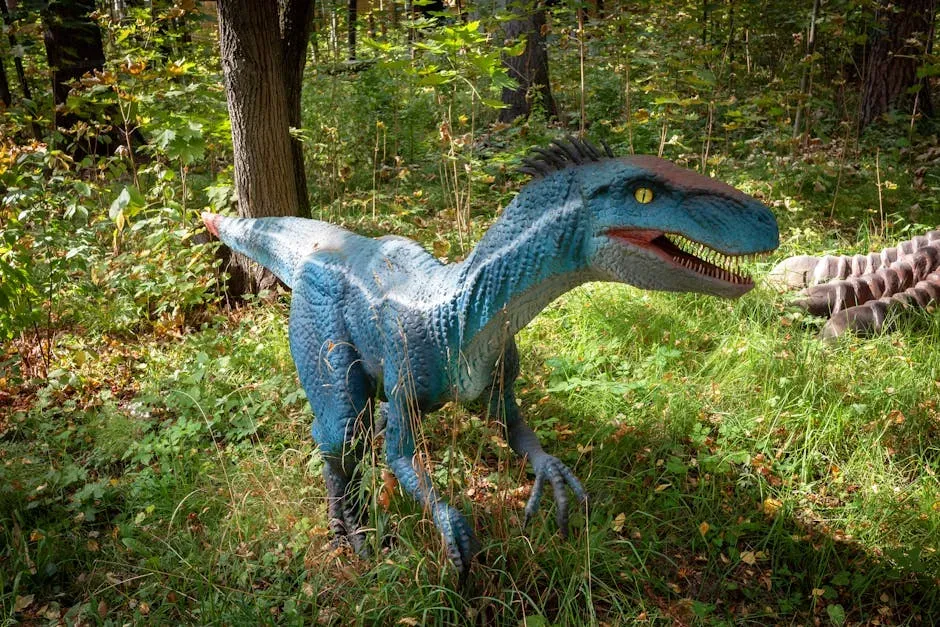
Some movies treat dinosaurs like living race cars, able to sprint at outrageous speeds for long distances while weighing several tons. You will see massive predators keeping up with vehicles, giant herbivores turning on a dime, and packs of mid‑sized hunters essentially performing track‑and‑field stunts. Physics quietly starts screaming in the background here. Muscles, tendons, and bones can only handle so much stress before something breaks, and scaling up an animal to several tons puts serious limits on how fast and how sharply it can move without injuring itself.
Realistic estimates for dinosaur speed, based on trackways and bone structure, tend to be much more modest than what we see on screen. But modest does not look as exciting in a chase sequence, so filmmakers routinely crank the dial past what biology would reasonably allow. The comedy is unintentional but obvious once you notice it: these creatures are built like dump trucks but move like motorcycles. It is like watching a school bus drifting through a race track; impressive visually, completely absurd if you stop to imagine the forces involved.
Time‑Traveling Dinosaurs All Living in One Big Neighborhood
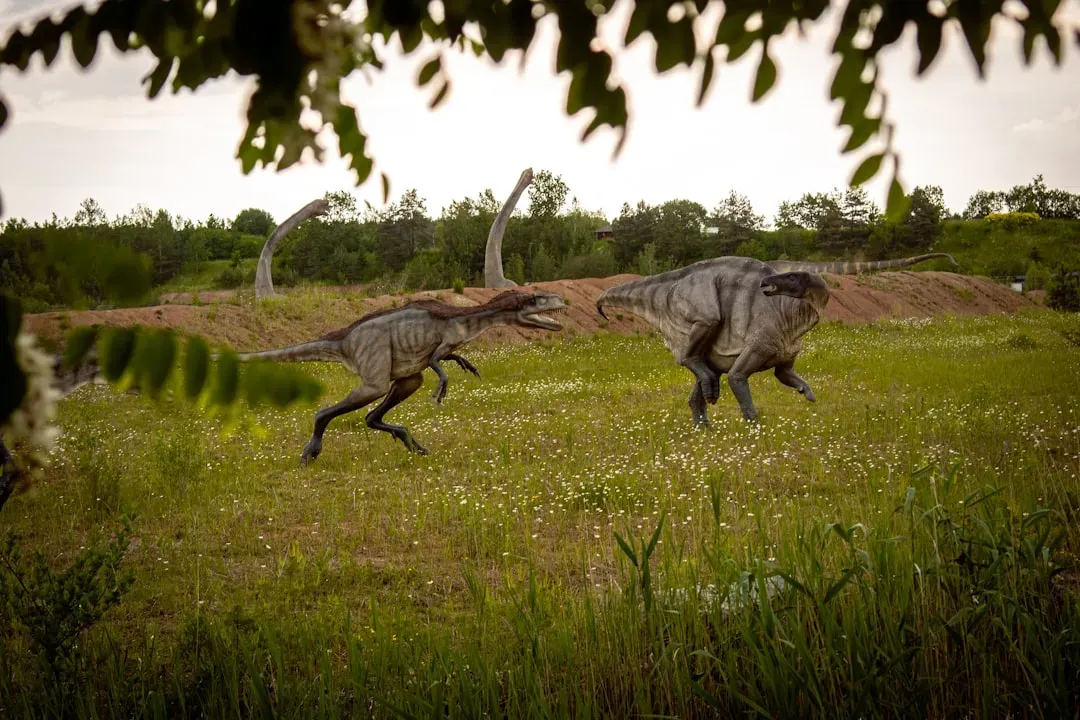
Another quietly hilarious mistake is the way movies casually throw together dinosaurs from completely different time periods as if they all shared the same prehistoric apartment block. Animals that lived tens of millions of years apart end up walking side by side, hunting each other, or existing in the same ecosystem without any explanation. It would be like making a movie where a saber‑toothed cat, a woolly mammoth, and a modern city pigeon all casually share a park bench. To a paleontologist, this mash‑up is like mixing scenes from different centuries and calling it one historical drama.
The reason this keeps happening is simple: filmmakers want all the fan‑favorite dinosaurs in one place, and audiences rarely complain because they recognize the familiar silhouettes. But the actual timeline of dinosaur evolution is long, complex, and full of species that never even came close to meeting each other. By flattening all of that into one generic “dinosaur era,” movies accidentally erase one of the most fascinating parts of the story: how these creatures changed, diversified, and disappeared over enormous spans of time. It is a bit like shoving every famous historical figure into one classroom and calling it accurate history.
Emotionally Overdressed Dinosaurs With Human Faces
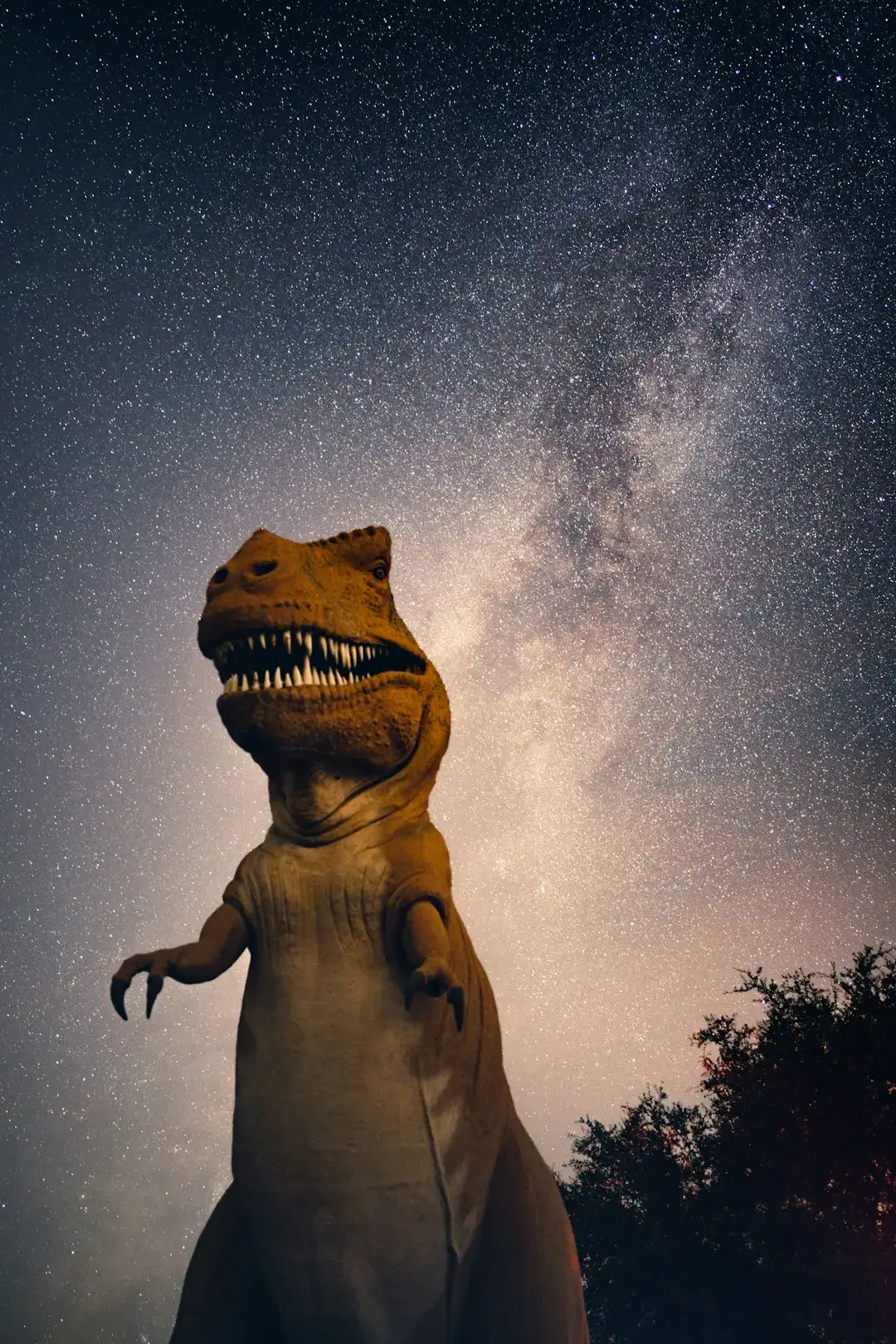
Even when movies get the basic anatomy mostly right, they often go off the rails with facial expressions. We see dinosaurs squint like humans, smirk in oddly familiar ways, or telegraph complex emotions through eyebrow movements they physically could not have had. Many species had rigid skull structures and limited facial muscles compared with mammals, so a lot of the subtle “expressions” we love in film are pure projection. The animals are being nudged toward feeling more like slightly grumpy, scaly people than actual prehistoric reptiles or bird‑like creatures.
On one hand, this makes them easier to empathize with, especially in family movies where dinosaurs play heroic or sidekick roles. On the other hand, it is quietly one of the funniest distortions of all, because it turns ancient animals into costume‑wearing actors performing human emotions. Instead of trying to show how a real non‑mammal might communicate – through posture, vocalizations, or movement – films fall back on giving them humanized faces we can read instantly. It works, but it also means that some of the most dramatic emotional beats in dinosaur cinema are built on expressions that probably never existed outside of a storyboard meeting.
Conclusion: Why These Mistakes Make Dinosaur Movies Better, Not Worse
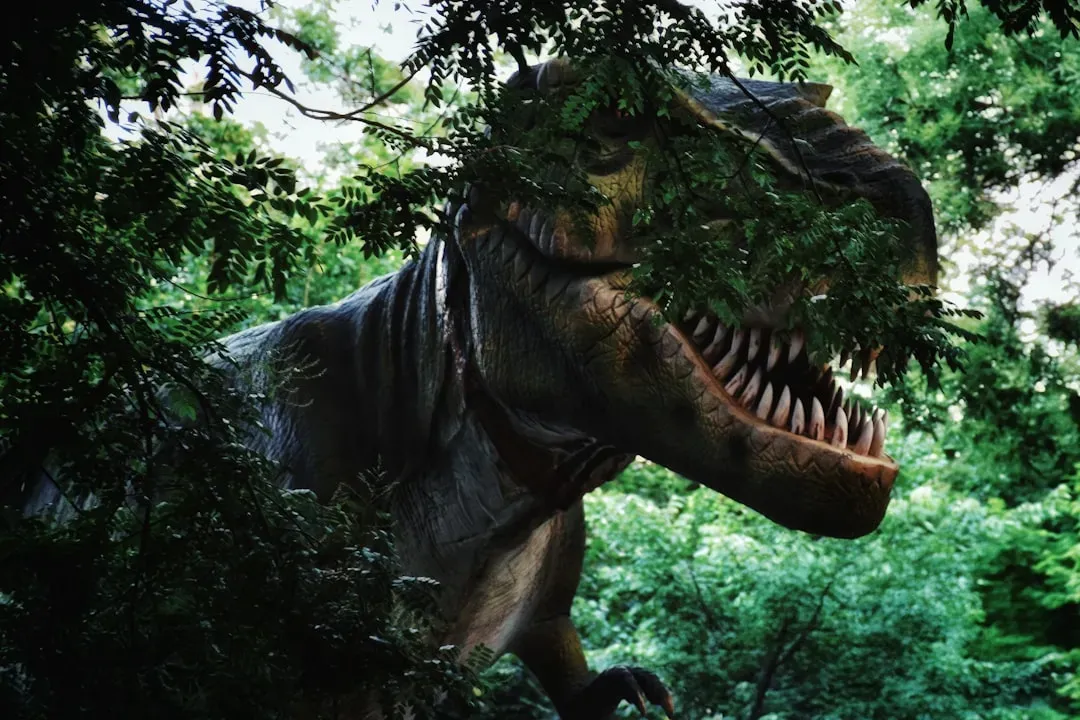
When you stack all these odd choices together – storm‑dependent T. rexes, underwater sprinter raptors, gym‑bro herbivores, zoo‑soundtrack roars, race‑car predators, time‑scrambled ecosystems, and eyebrow‑acting reptiles – you might think the verdict is that dinosaur movies are hopelessly inaccurate. But here is the twist: these mistakes are part of what makes them so strangely lovable. They reveal exactly where spectacle wins over science, and in doing so they turn dinosaurs from distant fossils into cultural myths we keep rewriting every decade. The science deserves respect, but it is also true that storytelling has always embellished reality to make it more emotionally gripping.
Personally, I think the sweet spot is not to demand perfect accuracy from every frame, but to enjoy the spectacle while also quietly knowing where it goes off the rails. Laughing at these mistakes does not ruin the magic; if anything, it adds another layer to it, like seeing the strings in a puppet show and still getting caught up in the story. The real danger is not that movies exaggerate, it is when we stop being curious about what actually happened outside the theater. Maybe the best question to carry out of any dinosaur movie is not whether the roar sounded cool, but how close we are to understanding what these animals were really like. And once you know how wild the truth already is, do you really need your T. rex to wait for a rainstorm to be interesting?