Imagine walking through the ancient forests of Mongolia, only to come face-to-face with a towering dinosaur armed with claws longer than a baseball bat. You’d probably assume this creature was the ultimate predator, a living nightmare designed by evolution itself to hunt and kill. Yet here’s the shocking twist: this massive dinosaur was actually an herbivore, using its scythe-like claws to rake the leaves off of branches.
This is the story of Therizinosaurus, one of the most misunderstood giants of the prehistoric world. The “scythe lizard” lived during the Late Cretaceous period in what is now Asia, making it one of the final acts in the dinosaur drama before their extinction. What makes this dinosaur truly fascinating isn’t just its incredible size or those infamous claws – it’s how completely it defies everything you think you know about dinosaur predators.
When Scientists First Thought They Found a Giant Turtle
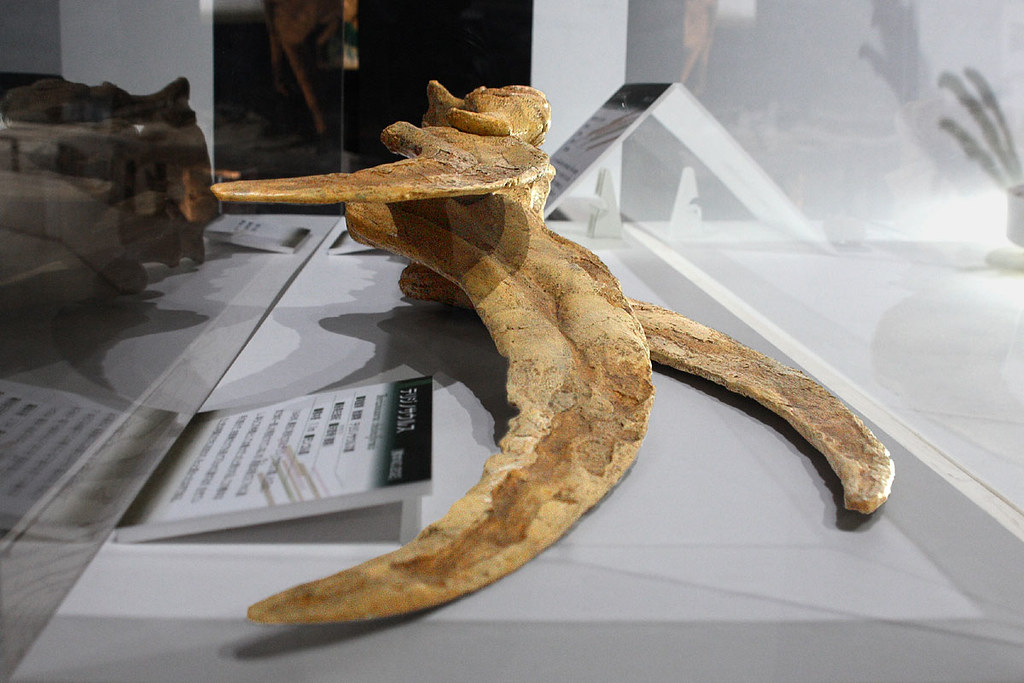
The first remains of Therizinosaurus were found by a Mongolian field expedition in the Gobi Desert, but the story of its discovery is almost as bizarre as the animal itself. When first discovered in 1954, paleontologists thought this animal’s massive claws were ribs that belonged to a turtle-like aquatic reptile. Can you imagine the confusion?
Since little was known of Therizinosaurus at the time of the original description, Maleev thought PIN 551-483 belonged to a large, 4.5 m (15 ft) long turtle-like reptile that relied on its giant hand claws to harvest seaweed. Scientists mystified by their size and structure postulated they belonged to a gigantic turtle. It wasn’t until the 1950s that the Therizinosaurus was correctly identified as a dinosaur, earning its unique scientific name meaning “turtle-formed scythe lizard.”
Claws That Broke Every Record in the Animal Kingdom
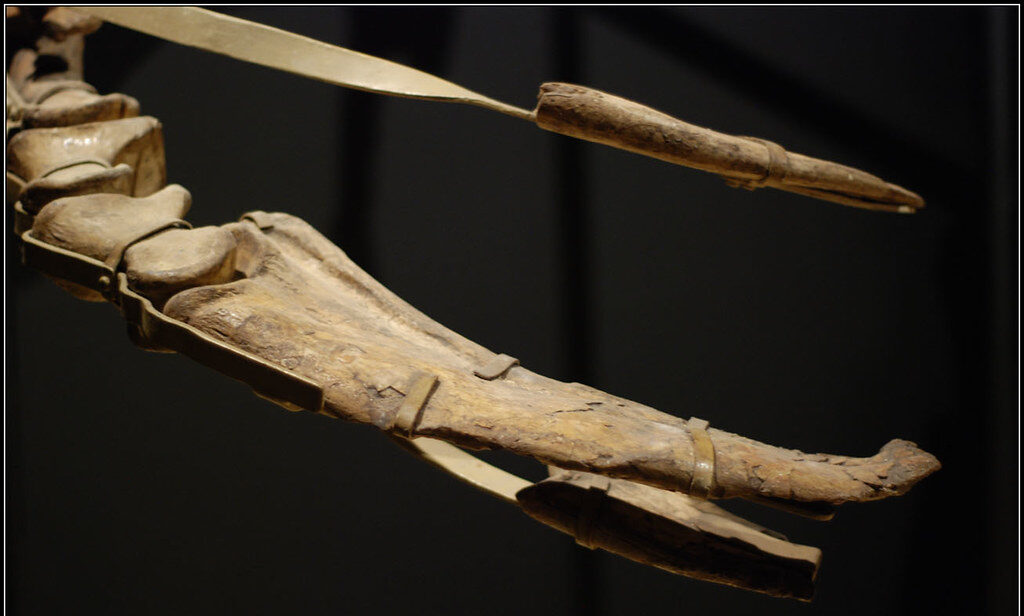
It is recognized for possessing unguals that are approximately a meter (about 3.3 feet) in length, the longest-known claws of any animal that ever lived. To put this in perspective, Some reached up to one metre in length, as long as a baseball bat. These weren’t just oversized fingernails – they were evolutionary masterpieces that have never been matched in the entire history of life on Earth.
The approximately 1-meter (3.3-foot) long claws of Therizinosaurus, which hung down like the alarming mitts of Edward Scissorhands, are said to be the longest claws of all time. Its arms were truly astonishing: over 8 feet long, ending in three fingers tipped with claws that could grow up to about 1 meter (3.3 feet), roughly the length of a human arm. These are the longest claws ever discovered in any known animal. Yet despite their intimidating appearance, these weapons of mass vegetation were surprisingly fragile.
The Gentle Giant That Confused Evolution
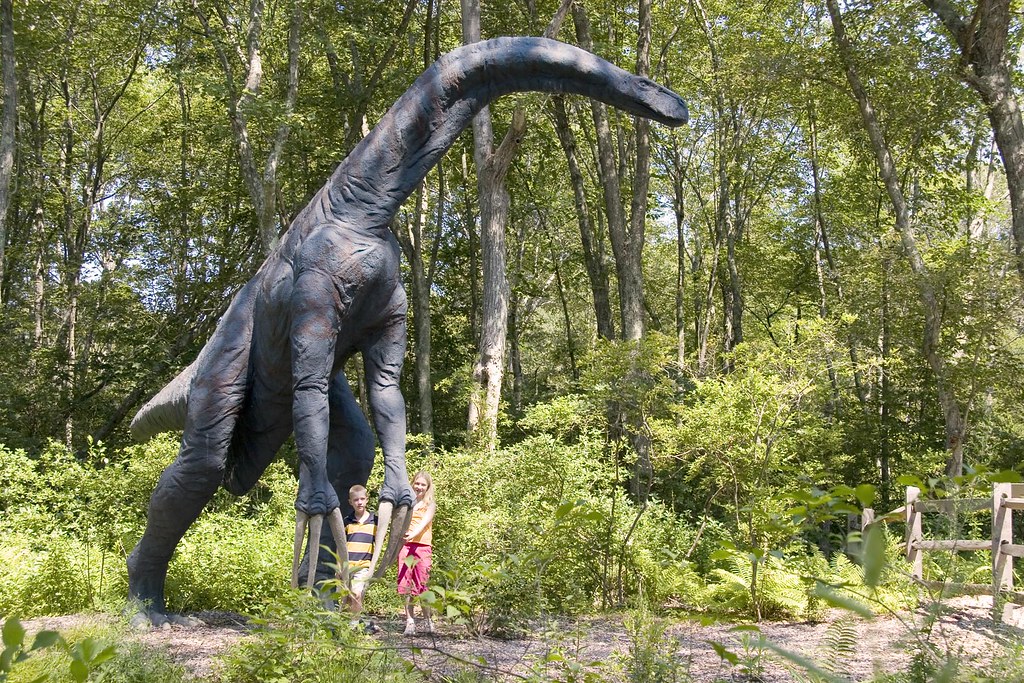
Here’s where Therizinosaurus becomes truly mind-bending: Even though Therizinosaurus was related to meat-eating dinosaurs, scientists believe it was herbivorous – meaning it ate plants. This massive theropod – a group that includes fearsome predators like T. rex and Velociraptor – had completely abandoned the carnivorous lifestyle of its ancestors.
Though its claws might seem perfect for ripping flesh, Therizinosaurus was likely a herbivore that used its hands for defense and grabbing vegetation. The elongated hand claws of Therizinosaurus were more useful when pulling vegetation within reach rather than being used for active attack or defense because of their fragility. Think of it as nature’s own version of Edward Scissorhands, but instead of trimming hedges, it was pulling down tree branches for dinner.
A Body Built Like No Other Dinosaur
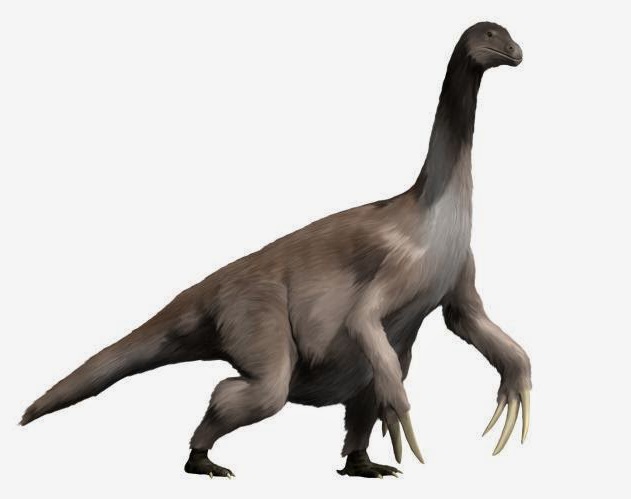
Therizinosaurus was a colossal therizinosaurid that could grow up to 9–10 m (30–33 ft) long and 4–5 m (13–16 ft) tall, and weigh possibly over 5 t (5.5 short tons). It could grow up to 10 meters (33 feet) long and reach nearly 6 tonnes in weight. This made it one of the largest theropods ever to walk the Earth – bigger than some of the most famous predators.
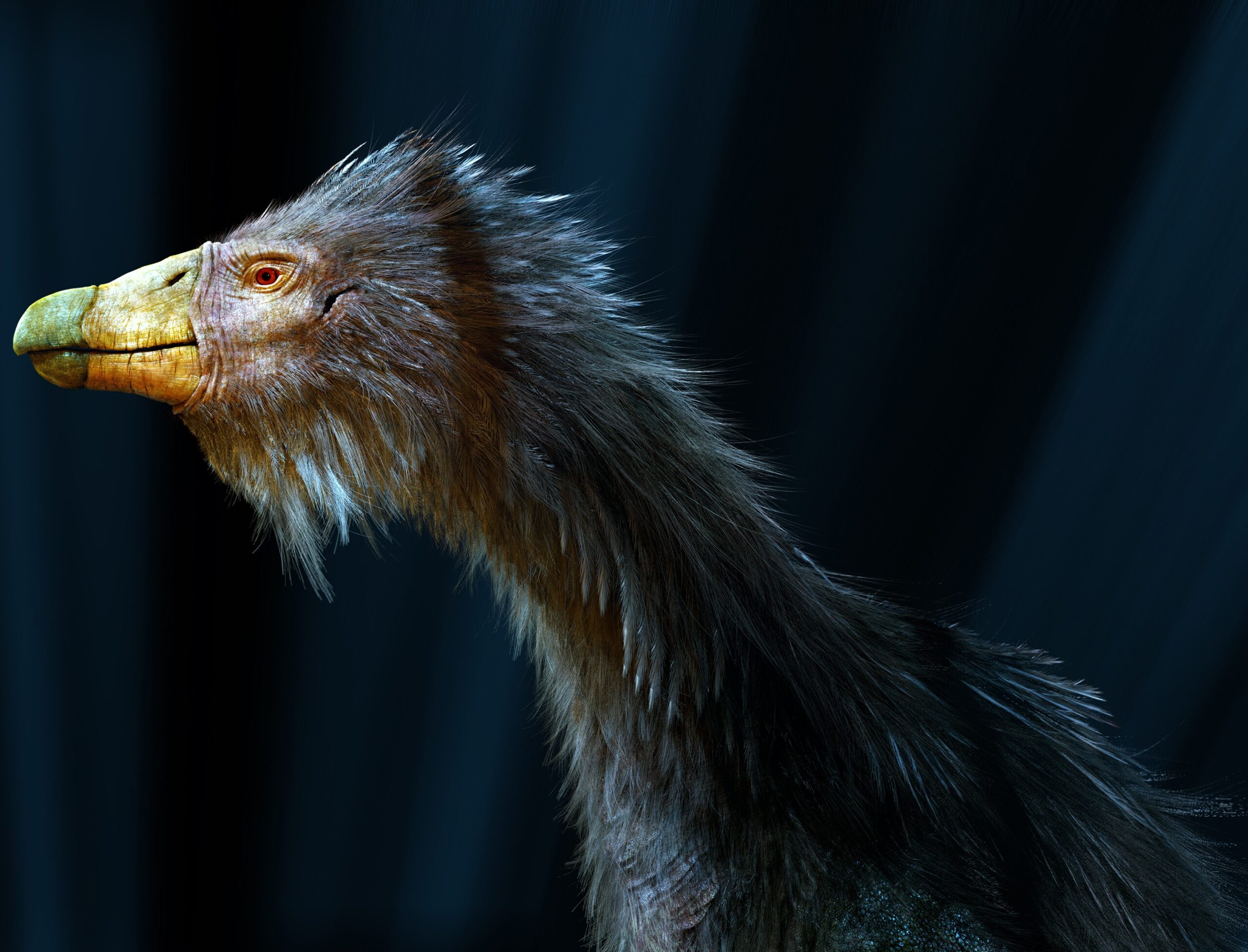
A strange-looking dinosaur, Therizinosaurus would possibly have had wide hips, a pot belly, and long arms adorned with yard-long claws. It probably had a small head perched on a long, slender neck, with a beaked mouth suited for stripping vegetation. Its body was massive and bulky, with a pronounced pot belly and a short, stubby tail. Therizinosaurus stood upright on two thick, muscular hind legs. Imagine a dinosaur designed by a committee that couldn’t agree on what it should look like.
The Feathered Terror That Wasn’t Terrifying
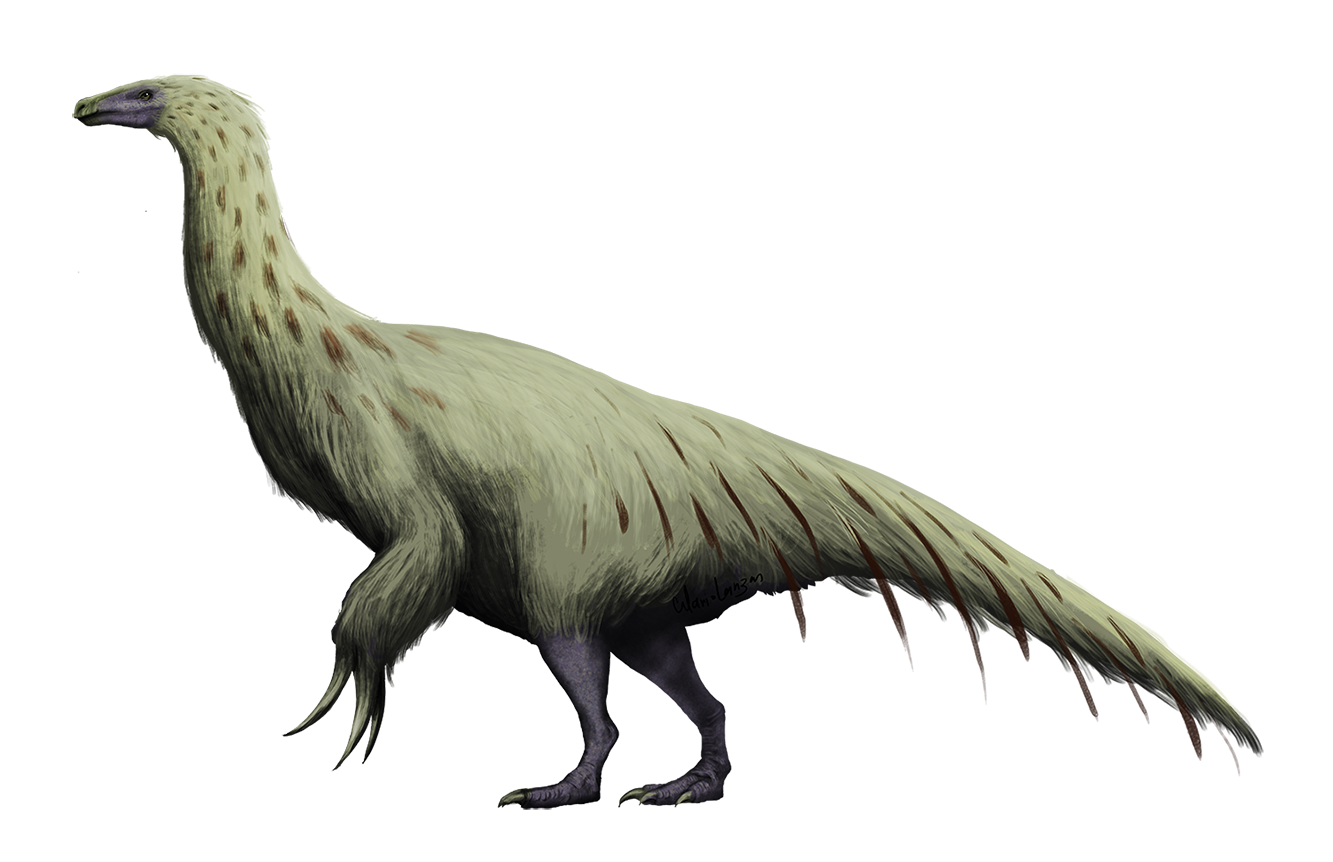
The dinosaur’s skin is believed to have been covered in feathers, a trait shared with other theropods. This feather covering would have provided insulation, protecting the dinosaur from the cold. Though no feathers have been found with Therizinosaurus fossils, its close relative Beipiaosaurus was discovered with protofeathers, early feather-like structures, leading scientists to believe Therizinosaurus may have been feathered too.
Picture this giant striding through Cretaceous forests with a coat of primitive feathers, looking like a massive, clawed ostrich that someone fed growth hormones. A fierce, territorial foliage-grazer sporting feathers across its imposing stature, this ancient dinosaur has an intimidating appearance. As with other members of its family, Therizinosaurus has a long neck ending in relatively small head and hands ending in three enormous curved claws. The visual would have been both magnificent and utterly bizarre.
Living in the Shadow of Asian T. Rex
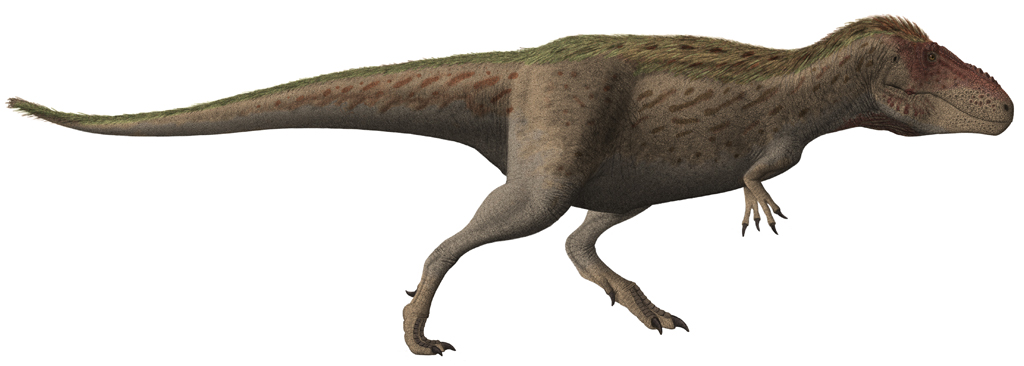
It lived during the Late Cretaceous period, in the Maastrichtian epoch, approximately 72.1 to 66 million years ago. Therizinosaurus lived in the Late Cretaceous period in Asia, meaning it would have shared the planet with other dinosaurs such as Triceratops, Tyrannosaurus, and Velociraptor types. However, its most dangerous neighbor wasn’t any of these famous dinosaurs.
They are mostly hunted by a huge tyrannosaur called Tarbosaurus bataar. They could not outrun the predator, but scientists believed they mostly stood their ground and towered over the tyrannosaur with its meter-long claws. Since the tyrannosaur did not have an evolved vision that could help it judge distance very precisely, they usually get stabbed with their prey’s long claws. Therizinosaurus was a very tall animal, likely having a reduced competition over the foliage in its habitat and outmatching predators like tyrannosaurid Tarbosaurus.
The Ultimate Misunderstood Dinosaur
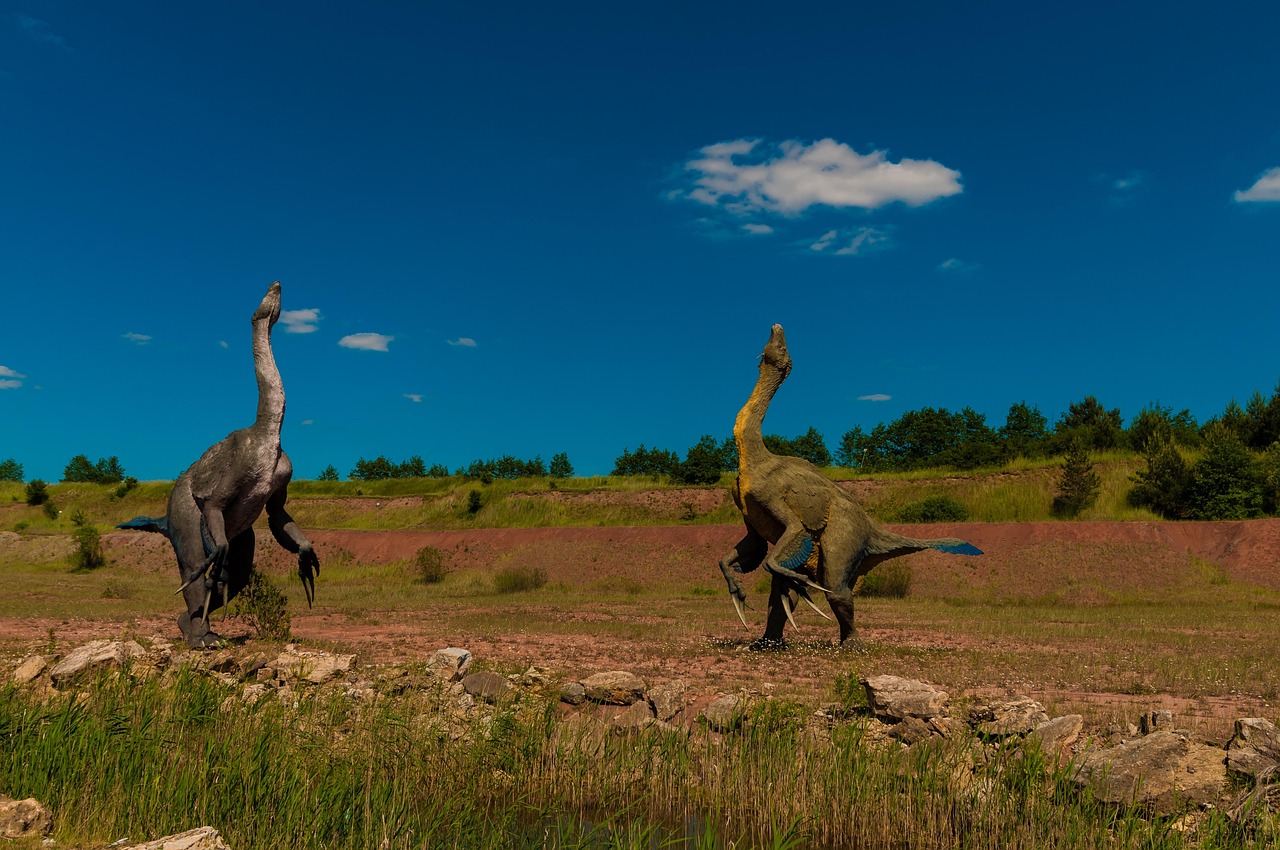
Sometimes it looks as if Therizinosaurus couldn’t have been real – as if Dr. Frankenstein sewed together parts from a hump-backed giraffe, a giant ground sloth and the X-Men character Wolverine to make one of the weirder dinosaurs of the Late Cretaceous. It’s really hard to picture how they made a living,” says James Kirkland, a state paleontologist with the Utah Geological Survey who studies these creatures. But they did exist, for millions of years in the Cretaceous.
Despite their intimidating appearance, Therizinosaurus may have been more of a gentle giant. Some paleontologists compare it to a modern-day panda, using its claws primarily to help gather food. The claws might have been used to pull down leafy branches or strip bark from trees. With its giant claws, feathered body, and plant-loving diet, it shows us that dinosaurs were more diverse than we once thought. Scientists are still uncovering new details about this strange creature.
The End of an Evolutionary Experiment
Like most non-bird dinosaurs, Therizinosaurus met their end likely when the Chicxulub asteroid hit the Earth around 66 million years ago, drawing this strange evolutionary experiment to an end. The loss of Therizinosaurus represents more than just another dinosaur extinction – it marked the end of one of evolution’s most creative and successful experiments in herbivory.
The unusual arms and body anatomy (extrapolated after relatives) of Therizinosaurus have been cited as an example of convergent evolution with chalicotheriines and other primarily herbivorous mammals, suggesting similar feeding habits. This dinosaur proved that evolution doesn’t follow a script, and that even the most unlikely body plans can thrive for millions of years when they find the right ecological niche.
The story of Therizinosaurus reminds us that the prehistoric world was far stranger and more wonderful than Hollywood typically portrays. This gentle giant with record-breaking claws challenges everything we think we know about dinosaur predators and shows us that evolution’s creativity knows no bounds. Looking back at this extraordinary creature, one can’t help but wonder what other evolutionary surprises are still buried in the rocks, waiting to reshape our understanding of life on Earth. What do you think – would you rather encounter a hungry T. rex or a startled Therizinosaurus in the wild?