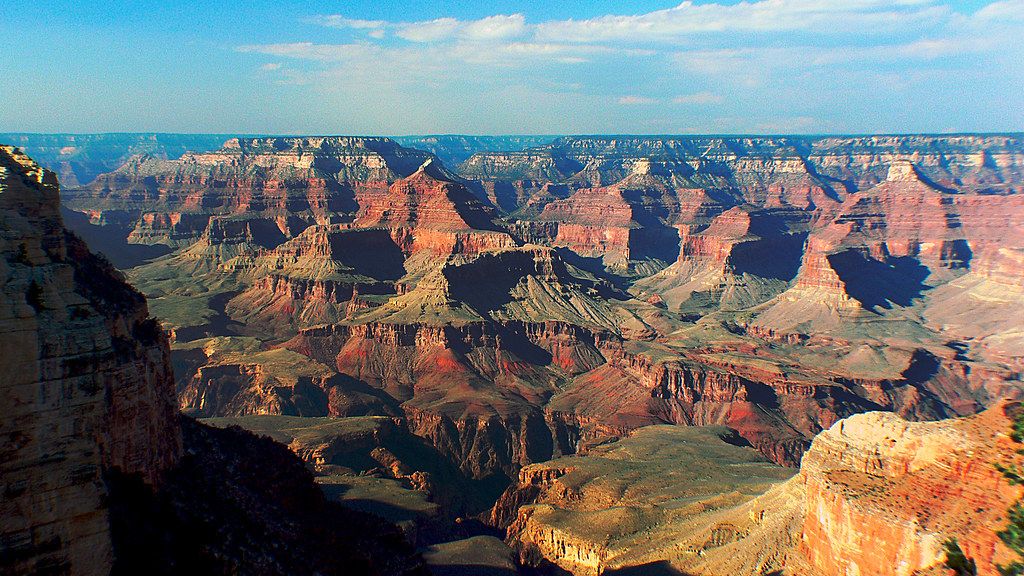
Most people arrive at the Grand Canyon and see a view. A jaw-dropping, camera-lens-breaking, “I-need-a-moment” kind of view. You stand at the rim, stare down into billions of years of geological time, and feel humbled. That reaction makes total sense. Honestly, it’s the right one.
But here’s something that doesn’t come up nearly enough in conversation: the Grand Canyon is not just a geological spectacle. It is one of the most archaeologically layered, human-soaked, story-packed places on the entire North American continent. The secrets buried beneath its walls, hidden inside its caves, and etched into its canyon faces could – and increasingly do – challenge everything we thought we knew about who lived in North America and when. So buckle up, because this goes way deeper than the view from the South Rim. Let’s dive in.
A Timeline That Stretches Back 13,000 Years
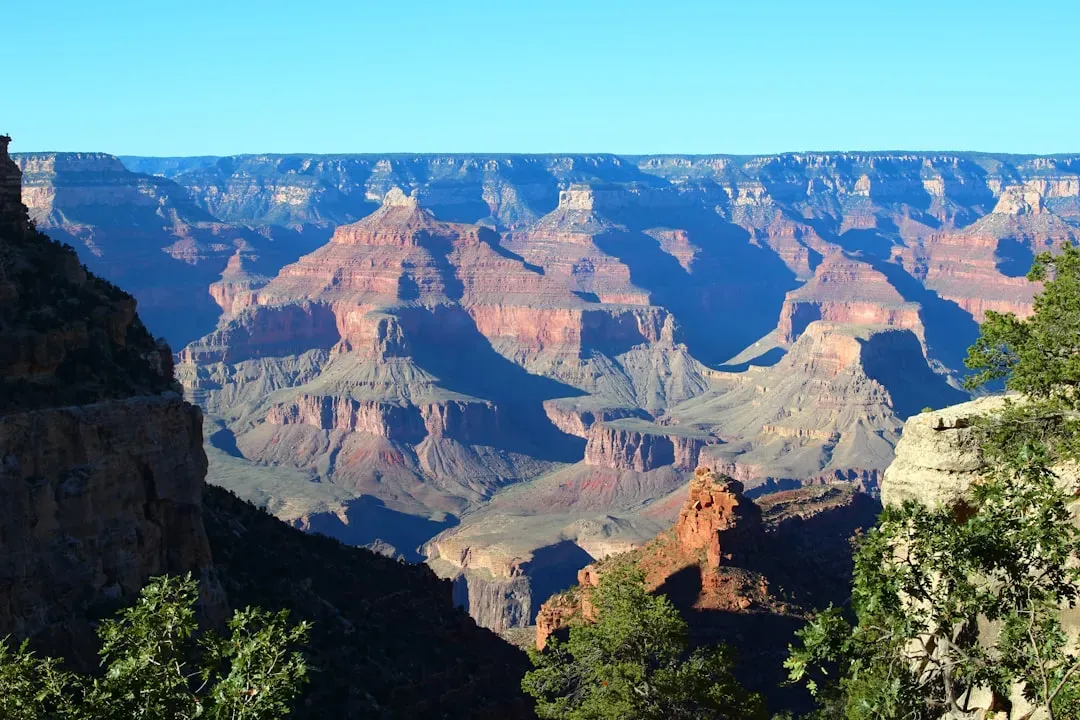
If you assumed the Grand Canyon was simply a natural wonder first encountered by European explorers, you’d be off by tens of thousands of years. The first people to encounter the Grand Canyon did so during the late Pleistocene, when megafauna such as mammoths and extinct ground sloths still roamed the region. Think about that for a second. Enormous creatures you’d only see in a museum today were walking the same ridgelines where tourists now snap selfies.
The first of the human points found there appears to have been made by a Clovis flintknapper some 13,000 years ago. Clovis people are largely thought to have been the first occupants of the Southwest, and were highly skilled in the art of making stone tools, which were vital to their hunter-gatherer way of life. The sheer age of that presence should stop you cold. These were not primitive wanderers stumbling around – they were sophisticated survivors in an unforgiving landscape.
The Clovis Points That Crossed Hundreds of Miles
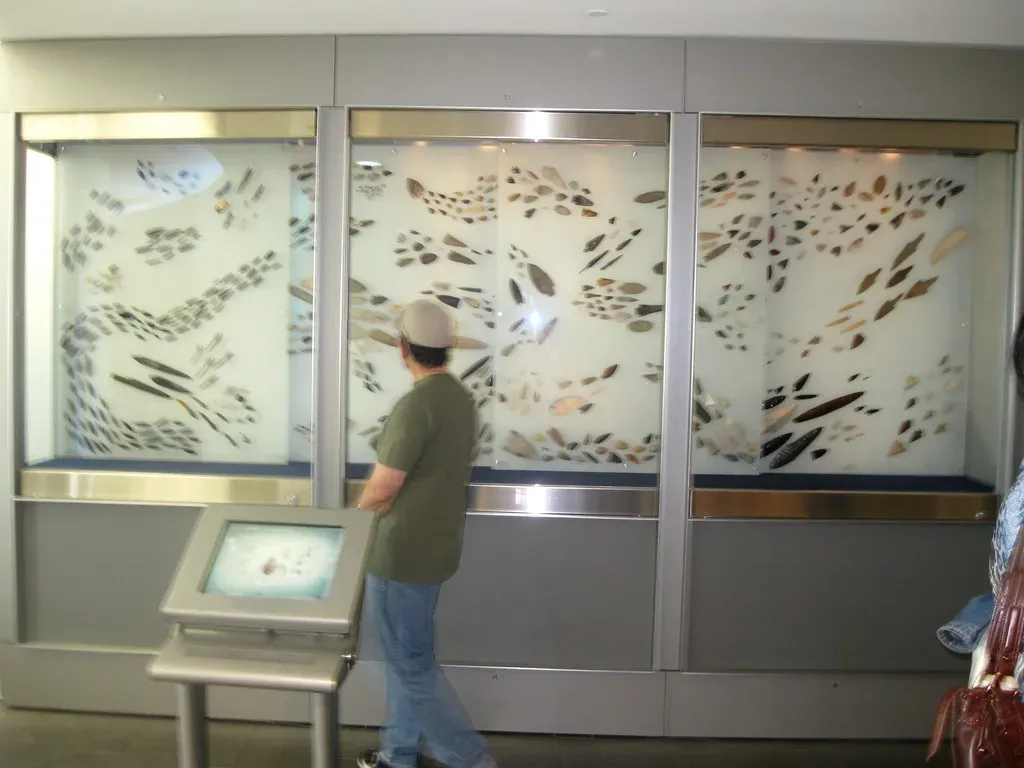
Clovis points are stone projectile points that the Clovis people used for hunting over 13,000 years ago. The Clovis people, the earliest people to encounter the Grand Canyon, were skilled hunter-gatherers who caught large game, such as woolly mammoths, by attaching Clovis points to spears. What makes the Grand Canyon’s examples especially remarkable isn’t just their age. It’s where they came from.
Two points, both fragments, have been uncovered in the canyon. One was made with a type of stone native to New Mexico, approximately 200 miles from where it was found. The other point, made with stone from the Little Colorado River area, was located 250 miles away on the Nankoweap Trail. Both of these findings gave researchers insight into just how far the Clovis people traveled for hunting. That’s not a short weekend trip. These people were ranging across landscapes that would exhaust a modern expedition team.
Split-Twig Figurines: The Canyon’s Oldest Ritual Objects
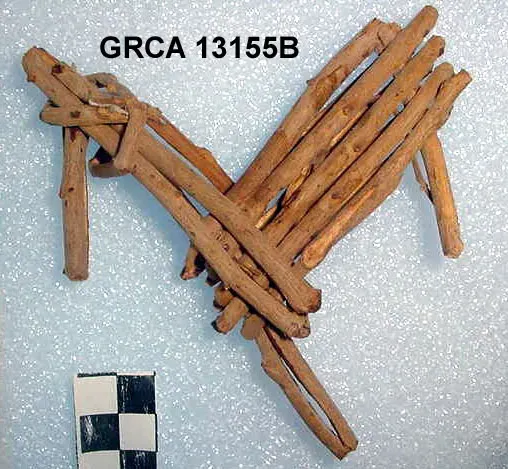
In 1933, three Civilian Conservation Corps workers building a trail in the canyon took an off day to explore a remote cave. As they were hunting for Indian objects inside it, they discovered three figurines, each made from a single willow twig. It seemed that the objects, each less than a foot in height, had been secreted away in one of the most inaccessible niches. I think that discovery counts as one of the great accidental archaeological finds in American history.
In recent years, many of the figurines have been carbon-dated, yielding dates ranging from 2900 to 1250 B.C. – squarely in the late Archaic period of this region. Except for a pair of broken projectile points, they are the oldest artifacts ever found in the Grand Canyon. Since 1933, more than 500 split-twig figurines, all made the same way, have been found within the canyon. The consistency of their construction across centuries tells a story of cultural continuity that is honestly breathtaking.
What Those Little Figurines Were Actually Saying
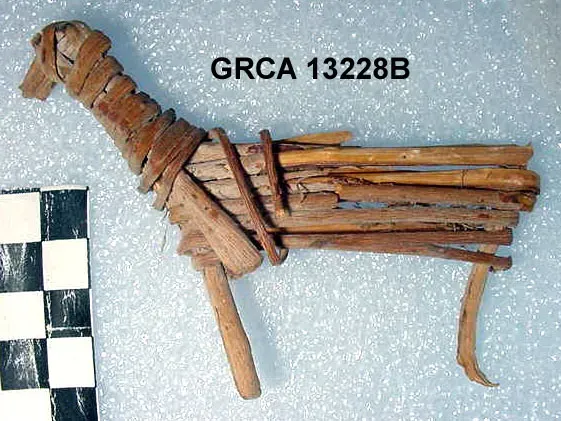
Split-twig figurines are ancient representations of animals made from a single branch of willow or squawbush. The length of the twig is split and then crafted to resemble creatures like deer or bighorn sheep. Figurines with added details like horns, antlers, and spears may have held special symbolic or ritualistic meanings for their creators. Think of it as prehistoric intention-setting before a hunt.
Anthropologists suspect that the effigies were made as part of a ritual ceremony that was carried out before a hunt, to ask for the blessings of the animal’s spirits before taking their lives. In the Grand Canyon, indigenous people left the figurines in caves on the north walls in the Redwall Limestone cliffs strata. Because the caves are hard to reach and show no evidence that they were living quarters, anthropologists believe that the figurines were part of a ritual. Perhaps these Archaic hunters created the figurines and carried them to the caves as a way to ensure a successful hunt. The sheer effort required to reach those caves tells you everything about how seriously these people took their spiritual practices.
The Ancestral Puebloans Built a World Inside the Walls
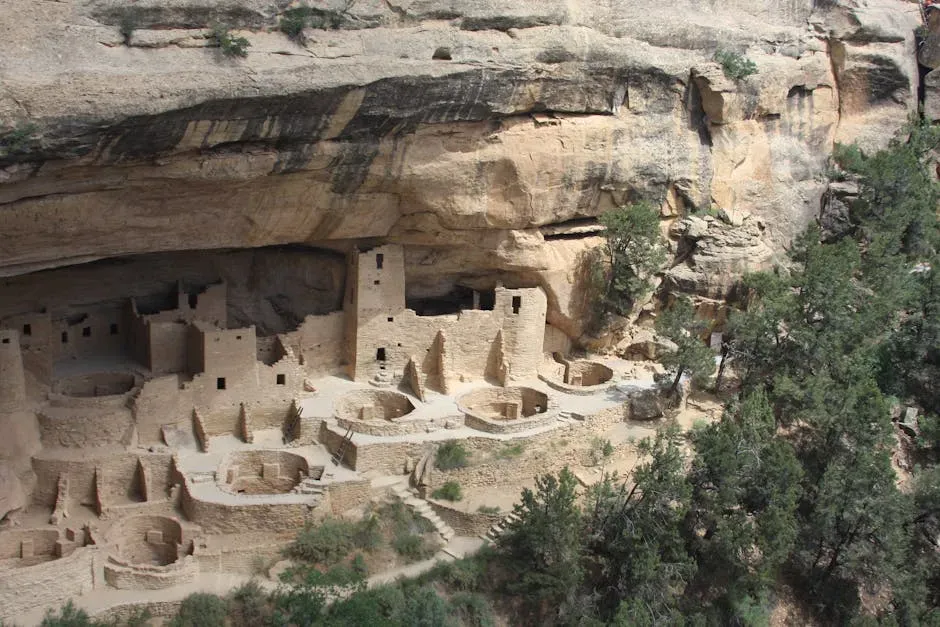
Between approximately 800 and 1200 CE, the Ancestral Puebloans lived in multistory dwellings that they constructed into the cliff sides of the Grand Canyon. They left behind painted pottery, arrowheads, petroglyphs, and ceremonial kivas, reflecting a culture rich in ritual and trade. The word “thriving” matters here. These weren’t desperate people clinging to survival. They built communities.
During this time, not only corn, but squash and cotton were being farmed, and people may have moved seasonally from rim to river and back to tend these crops. Initially, people continued to live in pit house structures, but these gave way to above-ground masonry structures ranging from single rooms to multiroom, multistory buildings called pueblos. People living in the Grand Canyon during this period had connections to and were part of four major archaeological cultures: Cohonina, Kayenta, Virgin, and Patayan, each with their own pottery styles, and to a lesser extent, architectural styles. Four distinct cultures, all operating within the same canyon system. The social complexity alone is staggering.
Tusayan Ruin: An 800-Year-Old Village You Can Still Walk Through
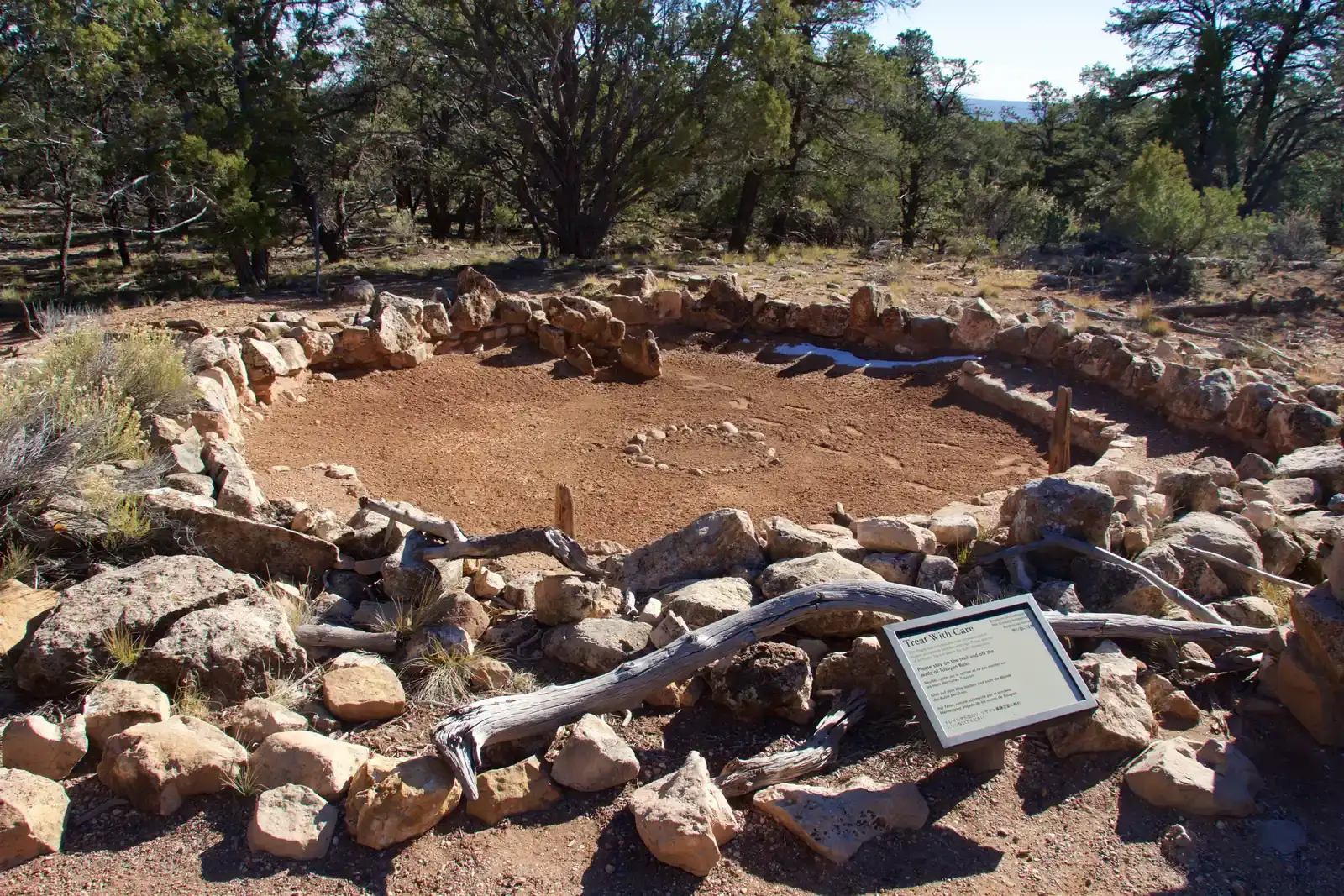
The Tusayan Ruins – also known as Tusayan Pueblo – is an 800-year-old Pueblo Indian site located within Grand Canyon National Park, and is considered by the National Park Service to be one of the major archaeological sites in Arizona. The site consists of a small, U-shaped pueblo featuring a living area, storage rooms, and a kiva. It’s the kind of place that makes you genuinely feel the weight of time under your feet.
Tree ring dating shows that Ancestral Puebloans developed what is now known as the Tusayan settlement a few miles from the southern edge of the Grand Canyon around 1185 A.D. They established homes, agricultural fields, communal buildings, and religious structures that have revealed to archaeologists a great deal about ancient life in this area 800 years ago. Residents planted crops of corn, beans, and squash in a small wash nearby. They supplemented this food supply with wild game and plants such as yucca, pinyon nuts, berries, and different types of cactus. You can picture the daily rhythm of life here remarkably clearly – which is exactly why it matters so much.
The 2007–2009 Excavation That Changed Everything
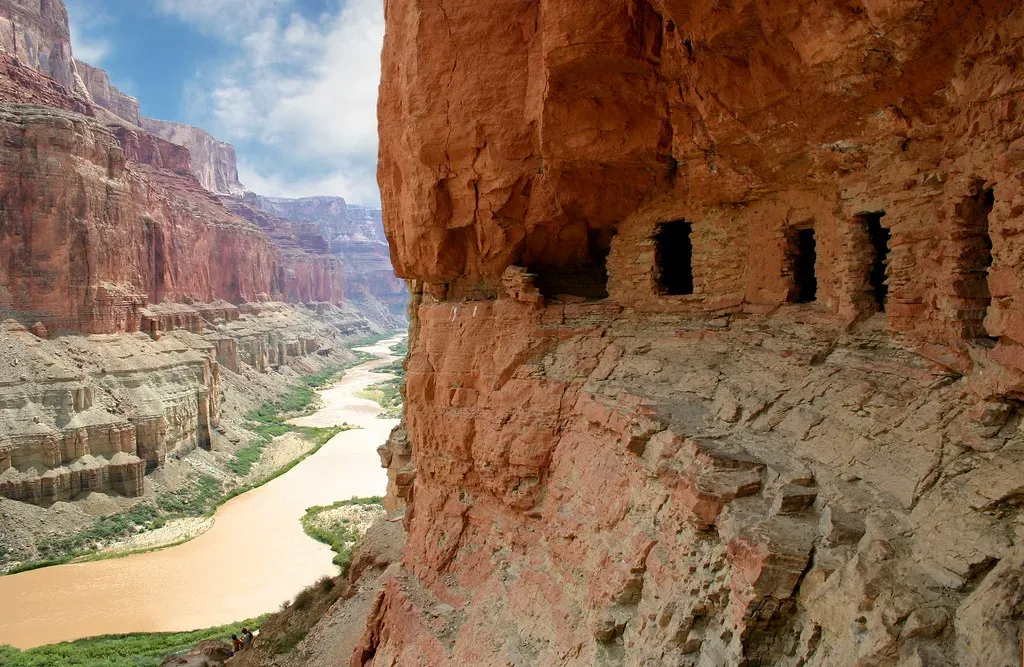
Nine sites located along or just above the Colorado River were excavated over a period of 136 days in the field. It was the first major excavation in Grand Canyon in nearly 40 years. Let’s be real – 40 years is a long gap in the archaeological record of one of the most important prehistoric regions on the continent. When the dig finally happened, it delivered.
Artifacts recovered from the sites include stone tools, pottery, jewelry, seeds, ash from hearths and even a buffalo bone, probably traded from elsewhere. Numerous dwelling and adjacent trash midden sites were excavated and one kiva, probably used for ceremonial purposes, was discovered. The project produced evidence of human habitation in the Grand Canyon ranging from Paleo-Indian nomadic hunter-gatherers up to historic Southwest native cultures, with most of the findings from a specific 250-year period between 1000 and 1250 A.D. when Ancestral Puebloan people lived and farmed along the Colorado River. A buffalo bone traded from hundreds of miles away. That single detail alone rewrites the map of ancient North American trade.
Living Tribes and the Sacred Heartbeat of the Canyon
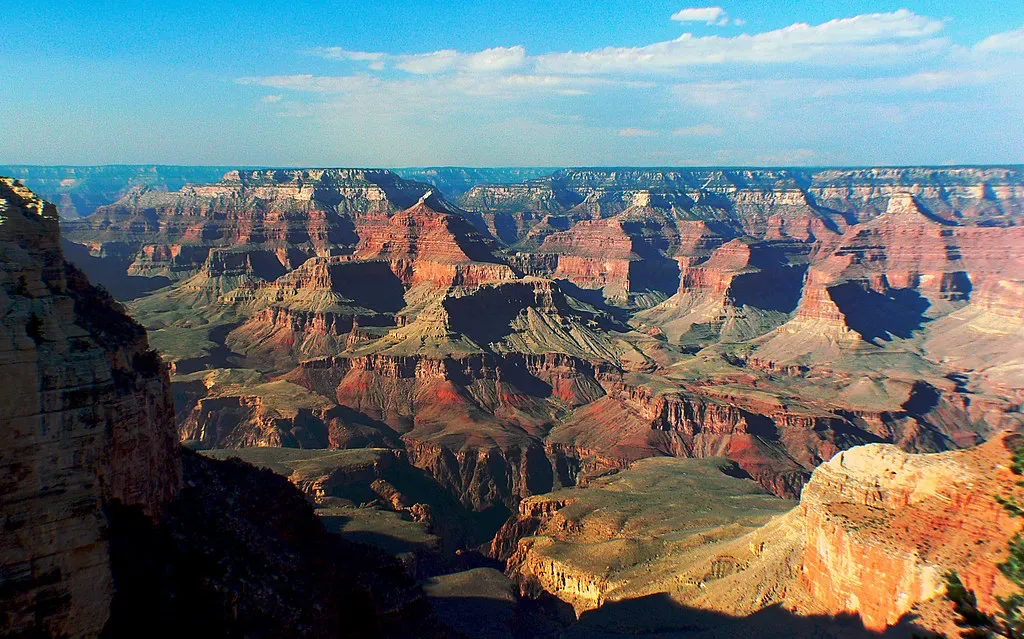
Eleven federally recognized tribes maintain ancestral and spiritual ties to the Grand Canyon today, including the Havasupai, Hopi, Hualapai, Navajo, Zuni, and Paiute. According to Hopi cosmology, the Grand Canyon is the place of Sipapuni, the spiritual emergence point where their ancestors rose from the third world into the present fourth world. This sacred spot, located at the confluence of the Little Colorado and Colorado Rivers within the Grand Canyon, remains central to Hopi beliefs and ceremonies. It’s hard not to be moved by that. An entire cosmology rooted in this specific geography.
The Havasupai, whose name means “people of the blue-green waters,” have lived in the Grand Canyon for approximately 800 years, primarily around Havasu Creek. Hematite from the canyon has been found east of the Mississippi River, traded prehistorically over more than a thousand miles. A thousand miles. That’s not a local economy. That’s a continent-spanning trade network centered right in the heart of the canyon. These weren’t isolated communities. They were connected to a world far larger than we typically imagine.
How Much of the Canyon Remains Unsurveyed – and What That Means
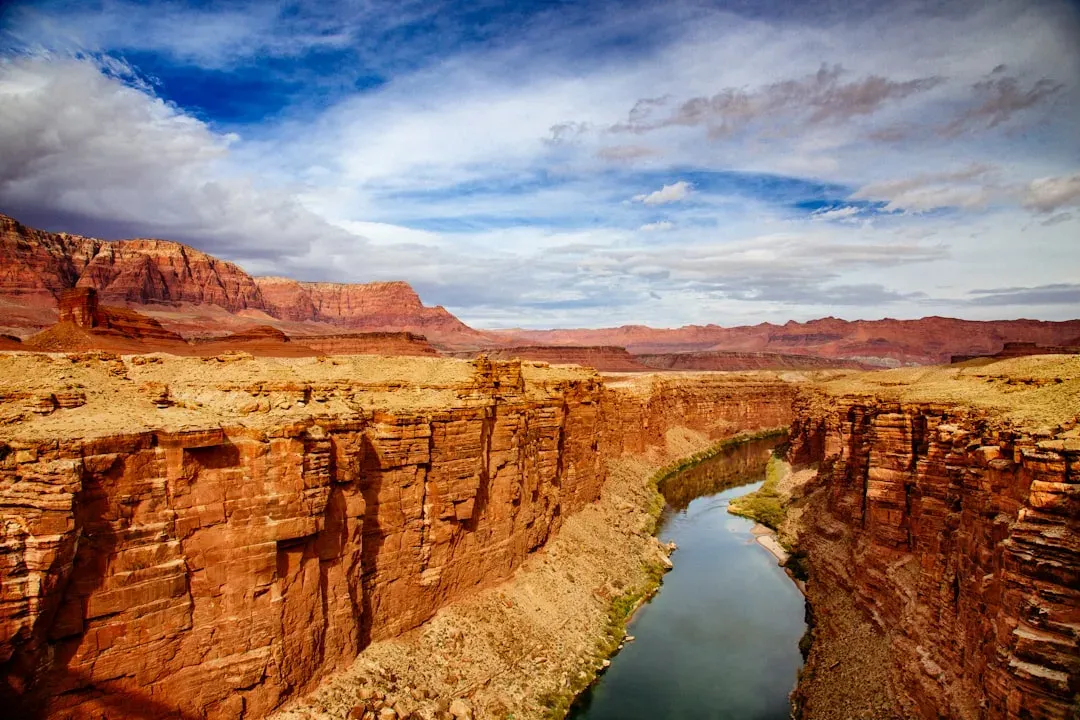
Here’s the thing that really grabs you when you dig into all of this: we barely know anything yet. Only 3.3 percent of the Grand Canyon has been surveyed, let alone excavated. Roughly 97 percent of the canyon’s archaeological potential remains completely untouched by modern science. It’s like reading three pages of a thousand-page book and then declaring you know the whole story.
Between 2007 and 2009 alone, more than 400 previously unrecorded archaeological sites were documented along the Colorado River. Those were found in a tiny fraction of the total area, in a narrow band of time. The Grand Canyon harbors a profound and complex archaeological narrative that extends far beyond its stunning geological formations. Beneath its rugged terrain lies a rich tapestry of human civilization spanning thousands of years, with archaeological evidence revealing intricate stories of survival, adaptation, and cultural sophistication that challenge our understanding of prehistoric North American societies. Every year, the picture gets bigger. Every excavation rewrites something we thought we already knew.
Conclusion: The Canyon Is Still Talking
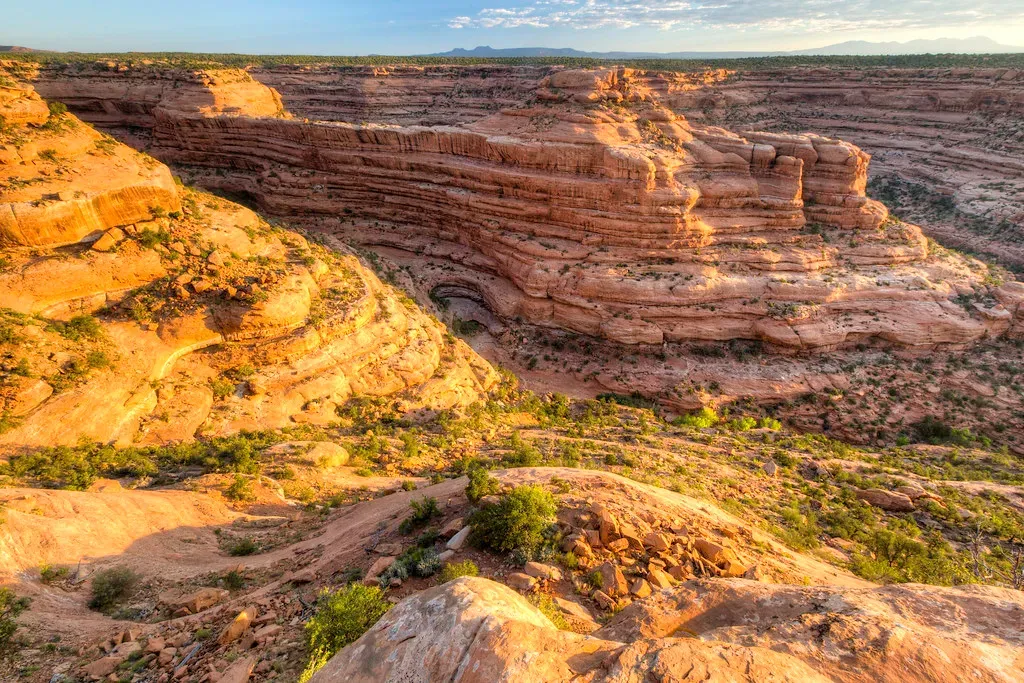
You’ve probably stood at a canyon overlook before, or at least seen the photos. The scale feels geological, ancient in the way only rock and sky can feel. What’s easy to miss – what most visitors do miss – is that beneath all that silence, the Grand Canyon is practically shouting human history. Thousands of years of it. Ritual objects placed in caves that took hours to reach. Pottery traded across half a continent. Villages balanced between the rim and the river. Sacred places that entire civilizations built their cosmologies around.
It’s a humbling realization, honestly. The canyon doesn’t just hold geological time. It holds human time, in all its complexity, devotion, ingenuity, and mystery. With barely a sliver of the total area surveyed, whatever has already been found is almost certainly just the beginning. The real story of North American prehistory may still be waiting, tucked into a limestone cave somewhere deep below the rim.
What would you guess is still down there, waiting to be found?