There are places on this planet that humble you completely. Not just with their scale, or their beauty, but with the sheer weight of time they carry. The Grand Canyon is one of those places. You could stare at it for an hour and barely scratch the surface of what it’s actually telling you.
Honestly, most people who visit see a breathtaking view. What they don’t always realize is that they’re standing at the edge of one of the most extraordinary natural archives in existence. Layer by layer, wall by wall, the canyon is quietly whispering stories that stretch back nearly two billion years. So let’s dive in.
A Living Textbook Carved Into the Earth
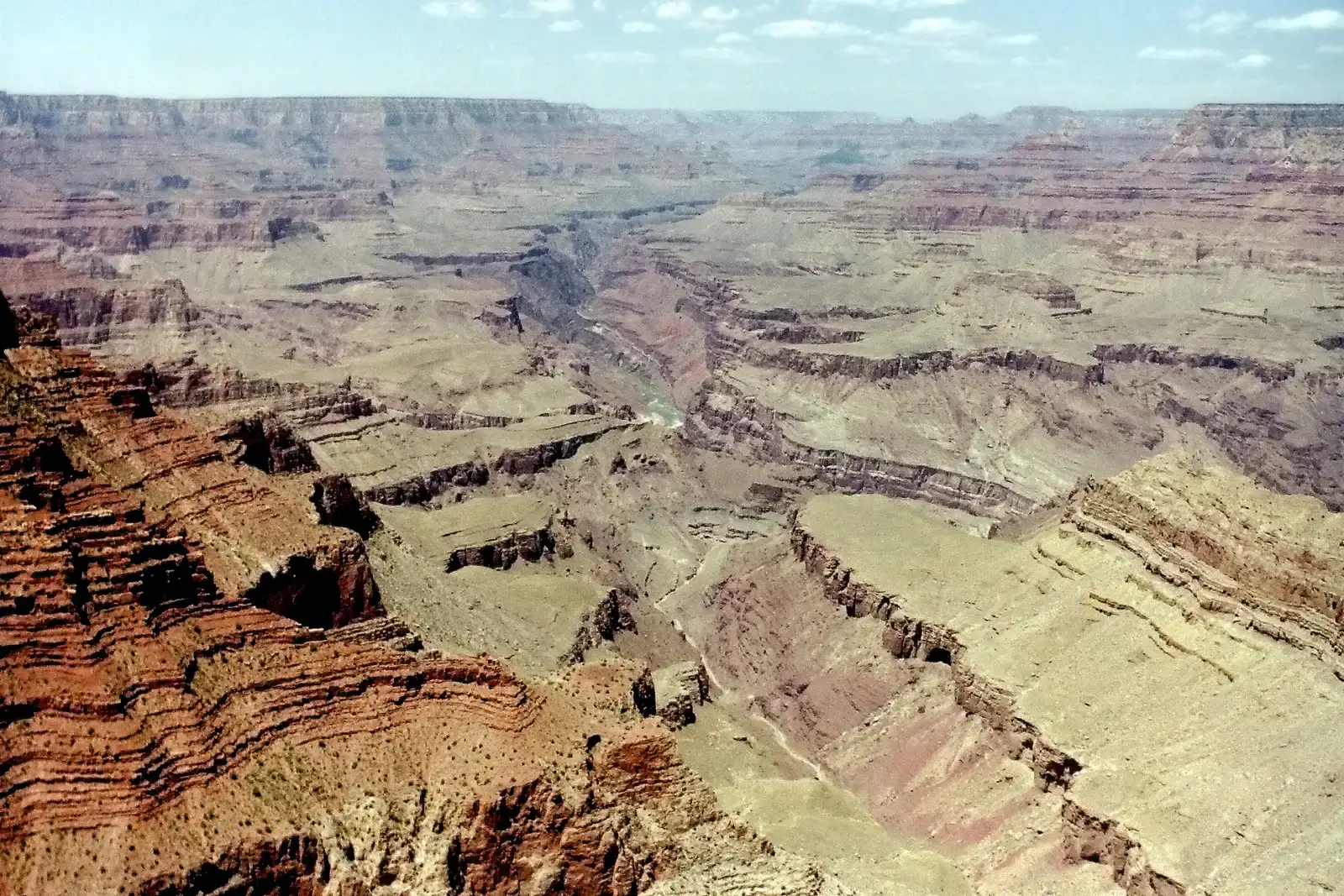
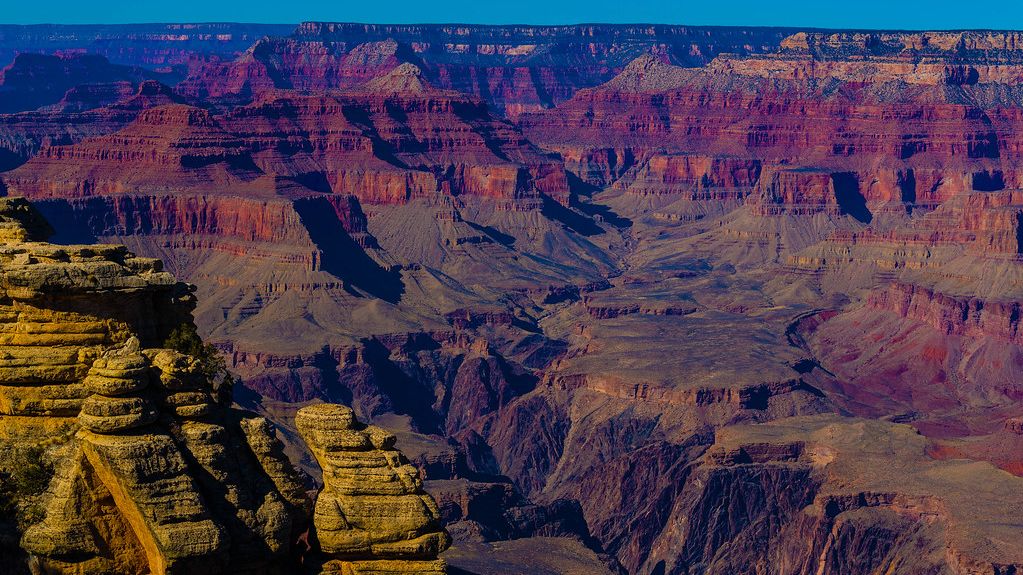
Imagine a book so thick it would take several human lifetimes just to flip through its pages. That’s essentially what you’re looking at when you peer into the Grand Canyon. In the Grand Canyon, clear horizontal layers of different rocks provide information about where, when, and how they were deposited, long before the canyon was even carved, making it one of the world’s greatest geologic stories. No library on Earth holds a collection this old.
Rocks exposed in the canyon’s walls record approximately one third of the planet’s history, from the Precambrian to the Permian Period of the Paleozoic Era, containing important information about the evolution and history of life. Think about that for a moment. One canyon. One third of everything Earth has ever done. That’s not a scenic overlook. That’s a time machine.
The Oldest Rocks You’ll Ever Stand Beside
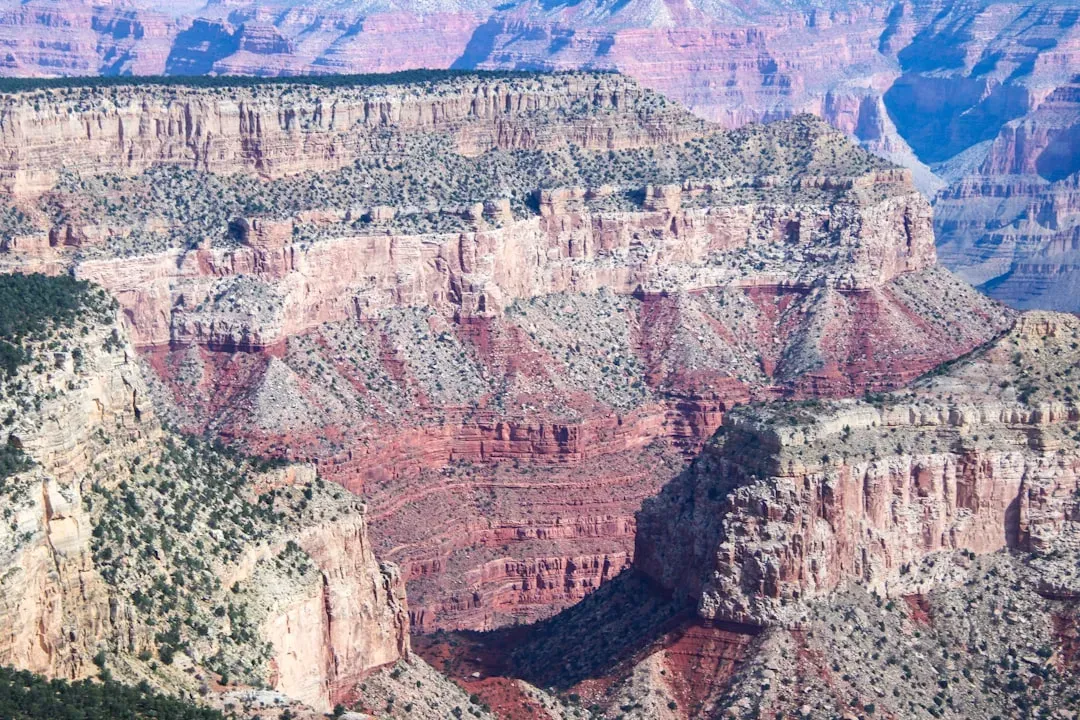
Here’s where it gets genuinely mind-blowing. The oldest known rock in the Grand Canyon, the Elves Chasm Gneiss, is located deep in the canyon’s depths as part of the Vishnu Basement Rocks and clocks in at an ancient 1.84 billion years old. For reference, that’s almost half the total age of the Earth itself.
The Grand Canyon’s story began nearly 2 billion years ago, when two plates of Earth’s crust collided. As they came together, rows of volcanic islands smashed together and merged, and under extreme heat and pressure, their rocks transformed into the dark-colored basement rocks seen near the bottom of the canyon today. You’re not just looking at old rock. You’re looking at the aftermath of an ancient planetary collision, frozen in stone.
How a River Sculpted a Wonder
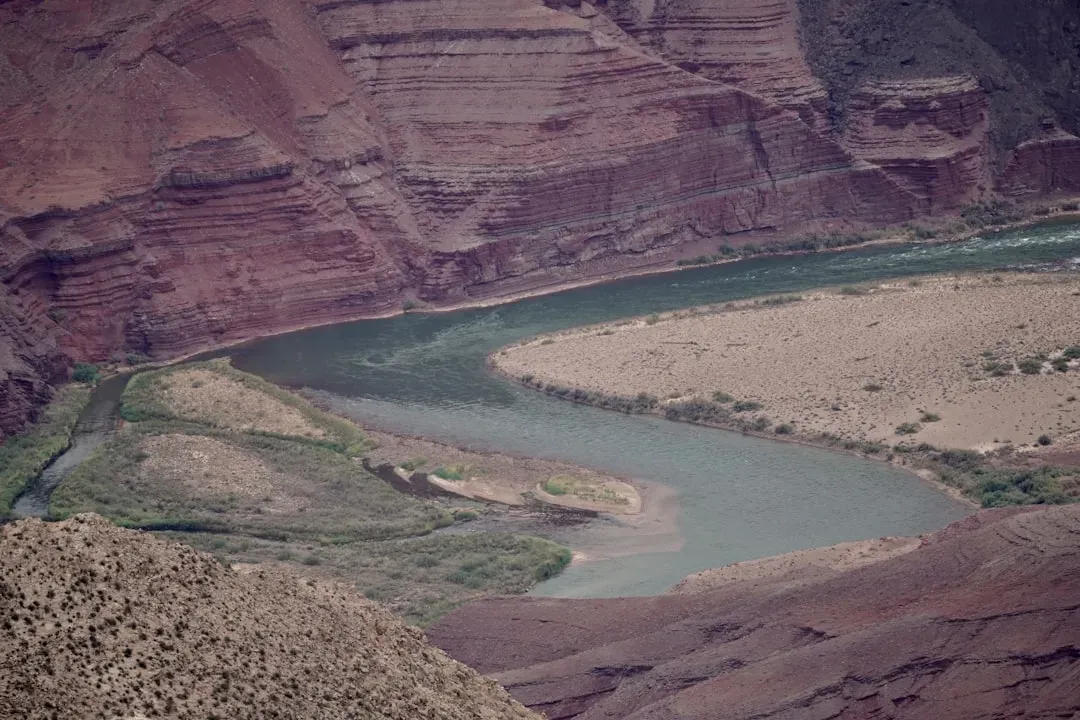
Over roughly six million years, the powerful Colorado River carved deep into the Earth’s crust, carrying sand and gravel that acted like sandpaper, slowly eroding and exposing layers of rock that reveal nearly two billion years of geological history. It’s a staggering achievement for something as seemingly simple as flowing water. Like a sculptor who never takes a day off.
The canyon formed in the past 6 million years by the erosional power of the Colorado River and its tributaries, deepening older paleocanyon segments and carving through an uplifting Colorado Plateau. Next came uplift, the raising of the Earth’s surface, likely associated with earthquakes or mountain-building as plate tectonics shifted 70 to 30 million years ago, after which the Colorado River began slowly cutting through this newly uplifted landscape in a process called downcutting.
The Great Unconformity: A Missing Chapter in Time
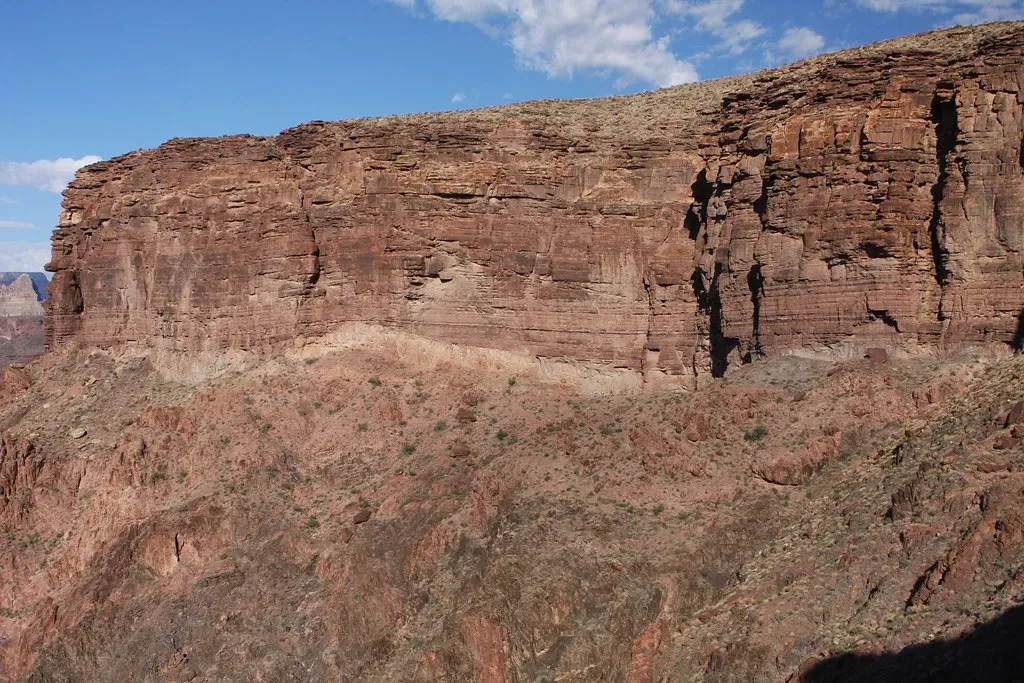
Every good story has a mystery buried in it. The Grand Canyon’s most fascinating mystery is a geological phenomenon called the Great Unconformity, and it’s honestly one of the strangest things in all of Earth science. Unconformities are gaps in the geologic record that occur when rocks or sediments are eroded away and time elapses before new deposition occurs. New sediment eventually forms new rock layers on top of the eroded surface, but there is a period of geologic time that is not represented, like missing pages in the book of the geologic record.
Within the canyon there is a gap, the Great Unconformity, between 1.75 billion and 1.25 billion years ago for which no deposits are present. This contact marks a place where so much erosion occurred before a new layer of rock formed that we are actually missing time from the geologic record, and this particular unconformity is known as the Great Unconformity because so much time is unaccounted for that mountains could have been built and then completely eroded away within that period. It’s hard to say for sure what exactly happened during that gap, but the scale of it is humbling.
Layer by Layer: Reading the Canyon’s Rock Sequence
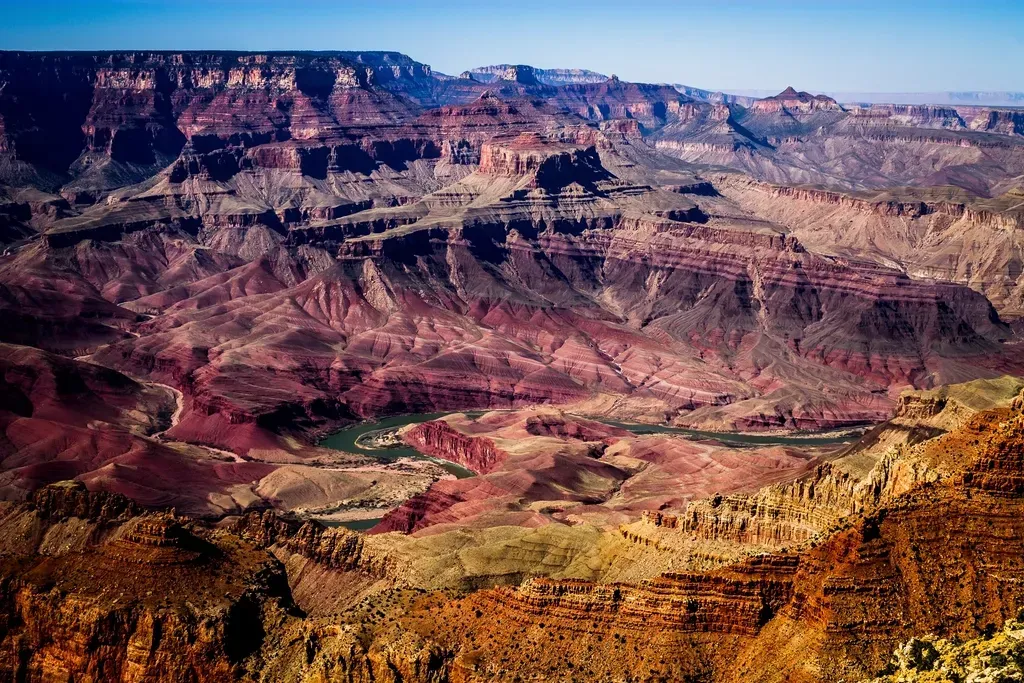
You can read the canyon’s walls like a story told from the ground up. Starting from the top, the Kaibab Limestone, 270 million years old, is the caprock of the canyon formed in a shallow sea, and it’s where you stand when you look out from the rim. Below that, the Toroweap Formation tells the story of coastal environments where deserts met the sea, while the Coconino Sandstone consists of light tan, cliff-forming rock created from ancient desert dunes, some of the best-preserved fossilized sand dunes in the world.
Deep at the canyon’s base, the Vishnu Basement Rocks, including Vishnu Schist and Zoroaster Granite up to 1.8 billion years old, are the dark, craggy rocks formed from ancient volcanic islands and metamorphic processes, representing some of the oldest exposed rocks in North America. The colors of the canyon walls, reds, oranges, tans, and grays, come from minerals in the rock that reacted with oxygen over time. It’s nature’s own color-coded timeline, painted across a mile of vertical cliff face.
A Fossil Treasury Hidden in Stone
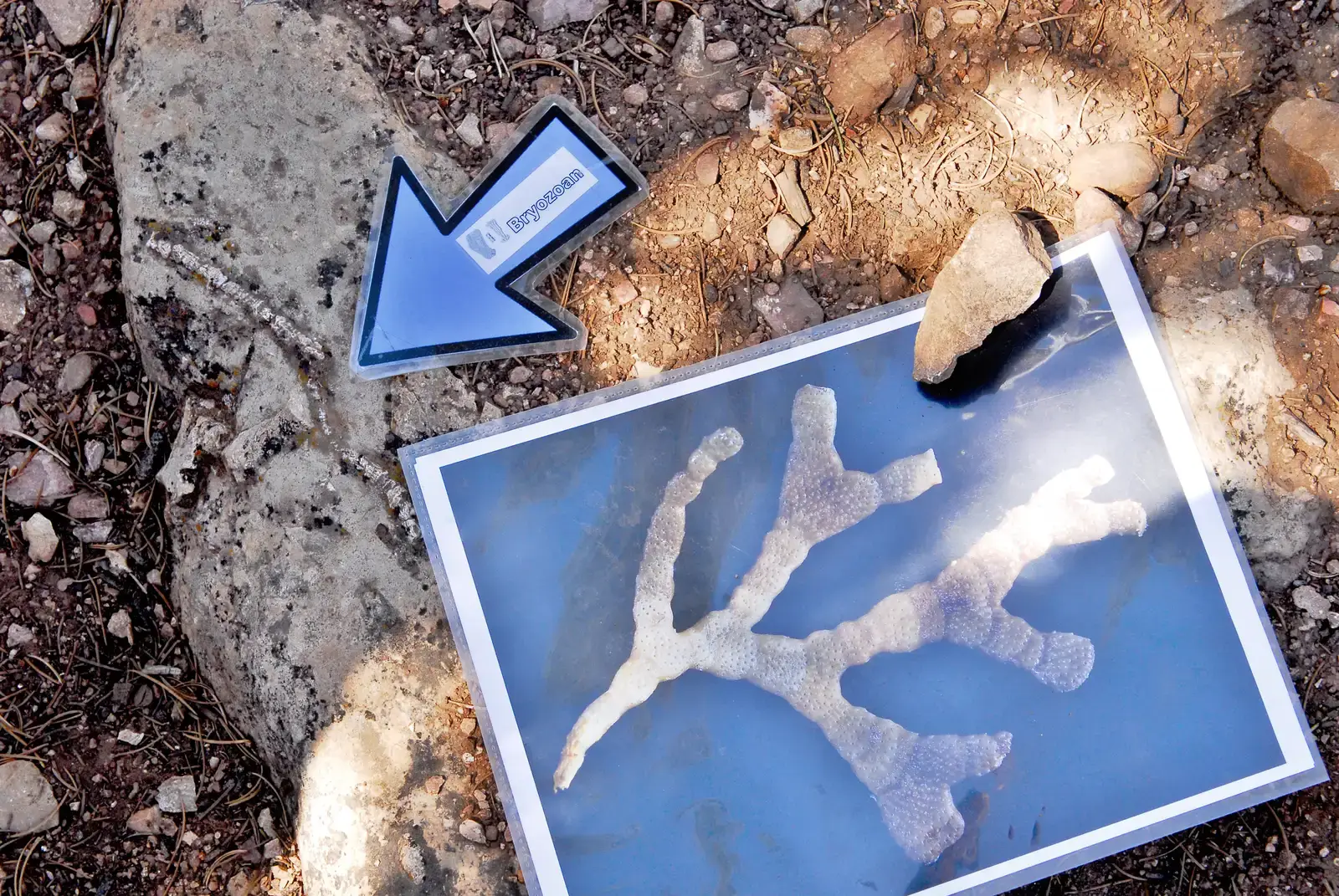
Most visitors don’t associate the Grand Canyon with fossils, and that’s a fair assumption to question. The canyon preserves a rich history of life on Earth that stretches back over a billion years, and the fossil record of Grand Canyon National Park contains a wide variety of organisms, from ancient bacterial colonies to Ice Age mammals. You just have to know where to look.
Trilobites are some of the oldest fossils to appear in the Grand Canyon’s fossil record. These sea creatures, related to insects and crustaceans, roamed a shallow ocean between 525 to 505 million years ago searching for dead organic material to eat, and their fossils can be found in the Tapeats Sandstone, Bright Angel Shale, and Muav Limestone rock layers. Shark teeth have been found in the Kaibab Formation as well as abundant fossils of marine invertebrates such as brachiopods, corals, mollusks, sea lilies, and worms. Let’s be real – sharks above what is now a desert canyon? That’s wild.
The Cambrian Explosion and a Groundbreaking 2023 Discovery
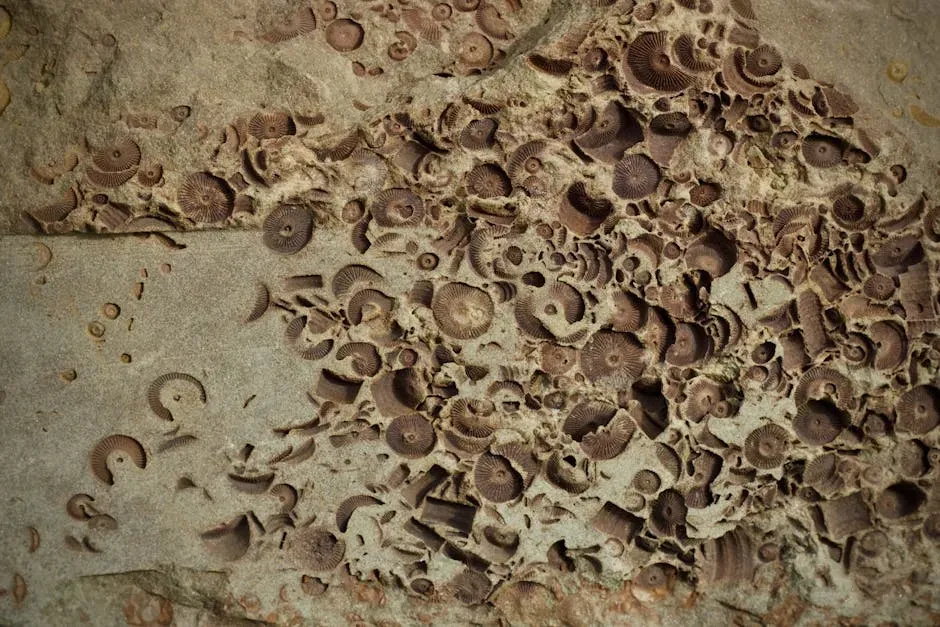
In 2023, scientists made a discovery at the Grand Canyon that genuinely sent ripples through the paleontology world. The discovery, the first of its kind from the famous canyon, includes exquisitely preserved remains of ancient animals such as rock-scraping molluscs, filter-feeding crustaceans, and toothed worms, as well as the food they likely consumed, and the fossils date back to a key moment in evolutionary history known as the Cambrian explosion, when most major animal groups first appeared.
The fossils, which date to between 507 million and 502 million years ago, suggest the Grand Canyon’s prehistoric ecosystem was an “evolutionary cradle.” The Grand Canyon’s oxygen-rich waters would have been more conducive to evolutionary experimentation, as animals needed to keep ahead of competition through complex, costly innovations, but the environment allowed them to do that. Imagine a place so rich in resources that life itself was forced to get creative. That was the Grand Canyon, half a billion years ago.
Human History: Thousands of Years Before the Tourists Arrived
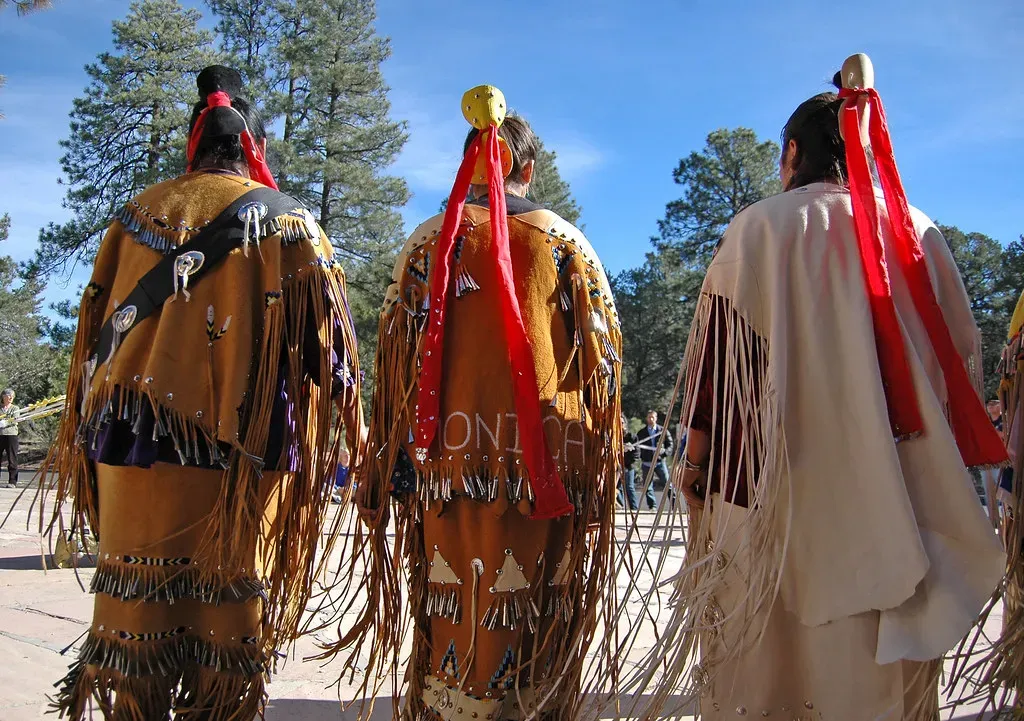
Long before any explorer set foot near the rim, people had already been calling this canyon home for an extraordinary stretch of time. Humans have called the Grand Canyon home for at least 12,000 years, and today several Indigenous tribes, including the Havasupai, Hopi, Navajo, and Hualapai, maintain deep cultural ties to this sacred place. The canyon was not a curiosity to them. It was a living, sacred world.
Ancestral Puebloans, known for their cliff dwellings and rock art, were among the first known groups to live in and around the Grand Canyon, while the Havasupai, known as the “People of the Blue-Green Water,” have lived in the Grand Canyon region for over 800 years and continue to reside there today. The first known descent of the river by boat through the canyon was in 1869, during an expedition led by geologist and ethnographer John Wesley Powell. It’s a fascinating contrast: civilizations thriving in the canyon for millennia, while Western science was only just beginning to comprehend what it was looking at.
What the Canyon Still Has Left to Reveal
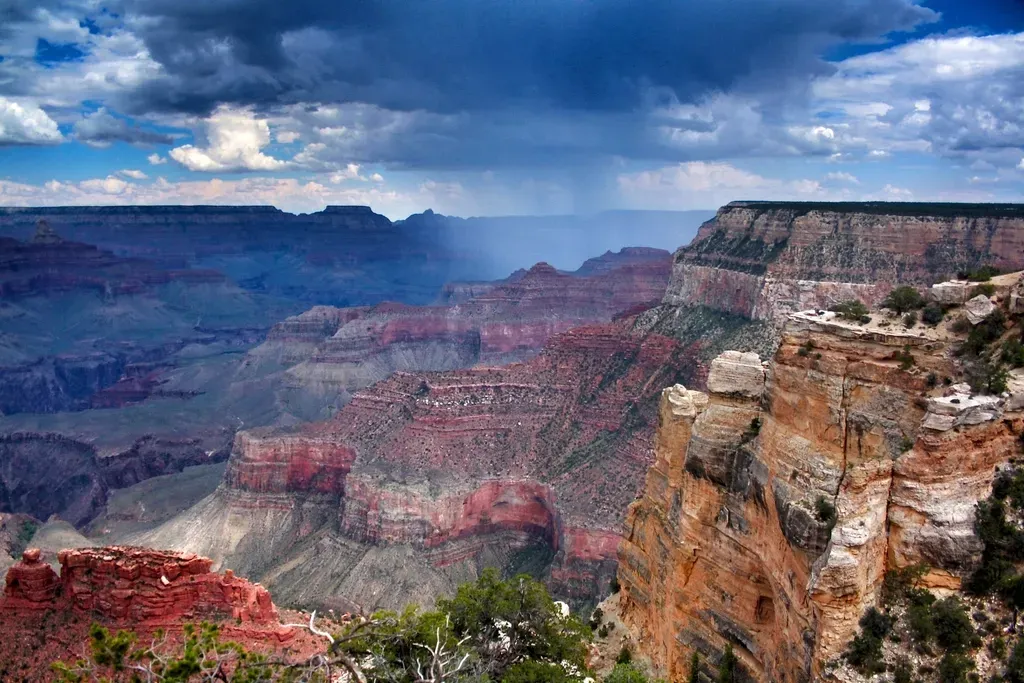
Here’s the thing people often overlook: the Grand Canyon is not a solved puzzle. Not even close. Recent research has challenged long-held assumptions about one of the world’s most iconic natural wonders. The canyon stretches more than 270 miles long and up to 18 miles wide, and for years scientists thought they had a firm grasp on its age, but as it turns out, the timeline isn’t exactly what we thought.
Hot topics in ongoing research include middle crustal processes, evolving Precambrian Earth systems, the Cambrian explosion, the age and integration of the Colorado River, rates and processes of canyon carving, and arid land hydrogeology. Beyond the classroom, researchers have extended their work to public education through the Trail of Time, a geological walking path at the Grand Canyon that brings millions of years of Earth’s history to life for visitors, providing a tangible connection to the canyon’s deep past. Every expedition, every analysis, every dissolved rock sample still has the potential to rewrite part of what we thought we knew.
Conclusion: The Canyon Speaks If You Listen
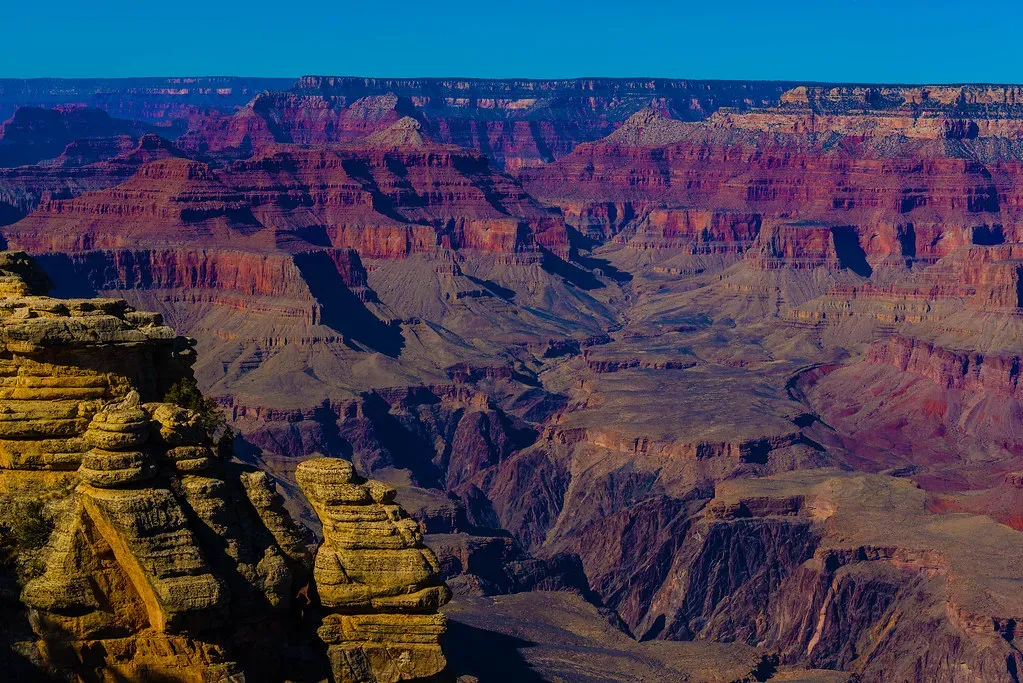
The Grand Canyon is so much more than the image on a postcard or the backdrop of a hiking photo. It is, without question, one of the most important scientific and cultural places on the surface of this planet. When you stand at its rim, you’re not just looking at rock and sky. You’re standing at the edge of nearly two billion years of Earth’s autobiography.
From ancient volcanic collisions to the Cambrian creatures that once competed for survival in warm, oxygen-rich seas, from the sacred pathways of Indigenous peoples to the ongoing discoveries of modern researchers – the canyon keeps giving. I think the most humbling part is knowing that even now, in 2026, there are still chapters of this story being written and decoded. As researchers continue to uncover the canyon’s mysteries, one thing is clear: there’s still much to learn about this iconic natural wonder, and even the most famous geological features still hold untold secrets waiting to be discovered.
The canyon has been here for millions of years. It isn’t in a hurry. The question is whether you’re paying close enough attention to hear what it’s saying. What part of the Grand Canyon’s story surprised you the most?