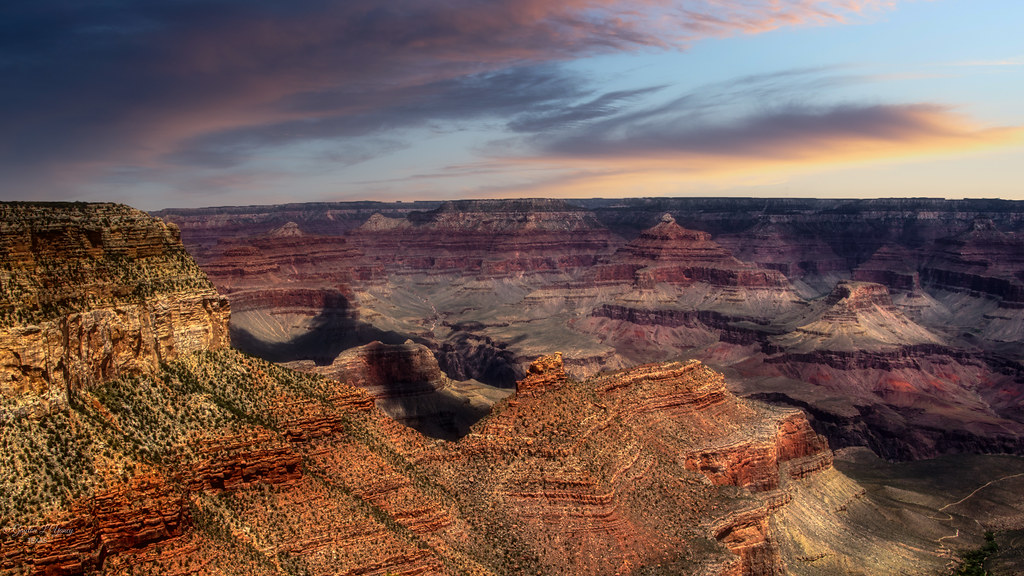
When you gaze into the Grand Canyon, you’re looking at one of the most photographed landscapes on Earth. Yet for all its fame, most visitors only skim the surface of what makes this place truly extraordinary. Sure, the views are spectacular from the rim, where millions gather each year. However, beneath those iconic vistas lies a world of geological mysteries that even seasoned travelers rarely encounter.
Think of the canyon as Earth’s autobiography, written in stone. Every layer tells a story, but some chapters are more surprising than others. While you might know about the Colorado River carving this massive chasm, there’s so much more happening in the shadows of those towering cliffs. From rocks that vanish into thin air to caves filled with ancient secrets, the Grand Canyon holds geological treasures that challenge everything you thought you knew about our planet. Let’s dive into seven wonders hidden in plain sight.
The Great Unconformity: Where a Billion Years Disappeared
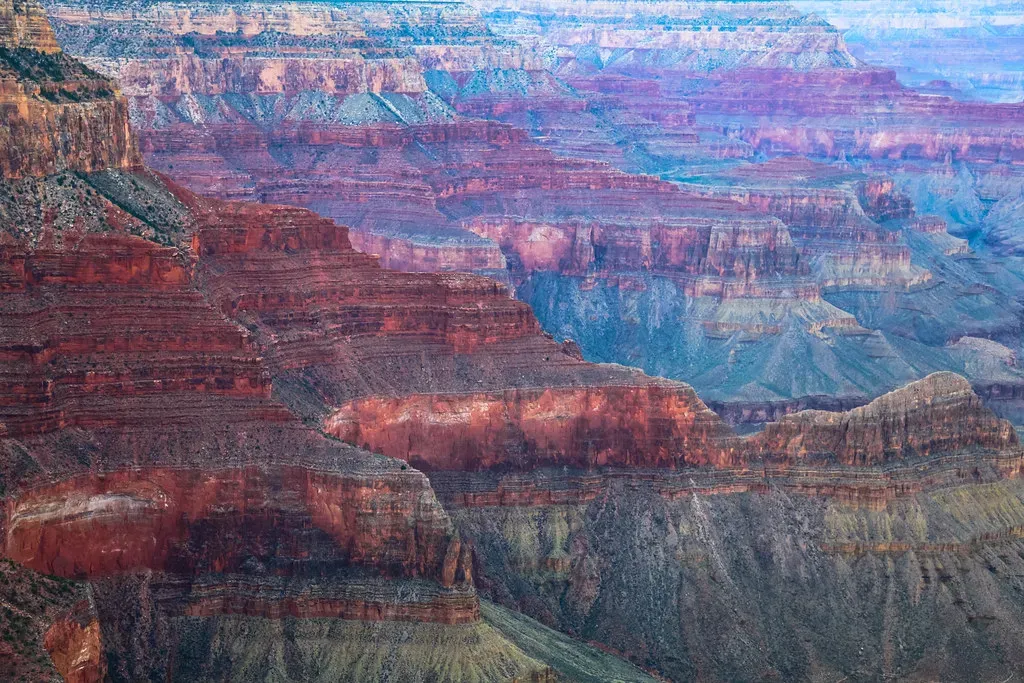
You can actually stand at spots in the Grand Canyon where 250 million year old rock strata lie directly against 1.2 billion year old rocks. Imagine flipping through a history book only to discover that hundreds of pages have been ripped out. That’s essentially what happened here.
Unconformities are gaps in the geologic record that occur when rocks or sediments are eroded away, and geologists think of them as missing pages in the book of the geologic record, providing information about changing ocean levels or changes in the Earth’s crust. What happened during the hundreds of millions of years between remains largely a mystery. Scientists continue debating whether massive erosion, ancient ice sheets, or tectonic upheaval caused this spectacular gap. Standing at the boundary between these ancient stones, you’re literally touching a geological crime scene where nearly a billion years of Earth’s history simply vanished.
Vishnu Schist: The Canyon’s Nearly Two Billion Year Old Foundation
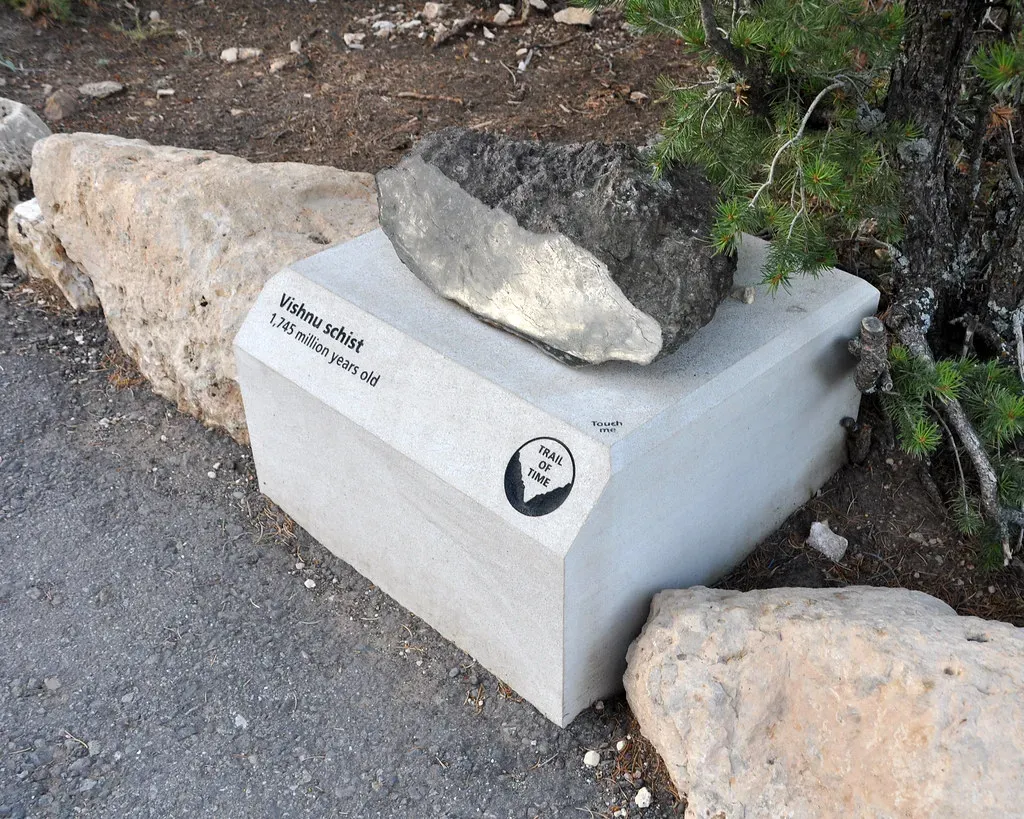
The dark black Vishnu Schist down at river level first appeared almost 2 billion years ago as lava exposed to the heat and pressure of colliding volcanic islands with the North American landmass. This isn’t just old rock. It’s a window into a version of Earth so ancient that it predates nearly all complex life.
Originally deposited mainly as sediments some 2 billion years ago, the layer was transformed into schist through heat and pressure around 1.7 billion years ago. The twisted, contorted patterns you see in this rock tell stories of unimaginable forces, of continental collisions and mountain building events that occurred when our planet looked nothing like it does today. The oldest rock in the Grand Canyon, known as the Elves Chasm Gneiss, is located deep in the canyon’s depths as part of the Vishnu Basement Rocks and comes in at an ancient 1.84 billion years old. To put that in perspective, when this rock formed, Earth didn’t even have an oxygen rich atmosphere yet.
Secret Caves Hiding Ice Age Mysteries
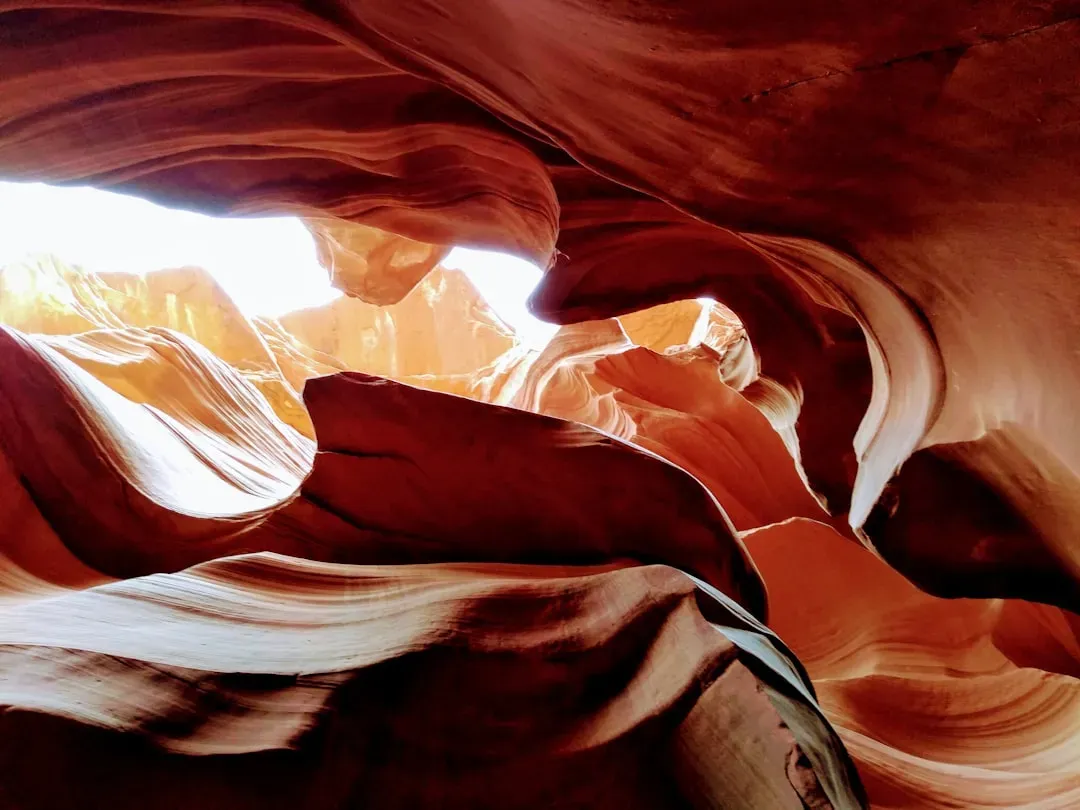
It is estimated that Grand Canyon may contain as many as 2,500 caves with several hundred caves having been documented. Most tourists never even realize they exist. Some researchers believe there are still undiscovered caves within the canyon, possibly containing fossils, ancient artifacts, or even species unknown to science.
Rampart Cave in Grand Canyon National Park once contained one of the most unusual fossil deposits found in North America: a blanket of dung produced by Shasta ground sloths. In 1933, researchers came upon tiny split twig animal effigies in the caves believed to date to around 4,095 years ago, and in 1936 archaeologist Mark Raymond Harrington and geologist Edward Schenk descended into Rampart Cave discovering a vast smattering of fossilized dung produced by the now extinct Shasta ground sloth. These caves preserve soft tissues, hair, and even skin from creatures that walked the canyon floor thousands of years ago. Currently, these caves are closed to the public, but they remain open for scientific research. It’s hard to say for sure, but these hidden chambers might still hold undiscovered clues about life during the Ice Age.
Coconino Sandstone: A Desert Frozen in Time
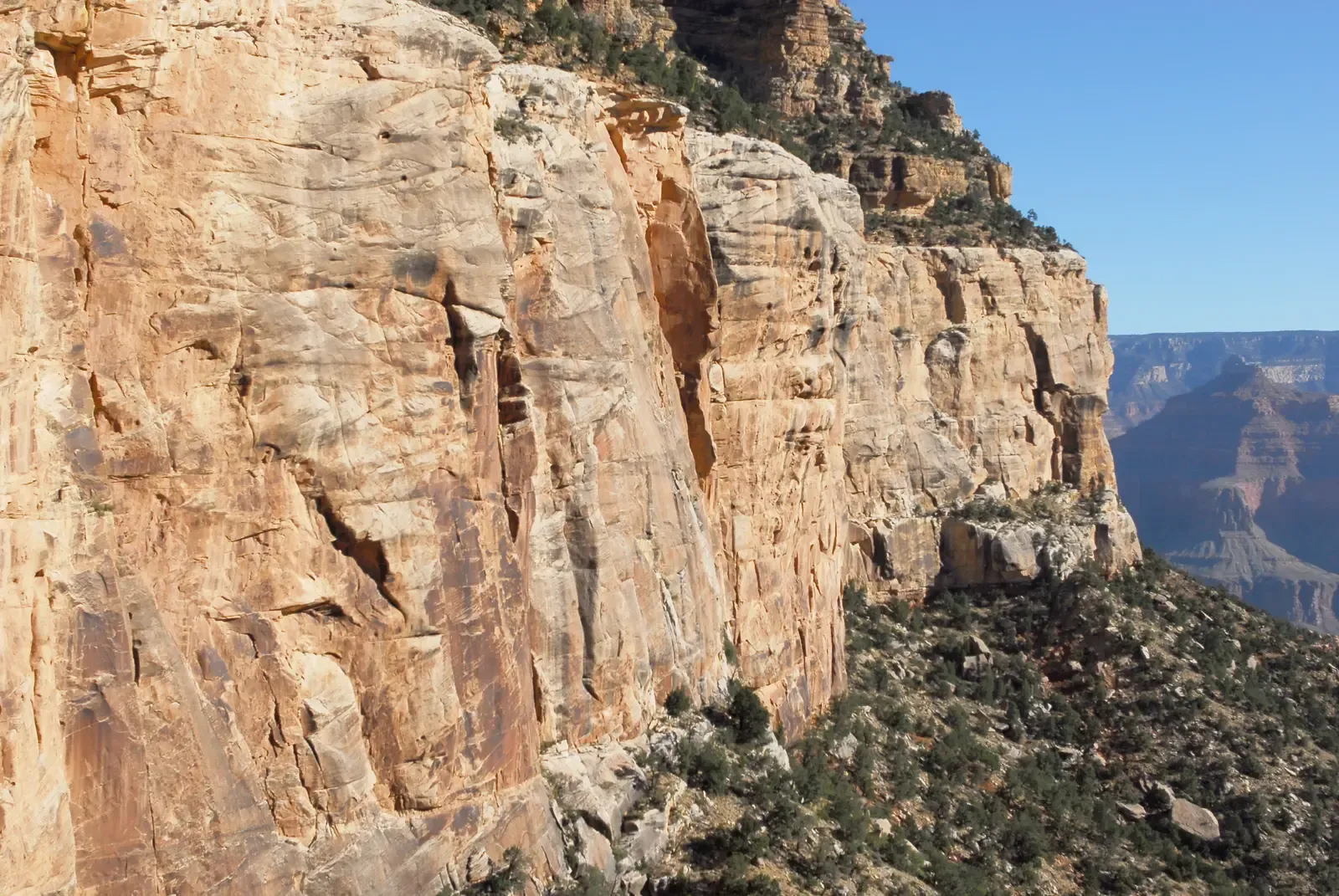
Coconino Sandstone formed about 275 million years ago as sand dunes made of quartz sand invaded a growing desert, and today it’s a 57 to 600 feet thick golden white to cream colored cliff former near the canyon’s rim. This isn’t just sandstone. It’s an entire ancient desert landscape preserved in stone.
Close to the rim of the Grand Canyon lies the Coconino Sandstone layer, which is the result of a vast sand dune covered landscape where it’s common to find reptile, scorpion, and spider tracks from when these critters were scurrying across the dunes 280 million years ago. Walking along the rim, you’re literally standing on what was once a Sahara like expanse. The cross bedding patterns visible in the cliffs show you the exact angle of ancient wind driven dunes. You can trace the footsteps of creatures that crossed this desert before dinosaurs even existed, their tracks immortalized in what was once soft, shifting sand.
The Phantom Ocean: When Arizona Was Underwater
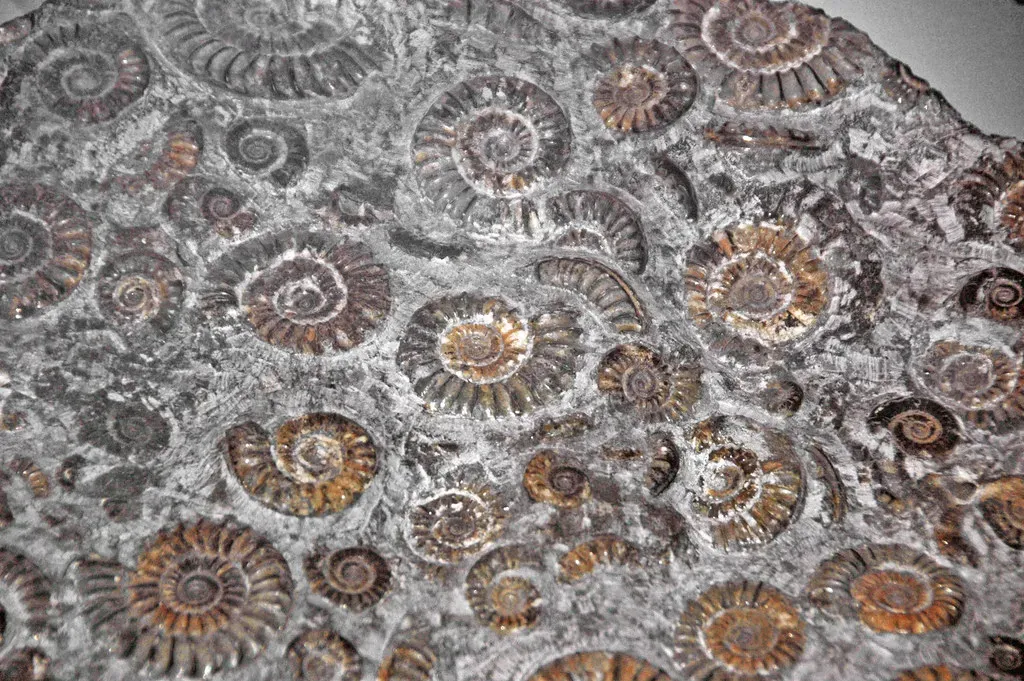
The oldest rocks in the bottom of the Grand Canyon are almost two billion years old, and if you count up the different layers of limestone there’s probably been eight to 10 different seas that have inundated the Grand Canyon region over those two billion years. Arizona underwater? It sounds crazy, but the evidence is everywhere.
The Paleozoic Strata contain many fossils that help scientists learn about the geologic history of North America, with most fossils being ocean dwelling creatures telling us that the area now in the middle of Arizona was once a sea. The Redwall Limestone was laid down in a retreating shallow tropical sea near the equator during 40 million years, with many fossilized crinoids, brachiopods, bryozoans, horn corals, nautiloids, and sponges along with other marine organisms. Picture standing on the South Rim knowing that directly beneath your feet, ancient seas rose and fell multiple times over millions of years. Each limestone layer represents a different chapter of this watery history, packed with the remains of creatures that would look utterly alien to us today.
The Living Canyon: Constant Change You Can’t See
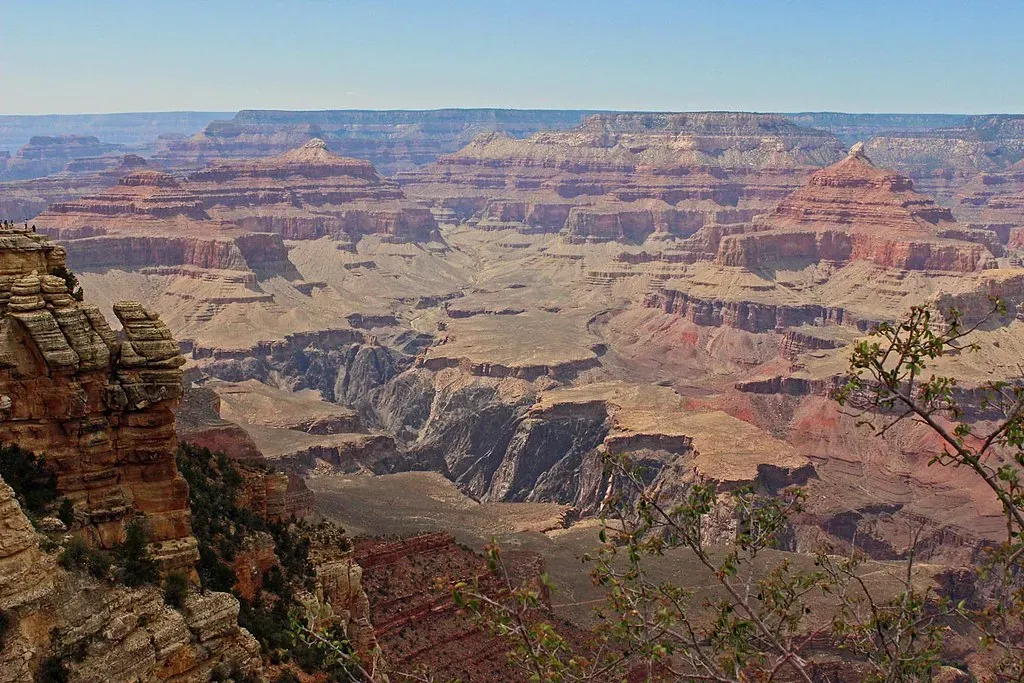
The Colorado River that flows through the Grand Canyon is partially responsible for the canyon’s shape, having eroded rocks over the last 5 to 6 million years through downcutting, widening and deepening the canyon. Here’s the thing though: it’s still happening right now.
According to the United States Geological Survey the canyon isn’t fully formed as long as there is water flowing because gushing waters continue to cause erosion, and the canyon isn’t getting deeper nearly as fast as it is getting wider. Every single day, the Colorado River carries away tons of sediment, imperceptibly reshaping this ancient landscape. Climate changes and erosion constantly reshape the canyon, revealing new rock formations and altering the landscape over time. The Grand Canyon you see today isn’t the same one your grandparents saw. It’s subtly different, carved just a bit deeper, widened by a few more inches. In geological terms, you’re watching a masterpiece being painted in real time.
Stromatolites: Earth’s Oldest Life Forms Preserved in Stone
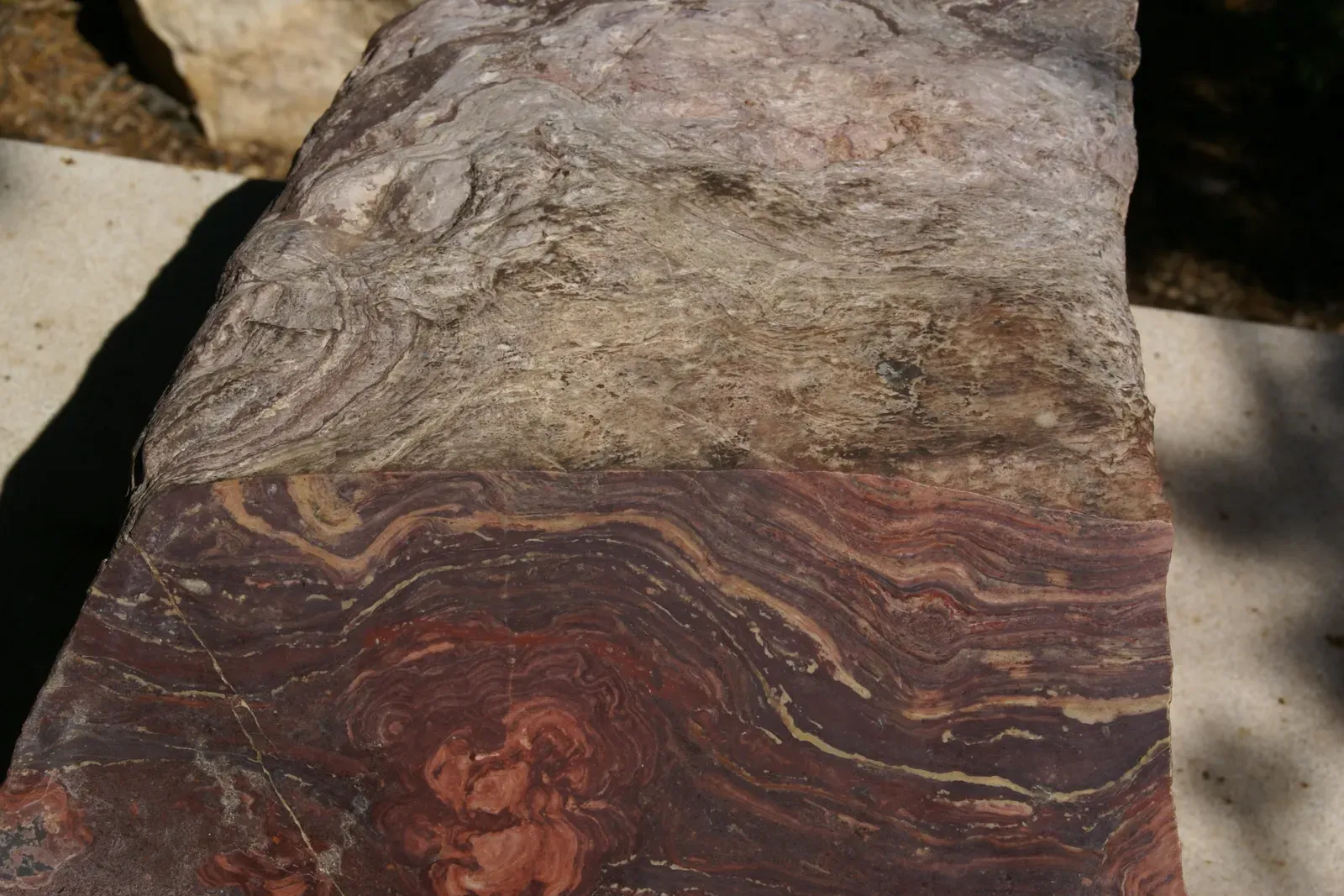
Stromatolites are the only fossils present in the Precambrian Grand Canyon Supergroup, with the oldest fossils in the park being stromatolites that were particularly abundant in the 1,255 million year old Bass Formation. These aren’t exactly glamorous fossils. No teeth, no bones, no dramatic shapes. Just layered mounds of ancient bacterial communities.
Yet these humble structures represent some of the earliest evidence of life on our planet. The few fossils present in the Grand Canyon Supergroup include stromatolites, columns of sediment formed by cyanobacteria, and their presence indicates that this area was previously a very shallow sea. These microscopic architects built reef like structures long before animals with shells or skeletons existed. When you spot these wavy, layered formations in the deeper parts of the canyon, you’re looking at organisms that helped create the oxygen rich atmosphere we breathe today. They’re geological celebrities hiding in plain sight, ancestors to every complex life form that followed.
Conclusion
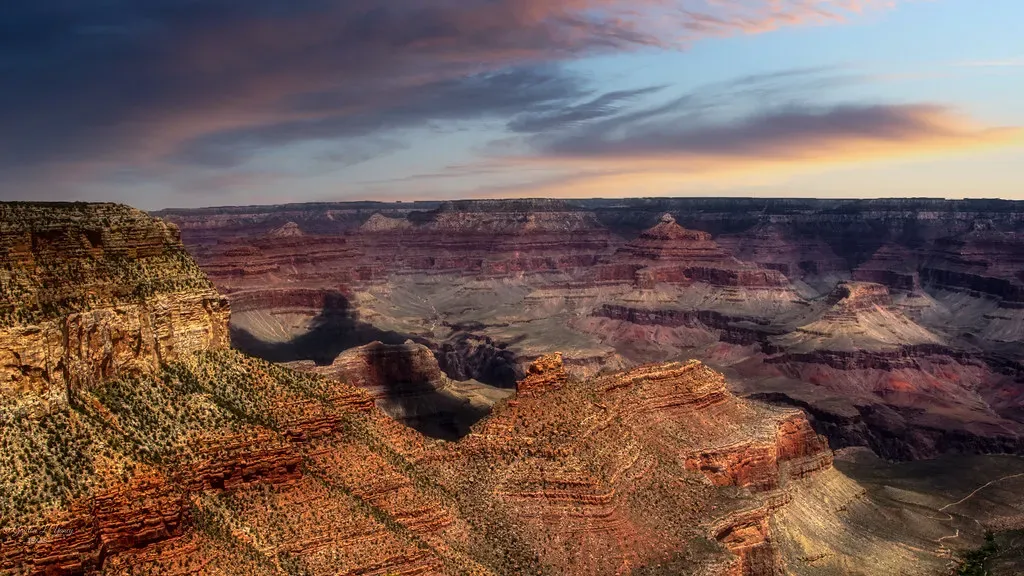
The Grand Canyon isn’t just a pretty face. Beneath those postcard perfect views lies a geological treasure chest that rewrites our understanding of Earth’s history. From vanishing rock layers to frozen deserts, from underwater worlds to living fossils, this landscape challenges us to think bigger about time, change, and the forces that shape our planet.
Next time you visit, look beyond the obvious. The real magic isn’t just in the sweeping vistas. It’s in the details, the layers, the stories written in stone that most people walk right past. Each geological wonder we’ve explored here reveals something profound about our planet’s past and its future. What other secrets do you think the Grand Canyon is still hiding? Maybe your next visit will be the one where you discover something that’s been there all along, waiting for someone to truly see it.