Every land animal you’ve ever seen, from a garden lizard to a galloping horse, owes its existence to a group of ancient fish that lived through one of the most extraordinary biological experiments in Earth’s history. Roughly four hundred million years ago, during a period scientists call the Devonian, certain fish began edging into shallower and shallower waters, and what happened next reshaped the entire living world.
The change from a body plan built for breathing and navigating in water to one enabling movement on land is one of the most profound evolutionary changes ever documented. It wasn’t a sudden leap, though. It was a slow, unsteady crawl across tens of millions of years, driven by environmental pressure, anatomical experiment, and sometimes pure chance.
The Devonian: A World Ready for Something New
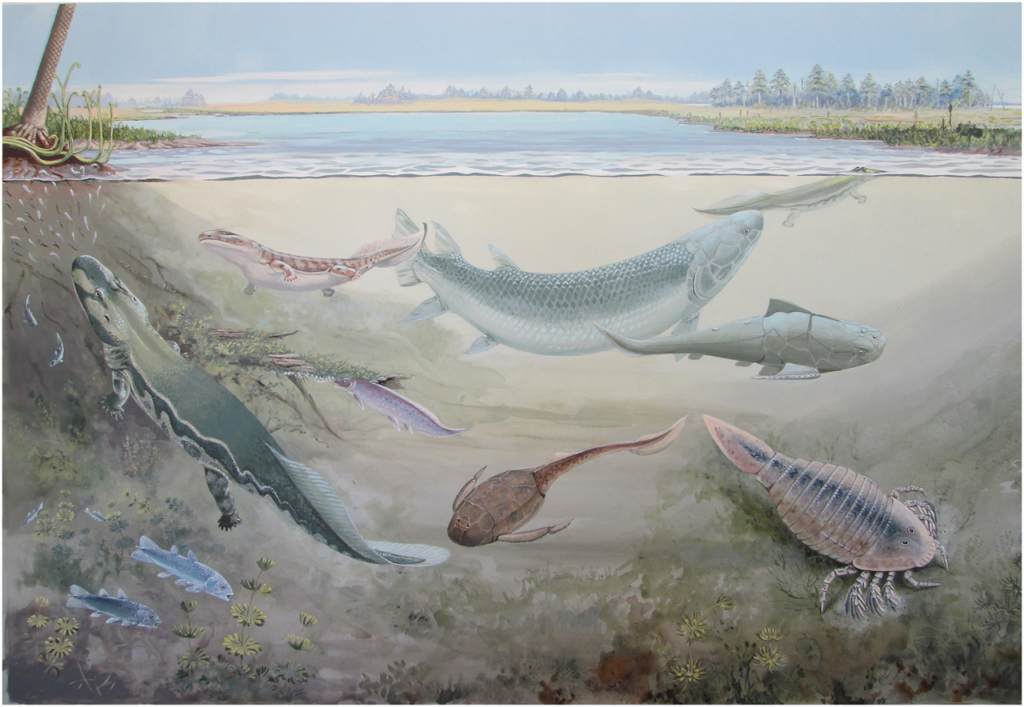
The Devonian period spanned around sixty million years and represented just over one percent of Earth’s geological history, yet it was a time of profound evolutionary change that fundamentally shaped the course of life on the planet. The oceans were teeming with life, but the land was not yet dominated by vertebrates. Plants and invertebrates had already established early terrestrial ecosystems, quietly building a world that would one day support walking creatures.
The transition from early lobe-finned fish to true tetrapods occurred during the Middle to Late Devonian. Plants and arthropods had already built early land-based ecosystems, and there were resources to exploit for intrepid vertebrates. The stage was set. Shallow coastal zones, river deltas, and oxygen-poor swamps created conditions where the ability to breathe air, even briefly, became a genuine survival advantage.
Meet the Lobe-Finned Fish: The Ancestors You Never Knew You Had
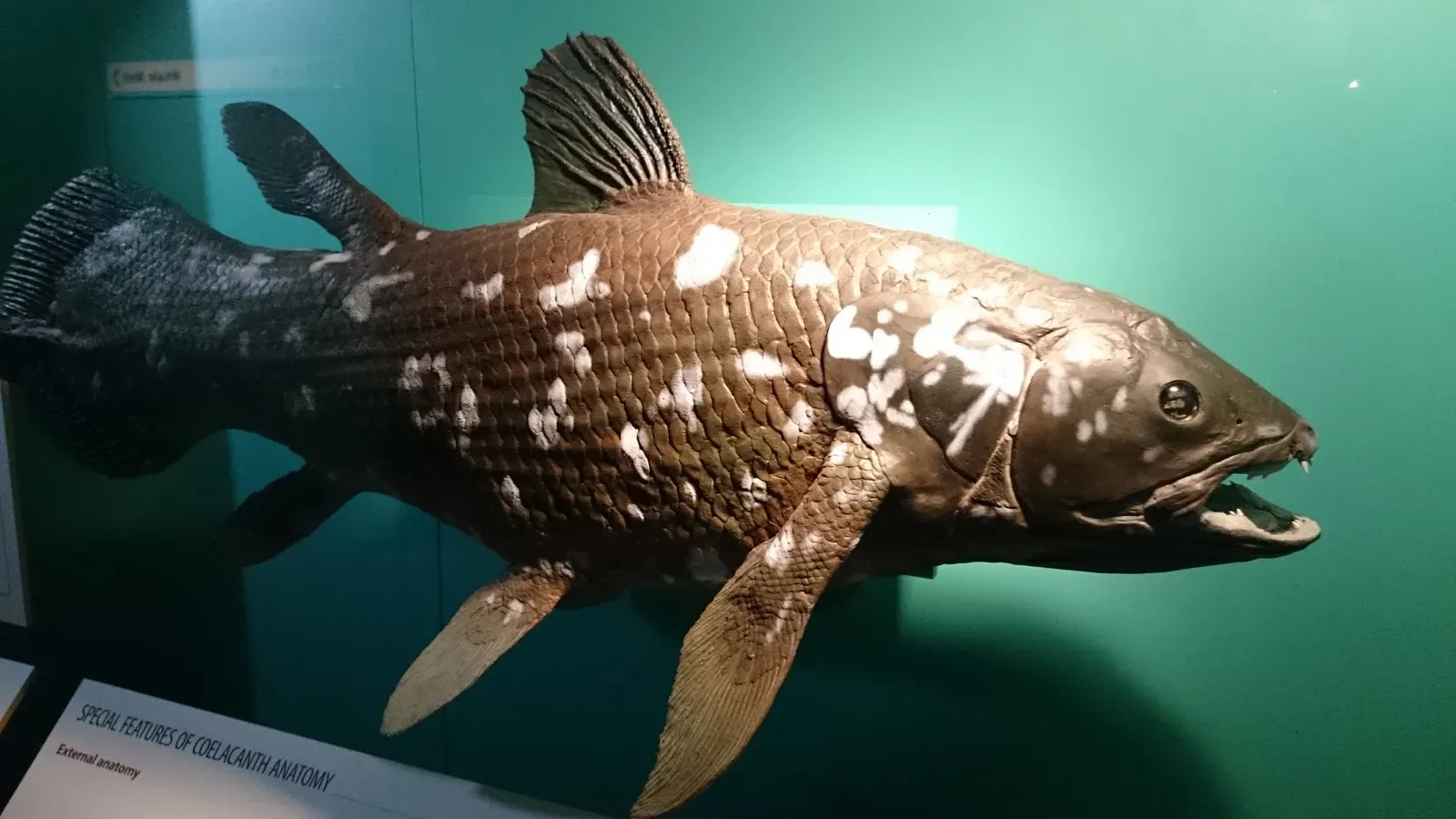
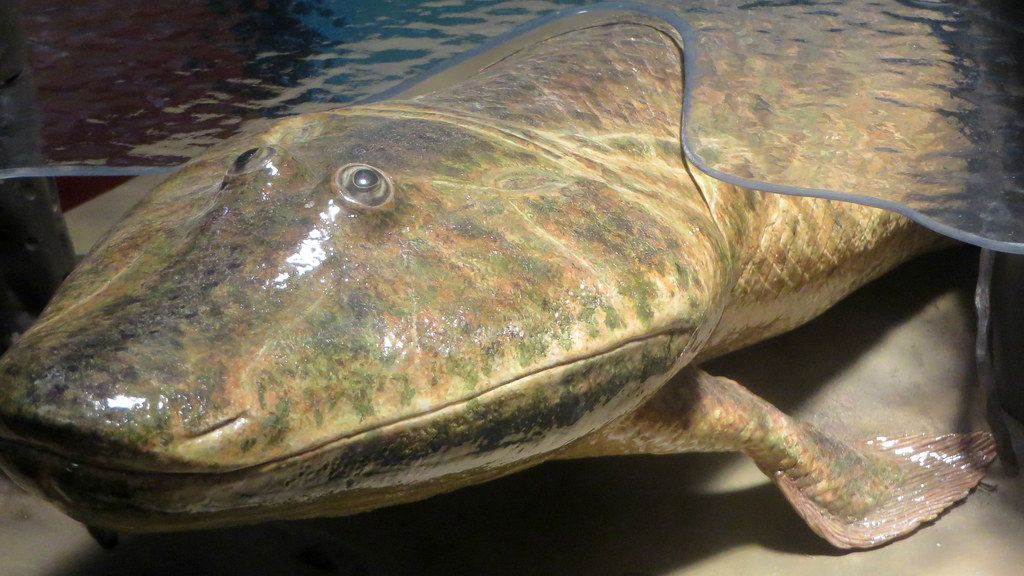
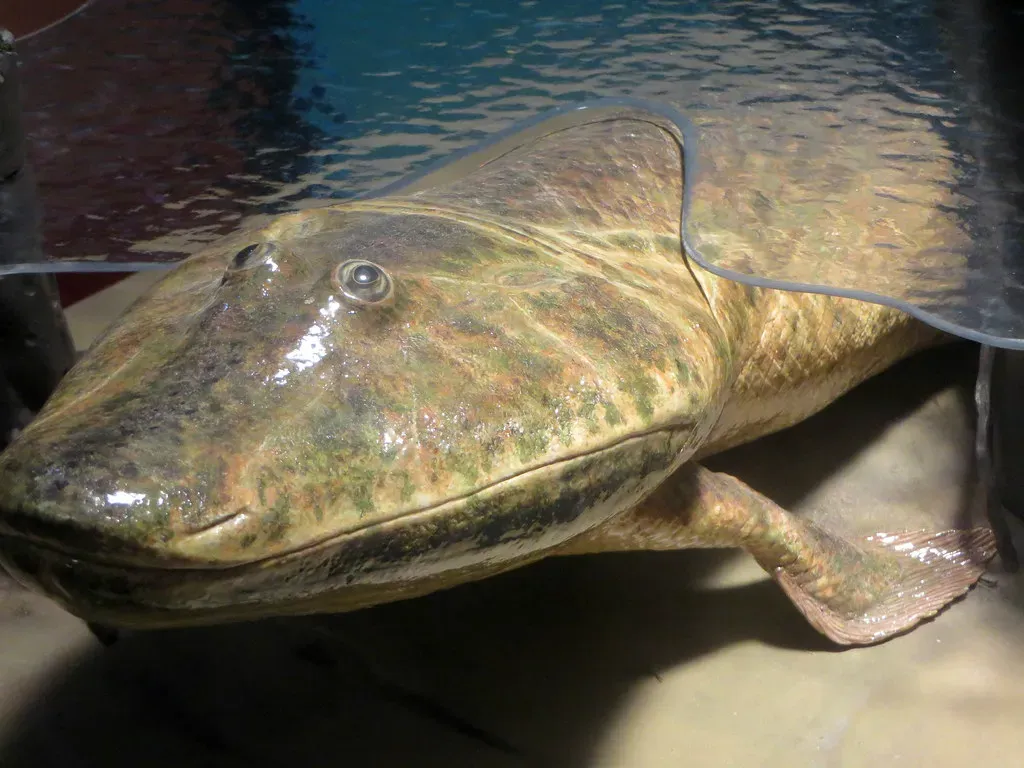
There is a group of bony fish known as the Sarcopterygii, or lobe-finned fish. These fish have fleshy fins with a single bone attaching the fin to the rest of the skeleton, evolutionarily comparable to your own humerus and femur. These fish first evolved by the Early Devonian, over four hundred million years ago, and they have three groups of living descendants: coelacanths, lungfish, and tetrapods.
Their paired pectoral and pelvic fins eventually evolved into limbs, and their foregut diverticulum evolved into air-breathing lungs. The living coelacanth, still found in deep ocean waters today, gives you a rough sense of what these ancient pioneers looked like. They were not typical streamlined fish. They were muscular, fleshy-finned, and surprisingly capable of moving in ways most fish could not.
Why Leave the Water? The Pressures That Pushed Fish Ashore
http://nsf.gov/news/mmg/mmg_disp.cfm?med_id=58310
http://nsf.gov/news/news_summ.jsp?cntn_id=106807
https://flickr.com/photos/nsf_beta/3705198718, Public domain)
Early ideas posited that drying-up pools of water stranded fish on land and that being out of water provided the selective pressure to evolve more limb-like appendages to walk back to the water. This “drying pond” hypothesis was popular for decades and it’s easy to picture. But the full story turned out to be considerably more complicated.
Research by Per Ahlberg and colleagues suggests that tides could have been a driving force for the evolution of tetrapods. The hypothesis proposes that as the tide retreated, fish became stranded in shallow water tidal-pool environments where they would be subjected to raised temperatures and low-oxygen conditions, and fish that developed efficient air-breathing organs and appendages adapted for land navigation would be selected. Food was also a factor. By shifting the location of the eyes to the top of the head, tetrapods were better adapted to peer out of water and look for food on land, and to explore new food resources not available to their fish relatives. Those changes may have been critical during that timeframe.
Breathing Above Water: The Lung as an Ancient Invention
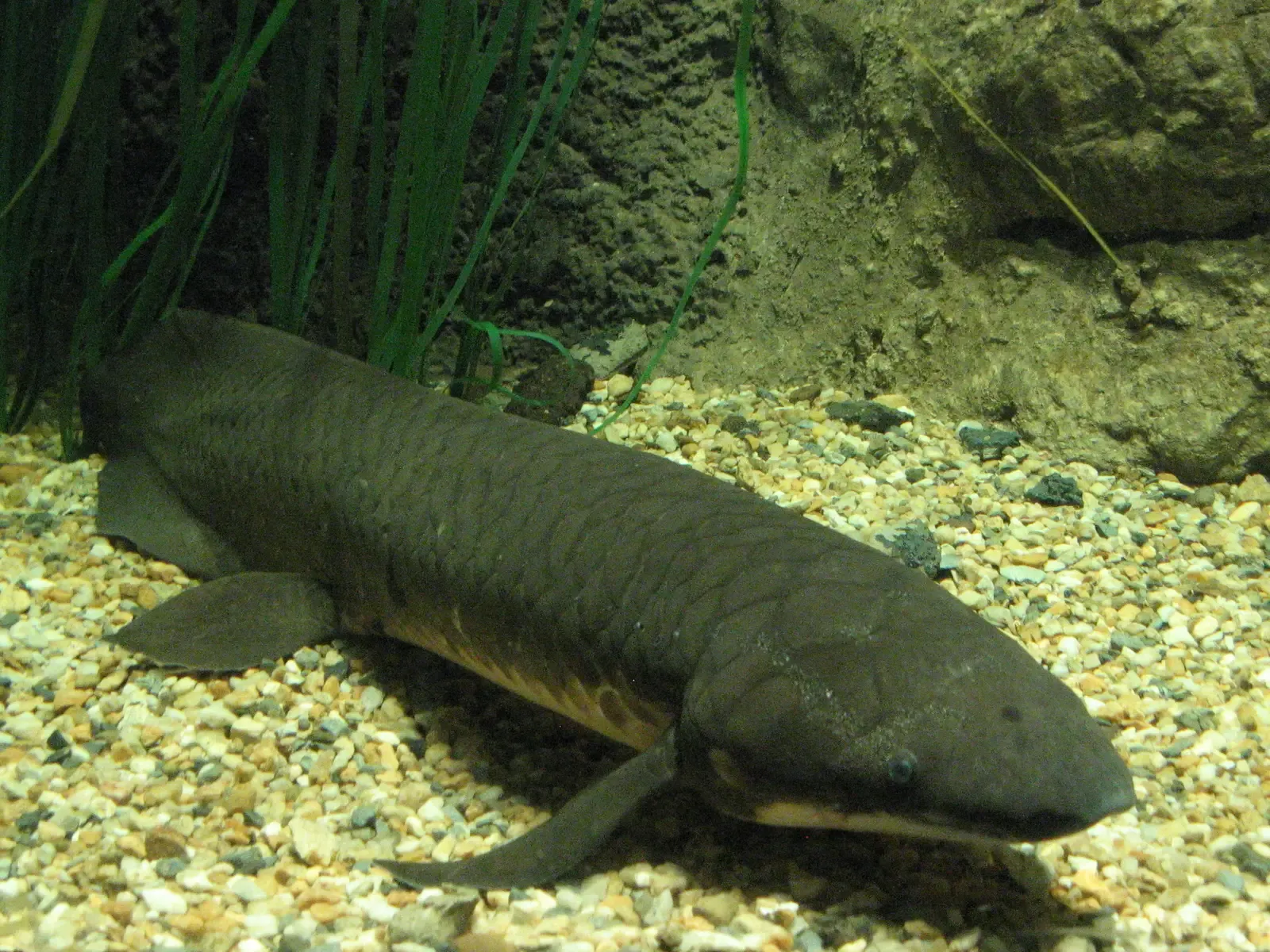
A crucial evolutionary change in vertebrate history was the Palaeozoic water-to-land transition, made possible by key morphological and physiological modifications including the acquisition of lungs. What’s remarkable is that lungs were not invented for land life. They appear to have had much earlier aquatic origins, likely evolving first as supplementary air-breathing structures in oxygen-depleted swamps.
Some fish had developed primitive lungs that helped them breathe air when the stagnant pools of the Devonian swamps were low in oxygen. They could also use their strong fins to hoist themselves out of the water and onto dry land if circumstances required. Lungfish are best known for their innovative respiratory system, including the ability to breathe air, and they represent the closest living relatives of the tetrapods. The lungs you use to breathe right now are, in a real sense, a very old inheritance from muddy Devonian riverbanks.
Tiktaalik: The Fossil That Changed Everything
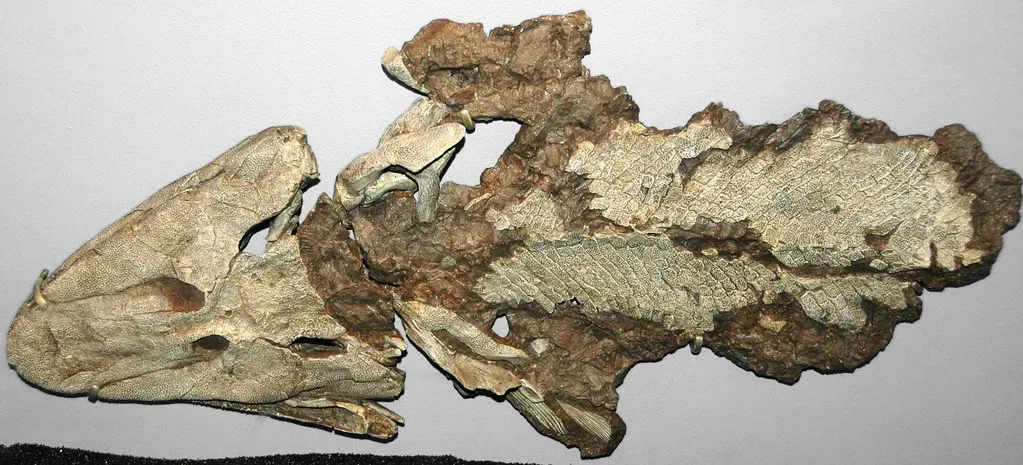
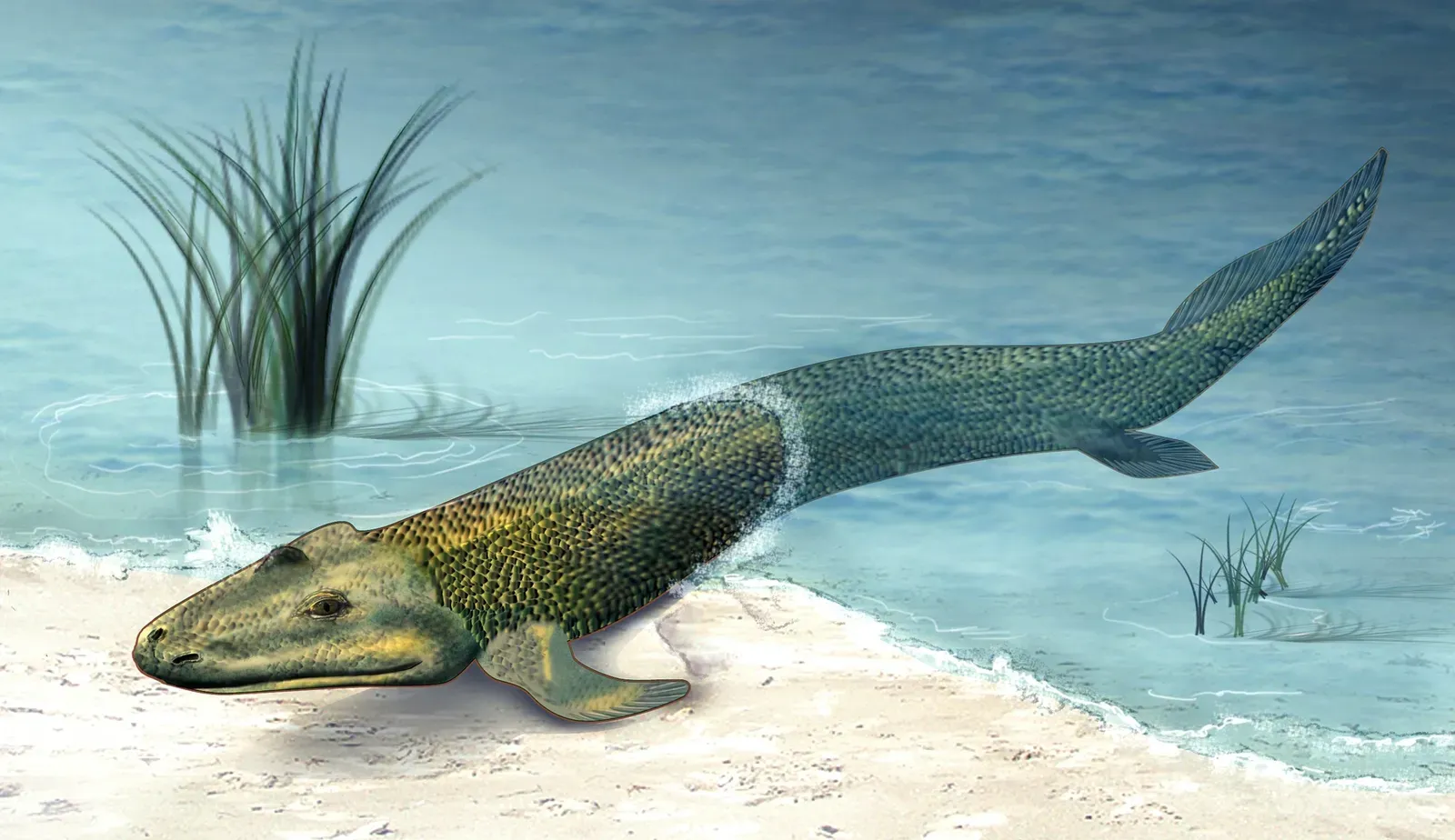
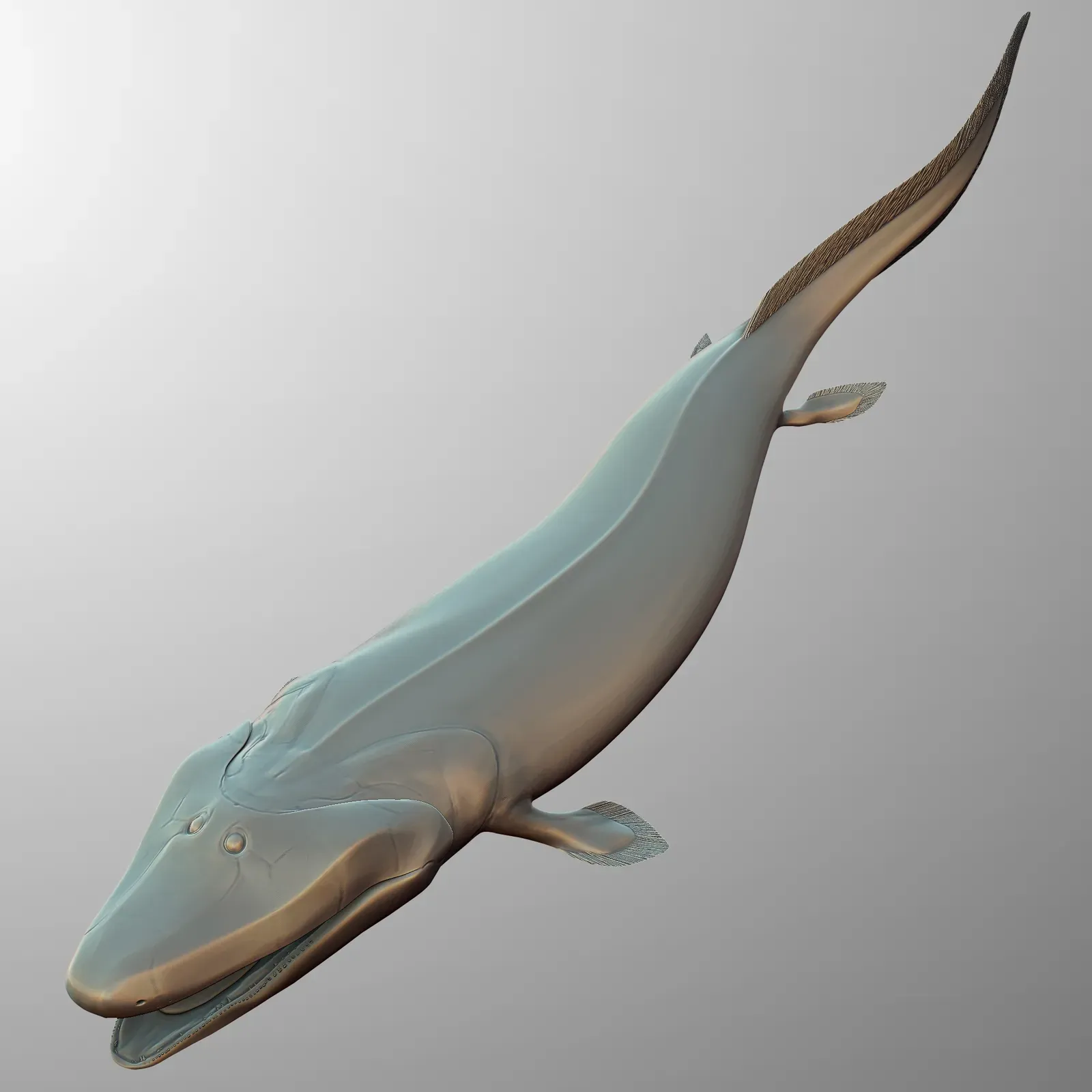
Tiktaalik roseae is a three hundred and seventy-five million year old fossil fish that was discovered in the Canadian Arctic in 2004. Its discovery sheds light on a pivotal point in the history of life on Earth: when the very first fish ventured out onto land. Few fossil finds in modern paleontology have generated as much excitement, and the reason is simple: this creature looked like evolution caught mid-stride.
Tiktaalik roseae had gills, scales and fins, but also a mobile neck, robust ribcage and primitive lungs. In particular, its large forefins had shoulders, elbows and partial wrists, which allowed it to support itself on solid ground. The fossilized pelvis and pelvic fin of Tiktaalik reveal that the evolution of hind legs actually began as enhanced hind fins. This challenges existing theory that large, mobile hind appendages were developed only after vertebrates transitioned to land. You could think of Tiktaalik as the creature that started doing push-ups before it even knew what dry land was.
Acanthostega and Ichthyostega: The First Limbed Creatures
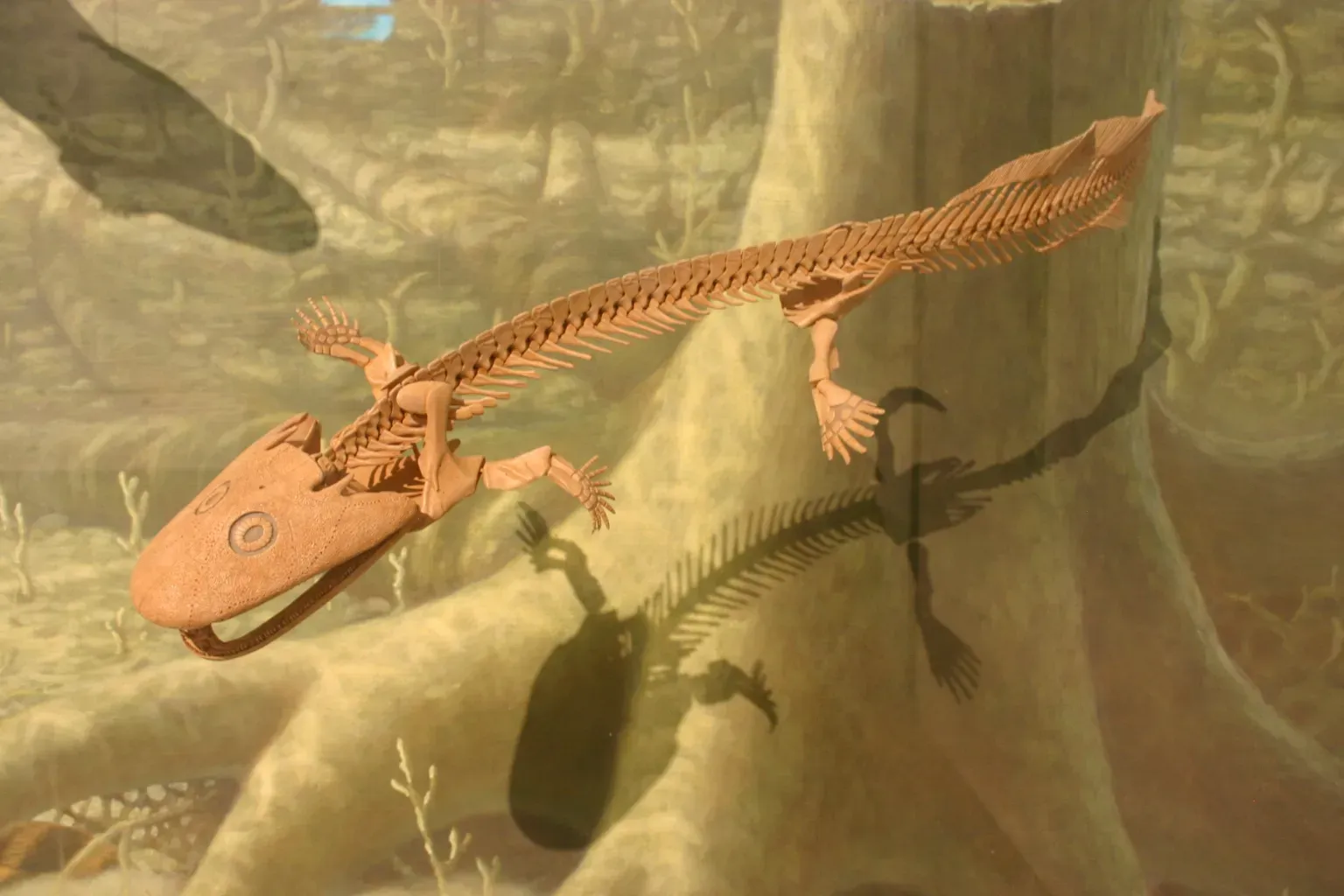
Acanthostega is an extinct genus of stem-tetrapod, among the first vertebrate animals to have recognizable limbs. It appeared in the late Devonian period about three hundred and sixty-five million years ago, and was anatomically intermediate between lobe-finned fishes and those that were able to come onto land. Strangely, its limbs appear to have evolved primarily for underwater use. The sixty-centimeter Acanthostega had eight digits on each hand linked by webbing, lacked wrists, and was generally poorly adapted for walking on land.
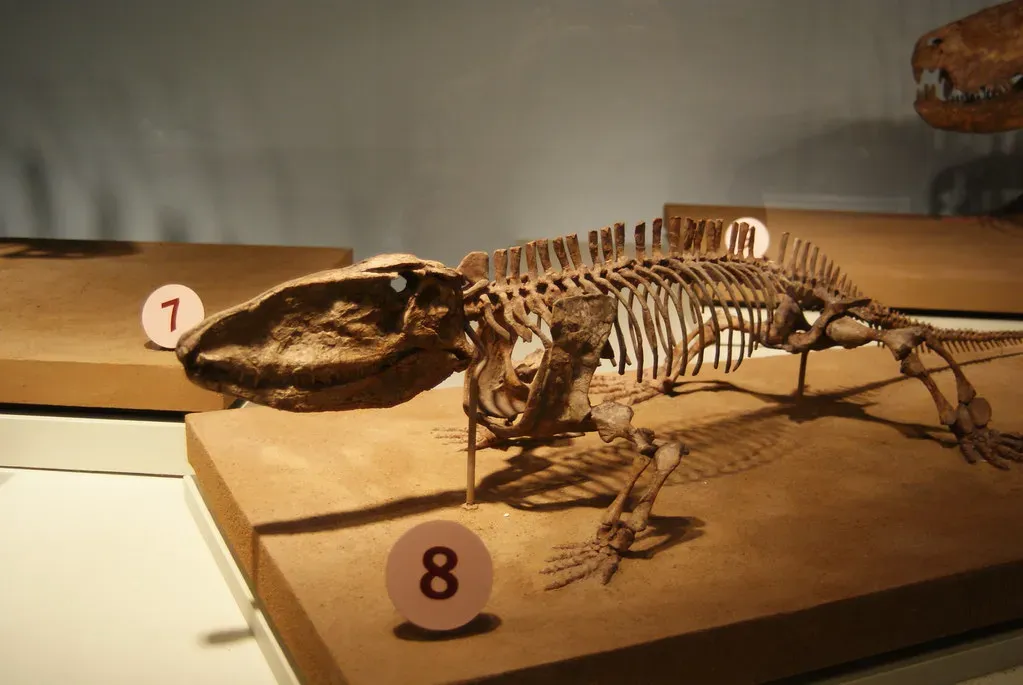
Ichthyostega is an extinct genus of limbed tetrapodomorphs from the Late Devonian of what is now Greenland. It was among the earliest four-limbed vertebrates ever in the fossil record and was one of the first with weight-bearing adaptations for terrestrial locomotion. Its massive ribcage was made up of overlapping ribs and the animal possessed a stronger skeletal structure, a largely fishlike spine, and forelimbs apparently powerful enough to pull the body from the water. These two animals represent the messy, experimental nature of evolution: not a clean line from sea to shore, but a broad, testing period of mixed-up anatomies and environments.
The Body Rebuilt: Skulls, Spines, and the Shift to Standing
Researchers found that all parts of the tetrapod skeleton were under strong directional selection to evolve new adaptive features, but that the skull and jaws were evolving faster than the rest of the body, including the limbs. This suggests that changes in the skull had a stronger role in the initial stages of the fish-to-tetrapod transition than changes in the rest of the skeleton. This makes sense when you think about it. Finding and catching food on land required entirely new head mechanics.
As lineages moved into shallower water and onto land, the vertebral column gradually evolved as well. On land, a quadruped with a backbone between forelimbs and hindlimbs faces the same problems as a bridge designer: sag. As the fleshy-finned organisms began to venture onto land, they evolved a series of interlocking articulations on each vertebra, which helped them overcome sag and hold the backbone straight with minimal muscular effort. Even your own spine, quietly holding you upright as you read this, carries the mechanical solution that was first worked out in a Devonian swamp.
Romer’s Gap and What Happened After the Devonian
Until the 1990s, there was a thirty-million-year gap in the fossil record between the late Devonian tetrapods and the reappearance of tetrapod fossils in recognizable mid-Carboniferous amphibian lineages. It was referred to as “Romer’s Gap,” covering the period from about three hundred and sixty to three hundred and forty-five million years ago, after the paleontologist who recognized it. The absence of fossils from this stretch of time frustrated researchers for generations.
During this gap, tetrapod backbones developed, as did limbs with digits and other adaptations for terrestrial life. Ears, skulls, and vertebral columns all underwent changes too. The number of digits on hands and feet became standardized at five, as lineages with more digits died out. Shortly after the origin of tetrapods, a mass extinction at the end of the Devonian wiped out most species of marine animals, including several of the closest fish relatives to tetrapods. By being able to explore additional food resources on land, perhaps that provided tetrapods with a key advantage over their fish relatives, allowing them to survive across that mass extinction.
Conclusion: A Journey Written in Your Bones
What makes this story so remarkable is not just the scale of the transformation, but where it leads. Over the ensuing three hundred and fifty million years or so, these so-called tetrapods gradually evolved from their aquatic ancestry into walking terrestrial vertebrates, and these have dominated the land since their own explosive radiation allowed them to colonize and exploit the land. The tetrapods, with their limbs, fingers, and toes, include humans, so this distant Devonian event is profoundly significant for humans as well as for the planet.
Looking at the limbs of Tiktaalik, you can see bones that look like the bones in the limbs of alligators, cats, horses, and us. Every time you stretch your arm, flex your wrist, or take a step, you’re carrying forward a structural blueprint first drafted in the shallow waters of the ancient Devonian world. The fish didn’t just conquer land. In a very real sense, they built everything that came after.