There is something almost humbling about realizing that the living world you walk through every single day has deep, ancient roots stretching back hundreds of millions of years. The forests, the oceans, the food chains linking predator to prey – none of it arrived from nowhere. It all carries the fingerprints of worlds that existed long before humans ever drew breath.
Scientists have spent decades carefully peeling back the layers of Earth’s past, and what they keep finding is both staggering and deeply instructive. Prehistoric ecosystems were not simply a primitive warm-up act before the modern world took the stage. They were rich, complex, and surprisingly relevant to the challenges science faces today. So let’s dive into how the grandeur of those ancient worlds continues to shape the cutting edge of modern research.
When the World Was Unrecognizable – and Yet Strangely Familiar

Here’s the thing: if you could somehow teleport yourself back to the Cambrian period, roughly 500 million years ago, you would not recognize a single creature around you. The seas would be filled with bizarre, alien-looking organisms, and the continents would be barren slabs of rock. Strange does not even begin to cover it.
Yet scientists have found something remarkable beneath all that strangeness. The ecology of Cambrian communities was remarkably modern, with networks of feeding relationships among marine species that lived hundreds of millions of years ago being remarkably similar to those of today. Honestly, that blows my mind every time I think about it. Think of it like discovering that the blueprint for a skyscraper was drawn up by someone who lived in a cave – the materials are unrecognizable, but the structural logic is the same.
Similarities between half-billion-year-old and recent food webs point to deep principles underpinning the structure of ecological relationships, with analyses suggesting that most aspects of the trophic structure of modern ecosystems were in place over half a billion years ago. That is not just an interesting trivia point. It tells scientists that the rules governing how ecosystems function are ancient, durable, and almost universal.
Reading Earth’s Biography Through the Fossil Record
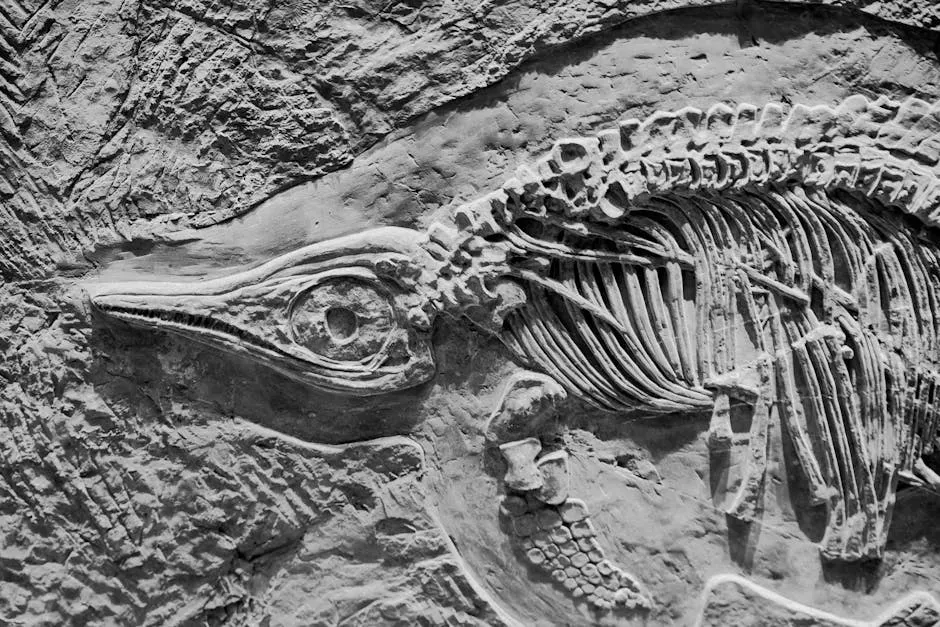
Paleoecology is a specialized field that merges ecology and paleontology to explore the relationships between extinct organisms and the environments they inhabited, with scientists reconstructing ancient ecosystems and assessing how environmental changes influenced the evolution of life on Earth. Think of the fossil record as a biography of the entire planet – incomplete in places, smudged in others, but filled with astonishing stories if you know how to read it.
Ancient ecosystems are intricate networks of organisms and their environments that existed millions of years ago, providing insights into Earth’s biological and geological history, and studying these ancient systems helps us understand evolutionary processes, climate changes, and extinction events that shaped the modern world. Every fossil is a data point. Every preserved leaf impression, every ancient reef structure, every petrified bone is a page in that biography. Scientists today are reading faster than ever before.
Paleontologists have the sweep of the entire fossil record to examine the ebb and flow of biodiversity in relation to climate and environmental change, which can be adapted to understand resiliency in Earth’s biota. That sweeping perspective is something no modern ecological study alone could ever provide. It’s the difference between watching a river for one afternoon versus studying its entire 10,000-year history of flooding and drought.
Ancient Food Webs and the Secrets They Hold for Modern Ecology
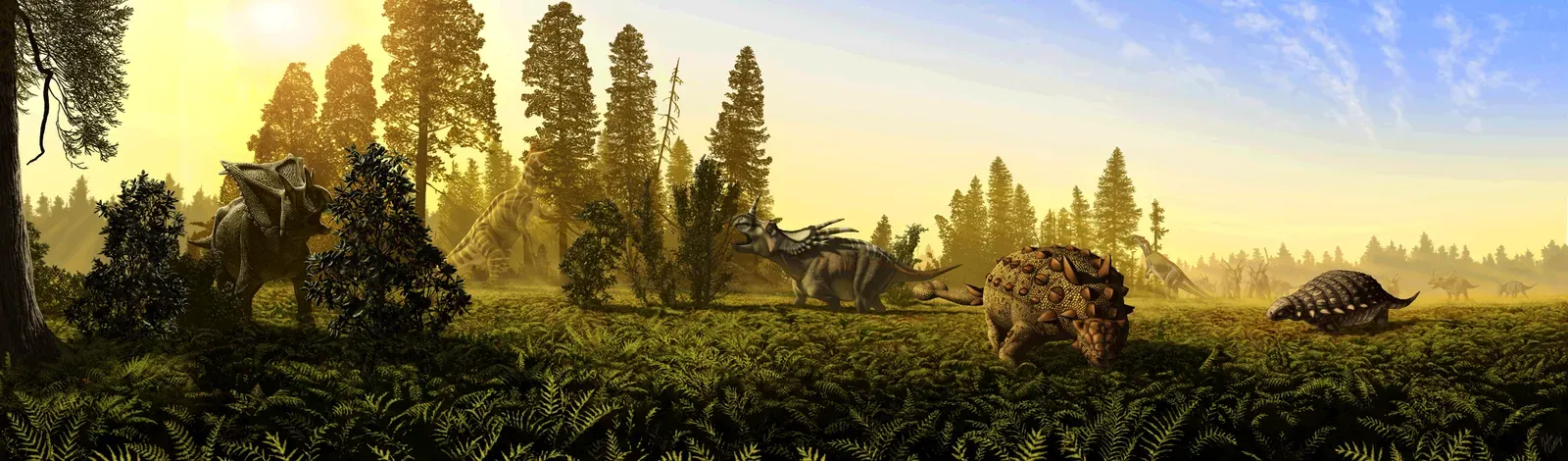
In studying food webs, how animals and plants in a community are connected through their dietary preferences, ecologists can piece together how energy flows through an ecosystem and how stable it is to climate change and other disturbances, with studying ancient food webs helping scientists reconstruct communities of species and use those insights to figure out how modern-day communities might change in the future. That last part is crucial. You are not just learning history. You are learning survival strategy for the future.
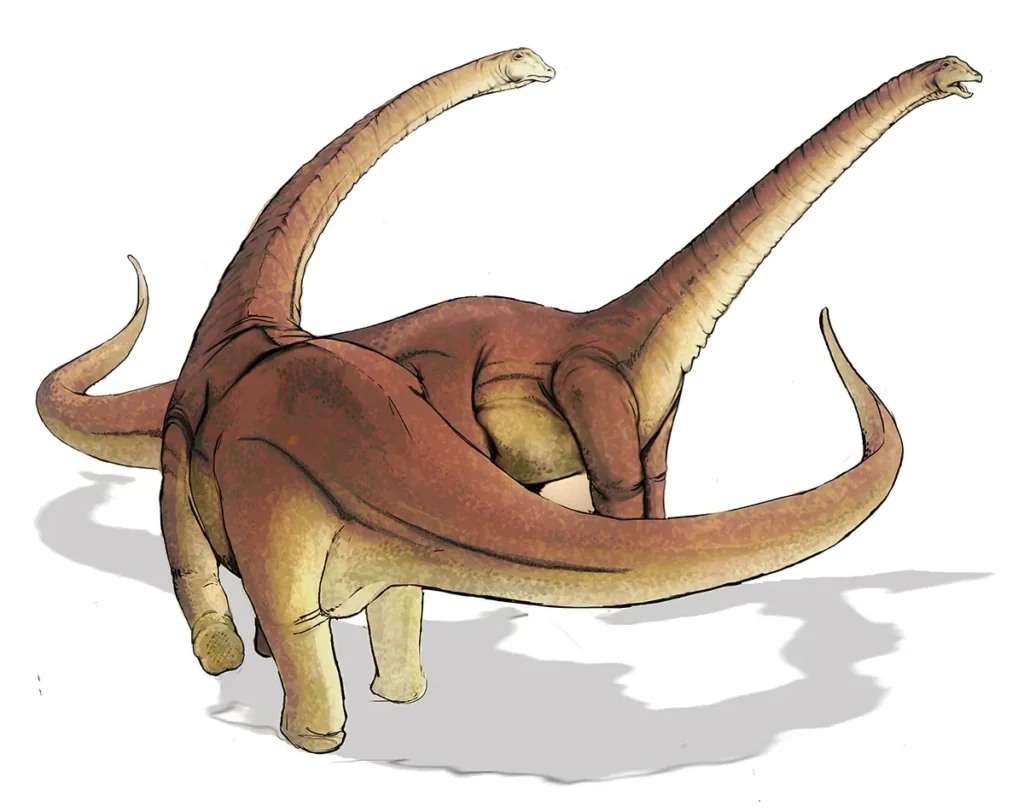
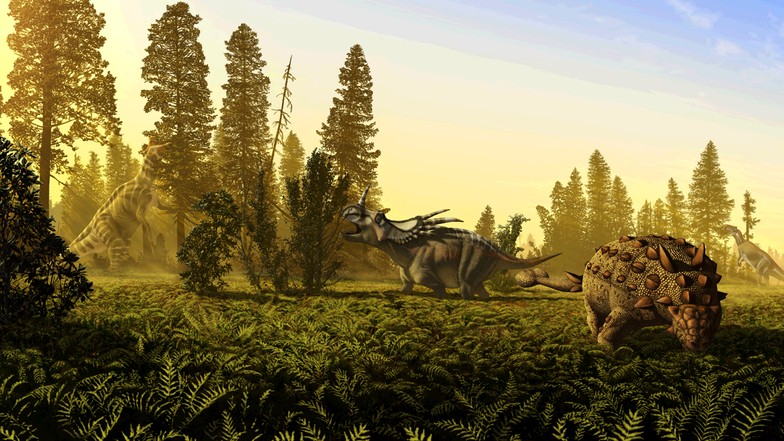
The first dinosaurs appear in the fossil record some 230 million years ago, but by the start of the Jurassic period, 200 million years ago, they had risen to dominate ancient ecosystems. Researchers reconstructed ancient food webs using fossilized remains of digestive material, and from this were able to estimate changes in ecology, size, and abundance of vertebrates, suggesting that increased volcanic activity and climate change might have facilitated a more diverse range of plants to feed on, which drove diversification among herbivorous dinosaurs. It is hard to say for sure, but understanding how ancient food chains responded to catastrophic environmental upheaval feels like exactly the kind of knowledge modern ecologists desperately need right now.
Climate Change Is Not New – And Prehistoric Ecosystems Prove It

Let’s be real: climate change feels like a uniquely modern crisis. The headlines, the data, the melting glaciers. However, Earth has been through radical climate swings before, and the ecosystems of the prehistoric past navigated them – sometimes successfully, sometimes catastrophically. Either way, the record they left behind is scientific gold.
Using tools such as precisely dated fossil records, genome-scale ancient DNA, and sophisticated predictive modeling, researchers reconstructed prehistoric species distributions and climate conditions and deduced how ancient ecosystems responded to past climate change, finding that individual organisms responded variably and independently to climate shifts, resulting in landscapes with shifted biome boundaries and novel species assemblages, which further altered the structure and function of ecosystems as new communities had different patterns of geochemical cycles, primary productivity, and fire regimes.
Insights from paleo-records can further be used to predict the responses of modern species to current and future climate shifts, which researchers hope will help inform better conservation and management practices across the world. You could think of prehistoric ecosystems as stress-test simulations that the planet already ran, and scientists are now reverse-engineering the results to prepare for what comes next.
Conservation Paleobiology: Where the Deep Past Meets Urgent Present
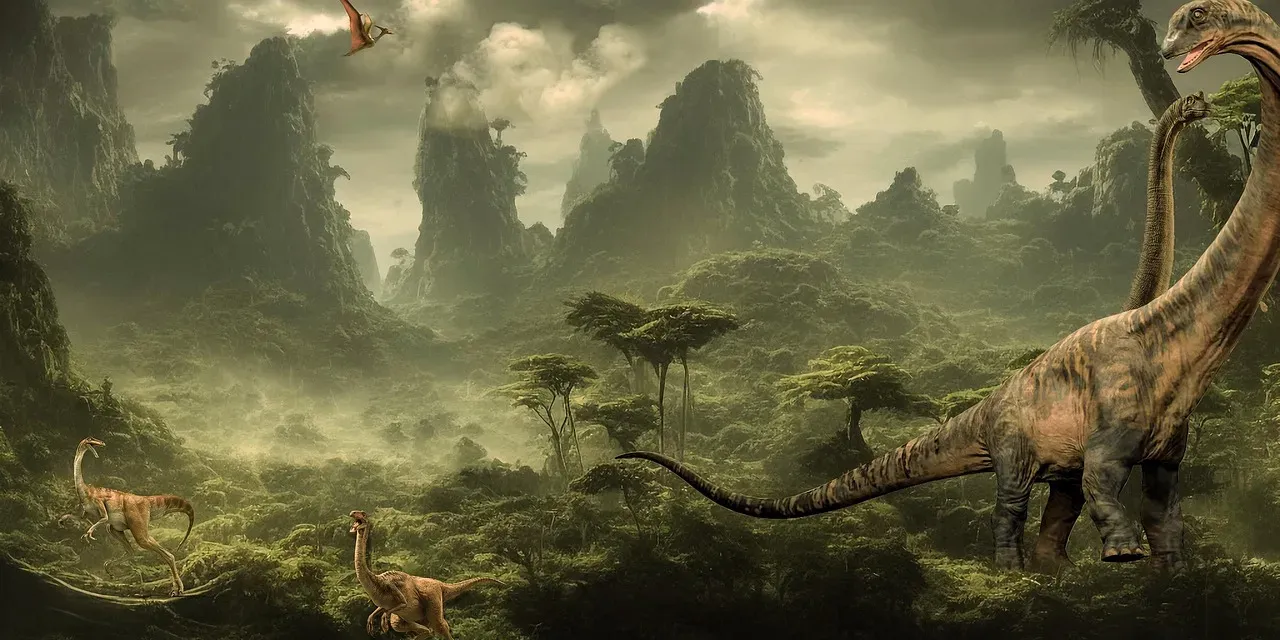
Conservation paleobiology contributes a temporal scope and historical perspective lacking from the relatively short time spans covered by modern ecological studies, progressively in demand in the face of changing climate and environmental degradation. This is a relatively young scientific discipline, but its impact is growing fast. It is the science of using ancient records to answer present-day conservation questions, and it works remarkably well.
Fossil deposits verified that the area proposed in 1995 for the reintroduction of the gray wolf had indeed harbored wolves for more than 3,000 years, that a principal prey species, elk, used the area for calving thousands of years ago as they still do today, and that almost all of the mammal species that had occupied the region for millennia are still present. That kind of prehistoric verification was vital for one of modern conservation’s most celebrated success stories. Without peering into the past, scientists could never have been certain the reintroduction was ecologically justified.
If there is one thing research into ancient ecosystems has demonstrated, it is that every layer of an ecosystem is important, and those layers all need to be considered in conservation. You cannot simply focus on the big, dramatic apex predators and call it a day. The entire supporting structure matters, and prehistoric ecosystems show you exactly how those structures were built.
Molecular Science Unlocking the Chemistry of Prehistoric Life
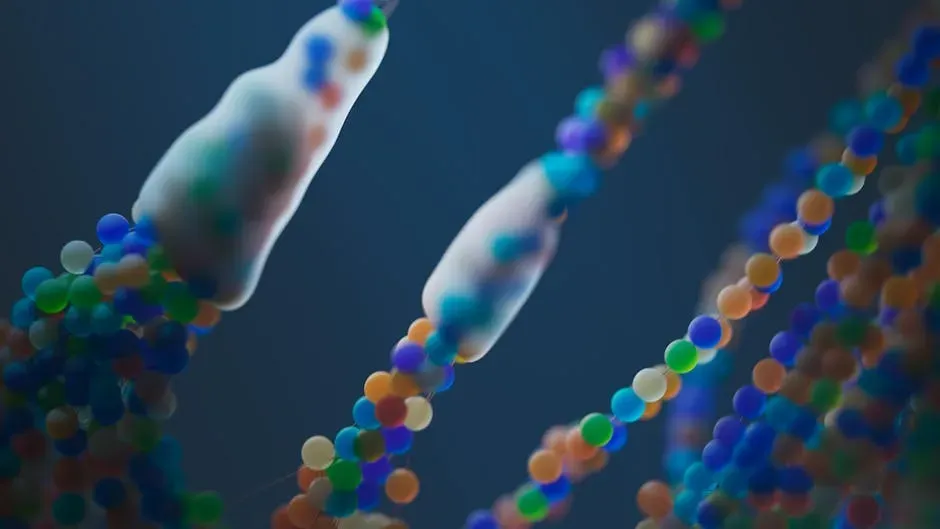
Here is where science starts to feel genuinely science-fictional. Modern researchers are no longer limited to studying bones and impressions. They are extracting actual biological molecules from ancient remains, and the results are rewriting what we thought was possible.
Scientists extracted and sequenced ancient RNA from 39,000-year-old woolly mammoth tissues in 2025, marking one of the first successful recoveries of gene-expression material from deep time, since RNA reveals physiology, gene regulation, and cellular activity that DNA alone cannot show. That is not science fiction. That is science fact, achieved within the last couple of years. The molecules of prehistoric life are speaking to us, and the conversation is only just beginning.
Advanced chemical imaging provides the ability to identify and quantify chemical characteristics to evaluate original biological structures, while molecular methods such as molecular clock, DNA barcode, racemization dating, and biomarkers offer a unique source of information and provide robust clues into the co-evolution of life in modern and past environments. The deeper scientists dig, the more they realize that prehistoric ecosystems were not just physically grand. They were biochemically extraordinary, too.
Ancient Forests as Climate Archives for Tomorrow’s Science
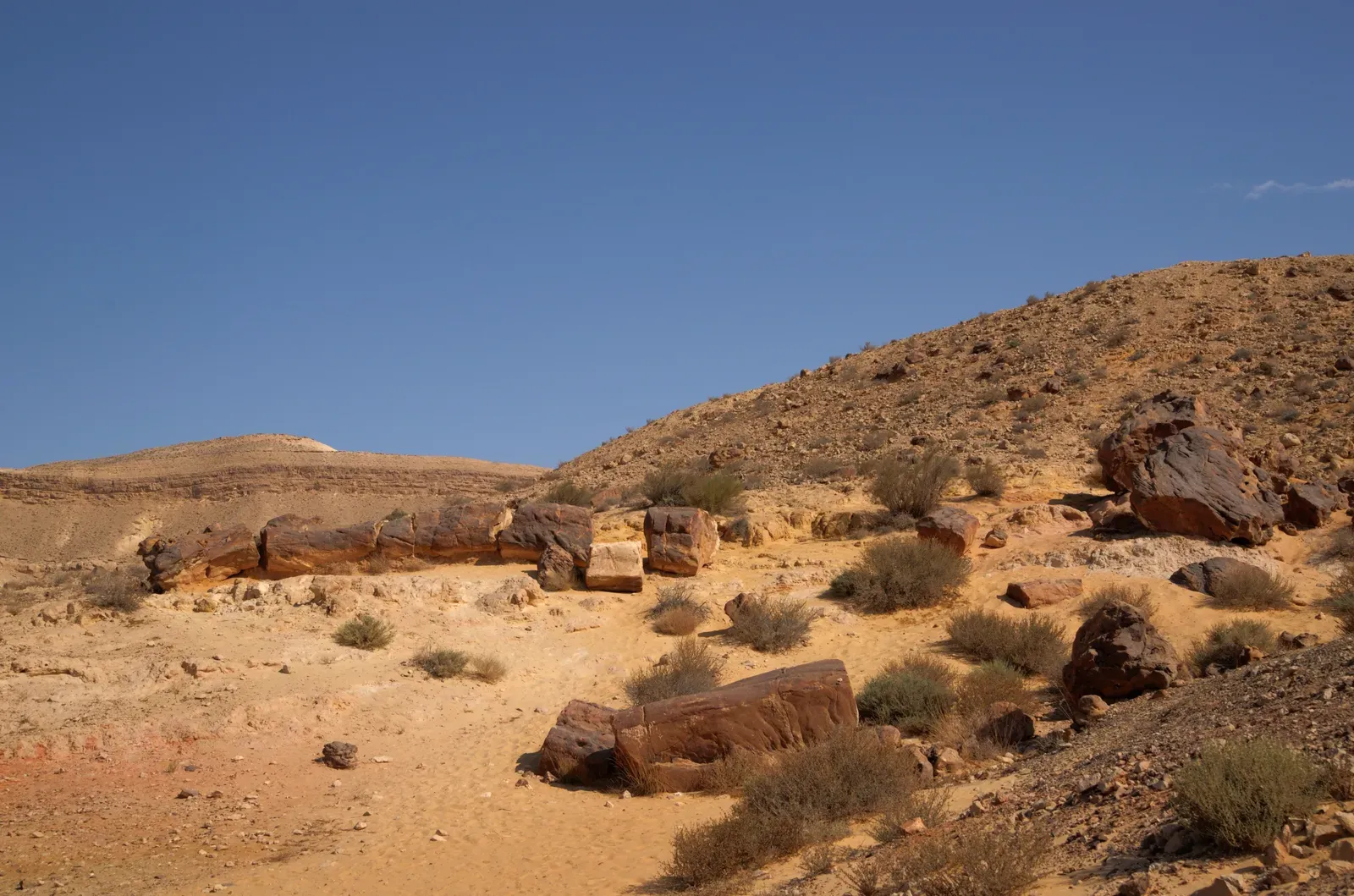
If you want to understand where Earth’s atmosphere is heading, you need to understand where it has been. And that means looking at the forests that existed long before chainsaws, before agriculture, before fire. Prehistoric forest ecosystems are some of the most data-rich climate archives scientists have ever found.
Large petrified forests are invaluable climate archives, recording rainfall patterns, forest density, and atmospheric conditions, with some sites offering data from the era when dinosaurs first rose to dominance and providing context for the vegetation that supported early dinosaur ecosystems. To put that into perspective, imagine finding a weather station that has been running for 230 million years. That is essentially what a well-preserved petrified forest represents.
The discovery of ancient coral reef fossils indicates historical sea levels and water temperatures, offering clues about Earth’s climatic past. These prehistoric data points are not abstract academic curiosities. Ancient ecosystems are important because they provide baseline data on how ecosystems have historically responded to climate changes, biodiversity shifts, and human impacts, with this historical perspective helping scientists predict future ecological resilience and adaptability, offering insights for current environmental and conservation strategies. In other words, the prehistoric world is not just a chapter in a textbook. It is a living, breathing toolkit for navigating the environmental crises of today and tomorrow.
Conclusion: The Past Is the Most Powerful Tool We Have
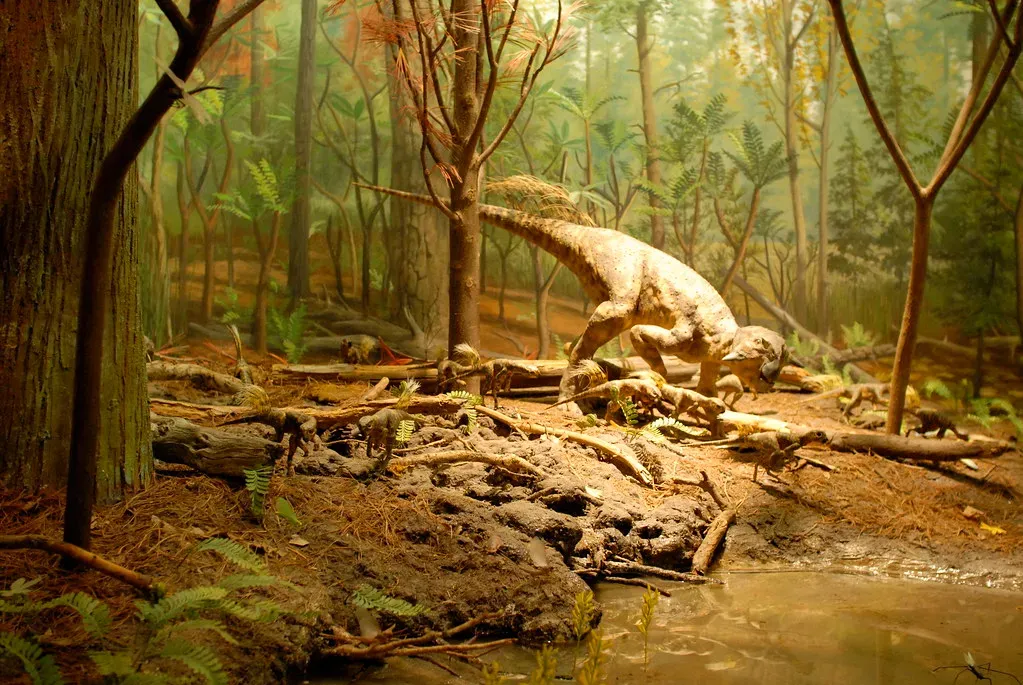
When you step back and look at everything prehistoric ecosystems have taught modern science, the scale of that gift is almost overwhelming. From the structure of food webs to the chemistry of ancient DNA, from forest climate records to the logic of species reintroduction, the deep past has provided answers that no amount of present-day observation alone could deliver.
The discovery of strong and enduring regularities in how ancient ecological webs were organized will help us understand the history and evolution of life, and could provide insights for modern ecology, such as how ecosystems will respond to biological extinctions and invasions. That is not a small promise. That is the foundation upon which much of 21st-century conservation science is being built.
Ultimately, the grandeur of prehistoric ecosystems is not something that belongs only to paleontologists, to museums, or to dusty textbooks. It belongs to anyone who cares about the living world around them today. The ancient past and the urgent present are not separate stories. They are the same story, told across an almost incomprehensible span of time. What surprises you most about how much the prehistoric world still shapes the science of today – did you expect the connection to run this deep? Share your thoughts in the comments.