Somewhere beneath the cracked badlands of Wyoming and the sun-baked ridges of Colorado, the bones of giants waited for millions of years. Nobody knew they were there. Then, in the span of just a few decades during the 1800s, a wave of discovery rewrote everything humanity thought it knew about the history of life on Earth. It was messy, brilliant, and at times shockingly ruthless.
You might think science advances in quiet laboratories and polite academic journals. The real story of American paleontology’s birth is closer to a Wild West showdown than a genteel seminar. Two brilliant men, an endless frontier of ancient bones, and an ego-fueled war that neither of them would survive with their fortunes intact. Buckle up – it gets wild from here.
Before the Rush: America’s First Fossil Footprints
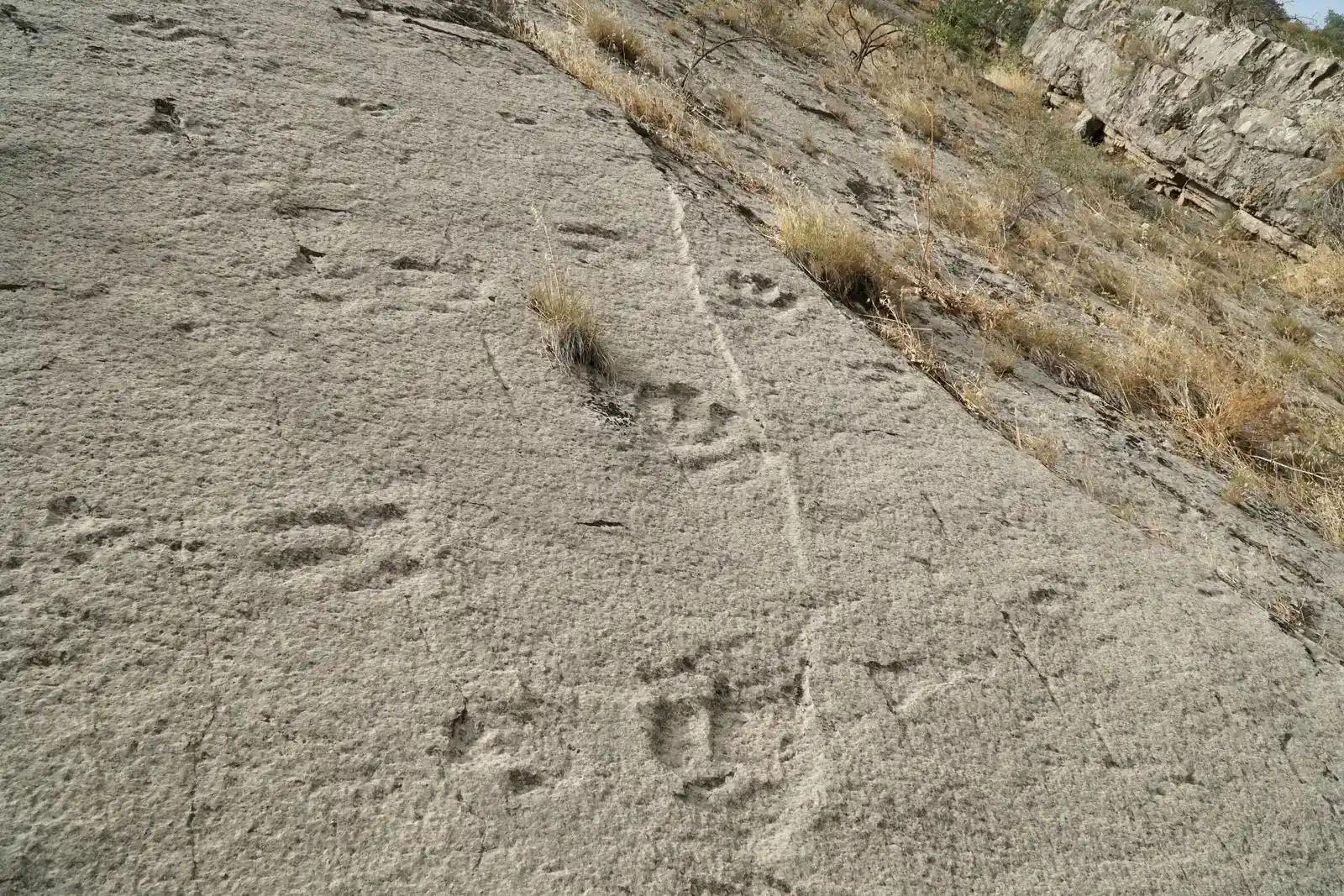
The early 19th century was a formative period for the science of paleontology, with early fossil discoveries capturing the attention of naturalists, geologists, political leaders, and the public. You might picture a small boy plowing a field. That is almost exactly what happened. Among the earliest major fossil discoveries in America occurred in Massachusetts in the spring of 1802, when a boy named Pliny Moody uncovered a piece of reddish sandstone with bird-like three-toed footprints while plowing on his father’s farm in South Hadley – the first recorded dinosaur footprint discovery in North America.
The first half of the 19th century saw a rapid increase in knowledge about the past history of life on Earth, and after Charles Darwin published the Origin of Species in 1859, much of the focus of paleontology shifted to understanding evolutionary paths. Think of it like a match dropped into a pile of dry timber. Darwin’s ideas gave fossil hunters an entirely new reason to search, classify, and interpret what they were pulling from the earth. The science was no longer just curiosity. It was suddenly urgent.
Joseph Leidy and the Dawn of American Vertebrate Paleontology
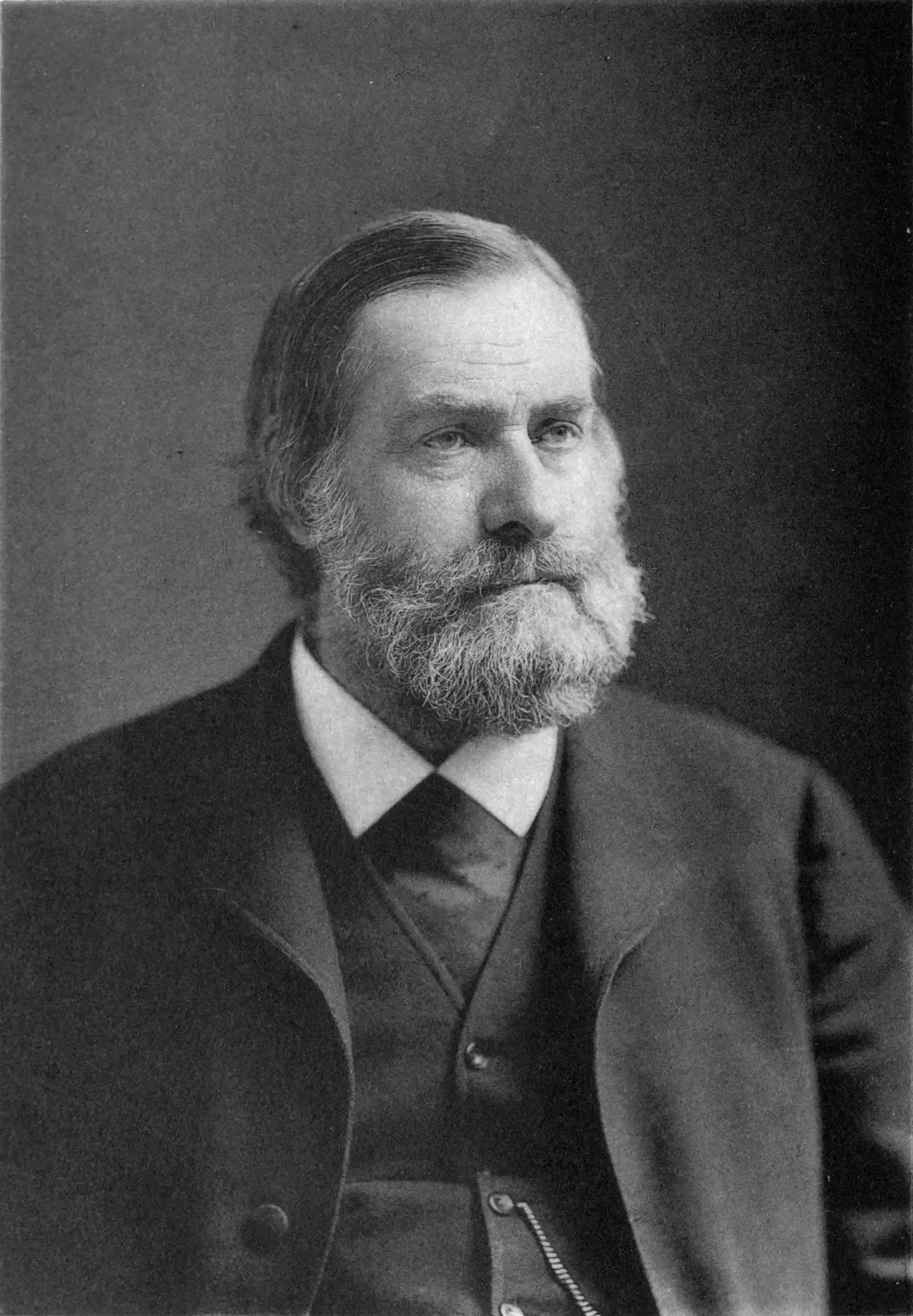
http://www.us.archive.org/GnuBook/?id=memoirofjosephle00chaprich#7, Public domain)
Joseph Leidy, a professor of medicine and curator at the Academy of Natural Sciences in Philadelphia, served as a mentor to Edward D. Cope and is now recognized as the first prominent vertebrate paleontologist in the United States. Leidy described the first dinosaur skeleton found in the United States, a specimen of Hadrosaurus uncovered from New Jersey fossil beds in 1858. It sounds almost understated, doesn’t it? The first dinosaur skeleton described in America, and most people today have never heard of the man who did it.
Leidy represents everything that later became impossible once ambition took over the field. Honest, methodical, collaborative. Leidy initially competed with Marsh and Cope to explore the fossil beds of the American West, but later retreated from paleontology when the rivalry between the two eliminated his fossil sources, turning his attention elsewhere and going on to make significant discoveries in parasitology. He was essentially crowded out by two men who turned science into war. Honestly, the history of paleontology owes Leidy far more credit than it typically gives him.
Two Men, One Rivalry: The Birth of the Bone Wars
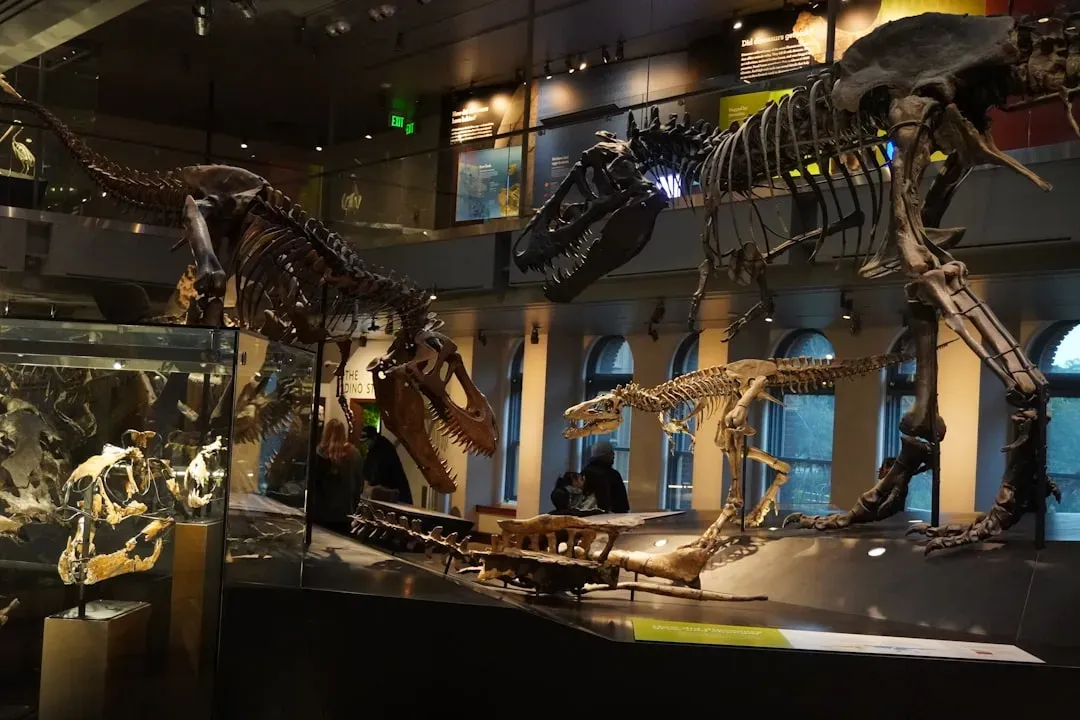
The Bone Wars, also known as the Great Dinosaur Rush, was a period of intense and ruthlessly competitive fossil hunting and discovery during the Gilded Age of American history, marked by a heated rivalry between Edward Drinker Cope of the Academy of Natural Sciences of Philadelphia and Othniel Charles Marsh of the Peabody Museum of Natural History at Yale. But here is the part that still gets me: they started as friends. As young American scholars abroad, they likely bonded over their shared interest in paleontology, a relatively young academic field. After their return to the United States, the two men exchanged letters and even named newly discovered species after each other – Cope anointed one species Ptyonius marshii, while Marsh dubbed his own discovery Mosasaurus copeanus.
The friendship collapsed over what historians agree was a mixture of professional jealousy and one defining moment of public humiliation. The friends began to attack each other in publications, but it was Marsh who dealt the critical blow when he announced that Cope’s reconstruction of the skeleton of Elasmosaurus had one significant flaw: the head had been placed where the tail should have been. And he was right. Thus began a fierce and not always fair competition over which paleontologist would discover more new prehistoric species. From that moment forward, there was no going back.
The Western Fossil Gold Rush: Into the Field
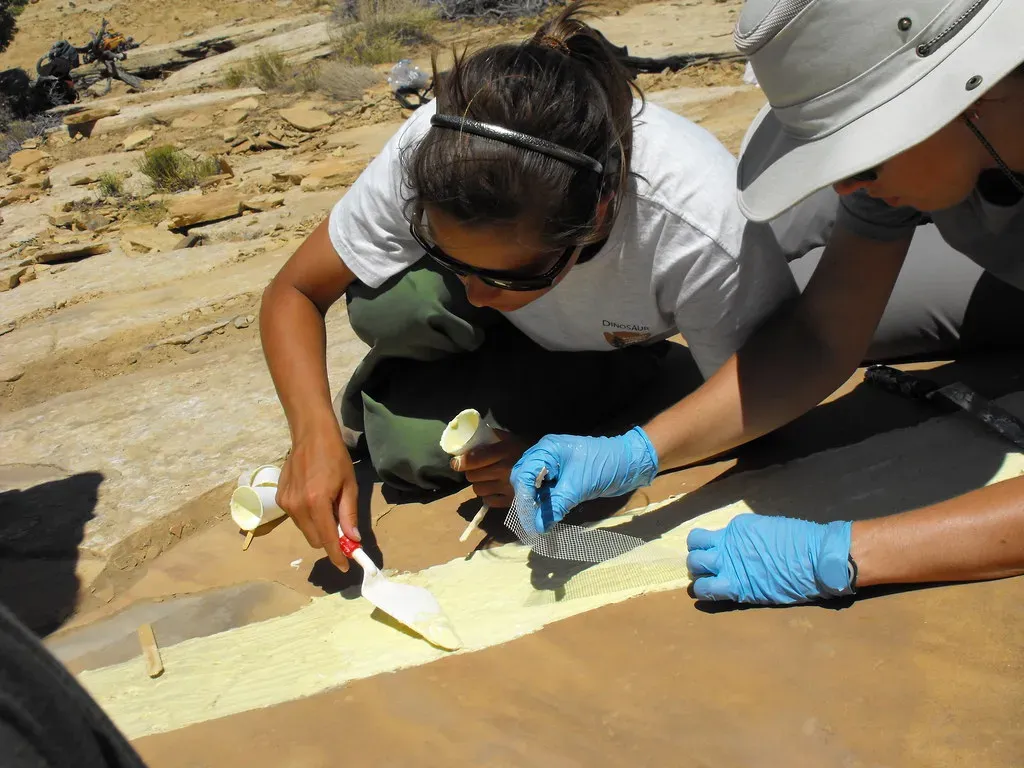
It was the massive westward expansion of railroads, military bases, and settlements into Kansas and other parts of the Western United States following the American Civil War that really fueled the expansion of fossil collection. You could almost call it accidental. Farmers, railroad workers, and ordinary people were constantly stumbling across enormous bones they couldn’t explain. With the settlement of the western territories, fossils were being unearthed at an unprecedented rate by farmers, railroad workers, and small-town schoolteachers, and as soon as word about a fossil find reached their ears, Cope and Marsh would rush by train to try to claim the site before the other.
Study of the Morrison Formation took off with finds in three places in early 1877: Garden Park, Colorado; Morrison, Colorado; and Como Bluff, Wyoming. These finds were reported to Cope and Marsh, who helped spur the Bone Wars by soon having people working to excavate dinosaur bones and other fossils in Colorado and Wyoming. In March of 1877, William Harlow Reed was returning home from an antelope hunt when he discovered large animal bones along the north side of Como Bluff. Reed engaged William Edward Carlin to explore the discovery, and they concluded that this was a dinosaur bone bed. One antelope hunt. That’s all it took to crack open one of the richest fossil sites in the world.
Sabotage, Bribery, and Broken Bones: The Dark Side of Discovery
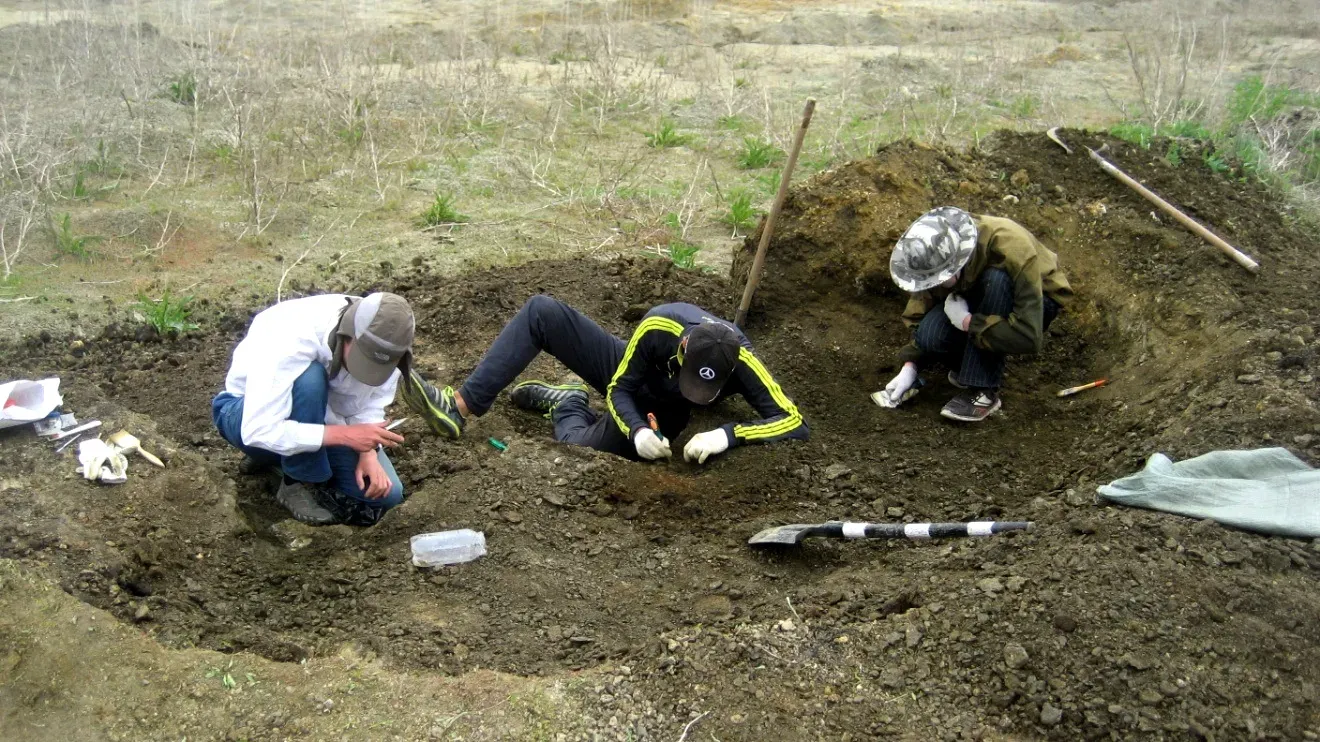
Let’s be real: the Bone Wars were not a story of noble science. Each of the two paleontologists used underhanded methods to try to outdo the other in the field, resorting to bribery, theft, and the destruction of bones. Each scientist also sought to ruin his rival’s reputation and cut off his funding, using attacks in scientific publications. It escalated quickly and relentlessly. At one point, the diggers at Como Bluff loyal to Marsh threw rocks and dirt at Cope’s men. Worst of all, each side would often rebury or even destroy a site with dynamite once they were finished excavating to keep their opponents from finding any fossils they might have missed.
The impact of the Bone Wars on the fossil record is unknown, but it is clear that an unknowable amount of fossils and fossil sites were irreparably destroyed. European paleontologists were shocked by the crude behavior of Cope and Marsh, and the negative effects of the Bone Wars lingered for decades. Think about what was lost forever under those explosions and buried pits. The irony is staggering: two men devoted to unearthing the past were actively destroying it. The use of dynamite and sabotage by employees of both men destroyed hundreds of potentially critical fossil remains, and it will never be known how much their rivalry damaged our understanding of life forms in the regions in which they worked.
The Discoveries That Changed Everything
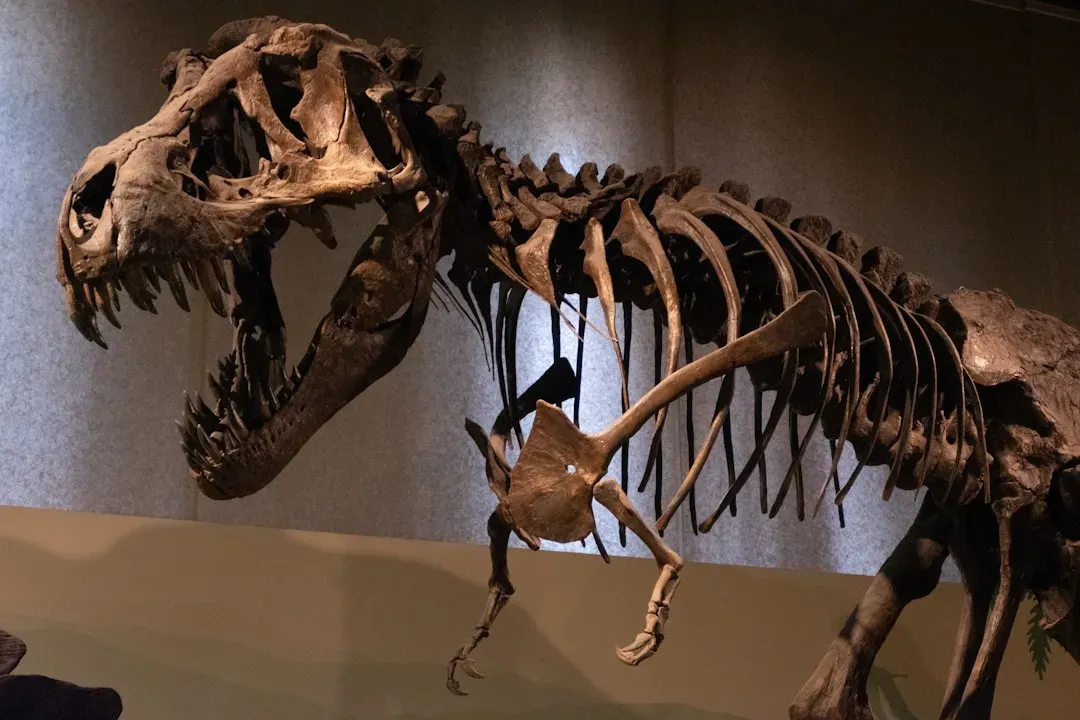
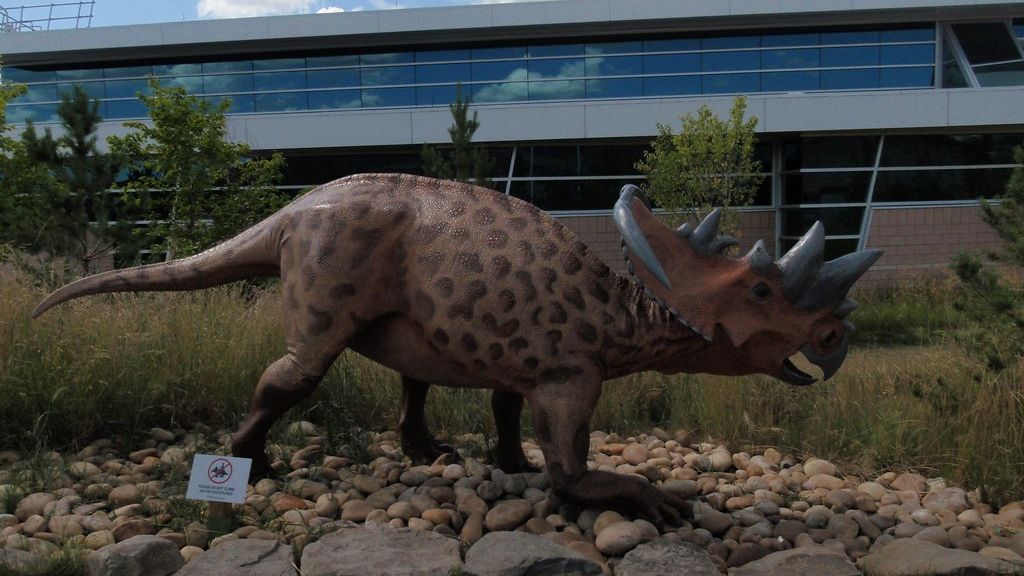
When Marsh and Cope began to work, only eighteen dinosaur species were known from North America, many known only from isolated teeth or vertebrae. Between them, the two men described over 130 species of dinosaurs. It was Marsh who described such famous dinosaurs as Stegosaurus and Triceratops. To put that in perspective, think about how a map that covers barely one room suddenly expands to fill a continent. That is essentially what they did to humanity’s knowledge of prehistoric life in just a few decades.
The two discovered many of the most recognizable species of dinosaurs known today, including the Allosaurus, Apatosaurus, Brontosaurus, Diplodocus, Stegosaurus, Triceratops, and many more. Marsh discovered more than 80 species and used many of his fossils to piece together strong evidence supporting Charles Darwin’s theory of evolution by natural selection. His best known publications include Fossil Horses in America and Odontornithes, the latter of which included a wealth of evidence suggesting that birds evolved from reptilian ancestors. That birds-from-dinosaurs argument, once considered radical, is now one of the most widely accepted ideas in modern biology.
The Lasting Legacy: Ruin, Museums, and a New Science
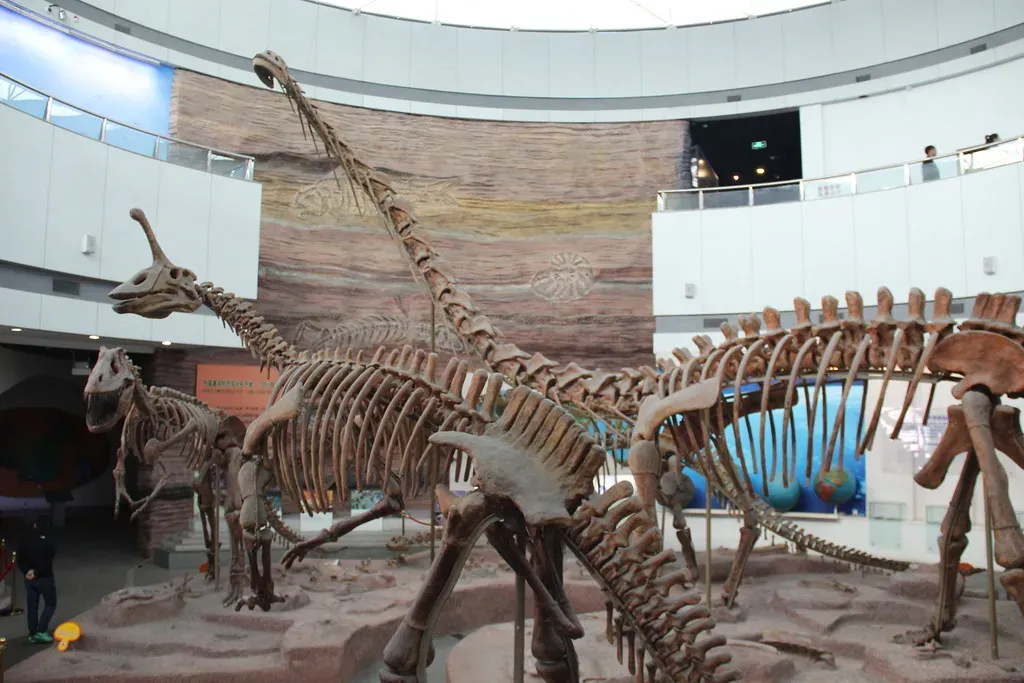
Cope and Marsh were financially and socially ruined by their attempts to outcompete and disgrace each other, but they made important contributions to science and the field of paleontology and provided substantial material for further work, with both scientists leaving behind many unopened boxes of fossils after their deaths. There is something almost poetic about that image. All those unopened boxes, sitting untouched, full of secrets neither man had the time or money left to reveal. It took scientists more than 50 years to examine and describe the hundreds of fossils collected by Marsh, Cope, and others who participated in early expeditions to the western United States.
The products of the Bone Wars resulted in an increase in knowledge of prehistoric life and sparked the public’s interest in dinosaurs, leading to continued fossil excavation in North America in the decades to follow. American museums filled with spectacular fossil displays, capturing public imagination and establishing paleontology as a prestigious science. Today, you can walk into the Smithsonian, the American Museum of Natural History, or Yale’s Peabody Museum and come face to face with skeletons unearthed during that feverish era. Their cumulative finds defined the field of paleontology; at the start of the Bone Wars, there were only nine named species of dinosaur in North America, and after the Bone Wars, there were around 150 species. Furthermore, some of their theories, like Marsh’s argument that birds are descended from dinosaurs and Cope’s law, which states that over time species tend to get larger, are still referred to today.
Conclusion: Bones, Brilliance, and a Messy Legacy

The Great American Fossil Rush was equal parts scientific revolution and cautionary tale. Two men with extraordinary intellect and catastrophic egos remade an entire field of science, almost destroyed each other in the process, and left the world richer and stranger for it. You could argue their rivalry pushed paleontology forward by half a century, compressing decades of discovery into a frenzied handful of years that no single, cooperative effort could have matched.
Yet the cost was real. Fossils shattered by dynamite, species misidentified in haste, careers poisoned, and a scientific community left to clean up the mess for generations. It is hard to say for sure whether the ends justified the means. What is undeniable is that the names Triceratops, Stegosaurus, and Allosaurus belong to you today because of those two flawed, brilliant, combative men. The next time you stand before one of those towering skeletons in a museum, you’re looking at the product of one of history’s most spectacular feuds. What do you think – does knowing the chaos behind the discovery change the wonder you feel looking up at those ancient bones?