
For decades, one of paleontology’s most fundamental debates has centered around dinosaur physiology: were these magnificent creatures cold-blooded like modern reptiles, or warm-blooded like birds and mammals? This question has profound implications for understanding dinosaur behavior, ecology, and evolution. Since the 1960s, scientists have been challenging the traditional view of dinosaurs as sluggish, cold-blooded reptiles, proposing instead that they may have been active, warm-blooded animals more similar to modern birds. The debate encompasses multiple lines of evidence from fossil records, comparative anatomy, growth rates, and even microscopic bone structure. As new technologies and methodologies emerge, paleontologists continue to uncover clues that help paint a more complete picture of dinosaur physiology, revealing that the answer may be more nuanced than initially thought.
The Traditional Cold-Blooded View

Historically, dinosaurs were portrayed as oversized reptiles with similar physiological characteristics to modern lizards and crocodiles. This ectothermic or “cold-blooded” model suggested that dinosaurs relied on external heat sources to regulate their body temperature, becoming more active in warm conditions and sluggish in cooler environments. Scientists based this assumption largely on dinosaurs’ reptilian ancestry and apparent similarities to modern reptiles. The cold-blooded hypothesis helped explain how massive sauropods could survive on relatively limited food resources, as their slow metabolisms would require less energy input. Throughout much of the 20th century, this view dominated scientific thinking and popular culture, manifesting in slow-moving, lethargic dinosaur depictions in museums and media.
The Dinosaur Renaissance

The 1960s and 1970s marked a significant shift in dinosaur science, often called the “Dinosaur Renaissance.” This period was spearheaded by paleontologist Robert Bakker, who challenged the traditional cold-blooded paradigm with compelling evidence suggesting dinosaurs were active, dynamic creatures. Bakker pointed to anatomical features like upright posture, specialized hearts, and the existence of dinosaurs in polar regions as indicators of potential warm-bloodedness. His revolutionary 1968 paper “The Superiority of Dinosaurs” and subsequent work fundamentally changed how scientists approached dinosaur physiology. This scientific revolution coincided with dramatic changes in dinosaur portrayals in popular culture, where they began appearing as agile, intelligent animals rather than plodding behemoths. The Dinosaur Renaissance opened the door to reevaluating nearly every aspect of dinosaur biology and behavior.
Evidence from Bone Microstructure
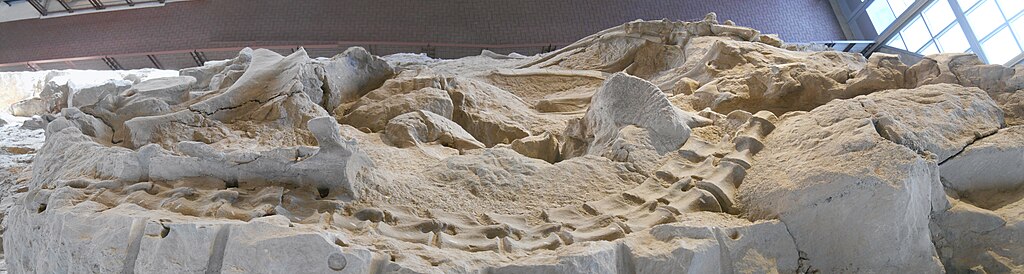
The microscopic structure of dinosaur bones provides some of the most compelling evidence in the metabolic debate. When examined under microscopes, dinosaur bones reveal growth patterns that differ significantly from those of cold-blooded reptiles. In particular, many dinosaur species show evidence of rapid, sustained growth more similar to warm-blooded birds and mammals than to reptiles. The presence of Haversian canals—structures that facilitate blood vessel growth and bone remodeling—appears in patterns consistent with endothermic (warm-blooded) animals. Additionally, studies of bone isotopes have helped scientists estimate the body temperatures of extinct dinosaurs, with results suggesting many maintained temperatures higher than ambient conditions. This microscopic evidence has become increasingly important as advanced imaging technologies allow for non-destructive examination of rare fossil specimens.
Growth Rate Analysis

The study of dinosaur growth rates has provided crucial insights into their metabolic capabilities. By examining growth rings in fossilized bones—similar to tree rings—paleontologists can track how quickly dinosaurs grew throughout their lives. These studies consistently show that most dinosaurs grew much faster than modern reptiles, sometimes matching or exceeding the growth rates of birds and mammals. For example, the famous Tyrannosaurus rex likely reached its massive adult size in about 20 years, a rate impossible for a truly cold-blooded animal of comparable size. Such rapid growth requires significant energy input and efficient metabolism to convert food into body mass quickly. The fact that dinosaurs across many different lineages show similarly accelerated growth patterns suggests that elevated metabolic rates may have been a common feature throughout the dinosaur family tree.
The Bird Connection

The evolutionary relationship between dinosaurs and birds has become central to the metabolic debate. Modern consensus holds that birds are living dinosaurs, specifically descended from theropod dinosaurs like Velociraptor. This direct evolutionary connection means that the warm-blooded metabolism of modern birds likely evolved somewhere along the dinosaur lineage. Transitional fossils like Archaeopteryx show a mixture of dinosaurian and avian characteristics, suggesting a gradual evolution of flight and possibly warm-bloodedness. Numerous anatomical similarities between certain dinosaurs and birds, including hollow bones, complex respiratory systems, and evidence of feathers, point toward shared physiological traits. The discovery of unambiguous feathers on non-avian dinosaurs further strengthens the connection, as feathers serve an important role in thermal regulation for warm-blooded animals.
Dinosaurs in Cold Climates

The discovery of dinosaur fossils in ancient polar regions has significantly influenced the metabolic debate. Paleontologists have found abundant dinosaur remains in places like Alaska, Antarctica, and northern Canada, areas that experienced prolonged darkness and cool temperatures during the Mesozoic Era, though warmer than today’s poles. For dinosaurs to survive in these environments, they would have needed adaptations to cope with seasonal temperature variations and limited sunlight. Cold-blooded reptiles typically become dormant or migrate away from such conditions, yet evidence suggests polar dinosaurs were year-round residents. Some polar dinosaur species even show adaptations specifically for low-light conditions, such as enlarged eyes. These discoveries have led many scientists to conclude that at least some dinosaur species must have had elevated metabolic rates to survive in cold environments.
The Respiratory System Argument

Dinosaur respiratory systems provide compelling evidence for elevated metabolic rates. Many dinosaur groups, particularly theropods and sauropods, possessed bird-like respiratory features including air sacs that extended into hollow bones (pneumaticity). This complex respiratory system allows for continuous, one-way airflow through the lungs, dramatically improving oxygen extraction efficiency compared to the bidirectional breathing of mammals and reptiles. Such respiratory adaptations are typically associated with high metabolic demands, as they enable the sustained oxygen intake necessary for powered flight in birds. Fossil evidence of these specialized breathing structures suggests dinosaurs had higher oxygen requirements than typical cold-blooded animals. The presence of these features across diverse dinosaur lineages indicates that enhanced respiratory efficiency may have been a widespread characteristic that evolved early in dinosaur evolution, possibly coinciding with elevated metabolic rates.
The Mesothermy Hypothesis

In recent years, many paleontologists have proposed that dinosaurs may have had a metabolic strategy that falls between traditional cold-blooded and warm-blooded categories, known as “mesothermy” or “intermediate metabolism.” This hypothesis suggests dinosaurs could maintain body temperatures higher than ambient conditions but with less energetic cost than fully endothermic animals. Large dinosaurs might have used “inertial homeothermy”—where their massive body size retained heat efficiently due to low surface-area-to-volume ratios, providing temperature stability without requiring the high metabolic rates of mammals. Smaller dinosaurs might have employed a more active form of mesothermy, similar to that seen in some modern animals like great white sharks and tuna. This middle-ground approach helps reconcile conflicting evidence and explains how different dinosaur groups might have employed varying metabolic strategies based on their size, lifestyle, and evolutionary relationships.
Isotope Evidence
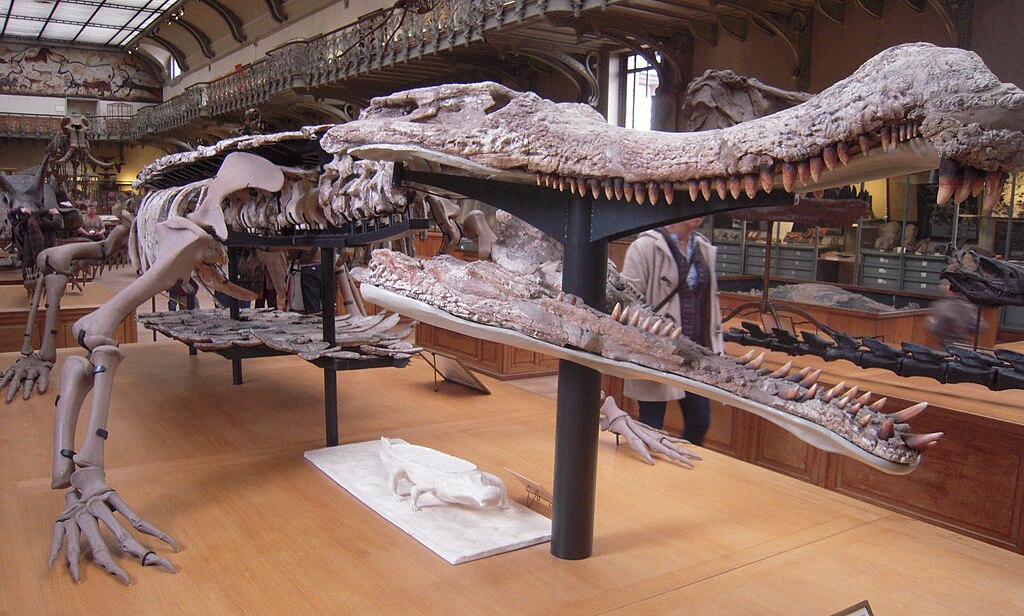
Advanced chemical analysis of dinosaur fossils has revolutionized our understanding of their body temperatures. By examining the ratio of isotopes like oxygen-18 to oxygen-16 in fossil teeth and eggshells, scientists can estimate the body temperature at which these tissues formed. These studies have yielded fascinating results, with some large dinosaurs showing body temperatures of 36-38°C (97-100°F)—comparable to modern mammals. However, isotope studies also reveal variations between different dinosaur groups, with some maintaining lower temperatures more consistent with mesothermy. A 2020 study examining eggshell isotopes from various dinosaur groups found that larger dinosaurs generally maintained higher, more stable body temperatures than smaller species. These chemical signatures provide direct evidence of dinosaur thermoregulation strategies and suggest that different metabolic approaches existed across the dinosaur family tree.
Predator-Prey Ratios
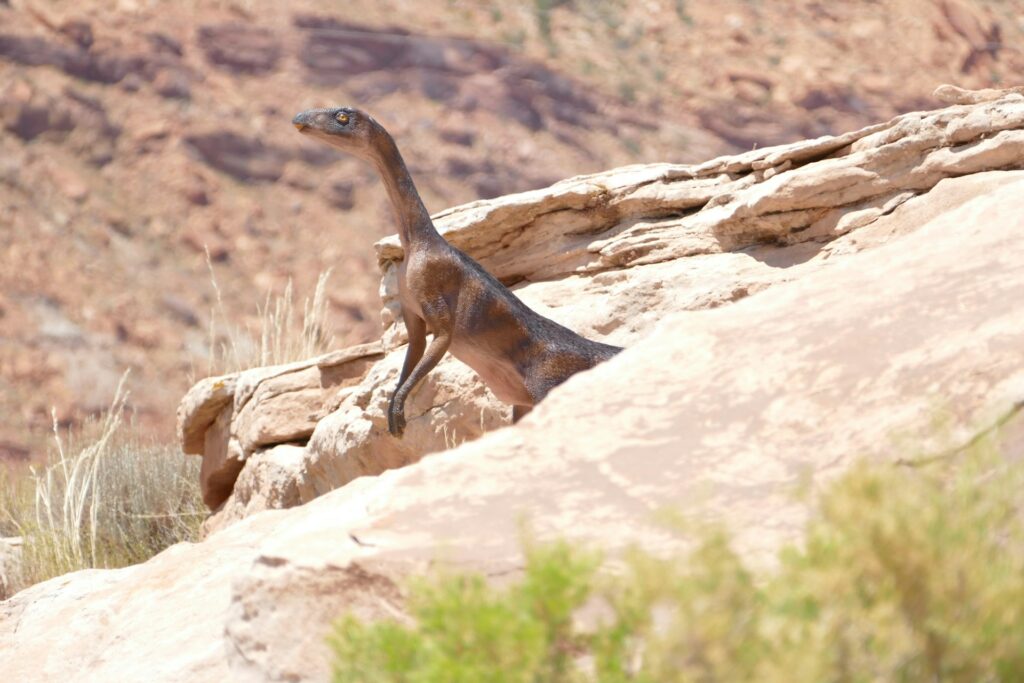
Ecological evidence also contributes to our understanding of dinosaur metabolism through examination of predator-prey ratios in fossil ecosystems. In modern ecosystems, warm-blooded predators typically exist in much smaller numbers relative to their prey compared to cold-blooded predators, due to their higher energy requirements. Fossil beds preserving ancient dinosaur communities show predator-prey ratios more consistent with ecosystems dominated by endothermic rather than ectothermic predators. These community structures suggest that dinosaur predators required substantial energy input, consistent with elevated metabolic rates. Additional ecological evidence comes from dinosaur migration patterns inferred from fossil distributions, which indicate some species undertook long-distance seasonal movements requiring sustained energy output that would be challenging for truly cold-blooded animals. The combination of these ecological patterns provides indirect but meaningful support for higher metabolic capabilities in many dinosaur species.
Metabolic Diversity Within Dinosauria

As research progresses, scientists increasingly recognize that dinosaurs likely exhibited a spectrum of metabolic strategies rather than fitting neatly into a single category. Different dinosaur lineages may have evolved varying degrees of endothermy based on their ecological roles, environmental pressures, and evolutionary history. Theropod dinosaurs (including tyrannosaurs and the ancestors of birds) show the strongest evidence for true warm-bloodedness, while giant sauropods might have relied more on their massive size for temperature regulation. Ornithischians (including stegosaurs and hadrosaurs) present more ambiguous evidence, potentially utilizing intermediate metabolic strategies. This metabolic diversity likely evolved over the 165 million years of dinosaur dominance, with different groups independently developing various thermoregulatory adaptations. Understanding this metabolic spectrum helps explain the remarkable ecological success and diversity of dinosaurs across dramatically different environments and throughout changing climatic conditions.
Modern Research Technologies

Cutting-edge technologies are continuously advancing our understanding of dinosaur physiology. CT scanning allows scientists to examine the internal structures of fossils non-destructively, revealing features like brain cases and nasal passages that may indicate thermoregulatory adaptations. Advanced microscopy techniques enable examination of fossil bone microstructure at unprecedented detail, showing growth patterns and vascularization that correlate with metabolic strategies. Molecular paleontology, though still in its infancy, offers the tantalizing possibility of recovering proteins and other biomolecules from exceptionally preserved fossils that might provide direct evidence of metabolic processes. Computer modeling and simulation allow researchers to test hypotheses about dinosaur thermoregulation by calculating heat exchange, energy requirements, and ecological constraints. These technological advances, combined with new fossil discoveries, ensure that the coming decades will likely bring even more nuanced understanding of dinosaur metabolism.
Implications for Dinosaur Behavior and Ecology

The metabolism debate extends far beyond academic curiosity, fundamentally shaping our understanding of dinosaur behavior, ecology, and evolutionary success. Warm-blooded dinosaurs would have required substantially more food than cold-blooded ones, dramatically affecting carrying capacity of ancient ecosystems and potentially explaining the gigantism seen in many lineages as a response to resource competition. Higher metabolic rates would have enabled more sustained activity, potentially facilitating complex social behaviors, elaborate courtship displays, and active parenting strategies that have been suggested by fossil evidence. The question of metabolism directly influences how we interpret evidence of dinosaur behavior, from hunting strategies to migration patterns. Additionally, understanding dinosaur metabolism helps explain how these animals dominated Earth’s terrestrial ecosystems for over 160 million years across multiple climate fluctuations, providing insights into the biological adaptations that contribute to evolutionary success.
Conclusion: A Metabolic Mosaic
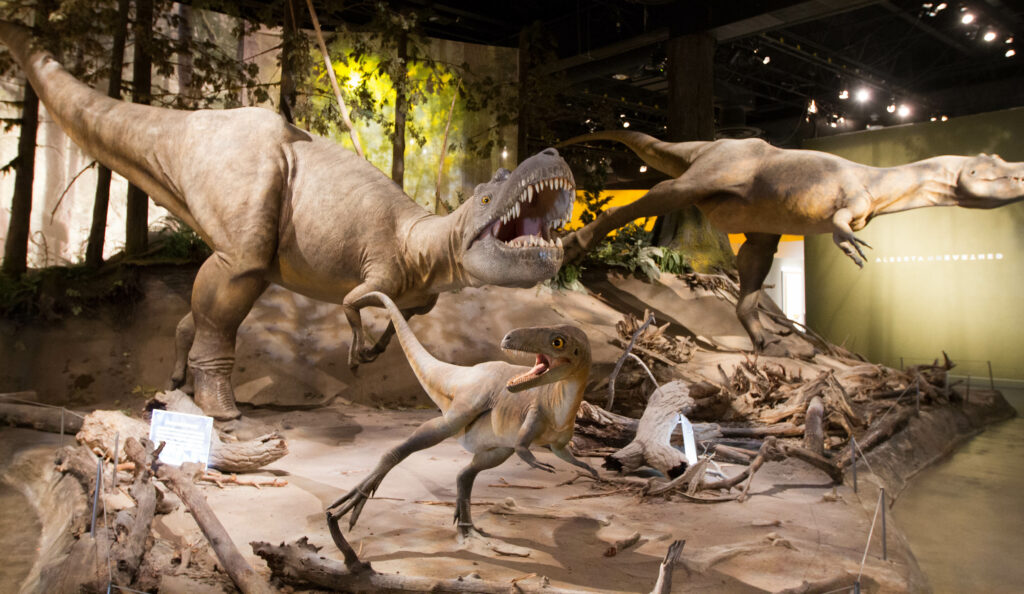
The great dinosaur debate between cold-blooded and warm-blooded physiology has evolved into a more nuanced understanding that recognizes metabolic diversity across the dinosaur family tree. Rather than falling neatly into either category, dinosaurs appear to have employed a spectrum of metabolic strategies, with different lineages exhibiting varying degrees of endothermy based on their size, ecology, and evolutionary relationships. The evidence increasingly suggests that many dinosaurs maintained elevated body temperatures through a combination of internal heat production and specialized thermoregulatory adaptations. This metabolic flexibility may have been one of the key innovations that allowed dinosaurs to dominate Earth’s terrestrial ecosystems for over 160 million years. As research technologies advance and new fossils are discovered, our understanding of dinosaur physiology will continue to be refined, offering ever deeper insights into the biology of these remarkable animals and the evolutionary processes that shaped them.