Picture yourself standing on a rocky shore roughly 252 million years ago. The oceans teem with armored trilobites scuttling across ancient seafloors, massive reefs built by corals unlike any living today, and bizarre fish patrolling the depths. Lush forests dominated by strange seed ferns stretch inland, while reptilian creatures that look nothing like modern animals lumber through the undergrowth. Now imagine all of it gone in what amounts to a geological blink of an eye.
The Great Dying, formally known as the Permian-Triassic extinction event, occurred approximately 251.9 million years ago, marking the boundary between two geologic periods and forever altering the trajectory of life on Earth. It is Earth’s most severe known extinction event, with the extinction of 57% of biological families, 62% of genera, 81% of marine species, and 70% of terrestrial vertebrate species. This wasn’t just another setback for life on our planet. It was nearly the end of the story entirely. The question that has haunted scientists for decades is simple yet terrifying: What could possibly cause such devastation, and could it happen again?
When the Earth Turned Against Itself
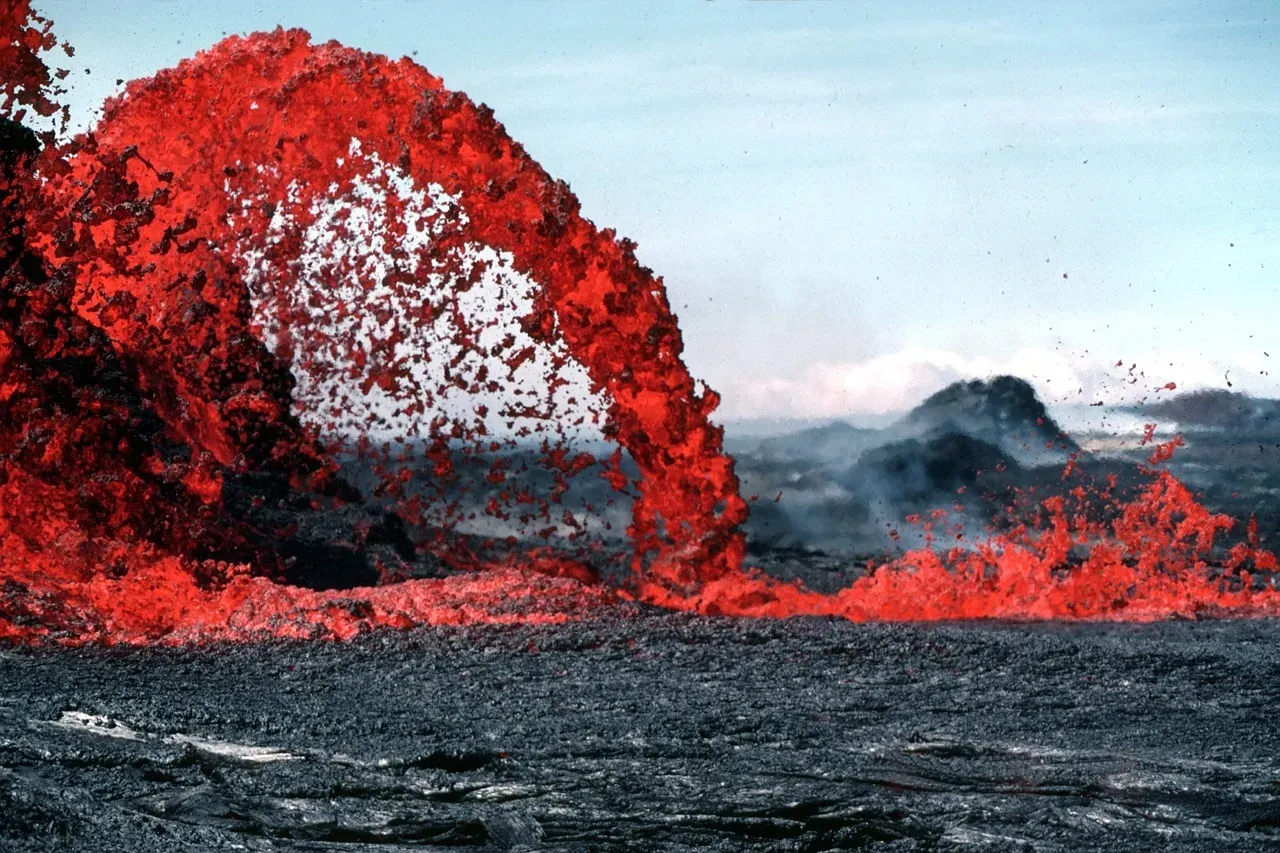
Honestly, when you dig into the geological evidence, it’s hard not to feel a bit unsettled. The scientific consensus is that the main cause of the extinction was the flood basalt volcanic eruptions that created the Siberian Traps, which released sulfur dioxide and carbon dioxide, resulting in euxinia (oxygen-starved, sulfurous oceans), elevated global temperatures, and acidified oceans. These weren’t your typical volcanic eruptions with a single mountain spewing lava. Picture instead an area the size of modern Europe where the Earth’s crust simply split open.
The massive eruptive event that formed the traps is one of the largest known volcanic events in the last 500 million years. The eruptions continued for roughly two million years. Think about that timeframe for a moment. Two million years of relentless volcanic activity pouring greenhouse gases into the atmosphere.
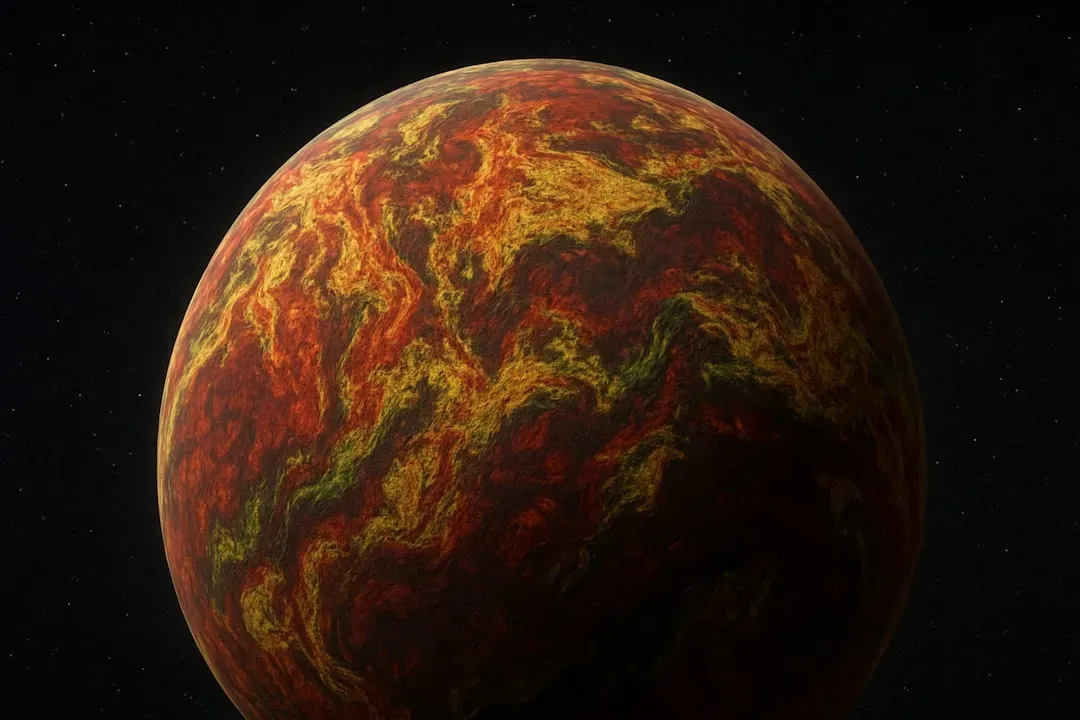
The eruption covered around 2 million square kilometers with lava and was one of the largest volcanic events in Earth’s history. The eruptions may have caused large amounts of carbon dioxide to be released into the atmosphere and caused a large-scale global warming effect of more than 10°C on land and around 8°C on the ocean surface in a short period of time. The planet didn’t just warm gradually. It lurched into a fever state.
The Killing Mechanisms That Changed Everything
Let’s be real here: the Siberian Traps didn’t kill everything directly through lava flows. The devastation came from a cascade of environmental disasters that fed into each other like dominoes falling in slow motion. The sulfur dioxide and carbon dioxide poisoned the air with harmful chemicals. The ash and soot from the explosions also blocked sunlight, preventing plants from being able to grow. The death of most plants disrupted entire food chains.
The oceans suffered particularly brutal conditions. Research from the University of Washington and Stanford University shows that the Permian mass extinction in the oceans was caused by global warming that left animals unable to breathe. As temperatures rose and the metabolism of marine animals sped up, the warmer waters could not hold enough oxygen for them to survive. Picture a fish desperately needing more oxygen as its body temperature rises, while the water around it becomes increasingly depleted of the very thing it needs to survive.
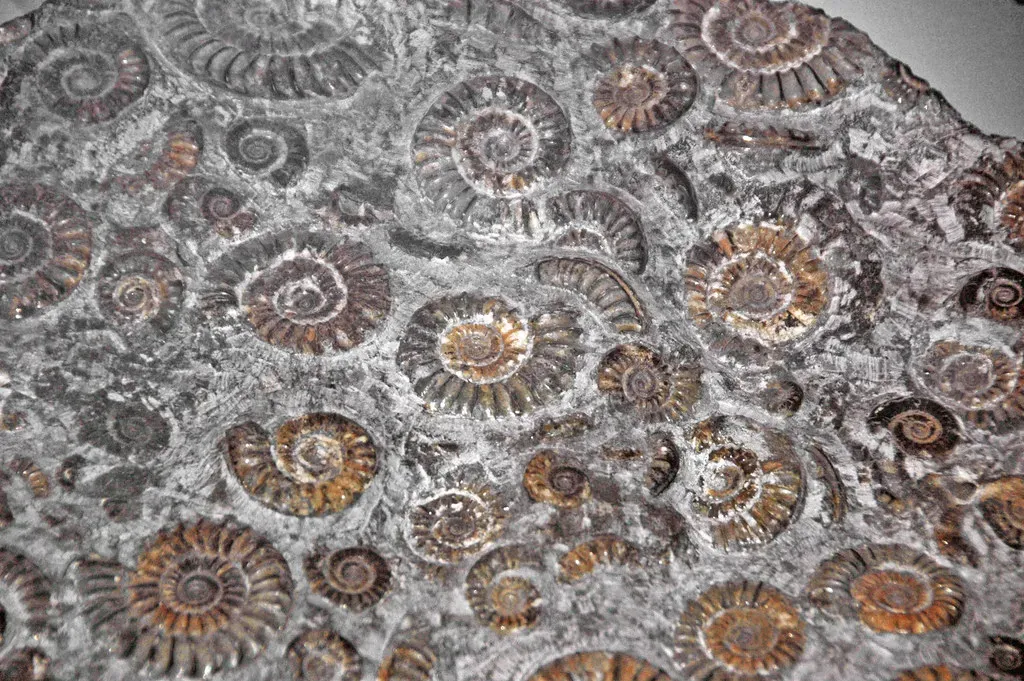
By analyzing boron embedded in limestone from the Permian and Triassic periods, researchers discovered an abrupt shift in ocean pH levels. The change in acidity corresponds to a drop in surface ocean pH levels of 0.6 to 0.7 pH units that lasted about 10,000 years. Ocean acidification acted like battery acid on creatures with shells and skeletons, dissolving the very structures they needed to survive.
The Speed of Catastrophe
Here’s the thing that makes this extinction particularly terrifying: it happened fast. I know it sounds crazy, but when scientists say “fast” in geological terms, they really mean it. Estimates of its duration have shrunk from millions of years to between 8,000 and 100,000 years.
Some researchers estimate the main pulse happened even more rapidly. Based on interpolations between dated ash beds, scientists estimate that the extinction at Meishan took place in less than 100,000 years. That’s barely a hiccup in Earth’s 4.5-billion-year history.
Think about what this means for the creatures living through it. Within just a handful of generations for longer-lived species, or mere thousands of generations for shorter-lived ones, entire ecosystems collapsed. There was no time for adaptation through natural selection, no slow march toward evolutionary solutions. Many animals were unable to adjust to the sudden climate changes and died.
A World Left Empty
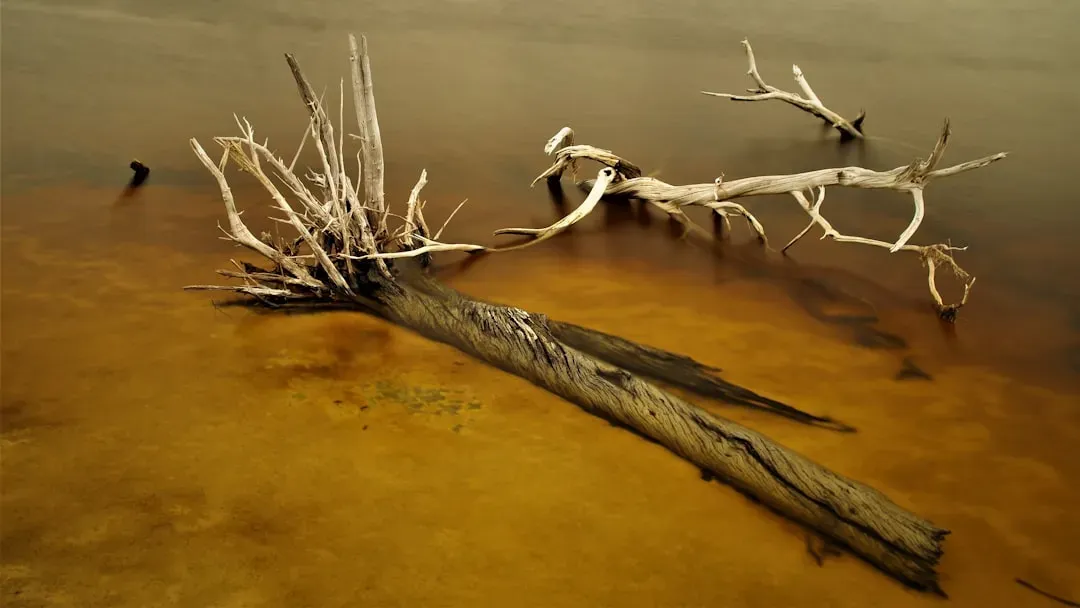
The aftermath painted a picture of desolation that’s difficult to comprehend. About 250 million years ago, at the end of the Permian period, something killed some 90 percent of the planet’s species. Nearly all the trees died. Imagine landscapes stretching for thousands of miles with nothing but skeletal remains of forests and barren ground.
In rocks from the Permo-Triassic boundary the pollen is replaced by strands of fossilized fungi – as many as a million segments in some golf-ball-size rocks. All that fungi in boundary rocks may represent an exploding population of scavengers feasting on an epic meal of dead trees. The planet had essentially become one massive graveyard, with fungi as the only organisms thriving in the rotting biomass.
In the oceans, the situation was even more dire. A greater percentage of marine animals survived in the tropics than at the poles. Geographic location became a matter of life and death. What followed was a mysterious, multimillion-year span that could be called the “Great Dulling,” when marine animal communities looked remarkably alike all over the planet, from the equator to the poles. The biological diversity that had taken hundreds of millions of years to develop vanished, replaced by a homogenized world populated by just a handful of hardy survivors.
The Unlikely Survivors and New Beginnings
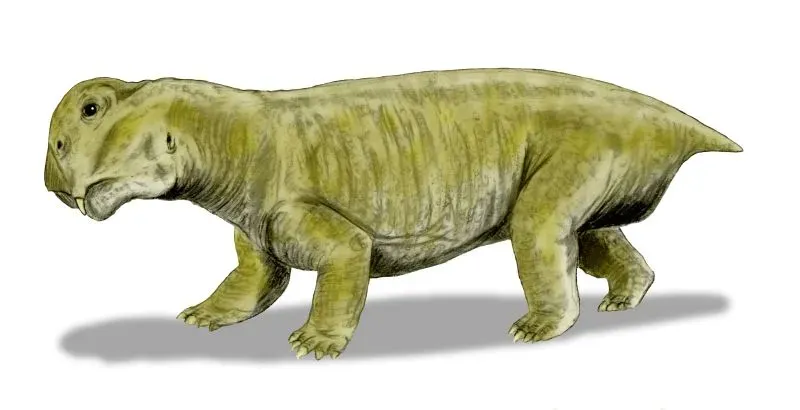
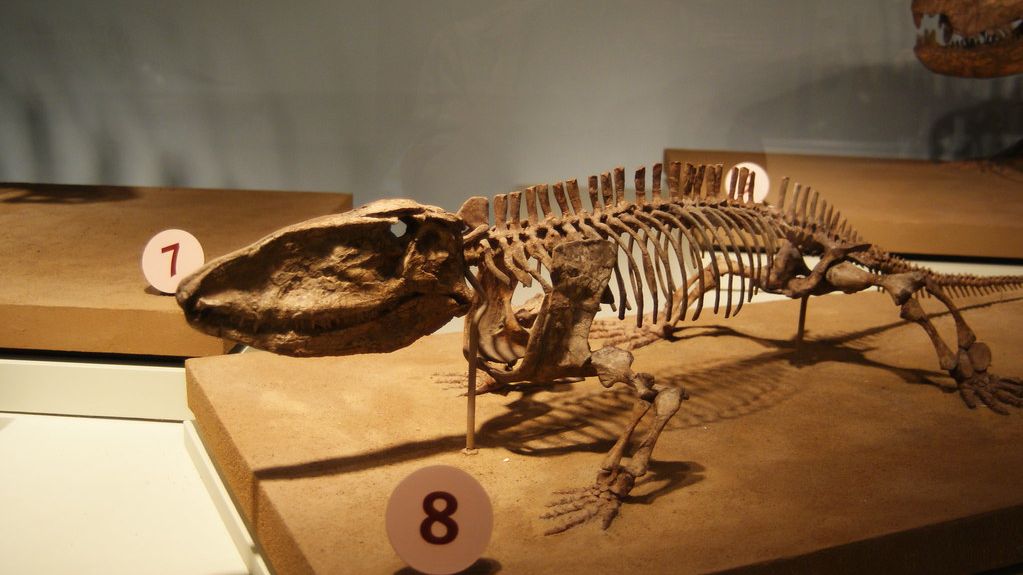
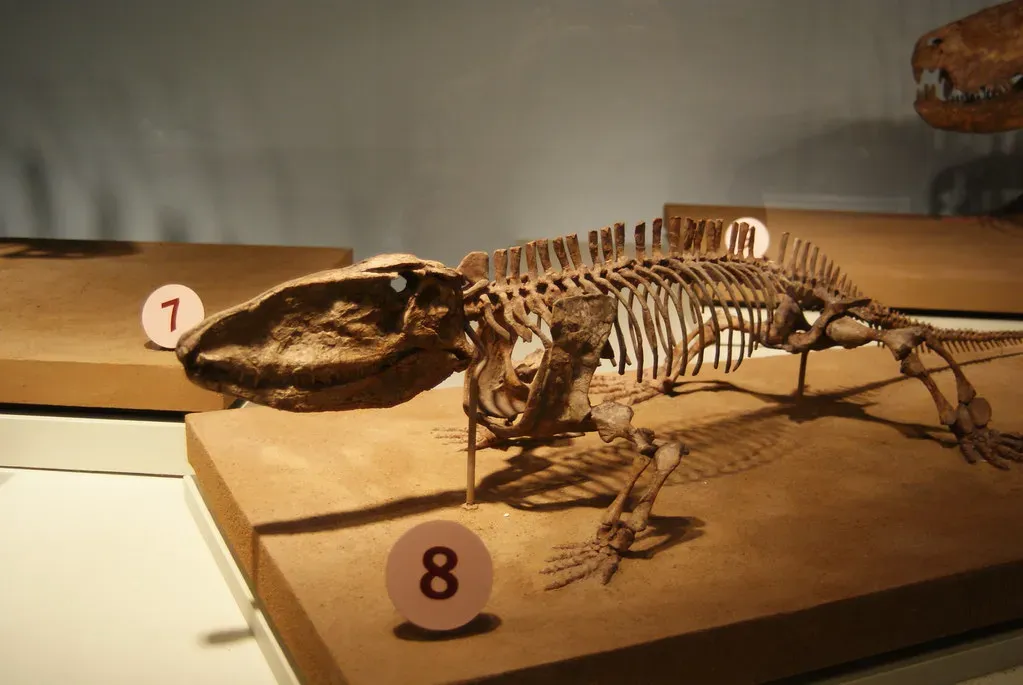
So who made it through this planetary nightmare? The survival stories are fascinating and reveal something crucial about what it takes to endure when everything falls apart. The most famous survivor of the Great Dying was the stem-mammal Lystrosaurus, a member of the dicynodont family of synapsids. Due to its burrowing ability, adaptable lifestyle, or perhaps by pure chance, several species of this small herbivore persisted into the Triassic.
Roughly the size of a pig, these creatures survived by staying underground during the worst conditions. Scroungers such as Lystrosaurus were then rapidly overtaken by the evolution of more stable regionally distinct faunas. Being adaptable and able to hide bought them time, but it didn’t guarantee long-term dominance.
Smaller carnivorous cynodont therapsids also survived, a group that included the ancestors of mammals. As with dicynodonts, selective pressures favoured endothermic epicynodonts. In other words, the ability to regulate body temperature internally became a critical survival trait when external temperatures swung wildly. The ancestors of every mammal alive today, including us, crawled through that bottleneck.
The Agonizingly Slow Recovery
You might think that once the volcanic eruptions stopped and conditions stabilized, life would bounce back quickly. Think again. Diverse ecosystems do not reappear for at least 5 million years, which suggests that environmental perturbations may have continued for millions of years after the extinction. Five million years. To put that in perspective, the entire history of the genus Homo is only about 2.8 million years old.
The aftereffects of the main extinction – including resurgent global warming and atmospheric and oceanic anoxia – continued to afflict Earth for another 5 to 6 million years. Life on Earth took about 10 million years to recover fully from the devastation. The planet didn’t just suffer one knockout blow; it endured repeated waves of environmental stress that prevented any meaningful recovery for millions of years.
Recent research reveals why the recovery took so long. The Great Dying extinction event is unique “because it’s the only one in which the plants all die off”. Without forests to absorb carbon dioxide and regulate the carbon cycle, the loss of vegetation during the mass extinction event significantly reduced the planet’s ability to store carbon, creating a feedback loop that kept greenhouse conditions persisting long after the initial trigger had ceased.
Lessons Written in Stone
The Great Dying fundamentally rewrote the rules of evolution on Earth. The Permian-Triassic mass extinction marked a key turning point in this ecological shift that began after the Capitanian mass extinction and culminated in the Late Jurassic. The creatures that had dominated the Paleozoic seas – trilobites, rugose corals, and bizarre armored fish – vanished forever, making room for entirely new groups.
The extinction event marked the transition from the Permian to the Triassic period, facilitating the emergence of new life forms, including early ancestors of dinosaurs and various marine species such as crabs and lobsters. Without the Great Dying, there would have been no Age of Dinosaurs. There would have been no eventual rise of mammals after the dinosaurs’ demise. The evolutionary path that led to humans walking upright on African savannas began in the smoldering ruins of the Permian world.
Here’s where it gets uncomfortable: In the Permian crisis, carbon was probably being released into the atmosphere at the rate of about 2.4 billion tons a year. Right now, humans are estimated to be releasing carbon from fossil fuels at the rate of 10 billion tons a year. We’re conducting an experiment on our planet at a rate more than four times faster than the process that nearly ended all life on Earth.
The Great Dying stands as both a window into our planet’s violent past and a stark warning about its potential future. When scientists study those 252-million-year-old rocks, they’re not just satisfying curiosity about extinct trilobites. They’re reading a survival manual written in stone, trying to understand what happens when Earth’s systems spiral beyond the point of no return. What do you think – are we paying close enough attention to what those rocks are telling us?