Have you ever wondered what it would take to nearly erase all life from the face of the planet? Imagine a world where almost every living creature simply vanished. That’s not science fiction or a dystopian novel. It actually happened.
Roughly 252 million years ago, Earth experienced something so devastating that scientists call it the Great Dying. This wasn’t just another bad day for a few unfortunate species. We’re talking about an event that wiped out the vast majority of life forms, making even the dinosaur extinction look mild by comparison. What could possibly cause such wholesale destruction? The answers researchers have uncovered paint a terrifying picture of how fragile life on our planet really is.
When the Earth Nearly Ended: The Scale of Destruction
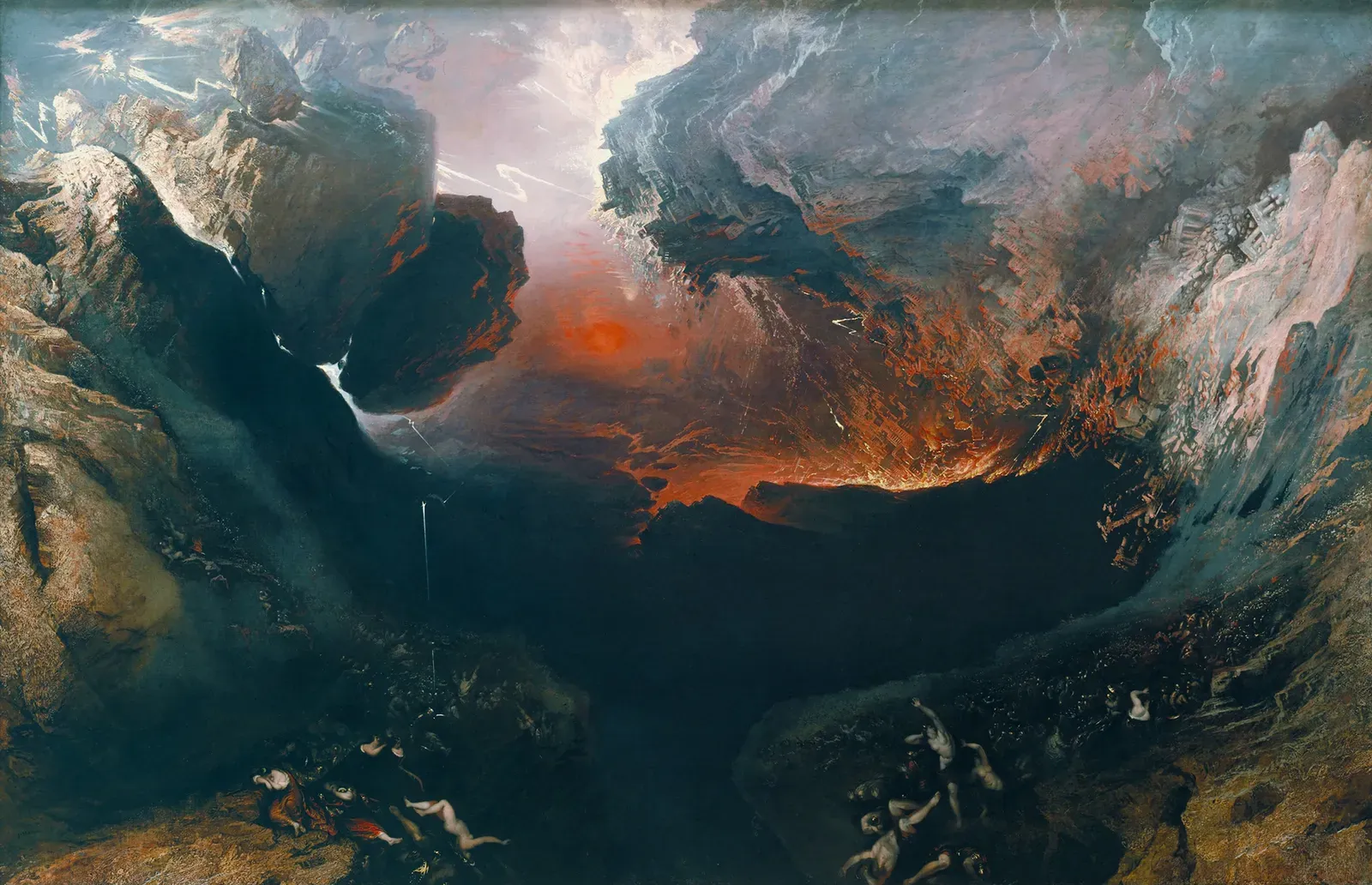
The Great Dying stands as Earth’s most severe extinction event, eliminating roughly 81% of all marine species and 70% of terrestrial vertebrate species. Think about that for a moment. Nearly nine out of every ten creatures swimming in the ancient oceans simply ceased to exist.
This catastrophe also represents the greatest known mass extinction of insects, a group typically resilient to environmental upheaval. On land, vast coniferous forests that once stretched across what is now Europe died out completely. The extinction didn’t discriminate. Trees, plants, lizards, proto-mammals, insects, fish, mollusks, and microbes were nearly wiped out, with roughly 9 in 10 marine species and 7 in 10 land species vanishing.
What’s truly chilling is how fast it happened. The extinction occurred between 251.941 and 251.880 million years ago, lasting only about 60,000 years. In geological terms, that’s essentially instantaneous. Life didn’t slowly fade away over millions of years. It was snuffed out in what amounts to the blink of an eye.
The Smoking Gun: Siberian Traps Volcanism
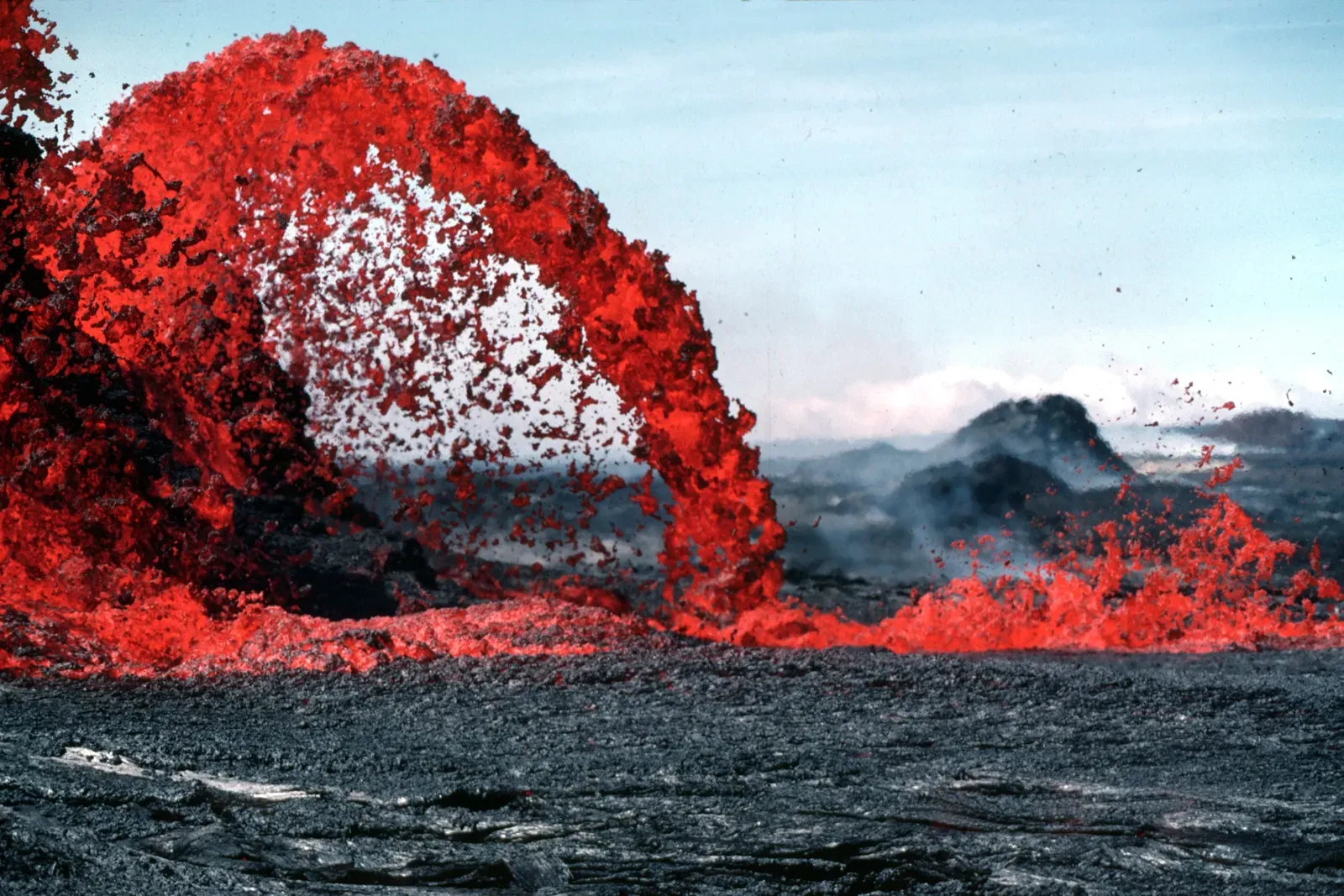
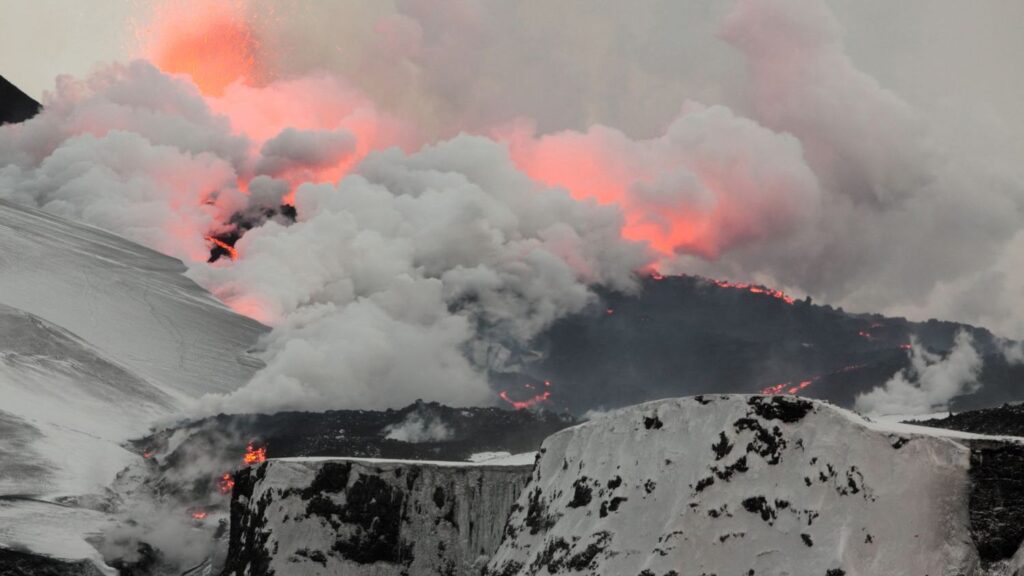
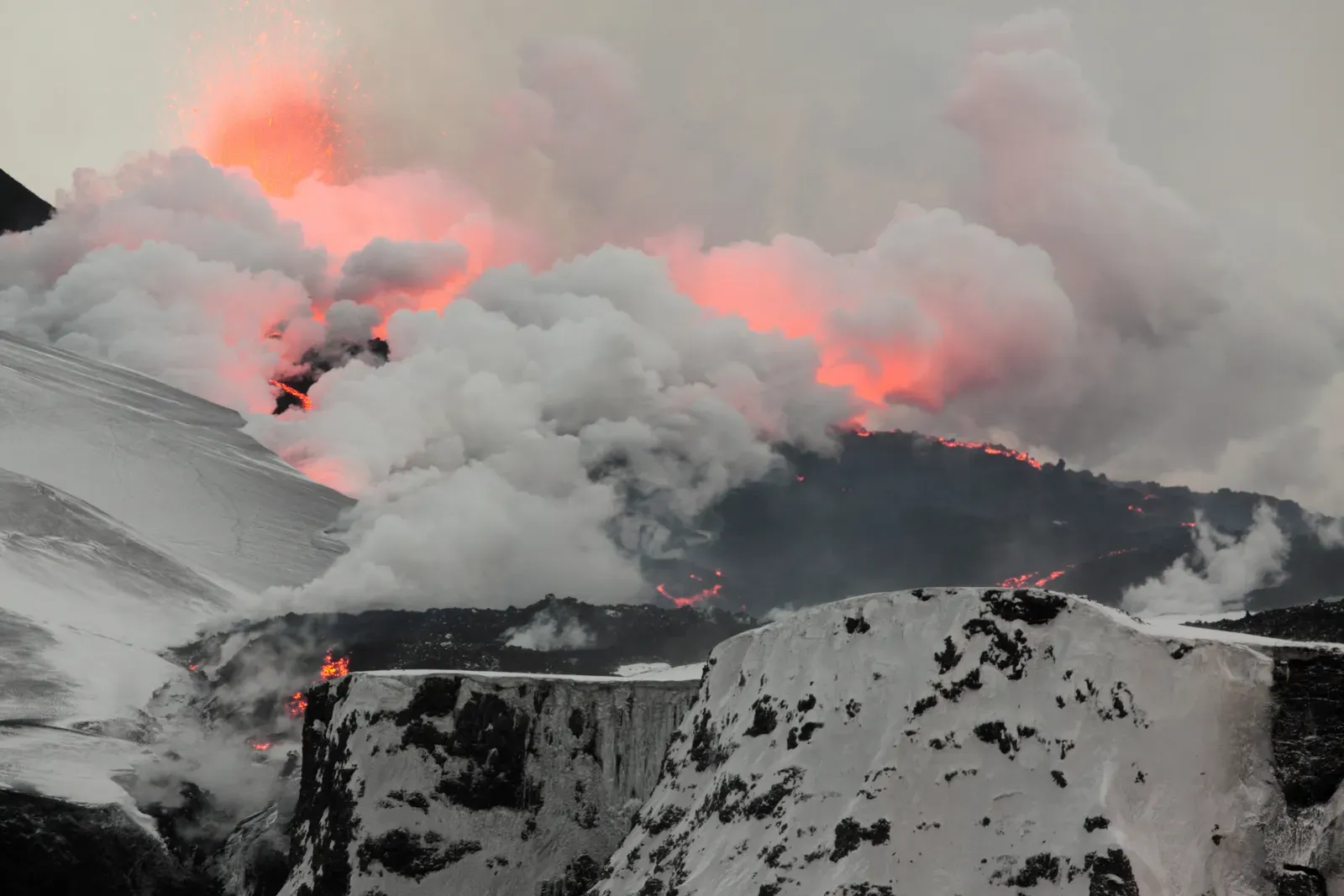
Scientific consensus points to flood basalt volcanic eruptions that created the Siberian Traps as the main culprit, releasing sulfur dioxide and carbon dioxide that resulted in oxygen-starved oceans, elevated global temperatures, and acidified seas. These weren’t your typical volcanoes. The Siberian Traps represent one of the largest volcanic events in Earth’s history.
The eruptions continued for roughly two million years and spanned the Permian-Triassic boundary. Picture an area covering millions of square kilometers being buried under layer after layer of molten rock. Huge volcanoes erupted, releasing 100,000 billion metric tons of carbon dioxide into the atmosphere. That’s an almost incomprehensible amount of greenhouse gas.
Recent research has narrowed down the timing with remarkable precision. Explosive eruptions began around 300,000 years before the extinction started, with enormous amounts of lava erupting both over land and flowing beneath the surface, and about two-thirds of this magma likely erupted prior to and during the mass extinction period. The connection between the volcanic activity and the die-off is unavoidable.
A Greenhouse Nightmare: Climate Gone Wild
The volcanic eruptions didn’t just pour out lava. They fundamentally altered Earth’s climate in ways that made survival nearly impossible for most life forms. Evidence suggests an 8°C rise in temperature, and an increase in CO2 levels to 2,500 ppm, compared to pre-industrial levels of 280 ppm.
Scientists used modeling and plant fossils to trace the biosphere’s transition to 10 degrees of warming, which eradicated tundra habitats and made polar regions temperate. Imagine the polar ice caps not just melting but becoming warm enough to support forests. The entire planet became a hothouse.
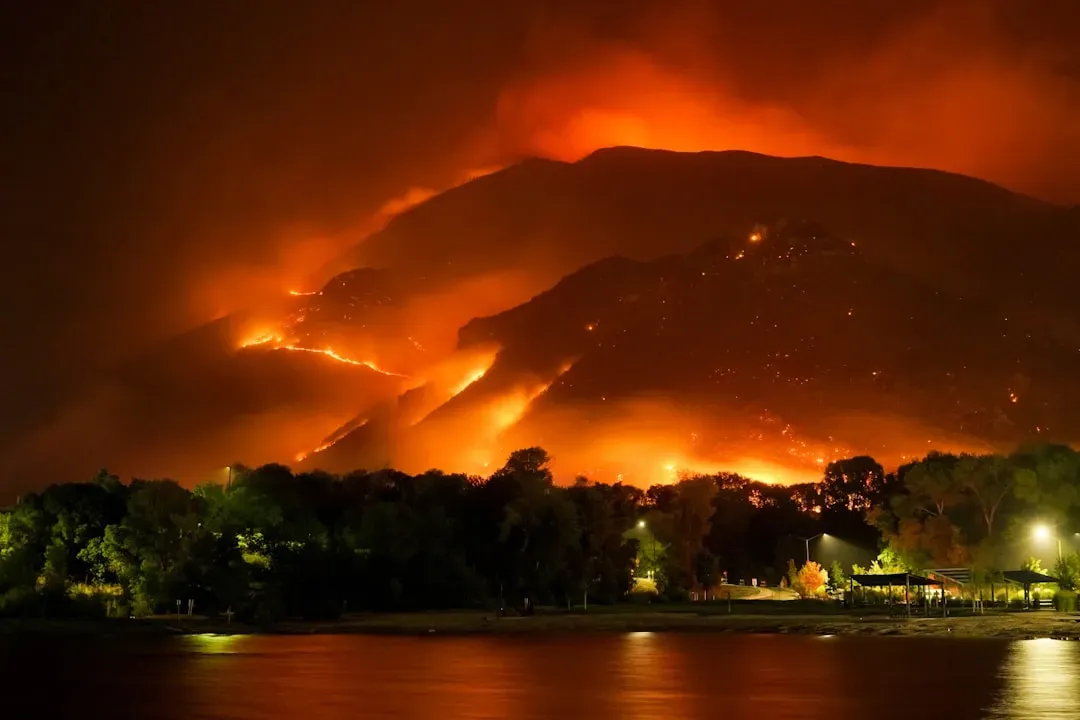
This wasn’t a gradual warming that species could adapt to over time. Over tens of thousands of years, increases in atmospheric carbon dioxide during the Permian period likely triggered severe global warming and accelerating species extinctions, with evidence of simultaneous widespread wildfires that may have added to the warming and triggered catastrophic soil erosion. The world was literally on fire.
Suffocating Seas: Ocean Anoxia and Dead Zones
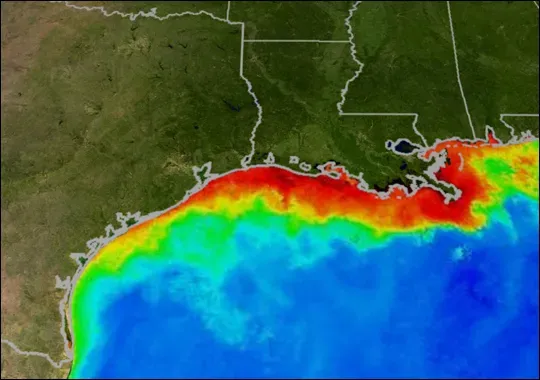
Perhaps the most lethal consequence of the volcanic eruptions was what happened to the oceans. Research shows the Permian mass extinction in the oceans was caused by global warming that left animals unable to breathe, as temperatures rose and the metabolism of marine animals sped up while warmer waters could not hold enough oxygen for them to survive.
It’s hard to imagine the horror. A transition from oxygenated to anoxic conditions is seen in most sections globally, with decreased ocean ventilation coinciding with rapidly rising temperatures. Fish and other marine creatures essentially suffocated en masse. There was nowhere to escape.
The emission of large magnitudes of CO2, SO2, halogens and metals by the eruptions led to global warming, oceanic anoxia, oceanic acidification, ozone reduction, acid rain and metal poisoning. Every single environmental factor turned hostile simultaneously. The oceans became toxic soup where almost nothing could survive. The extent and intensity of anoxia in the world’s oceans during the extinction was unparalleled in the Phanerozoic.
Acidic Waters: The Carbon Crisis in Ancient Oceans
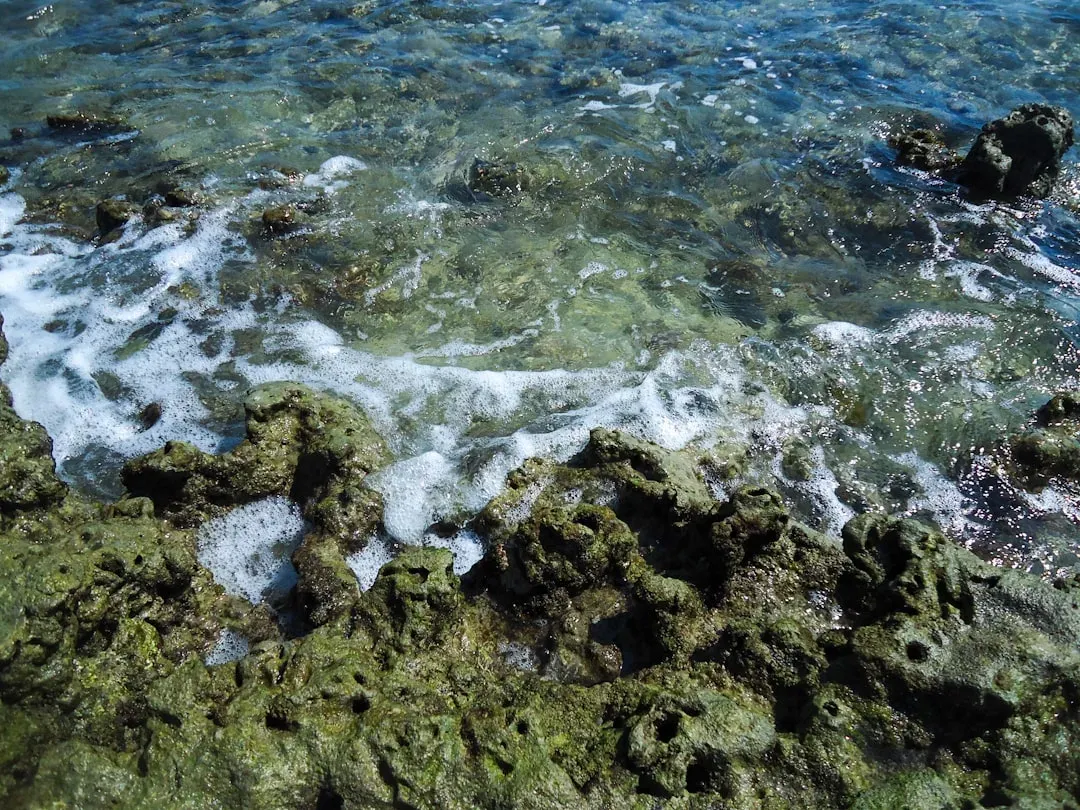
During the second extinction pulse, a rapid and large injection of carbon caused an abrupt acidification event that drove the preferential loss of heavily calcified marine biota. Ocean acidification proved particularly devastating because it attacked the very building blocks that many creatures used to construct their bodies.
The extinction primarily affected organisms with calcium carbonate skeletons, especially those reliant on stable CO2 levels to produce their skeletons, as these organisms were susceptible to ocean acidification that resulted from increased atmospheric CO2. Coral reefs, shellfish, and countless other species found their shells and skeletons literally dissolving in the increasingly acidic water.
However, the role of ocean acidification remains somewhat debated. Results from fossil studies show an absence of deformities on bivalves and gastropods from the Triassic, suggesting that if ocean acidification did develop during the mass extinction event, it most likely only occurred in the latest Permian and was not severe enough to impact calcification. Still, the combined stress of warming, anoxia, and acidification created an environment where survival was nearly impossible.
Lethal Feedback Loops: When Bad Gets Worse
What makes the Great Dying truly terrifying is how one environmental catastrophe triggered another in a cascading series of disasters. The loss of vegetation during the mass extinction significantly reduced the planet’s ability to store carbon, meaning very high carbon levels persisted, creating a threshold effect where the loss of forests became irreversible on ecological timescales.
Picture this: volcanoes spew out carbon dioxide, which warms the planet and kills forests. Dead forests can’t absorb carbon, so temperatures keep climbing. Higher temperatures kill more plants and release more carbon from dying ecosystems. It’s a vicious cycle with no easy way out.
Studies show that Siberian Traps magmas intruded into and incorporated coal and organic material, giving direct evidence that the magmas also combusted large quantities of coal and organic matter during eruption. The volcanic activity literally cooked underground coal deposits, releasing even more greenhouse gases. Nature had effectively created its own doomsday machine.
The rate of carbon dioxide injection into the late Permian system was probably similar to today’s anthropogenic rate, but it went on for roughly 10,000 years. Even today’s massive fossil fuel emissions pale in comparison to the total amount released.
The Long Road Back: Recovery and Resilience
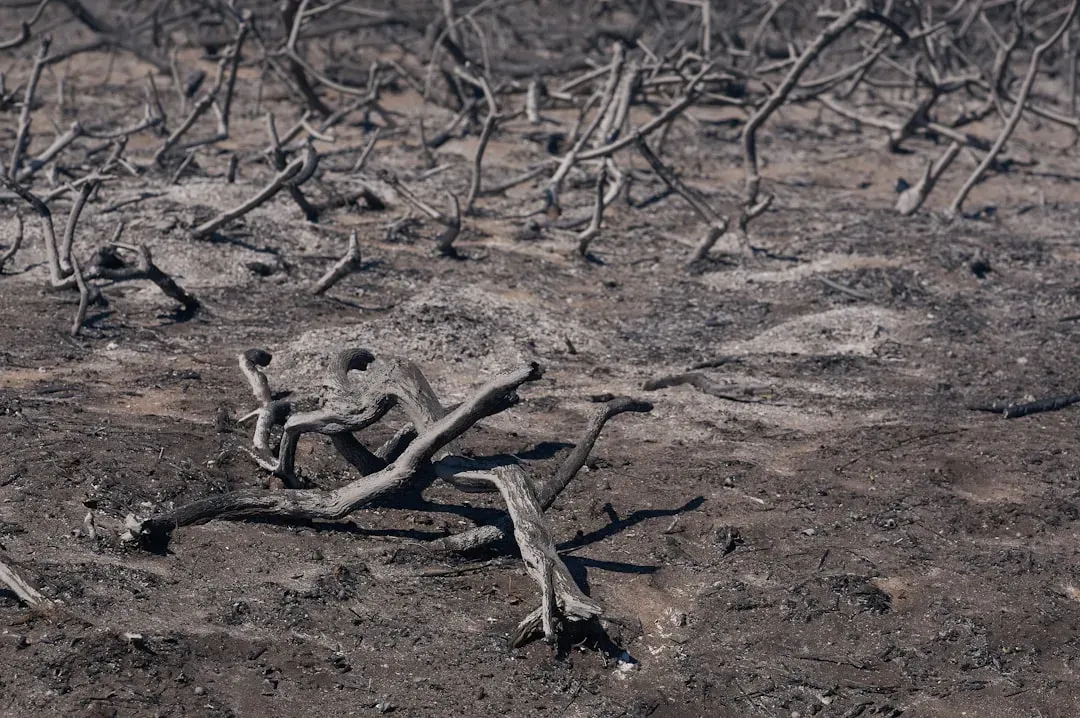
Recovery took several million years, with it taking hundreds of thousands to millions of years for the ecosystem to recover from the catastrophe, which profoundly altered the course of evolution of life on Earth. The planet didn’t just bounce back quickly. For millions of years, Earth remained a devastated, unstable place where ecosystems struggled to rebuild.
About 252 million years ago, upward of 80% of all marine species vanished, followed by a mysterious, multimillion-year span that could be called the Great Dulling, when marine animal communities looked remarkably alike all over the planet. Biodiversity remained crushingly low. The few survivors spread across the globe, but there was little variety or complexity in these post-apocalyptic ecosystems.
Persistently low levels of diversity contributed to reduced biotic competition, while prolongation of environmental stressors like extreme heat, ocean anoxia, and ocean acidification continued throughout the Early Triassic, and environmental instability with episodic occurrences of further disturbances suppressed, delayed, or even completely reset recovery. Just when life seemed to be gaining a foothold, another environmental crisis would knock it back down. By some estimations, the Great Dying was responsible for the extinction of up to 90% of all species, wiping out many groups of insects, large numbers of mammal-like reptiles, and killing off all the trilobites.
The Great Dying remains the closest call life on Earth has ever faced. It’s a stark reminder that our planet’s biosphere, as robust as it seems, can be pushed to the brink by environmental catastrophe. Understanding what happened 252 million years ago isn’t just academic curiosity. This framework can be used to understand tipping behavior in the climate system in response to present-day CO2 increases, though if increases continue at the same rate, we will reach the level of emissions that caused the mass extinction in around 2,700 years. The lessons from the Great Dying couldn’t be more relevant today. What do you think would happen if we pushed our planet to similar extremes? Could modern life survive what the ancient world barely endured?