Roughly 252 million years ago, life on Earth came breathtakingly close to being erased entirely. The Permian-Triassic extinction event, colloquially known as the Great Dying, wiped out an estimated 57% of biological families, 62% of genera, nearly all marine species, and about seven out of every ten terrestrial vertebrate species. No other known crisis in the history of complex life has come close to matching that scale of loss.
What makes it so fascinating, and sobering, is that this wasn’t a single sudden blow. Scientific understanding of the extinction process has evolved considerably, revealing not one large calamitous event but a confluence of environmental stressors that acted in unison, creating conditions where life simply could not be sustained. The story of the Great Dying is one of cascading disasters, each feeding the next, stretching across thousands of years and multiple continents.
The World Before the Catastrophe: Late Permian Earth
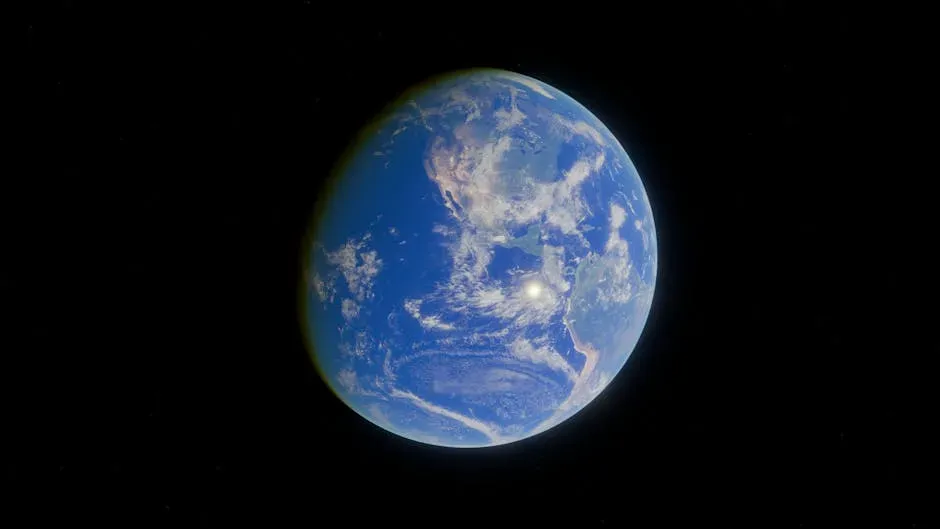
To understand what was lost, you need a sense of what Earth actually looked like before the disaster unfolded. The Permian period began about 299 million years ago, and during this time, all land on Earth was united as a single supercontinent called Pangaea. This massive landmass created climates of extreme contrast, from frozen polar regions to vast scorching interior deserts.
Rainforests thrived in the hot and humid parts of Pangaea near the equator, while the inner section of the supercontinent was intensely hot and dry. Despite these sometimes harsh conditions, many animals prospered during the Permian period. Seas teemed with corals, brachiopods, and trilobites, while reptiles and mammal-like creatures called synapsids roamed the land in remarkable diversity.
The Siberian Traps: Earth’s Most Destructive Volcanic Event
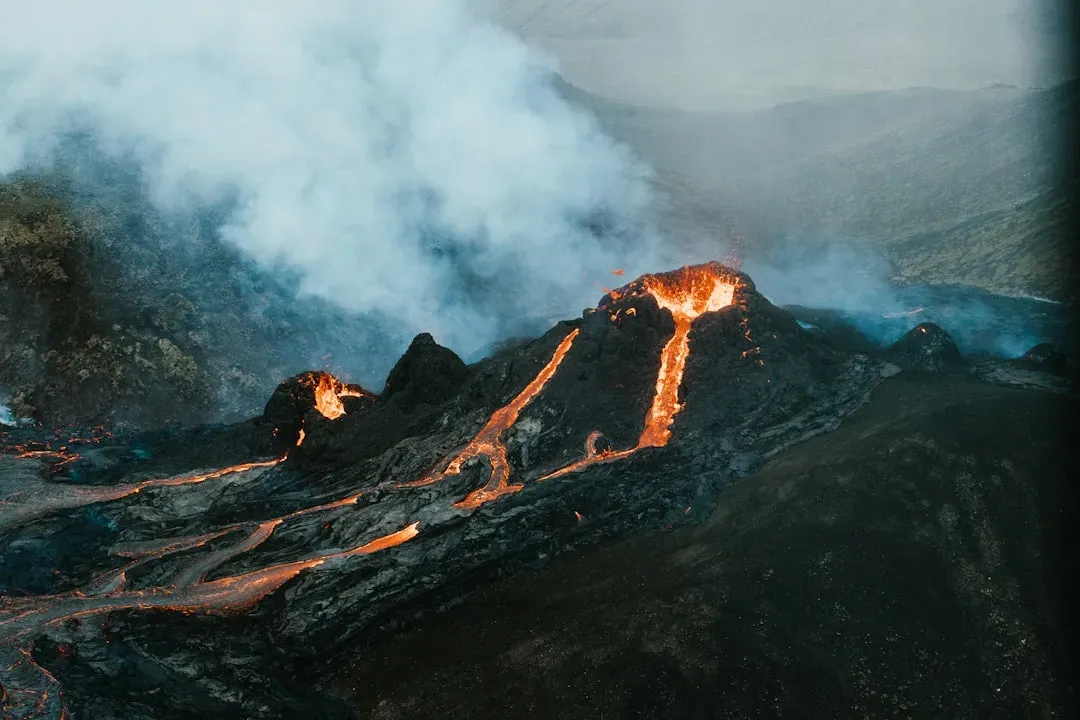
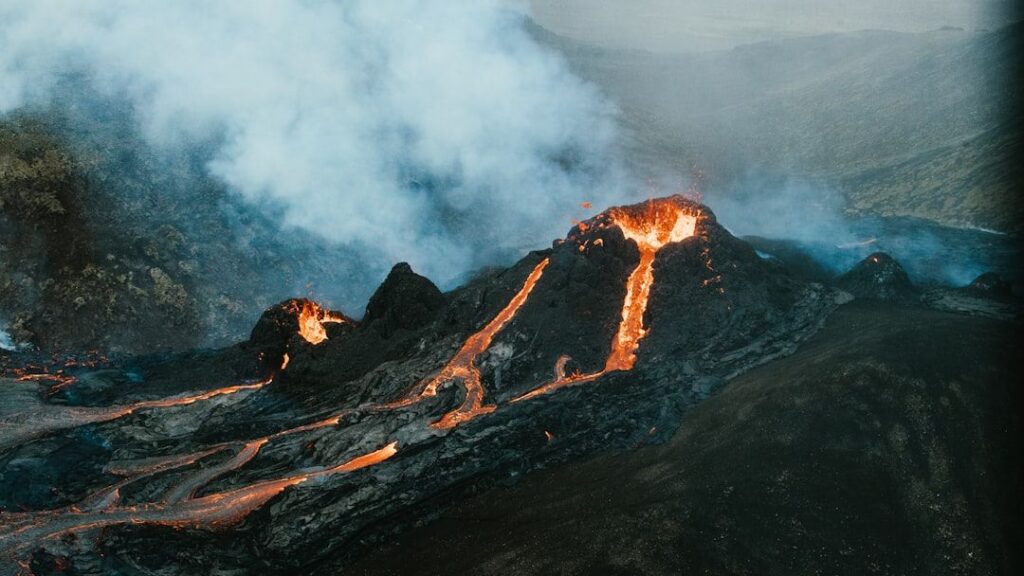
The scientific consensus is that the main cause of the extinction was the flood basalt volcanic eruptions that created the Siberian Traps, which released sulfur dioxide and carbon dioxide, resulting in oxygen-starved and sulfurous oceans, elevated global temperatures, and acidified seas. This was no ordinary volcanic episode. The massive eruptive event that formed the traps is one of the largest known volcanic events in the last 500 million years, and the eruptions continued for roughly two million years, spanning the Permian-Triassic boundary.
The flood basalt eruptions that produced the Siberian Traps extruded lava over roughly two million square kilometres, an area approximately the size of Saudi Arabia, producing a catastrophic impact. The emission of large magnitudes of CO2, SO2, halogens, and metals by the eruptions led to global warming, oceanic anoxia, ocean acidification, ozone reduction, acid rain, and metal poisoning, triggering major extinctions in both terrestrial and marine ecosystems. Essentially, the Siberian Traps didn’t just kill life once. They systematically dismantled the systems that life depended on.
A Poisoned Atmosphere: Carbon, Heat, and Acid Rain
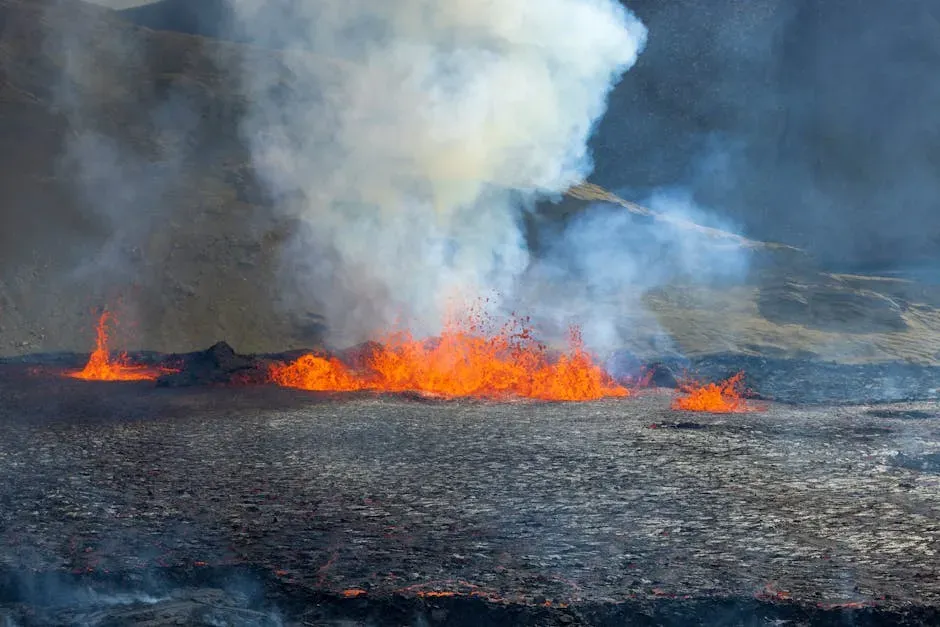
The Permian-Triassic mass extinction was caused by volcanic eruptions in what is now the Siberian Traps, releasing an estimated 100,000 billion metric tons of carbon dioxide into the atmosphere over a million years, killing off most animals except for a few lineages, including the animals that would eventually evolve into the earliest dinosaurs. That figure is almost impossible to visualize. For comparison, evidence around the Permian-Triassic boundary suggests an 8 degrees Celsius rise in temperature and an increase in CO2 levels to 2,500 parts per million, compared to just 280 ppm before the Industrial Revolution.
The Siberian lithosphere was rich in halogens extremely destructive to the ozone layer, and around 18 teratonnes of hydrochloric acid were emitted, along with sulfur-rich volatiles that caused dust clouds and acid aerosols, which would have blocked sunlight and disrupted photosynthesis on land and in the photic zone of the ocean, causing food chains to collapse. The Siberian Traps magmas also intruded into and incorporated coal and organic material, giving direct evidence that the magmas combusted large quantities of coal and organic matter during eruption. This burning of ancient carbon reserves poured additional greenhouse gases into an already overwhelmed atmosphere.
Dead Oceans: Anoxia and the Collapse of Marine Life
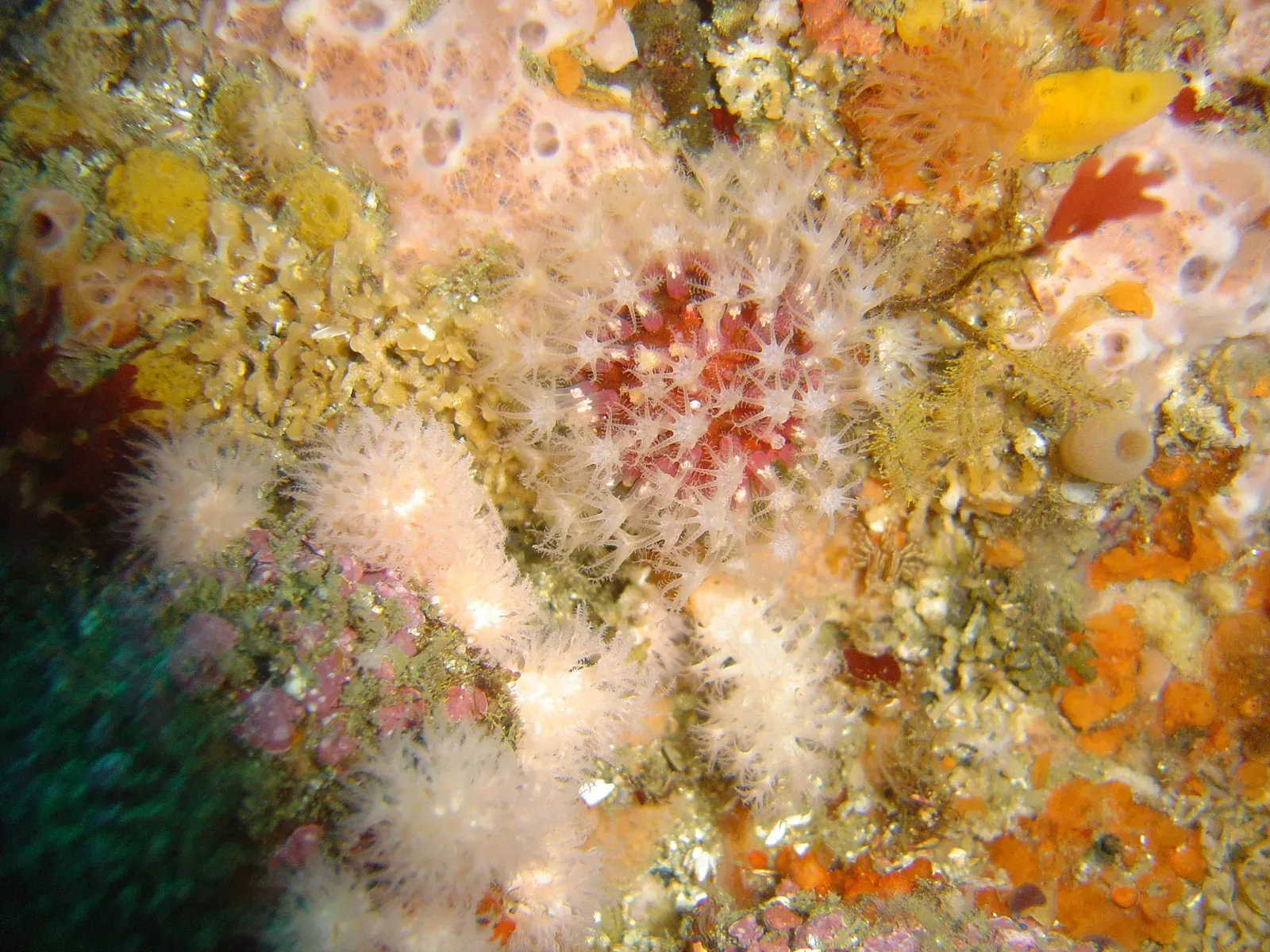
The marine losses during the Permo-Triassic mass extinction were the worst ever experienced, and all groups were badly affected, especially among bottom-dwellers such as brachiopods, corals, bryozoans, foraminifers, and ostracods. The mechanism behind this marine carnage was particularly brutal. Ocean anoxia, or oxygen deficiency, was a global rather than an isolated phenomenon, and research shows that anoxic conditions reduced seawater oxygen levels by roughly a hundredfold at the onset of the mass extinction.
High-temperature-intolerant shallow-water dwellers such as corals, large foraminifers, and radiolarians were eliminated first, while hypoxia-tolerant small foraminifers were driven from shallow waters, and only those mollusk groups tolerant of both low oxygen and high temperatures were able to thrive in the immediate aftermath. Research indicates the Siberian Traps eruptions raised ambient temperatures to somewhere between 35 and 40 degrees Celsius. For most marine organisms, those temperatures, combined with oxygen-depleted water, created conditions that were simply lethal.
The Collapse of Forests and a Runaway Greenhouse
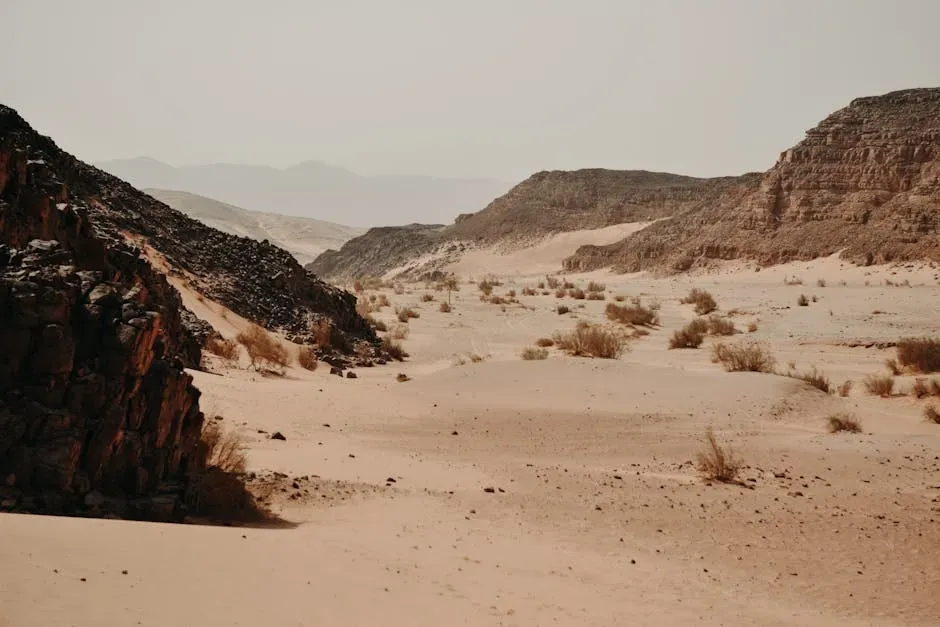
The Permian-Triassic Mass Extinction happened around 252 million years ago, leading to massive loss of marine species and significant declines in terrestrial plants and animals, and has been attributed to intense global warming triggered by the Siberian Traps, but scientists have been unable to pinpoint why super-greenhouse conditions persisted for around five million years afterward. Recent research has offered a compelling answer. A team of international researchers led by the University of Leeds and the China University of Geosciences in Wuhan gathered new data supporting the theory that the demise of tropical forests, and their slow recovery, limited carbon sequestration, a process where carbon dioxide is removed from the atmosphere and held in plants, soils, or minerals.
The results confirmed that the loss of vegetation during the mass extinction event significantly reduced the planet’s ability to store carbon, meaning very high levels remained in the atmosphere. Forests are a vital climate buffer as they absorb and store planet-heating carbon, and they also play a crucial role in silicate weathering, a chemical process involving rocks and rainwater that is a key way of removing carbon from the atmosphere. Once the forests collapsed, the planet lost its natural thermostat. The later Triassic stabilized at temperatures roughly 10 degrees higher than previously.
Who Survived and How Life Eventually Recovered
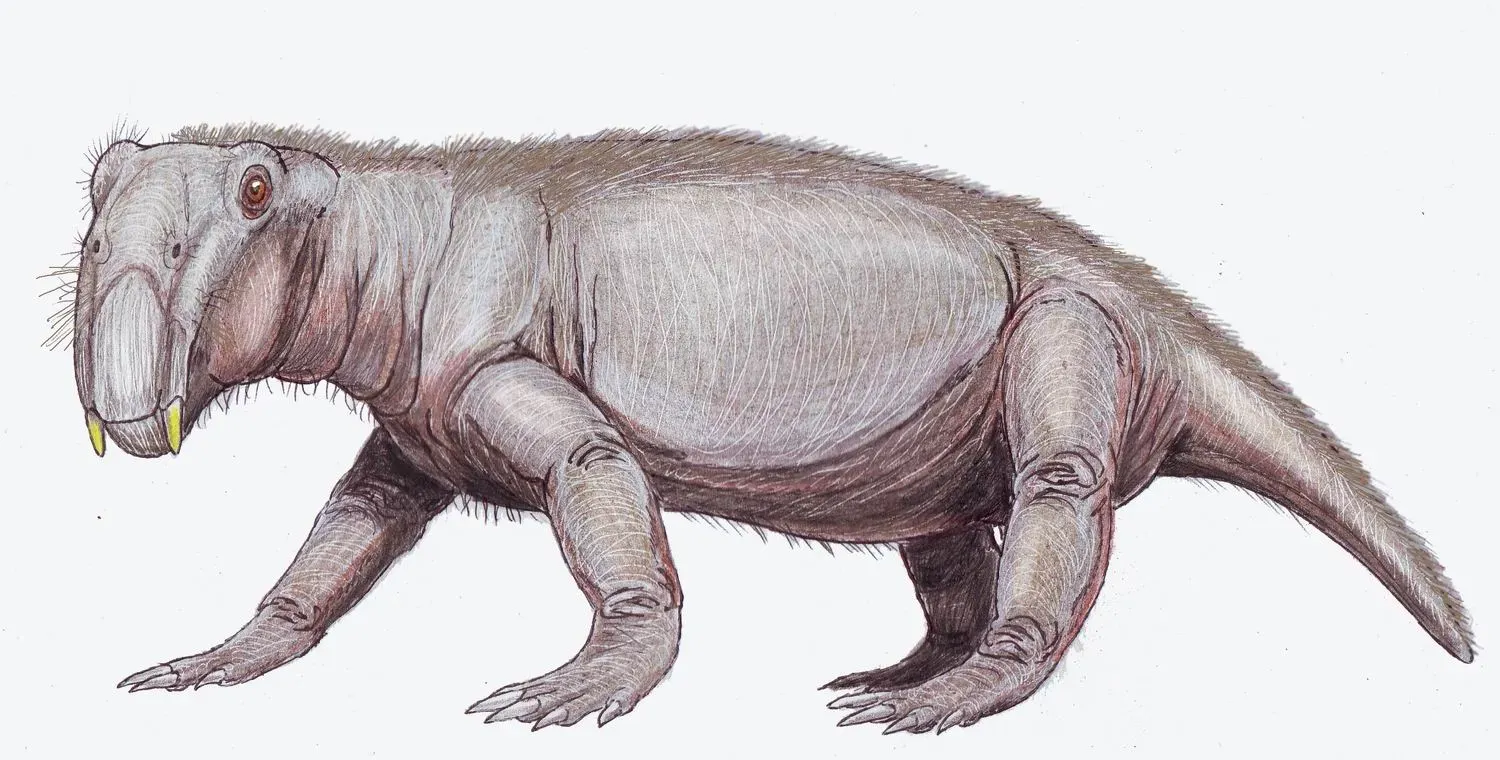
Terrestrial vertebrates experienced a significant bottleneck, with only about 30% of genera surviving into the Triassic. A prominent survivor was Lystrosaurus, a tusked herbivorous synapsid related to mammals, which became exceptionally abundant in the early Triassic. Early diapsids, ancestors of archosaurs, also persisted, though their diversification into dominant forms occurred later. These survivors often represented a small number of “disaster taxa” that dominated depopulated landscapes.
For millions of years after the end-Permian mass extinction, the same few marine survivor species show up as fossils all over the planet. What followed was a mysterious, multimillion-year span that could be called the “Great Dulling,” when marine animal communities looked remarkably alike all over the planet, from the equator to the poles. Research found that after the extinction, it took about 5 million years for animals at the top of the food chain to emerge, but it took about 50 million years for the underlying ecosystem to fully bounce back. Recovery, in other words, was not a quick rebound. It was a long, stuttering, oxygen-limited crawl.
Conclusion: What the Great Dying Still Tells Us Today
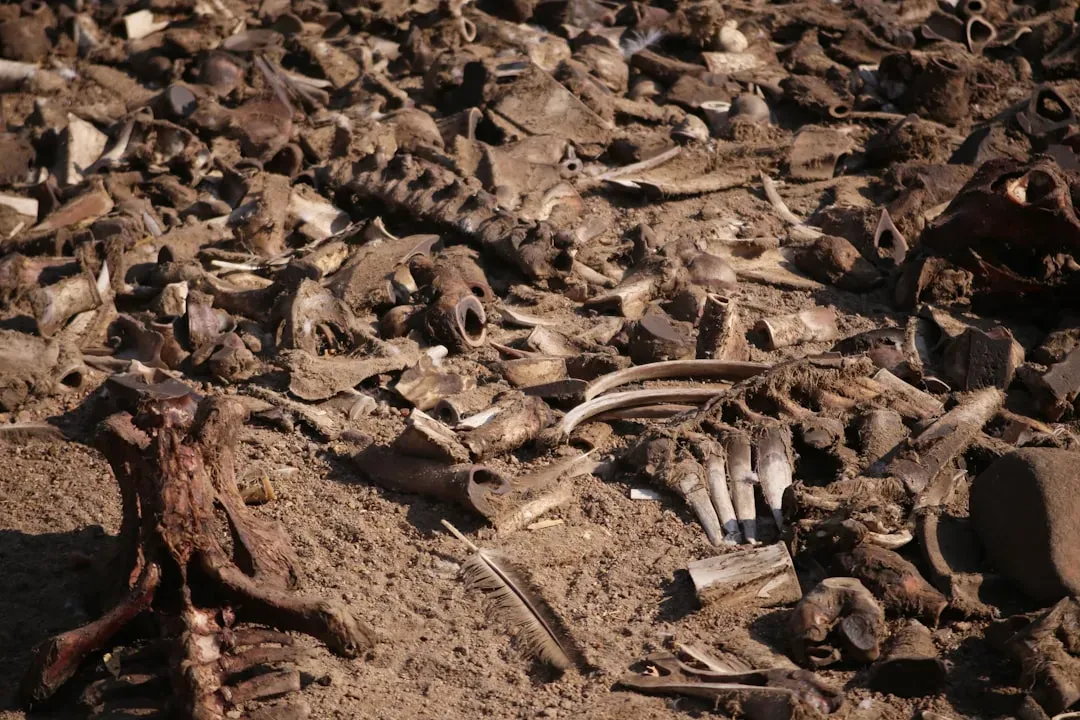
The Great Dying is not simply a chapter from an unimaginably distant past. It is, in many ways, a reference point for understanding what happens when planetary systems are pushed past their limits. Research suggests that if current CO2 increases continue at the same rate as today, humanity will reach the level of emissions that caused the Permian-Triassic mass extinction in around 2,700 years, a much faster timescale than the natural boundary emissions of the ancient event.
In addition to illuminating the deep past, models developed from studying the Great Dying can help scientists and policymakers predict and better understand the presently unfolding biodiversity crisis. The research also shows what might happen if rapid global warming causes the planet’s rainforests to collapse in the future, a tipping point scientists are increasingly concerned about, and warns that even if humans were to stop all greenhouse gas emissions altogether, the Earth may not cool.
Perhaps the most striking thing about the Great Dying is not how different those ancient conditions are from our own, but how recognizable the mechanisms feel. Excess carbon, warming oceans, collapsing forests, depleted oxygen. The planet survived what happened 252 million years ago. Life eventually returned. What the fossil record makes clear is that it didn’t have to, and that survival, even on a planetary scale, is never guaranteed.