There is something almost mystical about the idea of massive, earth-shaking herds surging across open plains, crossing rivers, and pushing through ice and wind toward a horizon they have never seen. These were not small, cautious movements. They were epic, continent-spanning journeys, driven by primal instincts, shaped by climate, and carried forward by sheer biological necessity. The story of ancient animal migrations is one of the most extraordinary narratives in natural history, and it touches every corner of the globe.
You might think migration is a modern concept, something we track with satellite collars and GPS chips. The truth is far more humbling. These journeys stretch back millions of years, encoded in bones, tusks, ancient DNA, and fossilized hoofprints. Let’s dive in.
The World Before Borders: How Ancient Herds Moved Freely Across Continents
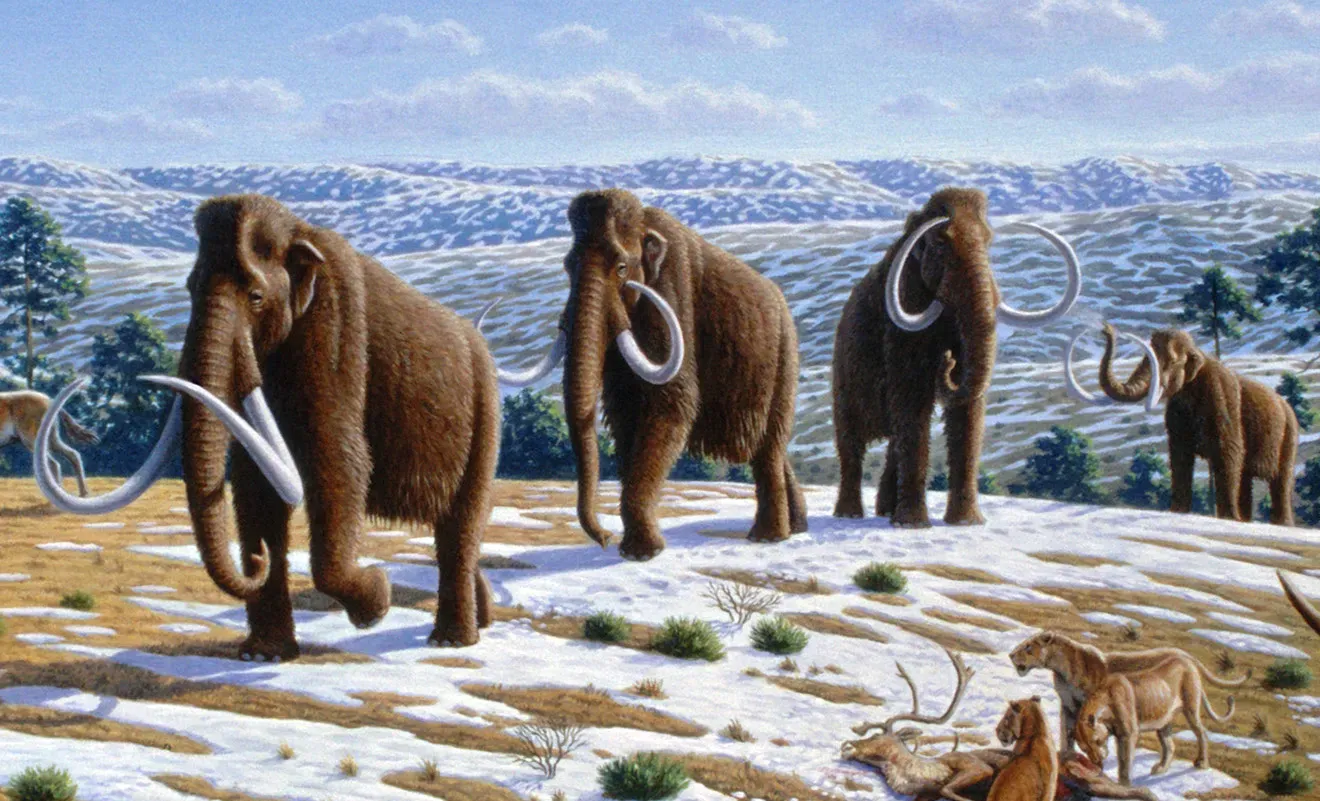
Imagine a world without fences, roads, or national boundaries. A world where a herd of woolly mammoths could wander from what is now Siberia all the way to the plains of Alaska, barely noticing the transition. That world existed, and for millions of years it was the norm. During the Pleistocene epoch, global cooling led periodically to the expansion of glaciers and the lowering of sea levels, and these processes created land connections in various regions around the globe. These connections were the highways of the ancient world.
During glacial periods, global sea levels dropped as much as 100 to 150 metres, revealing the floor of the Bering Sea and creating a connection of land between Alaska and Siberia. This land, known as Beringia, was not a frozen wasteland. The lack of moisture caused the boreal forests to disappear, turning the land into a vast plain full of nutritious grasses, herbs and flowering plants, an ecosystem now called the mammoth steppe, and it was home to large herds of grazers, including woolly mammoths, steppe bison, and Yukon horses. In other words, you would have been looking at something akin to a cold-weather Serengeti.
Beringia: The Lost Superhighway of the Ice Age
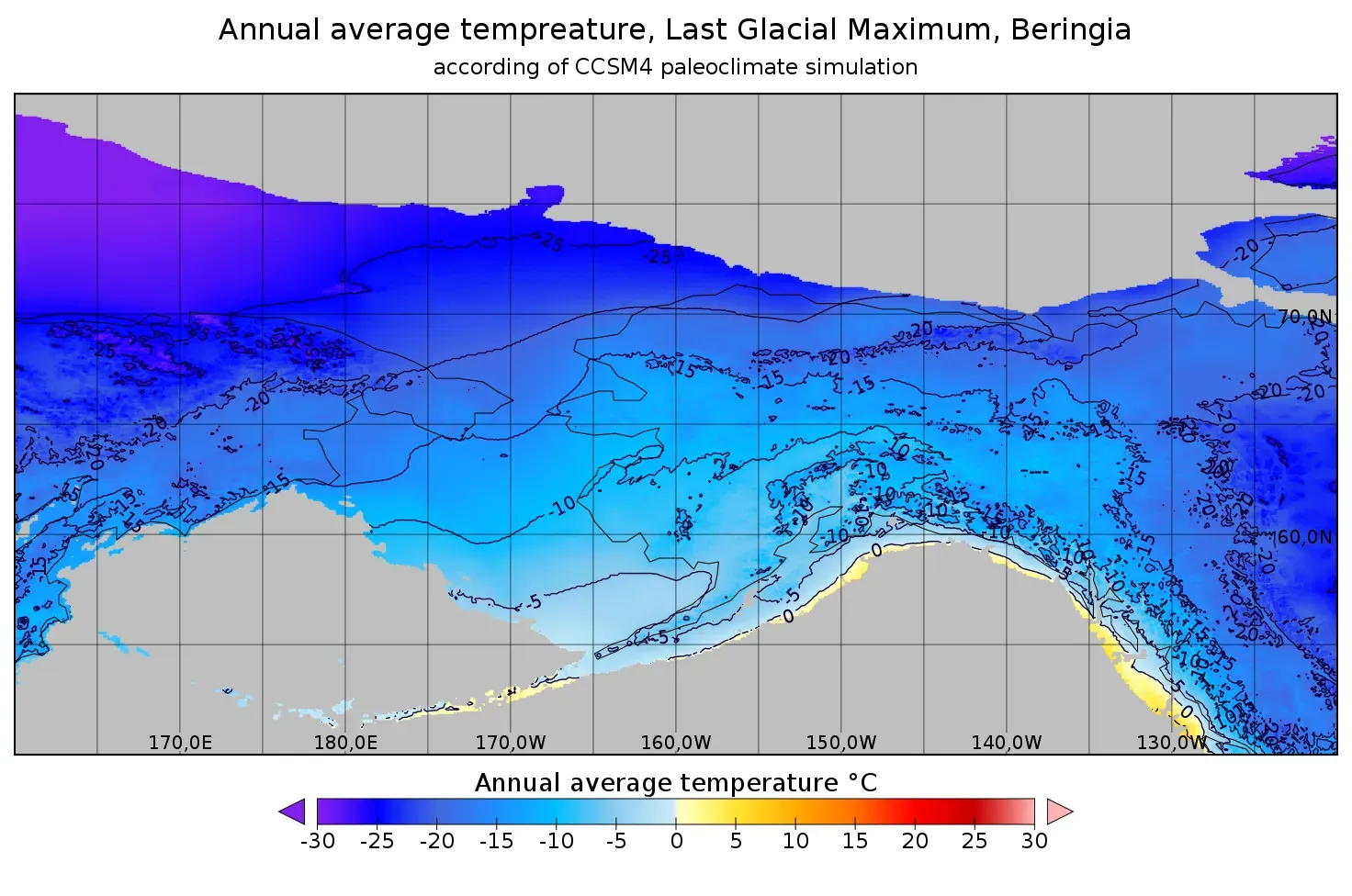
Here’s the thing about Beringia that most people don’t fully appreciate. At various times, it formed a land bridge referred to as the Bering land bridge that was up to 1,000 km wide at its greatest extent and which covered an area as large as British Columbia and Alberta together, totaling about 1.6 million square kilometers, allowing biological dispersal between continents. That is not a narrow bridge. That is an entire country of open land teeming with life.
Horses, camels, caribou and black bears migrated out of North America, while bison, mammoths, moose, elk and humans migrated into North America. This two-way traffic makes Beringia one of the most biologically significant crossroads in Earth’s history. It was occupied by migratory herds of Pleistocene animals, including mammoth, bison, and reindeer, and these animals provided food and clothing for nomadic peoples of northeast Asia, who were drawn to the hunting grounds of Beringia. You start to see how deeply the fates of humans and migrating herds were intertwined.
Woolly Mammoths: Giants on the Move
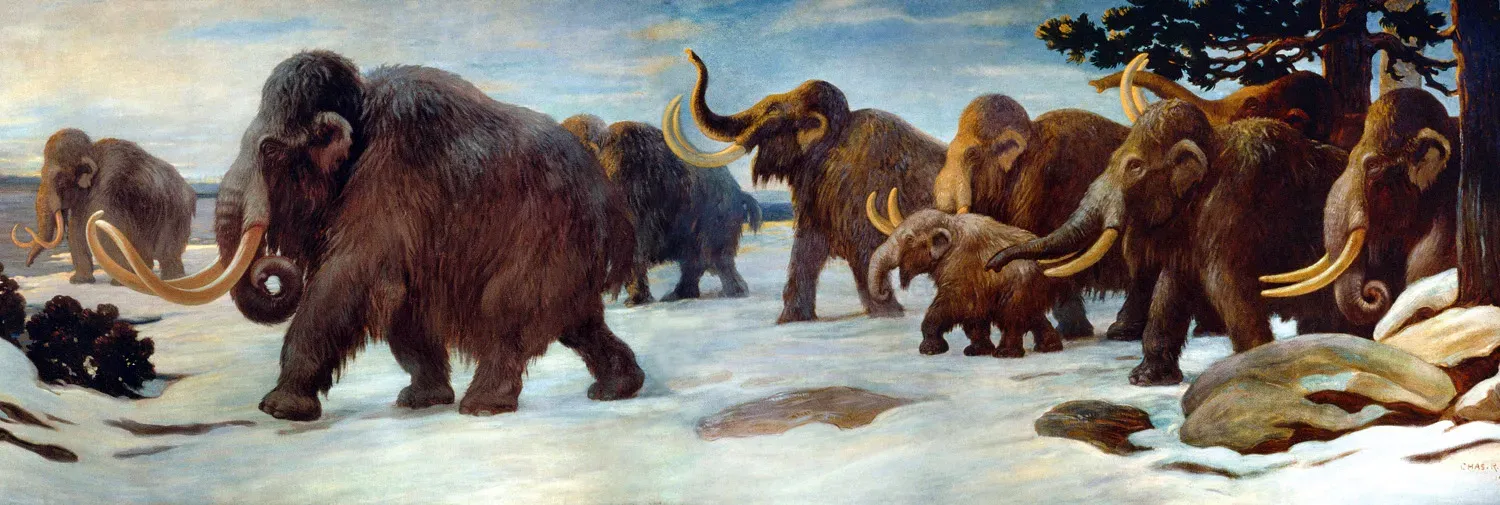
You might picture the woolly mammoth as a slow, lumbering creature. Scientists now know that picture is wrong. Studies of ancient tusks reveal that these giants were, in fact, serious long-distance travelers. The plentiful fossils of bison, mammoths, caribou, horses, musk oxen, and lions found between Alaska and Russia suggest something like a cold-weather Serengeti. These were not isolated animals. They were part of a vast, interconnected megafaunal community spread across continents.
Mammoths traveled to North America about 1.7 million to 1.2 million years ago. Think about that number for a moment. These journeys were not one-time events. They were repeated, generational, and deeply embedded in the biology of each species. In the millennia following individual mammoths’ lives, the mammoth steppe slowly filled with trees, shrinking the mammoths’ preferred habitat and constricting their movements across the landscape. Climate change, in other words, was always the ultimate boundary-setter, long before humans ever got involved.
Steppe Bison: The Intercontinental Survivors
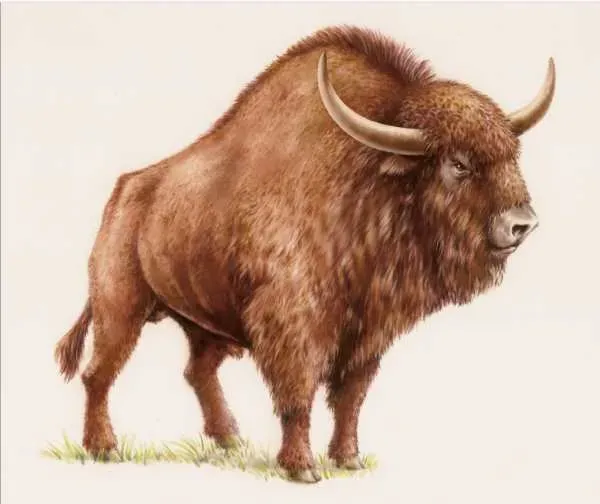
If you want to talk about ancient migrators that really left a mark on history, look no further than the steppe bison. Steppe bison first crossed Beringia around 160,000 years ago, making their way from Europe and Asia to North America. That is an almost incomprehensibly long timeline. Radiocarbon dating and DNA analysis of bison fossils enabled researchers to track the migration of Pleistocene steppe bison into an ice-free corridor that opened along the Rocky Mountains about 13,000 years ago. Scientists essentially used bison as a biological clock to figure out when entire migration routes opened and closed.
Unlike other types of fauna that moved between the Americas and Eurasia, such as mammoths, horses, and lions, bison survived the North American extinction event that occurred at the end of the Pleistocene. Honestly, that is extraordinary. Nearly everything else around them disappeared. The results of DNA studies showed that the southern part of the corridor opened first, allowing southern bison to start moving northward as early as 13,400 years ago, before the corridor fully opened, and later there was movement of northern bison southward, with the two populations overlapping in the corridor by 13,000 years ago. Migration was never just a one-way street.
The Serengeti Great Migration: An Ancient Spectacle Still Alive Today
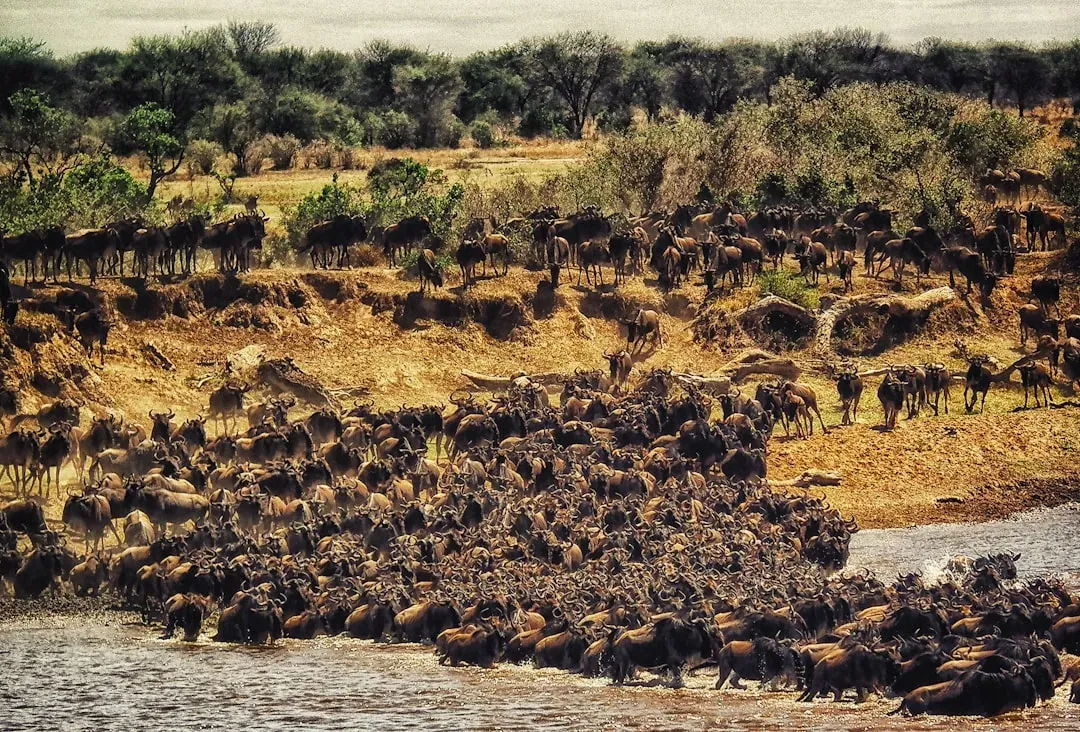
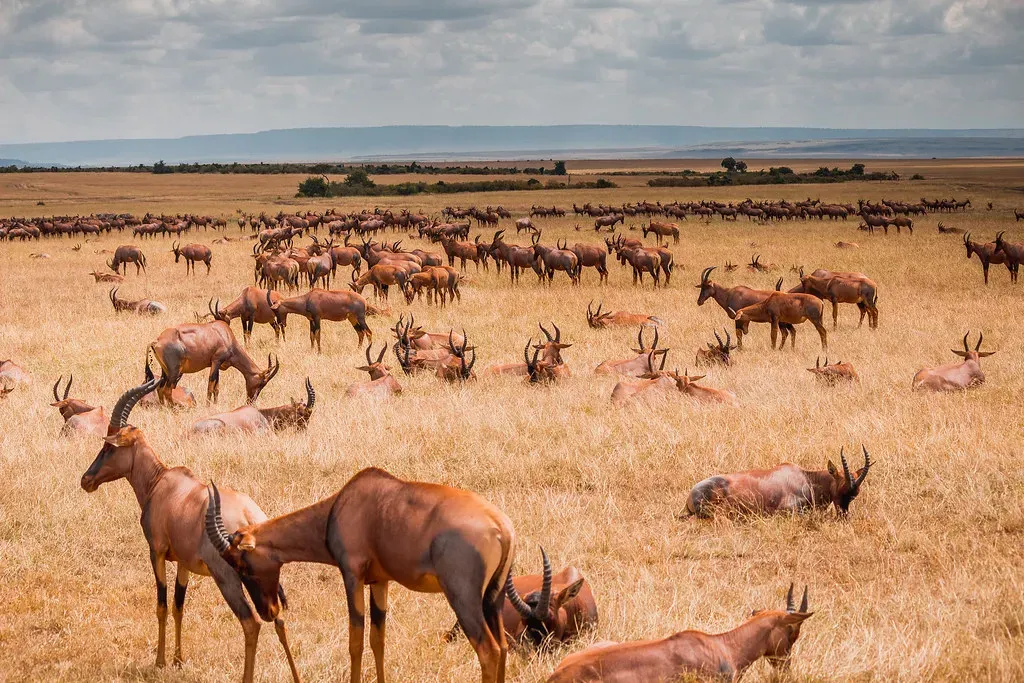
While many ancient migrations have vanished into the fossil record, one of the most breathtaking herd migrations on Earth is still happening right now. The Great Migration is the largest herd movement of animals on the planet. With up to 1,000 animals per square kilometer, the great columns of wildebeest can be seen from space, and the numbers are astonishing: over 1.2 million wildebeest and 300,000 zebra along with topi and other gazelle move in a constant cycle through the Serengeti-Mara ecosystem in search of nutritious grass and water. Let that sink in for a second. Seen from space.
The 800 kilometer trek of the immense wildebeest herd is the largest mammal migration on earth, and the timing of the migration coincides with the greening of nutritious grasses on the short-grass plains during the wet season. The journey is ruled entirely by rain. The journey is beset with danger: young calves are snatched by predators, the slow are brought down by prides of lions, brave beasts break legs on steep river slopes, crocodiles take their share of the stragglers, and the weak and exhausted drown. It is brutal, raw, and utterly magnificent. I think there is no other spectacle on Earth quite like it.
Following the Herds: How Ancient Migrations Shaped Human Civilization
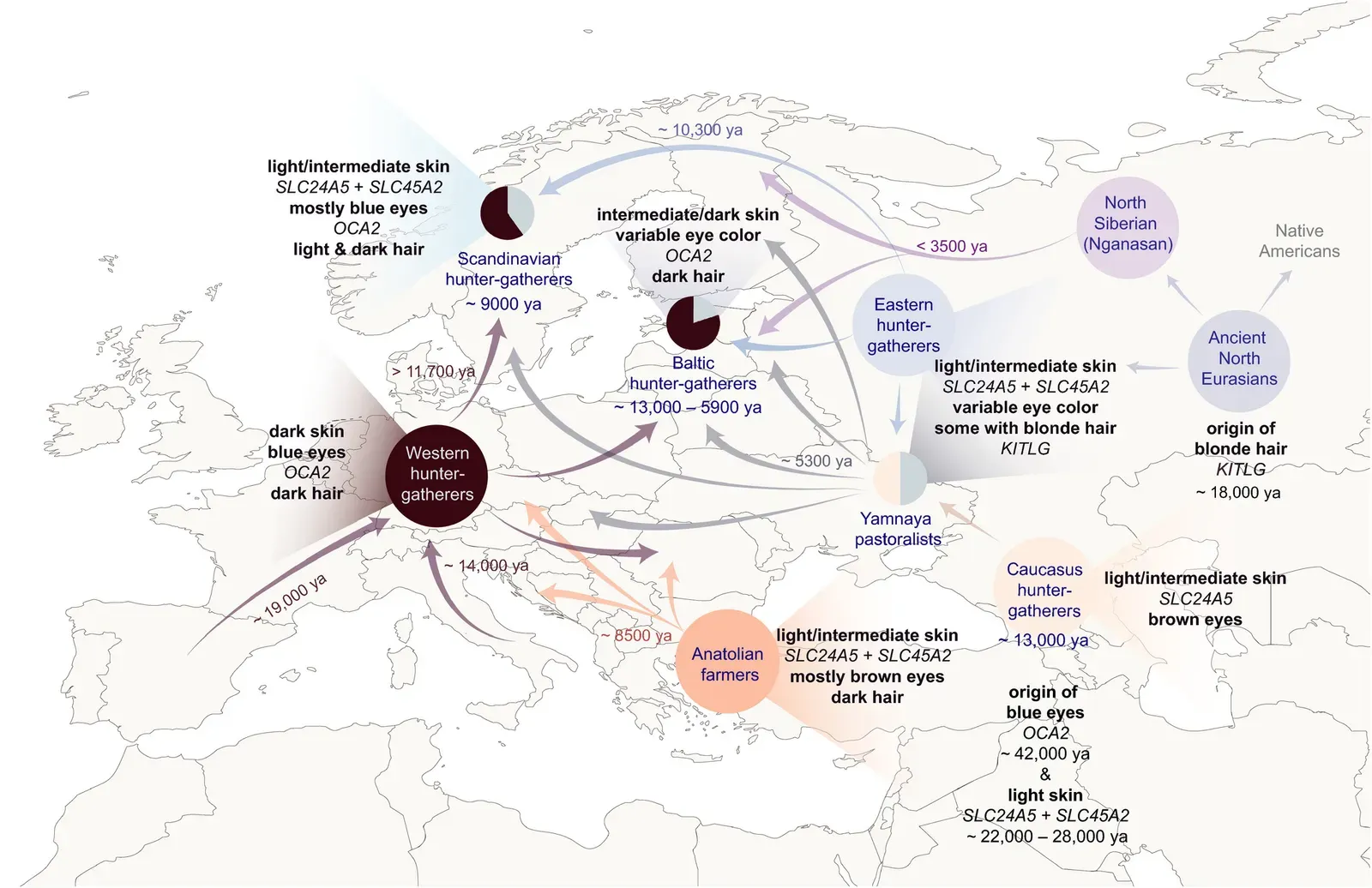
Here is a truth that tends to get lost in the romance of ancient migration stories. You and everyone you know exists partly because your ancestors followed herds. Early human groups were largely nomadic, relying on following food sources for survival, and mobility was part of what made humans successful. As nomadic groups, early humans likely followed the food from Eurasia to the Americas, which is part of the reason why tracing megafaunal DNA is so helpful for garnering insight into these migratory patterns. In other words, the migration of woolly mammoths and steppe bison effectively pulled human civilization across continents.
While termed a migration, these early human movements were not conscious efforts to populate a new continent, but rather a simple pursuit of food and shelter, the basic necessities of life. There is something deeply humbling about that. Archaeologists piece together migration stories by analyzing stone tools, fossilized footprints, and sediment layers. In Ethiopia’s Afar region, volcanic ash layers help date hominin dispersal, while rock art in the Sahara offers visual echoes of ancient travelers. Every clue left in the earth tells part of a story that stretches back further than we can easily imagine. Migration, it turns out, is the oldest human story there is.
Conclusion
The great migrations of ancient herds are not just chapters in a paleontology textbook. They are the reason ecosystems exist as you know them, the reason you live where you do, and the reason the continents were populated the way they are. From woolly mammoths thundering across Beringia to millions of wildebeest crossing the Mara River under the eyes of circling vultures, these journeys reveal something fundamental: life, at its core, is always moving toward something better, greener, and more sustaining.
Migration is a survival strategy shaped by climate, landscape, and resource availability. It has always been. The ancient herds did not plan their routes or consult maps. They simply moved, driven by instinct and environmental pressure, and in doing so, they reshaped continents. Next time you watch footage of the Serengeti crossing, or read about the frozen tusks of Pleistocene mammoths unearthed in Siberia, remember that you are witnessing the echo of one of Earth’s greatest ongoing stories. What do you think is more staggering, the scale of these migrations or the fact that we can still witness one of them today? Tell us in the comments.