You’ve probably seen the Hollywood version. Raptors swooping down with dead eyes, programmed killing machines, nothing more than feathered missiles targeting their next meal. Maybe you remember those clever girls from Jurassic Park, but even that portrayal simplified these remarkable creatures into pack hunters driven purely by instinct. The truth is, real raptors possess cognitive abilities that would surprise even the most dedicated moviegoers.
These birds of prey have been quietly demonstrating intelligence that challenges everything we thought we knew about avian cognition. While crows and parrots typically steal the spotlight in conversations about bird smarts, raptors have been solving problems, remembering faces, and adapting to challenges in ways that rival some primates. Let’s dive into what science is revealing about these misunderstood predators.
The Brain Behind the Talons
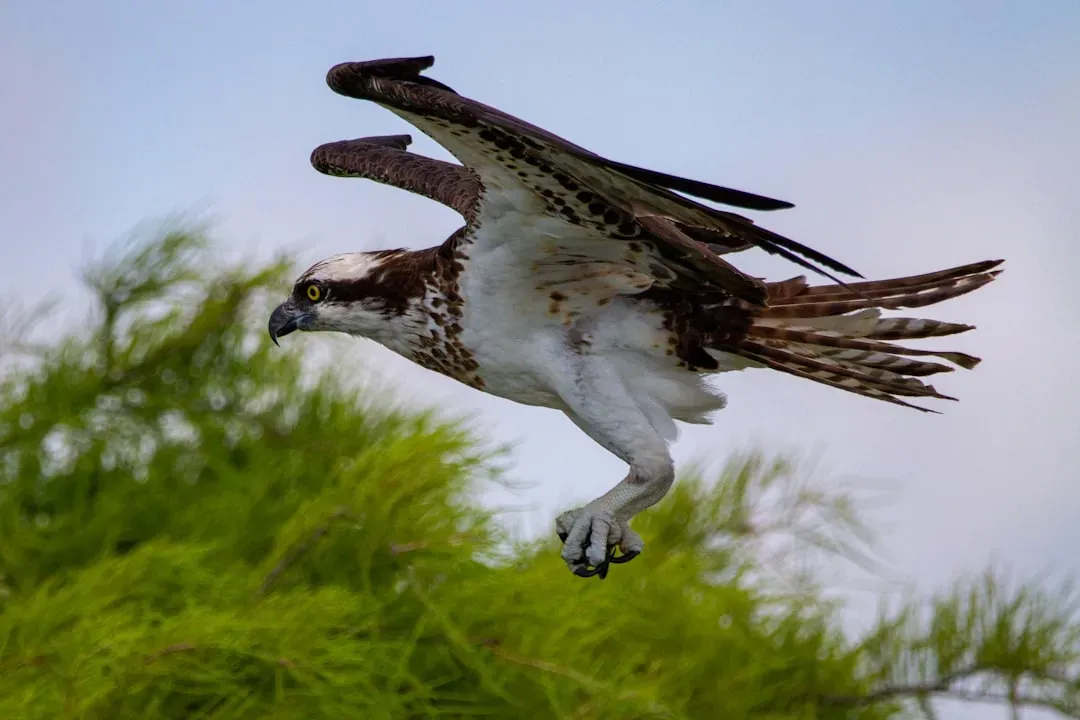
Hawks have surprisingly large brains for birds, with relative brain sizes comparable to primates, and some species even rival great apes. This isn’t just about raw size either. Red-tailed hawks have a brain-to-body mass ratio of 1:222 similar to chimpanzees, while Harris’s hawks have the largest brain-to-body ratio of any bird at 1:86, and peregrine falcons have a ratio of 1:158.
The structure matters as much as the size. Birds have a region called the dorsal ventricular ridge, or DVR, that shows neuronal connectivity similar to the mammalian neocortex, with neurons arranged into layers and columns, suggesting the two regions may function similarly in both organisms. Think about that for a moment. Evolution took two completely different paths to arrive at the same solution for advanced thinking.
Problem Solvers in Feathers
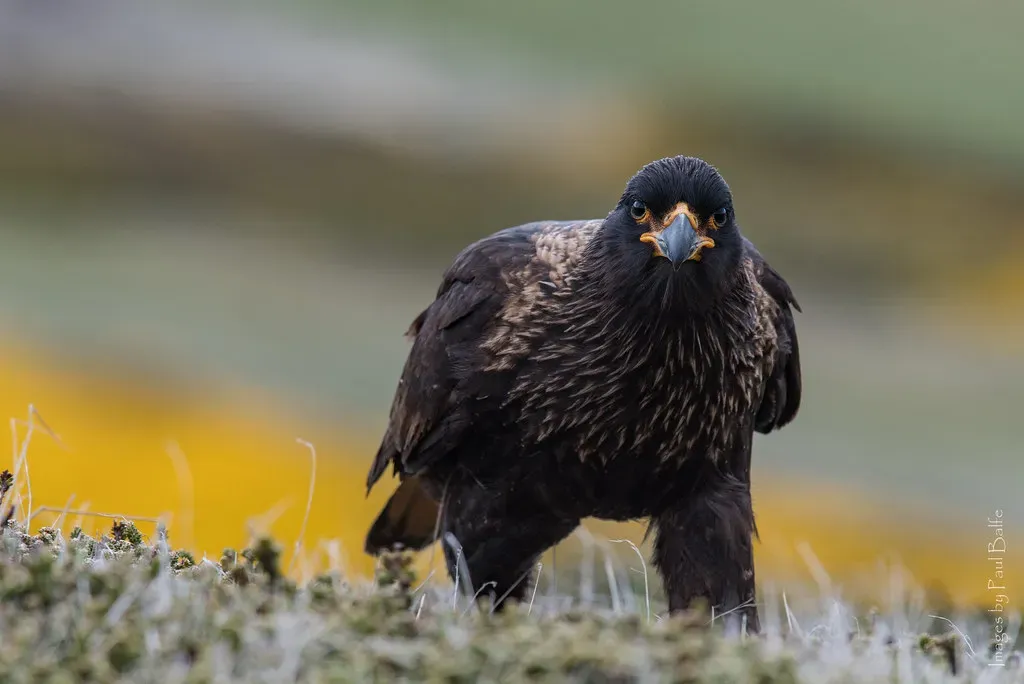
The striated caracara stands out as a particularly bright and adept problem solver, often exceeding expectations for a bird of prey, and is often cited in scientific circles as being at the top of the raptor intelligence scale. These birds aren’t just good at what nature taught them. Studies have shown that striated caracaras can solve complex puzzles, even outperforming some famously intelligent birds such as Goffin’s cockatoos.
The real kicker came from field experiments. Researchers found that birds were eventually able to figure out puzzles and repeat the process each time, and when the team returned about a year later, the birds certainly remembered how to solve them, with nearly 70% of cases showing the bird immediately trying the same approach that worked in the previous year. That’s not instinct, honestly. That’s memory and learning combined with practical application.
Memory That Lasts Beyond Seasons
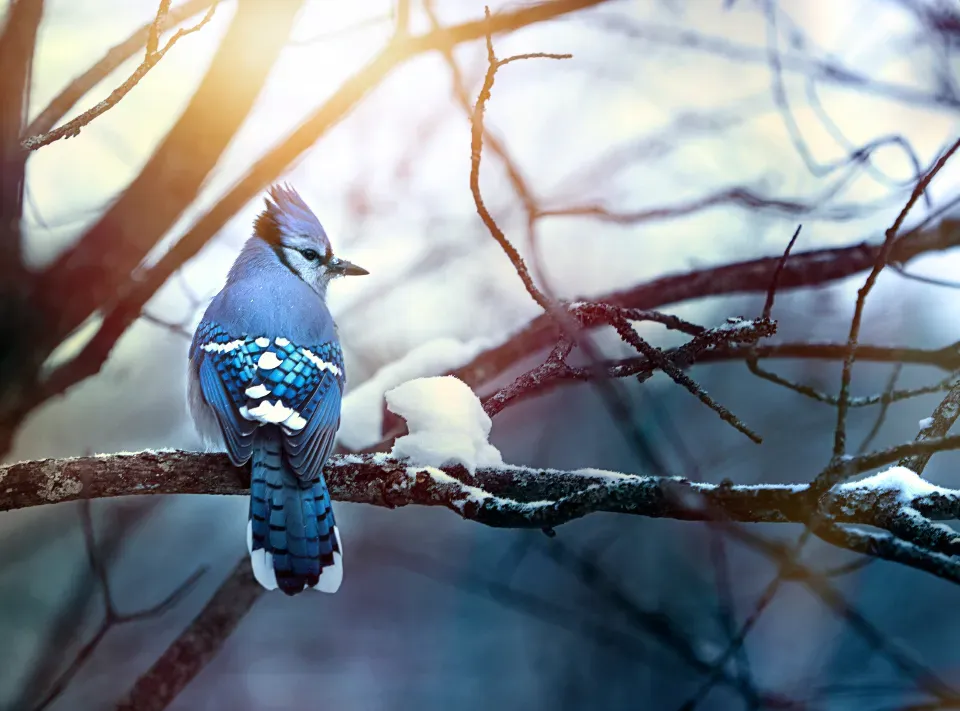
It’s one thing to remember something for a few days. It’s quite another to retain that information across years. Wild jays were tested to see if they remembered a complex foraging task more than 3 years after their initial experience, and experienced jays remembered how to solve the task and their behavior had significant positive effects on interactions by naïve group members at the task.
Raptors display this same impressive memory capacity. Hawks display strong long-term memory capabilities, as they can remember successful hunting locations and return to them, and they remember faces of threatening humans and avoid those areas. Let’s be real, if you’ve ever threatened a hawk, it hasn’t forgotten you. That bird is holding a grudge with GPS coordinates attached.
Social Intelligence and Cooperative Hunting
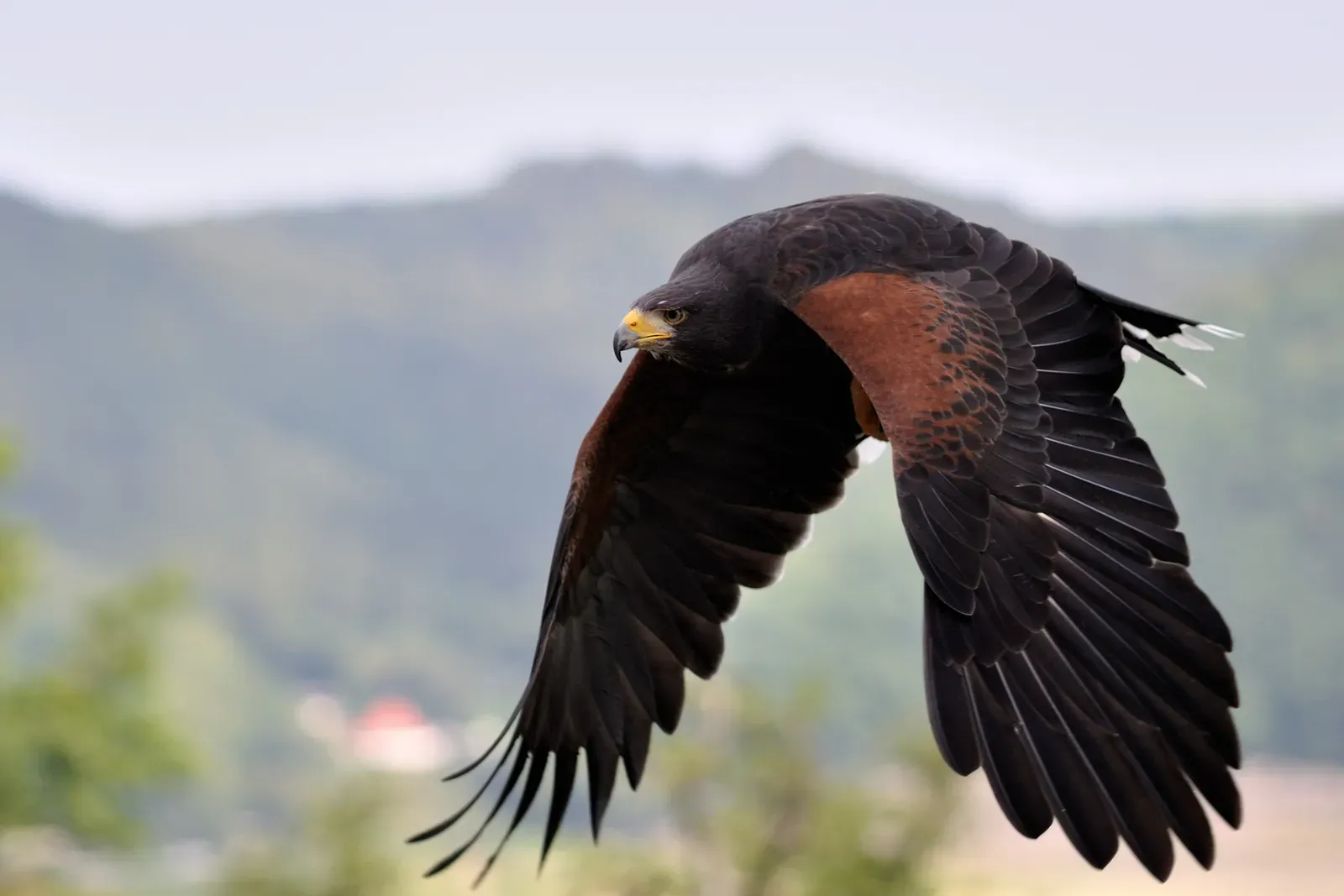
Most raptors hunt alone, but there’s a fascinating exception that challenges everything we thought about solitary predators. Harris’s hawks work in groups of 2-6 to tackle larger prey with 85% success rates, breaking the rule completely as these desert raptors form cooperative hunting teams with sophisticated group tactics. Their teamwork puts most office collaboration to shame.
Hunting success jumps from 45% for pairs to an impressive 85% for groups of 4-6 birds through coordinated attacks, and group hunting enables tackling larger prey as these teams take down jackrabbits twice their size using relay attacks and strategic positioning that’d be impossible for solo hunters. The coordination required here suggests they’re not just acting on instinct but actively communicating and strategizing together.
Tool Use and Manipulation
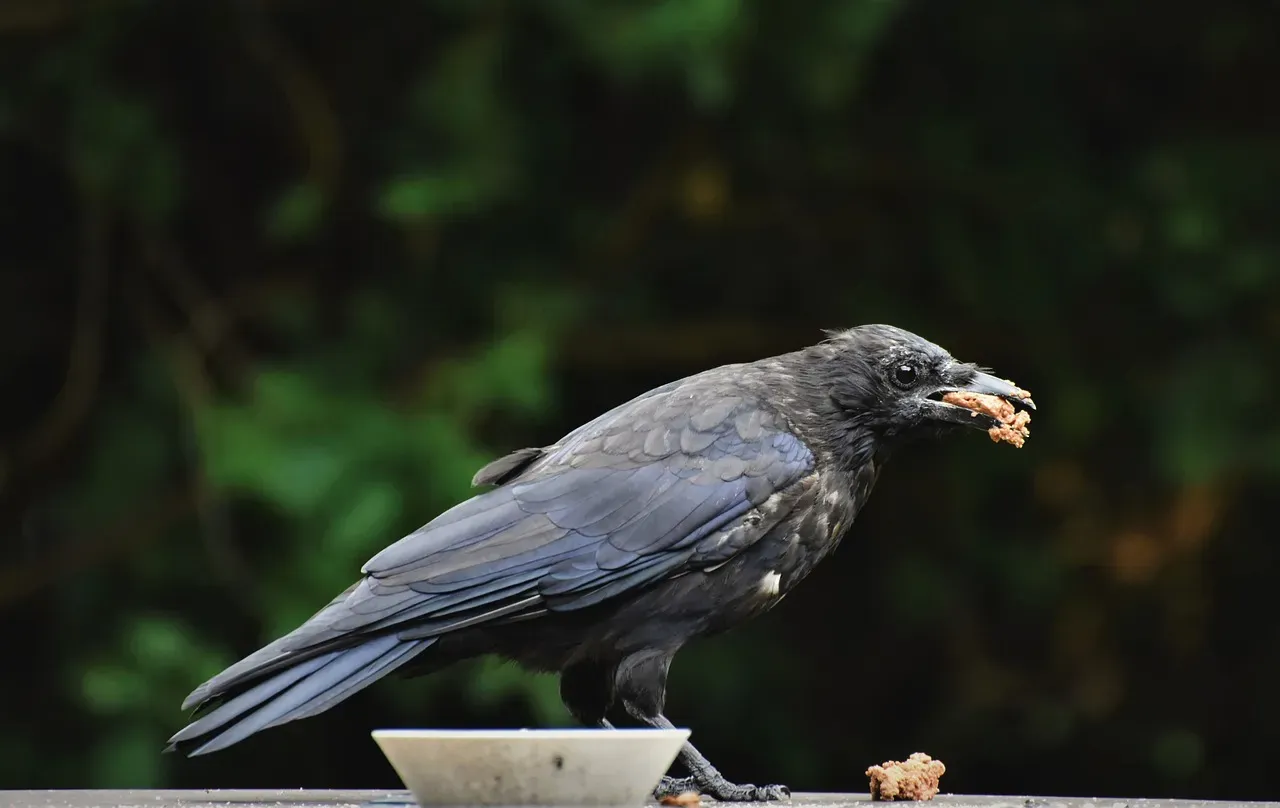
Tool use was once considered a hallmark of primate intelligence, something that separated the truly clever from the merely competent. Tool use has been observed in certain raptors, such as the Egyptian vulture, which drops rocks to break open eggs. Simple perhaps, but it demonstrates an understanding of cause and effect that goes beyond basic survival programming.
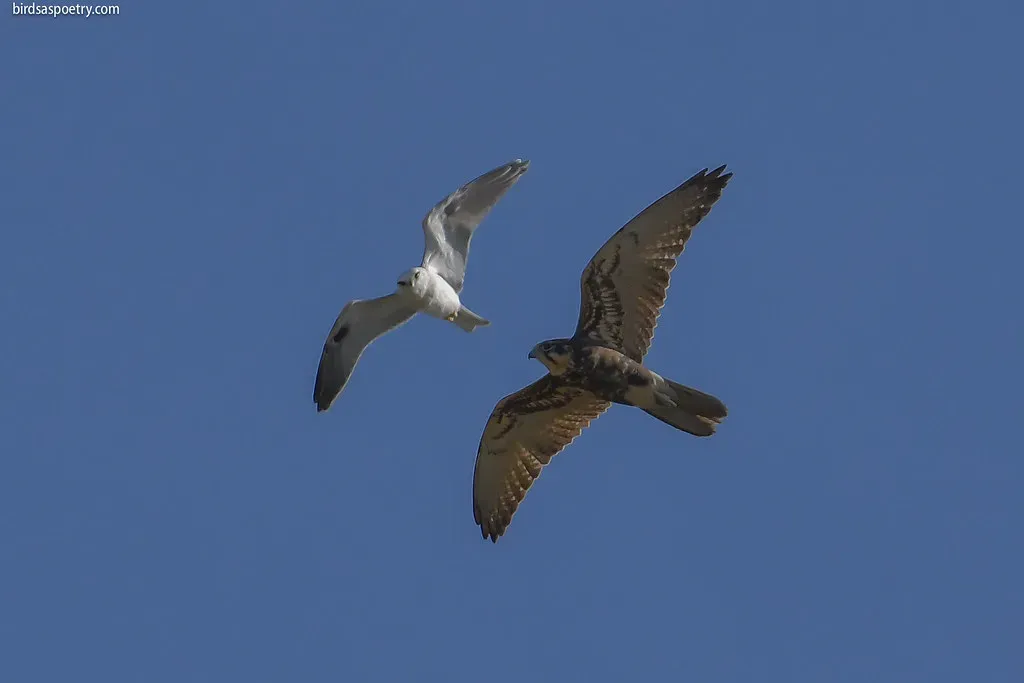
Here’s where it gets wild. Two species have been observed igniting fires: black kites and brown falcons, as park rangers, firefighters, and locals reported that the birds will pluck smoldering sticks from a wildfire that is already burning, carry them to another field, drop them, and wait for the flames to drive out the prey. That’s not just tool use. That’s understanding fire, planning ahead, and manipulating the environment to create hunting opportunities.
Adaptation and Learning From Experience
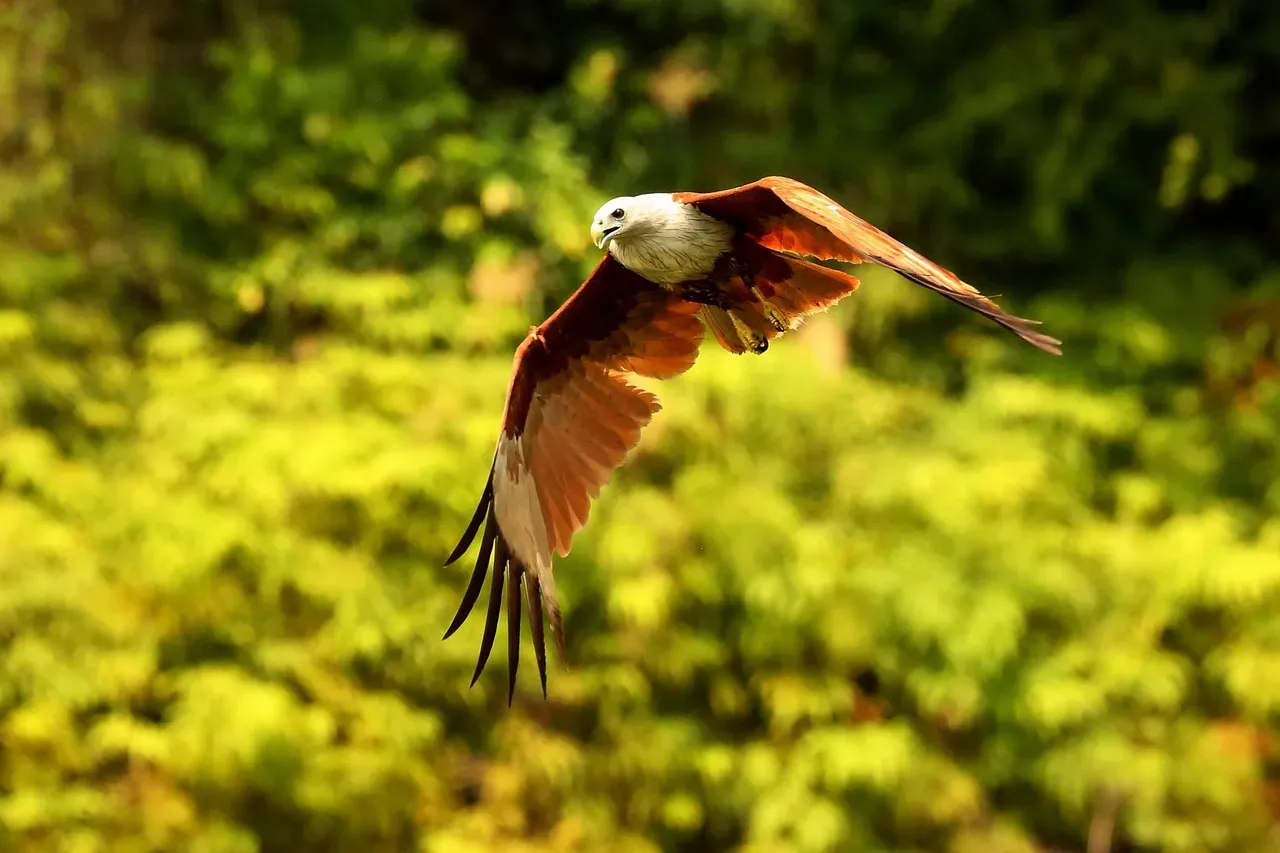
Hawks are very intelligent, and a Canadian scientist devised a method of measuring avian IQ in terms of their innovation in feeding habits, naming hawks among the most intelligent birds based on this scale. Innovation in feeding requires more than hunger. It demands the ability to recognize patterns, try new approaches, and remember what works.
Hawks show ability to analyze and learn from experience, as they learn hunting strategies and adapt them based on success rate, and they respond to tests and learn to solve puzzles to get food rewards. This cognitive flexibility means raptors aren’t locked into rigid behavioral patterns. They’re constantly evaluating and adjusting their approach based on results.
Strategic Thinking and Planning Ahead
Planning ahead requires a level of abstract thinking that many animals simply don’t possess. The strategy of amputation and imprisonment used by some raptors gives insight into their intelligence and planning abilities, as this behavior requires the ability to plan ahead, an ability scientists have only begun to find evidence of in a few species aside from our own.
The complexity of their hunting strategies reveals even more. Falcons plan their hunting strategies in advance, calculating the speed and direction of their prey before diving in for the catch. That split second decision involves processing multiple variables simultaneously: wind speed, prey trajectory, distance, and their own velocity. It’s aerial calculus performed in real time.
Communication and Social Complexity
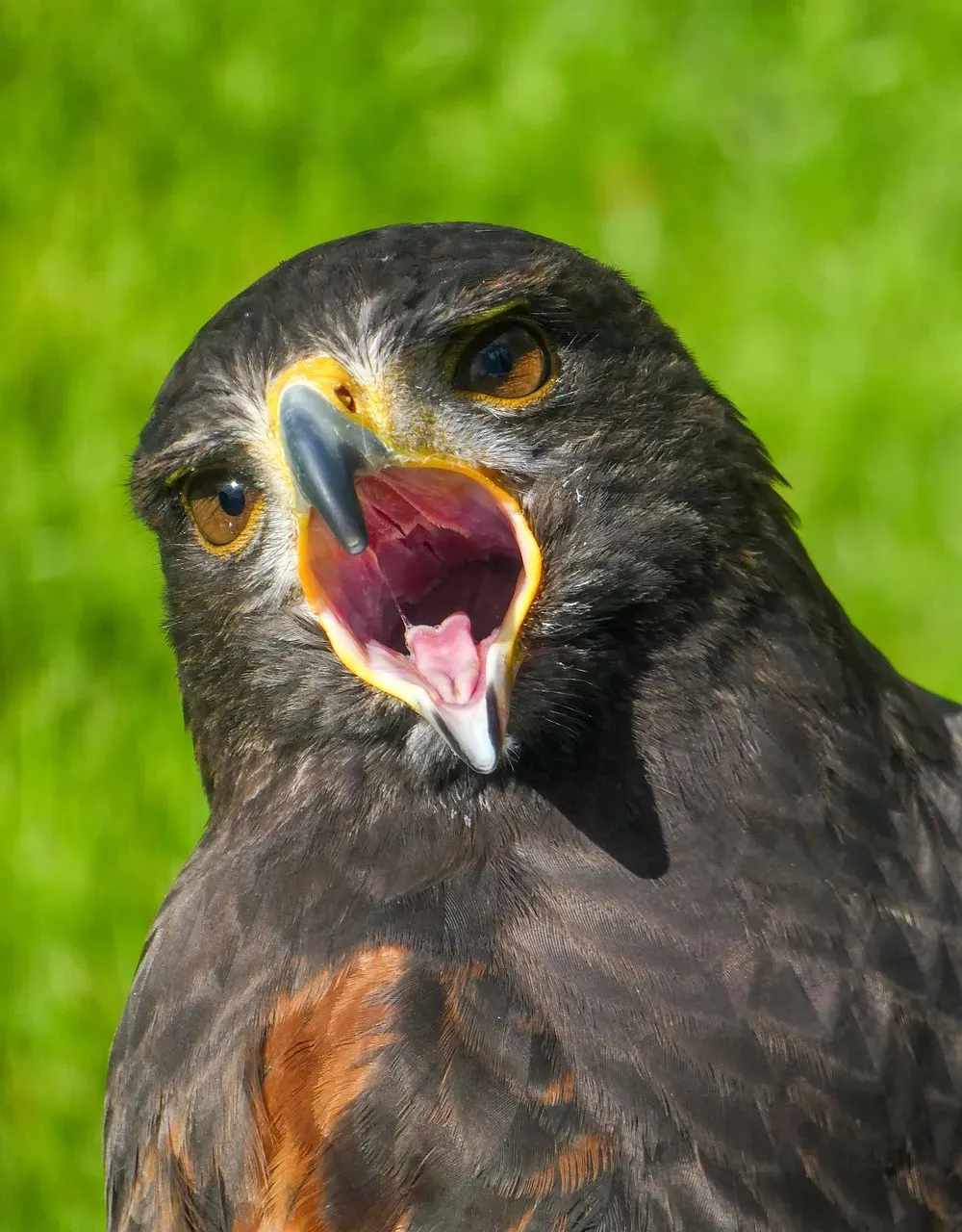
The complexity of raptor calls can vary based on environmental factors, such as habitat type and population density, and this adaptability highlights the importance of vocalizations in their communication strategy. They’re not just squawking randomly. These birds are tailoring their communication to their specific circumstances.
Harris hawks are known for their social nature, often hunting in packs, which requires cooperative behaviors and sophisticated communication, and their social dynamics and collaborative hunting strategies point to a sophisticated level of intelligence. The ability to coordinate complex group activities requires not just communication but shared understanding of roles and objectives.
Beyond the Hollywood Myth

The image of raptors as simple killing machines does these remarkable creatures a massive disservice. Birds of prey have been found to possess cognitive traits far greater than previously thought, with some like the striated caracara showing remarkable problem-solving abilities that sometimes exceed those of Psittaciformes like cockatoos. We’ve underestimated them for too long, caught up in our own assumptions about what intelligence looks like.
While defining the single most intelligent raptor remains a complex and ongoing scientific discussion, the striated caracara has consistently demonstrated an impressive capacity for problem-solving and adaptability, with its cognitive abilities, coupled with the social intelligence of the Harris hawk, highlighting the remarkable intelligence within the raptor family. Each species brings something unique to the table, adapted to their specific ecological niche.
The more researchers study these birds, the more surprises emerge. Raptors remember, plan, cooperate, innovate, and solve problems in ways that challenge our neat categories of intelligence. They’ve been doing it all along, long before Hollywood ever noticed them. These aren’t mindless predators or CGI monsters. They’re thinking, learning creatures navigating a complex world with impressive cognitive tools.
So next time you see a hawk circling overhead or a falcon perched on a city building, remember there’s a lot more going on behind those sharp eyes than instinct alone. What other assumptions about animal intelligence are we getting wrong?