
We live in a loud world. Open offices, networking events, team collaborations. Everywhere you look, society rewards those who speak up, stand out, and socialize effortlessly. Yet, roughly a third to half of us move through life differently. We recharge in solitude, think before speaking, and find our greatest inspiration not in crowds but in quiet corners where our minds can wander freely. For too long, this way of being has been misunderstood as a limitation rather than recognized for what it truly is. Introverts aren’t simply people who dislike parties or avoid conversations. They’re thinkers, innovators, and leaders whose inner worlds hold astonishing depth and creativity that transforms our world in ways both subtle and revolutionary. Let’s explore what happens when quiet minds unlock their full potential.
The Science Behind Introvert Brains
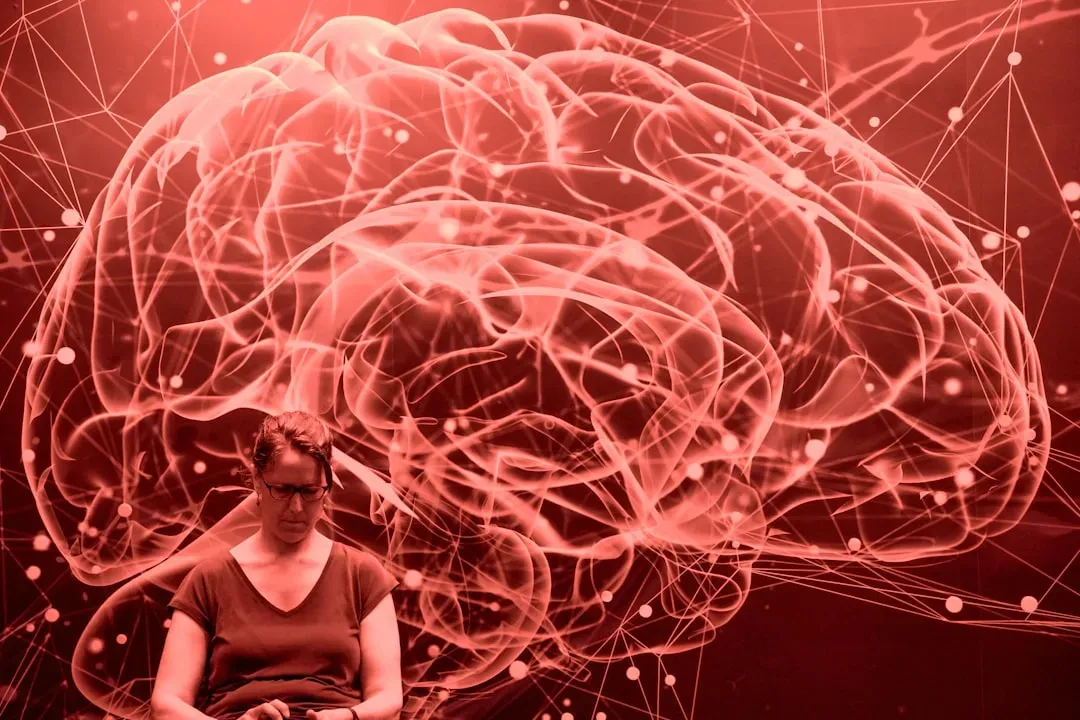
Your brain, if you’re an introvert, operates with higher baseline cortical arousal, which means you’re already more mentally alert and aware at rest, so additional stimulation feels overwhelming far faster than it does for extroverts. Think of it like this: extroverts start their day with an empty cup, eager to fill it with noise and interaction. Introverts wake with a cup already half full.
Introverts have larger, thicker gray matter in their prefrontal cortex, the area of the brain associated with abstract thought and decision-making. This isn’t just trivia. It explains why introverts can spend hours pondering a single idea, dissecting concepts from every angle until they reveal something others missed entirely. Introverts devote more of their energy and resources to abstract thought while extroverts have the propensity to live in the moment. There’s a fundamental trade-off happening in our neural architecture.
Introverts rely more on acetylcholine, a neurotransmitter that promotes focus, deep thinking, and a sense of calm, which is why introverts enjoy activities like reading, journaling, or spending time in nature, as they naturally engage this system. Extroverts, meanwhile, chase dopamine’s electric thrill through social interaction and novelty. Neither system is superior. They’re just wired for different rewards, different ways of experiencing what it means to be alive.
Famous Introverts Who Shaped History
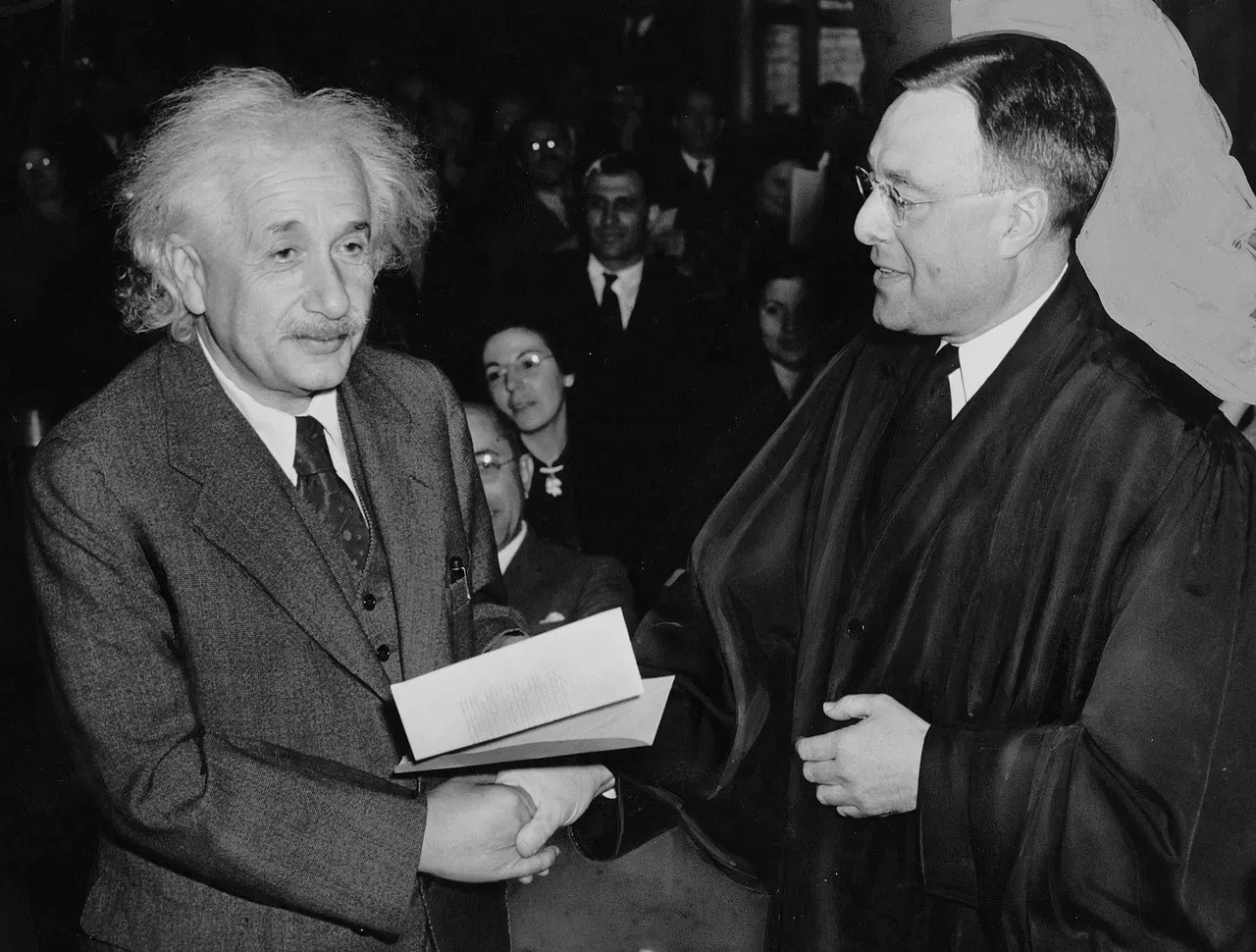
Albert Einstein once said, “The monotony and solitude of a quiet life stimulates the creative mind,” and he received the Nobel Prize for Physics in 1921 while developing the theory of relativity. His greatest breakthroughs didn’t happen at cocktail parties. They emerged during long, solitary walks where his mind could roam without interruption.
Isaac Newton, whose Principia formulated the laws of motion and universal gravitation, was known to be a deeply introverted character and fiercely protective of his privacy. Rosa Parks, described as quiet and shy yet possessing the courage of a lion, proved that shyness and strength are not mutually exclusive. Her quiet resolve sparked a movement that changed America forever.
More recently, the tech world has been dominated by quiet revolutionaries. Warren Buffett, known as the Oracle of Omaha and one of the most successful businessmen in the world, admits that when he started out, he had the intellect for business but felt he had to enroll in Dale Carnegie’s course on how to win friends and influence people because he didn’t have a business persona. He learned to navigate an extroverted business world while maintaining his introspective core. Mark Zuckerberg, who founded the largest social network on the planet, identifies as an introvert. The irony is beautiful and revealing.
Deep Thinking as a Superpower

One of the most significant strengths of introverts is their ability to think deeply and reflect, as introverts often prefer spending time alone, which allows them to process their thoughts thoroughly. This isn’t just navel-gazing. It’s how revolutions begin, how problems get solved, and how art gets made.
The long journey that information takes when an introvert receives stimulus from the external world is the reason that introverts take longer to speak, react and make decisions. What looks like hesitation is actually sophisticated processing. For introverts, the pathway travels through many areas of the brain, including the right front insular, an area associated with empathy, self-reflection, and emotional meaning.
Honestly, I find this fascinating because it challenges every assumption we make about quick thinking being superior. The tortoise doesn’t just win the race by accident. Sometimes slow, deliberate thought catches things that rapid-fire responses miss completely. Introverts engage in extensive internal processing, leading to well-considered decisions and innovative ideas, a strength particularly evident in fields that require problem-solving and critical thinking.
Introverts and Creativity

Research has found that, as long as your desire for solitude isn’t rooted in fear or anxiety, introversion can foster creative thinking and work, as without all of the noise, introverts can look inward and allow their imaginations to get to work. Creativity doesn’t always require collaboration, despite what every modern office design seems to insist.
J.K. Rowling attributes her greatest creation, Harry Potter, to her willingness to spend time alone with her thoughts, explaining that Harry was born while she was trapped on a delayed train, and she simply sat and thought for four hours while all the details bubbled up in her brain. Can you imagine if she’d had WiFi and Instagram to scroll through?
Introverts prefer to work independently, and solitude can be a catalyst to innovation, as the influential psychologist Hans Eysenck once observed that introversion concentrates the mind on the tasks in hand and prevents the dissipation of energy on social and sexual matters unrelated to work. There’s something almost monastic about how introverts approach their passions. They disappear into their work, emerging with something the world has never seen before.
Leadership Through Listening

Most people imagine leaders as charismatic extroverts commanding rooms with magnetic presence. Yet research tells a different story. One Harvard Business Review study found introverted leaders to be more effective in a dynamic, unpredictable environment, and they tend to be good listeners who are open to other perspectives, which can be very motivating.
Introverts are more likely to be effective leaders in organizations that encourage workers to contribute ideas, and introverts’ listening skills may draw top results from their teams as introverts also are observant, noticing details and connections others may not. They don’t need to be the loudest voice. They create space for other voices to emerge.
Introverts tend to take a personalized approach to leadership, learning their team’s concerns, needs, strengths, and preferences while taking the time to listen and process individual conversations with each member, and as a result, introverted leaders often convey empathy, authenticity, and a desire to recognize the contributions and achievements of their team. This isn’t weak leadership. It’s powerful precisely because it values substance over show.
In one study, researchers found that pizza franchises with introverted leaders were 20 percent more profitable, although introverts can clearly do well in leadership roles, while our culture consistently places extroverts in leadership positions. We’re literally leaving money and talent on the table because of our biases.
The Workplace Advantage
One of the greatest advantages that introverts have in the workplace is their ability to listen, as introverts tend to feel more comfortable listening than talking, prefer to think before they speak, and are mindful of what they say, and being a great listener has many benefits in the workplace. While everyone else is waiting for their turn to talk, introverts are actually absorbing information.
Their ability to focus intently on tasks and their inclination towards thoroughness make them valuable contributors in environments where precision and accuracy are paramount. The introvert’s preference for quiet reflection and independent thinking fosters a unique approach to problem-solving, often leading to breakthrough ideas, as their ability to examine issues from unconventional angles frequently results in creative and innovative solutions that may not have been previously considered.
Statistics show that around 70 percent of gifted people are introverts, as people are considered gifted when they exhibit above-average intelligence or a superior talent for something, and if your workplace is dominated by extroverts who criticize those who prefer to work alone as not team players, it may inadvertently alienate gifted people. This is a wake-up call for organizations everywhere. You’re not just creating an uncomfortable environment. You’re driving away your best minds.
Empathy and Emotional Intelligence

Introverts tend to be sensitive, introspective, and interested in the deeper feelings of encounters or transactions, and they are also empathetic, caring, and have good listening skills, which may enable them better to understand and help others. This isn’t about being overly emotional. It’s about reading the room in ways others can’t.
Empathy is an undervalued trait in the workplace, and introverts can shine in this area, as the way in which introverts feel empathy is different from extroverts who tend to project outward, as along with being self-aware, introverts are very sensitive to and aware of the needs of the people around them, and as a result, many are naturally considerate of their colleagues and tend to be more compassionate.
Introverts can be wonderful friends, especially in friendships where depth and meaningful connection are important, and for many, this strength of an introvert is the most coveted. Typically, extroverts will have far more friends than introverts, however, introverts will often develop closer and more meaningful relationships, and these deeply connected relationships showcase how introverts value intimate interactions with other people. Quality over quantity isn’t just a cliché. It’s a philosophy for building a life that matters.
Self-Awareness and Personal Growth

Self-awareness, the experience of one’s personality or individuality, is a concept very intimate to introverts, and although every introvert is different, for many of us, being self-aware comes naturally; it is not even a practice we have to remind ourselves to do, as it is something imbibed in our personality since the very beginning.
One of the greatest advantages of being an introvert is the capacity for introspection and self-reflection, as introverts tend to be more aware of their own feelings and thoughts, which allows them to better understand themselves and their motivations, and this heightened level of self-awareness helps them make better decisions in both their personal and professional lives.
Introverts value quiet time, often spent in thought and reflection, and because of this, they easily get to know themselves in college, understanding their limitations, strengths, weaknesses, and preferences, and they often have a knack for tackling areas of growth and self-improvement. This is the kind of work that changes lives from the inside out. It’s invisible to others but transformative for the person doing it.
Navigating an Extroverted World

Let’s be real: modern life isn’t designed for introverts. The rise of industrial America was a major force behind the cultural shift toward extroversion, as America shifted from an agricultural society to an urbanized one, and as a result, Americans found themselves working with strangers and competing for employment to survive, with those that made strong first impressions and who could sell themselves chosen for positions, and this is when salesmanship became a virtue.
Open plan offices have gained popularity due to several perceived advantages, such as promoting collaboration, communication, and a sense of community among employees, however, on the downside, open-plan offices create noise, distractions, and reduced privacy, which can be particularly challenging for introverts. Still, there’s hope. The post-pandemic workplace has set up introverted employees for success more than ever before, with more than 40 percent of companies reporting a fully remote or hybrid working model, and a 2021 survey found that introverts are twice as likely to dread going back to in-office work compared to extraverts and report that working from home results in better moods and higher productivity.
The world is slowly learning that diversity of personality isn’t just nice to have. It’s essential for innovation, creativity, and organizational success. Different brains solve different problems. Homogenous thinking, no matter how loud and confident, misses half the picture.
Embracing Your Quiet Strength

If you’re an introvert reading this, know that you don’t need to change who you are to succeed. Your quiet nature isn’t a flaw to fix but a feature to leverage. Use your natural powers of persistence, concentration, insight, and sensitivity to do work that you love and work that matters, and solve problems, make art, think deeply.
Research shows that around one third to one half of the population can be classified as introverts, yet societal stereotypes paint introversion in a negative light, valuing bold, outgoing personalities over quiet, reserved ones, and this bias has led many introverts to believe there is something wrong with them or that they must change, when in reality their nature offers strengths extremely valuable in work contexts. You are not broken. You are not defective. You are simply different, and that difference is desperately needed.
The world needs your careful observations, your thoughtful insights, your deep empathy, and your willingness to sit with complexity until clarity emerges. The loud voices get attention, but the quiet minds change everything. History proves it. Science confirms it. Now the question is: will you embrace it? What hidden strengths have you discovered in your own introversion?