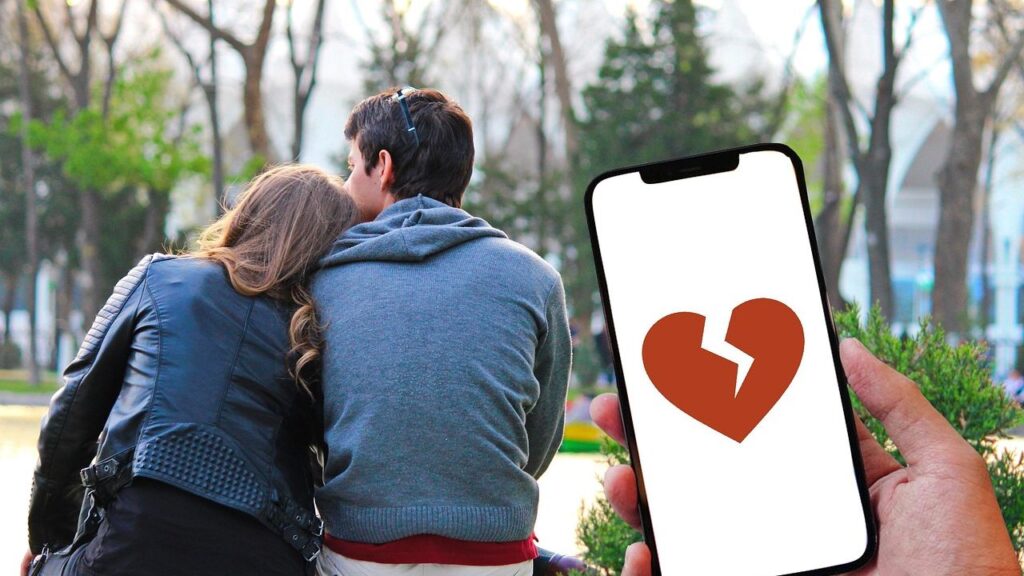
Have you ever wondered why certain people seem almost magnetic to betrayal? You meet someone who claims loyalty but acts otherwise. Maybe it’s happened to you more than once. The pattern feels too consistent to be coincidence, yet too complex to explain away with simple labels like selfish or cruel.
The truth about chronic betrayers is messier than you’d think. It’s woven into brain chemistry, childhood wounds, and adaptive patterns your nervous system learned long before you met them. Let’s dive in.
The Brain’s Gradual Descent Into Dishonesty

Research shows that dishonesty gradually increases with repetition, supported by a reduction in response to self-serving dishonesty over time in the amygdala. Think of it like this: the first betrayal feels awful for the betrayer, but with each repeated act, their emotional response dims. The guilt fades. Dishonesty influences domains ranging from finance and politics to personal relationships, with empirical evidence showing a gradual escalation of self-serving dishonesty and a neural mechanism supporting it.
Your brain essentially adapts to lying. It’s not a character flaw written in permanent ink but a neurological shift that happens slowly, almost imperceptibly. Some people cross that threshold without realizing they’ve become someone unrecognizable. The scariest part? They might not even notice the change themselves.
When Self-Interest Hijacks Empathy

People may betray others to gain power, money, or attention, and they may also betray others to avoid consequences or protect themselves from harm, placing their own needs above the well-being of others. This sounds straightforward enough, yet the emotional logic behind it runs deeper. When someone’s survival instincts kick in, whether real or perceived, empathy takes a backseat.
People who are unable to understand or care about the feelings of others may be more likely to betray others, and they may be indifferent to the consequences of their actions, or they may believe that their actions are justified. It’s hard to say for sure, but some individuals genuinely convince themselves their betrayal is necessary. Like they’re the protagonist in a twisted narrative where hurting you becomes an act of self-preservation.
The Dark Triad and Strategic Manipulation

Machiavellian individuals are strategic, manipulative, and view relationships as tools for self-gain, with loyalty being conditional, acting charming or trustworthy on the surface while constantly weighing what they get. Honestly, this explains why some betrayals feel so cold. The person wasn’t struggling with guilt or confusion. They were calculating.
Some betrayals feel so cold because for certain people, it was never about friendship or love, it was always about leverage. This doesn’t mean every betrayer fits this profile, but when you encounter one who does, the experience leaves a particular kind of scar. You realize the entire relationship was transactional from the start, and you were just another asset to be used and discarded.
Childhood Wounds Create Adult Betrayers

Betrayal trauma relates to primary attachment figures like a parent or caregiver, and in adulthood, it tends to repeat among romantic partners. Here’s the thing: people who were betrayed early often become the betrayers later. It’s not an excuse but an explanation. Individuals with childhood trauma tend to develop maladaptive attachment styles due to early disruptions in emotional bonding, making them more likely to have insecure attachment styles that complicate their ability to trust and form stable, intimate relationships.
Imagine growing up learning that people who love you also hurt you. Your brain wires itself for that reality. Trust becomes synonymous with danger. So as an adult, you might betray first to avoid being the one betrayed. It’s a tragic cycle, really, where hurt people create more hurt people.
The Jealousy Underneath the Surface

Sometimes the psychological reasons for betrayal are simple; the person is jealous of you and sabotages your dreams and goals. Jealousy is an ugly emotion that people rarely admit to feeling. Yet it drives behavior in profound ways. Someone watches you succeed while they struggle, and resentment festers.
Feelings of inadequacy or jealousy can drive someone to betray, as they might feel overshadowed by your success or happiness, leading them to act out in ways that they believe will bring them on par or above you. The betrayal becomes their attempt to level the playing field. They might not consciously think this way, but deep down, your happiness triggers their insecurity. And instead of dealing with their own pain, they redirect it toward you.
The Hypervigilance That Never Stops

Brains experience betrayal as a survival-level threat, inducing an extremely high-level perception of danger, activating the threat center and pushing it into hypervigilance and unbridled defensiveness. Once you’ve been betrayed, your nervous system essentially stays on high alert. The brain stays in a state of threat preparedness because each time the threat system stood down and relaxed, a new betrayal showed up, convincing the brain that the safest thing to do is to simply stay activated and alert, assuming that danger is coming.
This chronic state transforms how you perceive the world. Everyone starts looking like a potential threat. You overreact to minor slights. Your brain isn’t being irrational; it’s being protective based on past experiences. The cost? Genuine connections become nearly impossible because you’re trapped in survival mode.
When Betrayal Benefits the Observer
When we benefit from someone’s betrayal, we tend to still regard that person as inherently trustworthy, and when a person’s betrayal benefited the subject, that person was still thought to be worthy of trust. This is wild when you think about it. Someone betrays another person, but if it helps you, your brain excuses it. Think about that friend who always tells you other friends’ secrets but doesn’t share yours; this friend is betraying other people but enriching you with information.
We’re remarkably good at justifying unethical behavior when it serves us. The person who gossips about everyone except you? You trust them because their betrayal hasn’t touched you yet. Until it does. Then suddenly, you realize the pattern was always there, just aimed in a different direction.
The Physical Toll of Broken Trust

Research using brain imaging has shown that social pain like betrayal activates many of the same neural regions as physical pain, with the anterior cingulate cortex and insula showing similar patterns whether experiencing physical injury or social rejection, while betrayal triggers the nervous system’s threat response, flooding the body with stress hormones like cortisol and adrenaline. Your body doesn’t distinguish between types of pain as neatly as you’d think.
Betrayal trauma often comes with physical symptoms including a heart that won’t stop pounding, a stomach constantly in knots, and trouble eating or sleeping, perhaps feeling numb. These aren’t dramatic overreactions. They’re legitimate physiological responses to relational trauma. Your nervous system is telling you something important happened, something that threatened your sense of safety in the world.
Rebuilding After the Damage

The brain adapts to betrayal over time through neuroplasticity, creating new patterns of thought and behavior, and while this can sometimes lead to unhealthy coping mechanisms such as withdrawing from others or becoming overly defensive, it also means that healing is possible, as with the right support and therapy, these neural pathways can be rewired, helping individuals develop healthier responses and restore a sense of safety and trust in their relationships. Let’s be real: healing isn’t a straight line.
Rebuilding trust after betrayal is not linear; there are progress and setbacks, moments of connection and anxiety, and days of courage and days of fear, but healing is possible when survivors slowly test the waters of emotional intimacy again, noticing when relationships feel safe and when they don’t, and learning to choose connections that reinforce safety, not fear. It takes courage to remain open after someone has shattered your trust. The alternative, though, is a life of isolation and suspicion. Neither option is perfect, but one offers a chance at genuine connection again.
Understanding why people betray doesn’t erase the pain they cause. It does, however, shift the narrative from something personal to something psychological and neurological. You weren’t betrayed because you deserved it or failed somehow. You encountered someone whose brain, history, or circumstances led them down a path where hurting others felt justified or necessary.
What do you think about it? Have you noticed patterns in the people who’ve betrayed your trust? Tell us in the comments.