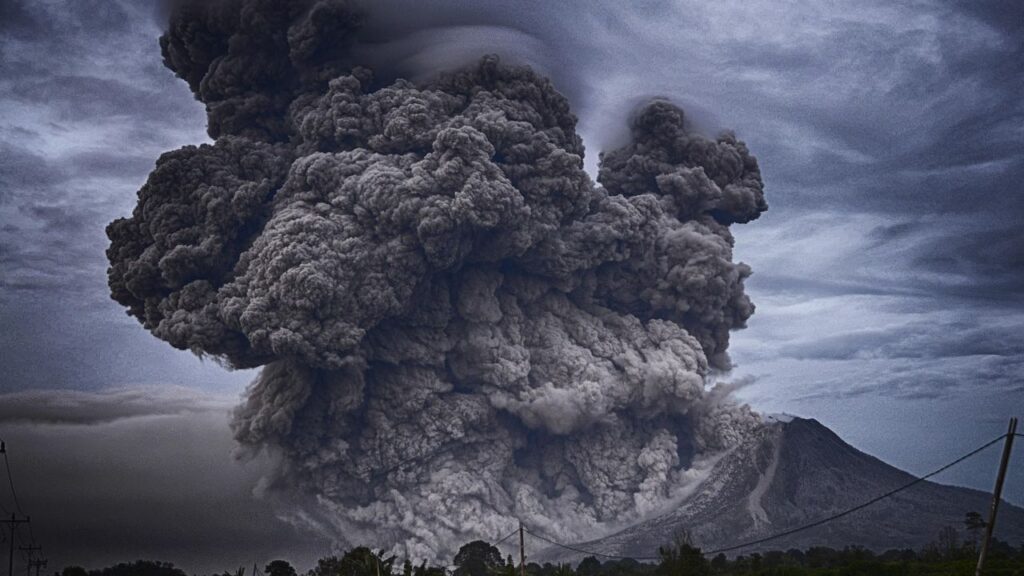
You know what’s lurking beneath our feet? Something far more terrifying than any monster movie could dream up. Hidden supervolcanoes scattered across the planet once unleashed eruptions so catastrophic they nearly erased humanity from existence before we even had the chance to build cities, write books, or invent pizza. These geological time bombs don’t look like your typical mountain with a smoking crater. They’re deceptive, hiding in plain sight beneath serene lakes and peaceful valleys, waiting.
Let’s be real here. While we worry about asteroids and climate change, the ground itself holds secrets that make those threats look tame. These ancient giants have already demonstrated their power to reshape continents and push our ancestors to the absolute brink of survival. What makes them even more unsettling is how few people realize they exist at all.
When Toba Nearly Wiped Out Humanity
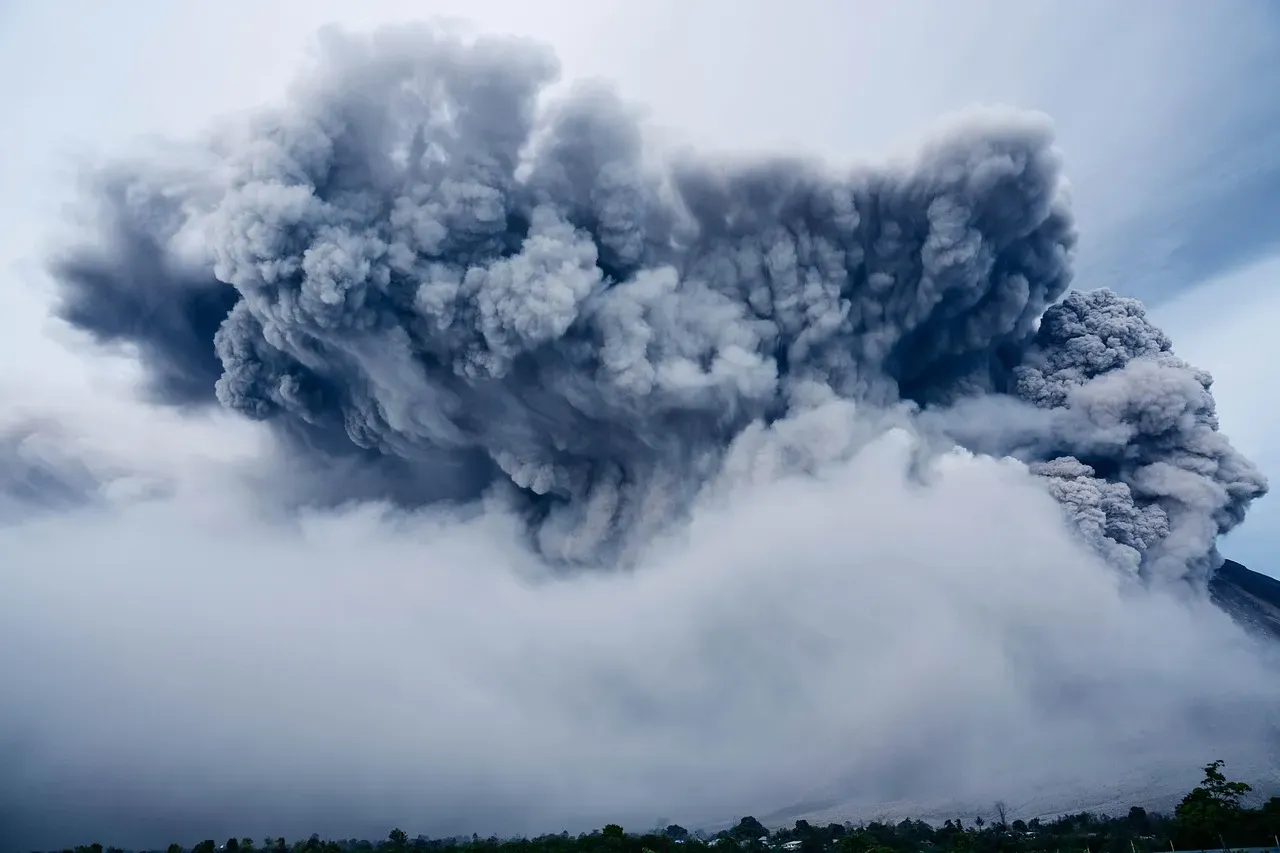
Around 74,000 years ago, the Toba supervolcano on the Indonesian island of Sumatra erupted in what’s considered the largest natural disaster in the past 2.5 million years. Picture this: roughly 2,800 cubic kilometers of volcanic material blasted into the atmosphere, enough to bury entire regions under hundreds of feet of ash. That’s not just big – it’s incomprehensibly massive.
The eruption caused a severe global volcanic winter lasting six to ten years and contributed to a 1,000-year-long cooling episode. Think about that for a second. Our ancestors survived in a world plunged into darkness and cold for longer than recorded human history. Non-African populations experienced a five to fifteen-fold reduction, with an effective population size of only 1,000 to 3,000 individuals by 50,000 years ago. Humanity was hanging by a thread.
Yet here’s where it gets fascinating. Humans in modern-day South Africa and Ethiopia successfully adapted to temporary changes caused by the Toba supervolcano, and some actually thrived in its aftermath. Our species demonstrated remarkable resilience when faced with near extinction.
The Volcanic Winter That Changed Everything
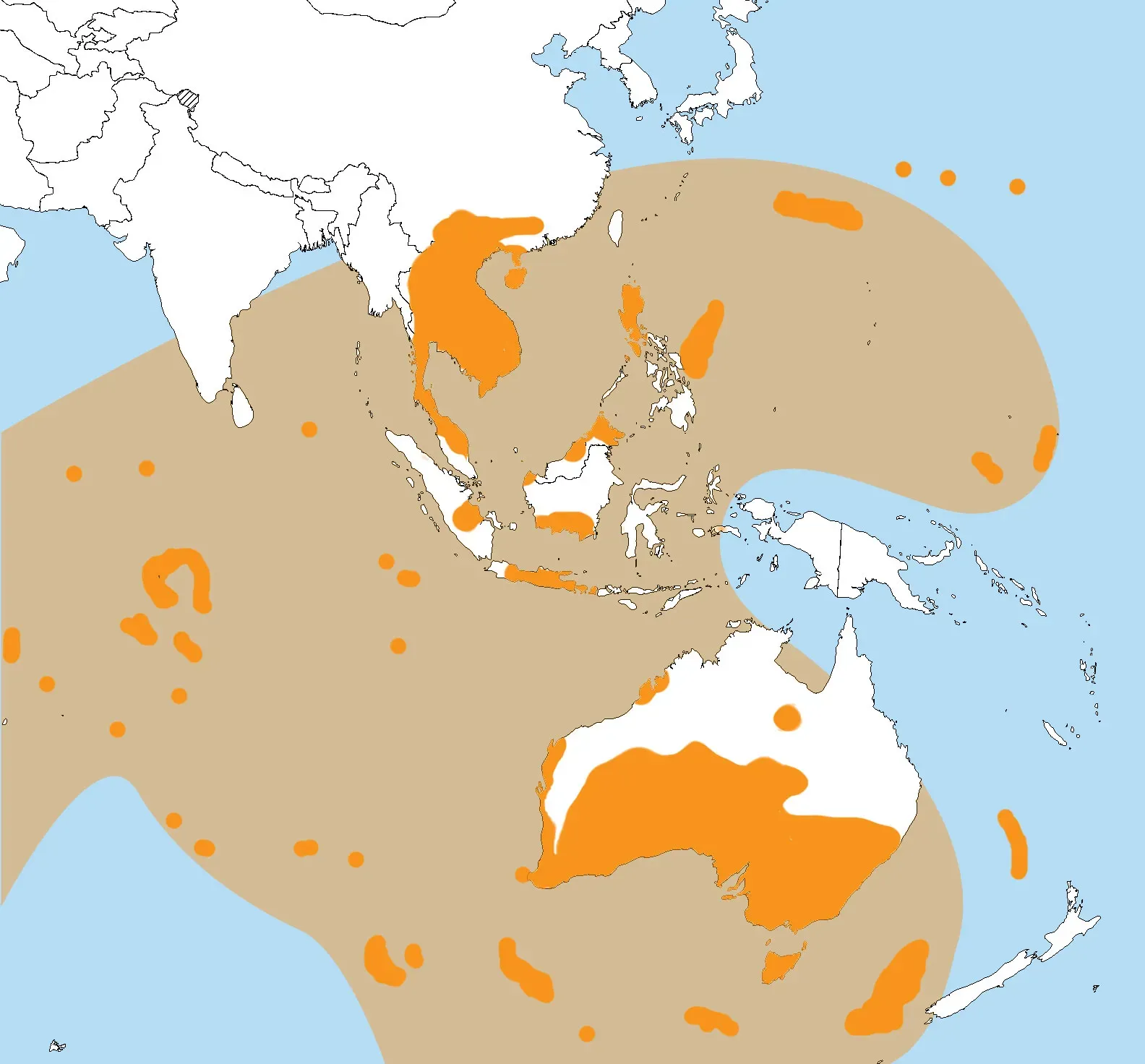
The massive environmental change may have reduced the average global temperature by roughly three to three and a half degrees Celsius for several years. Doesn’t sound like much until you realize what that means for agriculture, wildlife, and survival. Central India was deforested by the Toba eruption, transforming lush forests into barren grasslands almost overnight.
Stratospheric sulfur emissions from the Toba supereruption caused severe stratospheric ozone loss, with exceptionally depleted ozone conditions persisting for over a year in the tropics. The sun became an enemy. Enhanced ultraviolet radiation poured through the damaged ozone layer while volcanic ash blocked visible light. It’s hard to say for sure, but this double whammy likely created conditions more hostile than anything modern humans have experienced.
Tiny pieces of glass from the volcanic eruption, called cryptotephra, have been found at African archaeological sites thousands of miles away. These microscopic shards, smaller than a human hair, tell the story of a disaster that reached around the globe.
New Zealand’s Sleeping Giant
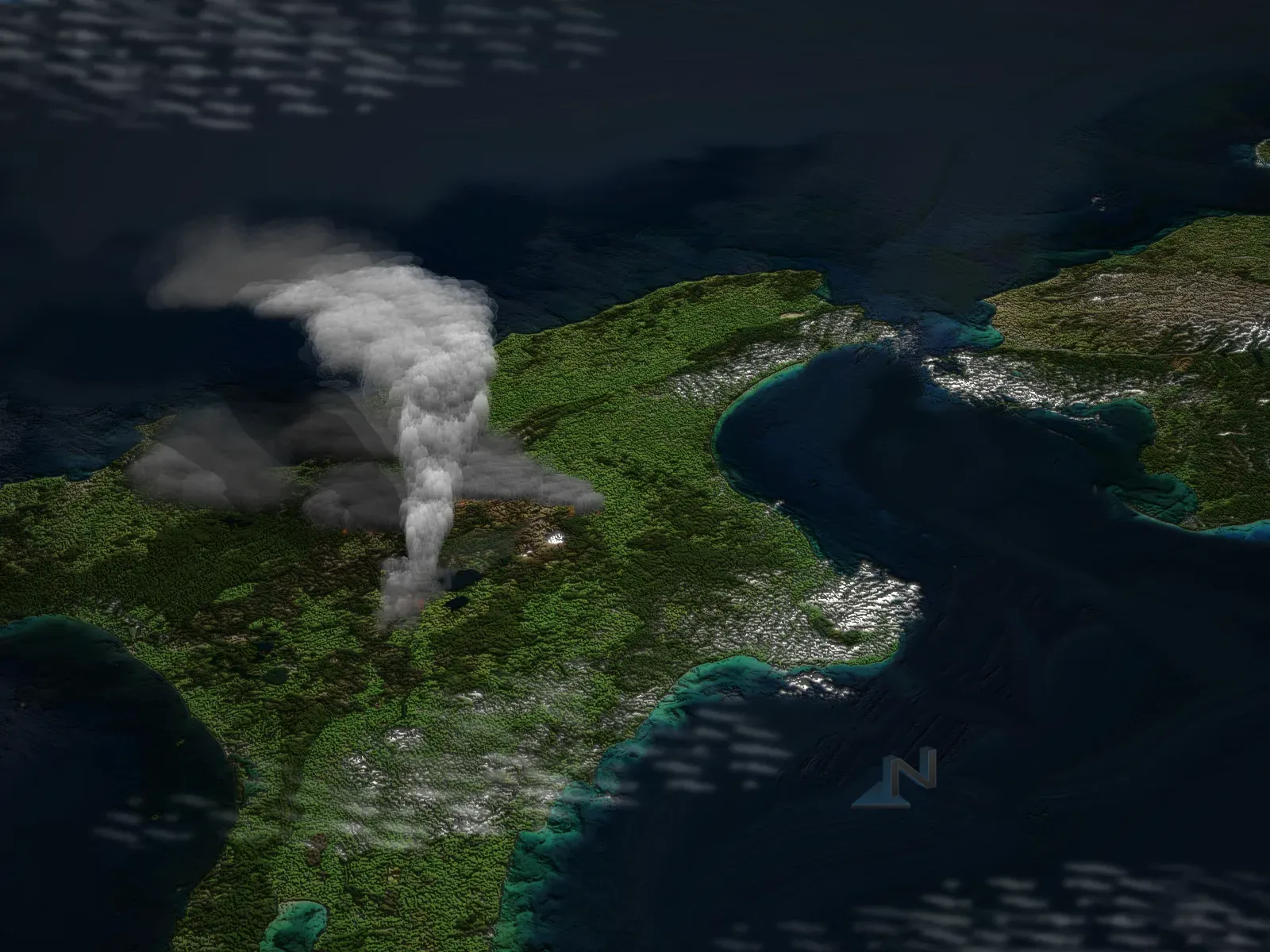
While Toba gets all the attention, the Oruanui eruption of New Zealand’s Taupō Volcano about 25,600 years ago was the world’s most recent supervolcano eruption with a Volcanic Explosivity Index of 8. This massive caldera system sits peacefully beneath Lake Taupō today, looking deceptively serene.
The eruption generated approximately 430 cubic kilometers of pyroclastic fall deposits, 320 cubic kilometers of pyroclastic density current deposits, and 420 cubic kilometers of primary intracaldera material. Ashfall affected most of New Zealand, with an ash layer as thick as 18 centimeters deposited on the Chatham Islands, 850 kilometers away. Imagine standing on a distant island and watching that much ash fall from the sky like apocalyptic snow.
Earth’s last supereruption was Taupō approximately 25,000 years ago, making it the largest volcanic eruption on Earth in the last 70,000 years. Since that mega-blast, no other volcano has ejected more material. The landscape was buried so deep that debris covered North Island up to 200 meters – picture all of California buried under three meters of volcanic rock.
The European Threat Nobody Talks About

Europe’s most dangerous volcano isn’t Mount Etna or Vesuvius – it’s the Campi Flegrei near Naples, and one giant eruption may have given a final blow to waning Neanderthal populations. This supervolcano hides in plain sight just miles from over a million people.
Roughly 40,000 years ago, Campi Flegrei produced a super-colossal eruption, which is just one category down from the mega-colossal eruptions recorded at Yellowstone. A greyish rock found in several places in the Campania region and far beyond is the petrified deposited ash of this gigantic eruption, known as the Campanian Ignimbrite – hardened volcanic ash from fire and rain.
An eruption today would threaten millions of people in the densely populated region and could disrupt the Mediterranean’s climate and economy. The proximity to urban areas is what has made the Campi Flegrei caldera more dangerous than Yellowstone, even though Yellowstone’s impact on the local ecosystem would still be catastrophic.
Yellowstone: America’s Ticking Time Bomb
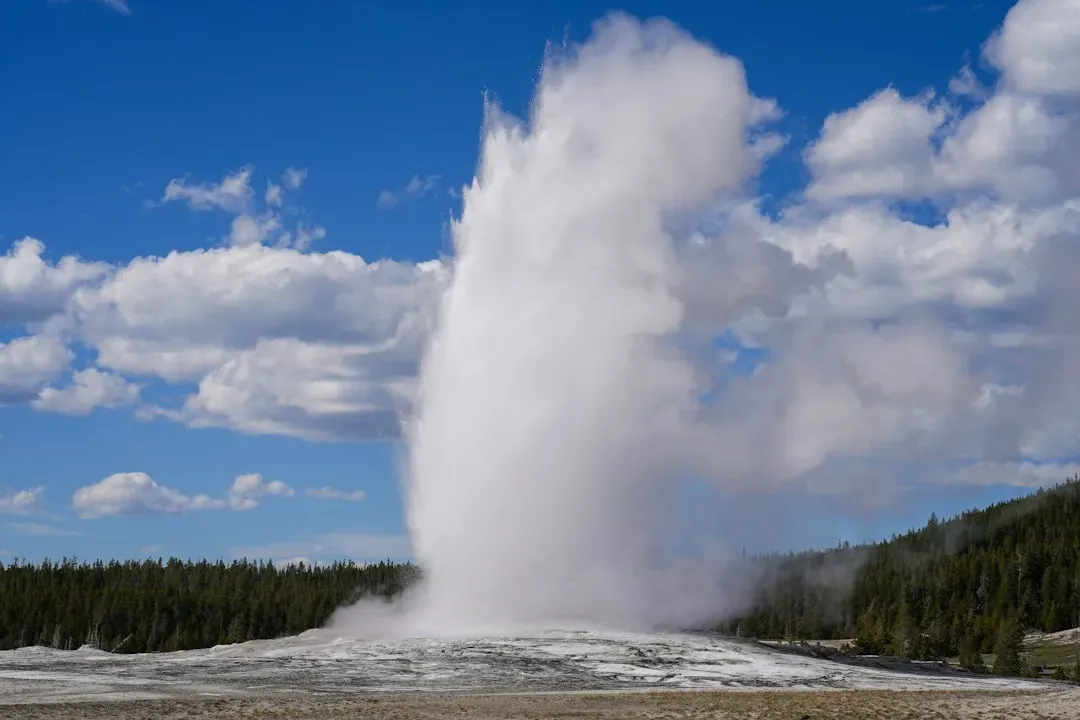
Three magnitude-8 eruptions rocked the Yellowstone area as far back as 2.1 million years ago, again 1.2 million years ago, and most recently 640,000 years ago. The largest of these eruptions about 2.1 million years ago released some 2,450 cubic kilometers of material – enough to bury multiple states under meters of ash and rock.
Honestly, the scale is difficult to grasp. Together, the three catastrophic eruptions expelled enough ash and lava to fill the Grand Canyon, and scientists discovered a humongous blob of magma stored beneath Yellowstone that if released could fill the Grand Canyon 11 times over. That’s not exactly comforting news for anyone living within a thousand miles.
An eruption today would likely devastate the western United States with ashfall, disrupt air travel worldwide, and cause a volcanic winter, reducing global temperatures by several degrees Celsius. Still, USGS estimates the annual probability of a Yellowstone eruption at approximately one in 730,000, so we’re probably safe for now.
The Utah Supervolcanoes Hidden for Millions of Years
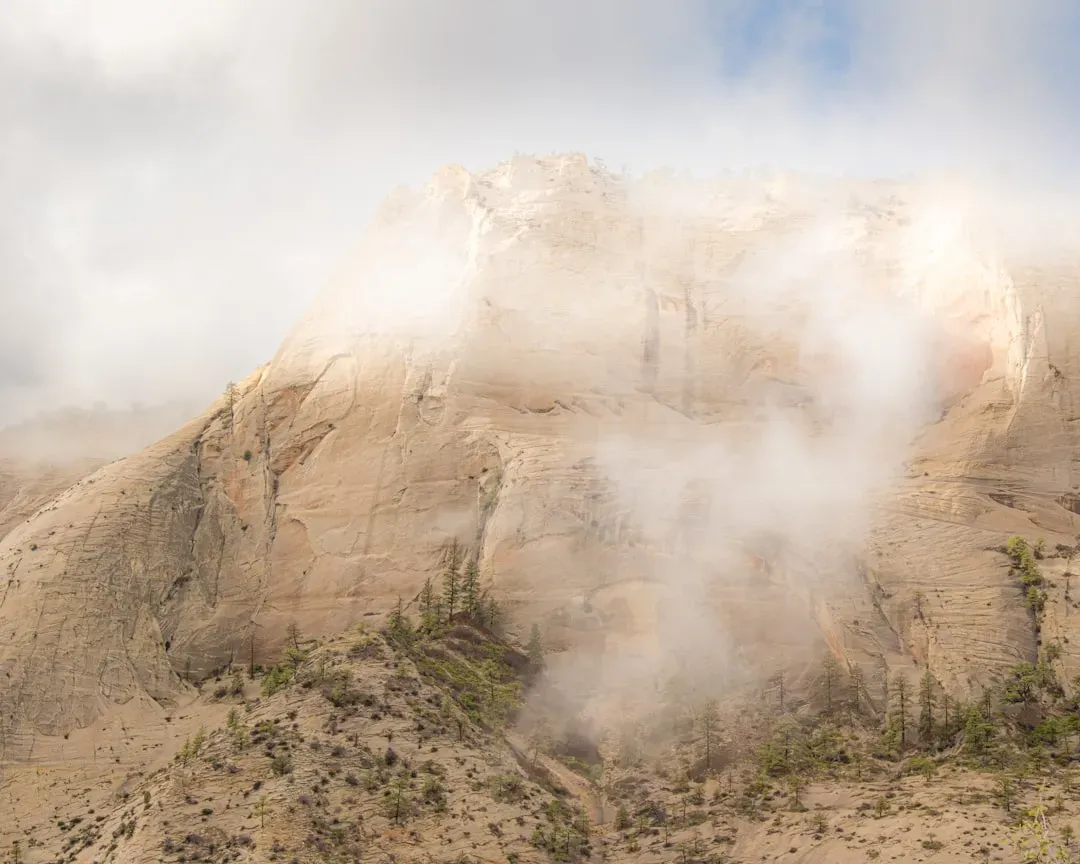
Brigham Young University geologists found evidence of some of the largest volcanic eruptions in Earth’s history right in their own backyard – supervolcanoes that aren’t active today but 30 million years ago saw more than 5,500 cubic kilometers of magma erupt during a one-week period near Wah Wah Springs.
This eruption was about 5,000 times larger than the 1980 Mount St. Helens eruption. Let’s be real – Mount St. Helens was catastrophic enough, killing dozens and coating the Pacific Northwest in ash. Multiply that by five thousand and you begin to understand the sheer devastation.
Despite their enormous size, the supervolcanoes have been hidden in plain sight for millions of years. Rather than tall, conical mountains that most people expect of a volcano, the area is simply a flat expanse of nondescript desert land, and its ordinary appearance has kept these massive eruptions hidden in plain sight for millennia. Nature’s greatest monsters don’t always announce themselves.
What Ancient Eruptions Teach Us About Survival
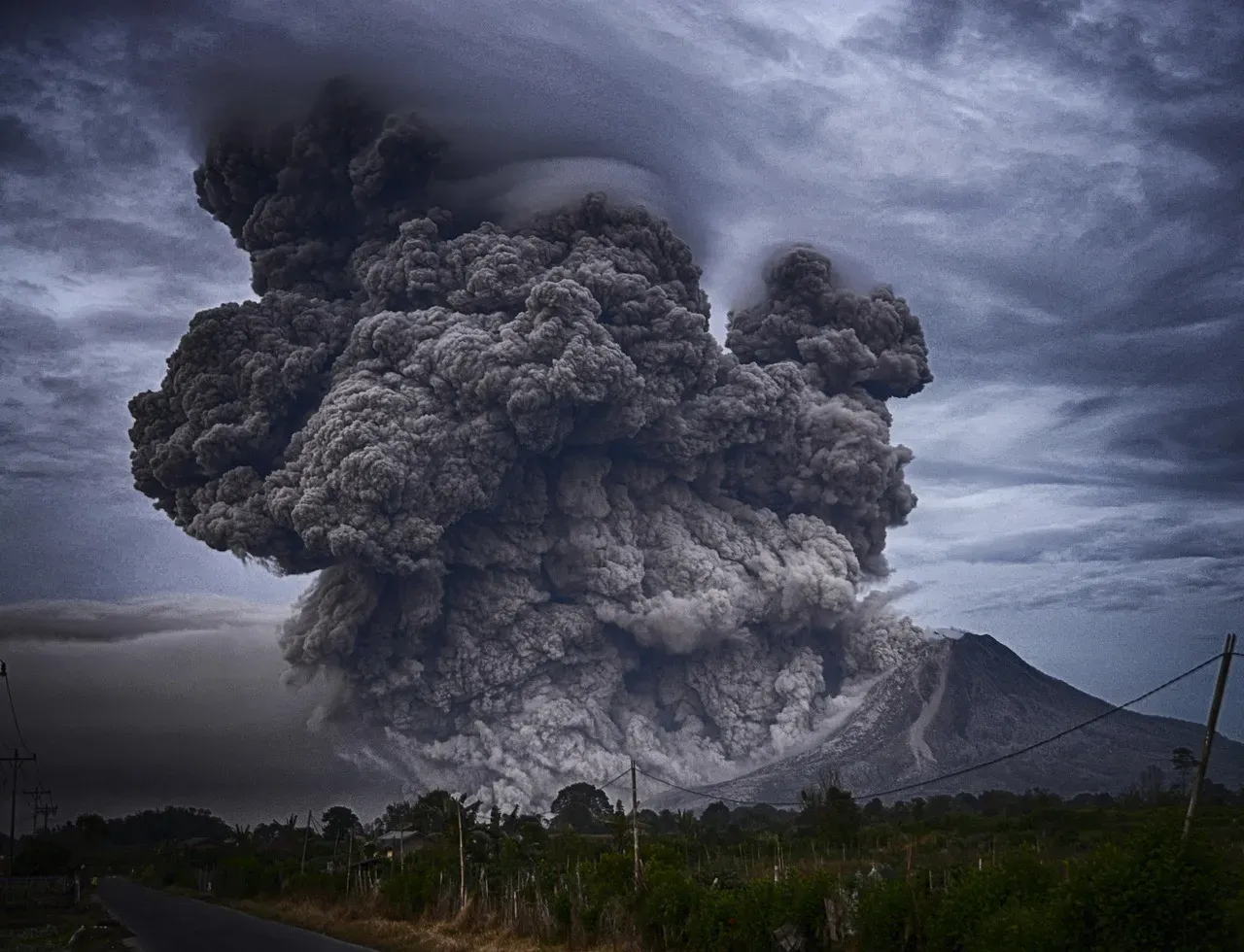
Artifacts at two archaeological sites show humans developed technical innovations to their tools shortly after the Toba eruption, and these innovations had a lasting impact as humans at these sites continued to use them for thousands of years. Crisis breeds ingenuity. Our ancestors didn’t just survive – they adapted and evolved their technology in response to catastrophic environmental change.
Archaeological evidence suggests that modern humans survived the era of severe environmental degradation by creating cooperative intergroup social networks and behaving like tribes. Meanwhile, other human species couldn’t adapt quickly enough. The Toba eruption may have forced humans to adopt new adaptive strategies, which may have permitted them to replace Neanderthals and other archaic human species.
The lesson here is sobering yet hopeful. Supervolcanoes have the power to reshape continents and alter global climate for centuries, pushing life to the edge of extinction. Yet somehow, against impossible odds, a handful of humans survived the worst Earth could throw at them. They endured volcanic winters, toxic skies, and collapsing ecosystems. They innovated, cooperated, and persisted when every rational prediction said they shouldn’t.
These hidden supervolcanoes beneath peaceful lakes and unassuming valleys remind us that our planet operates on scales we struggle to comprehend. The ground beneath your feet might seem solid and permanent, but geological forces are always at work, building pressure, accumulating magma, waiting for the right moment. We’re living in a temporary calm between volcanic cataclysms that will inevitably return. What do you think – are we prepared for the next one, or are we just hoping it won’t happen in our lifetime?