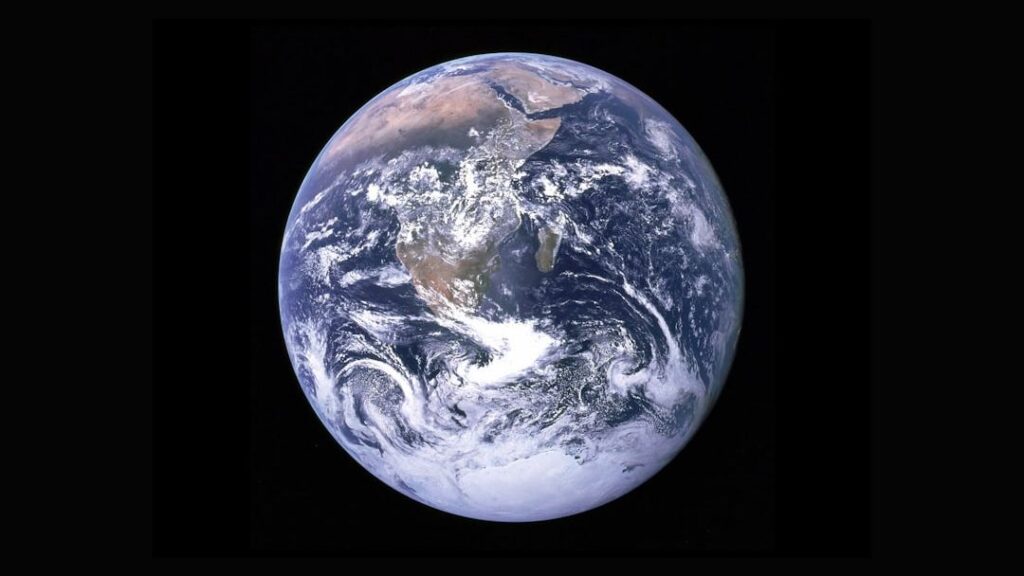
Imagine stepping outside without the ability to breathe. Not because you forgot your inhaler, but because the air itself would be poison. That was Earth for much of its early existence. The atmosphere you’re breathing right now is the result of billions of years of planetary transformation, catastrophic events, and microscopic organisms that fundamentally changed the chemistry of our world.
Let’s be real: the story of our atmosphere is one of the most dramatic tales in planetary history. From a suffocating blanket of volcanic gases to the oxygen-rich air that sustains nearly all complex life, Earth’s atmosphere underwent several complete makeovers. Each transition reshaped what could live here and how. So how did we get from a toxic hellscape to the breathable world we take for granted? Let’s dive in.
Earth’s First Breath: Hydrogen and Helium Escape
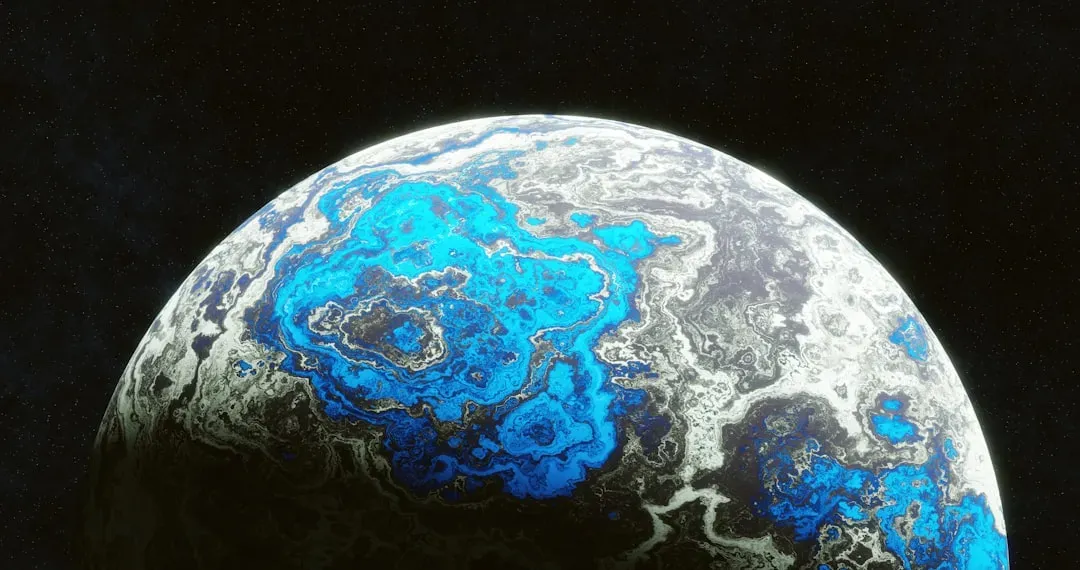
Earth’s original atmosphere during the Hadean eon consisted of gases in the solar nebula, primarily hydrogen and helium. These lightweight gases were captured from the dusty disk that swirled around the young Sun as our planet formed. Think of it like a newborn trying to hold onto a helium balloon: the grip just wasn’t strong enough.
Hydrogen and helium are lightweight gases that were gradually lost to space because Earth’s gravitational pull was too weak to hold an atmosphere made of these elements. The planet was also incredibly hot during this period, which only made things worse. Hot gas molecules move faster, and when they’re already light, they basically sprint away into space. This early atmosphere was depleted within the first hundred million years.
The Volcanic Era: A Toxic Soup Emerges
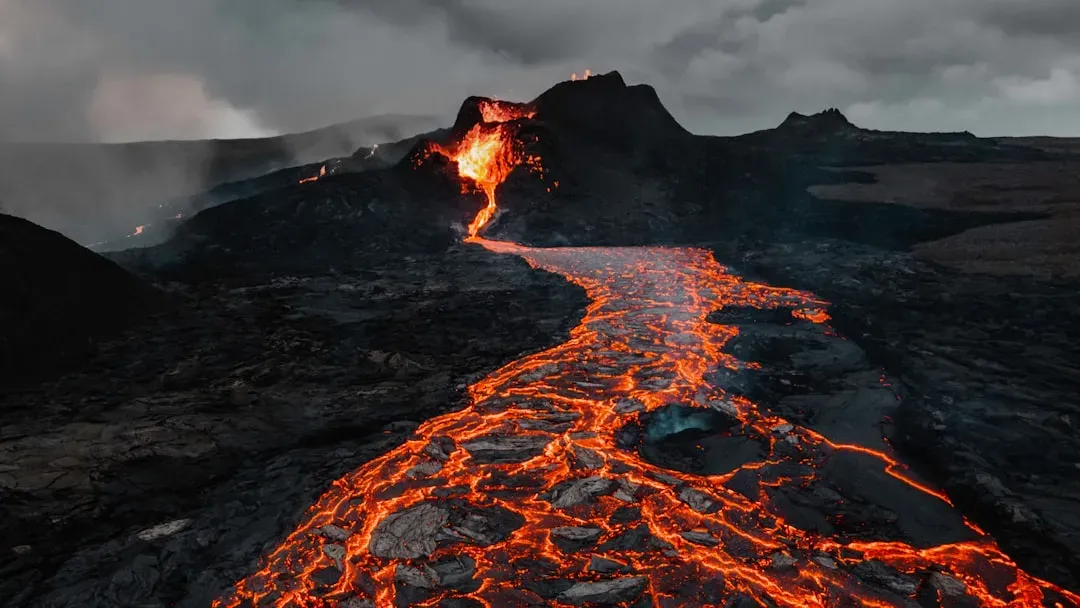
Earth wasn’t about to give up on having an atmosphere, though. As Earth continued to cool and solidify, intense volcanic activity began releasing gases trapped within the planet’s interior through a process called outgassing. Picture thousands of volcanoes erupting simultaneously across a molten landscape, belching gases into the sky without pause.
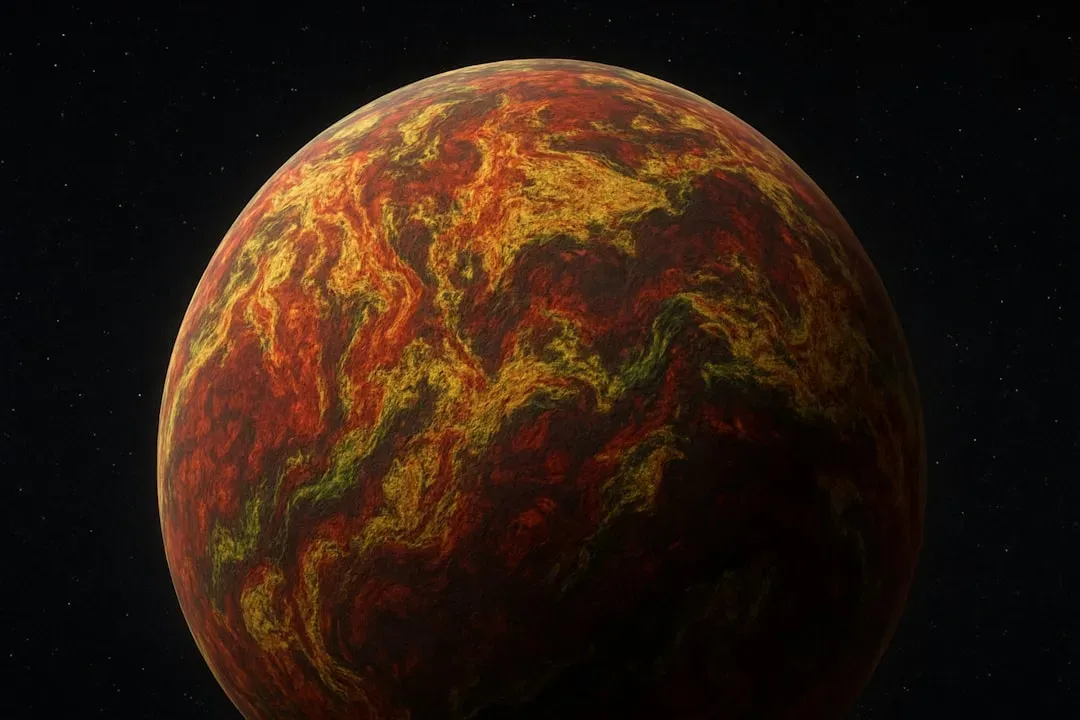
An atmosphere formed mainly from gases spewed from volcanoes, including hydrogen sulfide, methane, and ten to 200 times as much carbon dioxide as today’s atmosphere. This wasn’t exactly fresh mountain air. Research reveals that Earth’s early atmosphere resembled that found on Venus today, with a thick, oppressive blanket of carbon dioxide dominating everything. The greenhouse effect from all that CO2 kept the surface incredibly hot, even though the young Sun shone at only roughly seventy percent of its current brightness.
During this early period, Earth was under constant assault from asteroids and comets in what scientists call the Late Heavy Bombardment, and these cosmic visitors brought additional water and gases to our planet. Eventually, as things cooled down, something remarkable happened: rain.
The Oceans Form: Carbon Dioxide Gets Swallowed
After about half a billion years, Earth’s surface cooled and solidified enough for water to collect on it. This was a turning point. The water vapor that had been floating in the atmosphere condensed into liquid and fell, creating the first oceans. Suddenly, Earth had seas.
Here’s where things get interesting. The oceans absorbed CO2, some of which was incorporated into the oceanic crust and subducted into the upper mantle, and the loss of atmospheric CO2 reduced greenhouse warming, which made the planet hospitable to early life. The carbon dioxide that had been suffocating the atmosphere was now being pulled out of the air and locked away in rocks at the bottom of the ocean. Think of the oceans as Earth’s first air purification system.
This absorption process was slow but relentless. Over hundreds of millions of years, atmospheric pressure dropped, temperatures became more moderate, and the stage was set for life to emerge. Yet there was still virtually no oxygen. The air remained a toxic mixture dominated by nitrogen, carbon dioxide, and traces of methane.
Life’s Ingenious Invention: Oxygenic Photosynthesis
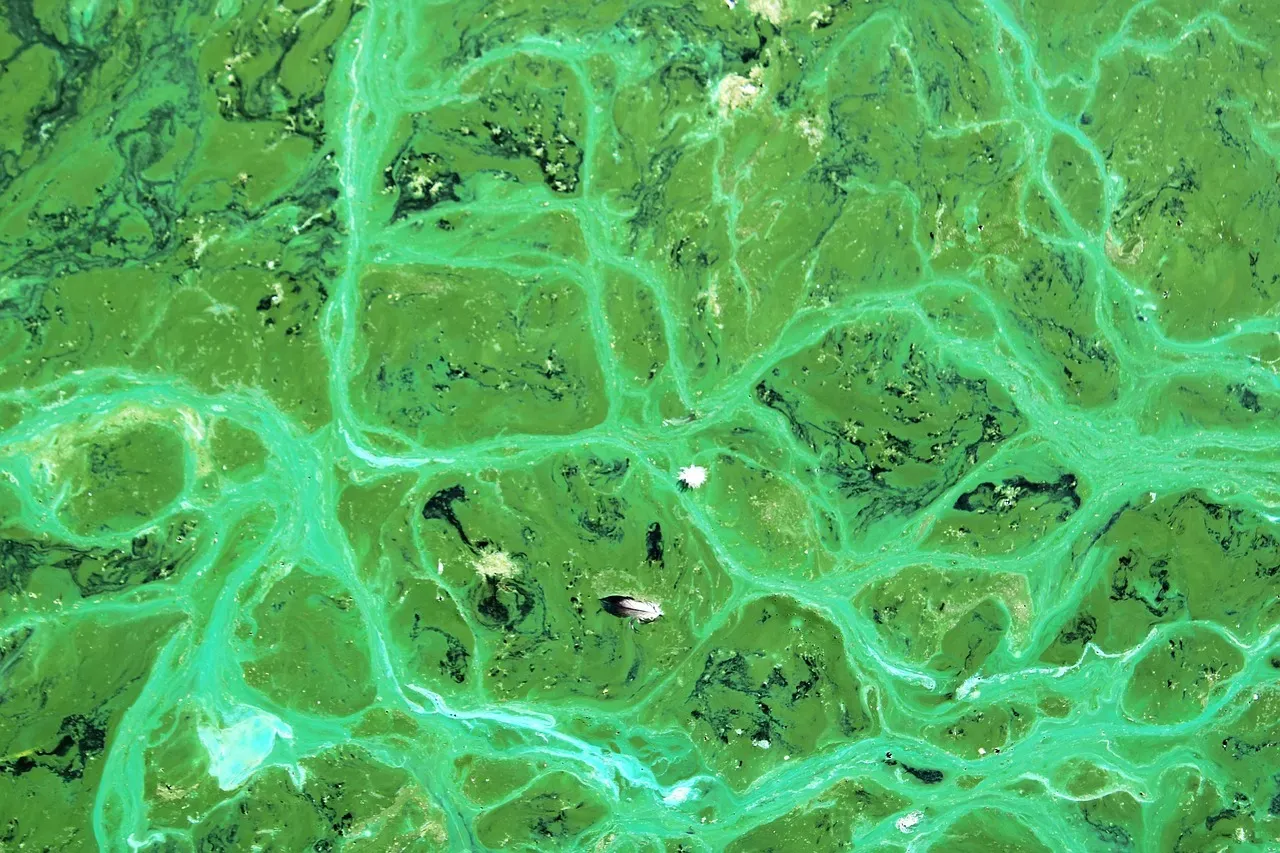
Around 2.7 billion years ago, a peculiar group of microbes known as cyanobacteria evolved with the remarkable ability to perform photosynthesis, generating energy from sunlight. This might sound mundane if you’ve seen a houseplant, but honestly, this was revolutionary. These tiny organisms figured out how to harness the Sun’s energy and use water as fuel.
The creation of a photosynthetic apparatus capable of splitting water into oxygen, protons, and electrons was the pivotal innovation in the evolution of life on Earth. For the first time, photosynthesis had an unlimited source of electrons and protons. More significantly, the byproduct of photosynthesis happened to be oxygen. These cyanobacteria were essentially waste-producing factories, except their waste product would eventually transform the entire planet.
The appearance of oxygenic photosynthesis occurred at least four hundred million years before the Great Oxidation Event, suggesting that cyanobacteria evolved the ability to produce oxygen early on, but that it took a while for this oxygen to really take hold in the environment. The oxygen being produced was immediately gobbled up by chemical reactions with iron and other elements in the oceans and rocks.
The Great Oxidation Event: A Catastrophe and a Blessing
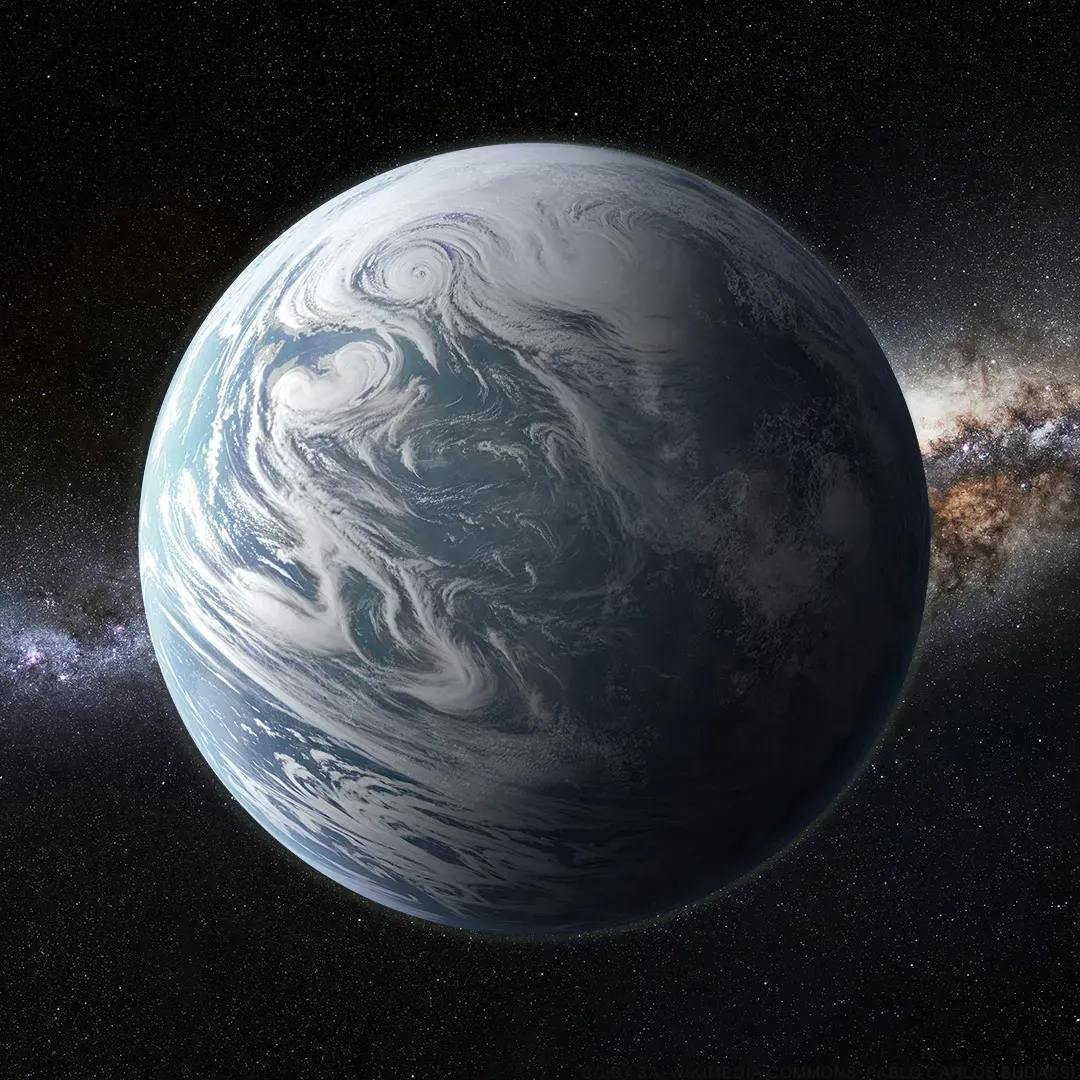
The Great Oxidation Event occurred sometime between 2.4 and 2.1 billion years ago, beginning approximately during the Siderian period. For nearly a billion years before this moment, oxygen was being produced but instantly consumed. At first, the oxygen produced by early photosynthesizers didn’t accumulate in the atmosphere but was quickly consumed by chemical reactions with iron and sulfur compounds in the oceans and rocks, with Earth’s surface acting like a giant sponge, soaking up oxygen as fast as it was produced.
Eventually, the oxygen sinks became saturated. Oxygen released into the seawater by cyanobacteria gradually increased over time, and over a span of 200 to 300 million years, oxygen was produced at a faster rate than it could react with other elements, with accumulated oxygen oxygenating the water and gradually starting to escape into the atmosphere where it reacted with methane. Methane, a potent greenhouse gas, was oxidized into carbon dioxide and water. This weakened the greenhouse effect of Earth’s atmosphere, causing planetary cooling, which has been proposed to have triggered a series of ice ages known as the Huronian glaciation.
As oxygen levels gradually increased, something remarkable and terrifying happened: the first mass extinction event in Earth’s history, with the accumulating oxygen being toxic to most existing life forms that had evolved in the reducing atmosphere, wiping out countless species of anaerobic bacteria. It’s hard to say for sure, but imagine an entire biosphere poisoned by what we now consider essential for life. Oxygen was a killer.
The Ozone Shield: Making Land Habitable
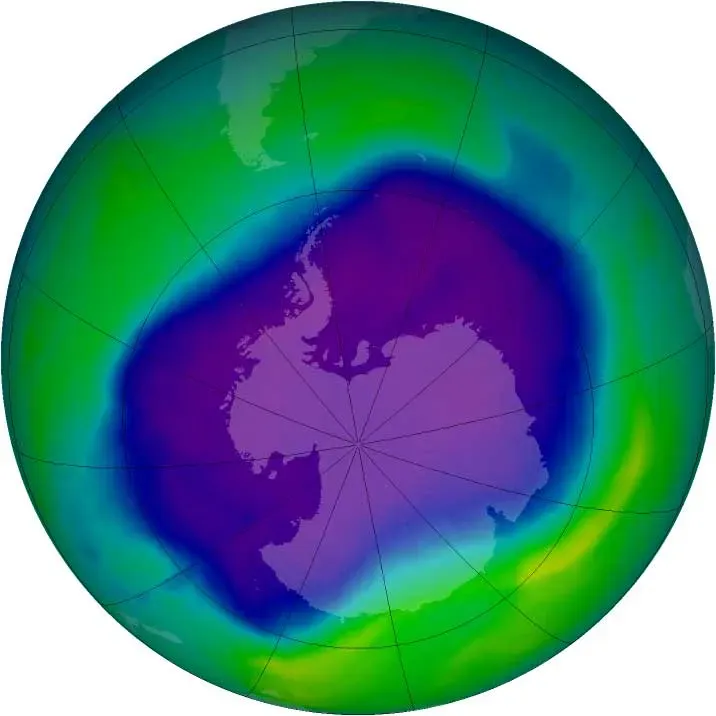
Oxygen was responsible for formation of the ozone layer in the atmosphere, as UV radiation from the sun split oxygen molecules into atoms of oxygen, which then reacted with another oxygen molecule to generate ozone. This seemingly simple chemical reaction created one of Earth’s most important protective barriers.
The ozone layer in the stratosphere absorbs a portion of the radiation from the sun, most importantly absorbing UV-B light. Before the ozone layer formed, ultraviolet radiation from the Sun bombarded Earth’s surface with enough intensity to damage DNA and make land essentially uninhabitable. This ozone layer became a protective shield that blocked most of the harmful ultraviolet radiation from the sun, making it possible for prokaryotic life such as cyanobacteria to develop photosynthesis as a metabolic process.
The Earth’s ozone layer formed about five hundred million years ago, when oxygen in the atmosphere reached about twenty percent. This opened the floodgates for life to colonize land. Plants could now survive outside the protective cover of water, and eventually animals followed. Without that thin layer of ozone hovering miles above our heads, complex life on land would never have emerged.
From Poison to Power: The Modern Atmosphere Takes Shape
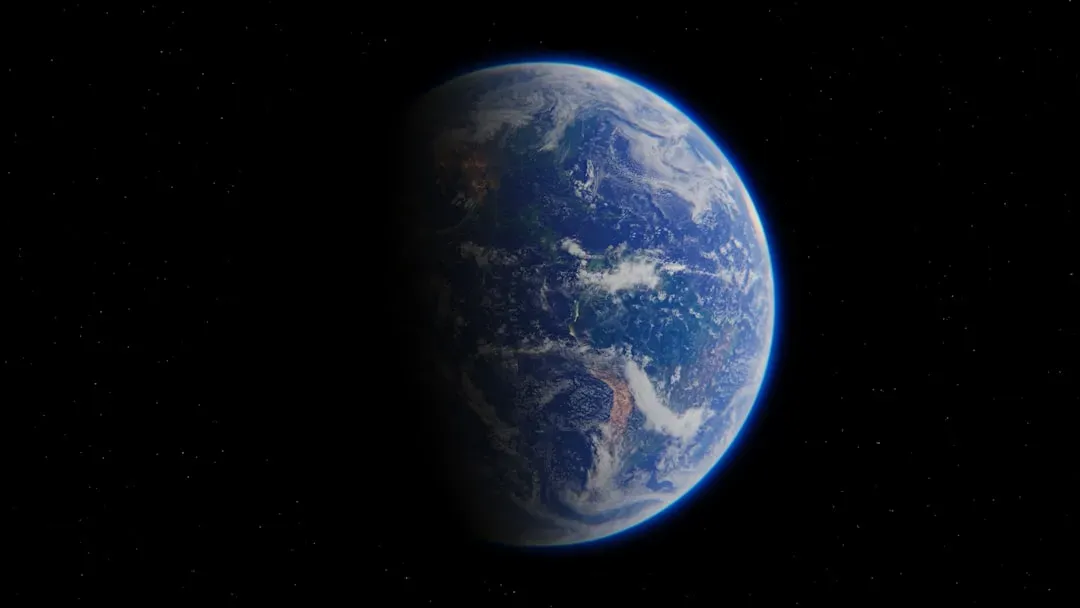
Organisms that could tolerate or even use oxygen gained a massive advantage, as aerobic respiration, the process of using oxygen to extract energy from organic molecules, is much more efficient than anaerobic processes. Life adapted, evolved, and eventually thrived in this new oxygenated world. The very gas that had poisoned countless organisms became the fuel for an explosion of biological complexity.
Mitochondria require oxygen to operate, meaning that eukaryotes could not have occurred until photosynthetic life was well established and had left an indelible mark on Earth’s atmosphere. All complex life, from fungi to fish to humans, depends on these tiny cellular powerhouses that evolved specifically to harness oxygen’s energetic potential. The atmosphere had fundamentally shaped the trajectory of evolution.
Sometime just before the Cambrian period, atmospheric oxygen reached levels close enough to today’s to allow for the rapid evolution of higher life forms, with oxygen in the atmosphere maintained by the photosynthesis of green plants. The balance was struck: plants produced oxygen, animals consumed it and exhaled carbon dioxide, and plants used that carbon dioxide to make more oxygen. A beautiful, self-sustaining cycle emerged.
Conclusion: A Billion-Year Journey to Breathable Air
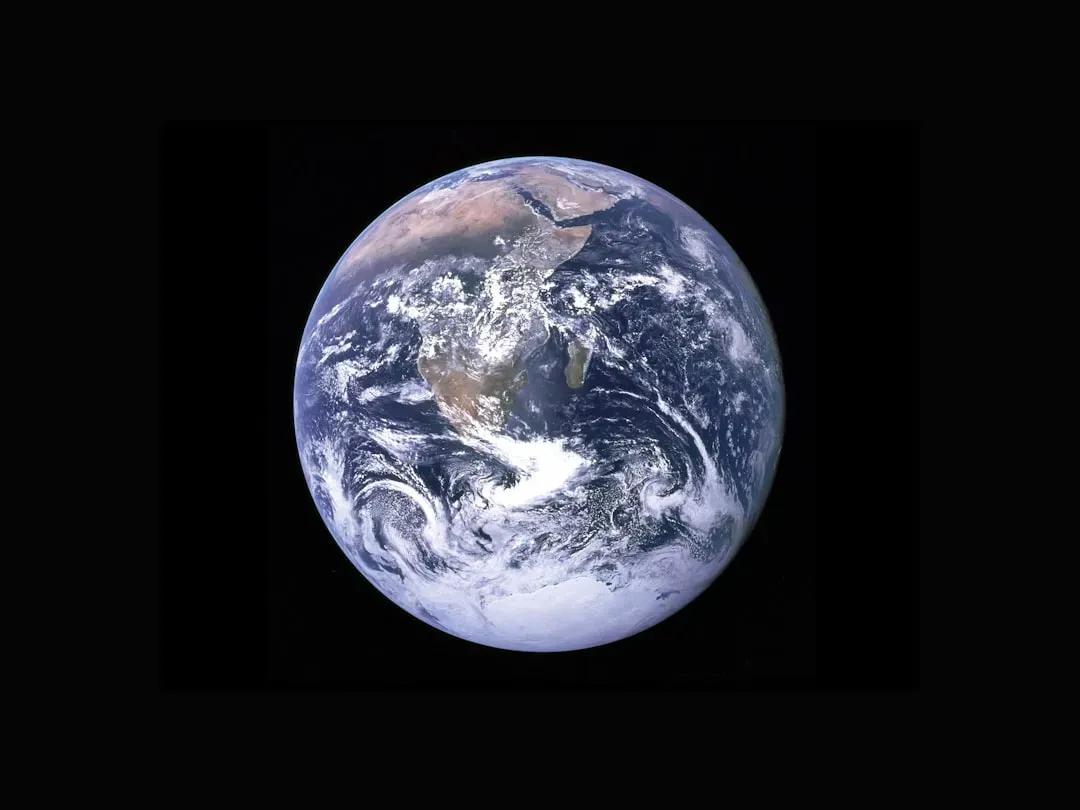
The atmosphere you breathe is not some cosmic accident or permanent feature of planets. It’s the product of intense geological activity, chemical transformations, and most remarkably, life itself. From a thin veil of hydrogen to a toxic volcanic soup, from an oxygen-free world to the breathable air that sustains us, Earth’s atmosphere has been completely rewritten multiple times.
The atmosphere upon which life depends was created by life itself. That’s the wild part. Tiny microbes, invisible to the naked eye, fundamentally altered the chemistry of an entire planet over billions of years. They turned poison into power, transformed the climate, triggered ice ages, caused mass extinctions, and ultimately made possible every animal that has ever walked, flown, or swum on this planet.
Next time you take a deep breath, remember you’re inhaling the legacy of cyanobacteria that lived billions of years ago. The air is ancient, recycled through countless organisms, shaped by volcanic eruptions and cosmic impacts, filtered through oceans and locked in rocks. It’s been here longer than any of us, and if we’re lucky, it’ll be here long after. What do you think about breathing in billions of years of history with every breath?