You might think that oxygen is life. You breathe it. You need it. Without it, you’d be dead within minutes. Yet roughly two and a half billion years ago, this very gas became a planetary executioner, wiping out entire civilizations of microscopic life and plunging Earth into a deep freeze that lasted hundreds of millions of years. This catastrophe wasn’t the result of a meteor strike or volcanic eruption. It was caused by something far stranger: photosynthesis.
The Great Oxygenation Event happened approximately two point four billion years ago and transformed life and environments on Earth. What’s horrifying about this event isn’t just what happened, but what caused it. Tiny blue-green bacteria evolved a new trick, and in doing so, they essentially poisoned the world. Let’s dive in.
When Life Became a Poison Factory
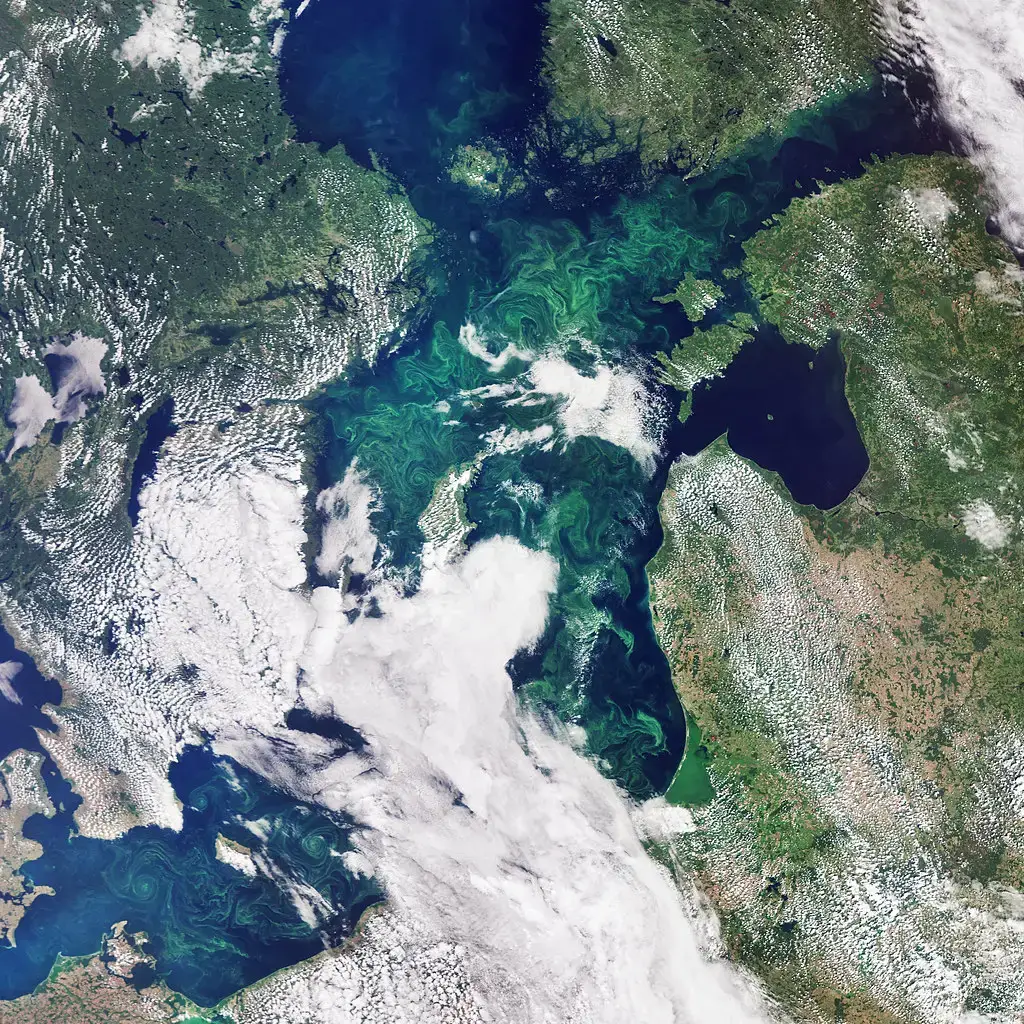
Around two point seven billion years ago, cyanobacteria evolved with the remarkable ability to perform photosynthesis, utilizing water as a fuel source by oxidizing it. These microbes were revolutionary in a way that most evolutionary innovations aren’t. They weren’t just adapting to their environment; they were about to rewrite the entire planet’s chemistry.
Here’s the thing though: oxygen was poison for cyanobacteria, yet over time they released oxygen as a waste product. Let’s be real, it’s almost comical in a dark way. These organisms basically spent millions of years dumping toxic waste into their own backyard. Eventually, that backyard became so polluted that nearly everything living on Earth at the time suffocated.
The World Before the Oxygen Catastrophe
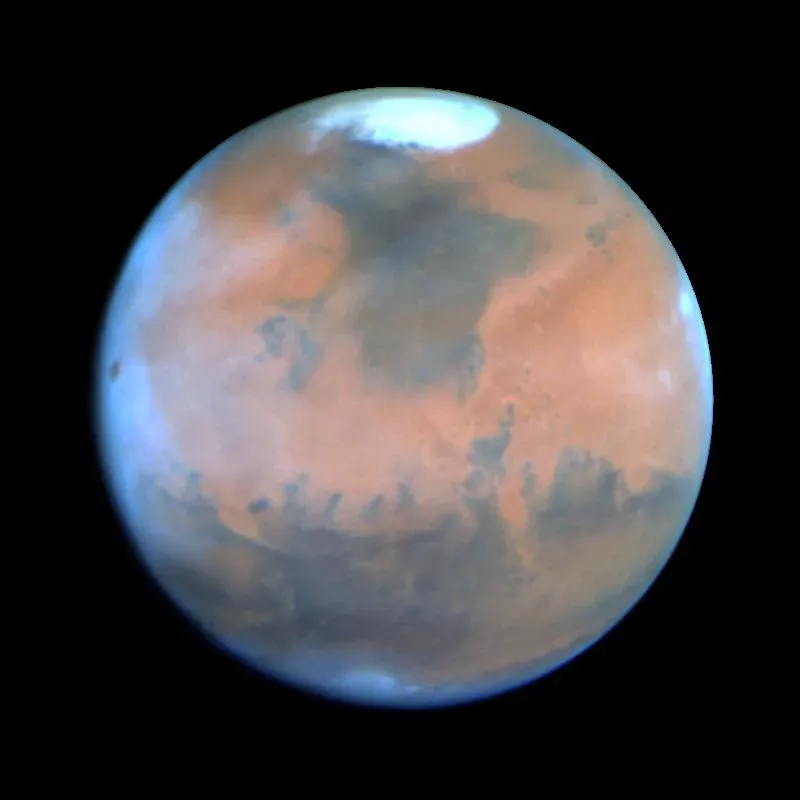
When Earth formed around four point five billion years ago, it had a reducing atmosphere consisting of carbon dioxide, methane and water vapor. If you traveled back to this early planet, you’d find yourself in an alien landscape where the air was fundamentally different from anything you’ve ever known. No blue skies. No breathable atmosphere.
Before the Great Oxygenation Event, you would encounter a largely anoxic or oxygen-free environment where organisms that thrived were anaerobic and relied on processes like fermentation to generate energy. Life existed, sure, but it was utterly unlike the creatures we know today. These were hardy little microbes that had evolved to thrive in an oxygen-less world, and they had the planet all to themselves.
How Oxygen Built Up and Triggered Mass Death
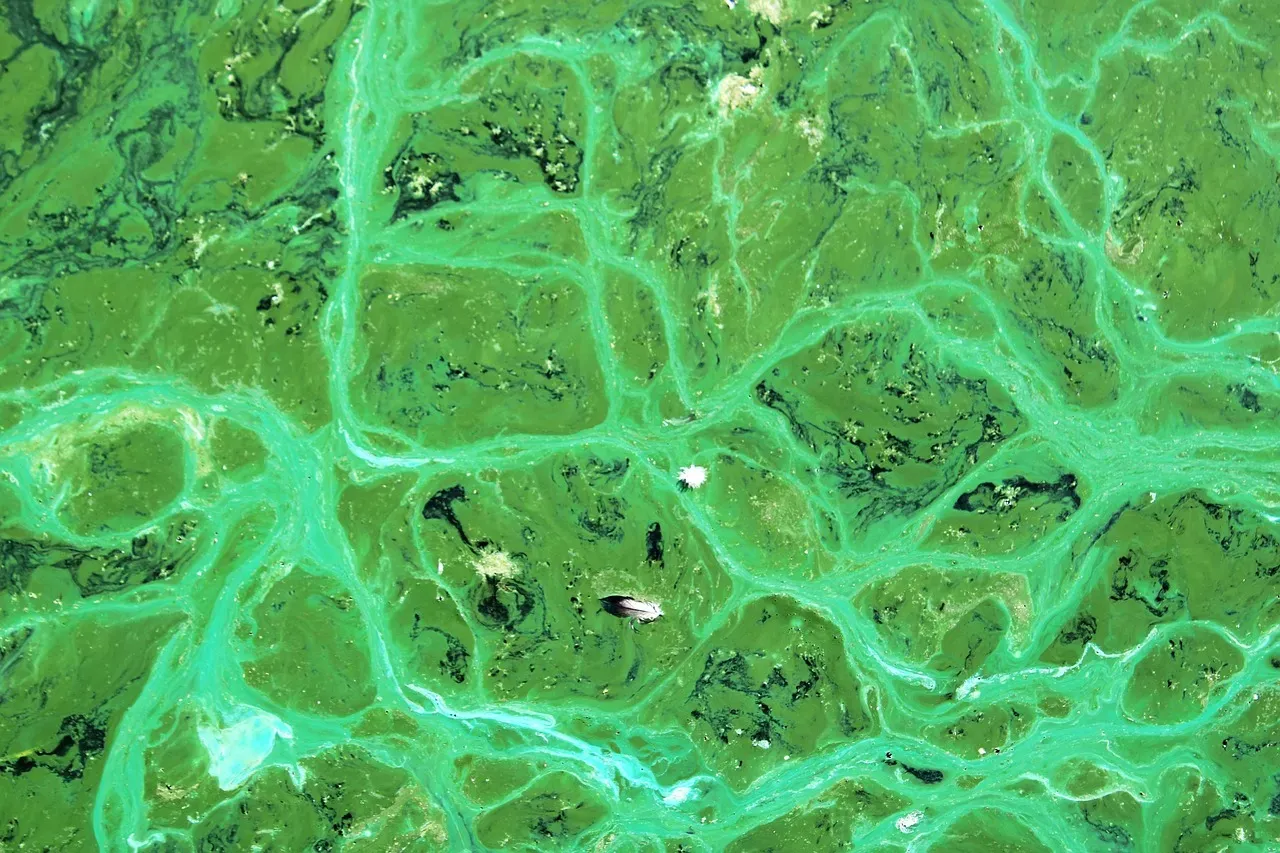
The cyanobacteria multiplied. They spread. And slowly, their oxygen waste started accumulating in the oceans. The newly produced oxygen was first consumed in various chemical reactions in the oceans, primarily with iron, as found in older rocks containing massive banded iron formations apparently laid down as iron and oxygen first combined. These beautiful striped rocks you can still see in museums today are basically graveyards marking where oxygen started rusting the planet.
At some point, as cyanobacteria flourished, the minerals and other sinks became saturated and could no longer absorb the oxygen being produced, so it built up in the water and in the air. That’s when things got truly catastrophic. To the other bacteria living in the ocean – anaerobic bacteria – oxygen was toxic, and the cyanobacteria were literally respiring poison, leading to a die-off and mass extinction killing countless species of bacteria.
Earth’s First Mass Extinction
When a major increase of oxygen concentration in the atmosphere occurred some two billion years ago, it was a death sentence for the large population of anaerobic animals for whom oxygen was toxic. I know it sounds crazy, but imagine an entire biosphere built around organisms that found our most essential gas to be lethal. That was the reality of early Earth.
This wiped out over ninety percent of life on Earth. The sheer scale is hard to grasp. Isotope geochemistry data from sulfate minerals have been interpreted to indicate a decrease in the size of the biosphere of more than eighty percent associated with changes in nutrient supplies at the end of the Great Oxygenation Event. Those that didn’t adapt fast enough simply ceased to exist. The rise in oxygen levels was poisonous to most anaerobic organisms, leading to extinction, though some managed to survive by retreating deep into the subsurface where there is no oxygen.
The Huronian Glaciation: Earth Becomes a Snowball
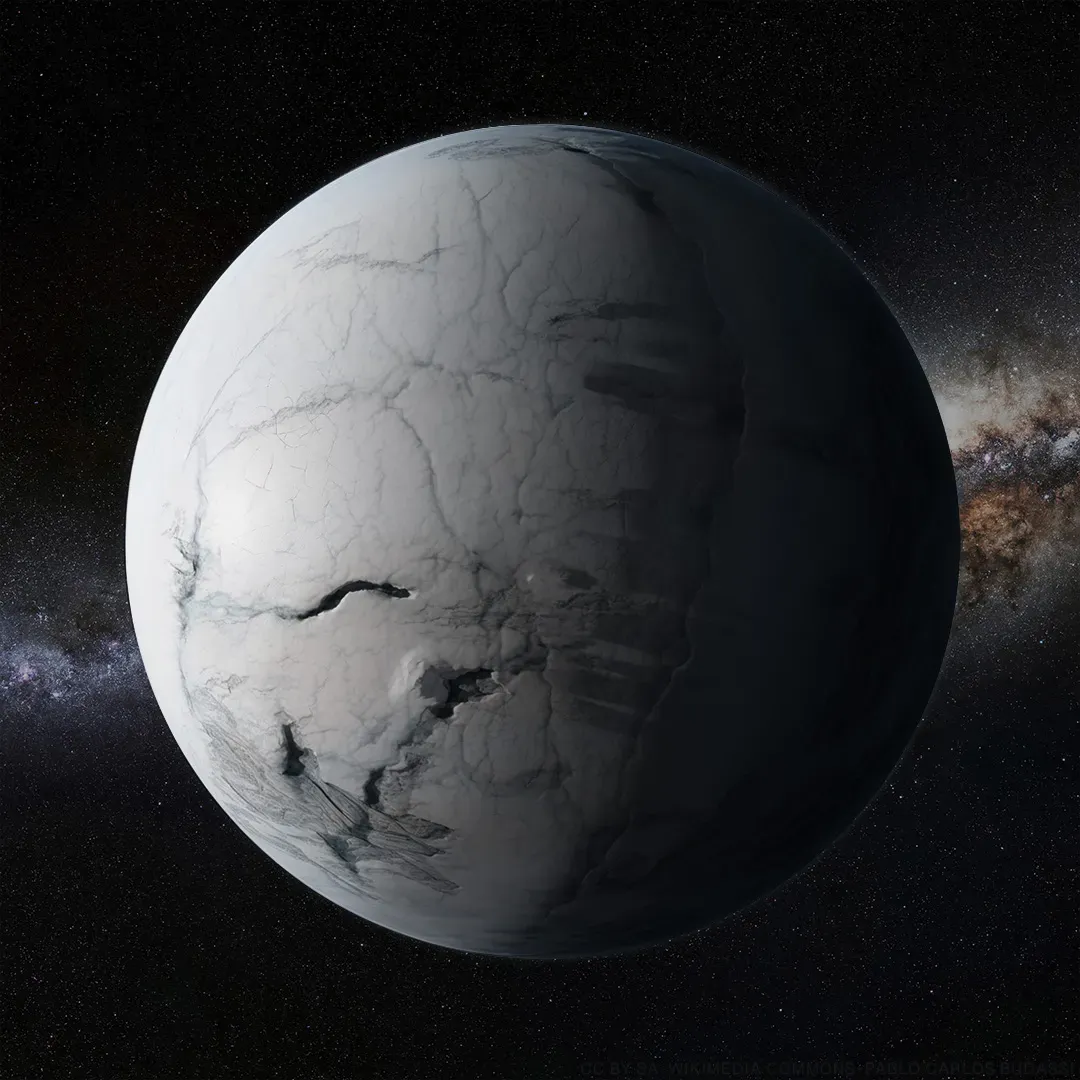
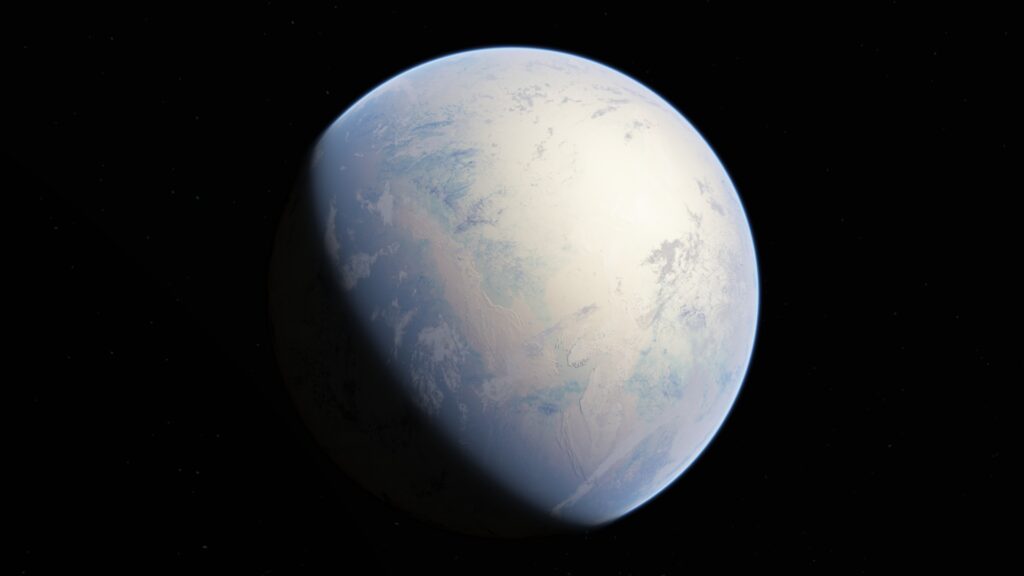
As if mass extinction wasn’t enough, oxygen had another horrifying consequence. Methane, a greenhouse gas, traps heat from sunlight and keeps Earth warm enough for organisms to survive, so when methane was displaced by oxygen, global temperatures dropped, causing Earth to enter a series of ice ages known as the Huronian glaciation. This wasn’t your typical ice age where the poles freeze over. We’re talking about a potential snowball Earth scenario.
This was the longest ice age that our planet witnessed, lasting for about three hundred to four hundred million years. Think about that timescale. The dinosaurs existed for roughly one hundred and sixty-five million years. This glaciation lasted more than twice as long. The Huronian glaciation broadly coincides with the Great Oxygenation Event, and the oxygen reacted with methane to form carbon dioxide and water, both much weaker greenhouse gases, greatly reducing the greenhouse effect.
The Rock Record Tells a Brutal Story
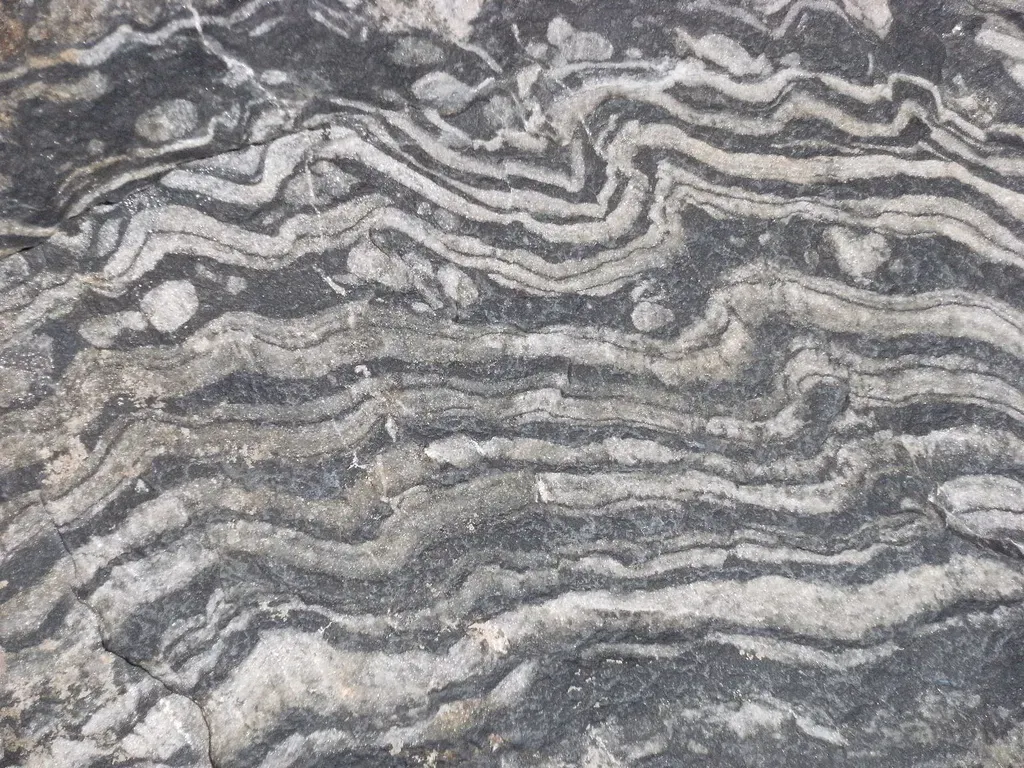
Banded iron formation provided some of the first evidence for the timing of the Great Oxidation Event at two thousand four hundred million years ago. These geological formations are stunning to look at with their alternating red and dark bands, but they tell a brutal story. Oxygen combined with dissolved iron in the sea to form insoluble iron oxide which sank to the sea floor, and as it settled, sheets of red iron oxide were laid down between layers of silica-rich silt.
Eventually, over hundreds of millions of years, the oxygen bound with all the soluble iron that was available in the waters, and the remaining free oxygen had nowhere else to go but up and out into the atmosphere. That’s when the planet’s fate was sealed. The atmospheric transformation was complete.
How Life Eventually Adapted to the Poisonous New World
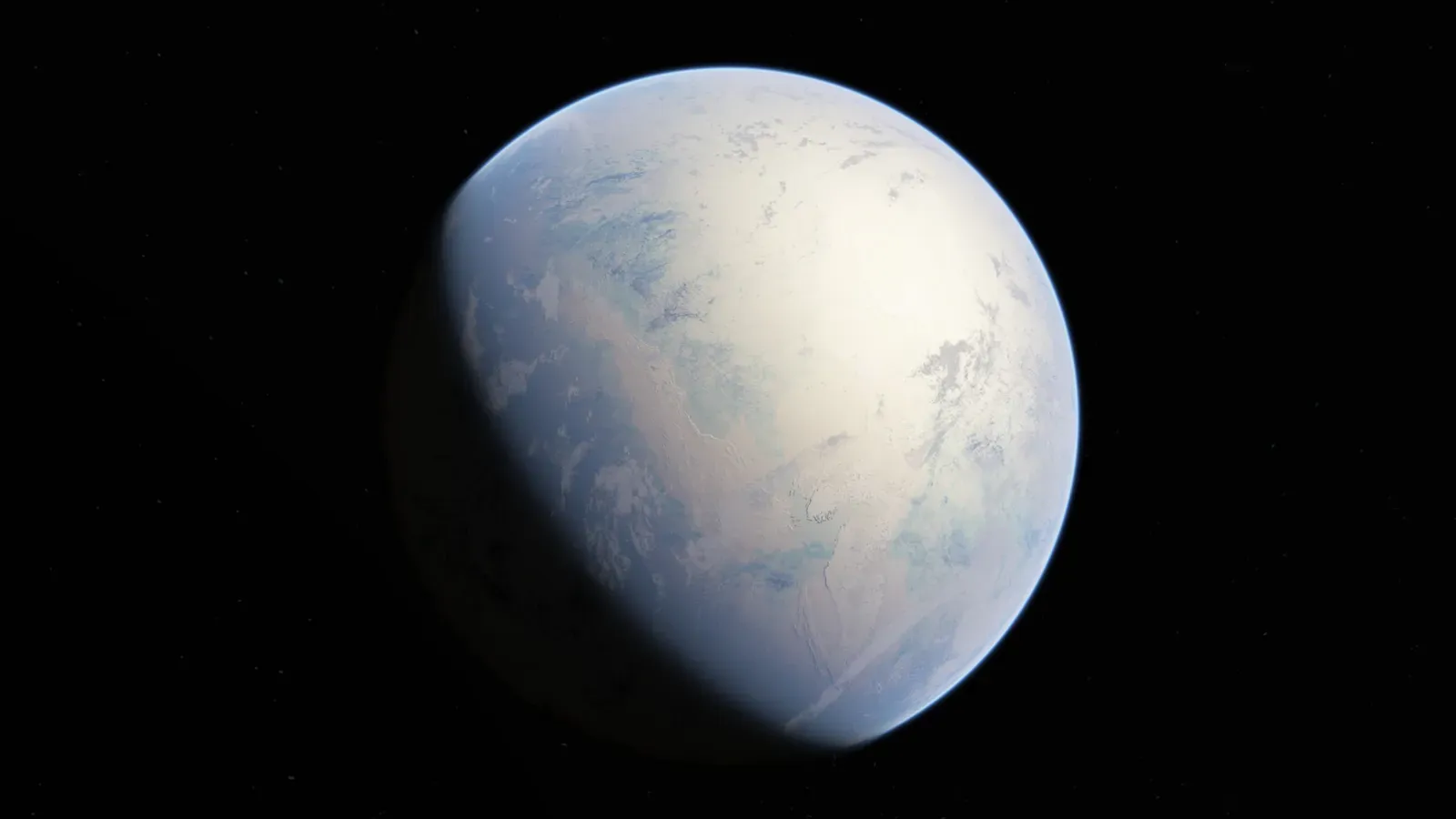
Honestly, the fact that life survived at all is remarkable. Cyanobacteria didn’t completely vanish – by hiding in low-oxygen environments, they avoided mass extinction, and eventually life evolved to use this oxygen and the ecosystem keeps itself in balance this way. Some microbes managed to evolve enzymes that could detoxify oxygen or even harness its reactive power for energy production.
The release of oxygen by cyanobacteria was responsible for changes in Earth’s atmospheric composition, the rise of aerobic metabolism and ultimately the evolution of multicellularity. The subsequent adaptation of surviving archaea via symbiogenesis with aerobic proteobacteria, which became mitochondria, may have led to the rise of eukaryotic organisms and the subsequent evolution of multicellular life forms. Without that horrifying oxygen catastrophe, you and I wouldn’t be here today. Complex life, animals, plants – everything we know owes its existence to a planetary disaster.
The Great Oxygenation Event stands as one of the most dramatic examples of how life can fundamentally reshape an entire planet. A tiny microbe with a new metabolic trick managed to cause mass extinction, trigger a global ice age, and ultimately set the stage for every complex organism that would ever evolve. It’s a reminder that sometimes the most catastrophic events in Earth’s history come not from the heavens above, but from the smallest life forms beneath our feet. What do you think about it? Could something similar happen again, or has life learned its lesson?