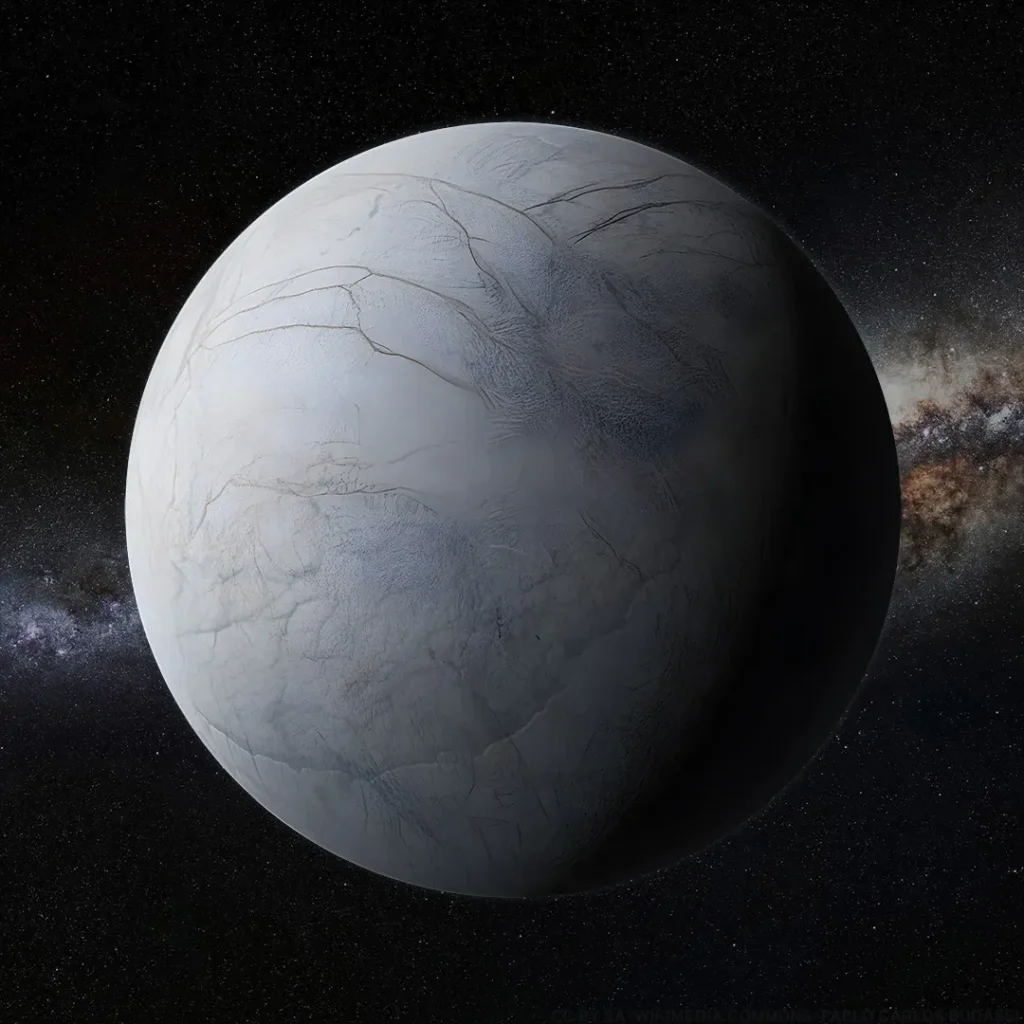
You might think our planet’s climate has always been this stable. Comfortable seasons, predictable winters, that reassuring sense that tomorrow won’t be wildly different from today. Yet for most of Earth’s long history, this stability is the exception rather than the rule. Our world has repeatedly plunged into devastating cold periods where glaciers stretched across continents like frozen oceans, only to retreat again into relative warmth. The pattern repeats with eerie regularity, yet the full story behind these dramatic swings remains one of geology’s greatest mysteries.
Scientists have chased this puzzle for over a century now, piecing together clues from ice cores buried miles beneath Antarctica and sediments dredged from the ocean floor. What they’ve uncovered isn’t a simple answer, but rather a complex dance involving our planet’s wobbly orbit, greenhouse gases trapped in ancient air bubbles, and ocean currents that can flip the climate like a switch. Each discovery seems to raise new questions. Let’s explore what really drives these cycles of extreme cold.
The Orbital Dance That Sets the Stage
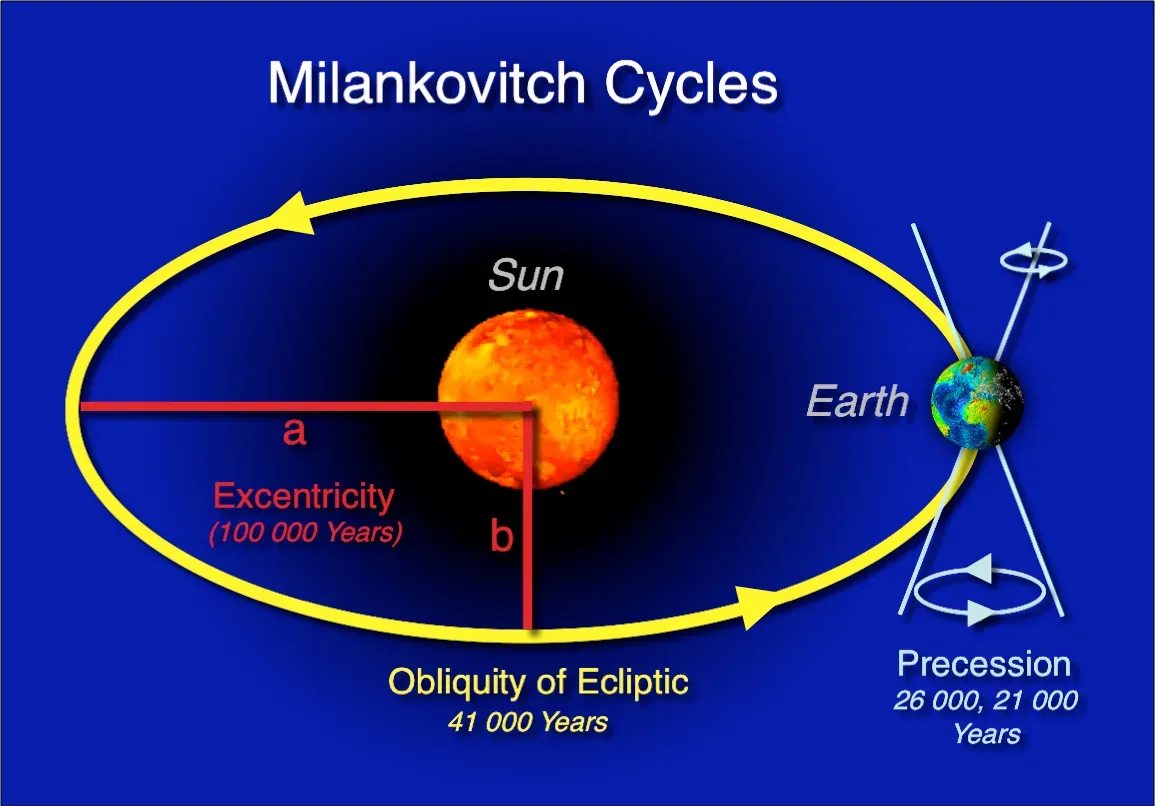
Earth’s movements through space aren’t as steady as you’d think. These variations, known as Milankovitch cycles after Serbian scientist Milutin Milanković, describe how changes in our planet’s orbit and rotation influence climate over thousands of years. The genius of Milanković was recognizing that three separate orbital quirks combine to dramatically alter how much sunlight reaches different parts of our planet.
The three orbital variations are changes in Earth’s orbit around the Sun (eccentricity), shifts in the tilt of Earth’s axis (obliquity), and the wobbling motion of Earth’s axis (precession). Think of Earth as a spinning top that’s slowly losing momentum. The shape of Earth’s orbit changes from less to more elliptical in about 96,000 years, the tilt varies from 21.5 to 24.5 degrees in about 41,000 years, and the axis wobbles with a period of 23,000 years. These cycles overlap and interact in ways that can be calculated mathematically going back millions of years.
When Subtle Shifts Trigger Massive Changes
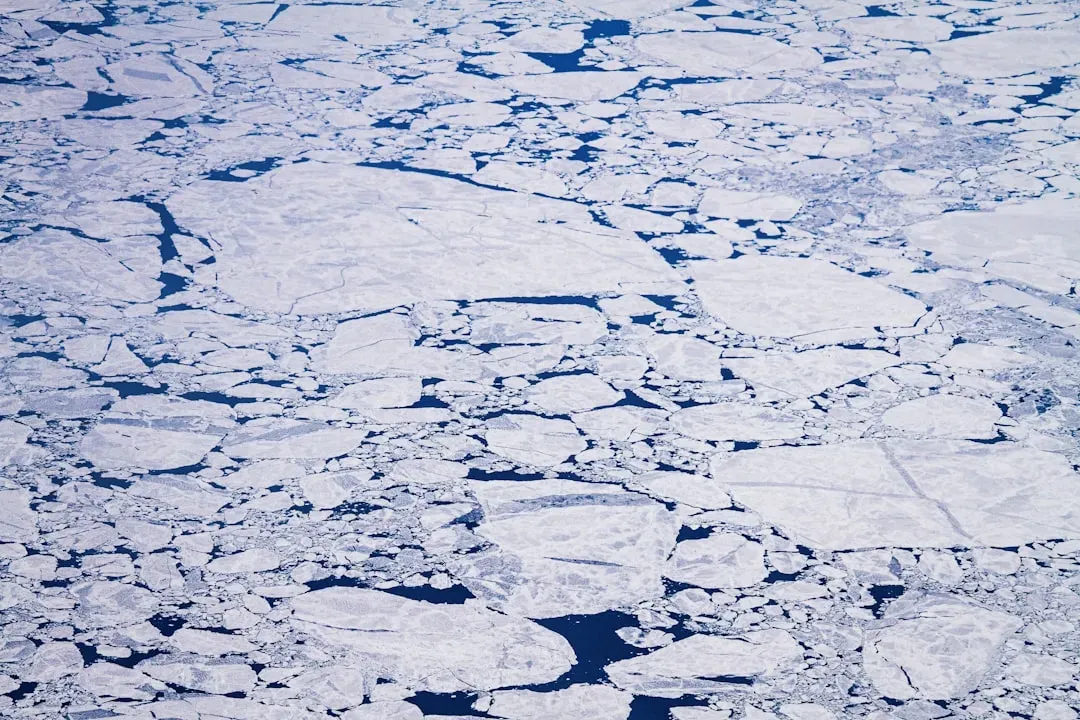
These cyclical orbital movements cause variations of up to 25 percent in the amount of incoming insolation at Earth’s mid-latitudes. Here’s the thing though: this change in sunlight alone shouldn’t be enough to plunge the planet into an ice age. The math just doesn’t add up. It’s like trying to freeze an entire lake by turning down your air conditioner a few degrees.
Glacial and interglacial cycles have been triggered by variations in how much sunlight reaches the Northern Hemisphere in the summer, but these fluctuations in sunlight aren’t enough on their own to bring about full-blown ice ages and interglacials. They trigger several feedback loops that amplify the original warming or cooling. This amplification process is where things get really interesting. Small orbital nudges set off a cascade of changes that transform the entire planet.
The ice itself becomes part of the problem. As ice sheets grow, they reflect more sunlight back into space (high albedo), further cooling the planet and promoting more ice growth.
The Carbon Dioxide Connection
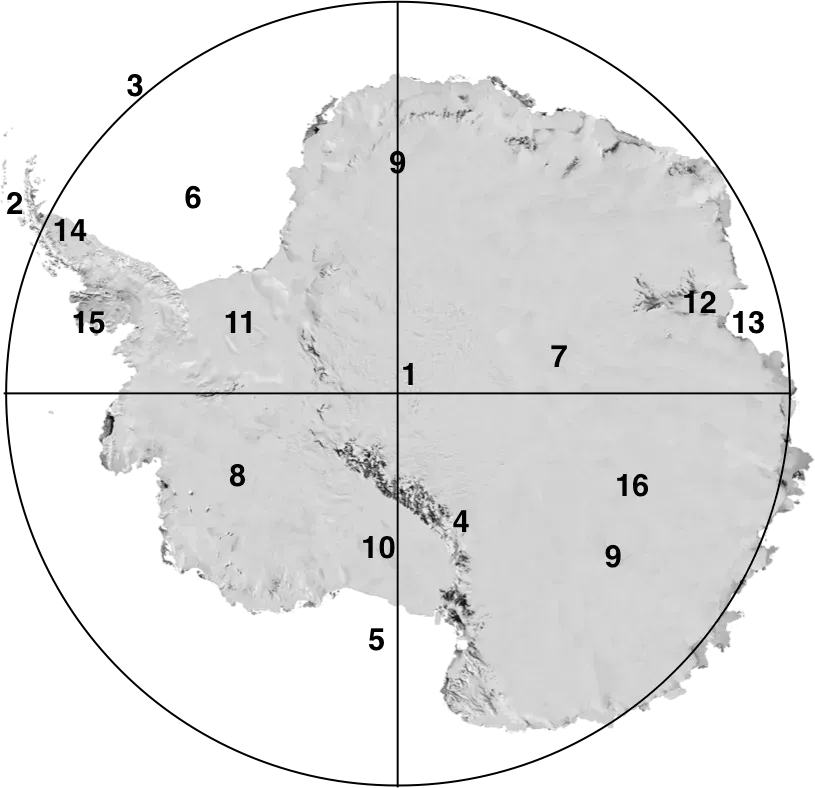
Atmospheric composition, such as the concentrations of carbon dioxide and methane, plays an important role in ice ages, with specific levels now visible in ice core samples from Antarctica over the past 800,000 years. When you drill down into Antarctic ice and extract tiny air bubbles trapped millennia ago, you can literally breathe the atmosphere of the last ice age. What those bubbles reveal is startling.
Changes in atmospheric greenhouse gas concentrations, and in particular CO2, play a large role in the development of cold conditions during ice ages and warm conditions during interglacial periods. During the latest ice age peak about 20,000 years ago, global temperatures were likely about 10 degrees Fahrenheit (5 degrees Celsius) colder than today. Carbon dioxide levels were dramatically lower back then, roughly half of today’s concentrations.
Initial increases in ice cover in high-latitude areas trigger feedbacks that cause atmospheric CO2 to fall at the start of ice ages, happening in a multitude of ways including sea levels falling around 120 meters and exposing land that allows vegetation to take up more CO2. It’s a vicious cycle. Less CO2 means colder temperatures, which means more ice, which means even less CO2.
Ocean Currents as Climate Switches
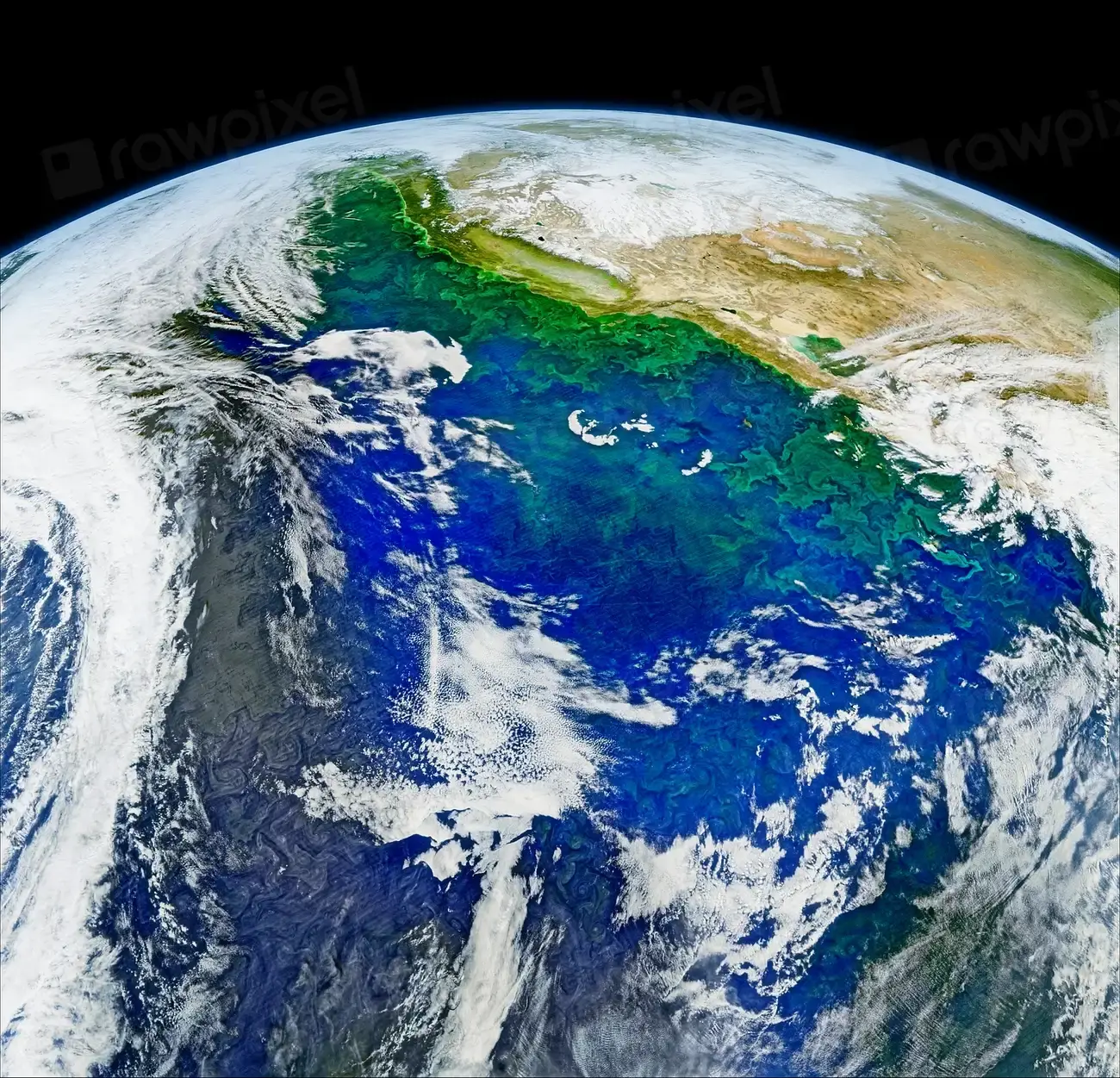
The oceans don’t just sit there passively absorbing heat. They move it around the planet in vast conveyor belts of warm and cold water. The changing positions of Earth’s continents affect ocean and atmospheric circulation patterns, and when plate-tectonic movement causes continents to be arranged such that warm water flow from the equator to the poles is blocked, ice sheets may arise, as happened when the Isthmus of Panama formed.
Changes to the Atlantic Meridional Overturning Circulation (AMOC), which today drives the Gulf Stream bringing warm surface waters north and sending cold deeper waters south, weakened suddenly and drastically just before several periods of abrupt climate change. When this circulation slows down or stops, Europe freezes while the Southern Hemisphere heats up. Scientists have found evidence of these dramatic shutdowns happening multiple times during the last ice age.
During ice ages, changes in the surface waters of the Antarctic Ocean worked to store more CO2 in the deep ocean, with evidence showing systematic reductions in wind-driven upwelling in the Antarctic Ocean.
The Mystery of the 100,000-Year Cycle
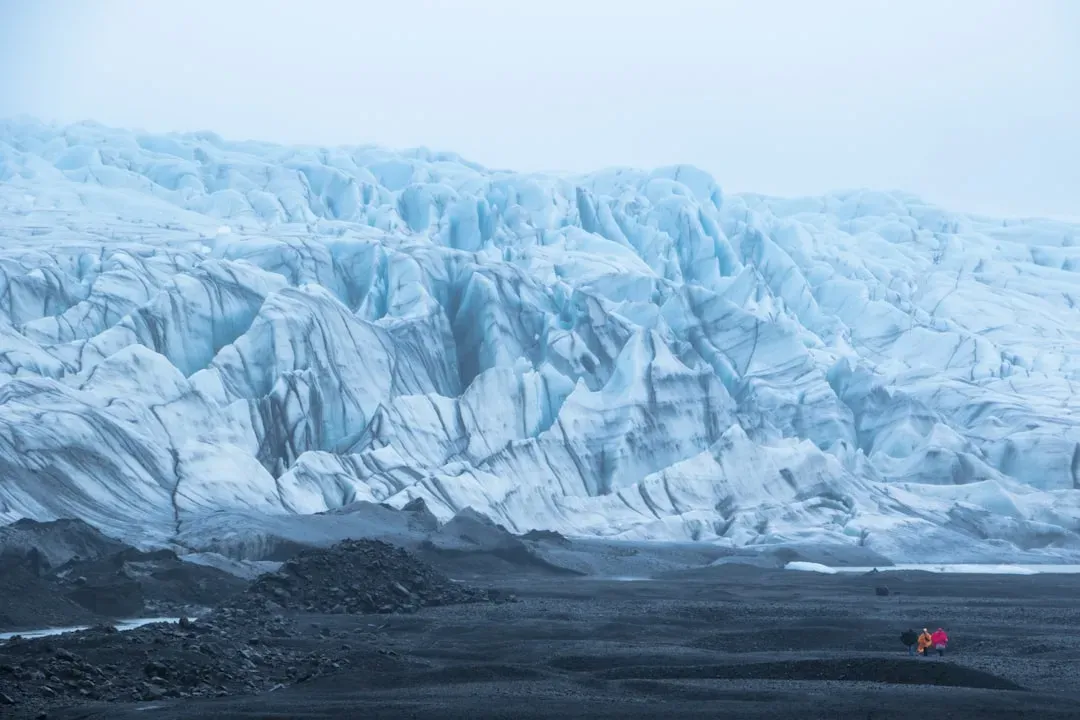
Here’s where things get weird. Before the Mid-Pleistocene Transition about a million years ago, cycles between glacial and interglacial periods happened every 41,000 years, but after this transition, glacial periods became more intense and lasted 100,000 years, giving Earth the regular ice age cycles that have persisted into human time. Nobody can fully explain why this shift happened.
While geologists and climate physicists found solid evidence of this 100,000-year cycle in glacial moraines, marine sediments and arctic ice, they were unable to find a plausible explanation for it. The problem is that the 100,000-year orbital cycle (eccentricity) has the weakest effect on incoming sunlight. It’s like the quietest instrument in the orchestra somehow becoming the conductor.
Prior to the ocean circulation crash, ice sheets in the Northern Hemisphere began to stick to their bedrock more effectively, causing glaciers to become thicker, which led to greater global cooling and disrupted the Atlantic heat conveyor belt, leading to stronger ice ages. Honestly, the more we learn, the more complicated it becomes.
Abrupt Climate Swings Within Ice Ages
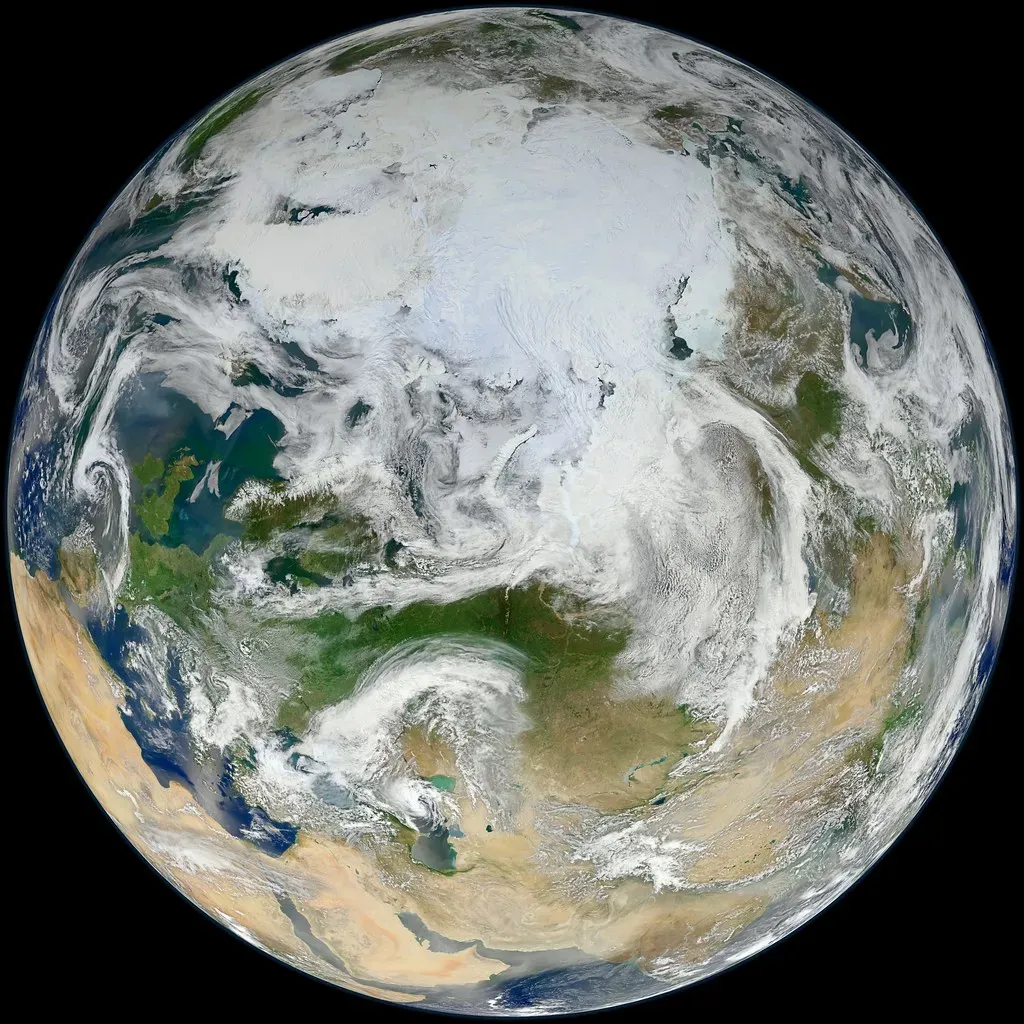
Unlike the relatively stable climate Earth has experienced over the last 10,000 years, Earth’s climate system underwent a series of abrupt oscillations during the last ice age between 18,000 and 80,000 years ago, known as Dansgaard-Oeschger cycles. These weren’t gradual transitions. They were climate whiplash on a planetary scale.
Within the incredibly short time span of only a few decades or even a few years, global temperatures have fluctuated by as much as 15 degrees Fahrenheit (8 degrees Celsius) or more, such as when warming was interrupted 12,800 years ago when temperatures dropped dramatically in only several decades, then 1,300 years later temperatures spiked as much as 20 degrees Fahrenheit within just several years.
These rapid swings are terrifying to contemplate. Imagine your entire world’s climate fundamentally changing within a human lifetime. The reason why Earth’s climate was so much more variable during the last ice age is still unknown. Some theories point to ocean circulation changes, others to atmospheric shifts, but there’s no consensus yet.
Where We Stand Now and What Comes Next
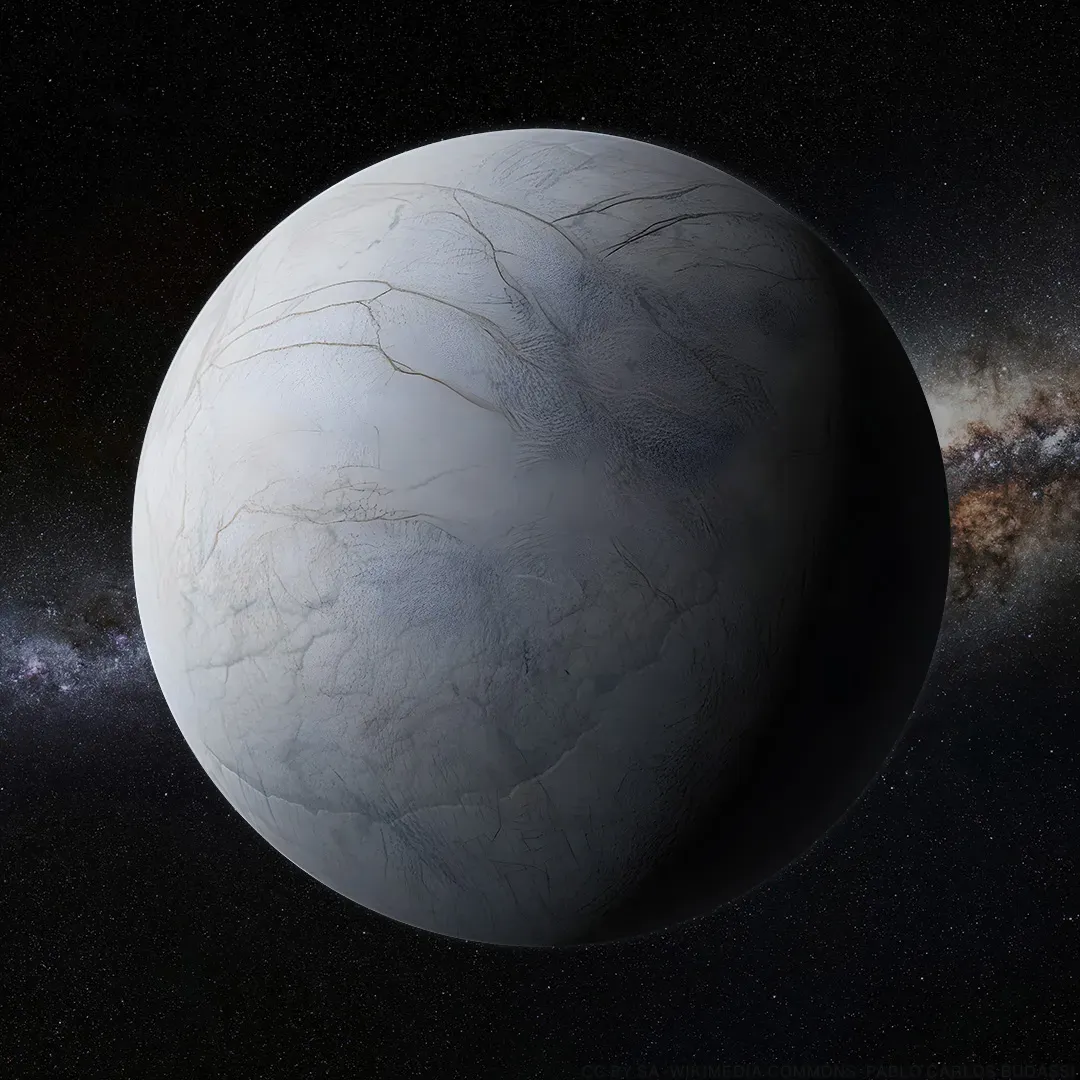
At least five major ice ages have occurred throughout Earth’s history, and the most recent one began approximately 3 million years ago and continues today. Currently, we are in a warm interglacial that began about 11,000 years ago. Yes, we’re technically still in an ice age right now. The ice sheets covering Greenland and Antarctica are proof of that.
Predicted changes in orbital forcing suggest that the next glacial period would begin at least 50,000 years from now, and anthropogenic forcing from increased greenhouse gases is estimated to potentially outweigh the orbital forcing of the Milankovitch cycles for hundreds of thousands of years. The current epoch may last much longer because of increased levels of atmospheric greenhouse gases resulting from human activity, with predictions that this interglacial period won’t give way to a glacial period for another 50,000 years or so.
Let’s be real here: we’ve accidentally become a geological force. The fact that relatively small changes in external forcings can drive such a large planetary response during ice ages should serve as a cautionary example, because human emissions of CO2 push the Earth further out of the range of climate conditions that have characterized the past few million years. We’re running an experiment on our planet’s climate system that has no precedent in human history.
The ice age enigma reminds us how interconnected and delicate our climate system really is. Small wobbles in Earth’s orbit shouldn’t be enough to freeze continents, yet they do through amplifying feedbacks. Ocean currents can flip like switches. Carbon dioxide acts as a control knob that can lock the planet into ice or warmth for millennia. Understanding these ancient climate cycles isn’t just an academic exercise. It’s a window into how our current actions might reshape the world for thousands of generations to come. What do you think surprises you most about how ice ages work?