Picture a world where the ground literally shakes beneath the feet of creatures weighing dozens of tonnes, where the skies are patrolled by leathery-winged reptiles, and where shallow, warm seas hide monsters so enormous they rival anything the ocean has produced since. You haven’t stepped into a science fiction film. You’ve just stepped back roughly 200 million years into the Jurassic Period, one of the most dramatic and electrifying chapters in the entire history of life on Earth.
Most people hear “Jurassic” and immediately think of a certain blockbuster movie franchise. Honestly, that’s fair. Yet the real story is far wilder, far more complex, and in many ways far more surprising than anything Hollywood has ever put on screen. From a world rebuilt from the ruins of a devastating mass extinction to the first experiments in flight, the Jurassic holds secrets that continue to astonish scientists even today. So let’s dive in.
A World Rising from the Ashes: The Aftermath of Mass Extinction
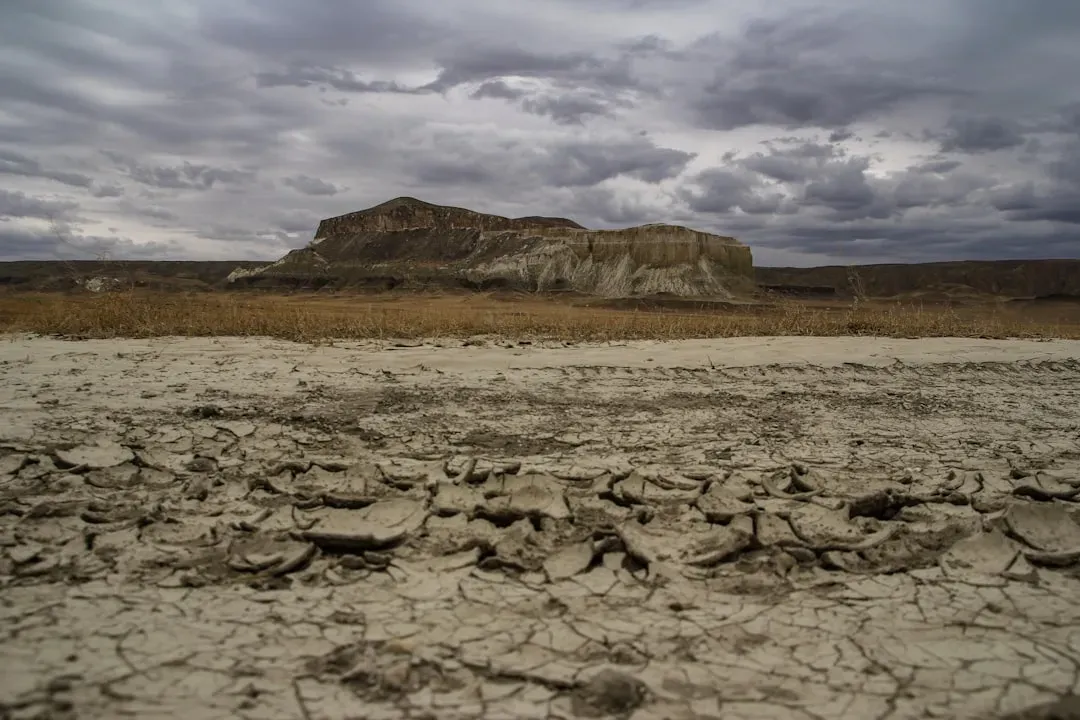
Before you can truly appreciate the splendor of the Jurassic, you need to understand what came before it. The end of the Triassic Period, 201.4 million years ago, is marked by one of the planet’s top five major mass extinction events. What caused it isn’t entirely clear, though massive volcanic activity could be to blame, with the possible release of enormous amounts of sulphur dioxide and carbon dioxide significantly disrupting Earth’s climate. Up to 80% of all species died out as a result.
During the Early Jurassic, animals and plants living both on land and in the seas began recovering from one of the largest mass extinctions in Earth’s history. Think of it like a city after a catastrophic earthquake. The infrastructure is gone, but life finds a way to rebuild, and what grows back is often different, bolder, and better adapted than what existed before. Dinosaurs, which had morphologically diversified in the Late Triassic, experienced a major increase in diversity and abundance during the Early Jurassic in the aftermath of the end-Triassic extinction, becoming the dominant vertebrates in terrestrial ecosystems.
The Breaking of a Supercontinent: Pangaea Tears Apart
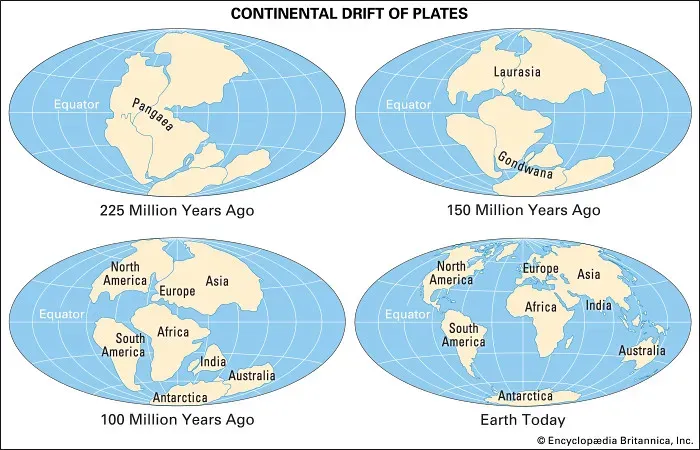
By the beginning of the Jurassic, the supercontinent Pangaea had begun rifting into two major landmasses: Laurasia to the north and Gondwana to the south. Imagine the entire surface of our planet as one giant puzzle piece, then picture that piece slowly cracking in two. That is essentially what was happening underfoot during this period, and the consequences were enormous.
The Jurassic was a time of significant global change in continental configurations, oceanographic patterns, and biological systems. During this period, the supercontinent Pangaea split apart, allowing for the eventual development of what are now the central Atlantic Ocean and the Gulf of Mexico. Heightened plate tectonic movement led to significant volcanic activity, mountain-building events, and the attachment of islands onto continents. Every time a rift opened or a new sea flooded a gap between landmasses, it created entirely new habitats, isolated populations, and kickstarted fresh waves of evolution.
The Greenhouse Planet: Climate and Atmosphere Like No Other
The climate of the Jurassic was generally warmer than that of the present, by around 5 to 10 degrees Celsius, with atmospheric carbon dioxide levels likely about four times higher. There were no polar ice caps, no glaciers grinding slowly across the landscape, and no biting winters as we know them today. It was, in a word, tropical. Almost everywhere.
The Jurassic period was characterized by a warm, wet climate that gave rise to lush vegetation and abundant life. Fossils of warm-adapted plants are found up to 60 degrees North and 60 degrees South paleolatitude, suggesting an expanded tropical zone. You could have walked from what is now Canada to the Arctic circle and encountered forests, ferns, and cycads all the way. It’s hard to wrap your head around that, honestly, but it helps explain why life exploded into such extraordinary diversity during this period.
Giants of the Land: The Age of the Great Dinosaurs
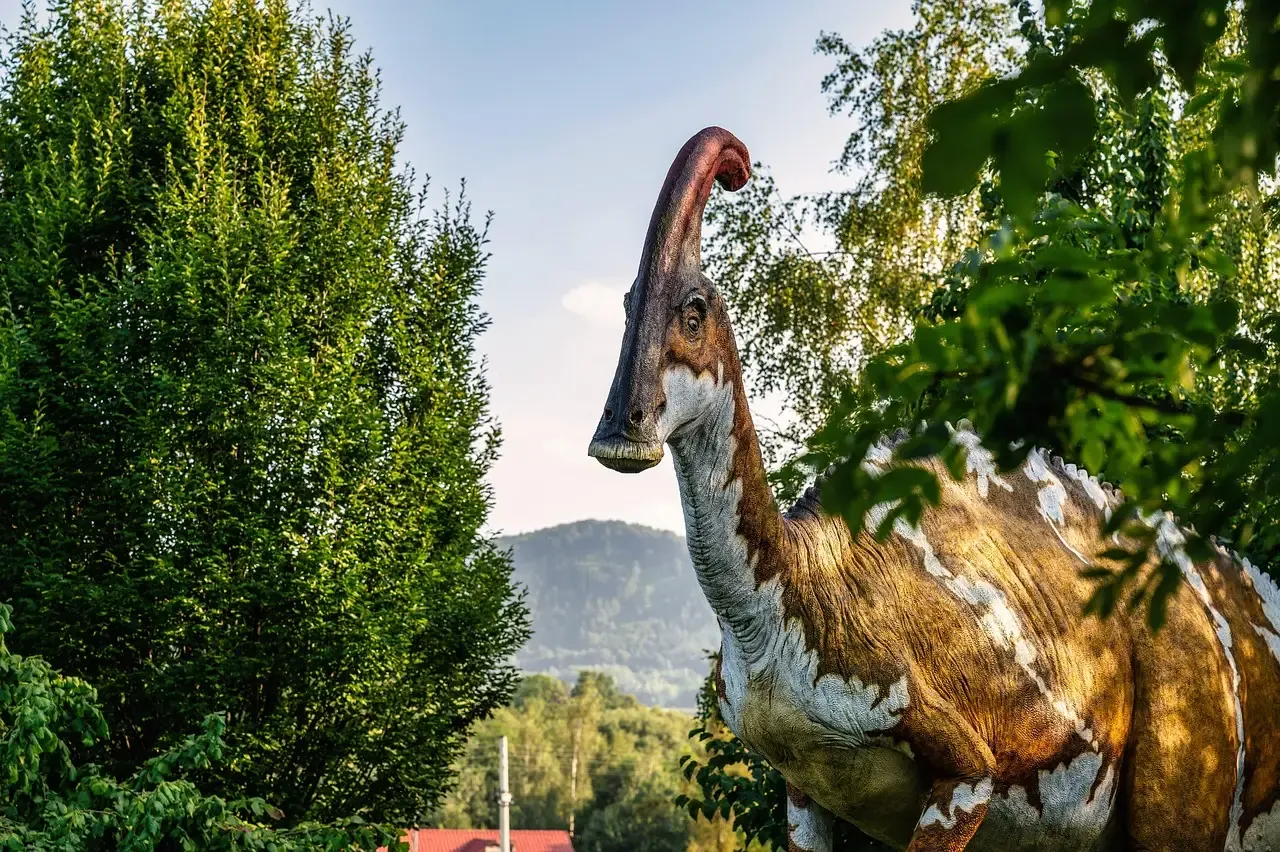
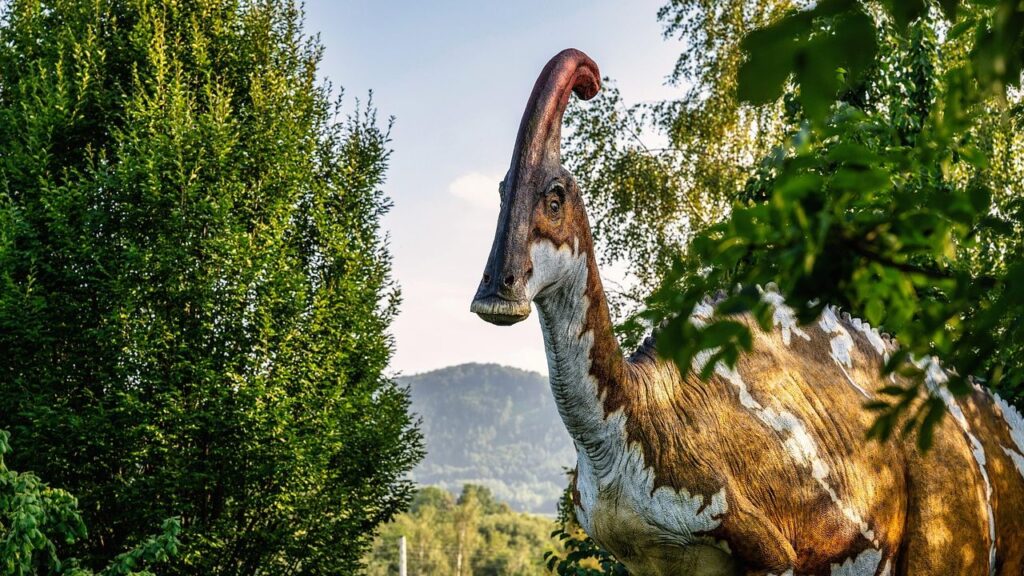
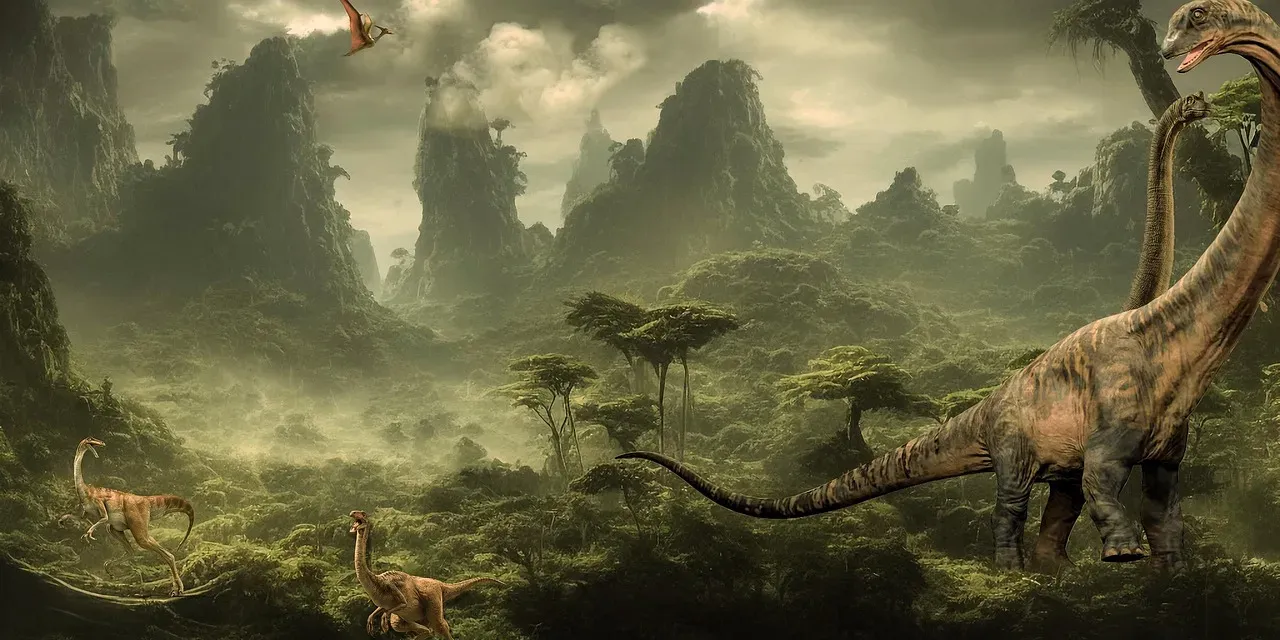
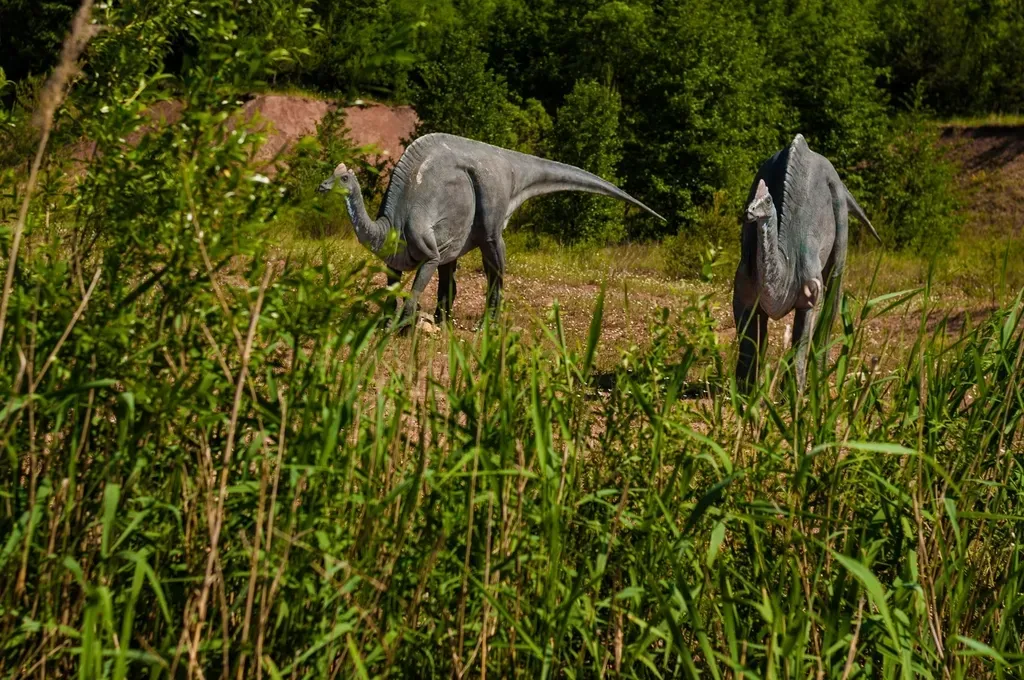
Here’s the thing about Jurassic dinosaurs: they were genuinely, almost incomprehensibly large. The largest dinosaurs of the time, in fact the largest land animals of all time, were the gigantic sauropods, such as the famous Diplodocus, Brachiosaurus, and Apatosaurus. These weren’t just big animals. They were living geography, creatures so massive that their footsteps left craters and their passage probably reshaped entire river valleys.
Giant plant-eating dinosaurs roamed the Earth with smaller but vicious carnivores stalking them. Flying reptiles and the first birds appeared in the skies. Creeping about in the undergrowth were tiny mammals no bigger than rats. Smaller herbivorous species, such as the heavily armored Stegosaurus, also thrived during the Jurassic, contributing to the intricate web of predator-prey interactions that defined the era. It was an ecosystem of extremes, from the colossal to the tiny, all coexisting in ways that continue to fascinate researchers.
Apex Predators and the Hidden Dangers of the Jurassic Food Chain
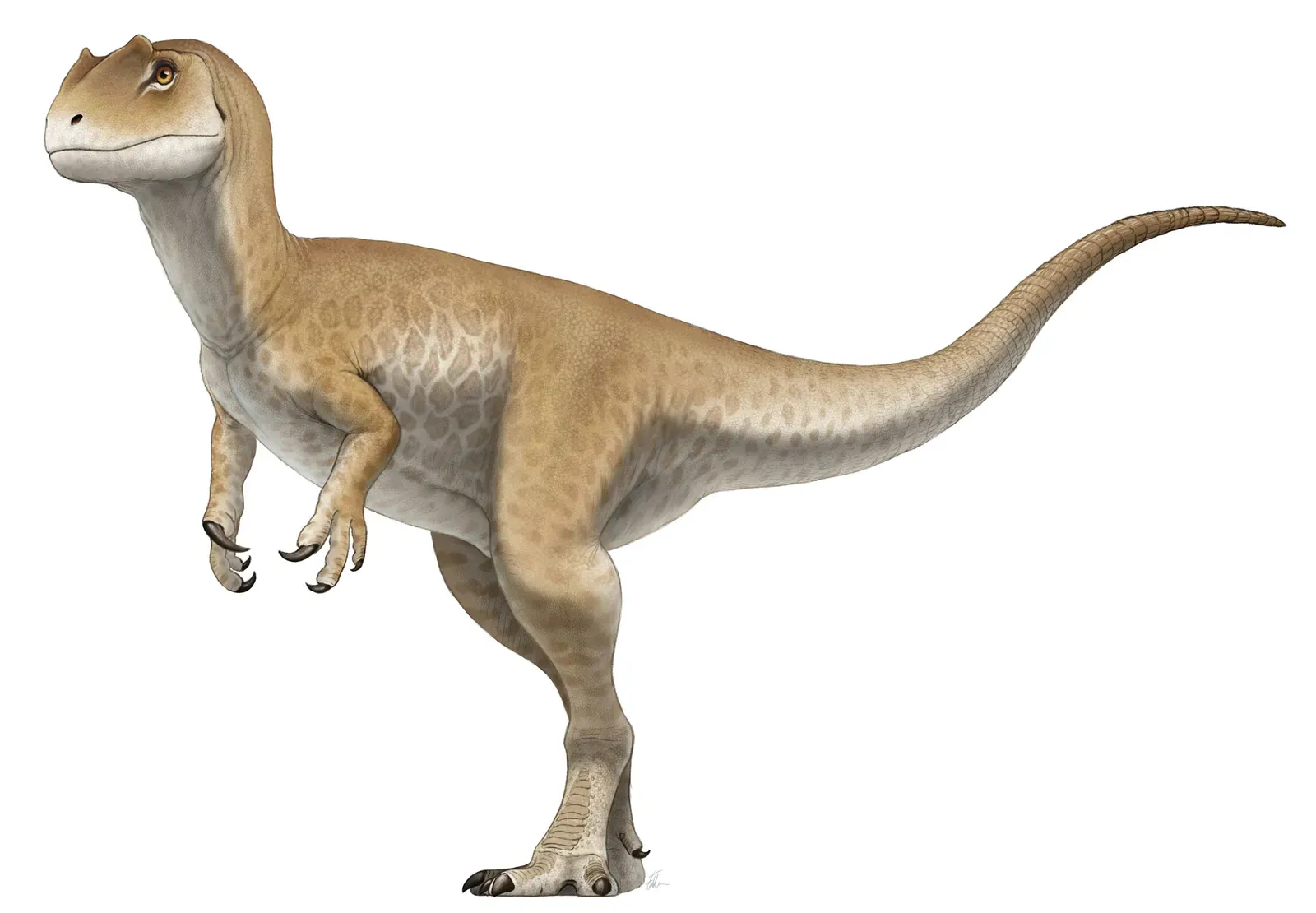
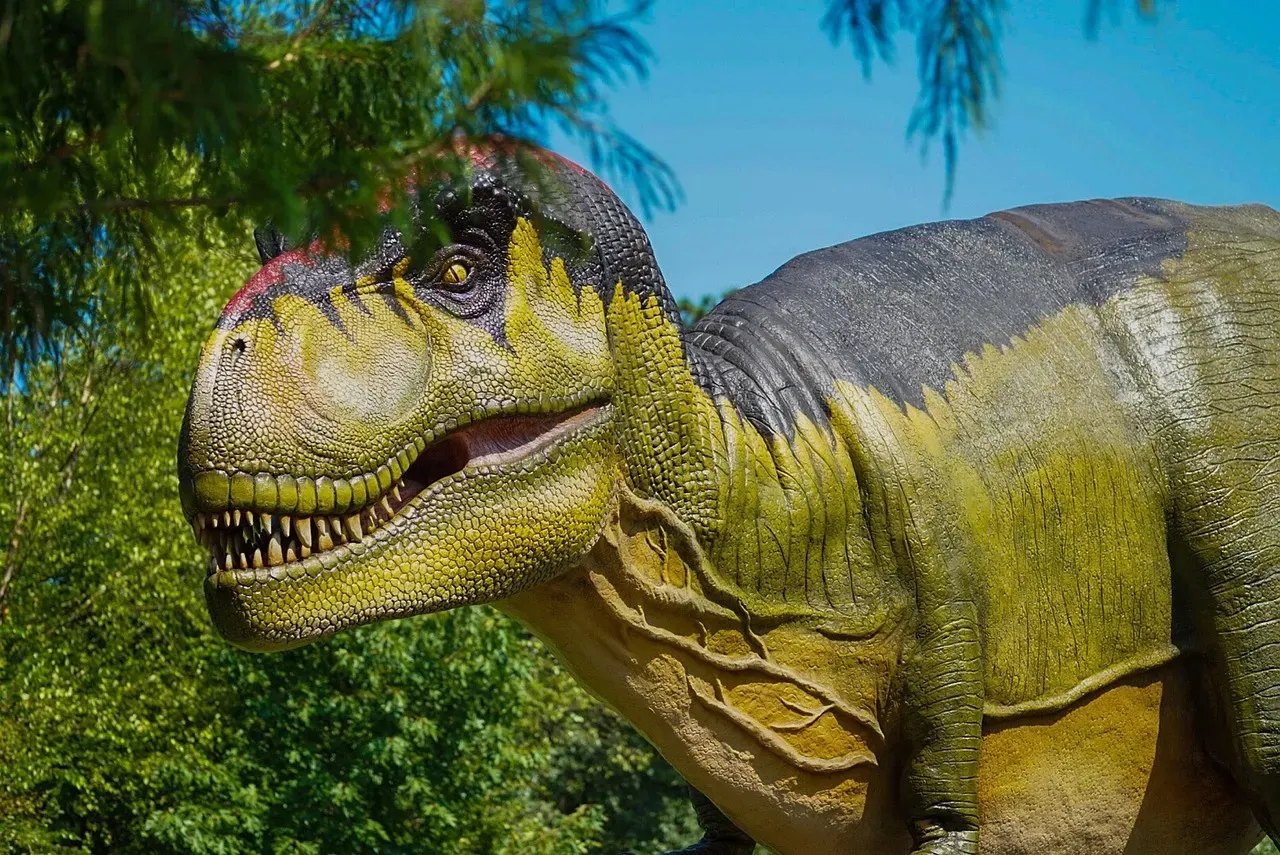
Predatory dinosaurs of the Jurassic included fearsome carnosaurs such as Allosaurus, small and fast coelurosaurs, and ceratosaurs such as Dilophosaurus. Allosaurus, in particular, was the undisputed ruler of its ecosystem. Think of it as the lion of the Jurassic savannah, except roughly twelve metres long and capable of taking down prey that weighed as much as a bus.
A fascinating study published in early 2026 sheds new light on just how ruthless the Jurassic food chain truly was. Despite growing into the largest animals ever to walk on land, sauropods began life small, exposed, and alone. Fossil evidence suggests their babies were frequently eaten by multiple predators, making them a key part of the Jurassic food chain. This steady supply of easy prey may explain why early predators thrived without needing extreme hunting adaptations. It sounds almost cruel, but that is how balance worked. An endless supply of vulnerable young sauropods essentially kept the entire carnivore community fed and stable.
Monsters of the Deep: Terror Beneath the Jurassic Seas
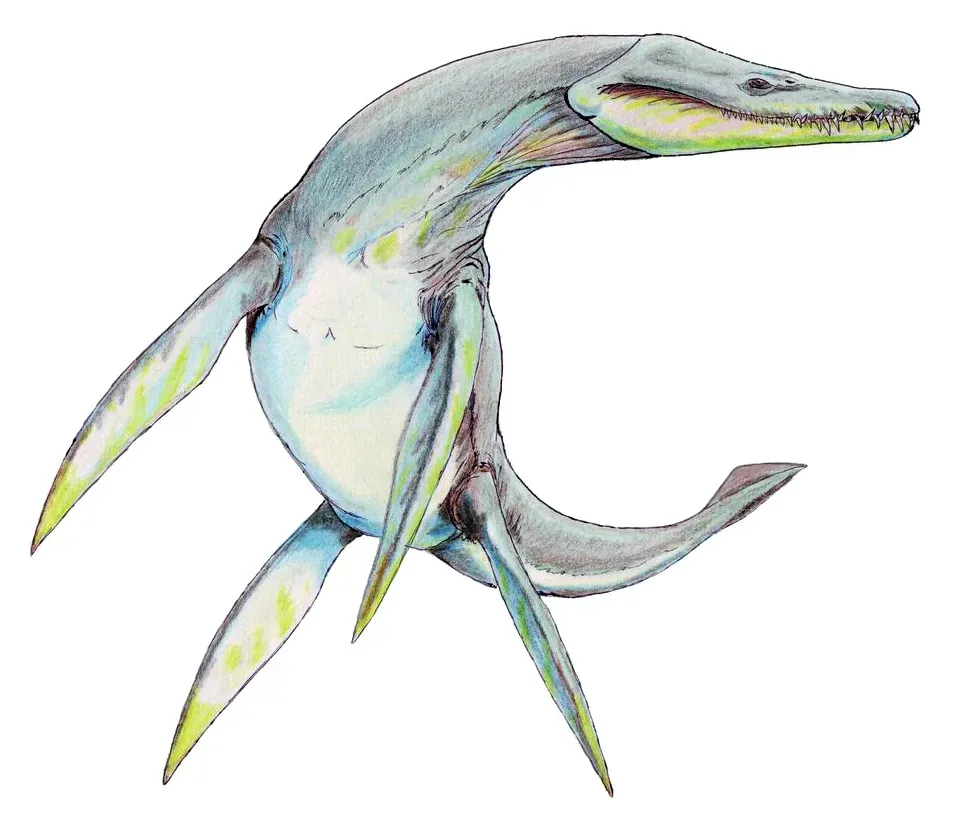
If you think the land was dangerous, the seas were something else entirely. The oceans, especially the newly formed shallow interior seas, teemed with diverse and abundant life. At the top of the food chain were the long-necked and paddle-finned plesiosaurs, giant marine crocodiles, sharks, and rays. Fishlike ichthyosaurs, squidlike cephalopods, and coil-shelled ammonites were abundant.
Ichthyosaurs had sleek profiles similar to those of modern fast-swimming fish and had large eye orbits, perhaps the largest of any vertebrate ever. Jurassic pliosaurs, which were short-necked plesiosaurs, could be about 15 metres (50 feet) long and are some of the largest carnivorous reptiles ever found, even rivaling Tyrannosaurus, which lived during the subsequent Cretaceous Period. I know that sounds crazy, but the Jurassic ocean was not a place you’d want to take a swim. It was a world of enormous, open-water predators with almost nothing to challenge them.
The Sky Opens Up: Archaeopteryx and the Dawn of Flight
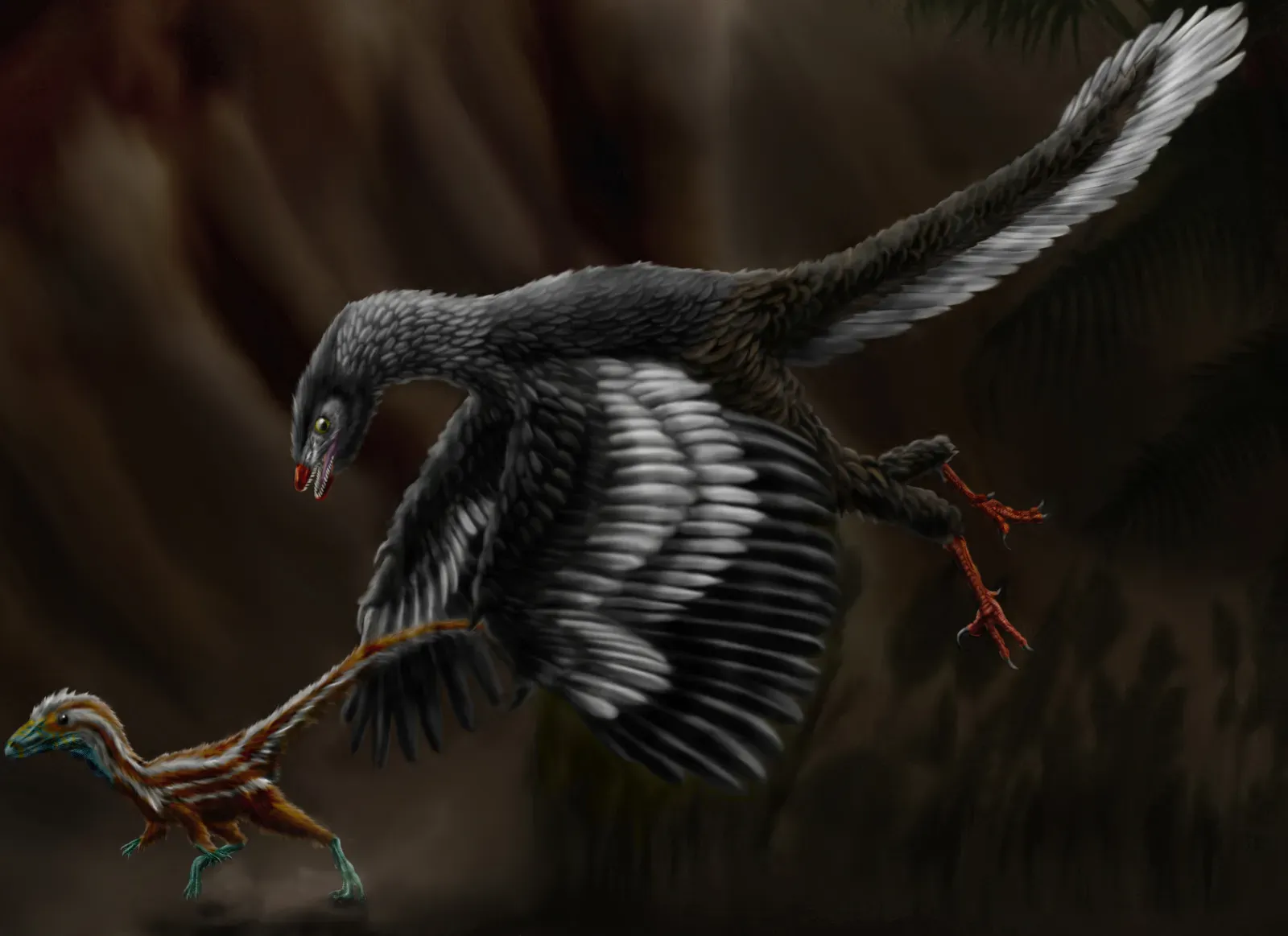
The earliest known bird, Archaeopteryx, took to the skies in the Late Jurassic, most likely evolved from an early coelurosaurian dinosaur. Archaeopteryx had to compete for airspace with pterosaurs, flying reptiles that had been buzzing the skies since the Late Triassic period. Picture two completely different evolutionary experiments in flight, happening at the same time and in the same skies. That’s a remarkable thing to consider.
Despite their small size, broad wings, and inferred ability to fly or glide, Archaeopteryx had more in common with other small Mesozoic dinosaurs than with modern birds. In particular, they shared features with dromaeosaurids and troodontids, including jaws with sharp teeth, three fingers with claws, a long bony tail, and various features of the skeleton. Most of these fossils are evidence that the evolution of feathers began even before the Late Jurassic. It’s a humbling thought: those birds visiting your garden feeder today are, in a very real sense, living descendants of that awkward, clawed, toothed little creature gliding above Jurassic lagoons.
A World of Ancient Forests: The Remarkable Jurassic Flora
Land plants abounded in the Jurassic, but the flora was very different from what you see today. There were no palms or any other flowering plants as we know them today in the Jurassic. Instead, ferns, ginkgoes, bennettitaleans, and true cycads flourished throughout the period. Conifers were also present, including close relatives of living redwoods, cypresses, pines, and yews.
Cycads became so abundant and diverse that the Jurassic is sometimes called the “Age of Cycads.” These squat, palm-like plants with their heavy trunks and cone-like seed structures covered vast stretches of lowland terrain. All of this plant life fed the many different types of herbivorous dinosaurs that developed. No flowers, no fruit, no grass. Just towering conifers, sprawling fern meadows, and the constant crunch of cycad leaves under the feet of creatures that haven’t walked this Earth for over 145 million years.
Conclusion
The Jurassic Period is so much more than a film franchise or a nostalgic shorthand for dinosaurs. It was a living, breathing, ferociously complex world that lasted for roughly 56 million years, reshaped every continent on the planet, gave rise to the ancestors of birds, and pushed life to scales of size and diversity that have never been equaled since. From the thunderous footsteps of Brachiosaurus to the silent, gliding experiment of Archaeopteryx, from the lurking horror of a 15-metre pliosaur to the tiny mammal trembling in the undergrowth, the Jurassic was a planet-sized story that continues to unfold every time a new fossil is pulled from the ground.
It’s worth remembering that every discovery made today adds another layer to a story we are still only beginning to understand. The Jurassic does not belong only to the past. It lives on in the bones beneath our feet, in the birds outside your window, and in the deep, ancient oil fields beneath the North Sea. So next time you look up at a crow or a sparrow, consider this: you might just be looking at the last surviving echo of a world that once shook with every footstep. What do you think? Does knowing the true scale of the Jurassic change the way you see the natural world around you today? Share your thoughts in the comments below.