When you picture a dinosaur, you probably imagine something enormous, terrifying, and ancient. You’re right on all three counts. Yet here’s something that rarely gets talked about at the dinner table: the question of how long these extraordinary creatures actually lived. Not just in the evolutionary sense, but individually. Year by year. Decade by decade.
The answer, it turns out, is far more complicated and surprising than most people assume. Some of the largest animals to ever walk the Earth had lifespans that challenge our deepest assumptions about biology, metabolism, and survival. Let’s dive in.
What Fossilized Bones Secretly Tell You About Age
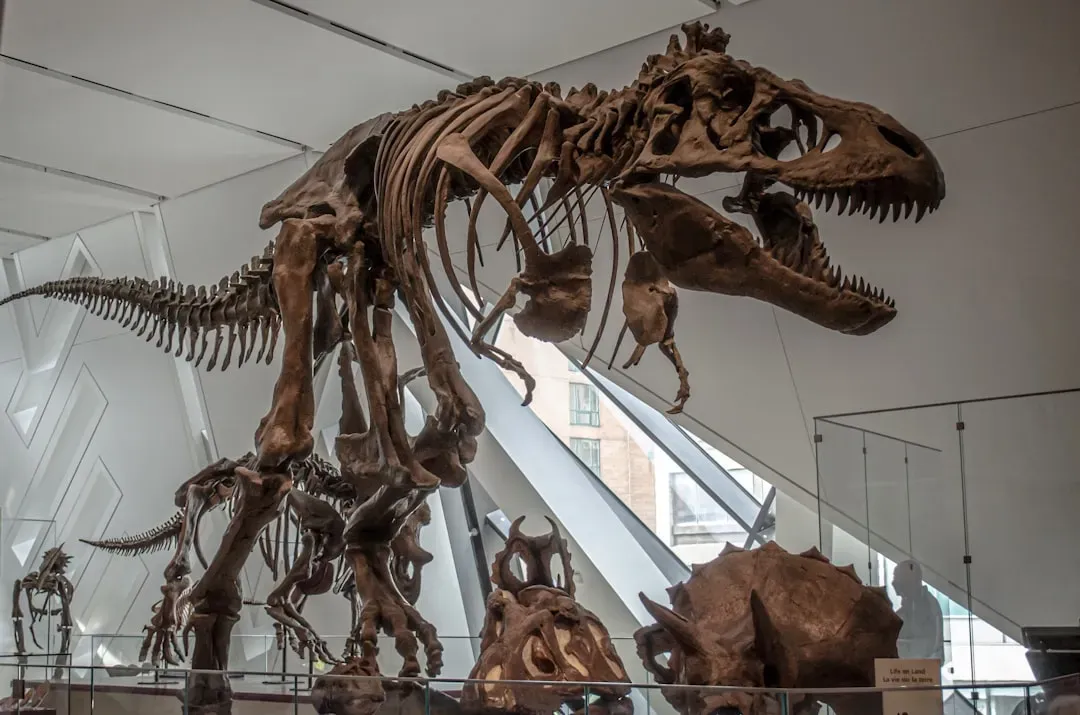
You might think that figuring out how old a dinosaur lived to be is impossible. No birth certificates. No annual checkups. No family records. Yet the truth is locked inside the bones themselves, and once scientists figured out how to read them, the revelations were astonishing.
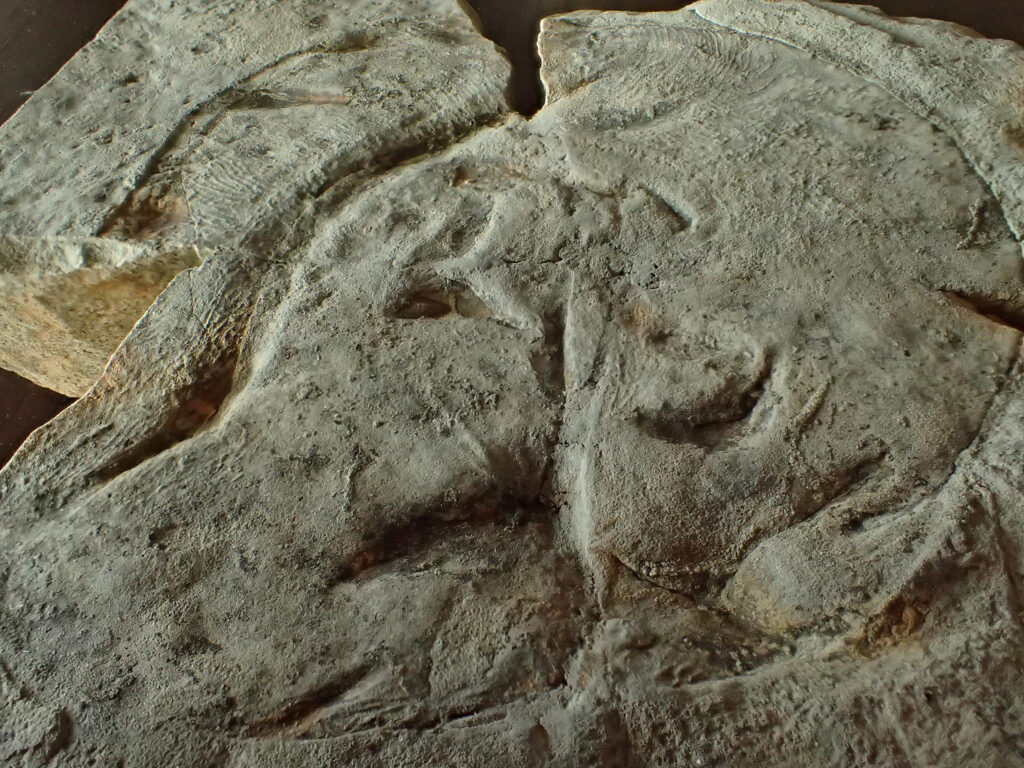
Thanks to technology, scientists can theorize how long dinosaur species lived by studying the growth rings left on their bones. By comparing results from multiple bones of a single species, researchers can estimate an approximate lifespan for all dinosaurs in that group. Think of it exactly like counting the rings of a tree stump on a cool autumn morning.
These rings, which are laid down in a similar way to tree rings, were discovered only in the past few decades and have revealed that most nonavian dinosaurs didn’t live that long, despite sometimes growing to huge sizes. That revelation alone stunned the paleontological community. Even the most monstrous giants of the Mesozoic era weren’t necessarily living into extreme old age.
New data on dinosaur longevity garnered from bone microstructure, known as osteohistology, are making it possible to assess basic life history parameters of the dinosaurs such as growth rates and timing of developmental events. This field of research has genuinely transformed what we think we know, and honestly, it keeps rewriting itself every few years.
The Sauropods: Nature’s Undisputed Champions of Longevity
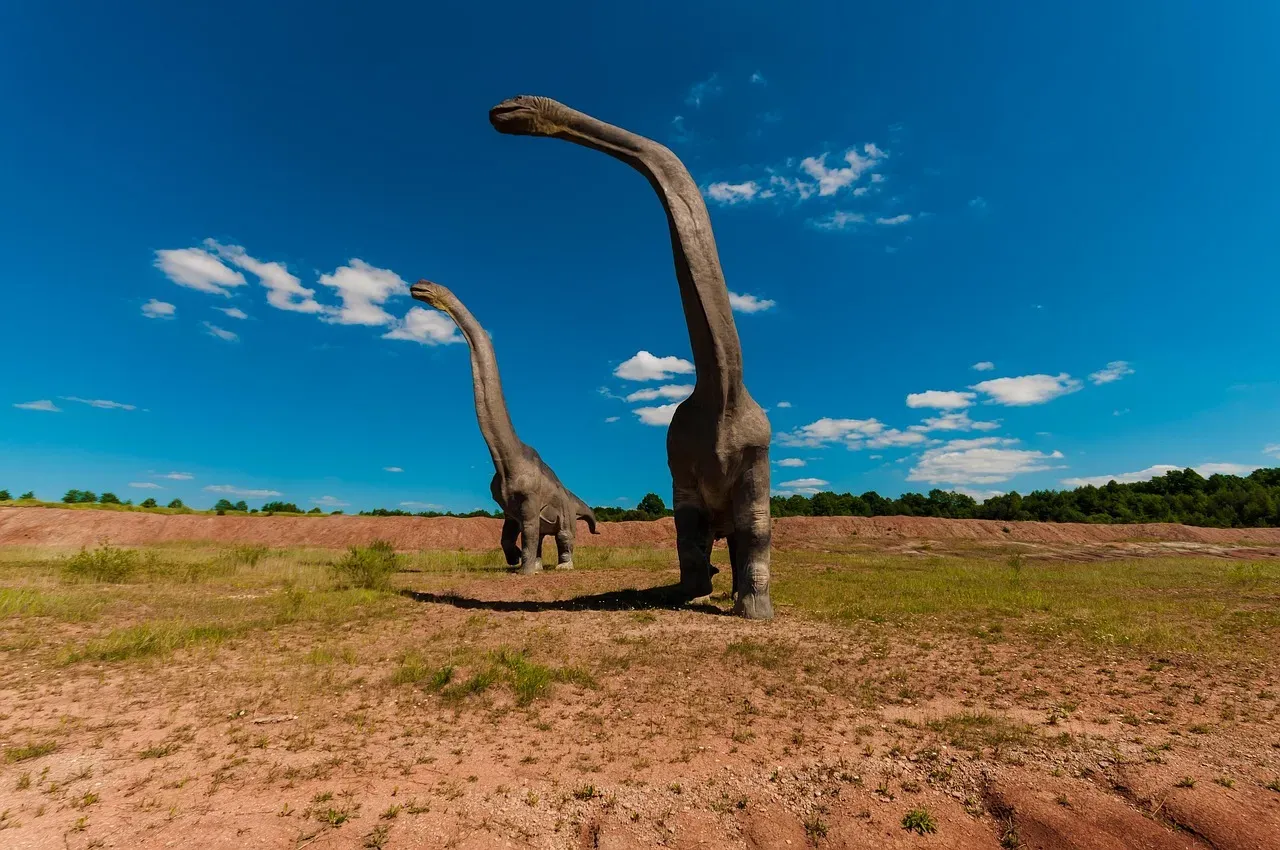
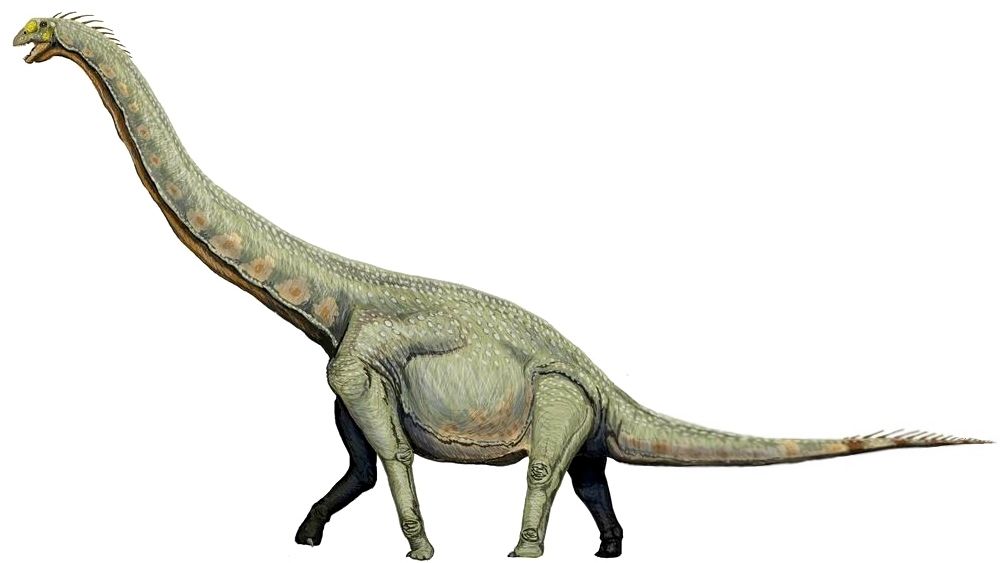
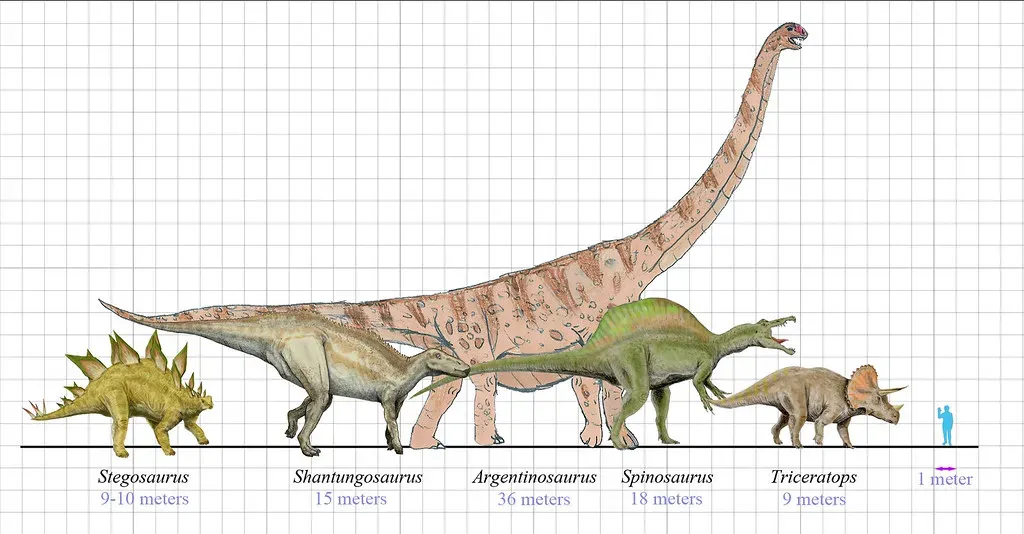
Here’s the thing: if you want to find the longest-lived dinosaurs, you don’t need to look far. The longest-lived dinosaurs were the sauropods, which could reach lengths of over 100 feet and weights of over 50 tons. These massive herbivores could also live for over 200 years, according to some earlier estimates, though more recent science has refined those numbers significantly.
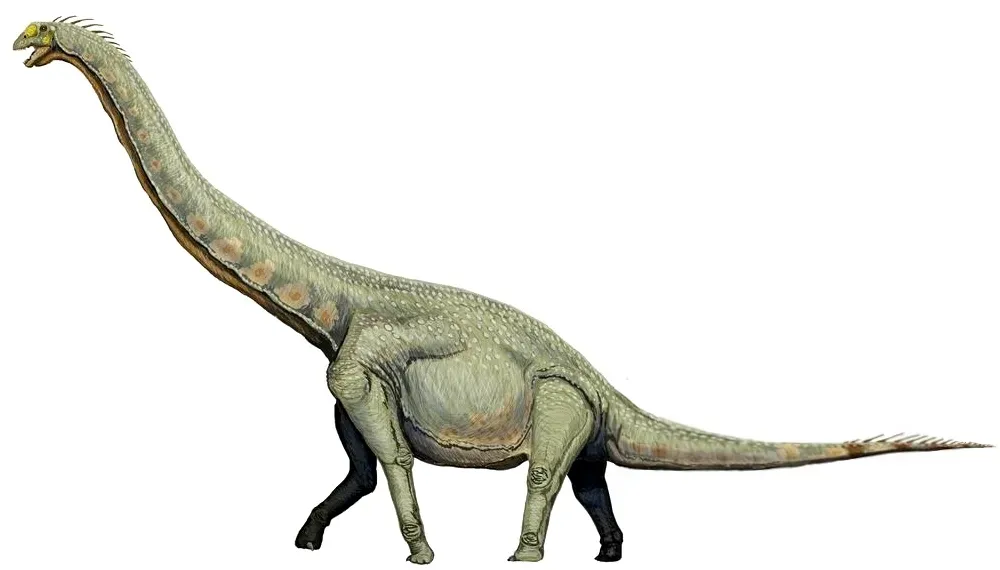
According to research, the dinosaurs that lived the longest were sauropods such as Apatosaurus, Brachiosaurus, and Supersaurus. The lifespan of sauropod dinosaurs is not fully known as they went extinct millions of years ago, and it is difficult to determine the exact age of fossils. However, scientists have estimated the lifespan of sauropods based on their growth rate and size. It is believed that some sauropods, such as Apatosaurus and Brachiosaurus, could have lived for up to 100 years, while others may have had shorter lifespans.
In living animals, lifespan depends mainly on size and metabolism. Reptiles with slow metabolisms tend to have longer life spans than warm-blooded birds and mammals of the same size. It is possible that sauropods reached 50 to 100 years, large theropods a bit less, and smaller dinosaurs could live to about 10 or 20 years old. Size, it seems, was the ultimate survival advantage.
Brachiosaurus and the Hidden Power of Slow Living

If you had to pick one dinosaur species that perfectly embodies the idea of longevity through sheer biological design, the Brachiosaurus would be a very strong candidate. I know it sounds counterintuitive, but being massive and slow may have been a genuine superpower in the Mesozoic world.
The Brachiosaurus lived for approximately 100 years, partly due to its large size. It is unlikely that the Brachiosaurus had many natural predators because it was too big to take down. Scientists suspect that the Brachiosaurus’s long lifespan could be due to its slow movement, which was likely a result of its size. Since it was slower, it also had a lower metabolic rate, which helped it conserve energy over time.
The Brachiosaurus lived in what is now North America and Africa in the Late Jurassic through the early Cretaceous period. As a plant-eater, this dinosaur likely feasted on ginkgo trees, coniferous trees, and cycads. It’s a remarkably peaceful image for an animal the size of a four-story building. Sometimes the gentlest creatures really do inherit the Earth, or at least get to enjoy it the longest.
Supersaurus: A Record-Breaker in Both Size and Survival
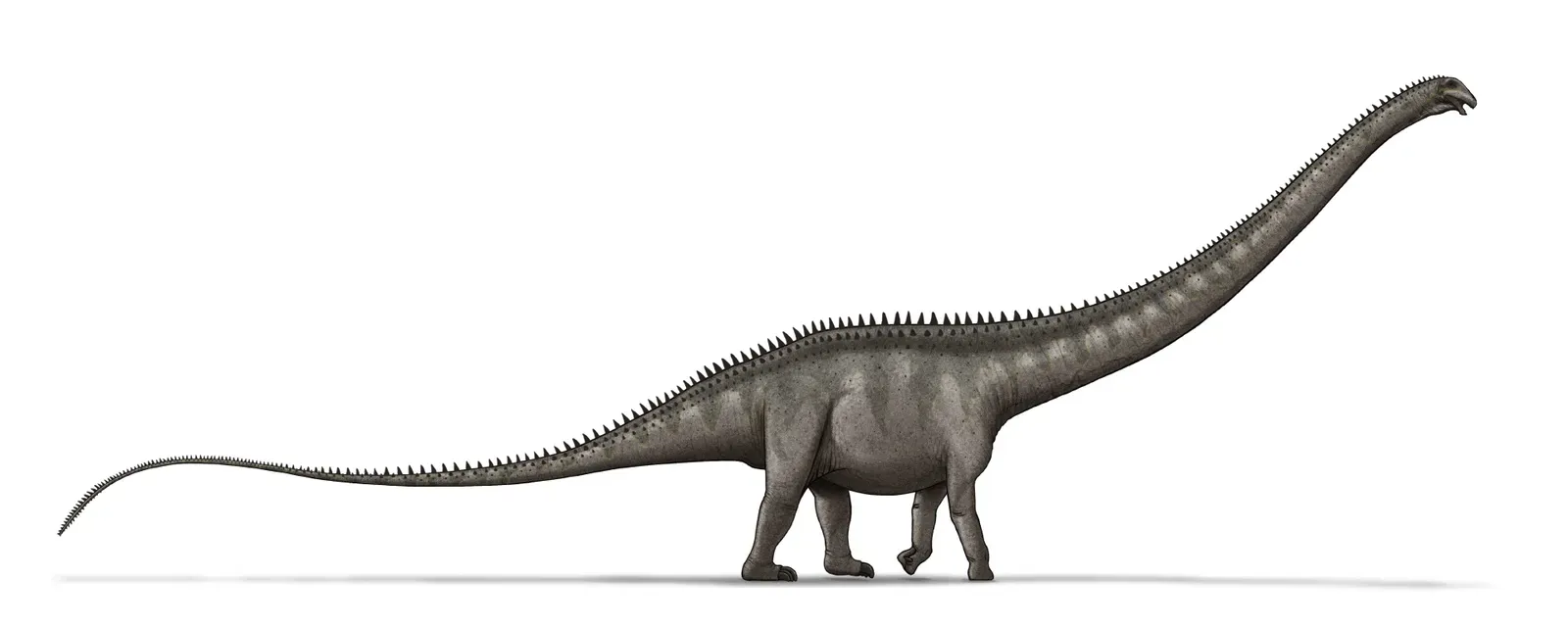
Let’s talk about Supersaurus for a moment, because this animal deserves way more attention than it typically gets. Supersaurus has always been viewed as one of the longest dinosaurs, but research now shows that “this is the longest dinosaur based on a decent skeleton,” as other dinosaur remains are fragmentary, and it’s challenging to accurately estimate their lengths. That’s a remarkable distinction.
Supersaurus is a sauropod that lived during the late Jurassic period in what is now the United States. Fossil records indicate that this herbivorous dinosaur likely lived for around 100 years, but some may have lived even longer. When you combine that potential lifespan with a body that exceeded 128 feet in length, you start to appreciate just how extraordinary this creature truly was.
The sauropods were also able to survive for so long because of their social behavior. They lived in large herds, which allowed them to protect each other from predators. There’s something almost touching about imagining these giants moving together across ancient floodplains, collectively outlasting nearly everything around them.
T. Rex: The Apex Predator With a Surprisingly Short Lifespan
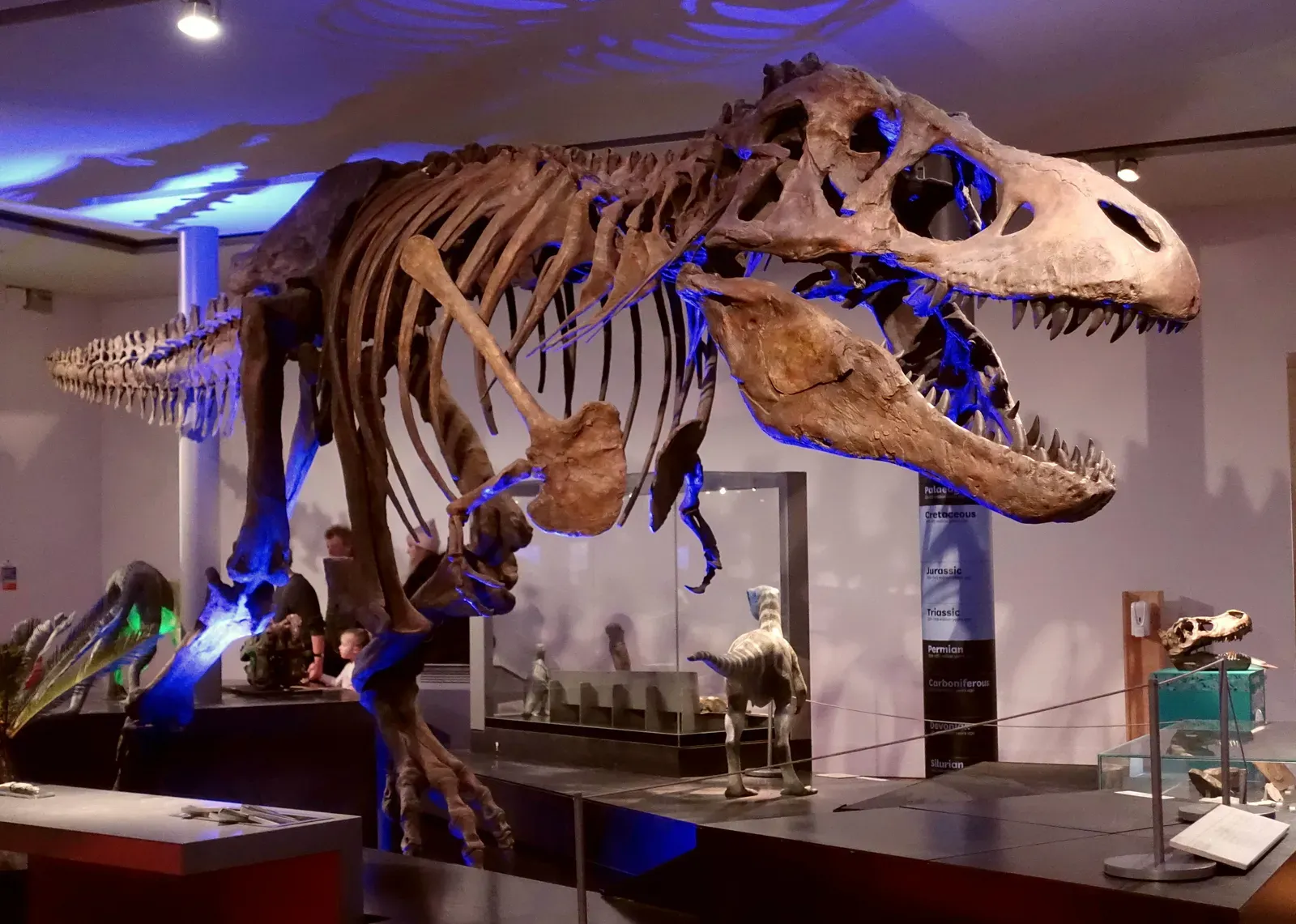
Now, here’s where things get genuinely shocking. You might assume that the most famous dinosaur of all, the mighty Tyrannosaurus rex, would be among the longest-lived. You’d be wrong, and spectacularly so. For an animal of its terrifying stature, the T. rex lived what amounts to a very brief life.
The Chicago Field Museum’s fearsome Sue, one of the most complete Tyrannosaurus rex specimens ever discovered, died at age 33, her growth rings indicate. Thirty-three years old. That’s younger than many of the people reading this article right now. For the supposed king of all dinosaurs, that feels like a shocking underperformance.
Regardless of Scotty’s exact place in the T. rex lineage, it remains impressive for its longevity and seemingly battle-worn lifestyle. At some point in the dinosaur’s 30-year or so existence, it encountered enemies that inflicted such injuries as an infected jaw, an impacted tooth, and broken ribs. Damage evident on Scotty’s tail vertebrae also indicates it was bitten by a fellow T. rex. Life at the top of the food chain, it turns out, was incredibly brutal and mercifully short.
The Longevity Bottleneck: How Dinosaurs Changed How You Age
This is possibly the most mind-bending section of this entire article, so stay with me. The dominance of dinosaurs didn’t just shape the prehistoric world. According to a fascinating hypothesis, it may have fundamentally altered the biology of every mammal alive today, including you.
Human aging may have been influenced by millions of years of dinosaur domination according to a new theory from a leading aging expert. The “longevity bottleneck” hypothesis has been proposed by Professor Joao Pedro de Magalhaes from the University of Birmingham. The hypothesis connects the role that dinosaurs played over 100 million years with the aging process in mammals.
The longevity bottleneck hypothesis states that early mammals spending over 100 million years as small, short-lived animals led to gene loss or inactivation of traits associated with longevity and left a legacy that is observed in the marked ageing phenotype of modern mammals, in particular in long-lived species such as humans. In other words, your lifespan today may be partly a consequence of your ancient ancestors hiding from dinosaurs in the dark. It’s hard to say for sure, but it’s a profoundly humbling thought.
Growth Rates, Metabolism, and the Surprising Science of Dinosaur Aging
One of the biggest misconceptions about long-lived dinosaurs is that they simply grew slowly, like modern cold-blooded reptiles, and that’s why they lasted so long. The actual science tells a much more nuanced and fascinating story. Many dinosaurs, particularly large theropods, hadrosaurs, and sauropods, probably grew very quickly during the early years of life and slowed as they reached adulthood. However, it appears they had unique growth patterns that were faster than living reptiles but slower than most living mammals or birds.
If sauropods grew at the relatively sluggish rates that reptiles do today, it would have taken a century or more for them to reach their immense sizes. Instead, as the growth rings reveal, they grew impressively quickly, on par with the growth rates seen in many large mammals today, attaining adult size in 20 to 50 years. So they grew fast, then lived long. That combination is almost unheard of in nature.
The high growth rates of dinosaurs also give us a firmer idea about their metabolic features. The higher the metabolic rate, that is, the more energy devoted to building up and breaking down bone and other tissues, the faster the tissues will grow. So evidence of sustained rapid growth, even into late juvenile and subadult stages, implies that the animals in question had relatively high basal metabolic rates, probably more like those of birds and mammals than like those of today’s reptiles.
Conclusion: Ancient Giants That Rewrote the Rules of Life
What you’ve just explored is a story about creatures that simply refused to follow the biological rulebook. The longest-lived dinosaur species, particularly the great sauropods, existed in a biological sweet spot that modern science is still trying to fully understand. They grew fast, they grew enormous, and then many of them lived for what amounts to a century of Mesozoic existence.
The real takeaway here isn’t just that dinosaurs were impressive, you already knew that. It’s that the story of their lifespans reaches all the way forward in time, potentially shaping how your own body ages today. Dinosaurs may be long extinct, but 2025 made it abundantly clear that they’re anything but settled science. Over the past year, new fossils, reanalyses of famous specimens, and the use of increasingly sophisticated tools have continued to upend what we thought we knew about how these animals lived, moved, fed, and evolved.
Every bone still in the ground is a new chapter waiting to be read. What does it make you feel knowing that the dinosaurs that once ruled this planet may still be shaping your biology today? Share your thoughts in the comments below.