If you could step into the deep past for just one day, you’d probably look up first, searching for a towering dinosaur silhouette against a hazy sky. But if you want to understand how that world really worked, you need to look down – at the plants under your feet. Long before you see claws and teeth, you’d be surrounded by dense, alien-looking forests, tangled ferns, and cone-bearing trees that quietly powered everything around you.
When you picture dinosaur times, it’s easy to imagine a few palm trees and endless mud. In reality, you’re looking at an ecosystem driven by plant power: forests that stored energy from the sun, shaped climates, and literally fed the giants. As you explore this lost world’s flora, you begin to see dinosaurs not as isolated monsters, but as part of a living, breathing, green machine that supported them from the ground up.
Ferns and Horsetails: The Green Carpet Beneath Dinosaur Feet
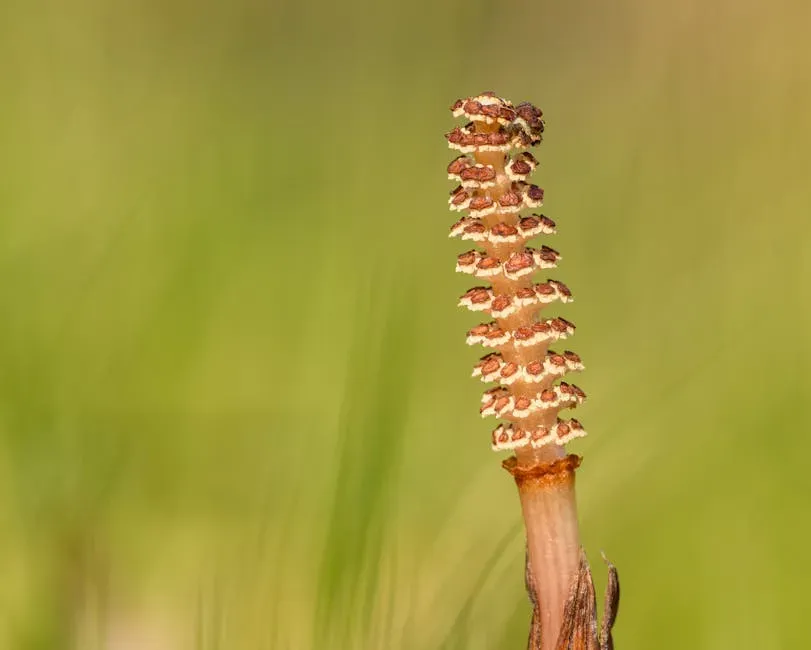
Imagine walking through a prehistoric floodplain: the first thing you’d notice at ground level would likely be ferns and horsetails forming a thick, lush carpet. You’d see fronds curling out of the soil, some as delicate as lace and others as big as your torso, creating a soft green underlayer beneath taller trees. These plants reproduce with spores, not seeds, which means they can spread fast in moist, disturbed landscapes like riverbanks and swampy lowlands.
You’d also encounter horsetails clustering in dense stands, with jointed, bamboo-like stems that can tolerate poor, waterlogged soils. These plants grow quickly, making them perfect for filling in gaps after floods, landslides, or volcanic events tore up the terrain. For many herbivorous dinosaurs, young fern fronds and horsetail shoots would’ve been easy snacks – low to the ground, nutrient decent, and always growing back after being grazed.
Conifers: The Backbone of Jurassic Forests
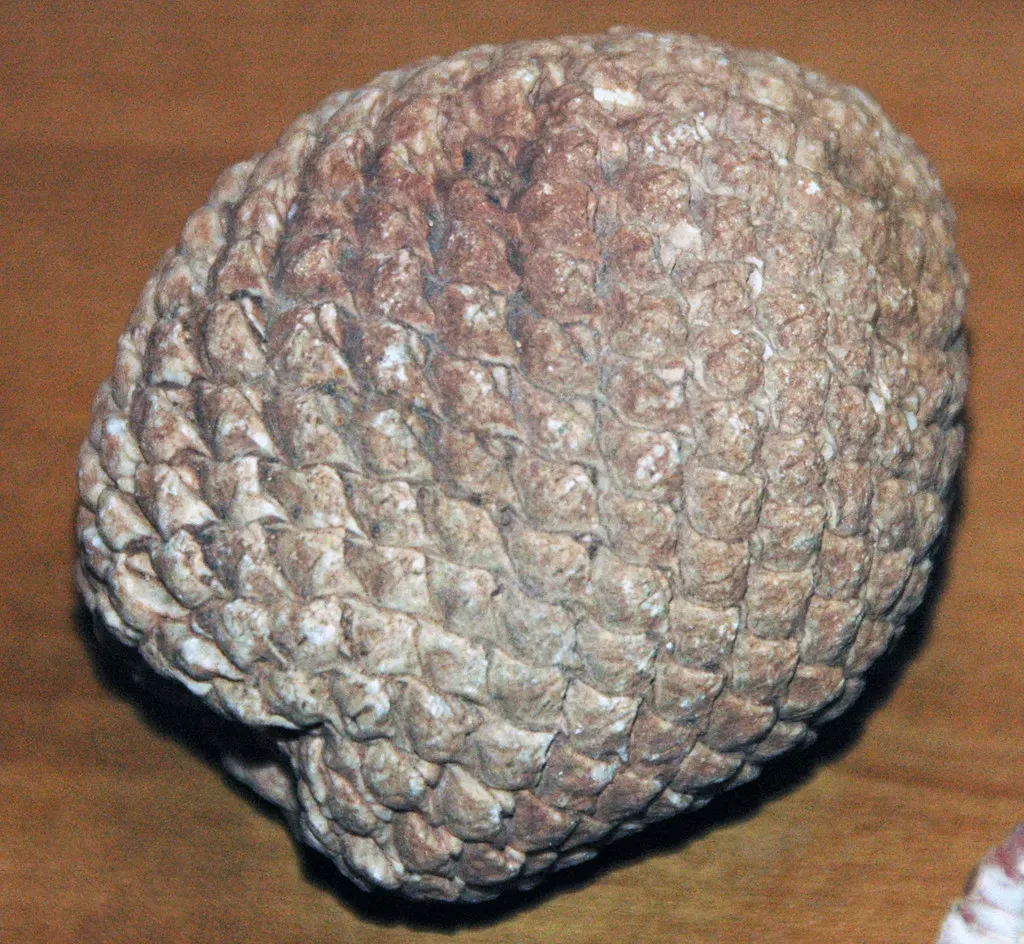
When you lift your eyes from the forest floor, you step into the realm of conifers, the cone-bearing trees that dominated vast stretches of Mesozoic landscapes. You can think of them as the ecological skeleton that held dinosaur ecosystems together, much like spruce and pine forests shape northern regions today. From towering relatives of modern araucarias and pines to broad, umbrella-like crowns, conifers formed dense, shady canopies that defined entire regions.
These trees were incredibly important because they locked up huge amounts of carbon and provided year-round foliage in many areas, especially in cooler or drier climates. If you were a large herbivore like a sauropod, conifer needles and small branches would have been a go-to staple, even if they were tough and resinous. Their cones also offered seeds packed with energy, attracting smaller animals and helping fuel food webs from the forest floor to the canopy. In a world without flowering trees at first, conifers were essentially the default timber and leaf supply.
Cycads and Bennettitales: The “Palm-Like” Plants Dinosaurs Relied On
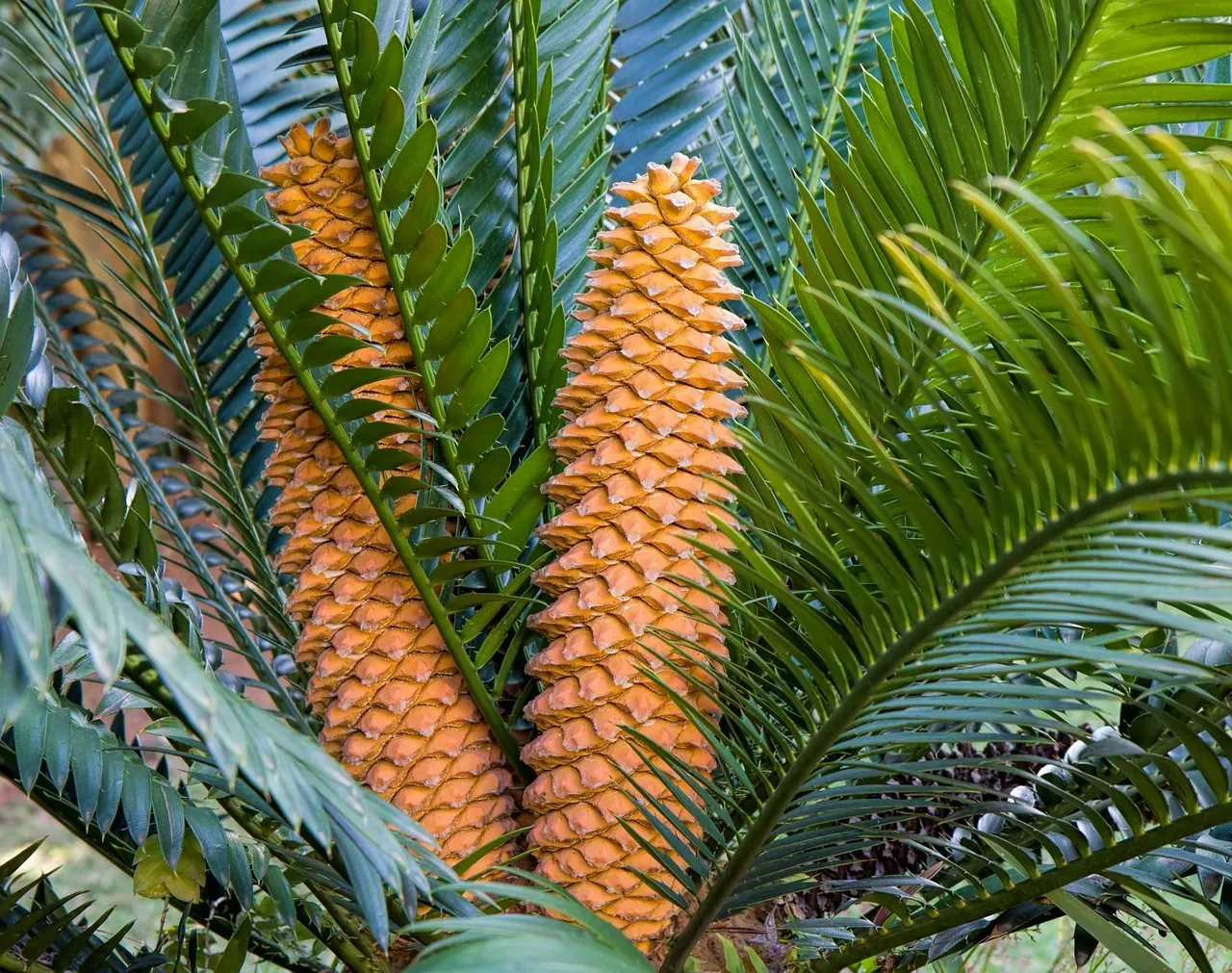
When you imagine dinosaurs walking past something that looks like a palm, there’s a good chance you’re really picturing cycads or bennettitales. These plants had stout, sometimes armored trunks topped with a crown of stiff, feather-like leaves, giving them a dramatic, almost sculptural look in the landscape. You’d often see them dotting open woodlands or thriving on poor soils where other plants might struggle, their deep roots and tough tissues helping them ride out droughts and disturbances.
From your perspective as a time traveler, cycads and their extinct cousins, the bennettitales, would seem like living salad bars for mid-sized herbivorous dinosaurs. The leaves were tough and fibrous, but many dinosaurs had specialized teeth and digestive systems to break them down. Their seed cones and reproductive structures likely attracted a range of creatures, perhaps including early insect pollinators and hungry dinosaurs seeking nutrient-rich parts. In many Mesozoic ecosystems, these palm-like plants helped bridge the gap between high-canopy conifer forests and low-growing ferns.
Ginkgoes and Other “Living Fossils” You Could Still Meet Today
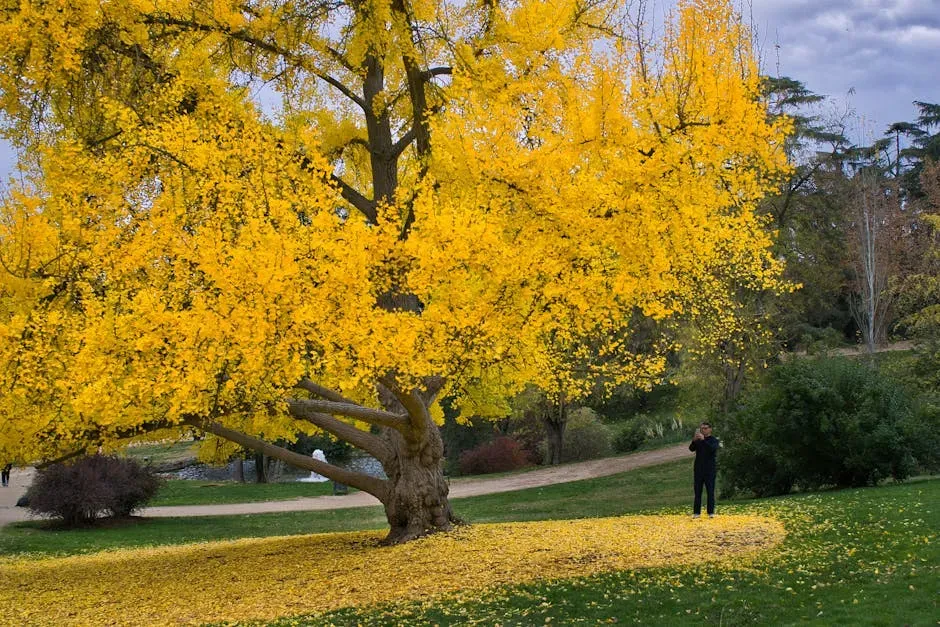
One of the most surreal experiences you can have in the present is standing under a ginkgo tree and realizing you’re basically looking at a ghost from dinosaur time. During the Mesozoic, ginkgo relatives grew across multiple continents, often in temperate regions or near river valleys. Their fan-shaped leaves, with delicate veins fanning out like a handheld paper fan, would have added a distinctive texture to the prehistoric skyline.
If you were a herbivorous dinosaur moving through these areas, ginkgo foliage would have been part of your menu, though probably not the most tender option available. The trees themselves were tough and long-lived, able to handle stress from changing climates and even disturbances like fires or floods. When you see a ginkgo along a modern city street, you’re looking at the descendant of a line that survived mass extinctions, shifting continents, and the end of the dinosaurs themselves. That resilience tells you a lot about how key some plant lineages were in stabilizing ancient ecosystems.
The Rise of Flowering Plants: How Angiosperms Rewrote the Dinosaur Menu
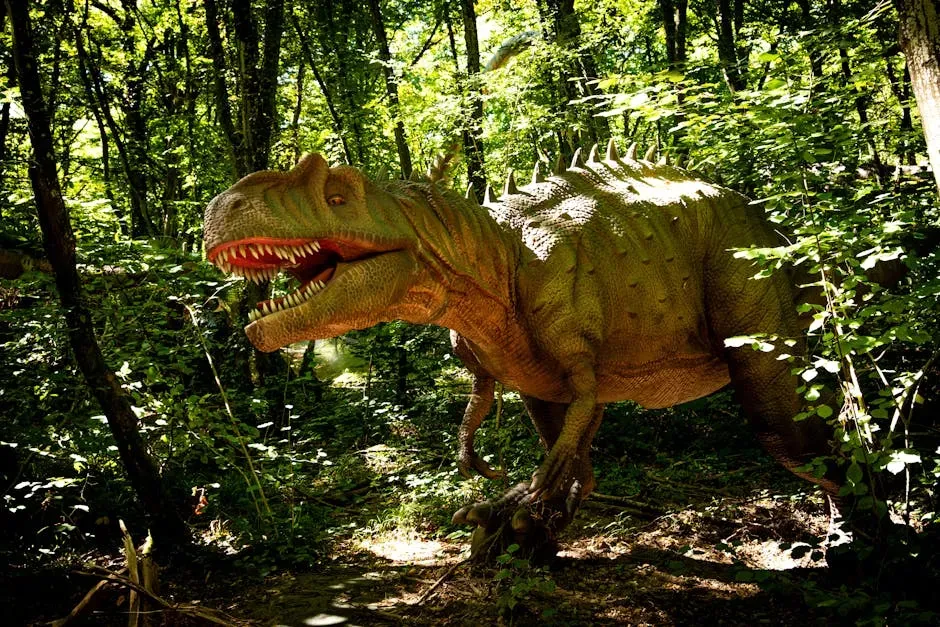
By the mid to late Cretaceous, if you walked through many dinosaur habitats, something would feel different: more color, more variety, and more complexity at ground and mid-level heights. This is where flowering plants, or angiosperms, come into the picture, spreading rapidly and reshaping ecosystems from the soil up. You’d start noticing broad leaves instead of just needles and fronds, plus an increasing variety of shrubs, small trees, and herbaceous plants competing for light.
For you as an observer, this botanical revolution would mean watching dinosaurs gain access to new textures and flavors, from softer leaves to fleshy fruits and seeds. These plants often grow faster and reproduce more quickly than conifers or cycads, which means they can recolonize disturbed areas rapidly and support more varied food chains. Insects, too, would be buzzing everywhere, tied to flowers and nectar, and in turn providing food for small vertebrates. The spread of flowering plants effectively enriched the dinosaur buffet and likely supported more specialized feeding behaviors and ecological niches.
Swamps, Floodplains, and Coastal Forests: Where Plant Communities Shaped Dinosaur Behavior
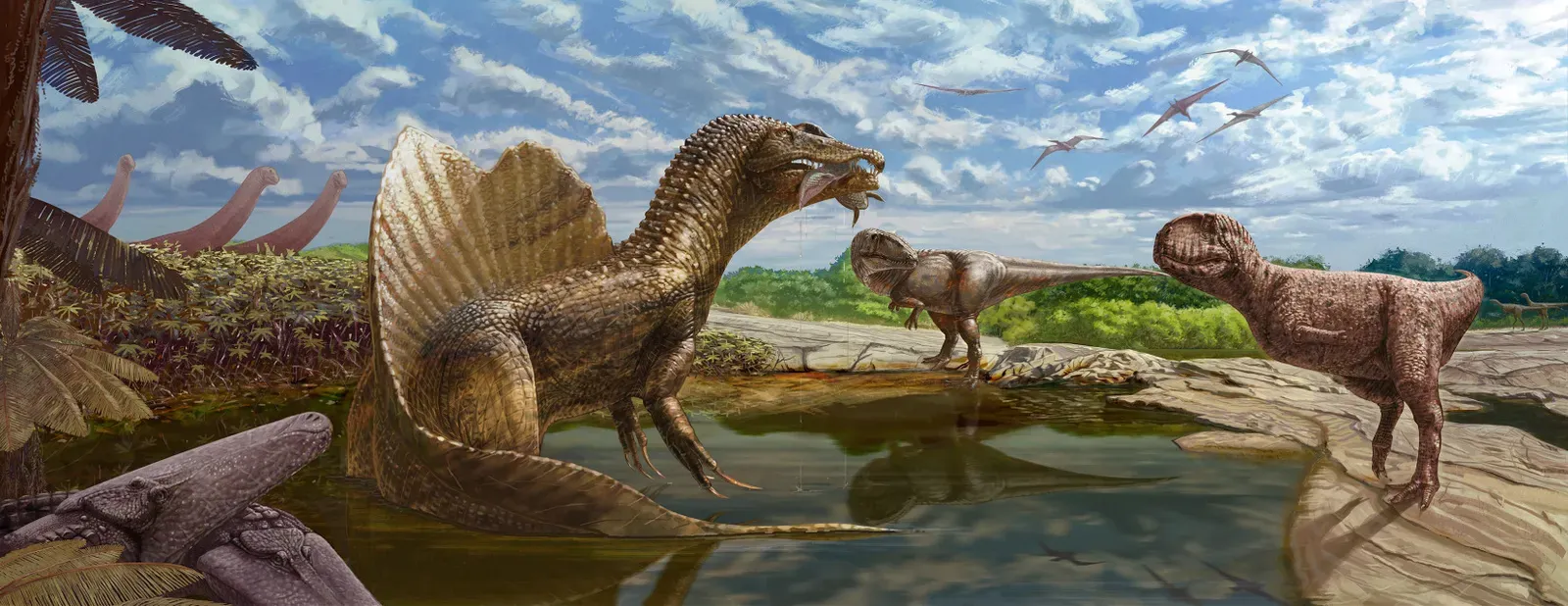
To really understand how plants fueled dinosaur life, you need to picture entire landscapes, not just individual species. In swampy environments, you’d see thick mats of ferns, horsetails, and moisture-loving trees forming dense, humid jungles around lakes and slow-moving rivers. These areas would act like huge green batteries, storing water and nutrients, and supporting herds of herbivores that depended on constant plant growth.
On coastal plains and inland floodplains, conifer stands, cycads, and later angiosperm-rich forests created a patchwork of habitats that guided where dinosaurs migrated, nested, and hunted. Some regions would be open and grassy-like with low plants and shrubs, while others were dominated by towering trees with layered canopies. As you imagine dinosaurs moving through these spaces, you can almost see how plant communities dictated their routes, shaped their social structures, and even influenced their body sizes and feeding strategies. In a very real sense, the map of vegetation was also the map of dinosaur life.
When you pull back and look at this lost world from above, you see that dinosaurs were not the true architects of their ecosystems – the plants were. Ferns, conifers, cycads, ginkgoes, and flowering plants all played their part in capturing sunlight and turning it into the energy that drove everything else. By tracing how these plant groups evolved, spread, and interacted, you get a far clearer picture of why dinosaurs looked and lived the way they did. Next time you see a fern or a ginkgo on a city sidewalk, you’re not just looking at greenery – you’re glimpsing a tiny, stubborn piece of the world that once sustained giants.