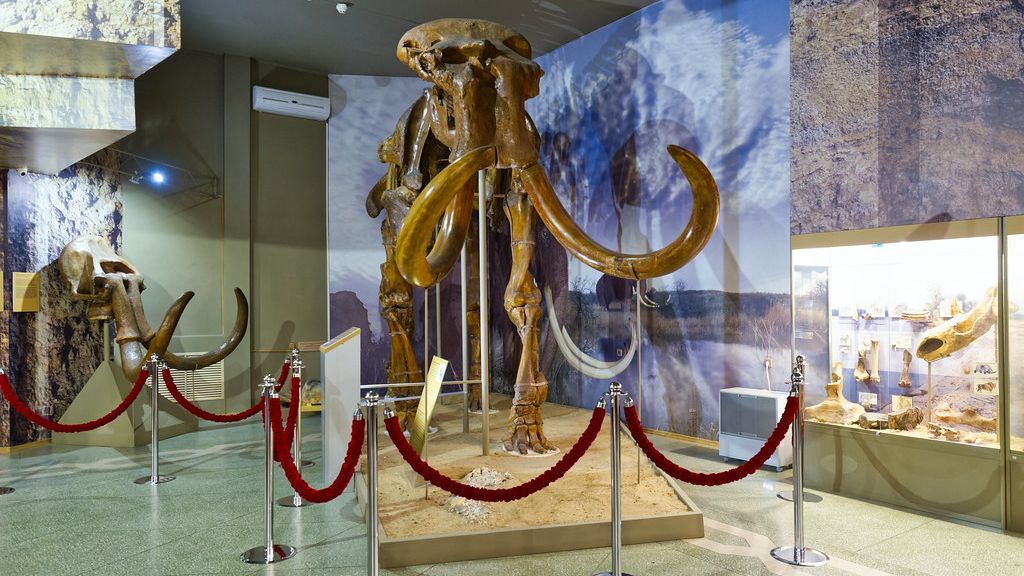
Picture this: roughly four thousand years ago, while ancient civilizations built pyramids and wrote epic poetry, a small herd of shaggy giants took their final steps on a remote Arctic island. These were the last woolly mammoths on Earth, clinging to existence thousands of years after their mainland relatives had vanished. What finally ended their incredible journey? That question has puzzled scientists for generations, but recent breakthroughs are rewriting everything we thought we knew about Ice Age extinctions.
The story gets more fascinating the deeper you dig. It turns out these magnificent creatures didn’t simply fade away because of one catastrophic event or obvious weakness. Their extinction was part of a complex web of factors that scientists are only now beginning to unravel, thanks to cutting-edge genetic technology and revolutionary research methods. Let’s dive into what the latest discoveries reveal about the mammoth’s last stand and what it means for understanding extinctions both past and future.
When Ancient RNA Speaks from 40,000 Years in the Past
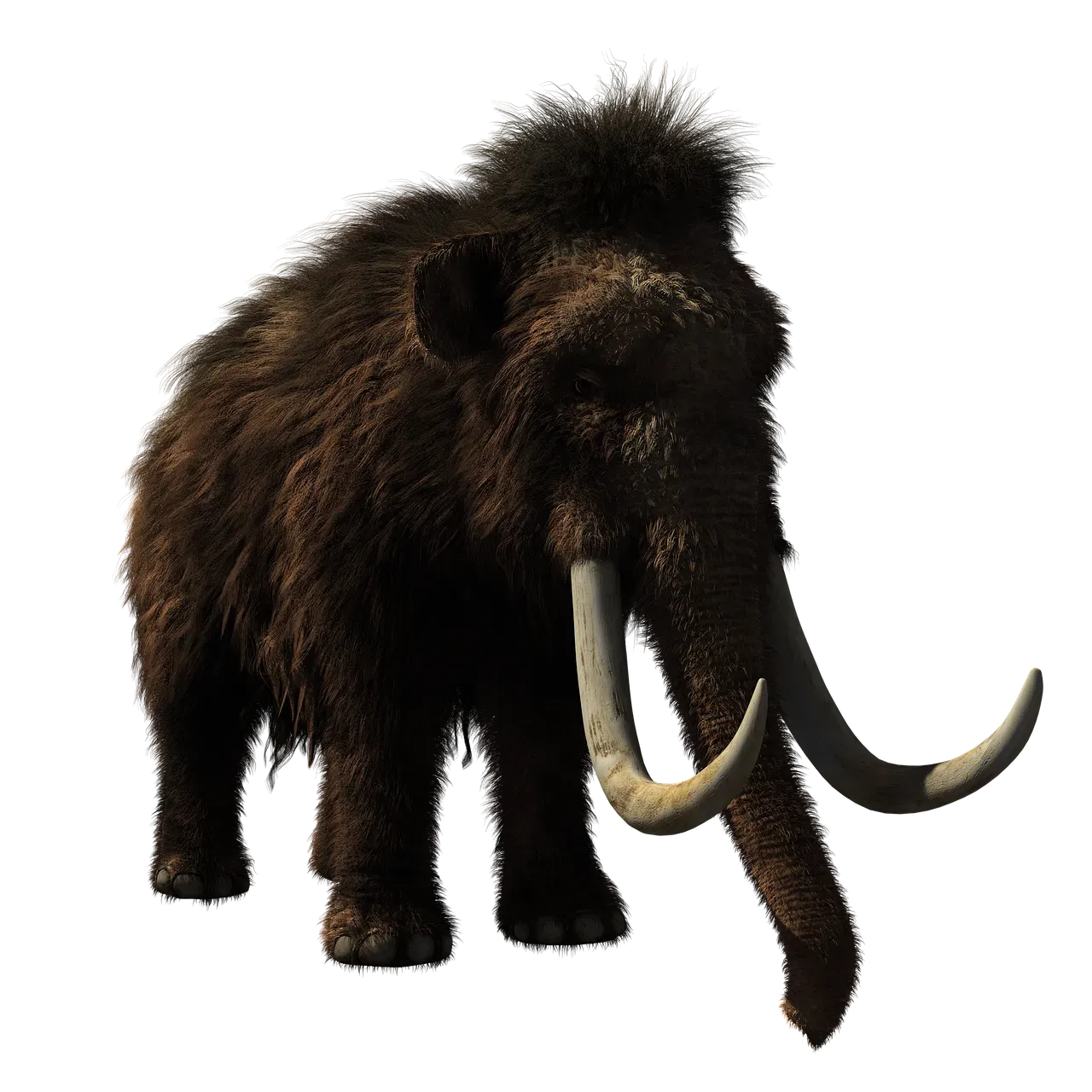
Researchers from Stockholm University have successfully isolated and sequenced RNA molecules from Ice Age woolly mammoths, with these RNA sequences being the oldest ever recovered and coming from mammoth tissue preserved in the Siberian permafrost for nearly 40,000 years. This is groundbreaking because scientists long believed RNA was far too fragile to survive more than a few hours after death.
The body of the young woolly mammoth known as Yuka was so well-preserved that scientists were able to recover ancient RNA molecules, allowing them to see processes going on inside the cells right around the time it died, with these processes having been frozen in time for 40,000 years. Think about that for a moment. We’re essentially looking at a snapshot of life from an animal that roamed the Earth when early humans were still perfecting stone tools. Scientists identified RNA molecules responsible for coding key protein functions in muscle construction and stress-related metabolic regulation, adding further evidence to the theory of Yuka’s final moments, including signs of cell stress consistent with research suggesting that Yuka was attacked by cave lions shortly before death.
The Wrangel Island Mystery: Not Doomed by Genetics After All
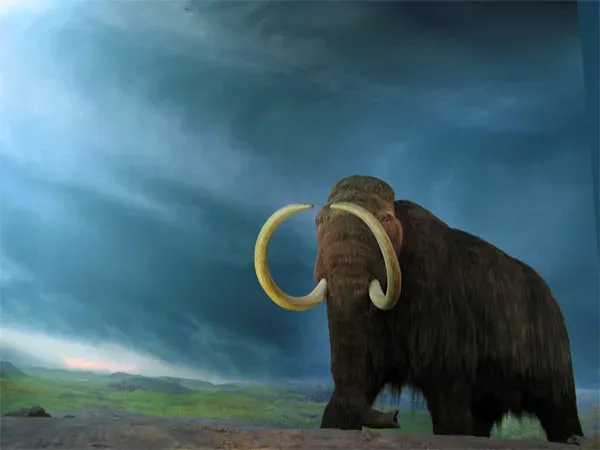
The last woolly mammoths on Earth lived out their lives in isolation on Wrangel Island, off the coast of Siberia, and they’re thought to have survived until about 1650 B.C. That’s mind-blowing when you consider that means mammoths were still alive over a thousand years after the Great Pyramids were built. Here’s where it gets really interesting, though.
A group of researchers at Stockholm University said that a new analysis of DNA recovered from woolly mammoth remains calls into question the assumption that these creatures perished due to inbreeding, showing that even though the island’s woolly mammoth population had low levels of genetic diversity, that fact alone wasn’t enough to cause their demise, which has deepened the mystery of what caused these iconic ice age creatures to go extinct. A new study confirms that the woolly mammoth population on Wrangel Island was inbred but suggests they were not doomed to die, with the mammoth population gradually losing harmful genetic mutations that would affect survival, indicating that some other random event sealed the mammoths’ fate.
The Climate Change Connection That Changed Everything
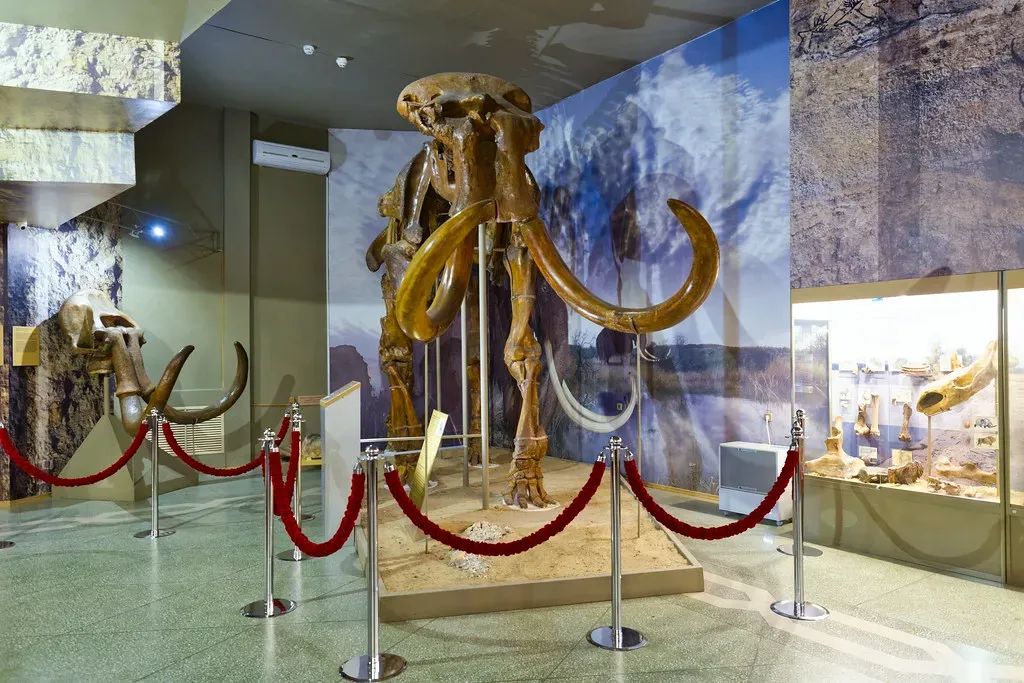
Let’s be real: climate was a massive player in this extinction drama. Comparing age data with climate models supports a scenario that populations of large herbivores repeatedly went through extreme cycles of boom and collapse, with the cause being not a single factor, but the interaction of climate, vegetation, and geography, as during cold periods the mammoth steppe dominated as a dry, cold mosaic of grasses and herbaceous plants growing on mineral-rich loess soils.
Only with the onset of the Holocene did the situation fundamentally change, as the current warm period lasted longer than all previous ones, peatlands became permanently established, and the mammoth steppe never returned, while at the same time rising sea levels fragmented once continuous habitats. This is crucial to understand. Previous Ice Ages came and went, yet mammoths survived at least twelve of them. What made this transition different was its permanence. The landscape transformation wasn’t temporary anymore.
How Disappearing Mammoths Actually Warmed the Planet
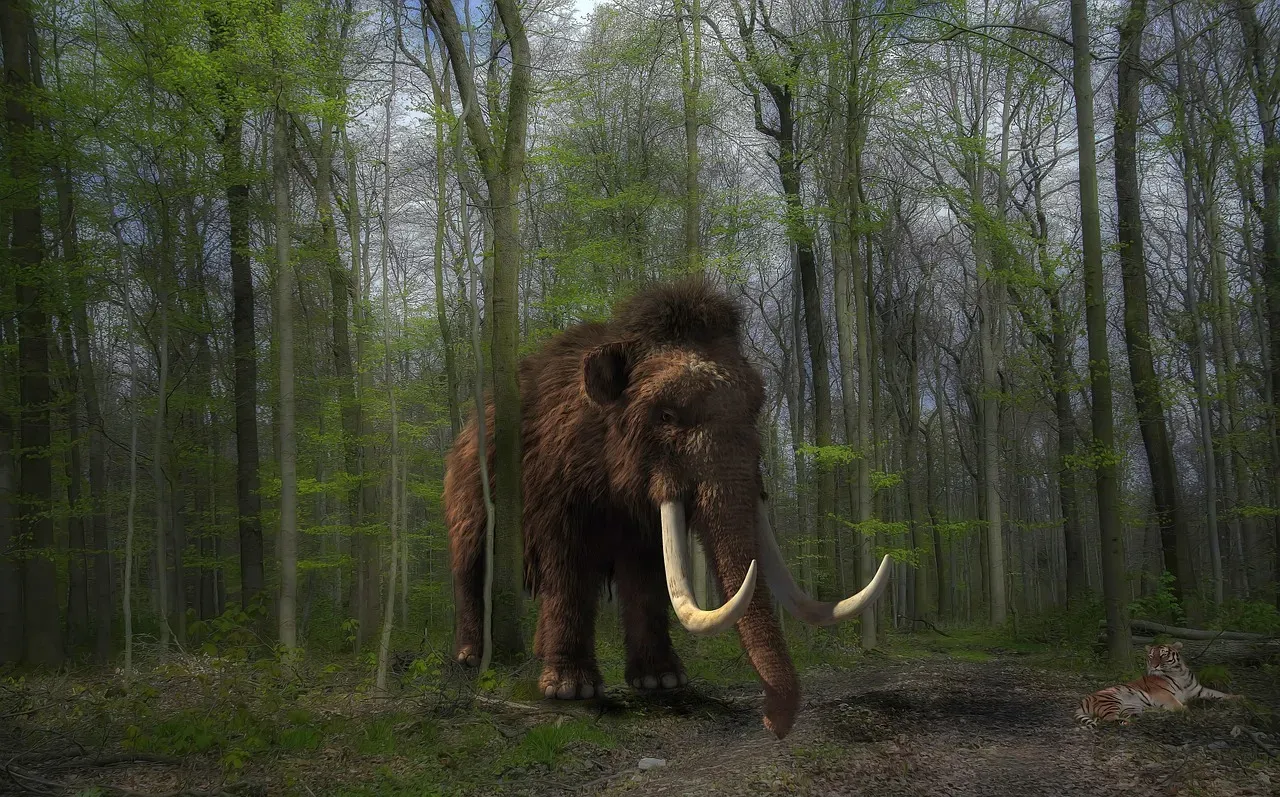
This next part honestly sounds crazy, but scientists have discovered something remarkable about the ecological impact of mammoth extinction. Like modern-day elephants, mammoths were nature’s tree pruners, with their diet including large amounts of leaves and branches from young trees, and they kept the temperate northern lands of North America, Europe, and Asia well trimmed and mostly free of forests, particularly feasting in the grasslands that had sprung up in Beringia.
When the mammoths disappeared, Betula trees expanded across Beringia, forming forests that replaced as much as one-quarter of the grassland, with the trees’ leaves, which are darker than grasses, absorbing more solar radiation, and researchers calculating that the mammoths’ disappearance contributed at least 0.1˚C to the average warming of the world around 15,000 years ago. It’s a fascinating feedback loop where the loss of the animals actually accelerated climate change that may have contributed to their decline in the first place.
The Human Factor: Hunters, Fires, and Complicated Truths
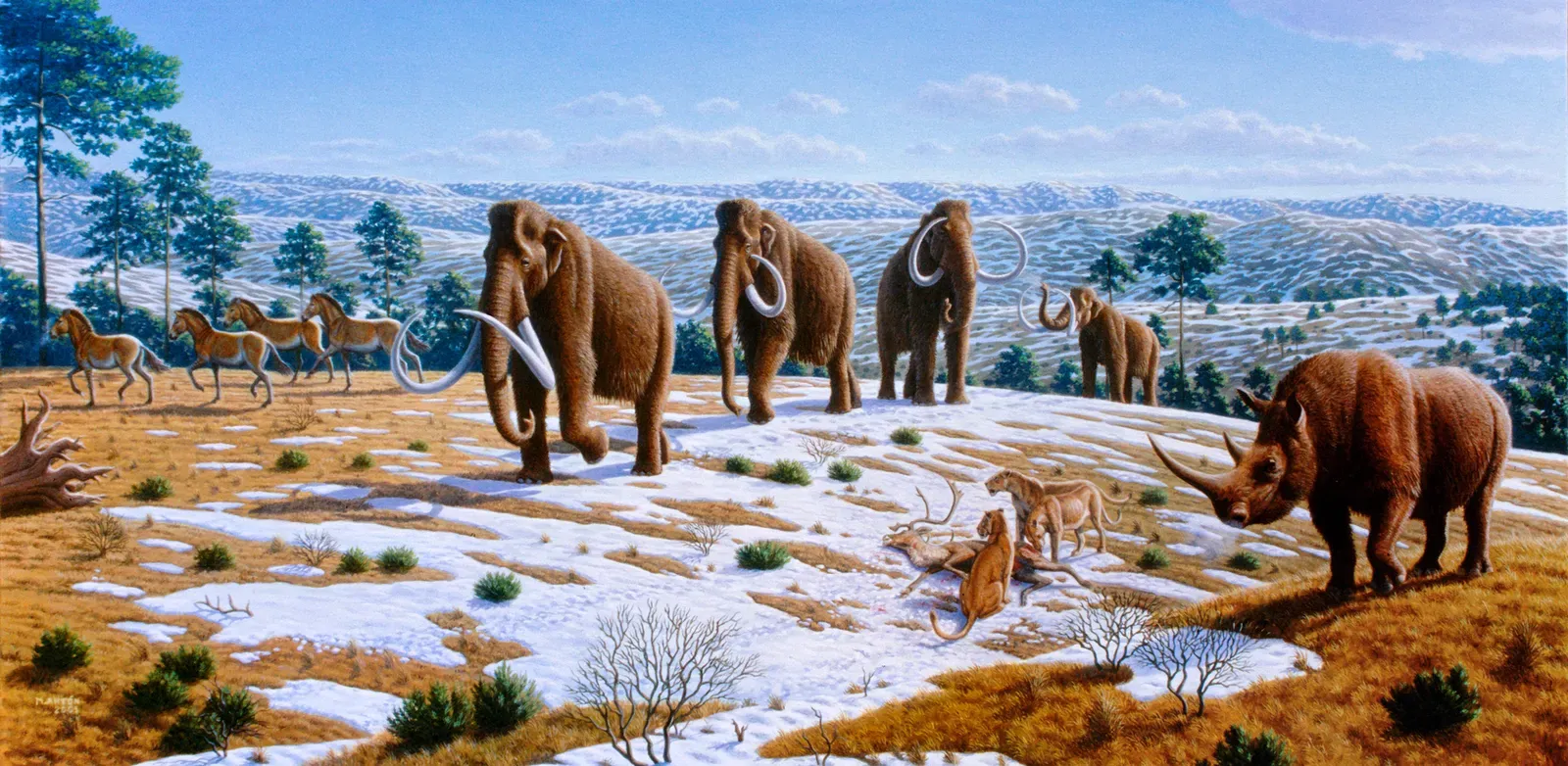
There are two main hypotheses to explain this extinction: Climate change associated with the advance and retreat of major ice caps or ice sheets causing reduction in favorable habitat, and human hunting causing attrition of megafauna populations, commonly known as overkill. Honestly, the debate over humans versus climate has dominated paleontology for decades, with researchers forming almost opposing camps. The truth? It’s way more nuanced than anyone expected.
The study reveals that neither climate nor humans alone can account for the Ice Age mass extinctions, with findings indicating dramatically different responses of Ice Age species to climate change and humans, showing for example that humans played no part in the extinction of the woolly rhino or the musk ox in Eurasia and that their demise can be entirely explained by climate change. On the other hand, humans share responsibility with climate change for the megafauna extinctions when it comes to the extinction of the wild horse and the bison in Siberia. Each species responded differently to the pressures they faced.
Population Cycles: The Boom and Bust Pattern Nobody Expected
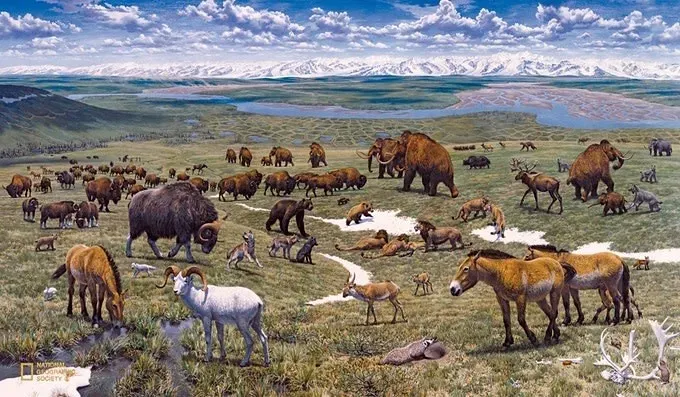
Megafaunal abundance tracked ice age climate, peaking during transitions from cold to warm periods, with these results suggesting that a defining characteristic of the mammoth steppe was its temporal instability and implying that regional extinctions followed by population reestablishment from distant refugia were characteristic features of ice-age biogeography at high latitudes. Think of it like a rollercoaster that these animals rode for hundreds of thousands of years.
The boom carried the seeds of collapse within it, as moisture increased, soils became waterlogged and peat formed, groundwater levels rose, mineral-rich dust from glacial regions no longer arrived, and soils became acidic, with nutrient-rich steppe plants disappearing and being replaced by hardy species of little value to large animals, causing the previously exploding populations to decline dramatically. What made the end of the last Ice Age fatal was that this time the cycle didn’t reset. The grasslands never came back.
What This Means for Conservation Today and Tomorrow
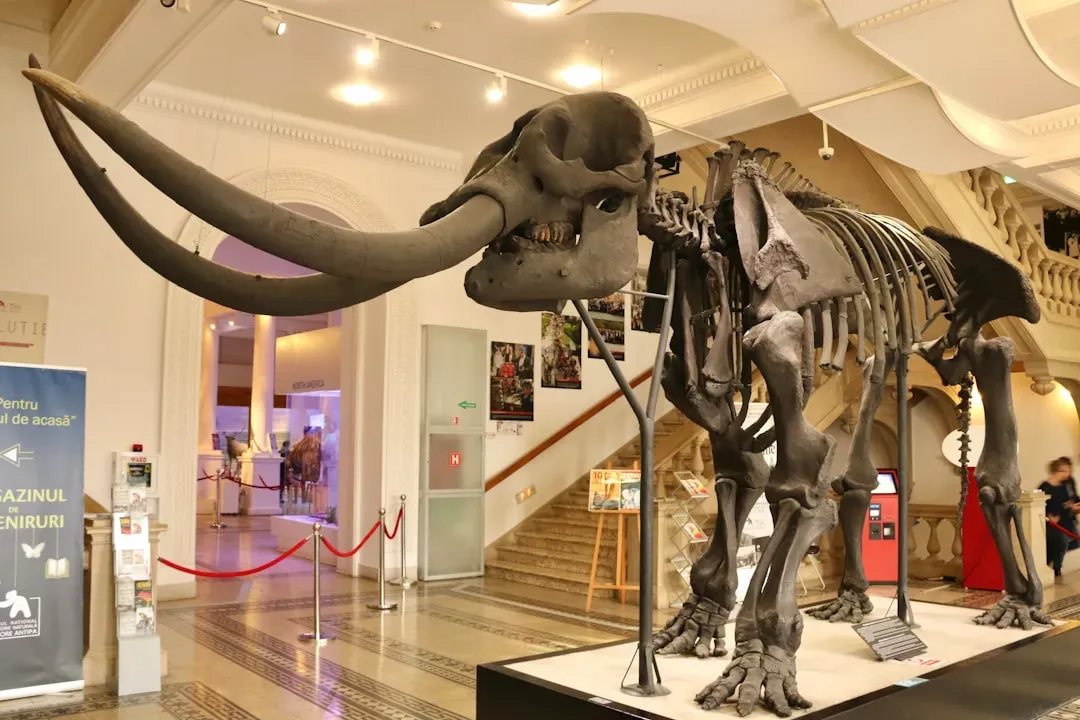
The findings put a final end to the single-cause theories of the Ice Age extinctions and suggest that care should be taken in making generalizations regarding past and present species extinctions and those of the future, with climate change being intrinsically linked with major megafauna population size changes over the past 50,000 years, supporting the view that populations of many species will decline in the future owing to climate change and habitat loss.
Resolving the cause of large mammal extinctions requires greater knowledge of individual species’ histories and their adaptive tolerances, a fuller understanding of how past climatic and ecological changes impacted those animals and their biotic communities, and what changes occurred at the boundary that might have led to those genera going extinct at that time, which will allow us to ascertain whether the sole ecologically significant difference between previous transitions and the very last one was a human presence. The lessons from mammoth extinction are directly applicable to endangered species today, from elephants to tigers, all facing habitat loss, climate change, and human pressure simultaneously.
Final Thoughts on Giants and Their Ghosts
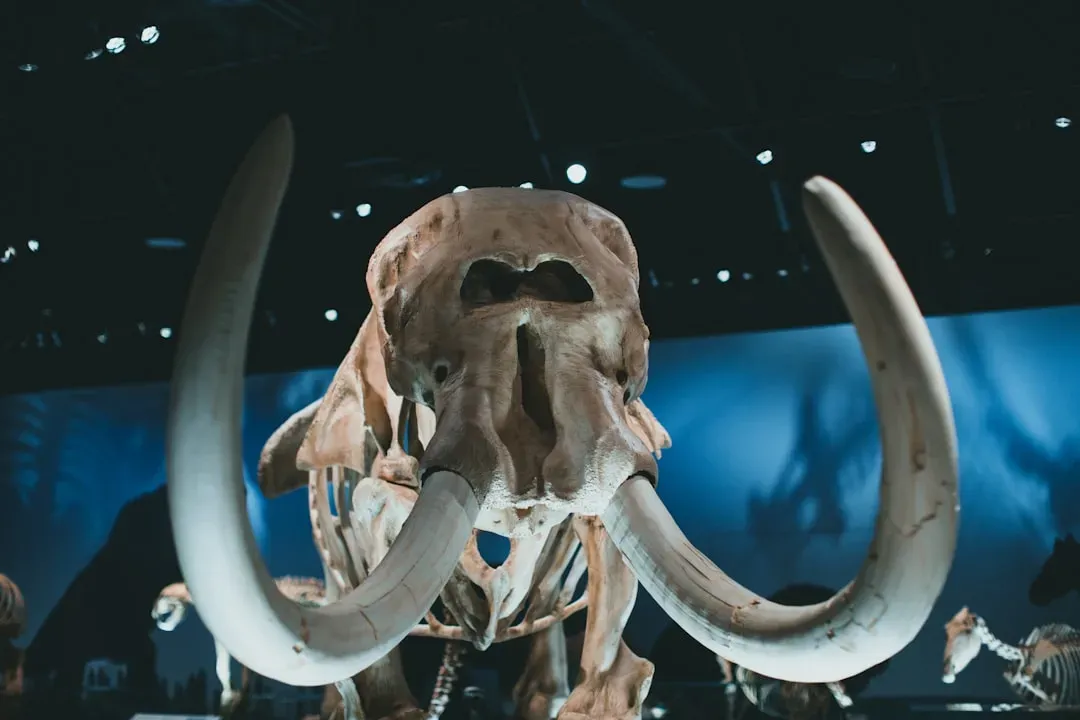
The mammoth’s last stand teaches us something profound about extinction that extends far beyond dusty bones and ancient DNA. These weren’t creatures that simply ran out of genetic luck or fell victim to ruthless hunters. They were survivors who endured hundreds of thousands of years of dramatic climate swings, adapting and persisting through challenges that would have destroyed less resilient species.
What ultimately ended them was a perfect storm: permanent habitat loss, fragmented populations cut off by rising seas, climate change that wouldn’t reverse, and in some regions, the added pressure of human hunting and landscape modification. No single factor was solely responsible. The interplay between all these elements created a threshold that even the mighty mammoth couldn’t cross.
These discoveries should make us pause and reflect. We’re currently living through our own period of rapid climate change, habitat fragmentation, and species loss. The difference is that this time, we have the knowledge and the power to change the outcome. What will we do with it? The mammoths can’t answer that question, but perhaps their story can guide us toward better choices for the giants that remain.