Have you ever wondered what secrets lie frozen beneath the ice, waiting to be discovered after tens of thousands of years? Scientists studying mammoths are unlocking mysteries that challenge everything we thought we knew about these magnificent creatures. From ancient DNA preserved in a glassy state to hybrid species nobody knew existed, the story of North America’s Ice Age giants is being rewritten right now.
The revelations coming from labs around the world are nothing short of stunning. These discoveries aren’t just about dusty old bones anymore.
Ancient DNA Shatters Records and Rewrites Evolution
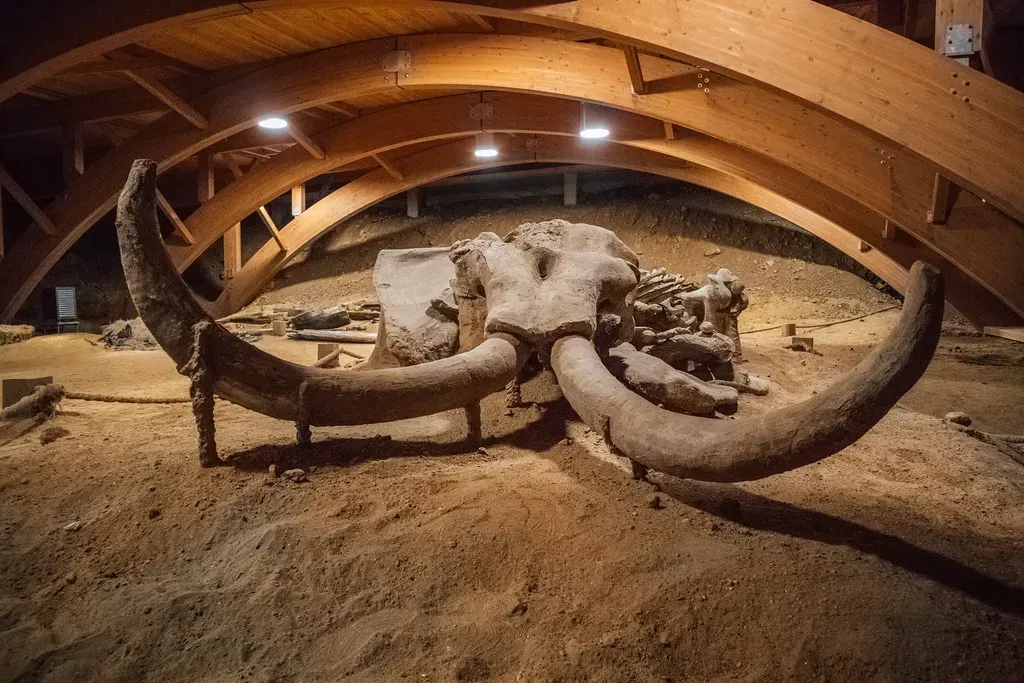
Researchers have achieved something extraordinary by sequencing DNA from mammoth remains up to 1.2 million years old. Think about that for a moment. DNA older than the existence of modern humans, preserved in the Siberian permafrost all this time.
The analyses revealed that the Columbian mammoth inhabiting North America during the last ice age was actually a hybrid between the woolly mammoth and a previously unknown genetic lineage. This discovery completely changes our understanding of how these species evolved. The oldest specimen belonged to a previously unknown lineage researchers now call the Krestovka mammoth, based on where it was found.
The Freeze-Dried Genome That Defied Time
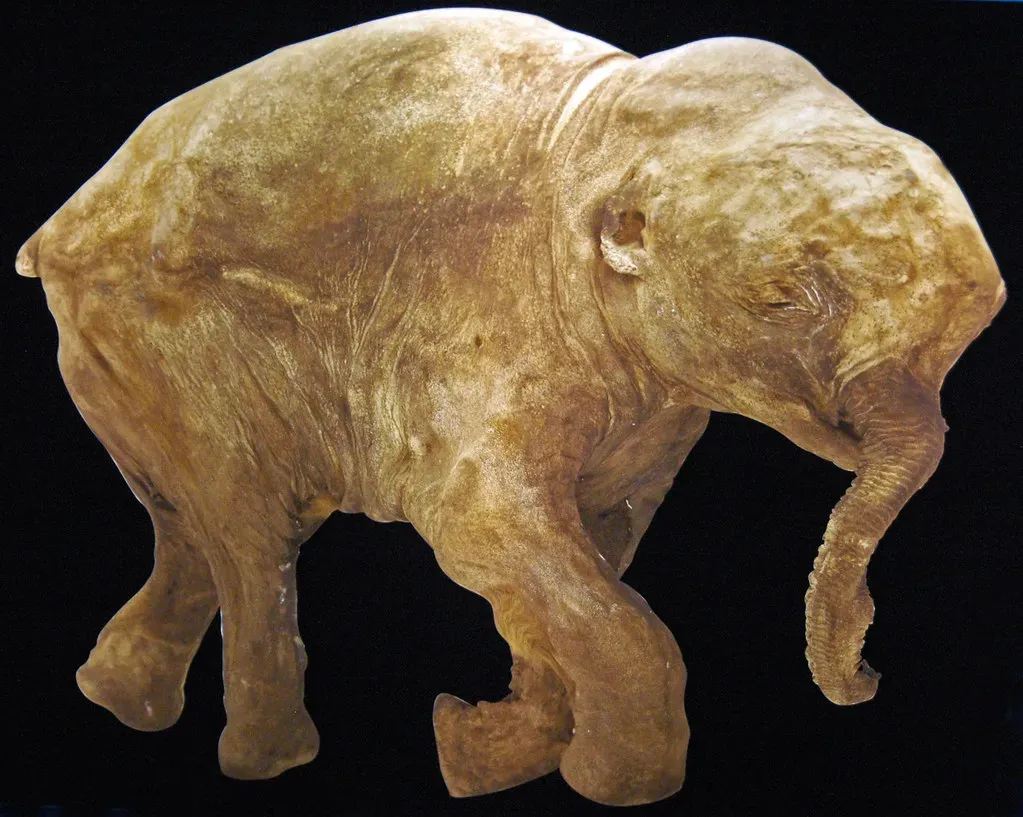
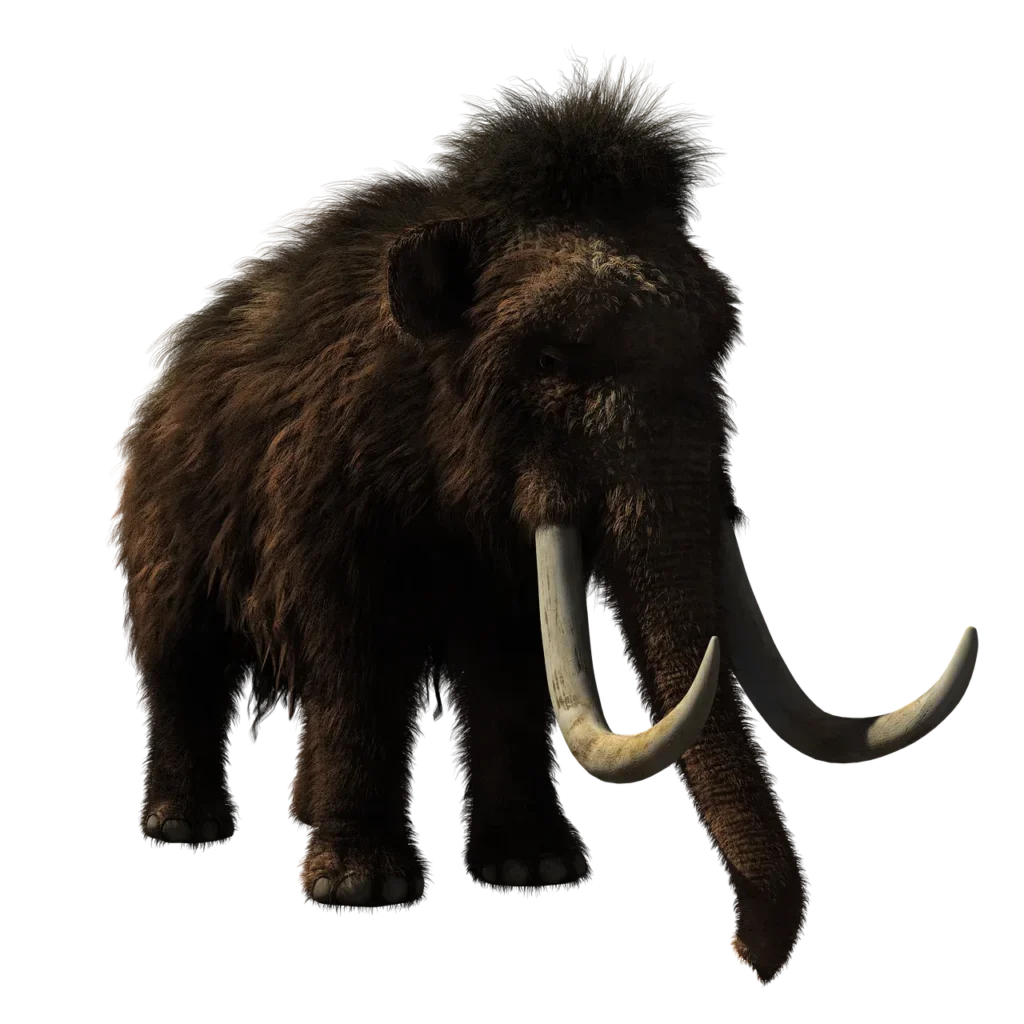
Here’s something that sounds like science fiction. An international team assembled a woolly mammoth’s genetic code using fossilized chromosomes from a 52,000-year-old carcass discovered in Siberian permafrost, where the mammoth became freeze-dried on death, preserving the 3D structure of ancient chromosomes down to the nanometer scale. Let’s be real, nobody expected DNA structure to survive that long.
Scientists discovered that dehydrated chromatin was preserved in a special state resembling molecules in glass, creating a new type of fossil called chromoglass that preserved ancient DNA fragments by halting their movement. Using this information, the team determined the woolly mammoth had 28 pairs of chromosomes and could see which genes were active. It’s like looking through a window into the past and seeing exactly how these animals functioned at a genetic level.
Hybrid Mammoths Roamed North America
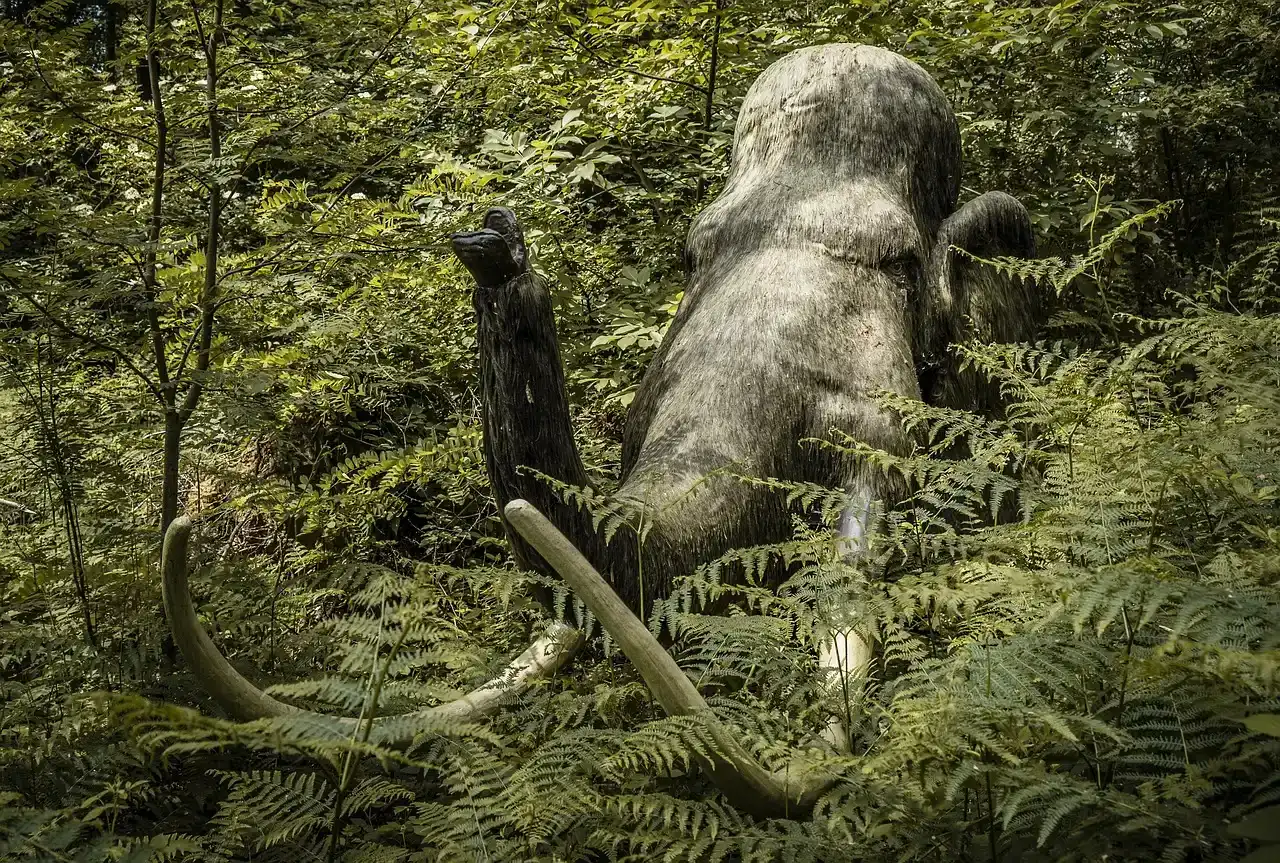
The mammoth family tree is far more tangled than anyone suspected. Two different mammoths lived on the continent during the last Ice Age: woolly mammoths in what is now Canada and the northern USA, and Columbian mammoths further south, adapted to different climates and food sources. Scientists assumed these species lived separate lives.
Genetic analysis of fossilized teeth shows they belonged to mammoths that were hybrids between the species, and because younger fossils have more Columbian mammoth DNA, the two species must have bred many times over thousands of years. One woolly mammoth tooth from around 36,000 years ago shows the animal inherited over 21% of its genome from Columbian mammoths, while a younger tooth from around 11,000 years later shows nearly 35% Columbian mammoth ancestry. The mixing increased over time, which is honestly fascinating.
The Oldest North American Mammoth Ever Found
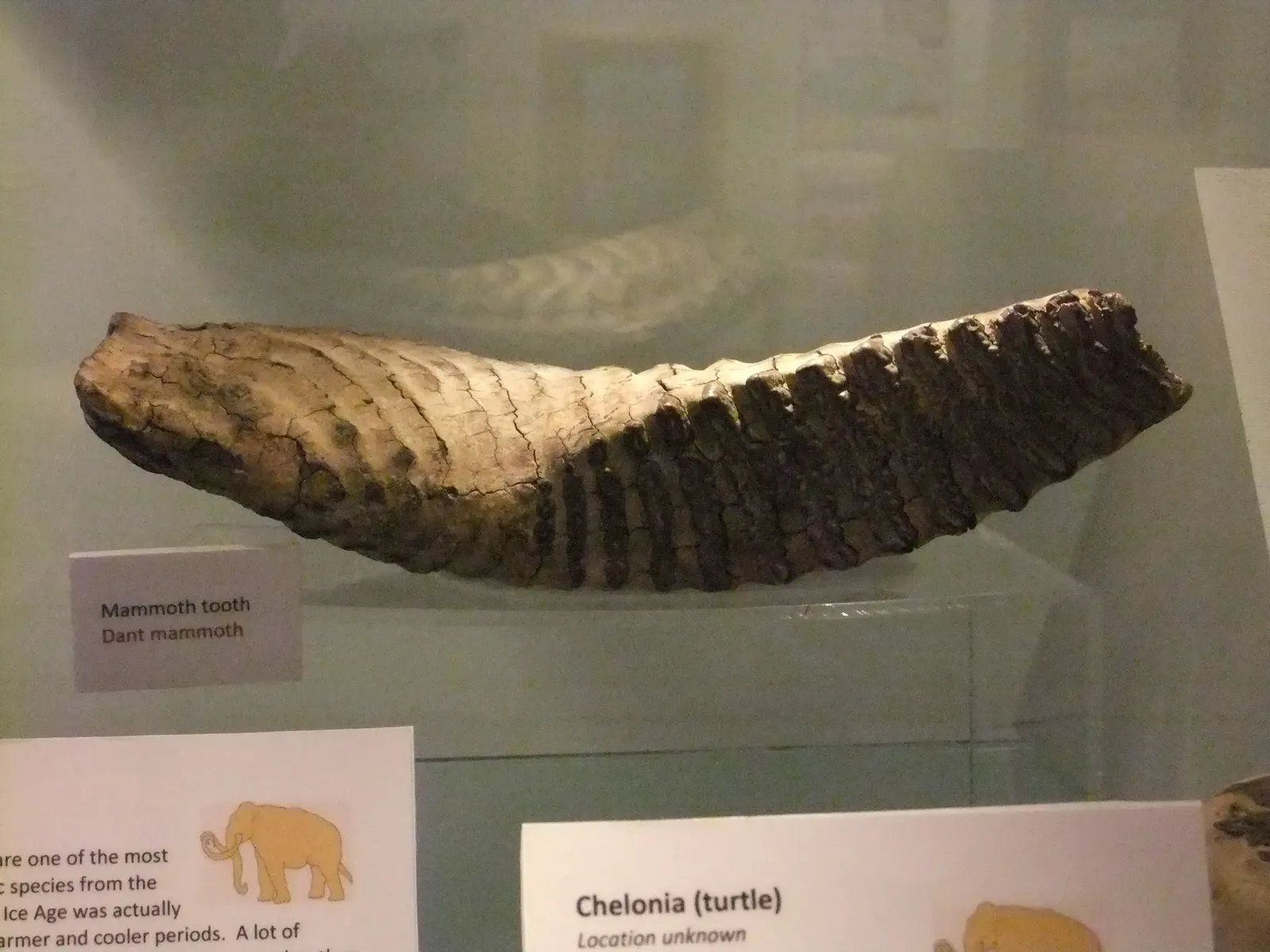
A worn-down mammoth tooth discovered nearly 150 years ago on an island in Nunavut offers new insights into where and how Ice Age giants lived and died. Sometimes the most important specimens have been sitting in museum drawers for generations.
A mammoth tooth found in Nunavut has been reclassified as belonging to a woolly mammoth, extending the known range of this species farther east in North America than previously known. Stable isotope testing revealed that the animal’s final days may have been difficult, with nitrogen levels higher than expected pointing to malnutrition, interpreted as a sign the mammoth was under nutritional stress and had to catabolize its own tissues to survive. Honestly, that’s heartbreaking but also reveals the harsh realities these animals faced.
Mammoth Ivory Tools and Early Humans in Alaska
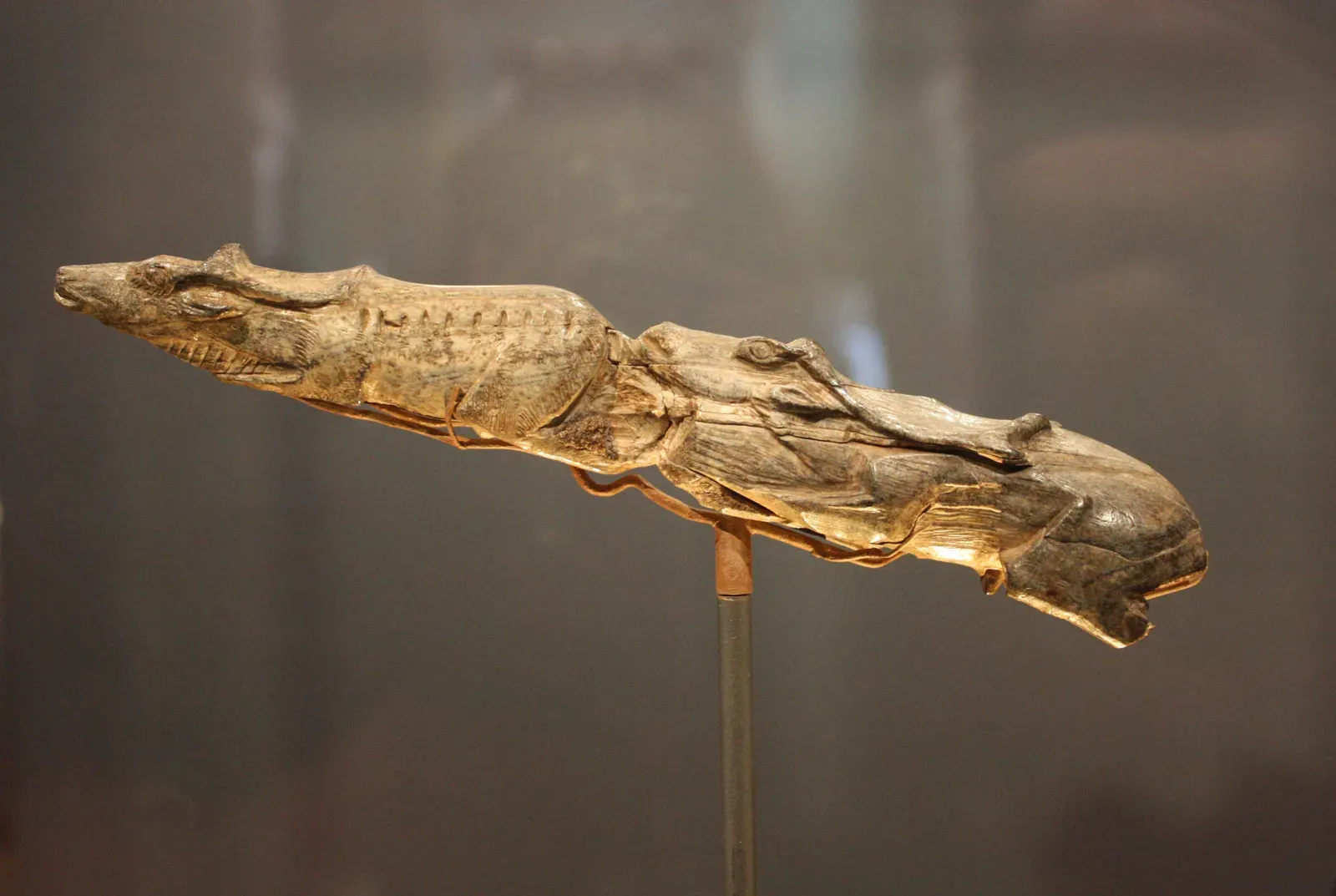
The Holzman archaeological site in the middle Tanana Valley, Alaska, provides significant insights into the behaviors of the First Alaskans and their interactions with Ice Age megafauna, particularly woolly mammoths. The relationship between humans and mammoths was more complex than simple hunting.
The oldest layer contained a female mammoth tusk almost entirely intact, along with flake tools, a hammer stone, animal remains, red ocher, and evidence of burning and knapping, while a younger 13,700-year-old layer revealed a large workshop complete with quartz and the earliest-known ivory rod tools found in the Americas. These people weren’t just hunters. They were skilled craftspeople who transformed mammoth ivory into sophisticated tools.
When Museum Mammoths Turned Out to Be Whales
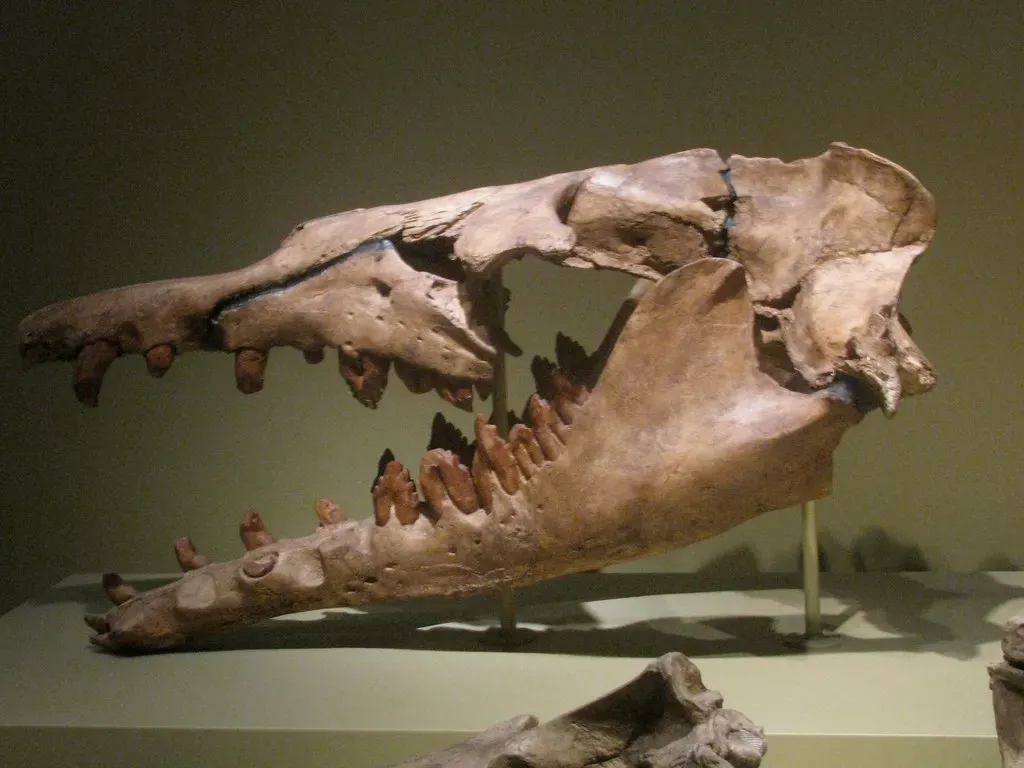
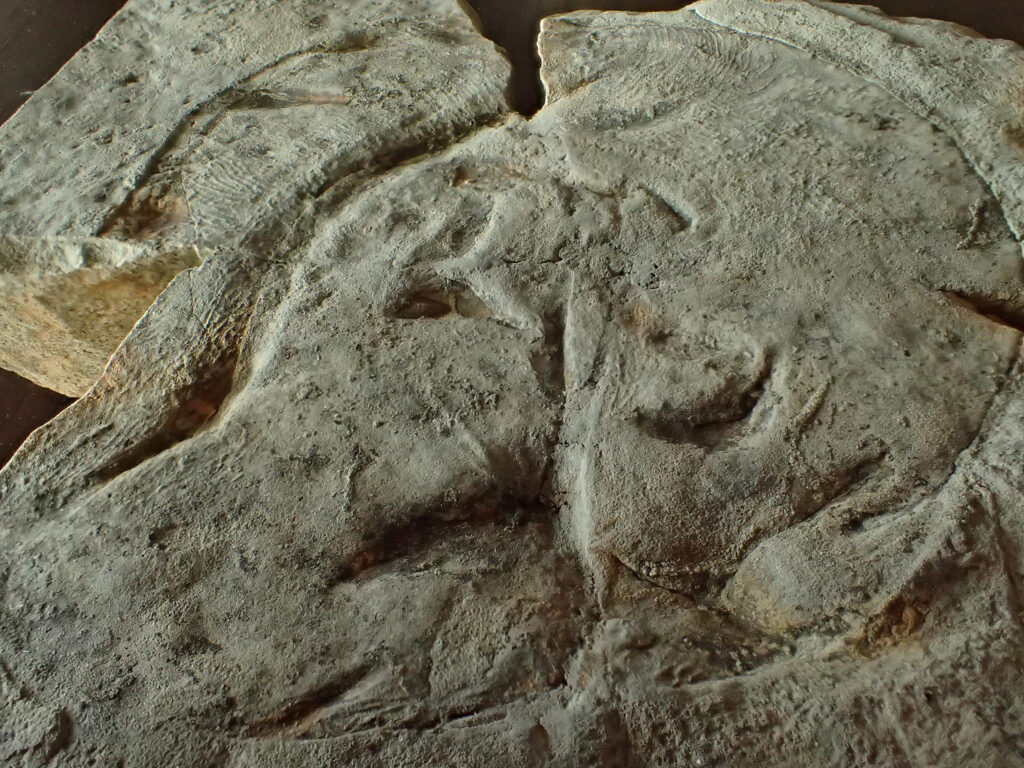
Science doesn’t always go as expected. Fossilized backbones of what appeared to be woolly mammoths turned out to come from an entirely different animal, with bones discovered by archaeologist Otto Geist in 1951 through the Alaskan interior based on appearance and location.
Radiocarbon data and stable isotope analysis were the first signs something was amiss, as bones contained much higher levels of nitrogen-15 and carbon-13 isotopes than expected for a grass-munching landlubber like the woolly mammoth, indicating specimens were likely from a marine environment. Ancient DNA analysis revealed the bones belonged to a Northern Pacific Right whale and a Common Minke whale, raising the puzzling mystery of how whale remains over 1000 years old came to be found in interior Alaska, more than 400 kilometers from the nearest coastline. The question remains unsolved.
The Great Extinction Debate: Climate or Humans?
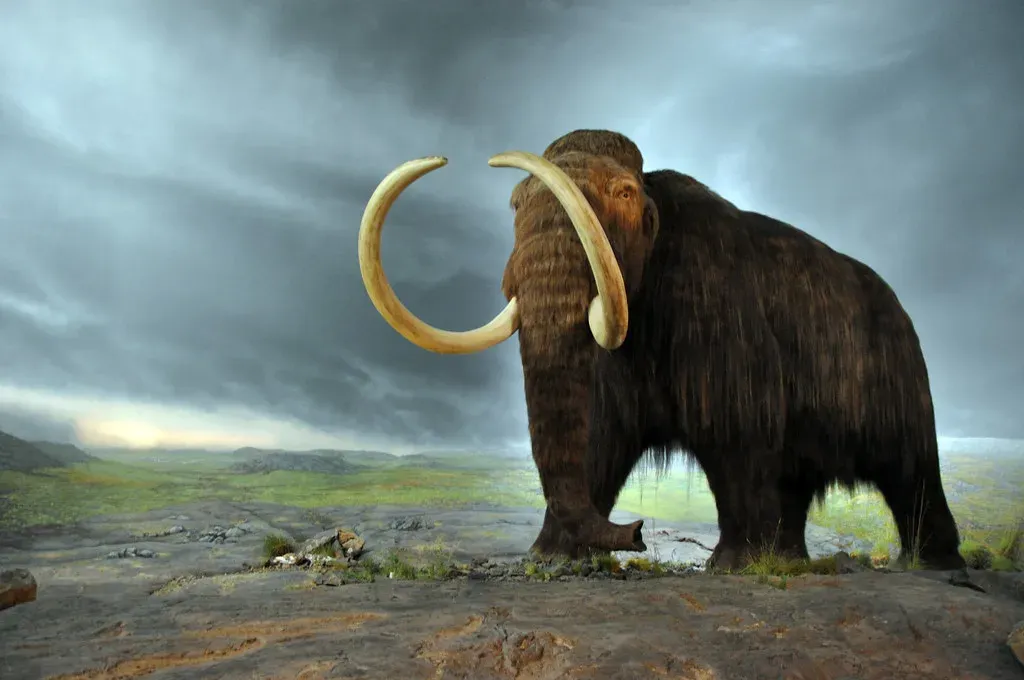
Scientists are divided over whether hunting or climate change, which led to the shrinkage of its habitat, was the main factor contributing to the woolly mammoth’s extinction, or whether it was due to a combination of the two. After decades of research, the answer is still elusive.
The last Columbian mammoths are dated to about 12,000 years ago, with extinction most likely a result of habitat loss caused by climate change, hunting by humans, or a combination of both. As the climate began to warm and great ice sheets retreated, the vast majority of mammoth populations across the globe were eliminated between 14,000 and 10,000 years ago, marking the end of the Last Glacial Maximum and a dramatic ecological upheaval that fundamentally changed their world, with Columbian Mammoths among the first to vanish around 12,500 years ago. The timing suggests multiple factors at play.
What These Giants Tell Us About Our Future
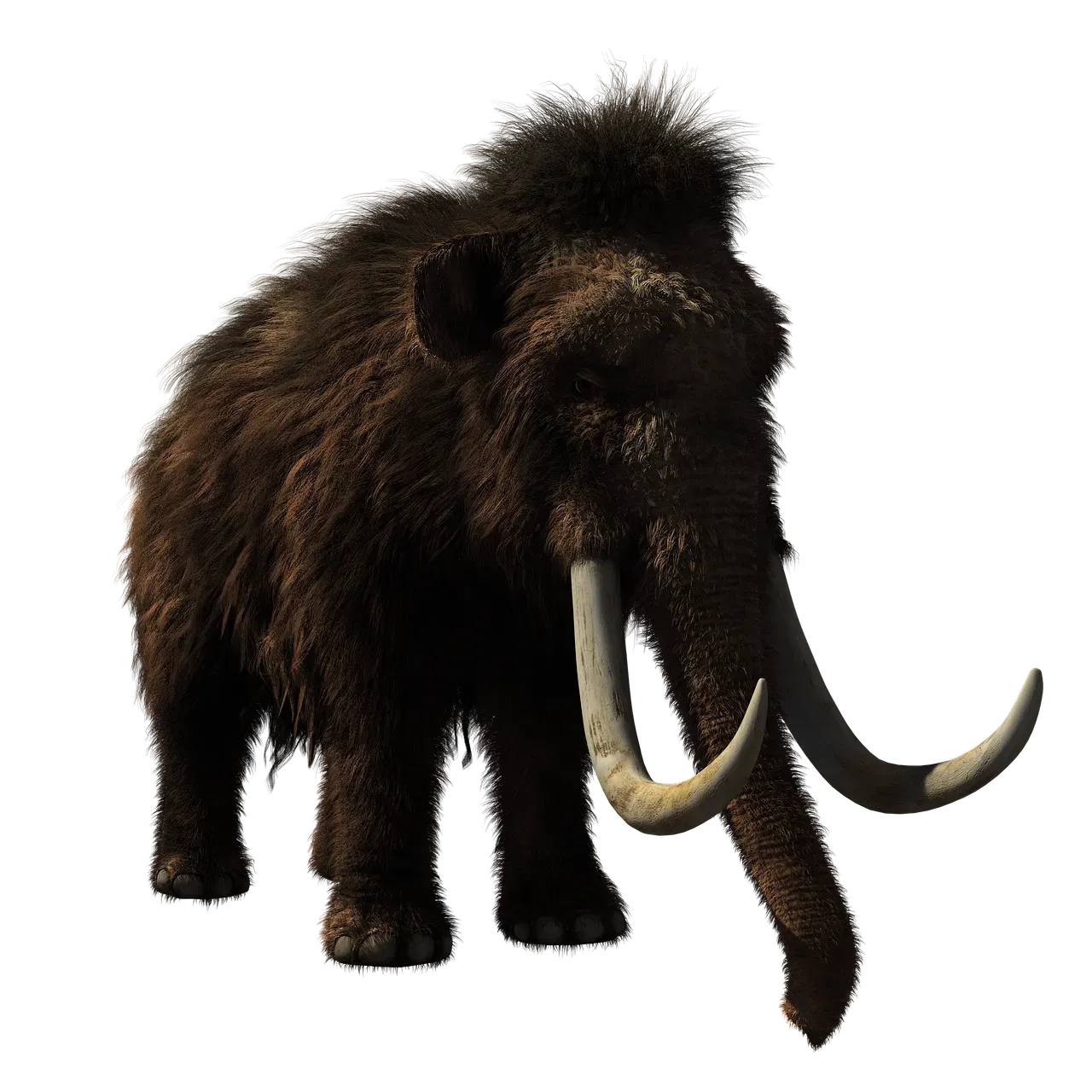
The changing conditions of the Ice Age help scientists understand how modern elephants and other animals might adapt to modern climate change, as understanding how species can mitigate environmental change is very important, and we can look to past climate change to help with that. The parallels to today are impossible to ignore.
Mammoths ultimately didn’t survive the end of the Ice Age, and delving into their adaptability could help us better understand why. Studying museum specimens can give us insights into how organisms evolve and respond to climate change. These ancient extinctions aren’t just history. They’re warnings about what happens when climates shift faster than large animals can adapt, when habitats disappear, and when multiple threats converge at once.
The mammoth’s tale is still being written as researchers continue to extract astonishing information from ancient remains. Each discovery reveals that these Ice Age giants were more complex, more adaptable, and more interconnected than we imagined. What other secrets are still locked in the permafrost, waiting to reshape our understanding of the past?