Imagine a world where the ground shook under creatures weighing dozens of tonnes, where feathered predators hunted in packs, and where flying reptiles cast enormous shadows over forests that looked nothing like anything alive today. That world was real. It lasted for nearly 186 million years. You didn’t need science fiction to get there – you just needed to go back far enough in time.
The Mesozoic Era is one of the most extraordinary chapters in the entire history of life on Earth, and yet most people know it only through a franchise of movies that got the timeline completely wrong. There’s so much more to it than T. rex and Triceratops. Honestly, the deeper you look, the more astonishing it becomes. So let’s dive in.
A World Born From Catastrophe: The Dawn of the Mesozoic
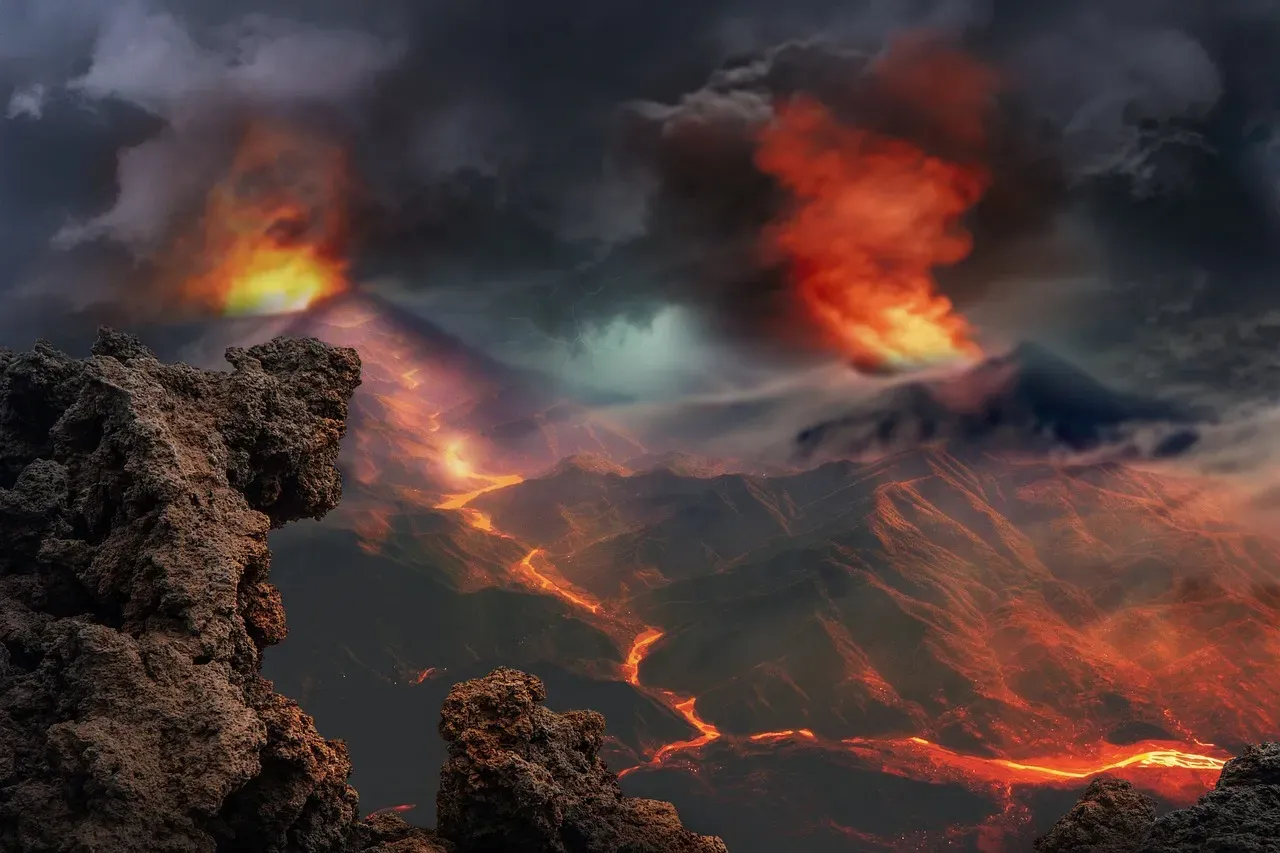
Here’s the thing about the Mesozoic – it didn’t begin in triumph. This era began in the wake of the Permian-Triassic extinction event, the largest mass extinction in Earth’s history, and ended with the Cretaceous-Paleogene extinction event, another mass extinction whose victims included the non-avian dinosaurs, pterosaurs, mosasaurs, and plesiosaurs. Think of it like starting a marathon after already having run one in reverse. Life was exhausted and scarce. Nearly every ecological niche sat empty.
The fauna and flora of the Mesozoic were distinctly different from those of the Paleozoic, the largest mass extinction in Earth history having occurred at the boundary of the two eras, when some 90 percent of all marine invertebrate species and 70 percent of terrestrial vertebrate genera disappeared. That’s almost incomprehensible. Yet from that bleak starting point, something remarkable happened. At the start of the Mesozoic, the remaining biota began a prolonged recovery of diversity and total population numbers, and ecosystems began to resemble those of modern days, while vertebrates, less severely affected by the extinction than invertebrates, diversified progressively throughout the Triassic.
The Triassic Period: Humble Beginnings, Radical Potential
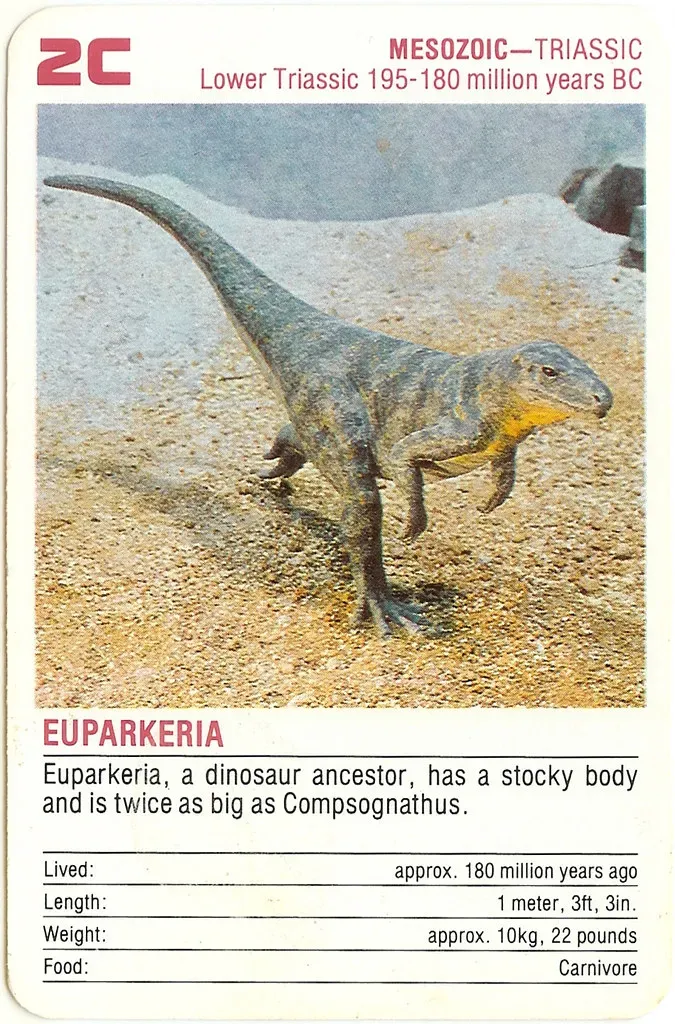
The Mesozoic Era is an era of Earth’s geological history, lasting from about 252 to 66 million years ago, comprising the Triassic, Jurassic and Cretaceous Periods. The Triassic was the opening act, and like many great opening acts, it was a little rough around the edges. The Triassic Period marked the dawn of dinosaurs, emerging after the Permian-Triassic extinction event, during which early dinosaurs coexisted with other reptiles, including pterosaurs and crocodilian ancestors, in a climate that was generally hot and dry, with vast deserts and limited polar ice.
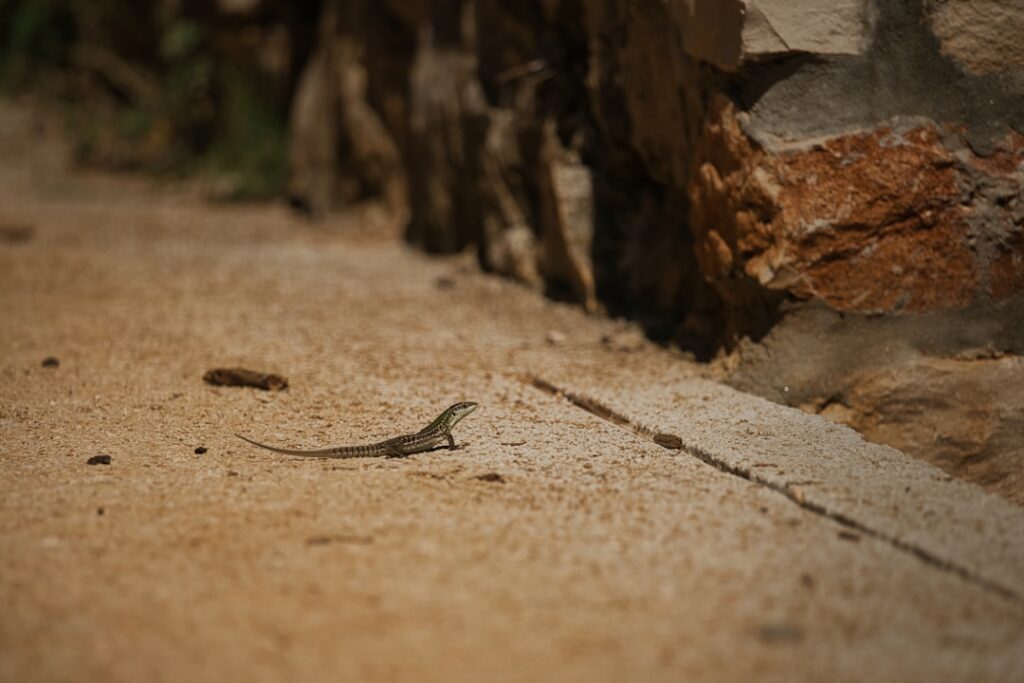
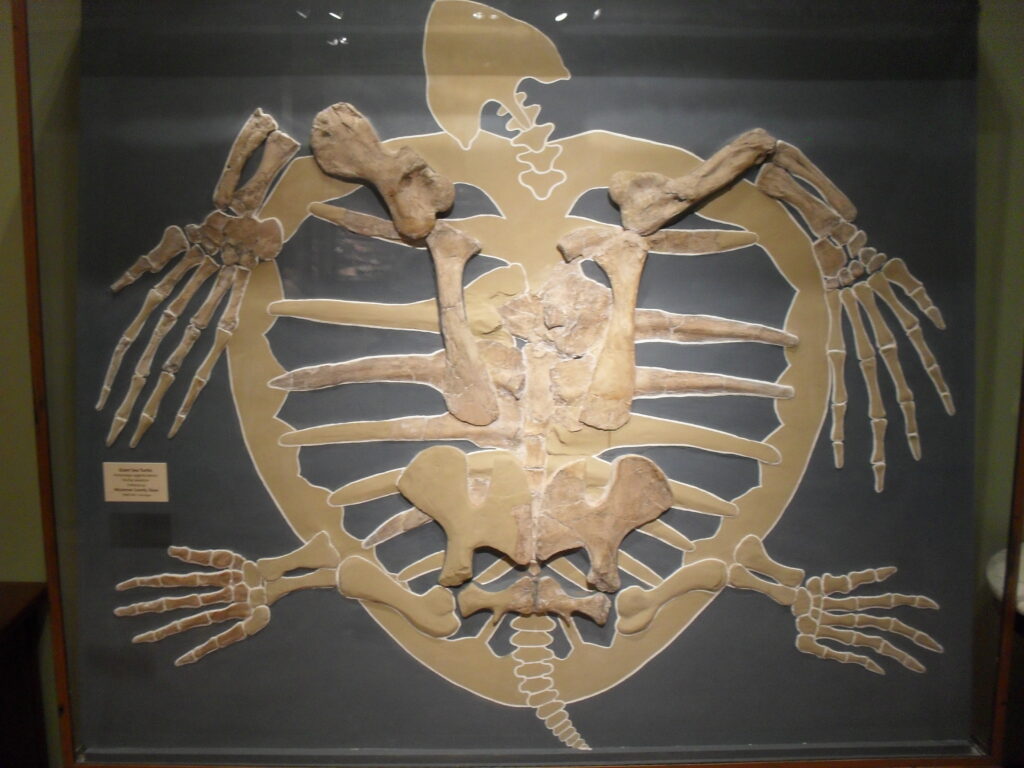
The Triassic terrestrial environment was dominated by the therapsids, sometimes referred to as “mammal-like reptiles,” and the thecodonts, ancestors of dinosaurs and crocodiles, both of which appeared during the Late Triassic, while the first true mammals, which were small, shrewlike omnivores, also appeared in the Late Triassic, as did the lizards, turtles, and flying pterosaurs. Early dinosaurs like Eoraptor were tiny – roughly the size of a large dog. During the Triassic, terrestrial herbivores avoided competition through significant niche partitioning by generally occupying highly distinct guilds. It was a crowded, complicated world even before dinosaurs truly took over.
The Jurassic Period: Giants Rise and Diversity Explodes
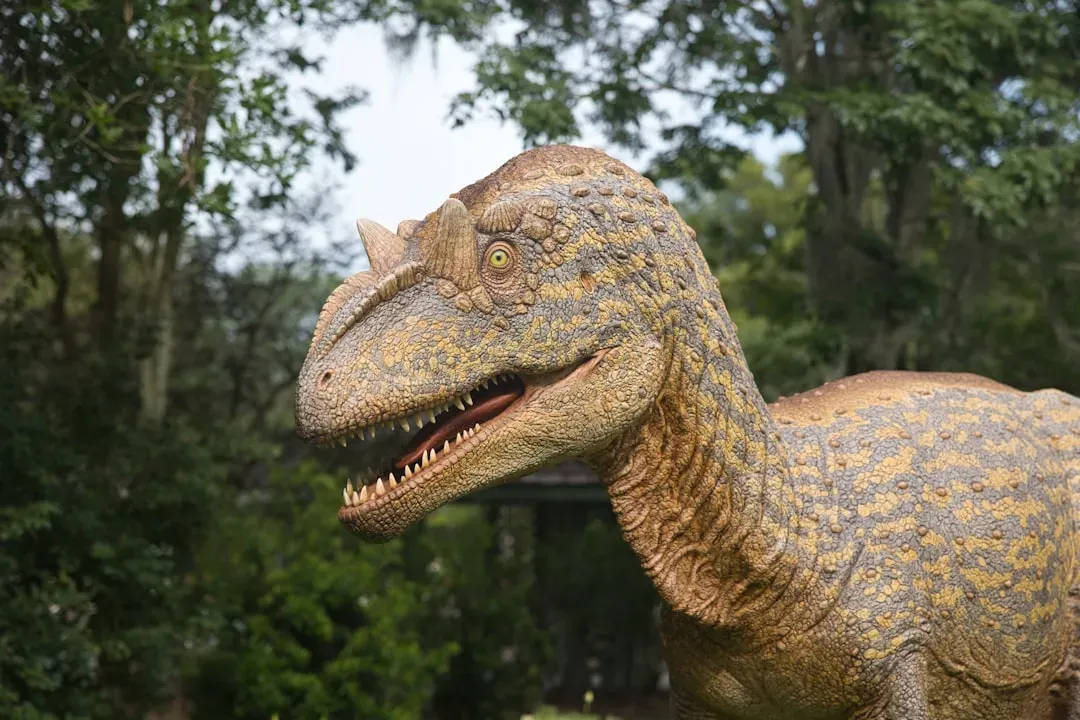
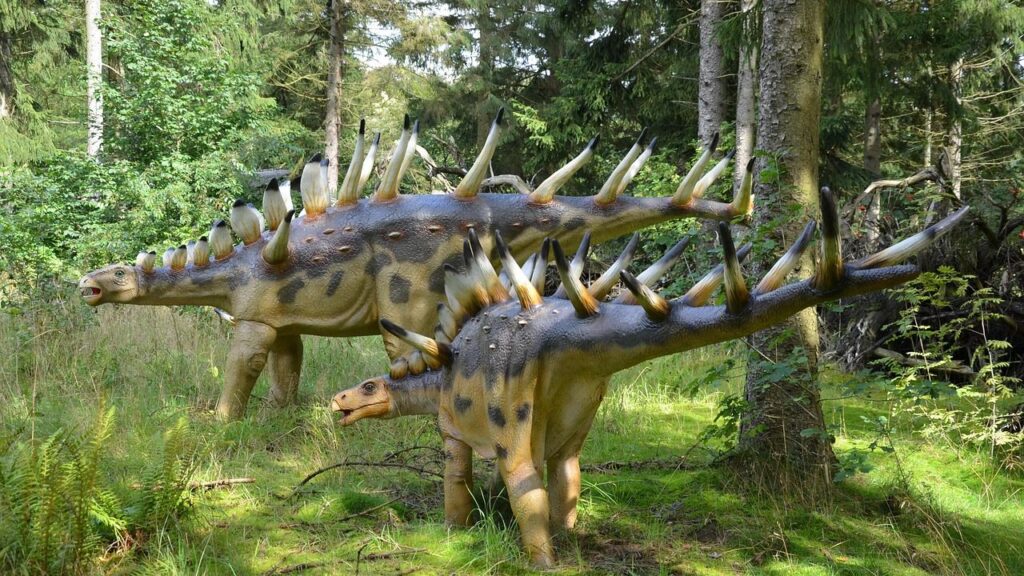
The Jurassic Period saw the rise of iconic dinosaur giants, as this era featured lush vegetation, warm climates, and an abundance of food sources, allowing dinosaurs to thrive and diversify, while the breakup of the supercontinent Pangaea also began, creating new ecological niches. It was essentially nature pressing the accelerator. The Jurassic was the height of archosaur diversity, and the first birds and eutherian mammals also appeared. Species were branching out into niches that had never been filled before.
Warm tropical greenhouse conditions occurred worldwide, as giant plant-eating dinosaurs roamed the Earth with smaller but vicious carnivores stalking them, flying reptiles and the first birds appeared, and creeping about in the undergrowth were tiny mammals no bigger than rats. I think what’s easy to forget is just how layered these ecosystems were. The shallow oceans contained abundant life from tiny plankton to huge, whale-sized marine reptiles. Above the ground, below it, in the water, in the air – life had colonized every available space.
The Cretaceous Period: Peak Diversity and the Reign of Icons
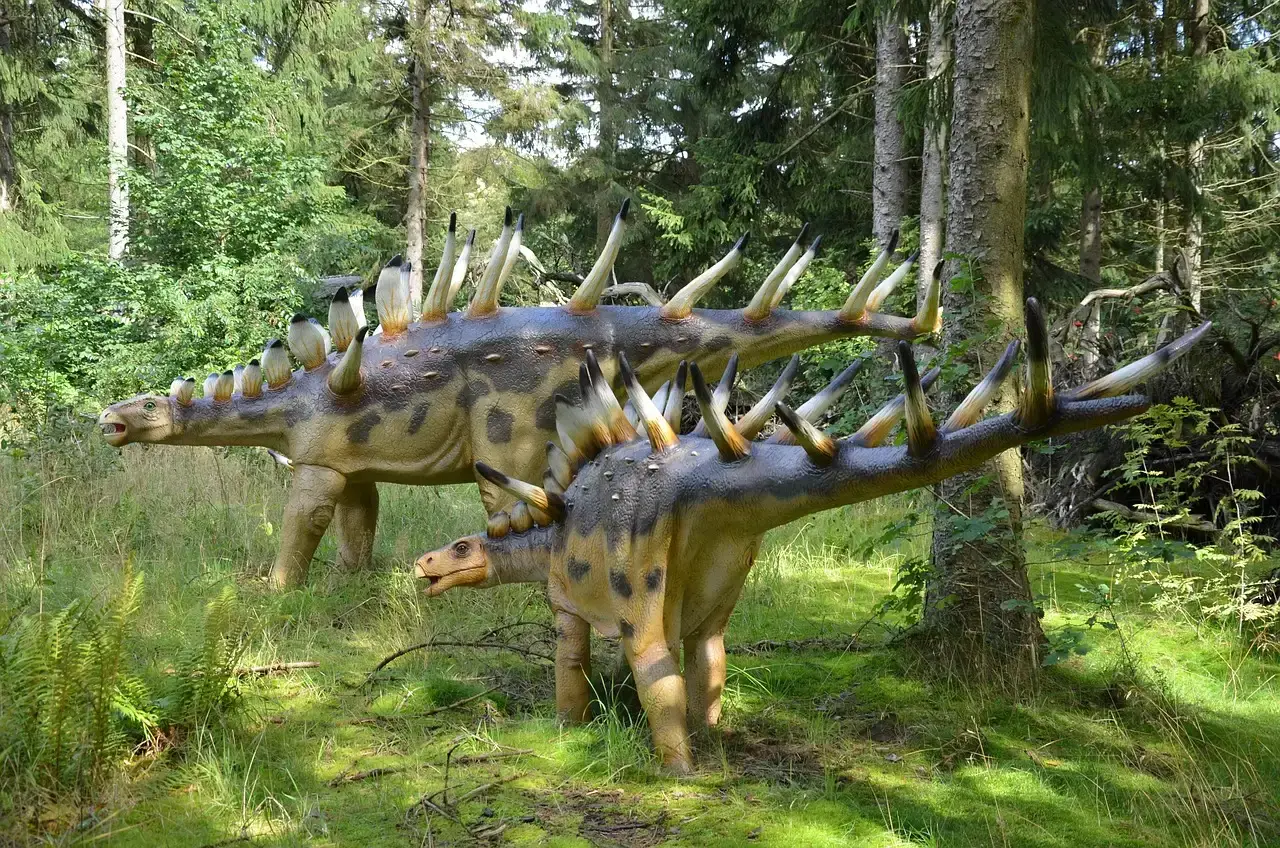
Instead of an extinction level event, the Cretaceous period began when dinosaurs reached the height of their diversity. This is the period most people imagine when they think of dinosaurs, and for good reason. Dinosaurs still thrived, as new taxa such as Tyrannosaurus, Ankylosaurus, Triceratops and hadrosaurs dominated the food web. The Cretaceous was, in many ways, the grand finale of the dinosaur world. A spectacle of evolutionary creativity.
This period experienced further continental drift, leading to diverse habitats and evolutionary pressures, as flowering plants emerged, influencing herbivorous dinosaurs’ diets. You can think of the Cretaceous as the era when the menu changed. New plants meant new food strategies, and new food strategies meant new teeth, jaws, body plans, and behaviors. In the Cretaceous period, the land separated further, with some of the continents we know today beginning to form, and dinosaurs in different parts of the world were now evolving independently and becoming more diverse.
How Many Species Actually Existed? The Numbers Are Staggering
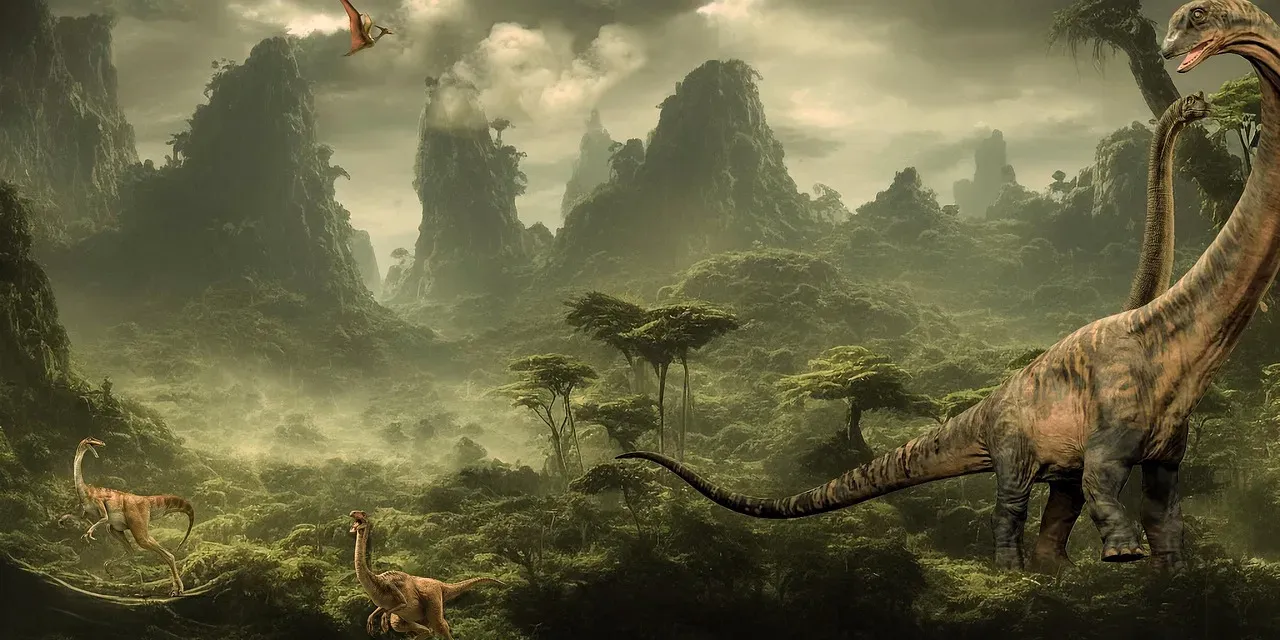
Let’s be real – when someone tells you the actual numbers here, your first reaction might be disbelief. Dinosaurs have always been recognized as an extremely varied group: over 900 non-avian dinosaur genera have been confidently identified, and estimates put the total number of dinosaur genera preserved in the fossil record at 1,850, with nearly three quarters still undiscovered. That means we’ve barely scratched the surface of what actually lived during the Mesozoic.
A 2016 estimate put the number of dinosaur species living in the Mesozoic at between roughly 1,543 and 2,468, compared to the number of modern-day birds at 10,806 species. Think about that comparison for a moment. Birds are technically dinosaurs, which means the lineage never truly ended. In the last four decades, there has been an exponential increase in dinosaur studies, with new species described at an average rate of two per week. Two per week. We are still discovering the full scope of Mesozoic biodiversity in real time.
The Giants of the Land: Sauropods and the Science of Enormous Size
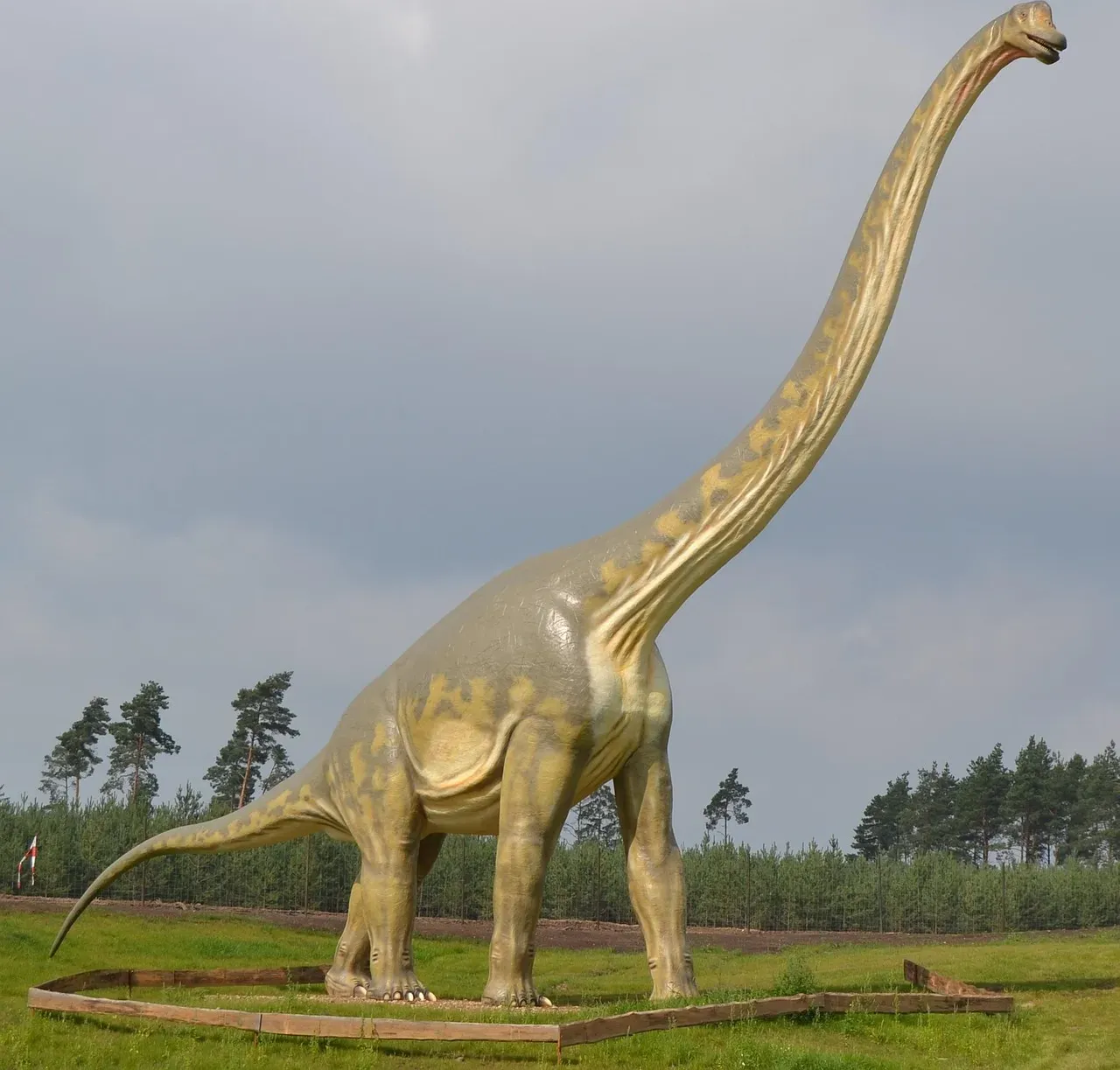
Nothing captures the imagination quite like an animal the size of a building that walked on land. The herbivorous sauropod dinosaurs of the Jurassic and Cretaceous periods were the largest terrestrial animals ever, surpassing the largest herbivorous mammals by an order of magnitude in body mass, with several evolutionary lineages among sauropods producing giants with body masses in excess of 50 metric tonnes by conservative estimates. For context, that’s roughly the weight of seven or eight adult African elephants stacked together.
Despite their large body size, which inversely correlates with diversity in mammals today, sauropods are the most diverse of any extinct dinosaur group, with hundreds of species known. It’s a bit like discovering that the biggest animals on Earth were also somehow the most varied. Sauropods became the largest land animals ever known during the Jurassic, and their bones have been found on every continent, being especially abundant toward the end of the Jurassic, with great boneyards of sauropod fossils found in China, Tanzania, and the United States. Their reach was truly global.
The Breaking of Pangaea: How Geography Supercharged Evolution
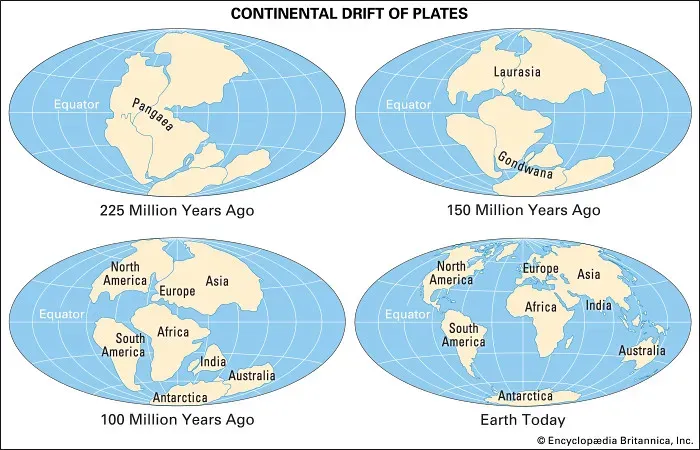
Here’s a concept that I think often gets overlooked: the sheer physical geography of the Mesozoic was itself an engine of biodiversity. The breakup of Pangaea not only shaped our modern world’s geography but biodiversity at the time as well, as throughout the Mesozoic, animals on the isolated, now separated island continents took strange evolutionary turns. Isolation is one of evolution’s most powerful tools. Separate a population long enough, and you get something entirely new.
Dinosaurs thrived for over 160 million years in Mesozoic ecosystems, displaying diverse ecological and evolutionary adaptations, with their ecology shaped by large-scale climatic and biogeographic changes, including temperature fluctuations and the breakup of Pangaea, influencing species richness, ecological diversity and biogeographic history. It’s hard to say for sure exactly how many distinct regional ecosystems emerged as the continents drifted apart, but paleontologists continue finding new answers. The climatic changes of the late Jurassic and Cretaceous favored further adaptive radiation. Change, it turns out, was a gift to biodiversity.
Conclusion: A Legacy That Never Truly Ended
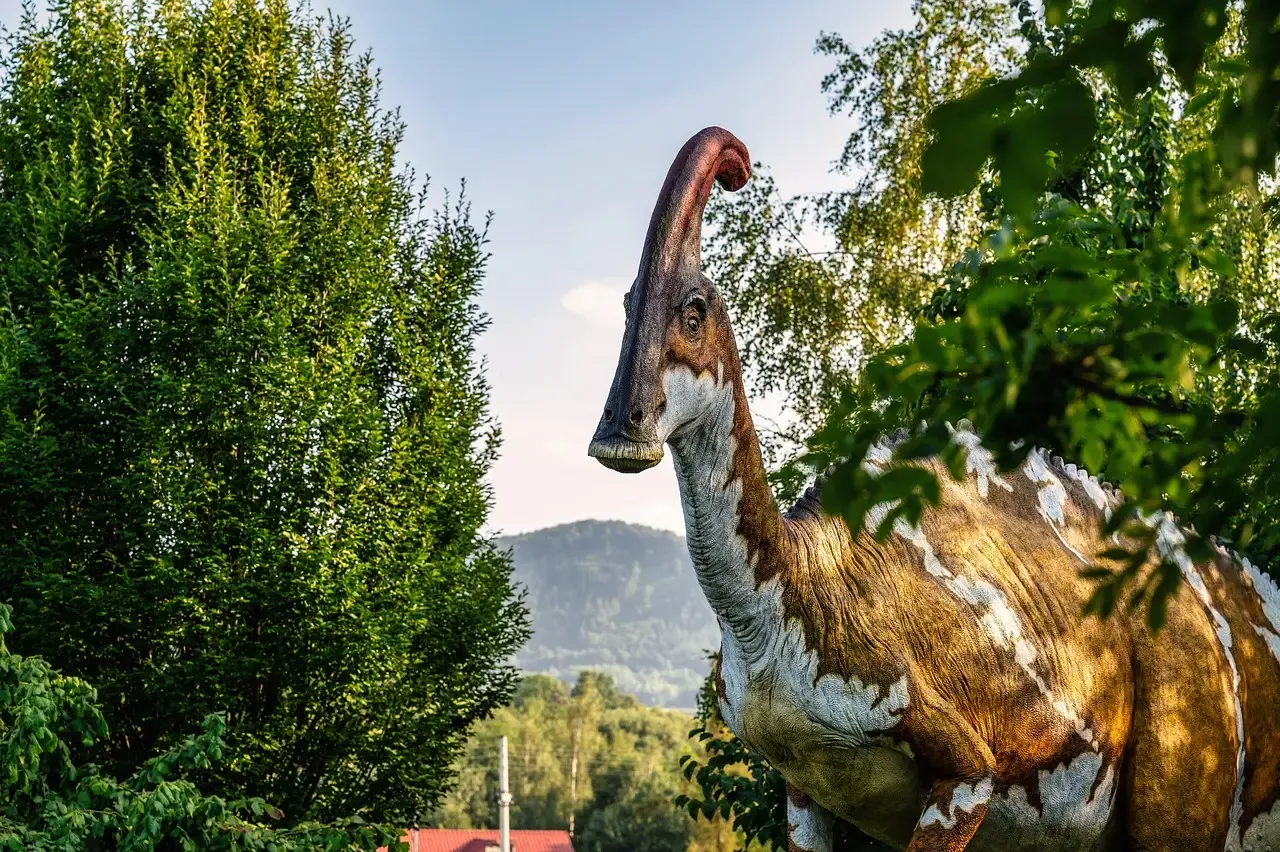
You might look up at a sparrow on your windowsill and not think much of it. Yet that small creature carries an unbroken biological lineage stretching back through the Mesozoic. Dinosaurs were the dominant terrestrial vertebrates of the Mesozoic Era, especially the Jurassic and Cretaceous periods, while other groups of animals were restricted in size and niches, with mammals, for example, rarely exceeding the size of a domestic cat. The Mesozoic was not simply a chapter about giant lizards. It was a master class in what life can become when time, space, and opportunity align.
The biodiversity of the Mesozoic Era was not just unparalleled for its time – it set the biological template for everything that came after. Every ecosystem you know today, every food web, every ecological relationship between predator and prey, carries the fingerprints of what evolved across those 186 million years. Dinosaurs dominated the Mesozoic Era for more than 160 million years, peaking during the late Jurassic to early Cretaceous periods, and they are thought to be the most successful animals ever to walk the Earth. And yet, the biggest surprise of all? Nearly three quarters of dinosaur genera are still waiting to be discovered. What do you think is still out there, buried beneath our feet?