You probably picture towering dinosaurs, crashing seas, and steamy jungles when you hear “Mesozoic Era” – and honestly, you’re not far off. This stretch of Earth’s history, spanning more than one hundred and eighty million years, really was the age of giants, but not just the reptilian kind you see in movies. You’re looking at a time when continents drifted apart, oceans rewrote coastlines, forests transformed the atmosphere, and the planet set the stage for the world you walk through today.
When you dive into the Mesozoic, you are not just learning about dinosaurs; you are stepping into a planet in motion. You watch supercontinents rip open, climates swing between extremes, and entire ecosystems rise and fall in waves of evolution and extinction. As you unpack this era, you start to see that its real legacy is not just in fossils, but in the way it shaped the ground beneath your feet, the air you breathe, and even the way life responds to crisis and change.
How the Mesozoic Era Fits into Earth’s Deep Timeline
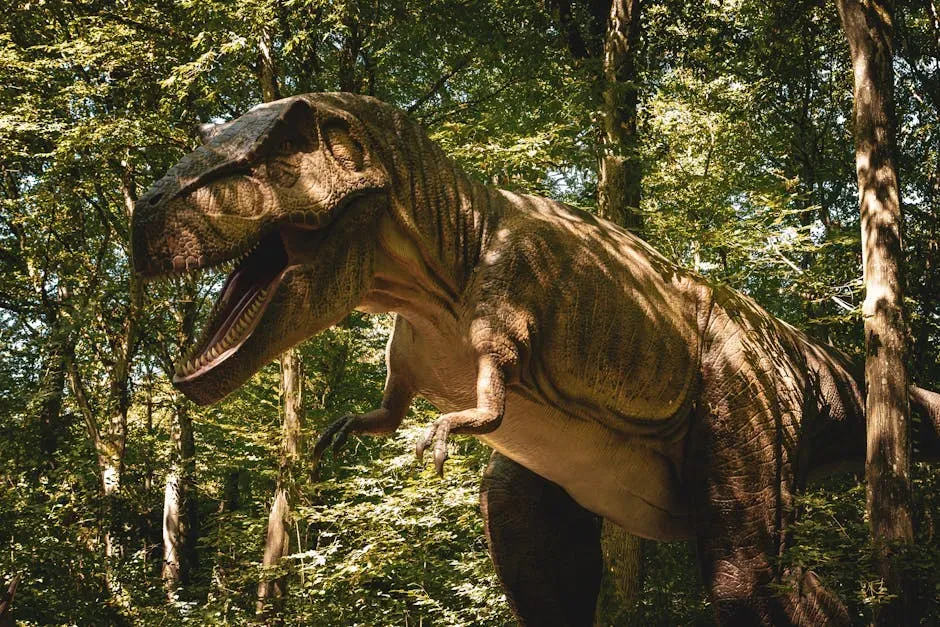
You live in a thin slice of time on a planet with a staggeringly long history, and the Mesozoic Era is just one chapter in that story – but what a chapter it is. It stretches from about two hundred fifty-two million years ago to sixty-six million years ago, wedged between two other big eras: the Paleozoic before it and the Cenozoic, which you’re still living in. When you zoom out, you see that the Mesozoic is the bridge between older, more primitive seas full of early life and the more modern world of mammals, birds, and flowering plants that you recognize today.
You can split the Mesozoic into three major periods: the Triassic, Jurassic, and Cretaceous. In the Triassic, you watch a recovering world after a devastating mass extinction cautiously filling up with new species; in the Jurassic, you see dinosaurs and lush forests explode across the continents; by the Cretaceous, you find complex ecosystems, early birds, and the first true flowering plants. Seeing it laid out like this helps you understand that the Mesozoic was not one static “dinosaur time,” but a long, evolving saga where life kept experimenting with new forms and strategies.
The World of Pangaea: A Supercontinent in Motion
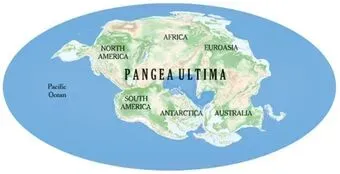
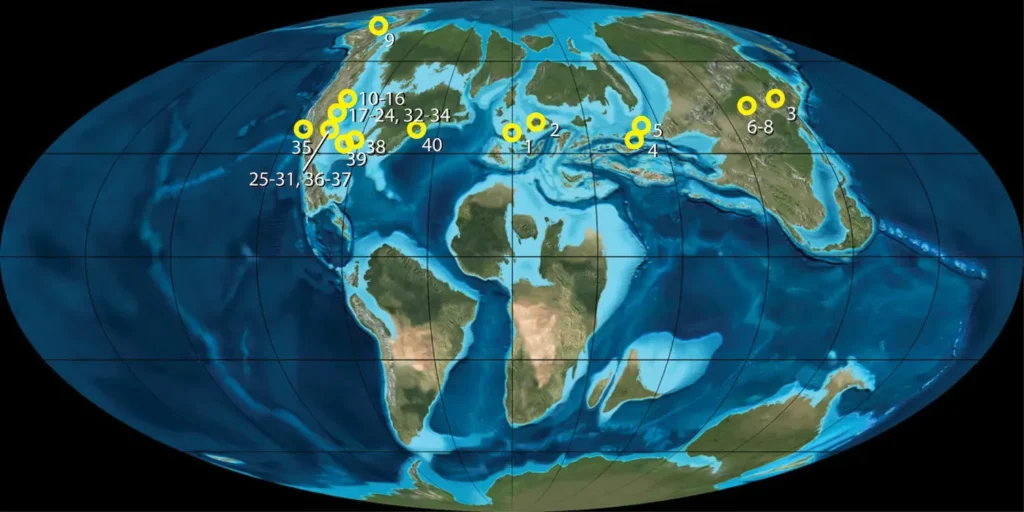
At the start of the Mesozoic, you would stand on a planet dominated by a single colossal landmass: Pangaea. If you could look at a map from that time, you’d see almost all of Earth’s continents welded together, surrounded by a vast global ocean. For you, this means a world where animals and plants could spread across enormous distances without being cut off by major seas, which helped early dinosaurs and other reptiles roam far and wide.
But as the Mesozoic goes on, you watch Pangaea tear itself apart. Great rifts open, magma wells up, and slowly, the land fractures into pieces that drift into the positions you’d recognize as the beginnings of today’s continents. As these chunks of land move, oceans widen, climates shift, and coastlines multiply, giving you new shallow seas and coastal habitats that explode with life. By the end of the Mesozoic, you’re not looking at one giant landmass anymore, but a patchwork world starting to resemble your modern globe.
Climate Extremes and Changing Seas
If you could step into the Mesozoic, you’d feel a world that, for much of the time, was warmer than the one you know now. You wouldn’t see permanent ice caps at the poles the way you do today; instead, you’d find temperate to subtropical climates stretching to high latitudes. That warmth, combined with higher sea levels at many points, would surround you with expansive shallow seas that flooded low-lying areas of the continents, turning inland regions into rich marine habitats.
As the era unfolds, you watch climate patterns change as continents drift and mountain ranges rise. Ocean currents shift, sea levels rise and fall, and certain times bring intense volcanic activity that floods the atmosphere with gases, altering temperatures and ocean chemistry. When you understand how sensitive the Mesozoic climate was to changes in greenhouse gases and geography, you see modern climate shifts in a different light: not as something new to Earth, but as something life has had to survive and adapt to many times before.
The Rise and Rule of the Dinosaurs
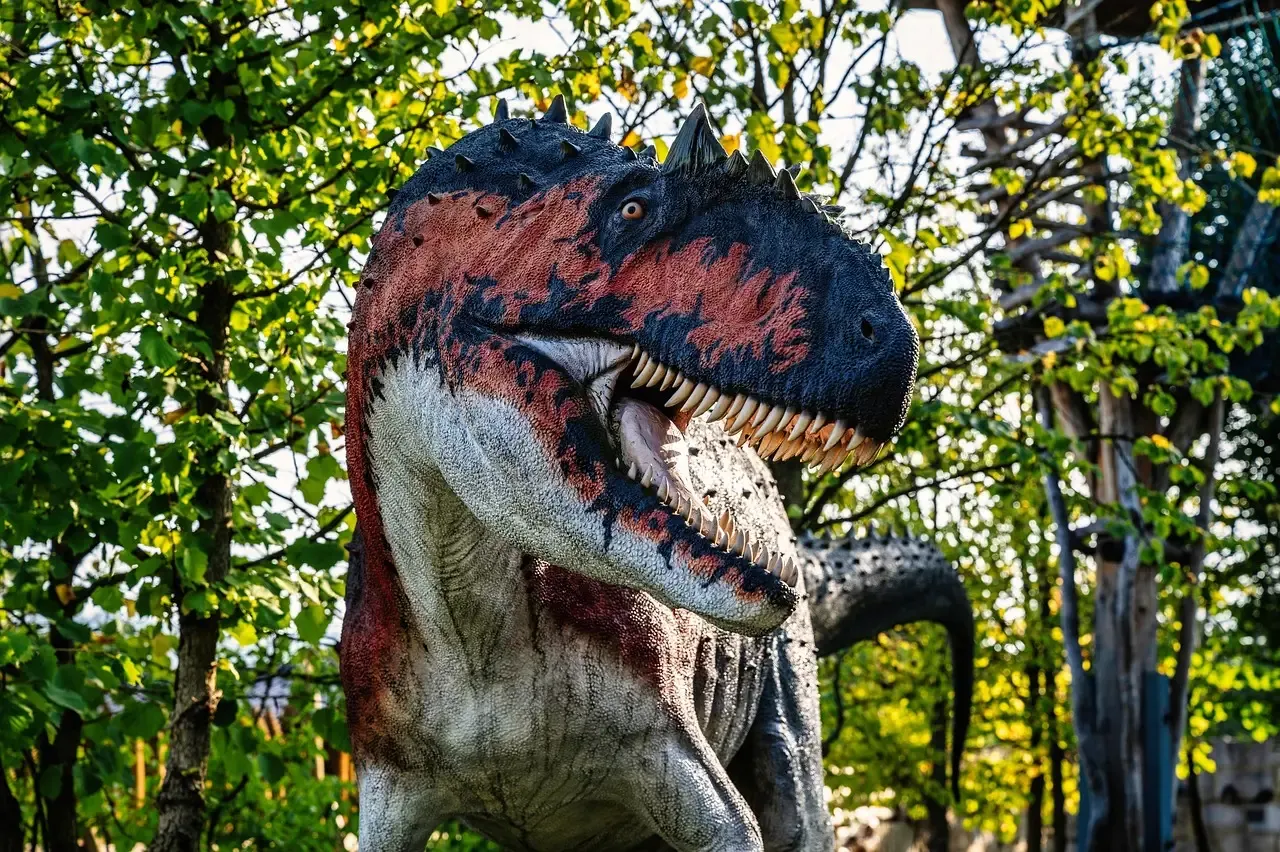
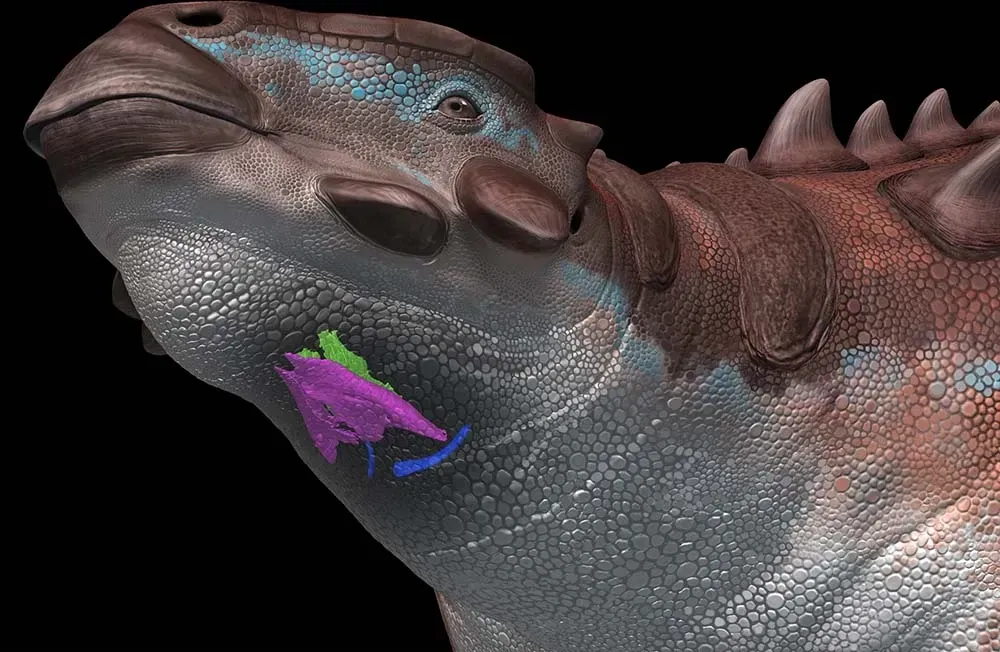
When you first meet dinosaurs in the early Triassic, they’re not the unstoppable giants you might expect; they start out as relatively small, two-legged creatures competing with other reptile groups. But as ecosystems recover from the earlier mass extinction and climates remain generally warm, dinosaurs begin to diversify and take over open niches. Over tens of millions of years, you watch them transform into towering sauropods, armored tank-like herbivores, nimble predators, and an astonishing range of body plans and lifestyles.
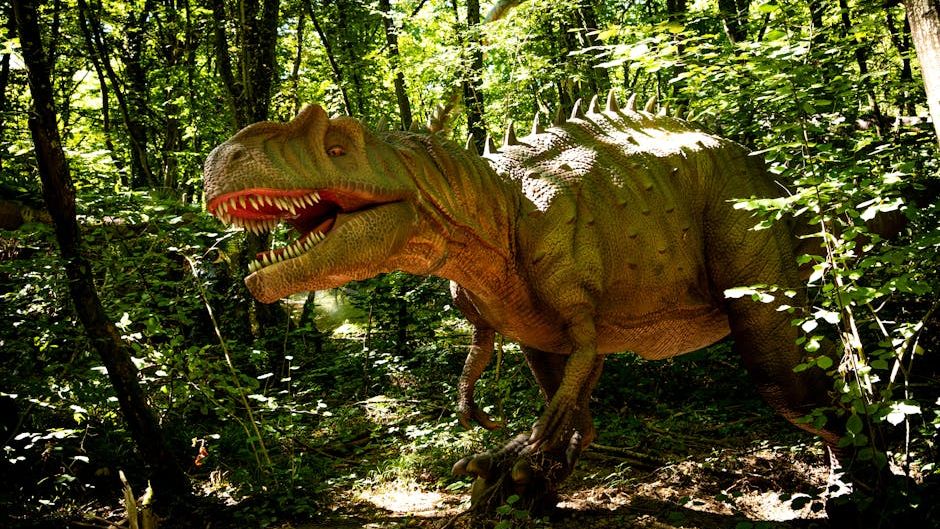
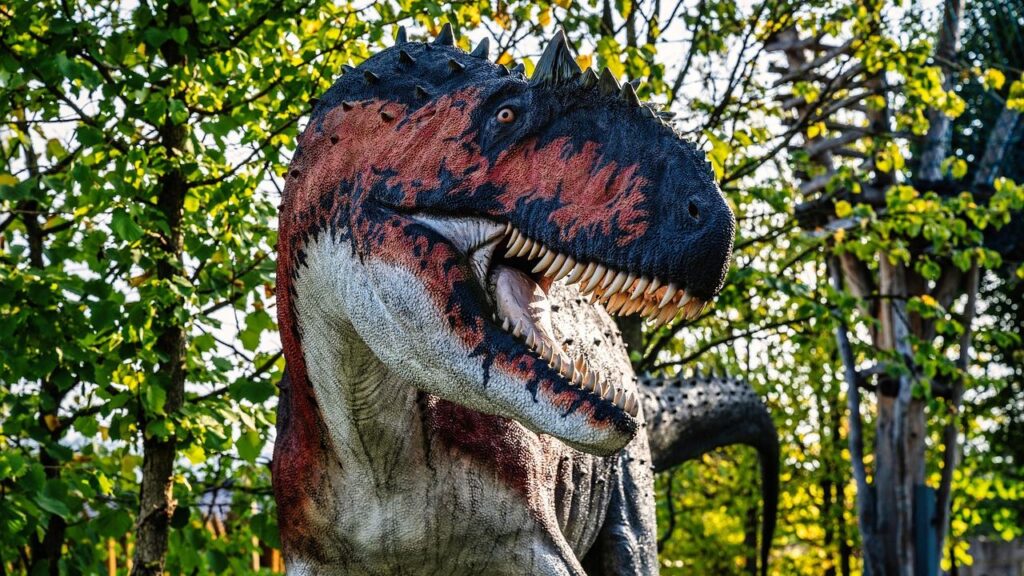
During the Jurassic and Cretaceous, if you walked through many of the world’s environments, dinosaurs would dominate your field of view on land. You’d see herds of long-necked giants sweeping through forests, stealthy predators stalking prey, and smaller, agile forms zipping through undergrowth. At the same time, you’d notice that dinosaurs were not alone; they shared their world with crocodile relatives, early mammals, flying reptiles, and an entire supporting cast of smaller creatures. For you, this burst of diversity is a powerful reminder that even the most successful groups rise from humble beginnings and, eventually, face their own limits.
Giants of Sky and Sea: Pterosaurs and Marine Reptiles
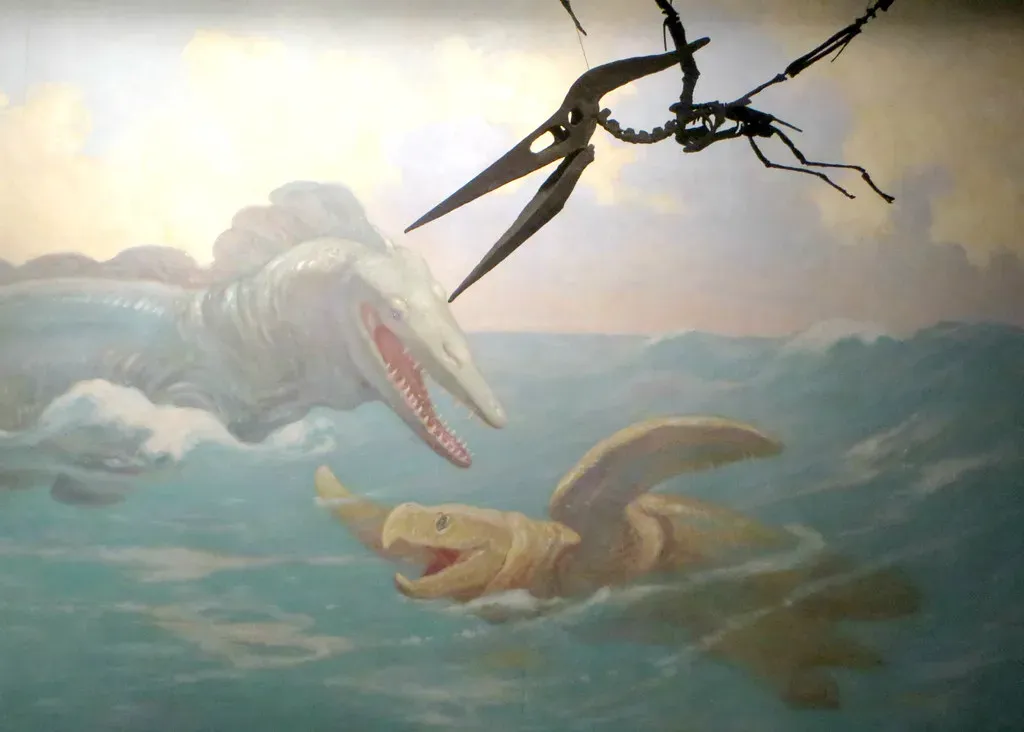
When you lift your eyes above the dinosaur-filled landscape, you don’t see birds dominating the skies at first; you see pterosaurs, the flying reptiles that mastered the air long before modern birds evolved. Imagine looking up and spotting creatures with wingspans wider than a small plane, soaring over coastlines and inland lakes. Some would be delicate insect hunters, others fish-snatchers skimming the water, all showing you that flight evolved in more than one creative way on this planet.
Then, when you turn toward the oceans, the sense of grandeur only grows. You watch streamlined ichthyosaurs powering through the water like reptilian dolphins, long-necked plesiosaurs cruising through ancient seas, and massive mosasaurs ruling the top of the marine food chain late in the Cretaceous. These animals are not dinosaurs, but they share the same stage and reveal how the Mesozoic pushed life into every available niche on land, in the sea, and in the air. For you, they highlight the idea that “age of giants” applies just as much to the oceans and the skies as it does to the ground under your feet.
Plants Transforming the Planet: From Conifer Forests to Flowers
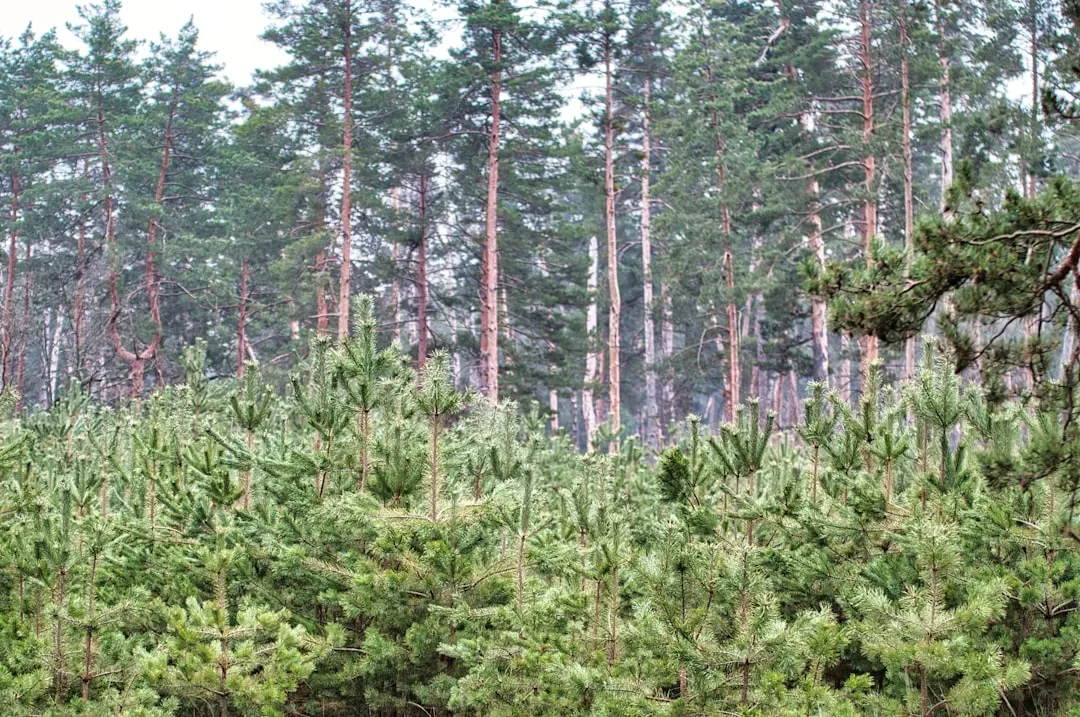
If you walked through a Mesozoic forest early on, you wouldn’t find familiar oaks and maples; instead, you’d move among towering conifers, cycads with palm-like fronds, and ginkgo trees with fan-shaped leaves. These plants dominate many landscapes in the Triassic and Jurassic, shaping shade, food supplies, and shelter for the animals around them. You’d feel like you were moving through a world both alien and strangely familiar, with evergreen forests stretching across large parts of the continents.
Then, during the Cretaceous, you witness one of the most important botanical revolutions in Earth’s history: the rise of flowering plants. As these new plants spread, they change everything from soil chemistry to insect behavior, drawing in pollinators like bees and butterflies and creating more complex food webs. For you, this shift is a turning point, because many of the fruits, seeds, and flowers you rely on today are part of that legacy. Once flowering plants take hold, they never give up their grip on the planet’s landscapes.
Early Mammals and Birds: The Underdogs of the Age of Reptiles
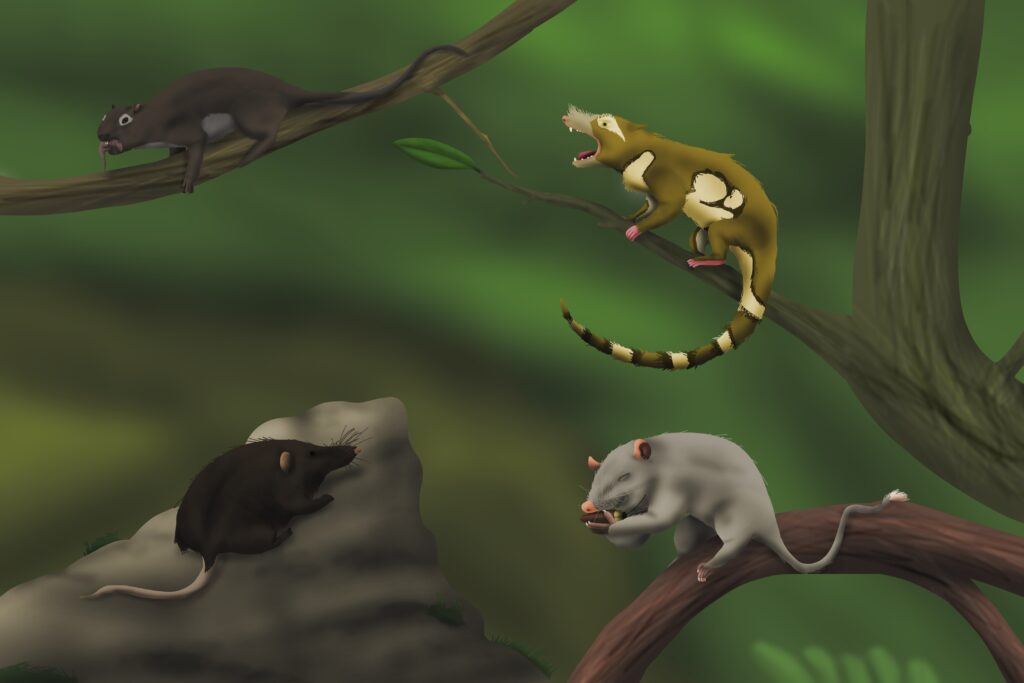
While your attention might go straight to the dinosaurs, you’d be missing a quieter, more subtle story unfolding in the shadows: the rise of early mammals. These mammals start out small, often nocturnal, and usually overshadowed by larger reptiles, but they are experimenting with traits that will later define your own lineage. You’d find them nesting in burrows, climbing through trees, and nibbling on insects, seeds, or small prey, surviving by staying flexible and unobtrusive.
At the same time, a branch of small, feathered dinosaurs gradually gives rise to the first true birds. You would see feathered creatures with teeth and claws on their wings, blending dinosaur and bird-like features in ways that might surprise you. As they learn to glide, flutter, and eventually powerfully fly, they open up new ecological roles in the skies. When you recognize that birds are living dinosaur descendants and mammals were already quietly waiting in the wings, you start to see the Mesozoic not just as a lost age, but as the launching pad for much of the everyday life you see around you now.
Extinction Events and the End of the Dinosaurs
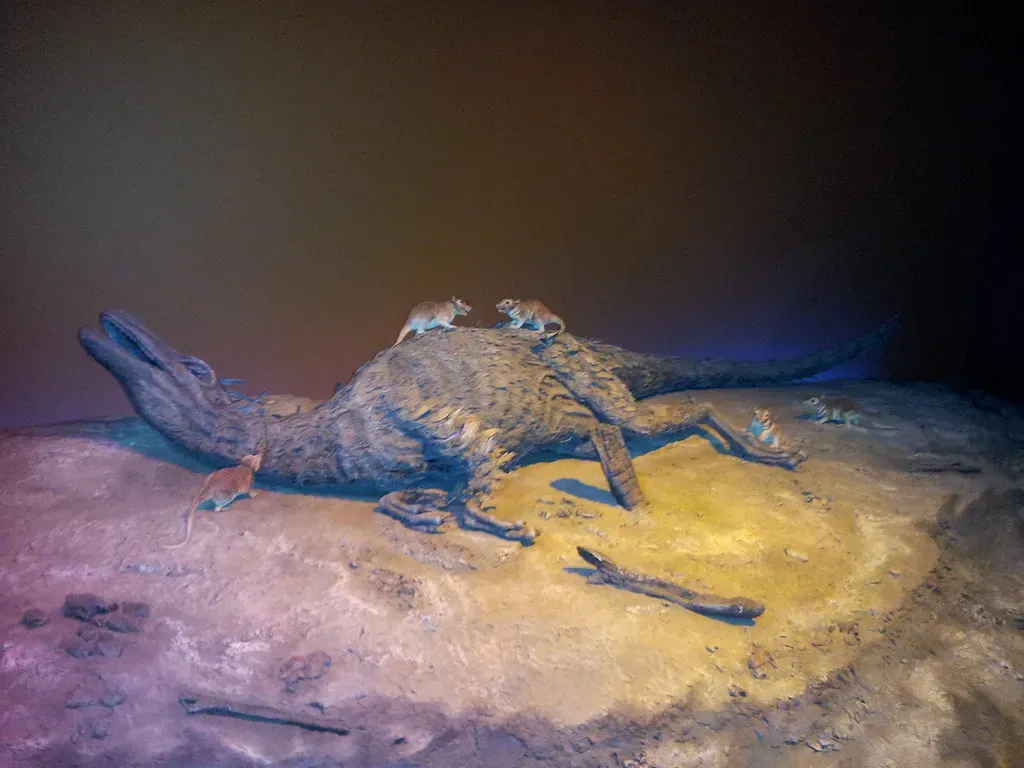
The Mesozoic both begins and ends with drama that reshapes life on Earth. At its start, life is recovering from the largest mass extinction in known history, an event at the end of the Paleozoic that wipes out the vast majority of species and clears ecological space for new groups like dinosaurs to evolve. You watch a world claw its way back from the brink, with each new species representing a fresh attempt by life to reclaim lost ground and rebuild functioning ecosystems.
Then, at the end of the Cretaceous, you see another catastrophe slam into the planet. A large asteroid impact, combined with intense volcanic activity and environmental stress, brings on a mass extinction that ends the reign of non-avian dinosaurs and many marine reptiles. For you, it is a brutal example of how quickly dominance can vanish, no matter how successful a group seems. Yet, in that devastation, mammals and surviving birds find new opportunities, stepping into emptied niches and starting the next era’s story.
The Mesozoic Legacy in Your Modern World
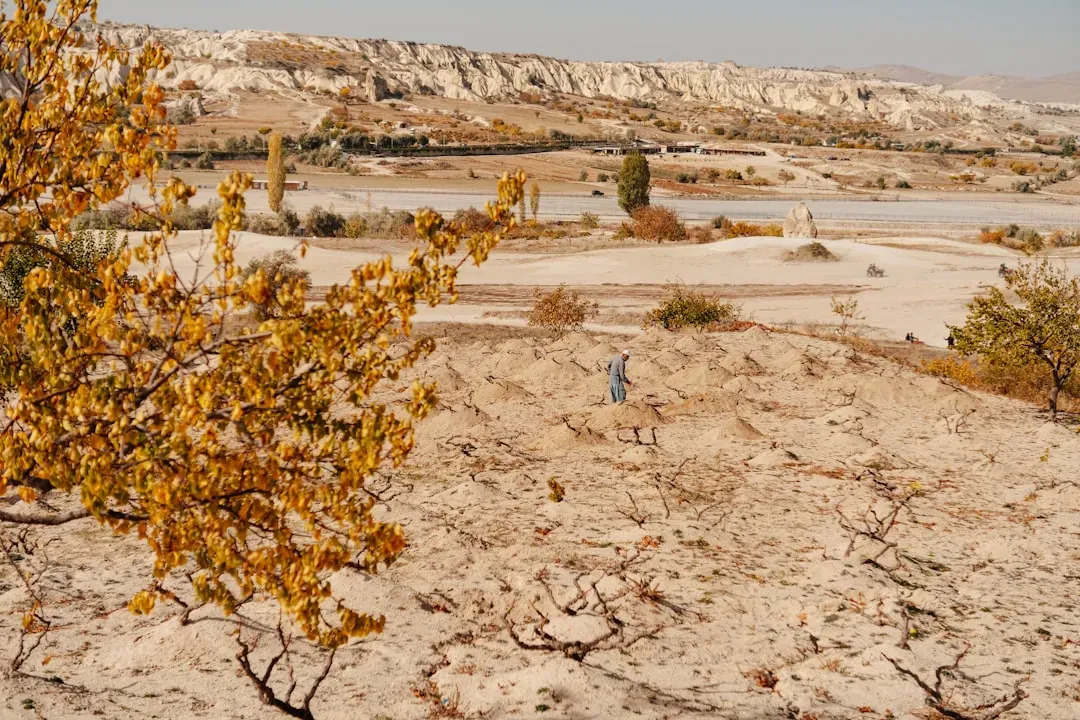
When you look around your world today, you’re still living with the fingerprints of the Mesozoic everywhere. The arrangement of continents, with familiar shapes like North America, Africa, and Eurasia, is the long-term result of the tectonic drifting that began when Pangaea broke apart. Mountain ranges, ocean basins, and many of the climate patterns you take for granted were nudged into place during this era of shifting plates and changing seas. Every time you glance at a world map, you are, in a way, looking at the Mesozoic’s unfinished artwork.
You also carry biological echoes of that time in your everyday life. Birds in your backyard, conifers in your parks, and flowering plants in your grocery store all trace parts of their stories back to Mesozoic experiments. Even the way your own mammalian body works, from warm-blooded metabolism to complex brains, grew out of lineages that survived in the margins of dinosaur-dominated ecosystems. When you study the Mesozoic, you are not just gazing at a lost world; you are learning how your own world came to be and how life responds when everything changes faster than seems possible.
In the end, when you step back from the fossils, maps, and timelines, you’re left with a simple, powerful realization: the Mesozoic Era was not just an age of spectacle, it was an engine of transformation. As you trace its giants, its quiet underdogs, its shifting continents, and its sudden catastrophes, you begin to see your planet as a restless, creative place where change is the rule, not the exception. That perspective can stay with you every time you hear about today’s environmental challenges and wonder how life, once again, will adapt and endure.