When the first dinosaur fossils were unearthed in the early 19th century, they presented a profound puzzle to the scientific community. These mysterious bones challenged existing taxonomic systems and contradicted prevailing beliefs about Earth’s history. Early paleontologists found themselves navigating uncharted scientific territory, often making spectacular misidentifications that seem almost comical by modern standards.
The journey from discovering strange bones to understanding dinosaurs as a distinct group of animals spans decades of scientific detective work, fierce academic rivalries, and paradigm-shifting revelations. This fascinating chapter in scientific history demonstrates how knowledge evolves through observation, hypothesis, debate, and revision—a process that continues in paleontology today.
The Pre-Dinosaur Scientific Landscape
Before dinosaurs entered scientific consciousness, natural philosophers operated within a framework heavily influenced by Biblical chronology and catastrophism. Most Western scientists in the early 1800s believed Earth was relatively young—perhaps only thousands of years old—and that fossil remains represented animals that had perished during Noah’s flood or similar catastrophic events. The concept of extinction was still controversial, with influential figures like Georges Cuvier only recently establishing it as a biological reality.
Taxonomy was governed by the Linnaean system, which worked well for living organisms but provided no clear place for creatures that seemed to combine features of multiple known groups. This intellectual environment, with its limited understanding of geological time and evolutionary relationships, made the proper classification of dinosaur remains exceptionally difficult for early discoverers who lacked our modern conceptual framework.
The Curious Case of the Megalosaurus
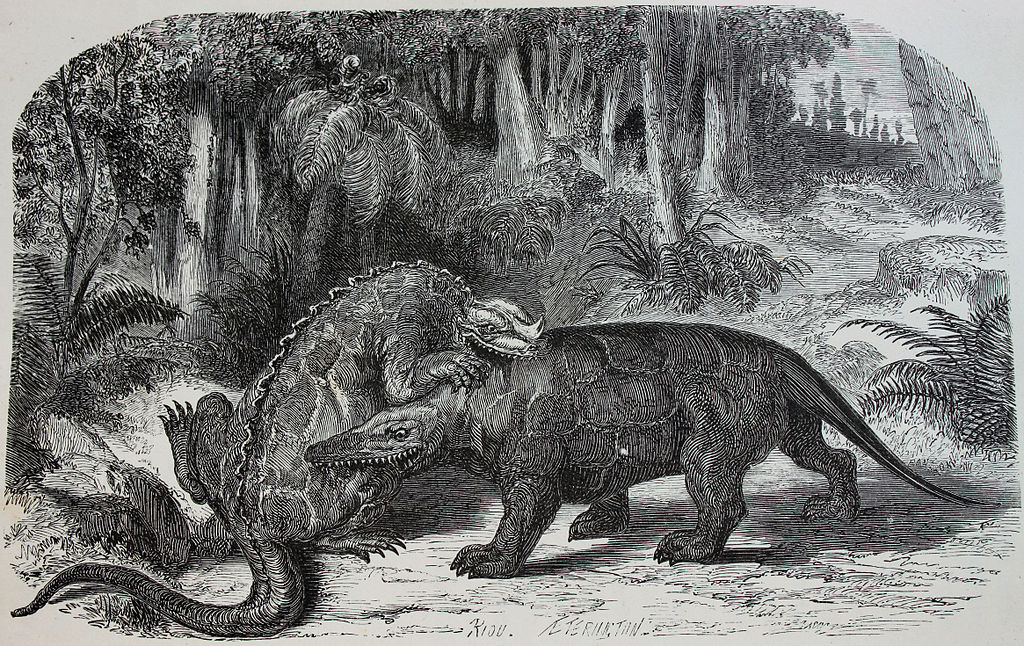
The first scientifically described dinosaur was Megalosaurus, initially represented by a fragment of jawbone found in Oxfordshire, England. When examined by William Buckland in 1824, this specimen presented an immediate classification challenge due to its enormous size and unusual teeth. Buckland correctly recognized it as a reptile but struggled to determine its precise relationships to known groups. His description of Megalosaurus as a “great fossil lizard” reflected the limitations of available taxonomic categories.
The fragmentary nature of the evidence further complicated matters, as Buckland had no complete skeleton to examine. Most amusingly, early reconstructions of Megalosaurus portrayed it as essentially a gigantic lizard walking on all fours, despite anatomical evidence suggesting otherwise. This misinterpretation highlights how preconceived notions about reptilian form influenced early dinosaur classifications, leading scientists to force new discoveries into familiar categories rather than recognizing their true novelty.
Iguanodon’s Thumb Spike Confusion
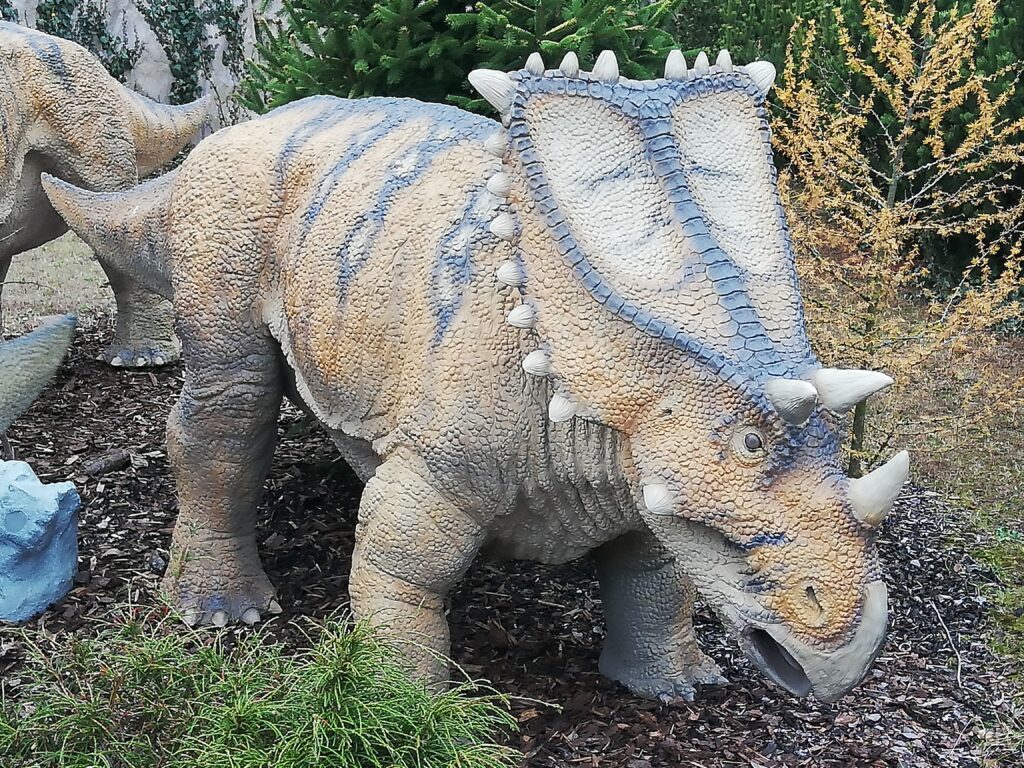
Few early dinosaur misclassifications are as iconic as the case of Iguanodon’s thumb spike. When Gideon Mantell described Iguanodon in the 1820s, he had only fragmentary remains to work with, including a distinctive conical spike. Without a complete skeleton to guide him, Mantell initially believed this spike was a horn that belonged on the creature’s nose, similar to a rhinoceros. This interpretation dominated early reconstructions of Iguanodon, which appeared as a massive, rhinoceros-like reptile with a horn on its snout.
It wasn’t until more complete specimens were discovered decades later that paleontologists realized the “horn” was actually a modified thumb spike that likely served as a defensive weapon. This dramatic reinterpretation completely changed scientific understanding of Iguanodon’s appearance and lifestyle, transforming it from a quadrupedal, horned beast to a creature capable of bipedal locomotion with distinctive forelimbs. The Iguanodon thumb spike story illustrates how drastically interpretations can change when fragmentary evidence is supplemented by more complete specimens.
The Reptile-Bird Classification Conundrum
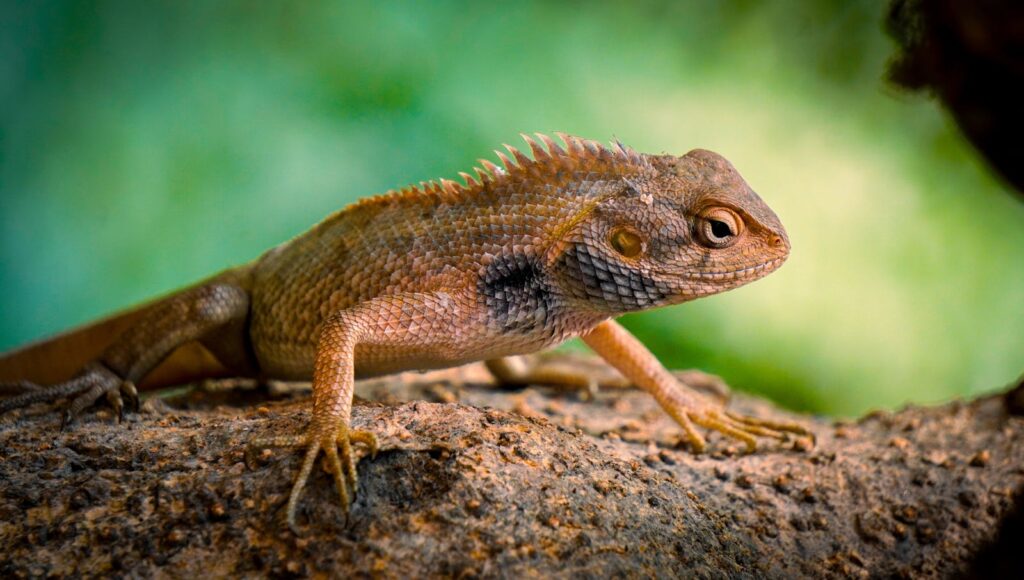
Early dinosaur fossils created profound classification headaches because many specimens seemed to straddle the boundary between reptiles and birds—a taxonomic division considered quite distinct in pre-evolutionary science. When Thomas Henry Huxley later noted the similarities between Compsognathus (a small dinosaur) and Archaeopteryx (the first recognized fossil bird), he highlighted a fundamental problem in classification that had confounded earlier paleontologists.
Dinosaurs possess features of both groups—scales and cold-bloodedness like reptiles, but sometimes bird-like hip structures, hollow bones, and eventually, in some cases, feathers. Without evolutionary theory to explain these similarities through common ancestry, early scientists were left trying to force dinosaurs into existing categories where they never quite fit.
Some fossils were misclassified as giant birds, while others were interpreted as unusual reptiles, with neither classification satisfactorily addressing their unique anatomical features. This taxonomic uncertainty persisted until dinosaurs were eventually recognized as their own distinct group with evolutionary connections to both traditional reptiles and birds.
Sir Richard Owen and the Birth of “Dinosauria”
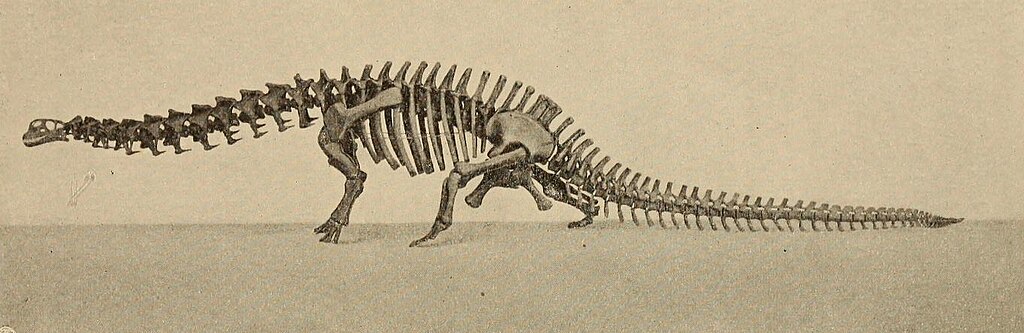
The term “dinosaur” didn’t exist until 1842, when British anatomist Sir Richard Owen coined “Dinosauria” to group together Megalosaurus, Iguanodon, and Hylaeosaurus. Owen’s taxonomic innovation came after he recognized these creatures shared distinctive anatomical features that set them apart from other reptiles, including specialized hip structures and upright limb positions.
Though Owen himself remained firmly opposed to evolutionary explanations, his recognition of dinosaurs as a distinct group represented a crucial step forward in classification. However, Owen’s conceptualization of dinosaurs as “fearfully great lizards” that were essentially overgrown reptiles still underestimated their diversity and unique adaptations.
His influential Crystal Palace reconstructions, unveiled in 1854, depicted dinosaurs as essentially scaled-up modern reptiles—quadrupedal, lizard-like creatures rather than the dynamic, often bipedal animals we now understand many of them to be. These popular misconceptions persisted in both scientific literature and public imagination for decades, showing how even significant classificatory advances can incorporate fundamental misunderstandings.
The Battle of the Bone Wars
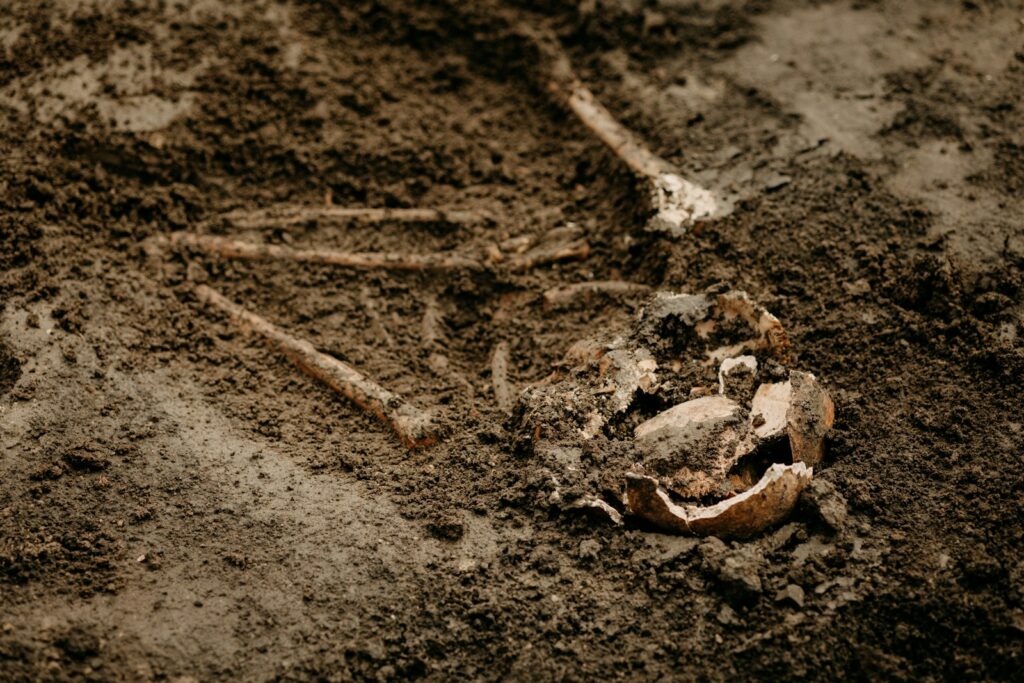
The infamous “Bone Wars” of the late 19th century between American paleontologists Othniel Charles Marsh and Edward Drinker Cope dramatically expanded dinosaur discoveries while simultaneously creating classification chaos. Their bitter rivalry drove both men to name new species hastily, often based on incomplete specimens, leading to numerous taxonomic errors and duplications.
Marsh once assembled a skeleton of Apatosaurus but placed the wrong skull on it—that of Camarasaurus—creating a chimeric reconstruction that persisted in museums for nearly a century. Meanwhile, Cope notoriously assembled the skeleton of Elasmosaurus with its head on the end of its tail rather than its neck, an error his rival Marsh gleefully pointed out.
Despite these embarrassing mistakes, the Bone Wars contributed enormously to dinosaur science, yielding descriptions of over 140 new species. The classification problems stemming from this period required decades of subsequent research to untangle, with some taxonomic disputes continuing to the present day. This episode demonstrates how human factors like competition and haste can significantly complicate scientific classification.
Dinosaurs as Cold-Blooded Failures
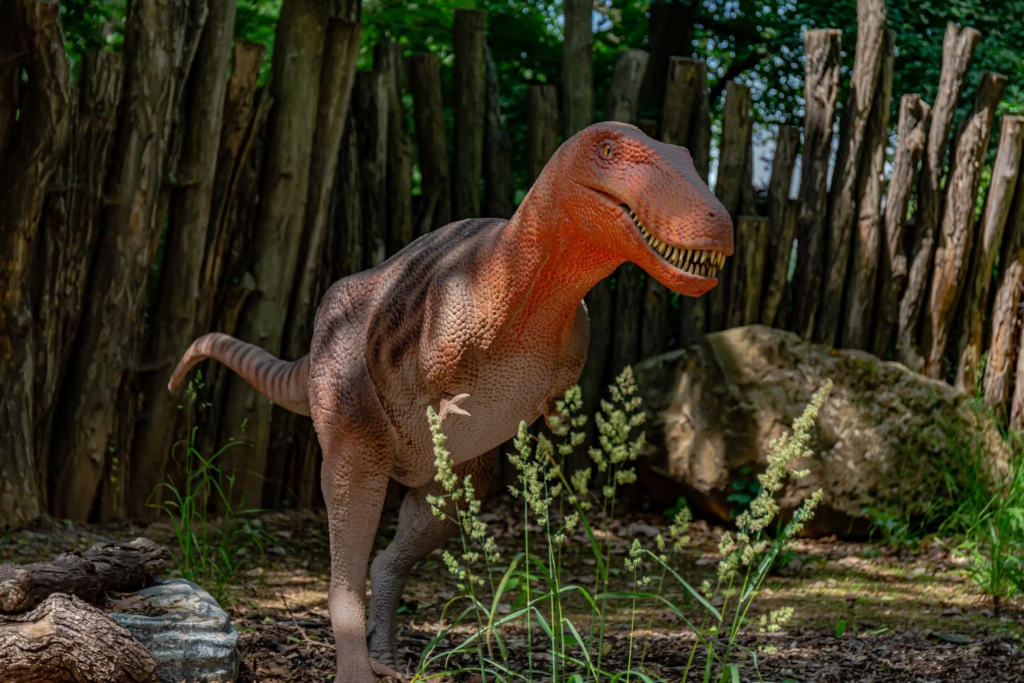
For much of the early 20th century, dinosaurs were classified as reptiles in the most limiting sense of the term, presumed to be cold-blooded, slow-moving, and evolutionarily unsuccessful. This classification stemmed partly from comparisons with modern reptiles and partly from an incomplete understanding of dinosaur physiology and ecology.
Scientists like Edwin Colbert characterized dinosaurs as evolutionary dead ends—creatures whose massive size and specialized adaptations made them vulnerable to extinction when environmental conditions changed. This interpretation influenced how dinosaurs were reconstructed physically, typically as lumbering, tail-dragging behemoths incapable of quick movement or complex behaviors. The portrayal of dinosaurs as failed prehistoric monsters rather than successful animals reflected both classification biases and the limited fossil evidence available.
It wasn’t until the “Dinosaur Renaissance” of the 1960s and 1970s that this classification paradigm was seriously challenged by paleontologists who recognized evidence suggesting many dinosaurs were active, potentially warm-blooded creatures that had dominated terrestrial ecosystems for over 150 million years—hardly evolutionary failures by any reasonable definition.
Fragmentary Remains and Speculative Reconstructions
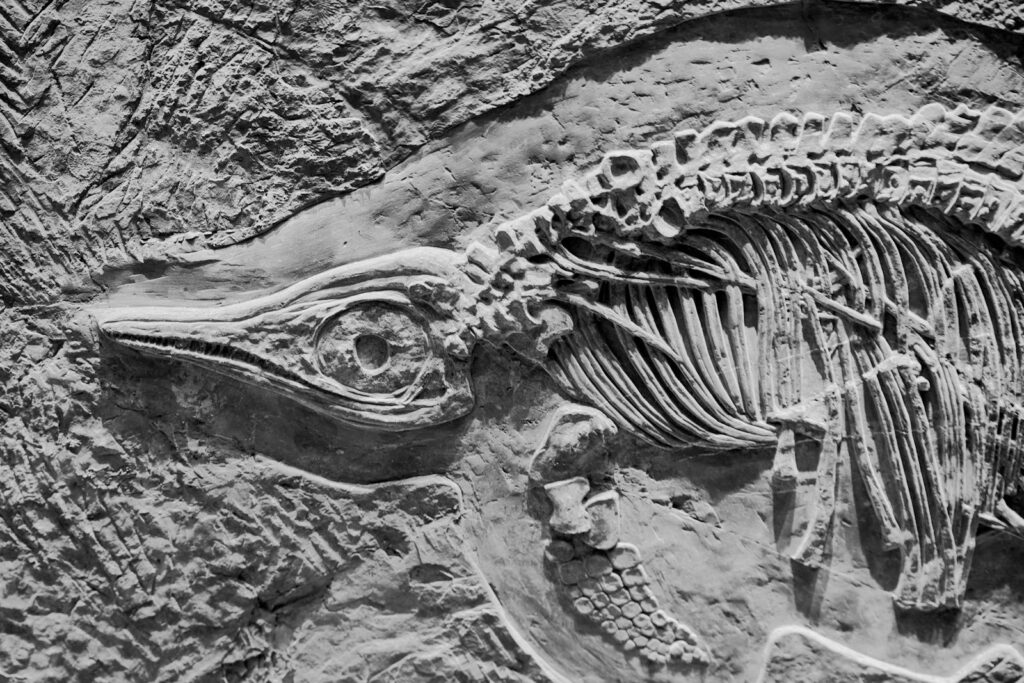
Many early classification errors stemmed from the fragmentary nature of dinosaur fossils, which forced paleontologists to make extensive speculative leaps when reconstructing extinct animals. A jawbone, a few vertebrae, and perhaps a limb element might be the only evidence available for an entire species, leaving scientists to fill in enormous gaps with informed—but often incorrect—guesswork.
The Trachodon “mummy” discovered in 1908 provided a rare impression of dinosaur skin, leading to the assumption that all dinosaurs had reptile-like scales, a generalization that modern discoveries of feathered dinosaurs have thoroughly disproven. Similarly, incomplete remains of Iguanodon led to the quadrupedal, rhino-like reconstruction that stood in Crystal Palace Park in London, bearing little resemblance to how we now understand this dinosaur.
The history of Brontosaurus (now Apatosaurus) provides another famous example—reconstructed for decades with the wrong skull and immortalized in that incorrect form in museums worldwide. These cases demonstrate how classification and reconstruction errors compounded each other, with mistaken taxonomic assumptions leading to physical reconstructions that further reinforced incorrect conceptual models.
Reconciling Dinosaurs with Religious Worldviews
Early dinosaur classification was further complicated by attempts to reconcile these new discoveries with prevailing religious interpretations of Earth’s history. Before geological time was well understood, some naturalists proposed that dinosaur fossils represented animals that had perished in Noah’s flood, explaining their extinction without requiring Earth to be older than Biblical chronology suggested.
Others speculated that dinosaurs represented “dragons” or other creatures mentioned in ancient texts, attempting to fit these puzzling remains into existing worldviews. The influential paleontologist Richard Owen, despite his scientific acumen, maintained that dinosaurs had been created by God in essentially their discovered form, rejecting evolutionary explanations for their origins and relationships.
Some museums and educational institutions in the 19th century presented dinosaurs as evidence of “antediluvian” creatures—those that existed before the Biblical flood—rather than as animals from a vastly different geological epoch. These theological interpretations created classification problems by prioritizing consistency with religious texts over anatomical evidence, contributing to the delayed recognition of dinosaurs’ true place in the evolutionary history of life.
The Missing Link Between Reptiles and Birds
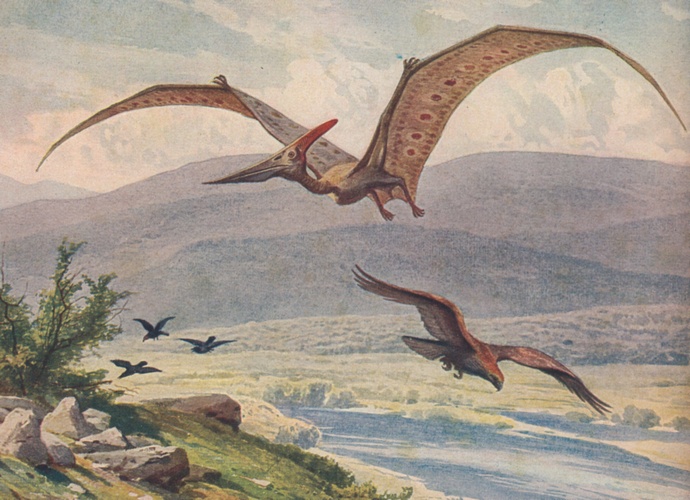
The discovery of Archaeopteryx in 1861 created a classification crisis that echoed through dinosaur paleontology for over a century. This remarkable fossil from Germany possessed both reptilian features (teeth, bony tail, clawed fingers) and avian characteristics (feathers, wishbone), making it difficult to classify within existing taxonomic frameworks.
Thomas Henry Huxley recognized similarities between Archaeopteryx and small dinosaurs like Compsognathus, suggesting an evolutionary connection between dinosaurs and birds that contradicted the sharp taxonomic divisions of the time. However, this insight was largely ignored for decades, with most scientists preferring to keep dinosaurs classified as distinctly reptilian and birds as a separate evolutionary development.
The discovery of clearly feathered dinosaurs in China’s Liaoning Province in the 1990s finally provided irrefutable evidence of the dinosaur-bird connection, forcing a fundamental rethinking of dinosaur classification. Modern taxonomy now recognizes birds as a surviving lineage of theropod dinosaurs, meaning dinosaurs never truly went extinct and our classification systems have been reorganized to reflect this evolutionary reality—a conceptual shift early paleontologists could scarcely have imagined.
Shifting Views on Dinosaur Posture and Locomotion
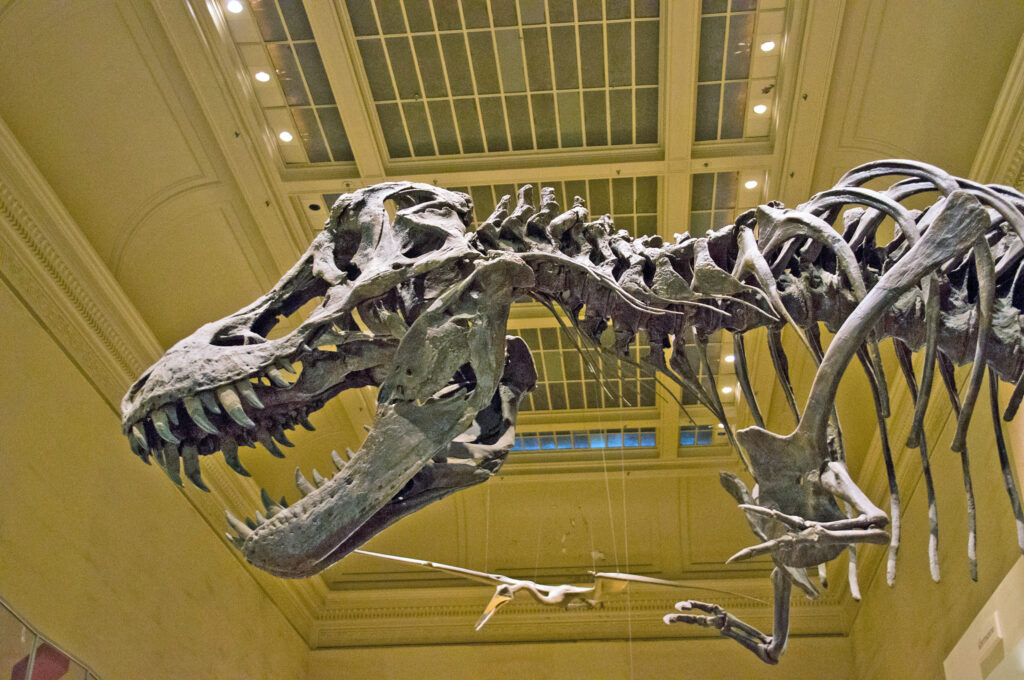
Perhaps no aspect of dinosaur classification caused more consistent confusion than determining how these animals carried themselves and moved. Early reconstructions almost universally depicted dinosaurs in sprawling, lizard-like postures with their bellies close to the ground and tails dragging behind them. This interpretation stemmed from classification biases that aligned dinosaurs with modern reptiles rather than accurately interpreting their skeletal anatomy.
When Yale paleontologist Richard Swann Lull built the first mounted Stegosaurus skeleton in 1910, he gave it a distinctly lizard-like sprawl that we now know was anatomically impossible given its hip structure. It wasn’t until the work of scientists like Robert Bakker in the 1960s that paleontologists widely accepted that many dinosaurs held their bodies completely differently from modern reptiles—with limbs positioned beneath their bodies and tails held aloft as counterbalances.
This fundamental reinterpretation of dinosaur posture and movement capabilities transformed understanding of their biology, ecology, and evolutionary relationships. The classification error of forcing dinosaur body plans to conform to modern reptilian models had profound consequences, delaying recognition of dinosaurs’ unique adaptations and ecological roles for over a century.
The Dinosaur Renaissance Changes Everything
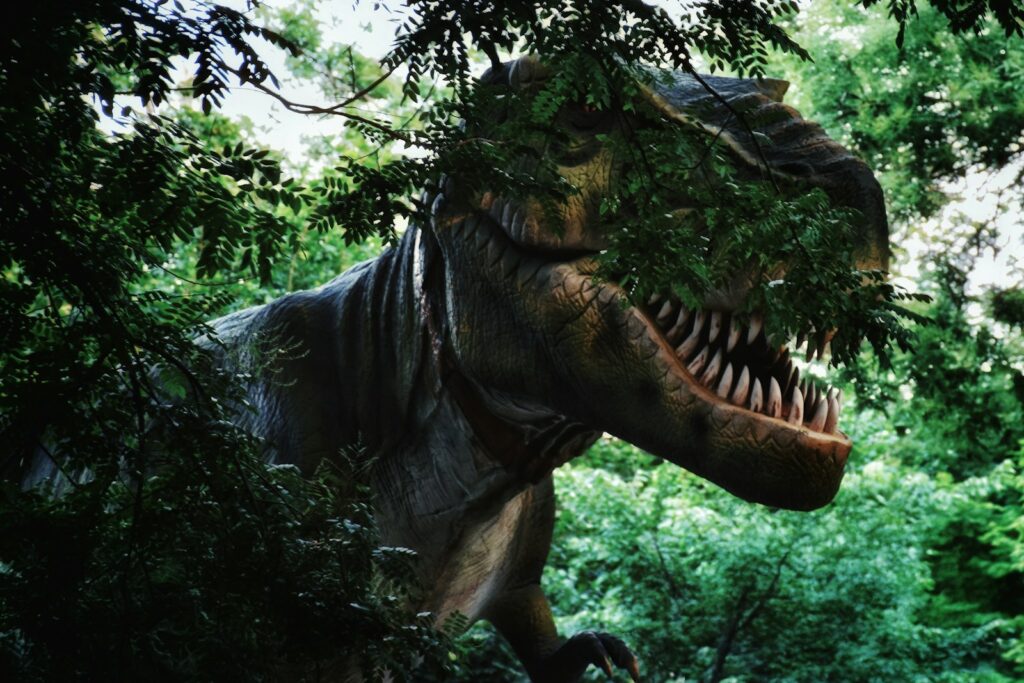
The “Dinosaur Renaissance” of the 1960s and 1970s revolutionized dinosaur classification by challenging fundamental assumptions about these animals that had persisted since their discovery. Led by paleontologists like John Ostrom, Robert Bakker, and later Jack Horner, this movement reinterpreted dinosaur fossils through a more modern anatomical lens, recognizing evidence of active lifestyles, social behaviors, and possibly warm-blooded physiology that had been overlooked by earlier researchers.
Ostrom’s work on Deinonychus revealed a highly agile, likely warm-blooded predator whose anatomy and inferred behaviors contrasted sharply with traditional ideas about dinosaurs as sluggish reptiles. The connection Ostrom identified between Deinonychus and birds renewed interest in the evolutionary relationship between these groups, eventually leading to the modern consensus that birds are living theropod dinosaurs.
This classification revolution extended beyond scientific circles to transform public perception of dinosaurs in documentaries, films, and museum exhibits, replacing the plodding swamp-dwellers of earlier decades with dynamic, active animals. The Dinosaur Renaissance demonstrates how classification systems can undergo radical revision when existing frameworks are challenged by fresh interpretations of evidence combined with new methodological approaches.
Modern Classification Challenges and Cladistics
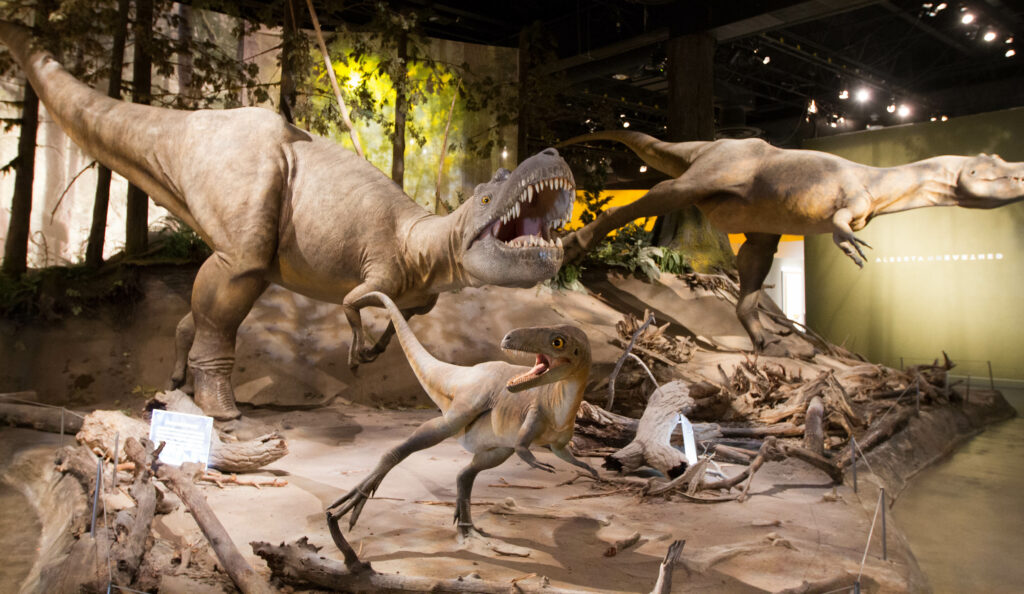
Today’s paleontologists face very different classification challenges than their predecessors, using sophisticated methodologies to determine evolutionary relationships among dinosaur groups. The advent of cladistic analysis—a systematic approach that classifies organisms based on shared derived characteristics—has transformed dinosaur taxonomy, resulting in major reorganizations of traditional groupings.
For example, the traditional division between “bird-hipped” (Ornithischia) and “lizard-hipped” (Saurischia) dinosaurs has been questioned by recent analyses suggesting alternative evolutionary relationships. New technologies enable scientists to examine microscopic bone structure, analyze trace elements in fossils, and even recover ancient DNA and proteins from exceptionally preserved specimens, providing evidence unimaginable to early paleontologists.
Despite these advances, classification debates continue, with ongoing disputes about whether certain specimens represent new species, growth stages of known species, or sexual variants. The classification of transitional forms between major groups remains particularly challenging, as demonstrated by continuing research on the evolutionary pathways between non-avian dinosaurs and birds. These modern challenges show that while we’ve moved far beyond the fundamental misunderstandings of early dinosaur science, the classification of these remarkable animals remains a dynamic, evolving field of inquiry.
Conclusion

The story of early dinosaur classification reminds us how scientific understanding builds gradually through observation, hypothesis testing, debate, and revision. What began with puzzling bone fragments misinterpreted as everything from flood victims to biblical giants eventually developed into a sophisticated understanding of one of Earth’s most successful animal groups. The mistakes made along the way weren’t simply errors but necessary steps in a scientific journey—each misclassification ultimately leading to better questions and more accurate interpretations.
Today’s paleontologists continue refining our understanding of dinosaur relationships and biology, building on this foundation while applying new technologies their predecessors could never have imagined. The evolution of dinosaur classification from confused beginnings to modern sophistication stands as a compelling example of science’s power to progressively approximate truth through persistent inquiry and willingness to revise even our most cherished assumptions.