
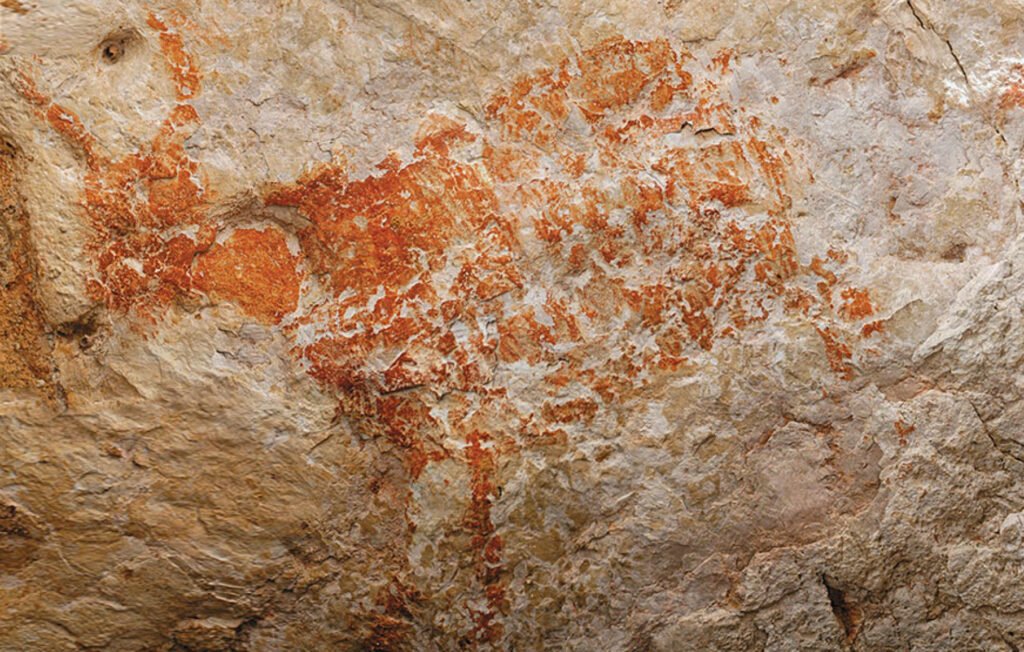
There is a quiet shiver that runs down your spine the first time you stare at a photo of a hand stencil from tens of thousands of years ago. A person, with fears and hopes we can only guess at, pressed their palm against stone and blew pigment around it, leaving a ghostly negative. It looks simple, almost childlike. But hidden in that gesture is a mental revolution: a brain that suddenly cared about symbols, stories, and how it appeared in the eyes of others.
Archaeologists argue over dates, definitions, and which find deserves the title of “first art.” But beneath the debates lies a deeper question that feels oddly intimate: what had to change inside a human mind before art became possible, or even necessary? When our ancestors started making art, they were not just decorating caves and bones. They were announcing, in color and carved lines, that something profoundly new was happening in how they thought, remembered, and imagined.
From Survival Tools To Symbolic Worlds
For a very long stretch of human prehistory, our ancestors were incredibly good at one thing: not dying. They shaped stone tools, tracked animals, and navigated dangerous landscapes with impressive skill, all without leaving a single painting behind. That alone tells us something crucial: a brain can be smart, adaptable, and socially complex without producing what we would comfortably call art.
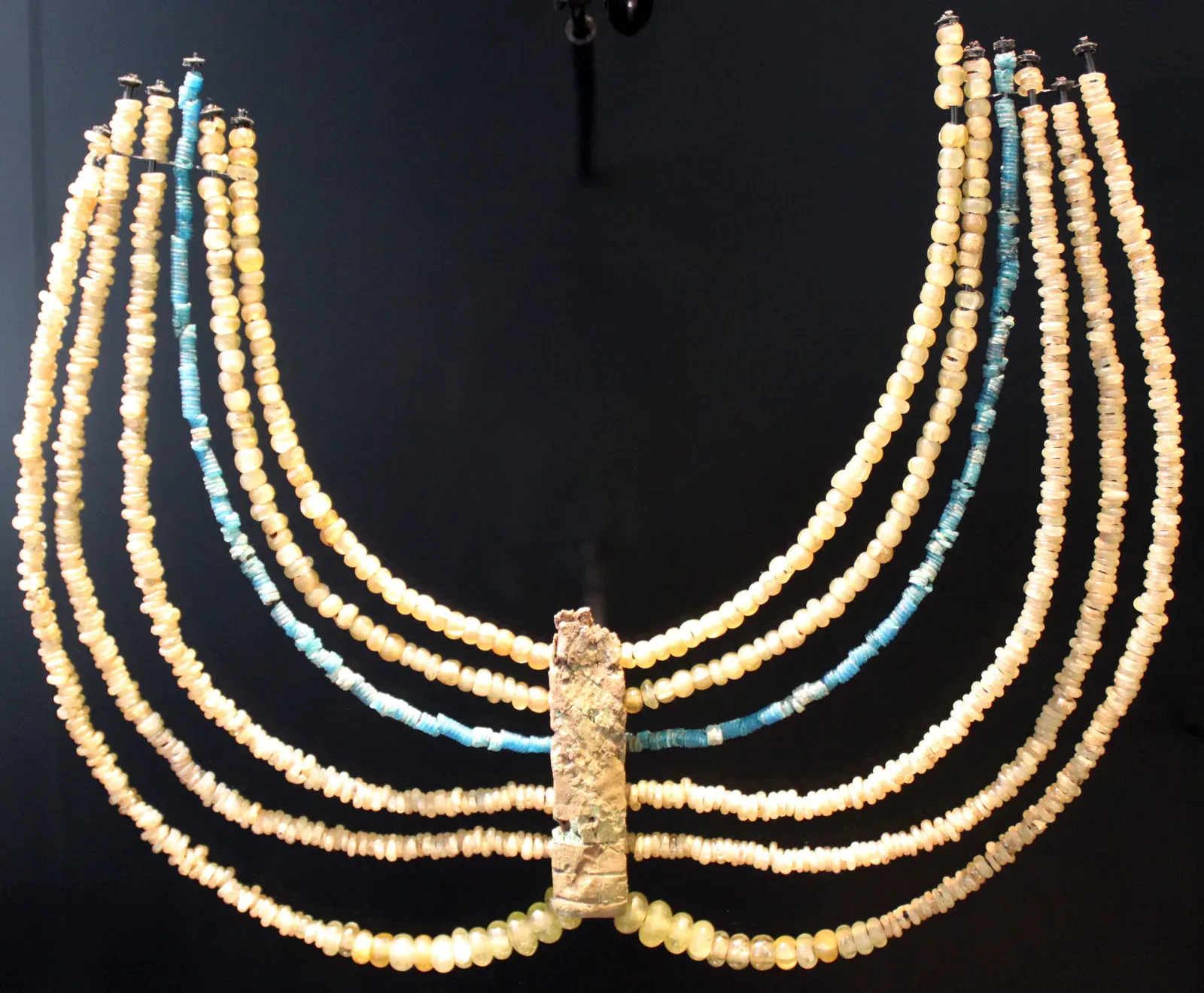
When images and ornaments finally begin to appear in the archaeological record, they do not replace survival skills; they layer on top of them. Beads, pigments, engraved lines, and carved figurines suggest that the human mind started to care about meaning that goes beyond immediate use. A necklace is not a spear. It may mark identity, status, or belonging. In that sense, the birth of art looks like the moment when our cognitive world stops being just about “How do I eat?” and starts to ask “Who am I, and how do I show it?”
The Strange Leap Into Abstract Thinking
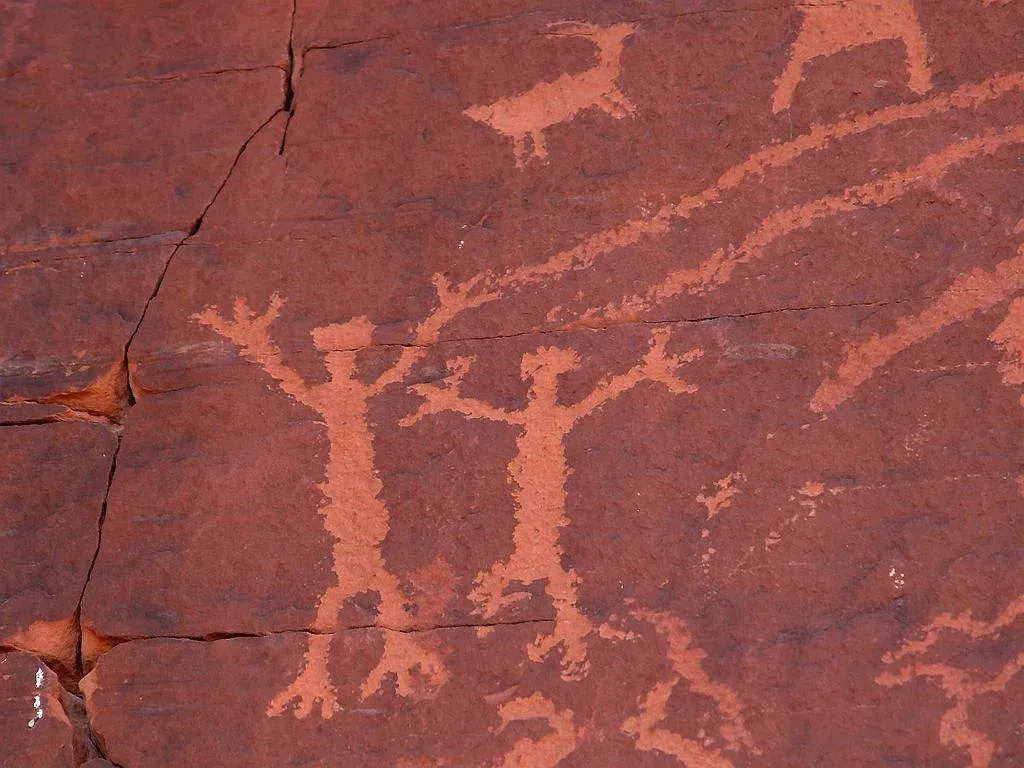
One of the most striking things about early art is how quickly it moves beyond simple pictures. Ancient engravings show repeated patterns, cross-hatching, zigzags, and shapes that do not obviously copy anything from nature. This is not just someone recording what they see; it is someone playing with pattern and structure, the way a musician plays with rhythm. That playfulness hints at a growing capacity for abstraction, the ability to think about things that are not physically in front of us.
Abstraction is a massive mental leap. To scratch repeating lines into bone or rock is, in a subtle way, to invent a tiny visual language. Even if no one could “read” it in the way we read text, the act of producing regular, deliberate designs shows that the maker is thinking in a new mode. It is not hard to imagine that the same neural machinery that supports abstract art later supports writing, mathematics, and scientific thought. In that sense, the first careful patterns on stone may be the distant ancestors of equations and code.
Art As Evidence Of A Mind That Knows Itself
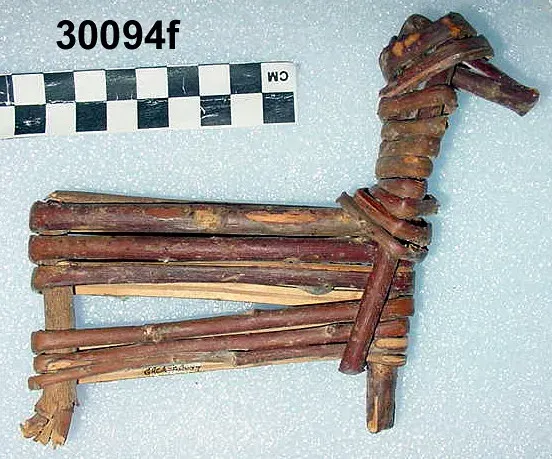
There is something unsettling about early figurines and possible self-representations: they suggest that the artist is not only seeing the outside world but also turning inward. To carve a human shape or to trace a hand may reflect an emerging sense of “me” as a distinct entity, not just a body moving through the environment. It hints that our ancestors were beginning to experience themselves as characters in an unfolding story.
This self-awareness is more than vanity. Once a mind can think about itself, it can worry about its reputation, imagine how others see it, and even rehearse future scenarios. Art becomes a natural outlet for that introspection. A painted animal might capture a memory or a wish; a carefully decorated object might be a way to project an ideal self. In my view, the appearance of art is one of the best clues we have that consciousness, in the deep reflective sense, had crossed a threshold.
Shared Symbols And The Birth Of Collective Minds
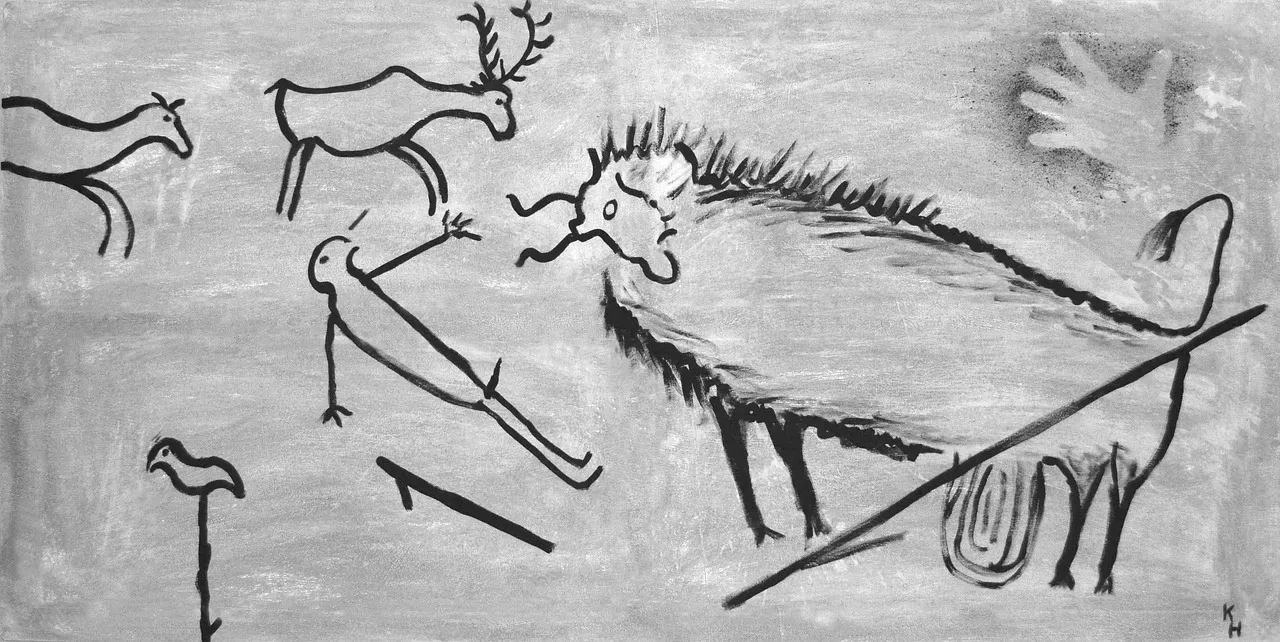
Art is rarely a purely private act. A hand stencil on a rock face, a painted animal in a dark cave, or a decorated burial site all assume an audience, whether human or spiritual. That audience might be small, but it is enough to reveal another profound shift: minds are beginning to sync using shared symbols. It is no longer just about one person knowing something; it is about a group agreeing that certain images and objects “stand for” important ideas.
Once a symbol means roughly the same thing to several people, culture becomes possible on a new scale. Traditions can be taught, rituals can be repeated, and group identity can be broadcast through colors, shapes, and styles. Early art, in this sense, is like a prototype social network. It allowed our ancestors to pin their beliefs, fears, and values to the physical world so others could literally see them. That shared visual language likely made cooperation easier and group bonds stronger, which would have had real survival benefits.
Emotion, Awe, And The Brain’s Reward Systems
It is easy to treat ancient art as cold evidence in a museum display, but the people who made it were not doing science projects; they were feeling things. To take scarce pigment, climb deep into a cave, and spend time painting in flickering torchlight suggests that the activity held powerful emotional meaning. Maybe it gave a sense of control over a dangerous world, or a feeling of connection to animals, ancestors, or invisible forces.
Modern neuroscience shows that creating and viewing art can tap into reward circuits, soothing and stimulating the brain in complex ways. It is reasonable to think that similar emotional payoffs existed in the past. If an image could comfort, bond, or inspire a group, the people who used it might have been more resilient and united. That possibility makes early art look less like a frivolous extra and more like emotional technology: a way to regulate fear, spark courage, and make harsh lives feel a little more meaningful.
Art As Time Travel And Expanded Memory
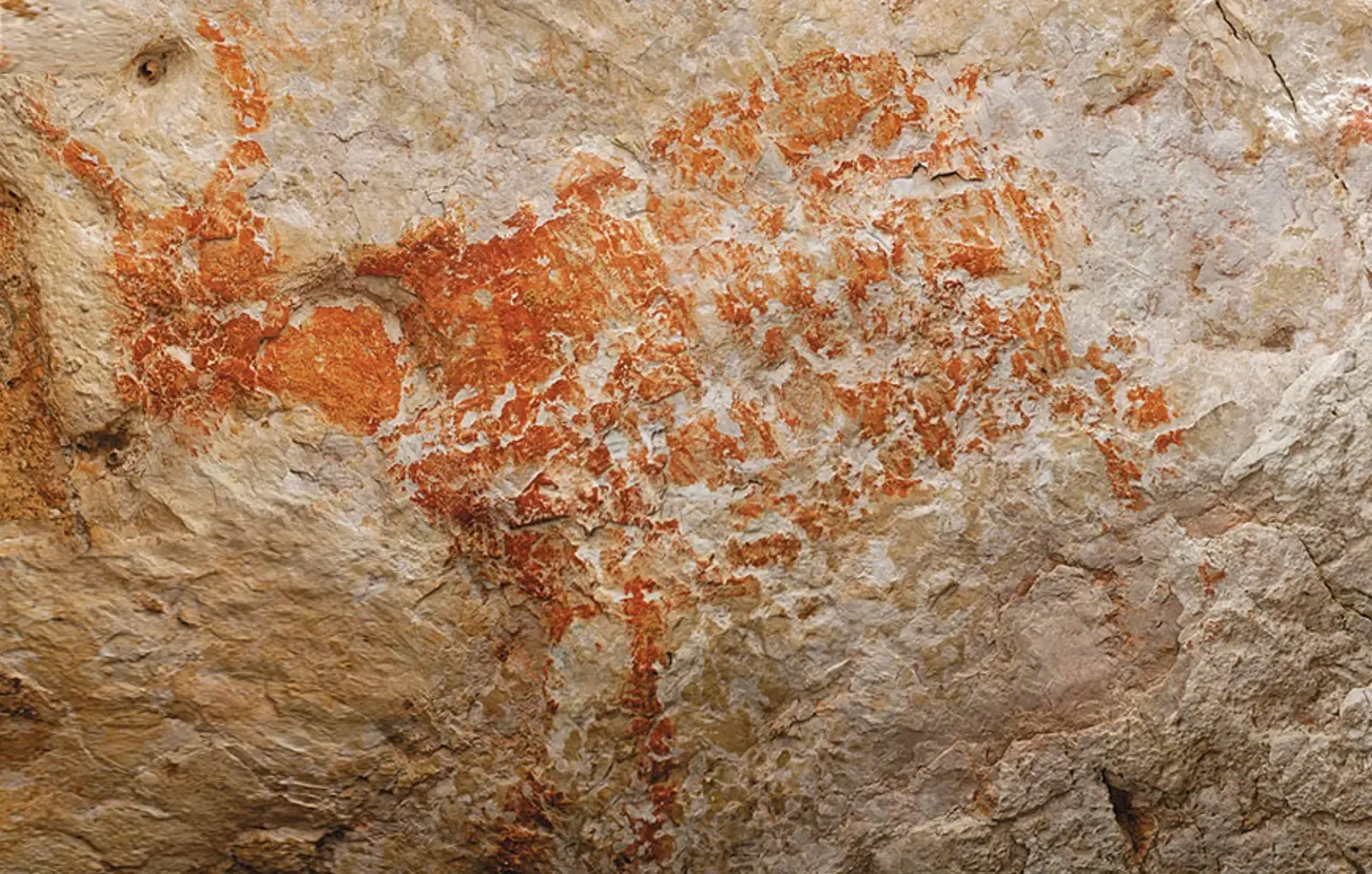
Before art, memories lived mostly in fragile brains and spoken stories. Once our ancestors began engraving, painting, and carving, they effectively invented external memory. A symbol on stone could outlast the person who made it, carrying a message forward in time. This simple fact changes how a mind can relate to the past and future. It is no longer just recalling; it is deliberately storing and projecting.
Visual marks give shape to events, ideas, and beliefs that might otherwise fade. A hunting scene could preserve knowledge of animals and tactics. A recurring symbol could anchor a myth or a rule. In this way, early art stretches the mind’s reach, allowing it to influence people who are distant in both time and space. That expansion of mental presence is one of the quiet revolutions hidden in the first artistic gestures, one we still rely on every time we scroll past an image that outlived its creator.
What Early Art Suggests About The Future Of Human Minds
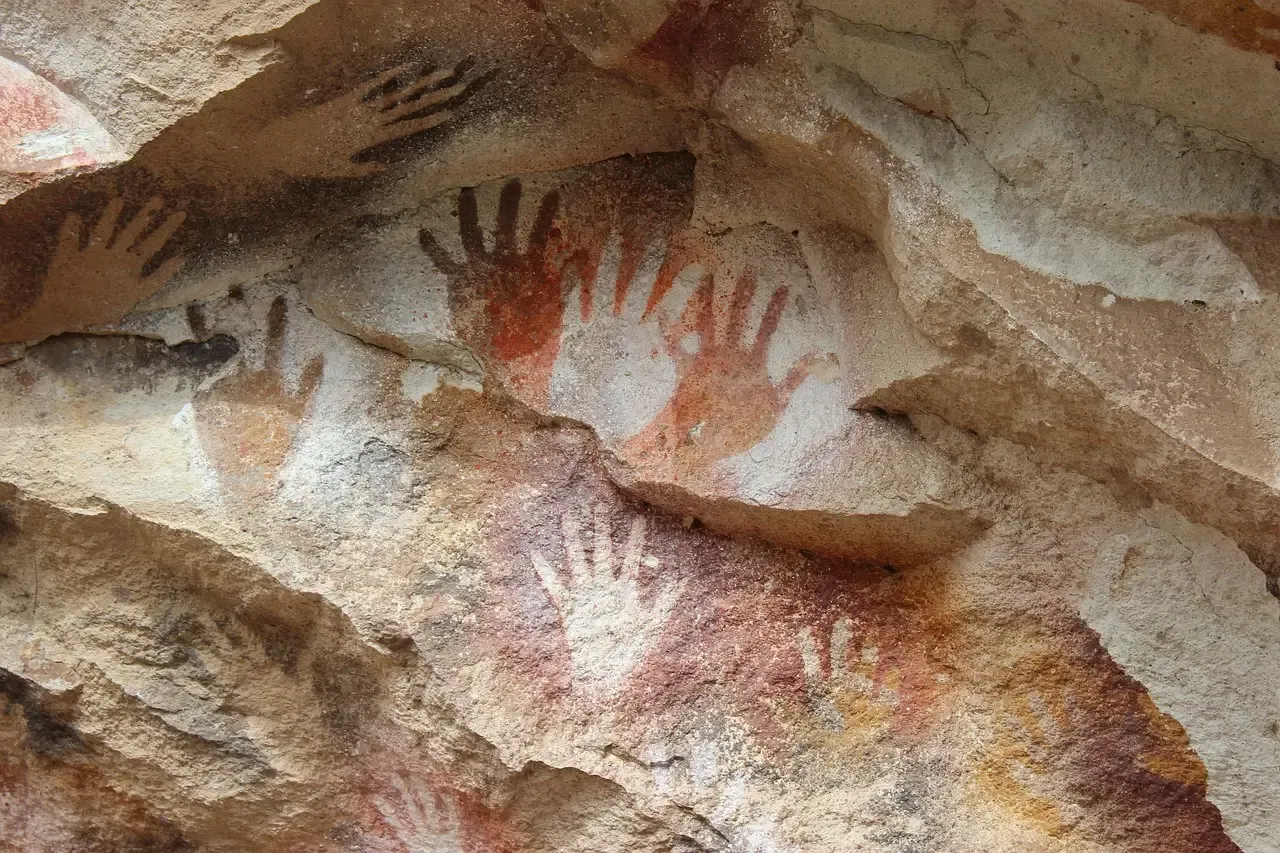
Looking back at the first art is a bit like finding a childhood drawing in the back of a drawer. It is simple, sometimes clumsy, but unmistakably ours. It shows a mind testing its new abilities: abstraction, self-awareness, shared meaning, emotional expression, and cultural memory. I find it hard not to see these early works as a declaration that the human mind had become something qualitatively different from anything else on Earth.
At the same time, the story is still unfolding. Today we are creating digital art, immersive virtual worlds, and AI-generated images at a dizzying pace. In a way, we are repeating the same pattern on a new level: using visuals to explore who we are, to bond with others, and to imagine realities that do not yet exist. If the first hand stencil hinted at a mind waking up to its own depth, our current explosion of creativity may be another threshold. The most profound lesson, to me, is that as long as humans keep making art, our minds are still evolving. And that raises a surprisingly intimate question: when someone in the far future studies the art of our time, what will they think it revealed about us?