The fascinating world of paleontology occasionally intersects with high-stakes auctions, where prehistoric treasures command staggering prices from museums, private collectors, and celebrity enthusiasts. Dinosaur fossils represent not just scientific specimens but also artistic masterpieces of natural history—time capsules that connect us to Earth’s distant past.
The market for premium dinosaur remains has exploded in recent decades, with some specimens fetching prices that rival fine art masterpieces. From complete skeletons to individual teeth, these prehistoric artifacts tell stories of ancient beasts that once ruled our planet, now commanding fortunes in modern auction houses. Let’s explore the most valuable dinosaur fossils ever sold and the fascinating stories behind these prehistoric treasures.
Sue the T. Rex: The Reigning Champion
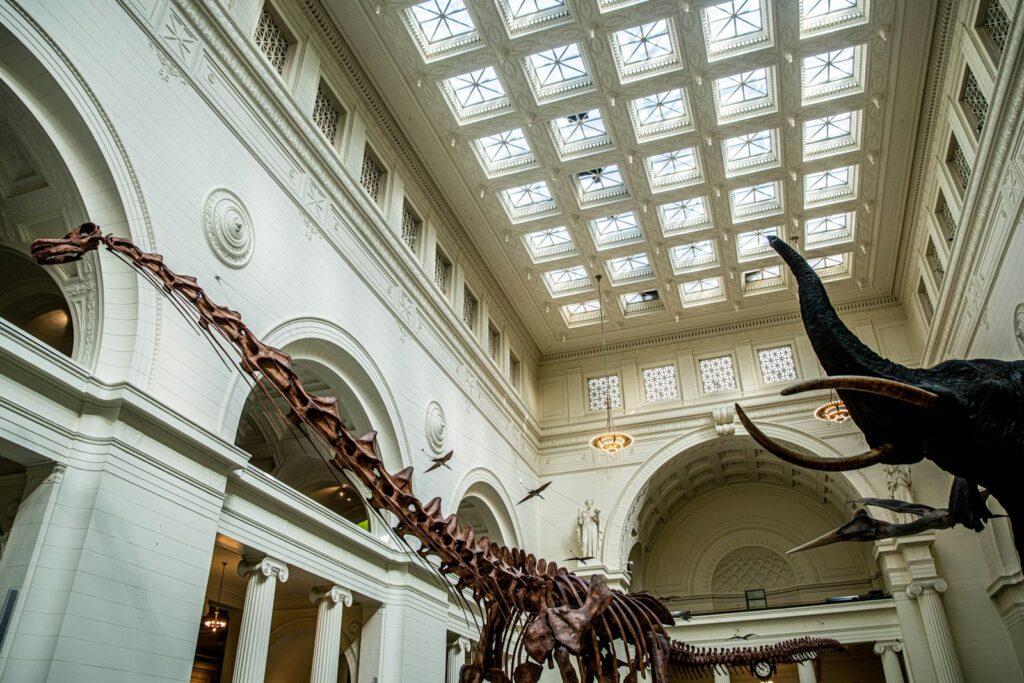
In October 1997, the paleontological world witnessed a watershed moment when “Sue,” the most complete Tyrannosaurus rex skeleton ever discovered, sold for an unprecedented $8.36 million at Sotheby’s auction house. Named after discoverer Sue Hendrickson, who found the specimen in South Dakota in 1990, this 67-million-year-old fossil boasts 90% completeness—a remarkable rarity in paleontology.
The Field Museum in Chicago ultimately acquired Sue with financial backing from Disney and McDonald’s, making it the centerpiece of their dinosaur hall. Standing 13 feet tall at the hip and measuring 42 feet from nose to tail, Sue remains not just the most expensive dinosaur fossil ever sold but also one of the most scientifically valuable T. rex specimens in existence, having provided researchers with invaluable insights into tyrannosaur anatomy and pathology.
Stan the T. Rex: The Surprising Record-Breaker

In October 2020, the dinosaur auction world was stunned when “Stan,” another remarkable Tyrannosaurus rex specimen, shattered records by selling for $31.8 million at Christie’s auction house—nearly four times its pre-sale estimate. Named after amateur paleontologist Stan Sacrison who discovered it in South Dakota in 1987, this 67-million-year-old predator stands 13 feet tall and 40 feet long, with a particularly well-preserved skull featuring 11-inch teeth.
The skeleton is approximately 70% complete with 188 original bones, making it one of the most intact T. rex specimens ever found. Initially displayed at the Black Hills Institute in South Dakota for two decades, Stan’s astronomical sale price raised concerns among paleontologists about valuable scientific specimens disappearing into private collections. The buyer remained anonymous for months until reports emerged that Stan was destined for a new natural history museum being developed in Abu Dhabi.
The Dueling Dinosaurs: A Controversial Pairing
One of the most extraordinary fossil discoveries in recent history, the “Dueling Dinosaurs,” sold in 2020 for approximately $6 million in a private sale facilitated by Bonhams auction house. This remarkable specimen features a Tyrannosaurus rex and a Triceratops apparently locked in combat, preserved together as they may have died millions of years ago on what is now a Montana ranch. The fossils show exceptional preservation, with the Triceratops bearing what appears to be T. rex tooth marks, suggesting these animals may have been caught in their final confrontation when they were buried.
After failed attempts to sell at higher prices, the North Carolina Museum of Natural Sciences eventually acquired the specimens, ensuring these scientifically priceless fossils would be available for public viewing and research. Paleontologists consider this paired specimen one of the most significant discoveries in dinosaur paleontology, potentially revealing new insights about predator-prey relationships in the late Cretaceous period.
The Fighting Dinosaurs: Locked in Eternal Combat
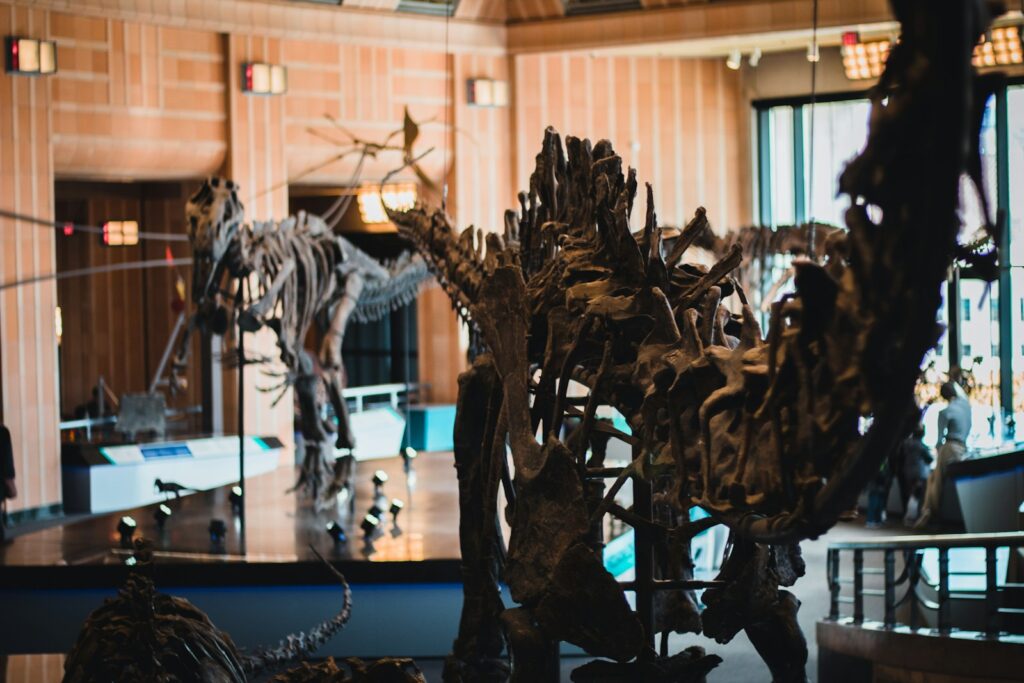
In 2011, a remarkable fossil pair known as “The Fighting Dinosaurs” sold for approximately $2.75 million to a private collector. This extraordinary specimen features a Velociraptor and Protoceratops caught in what appears to be mortal combat, preserved in the midst of their struggle approximately 80 million years ago in what is now Mongolia’s Gobi Desert.
The velociraptor’s sickle claw is positioned near the protoceratops’ neck, while the protoceratops appears to have the predator’s right arm clamped in its beak—evidence suggesting these animals were fighting when they were suddenly buried, possibly by a collapsing sand dune. This fossil represents one of the most dramatic moments ever captured in the fossil record, providing direct evidence of predatory behavior rather than requiring scientific inference. The sale prompted controversy in the paleontological community, as many experts argued such scientifically invaluable specimens should remain in public institutions rather than private collections.
Diplodocus “Misty”: The Long-Necked Record-Setter

In 2013, the Natural History Museum of Denmark purchased a nearly complete Diplodocus longus skeleton nicknamed “Misty” for $652,000 at an auction in West Sussex, England. The 150-million-year-old specimen, discovered on private land in Wyoming in 2009, measures approximately 55 feet long and represents one of the most complete sauropod skeletons ever found, with over 90% of its bones intact. What makes this sale particularly notable is that it represents the first time a major dinosaur specimen was purchased by a European museum at auction, setting a precedent for international institutional competition for premium specimens.
The acquisition was made possible through funding from the Obel Family Foundation, allowing this magnificent example of a Jurassic giant to be displayed for the Danish public rather than disappearing into a private collection. Misty’s remarkable state of preservation has provided scientists with valuable information about diplodocid anatomy and growth patterns.
Allosaurus “Big John”: The European Record-Holder

In October 2021, “Big John,” the largest Triceratops skeleton ever discovered, sold for €6.65 million (approximately $7.7 million) at the Drouot auction house in Paris, setting a European record for dinosaur fossil sales. Discovered in South Dakota in 2014, Big John measures nearly 26 feet long with a skull over 8.6 feet wide, featuring the distinctive three-horned profile that makes Triceratops one of the most recognizable dinosaurs. The 66-million-year-old specimen is approximately 60% complete and took more than 18 months to carefully excavate, prepare, and mount for display and sale.
The fossil was purchased by an anonymous American collector who reportedly promised to loan the specimen to a museum, though concerns remain about its accessibility for scientific study. Big John’s remarkable size—significantly larger than typical Triceratops specimens—has generated particular scientific interest in understanding growth patterns and potential sexual dimorphism in ceratopsian dinosaurs.
The Wyoming Allosaurus: A Jurassic Predator’s Premium

In 2020, a nearly complete Allosaurus skeleton discovered in Wyoming’s Morrison Formation sold for just over $3.5 million at a Parisian auction. This 150-million-year-old predator from the late Jurassic period stood approximately 10 feet tall and measured 33 feet long, with most of its original bone structure intact, including its fearsome curved teeth and clawed hands. The specimen is particularly notable for its excellent preservation, including rare soft tissue impressions that provide insights into the musculature and skin texture of this prehistoric apex predator.
Several major museums attempted to acquire the specimen but were outbid by a private collector, prompting renewed debate about whether countries should enact stronger regulations regarding the sale of scientifically significant fossils. The Allosaurus, often considered the “lion of the Jurassic,” represents one of the most complete examples of this species ever discovered and would have provided valuable research opportunities had it remained in public hands.
The Montana Dueling T. Rex: A Controversial Sale
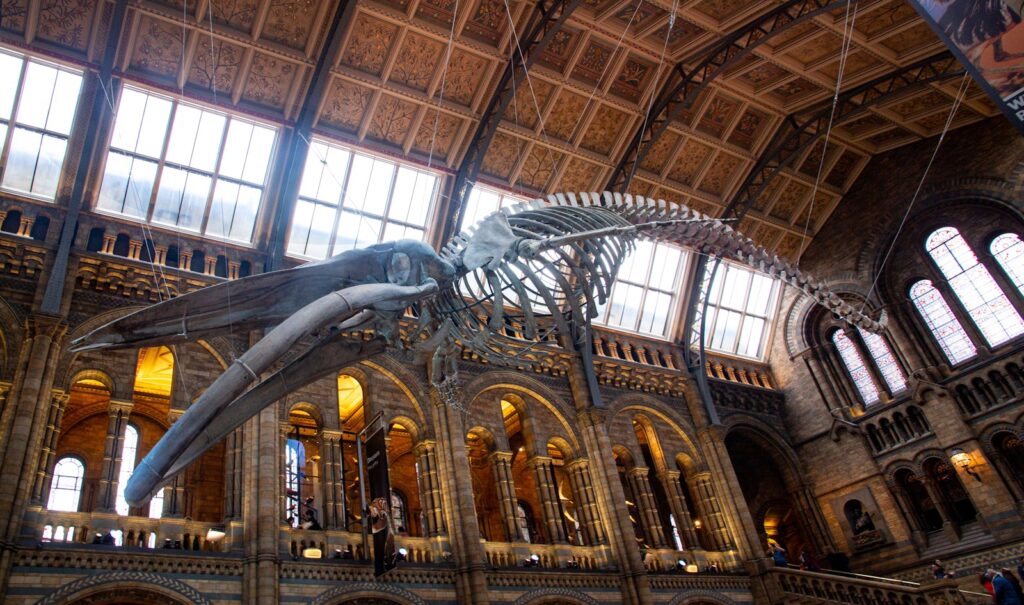
In 2018, a pair of Tyrannosaurus rex skeletons discovered in Montana and nicknamed the “Montana Dueling T. Rex” sold for $14 million in a private transaction brokered between fossil hunters and a Middle Eastern buyer. These specimens, excavated from the Hell Creek Formation, were remarkably preserved, with one skeleton approximately 75% complete and the other nearly 65% complete—a rare instance of finding two T. rex individuals in close proximity.
The sale generated significant controversy within the paleontological community, as the fossils were excavated from private land but potentially represented a scientifically invaluable discovery that might indicate social behavior among tyrannosaurs. The Society of Vertebrate Paleontology publicly condemned the private sale, arguing that important specimens should remain accessible to scientists regardless of where they are discovered. The ultimate destination of these fossils remains somewhat mysterious, though they are rumored to be destined for a new museum collection in Abu Dhabi.
The Shen: The Withdrawn T. Rex
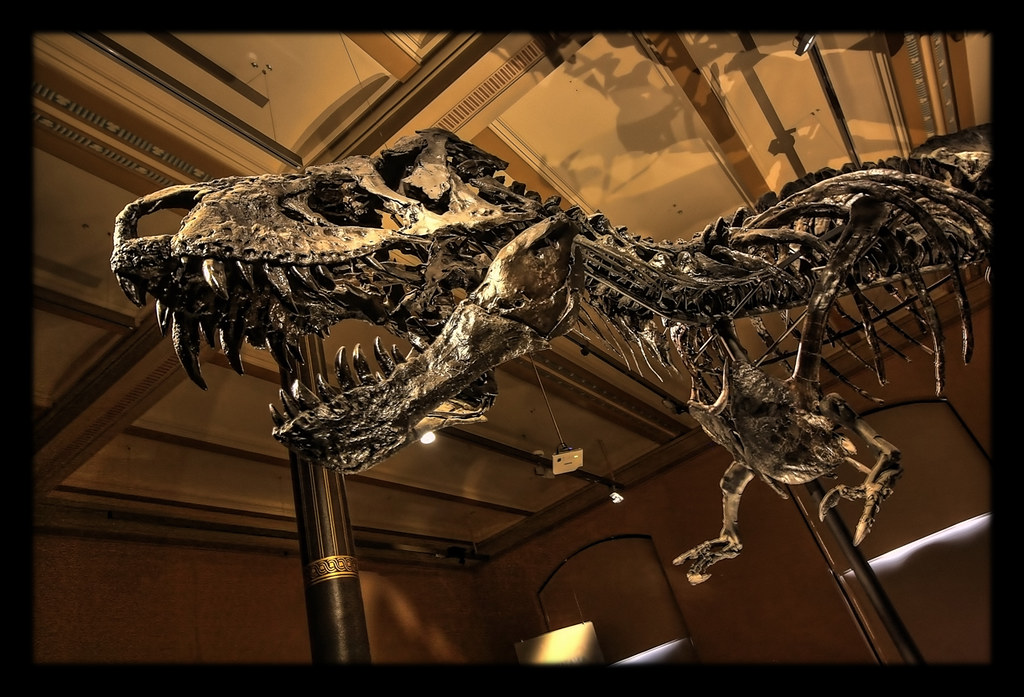
In November 2022, a Tyrannosaurus rex skeleton nicknamed “The Shen” was scheduled to be auctioned by Christie’s with an estimated value of $15-25 million but was dramatically withdrawn just days before the sale. The specimen, discovered in Montana’s Hell Creek Formation, became embroiled in controversy when paleontologists raised questions about which bones were authentic fossils and which were replicas.
The 54-foot-long skeleton was approximately 50% composed of original bone, with the remainder being replicated material—a common practice in museum displays but problematic when not clearly disclosed in auction materials.
Further complicating matters, some experts alleged that certain parts of the skeleton appeared remarkably similar to Stan, the T. rex that had sold for $31.8 million in 2020, suggesting possible unauthorized use of Stan’s cast elements. This high-profile withdrawal highlighted the often murky ethics of the commercial fossil market and raised important questions about authenticity and transparency in high-value dinosaur auctions.
Hector: The Million-Dollar Deinonychus
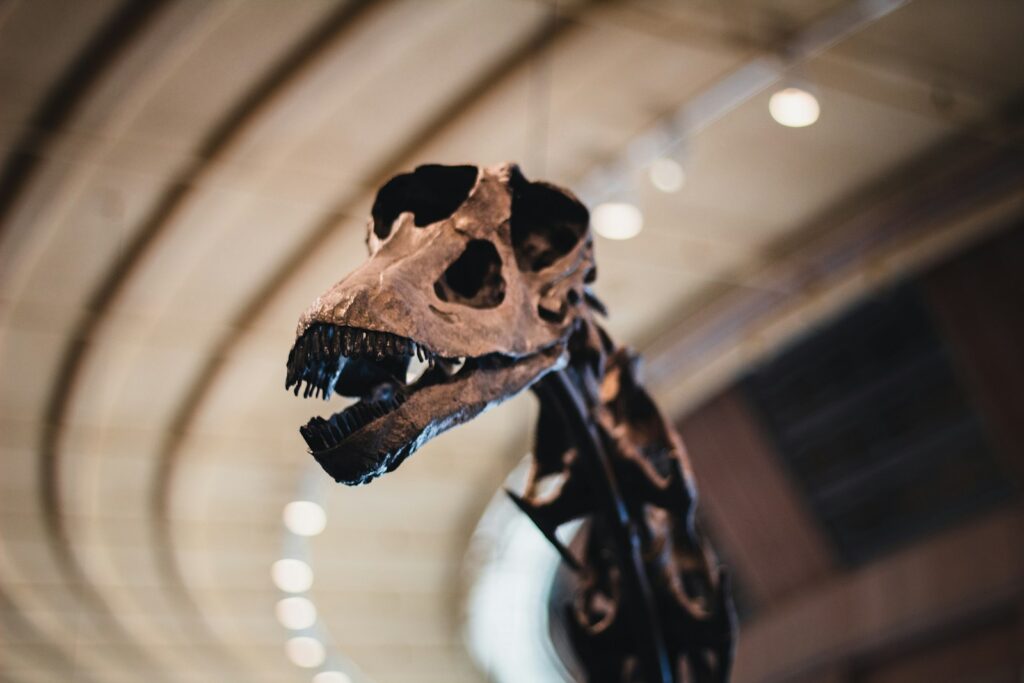
In May 2022, a remarkably complete Deinonychus antirrhopus skeleton nicknamed “Hector” sold for $12.4 million at Christie’s auction house, shattering pre-sale estimates. This 110-million-year-old specimen from the Early Cretaceous period represents the dinosaur that inspired the “Velociraptor” depiction in Jurassic Park, as the actual Velociraptor was significantly smaller than its Hollywood portrayal.
Standing approximately 4 feet tall and measuring about 10 feet in length, Hector is comprised of 126 original bones—roughly 70% of the complete skeleton—making it one of the most complete Deinonychus specimens ever discovered.
The fossil was unearthed on private land in Montana in 2013 and had been displayed at the Natural History Museum of Denmark before coming to auction. The sale highlighted the growing market for smaller, rarer dinosaur species beyond the typical focus on T. rex and other large dinosaurs, with this relatively modest-sized predator commanding a price comparable to much larger specimens.
The Gorgosaurus: Tyrannosaur Relative’s Record
In July 2022, a complete Gorgosaurus skeleton became the first of its kind ever offered at public auction, selling for $6.1 million at Sotheby’s in New York. This 76-million-year-old predator, excavated from the Judith River Formation in Montana, represents a close relative of the Tyrannosaurus rex that predated its famous cousin by several million years. Measuring approximately 10 feet tall and 22 feet long, the specimen is notable for its nearly pristine preservation, including a virtually complete skull with sharp, serrated teeth and powerful hind limbs that suggest it was a formidable predator.
Prior to this sale, all known Gorgosaurus specimens were housed in museum collections, making this the first example available for private ownership. The sale sparked significant debate within the scientific community about the ethics of allowing such rare specimens to potentially disappear from public and scientific access, with the Society of Vertebrate Paleontology formally requesting the auction be canceled to allow a museum acquisition opportunity.
The Paris Mammoth: Breaking Ice Age Records

While not technically a dinosaur, the sale of a complete woolly mammoth skeleton in 2006 deserves mention as one of the most significant prehistoric fossil auctions. This 15,000-year-old specimen, nicknamed “The President,” sold for €312,000 (approximately $360,000) at Sotheby’s Paris, setting a record for Ice Age mammal fossils at auction.
Standing over 11 feet tall and nearly 20 feet long with massive curved tusks measuring nearly 10 feet, this remarkably complete skeleton was discovered in Siberia’s permafrost, which had preserved it in exceptional condition. The mammoth was purchased by a private collector based in France who subsequently loaned it to several museums for public exhibition.
This sale highlighted the growing market for non-dinosaur prehistoric fossils, which often fetch lower prices than their Mesozoic counterparts despite their scientific significance and impressive presentation. The mammoth’s relatively recent extinction compared to dinosaurs provides a different perspective on prehistoric life and climate change, making such specimens especially valuable for educating the public about more recent evolutionary history.
The Ethics and Controversy of Fossil Auctions
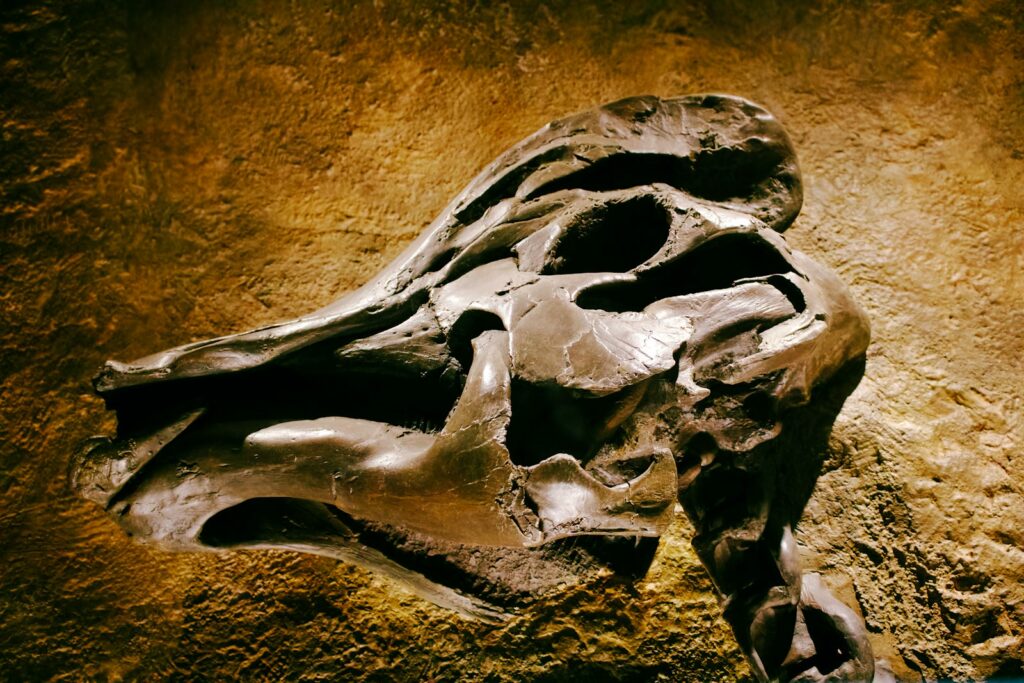
The high-profile sales of dinosaur fossils have ignited passionate debate within the scientific community about the ethics of private ownership of scientifically significant specimens. Many paleontologists argue that important fossils should remain in public institutions where they can be studied by researchers and appreciated by the general public rather than disappearing into private collections where access is severely limited.
Countries like Mongolia, China, and Argentina have enacted strict laws prohibiting the export of fossils found within their borders, considering them national treasures. The United States, however, allows fossils discovered on private land to be commercially sold, creating a lucrative market that incentivizes the discovery of specimens but potentially hinders scientific access.
This tension between commercial and scientific interests has intensified as prices have skyrocketed, with many institutions simply unable to compete with wealthy private collectors at auction. Some auction houses have attempted to address these concerns by encouraging buyers to loan specimens to museums or by ensuring proper scientific documentation before sale, but the fundamental ethical questions remain unresolved in the fossil marketplace.
Conclusion

The astronomical prices commanded by premium dinosaur fossils reflect their unique position at the intersection of natural history, art, and investment potential. As both scientific specimens and awe-inspiring natural sculptures, these prehistoric remains connect us to Earth’s distant past while commanding prices that rival fine art masterpieces. While the commercialization of fossils remains controversial within the scientific community, these high-profile auctions have undeniably increased public interest in paleontology and prehistoric life.
The tension between private ownership and public access continues to shape the future of fossil collection and preservation. As technology advances and more specimens are discovered, the market for these prehistoric treasures will likely continue to evolve, hopefully finding a balance that serves both scientific advancement and public appreciation of our planet’s remarkable evolutionary history.