Dinosaur plush toys have captivated the hearts of children and collectors for generations, offering a cuddly connection to these magnificent prehistoric creatures. From museum gift shops to specialty toy stores, dinosaur plushies continue to dominate as beloved companions that combine educational value with comfort. While real dinosaurs vanished millions of years ago, their soft, huggable counterparts have evolved to become enduring favorites in the toy industry. This article explores the most iconic and beloved dinosaur plush toys that have stood the test of time, examining their appeal, design evolution, and cultural impact across different eras of toy manufacturing.
The Enduring T-Rex: King of Dinosaur Plushies
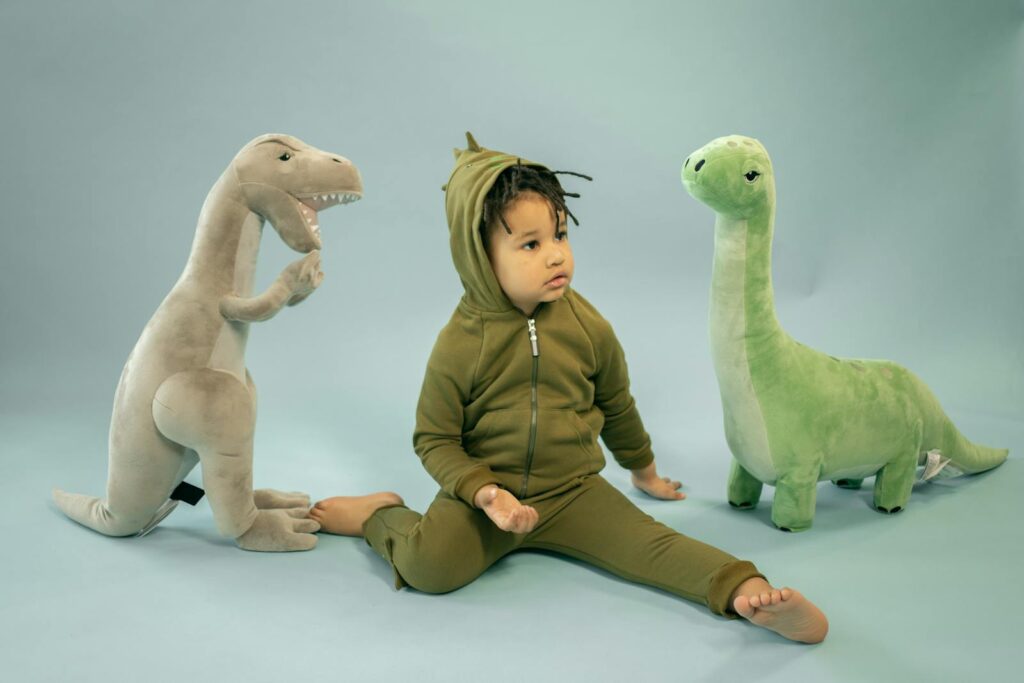
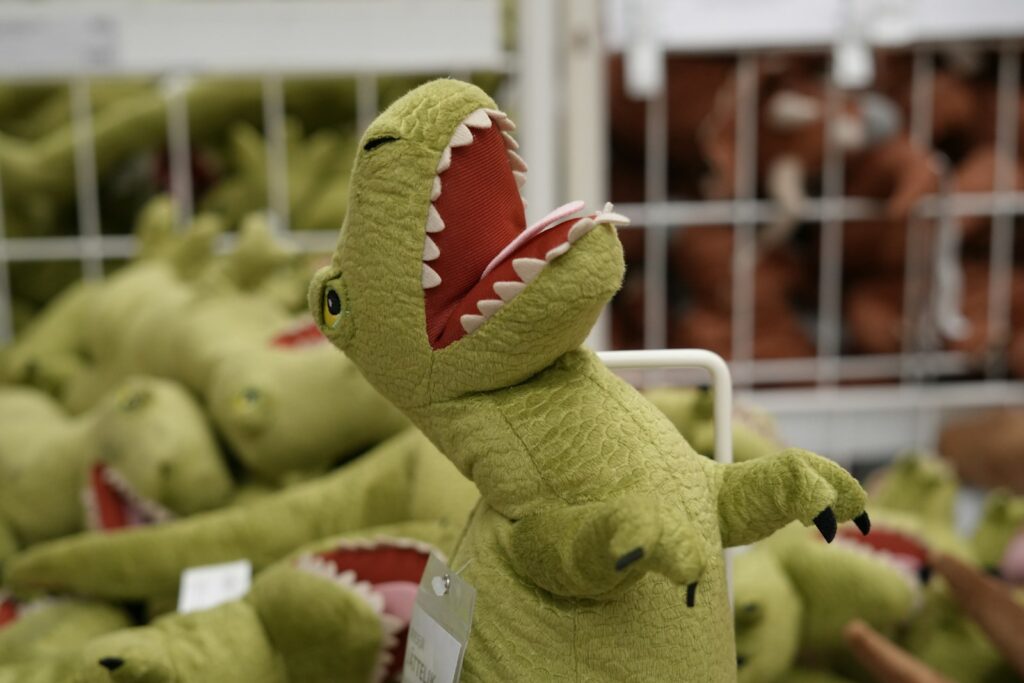
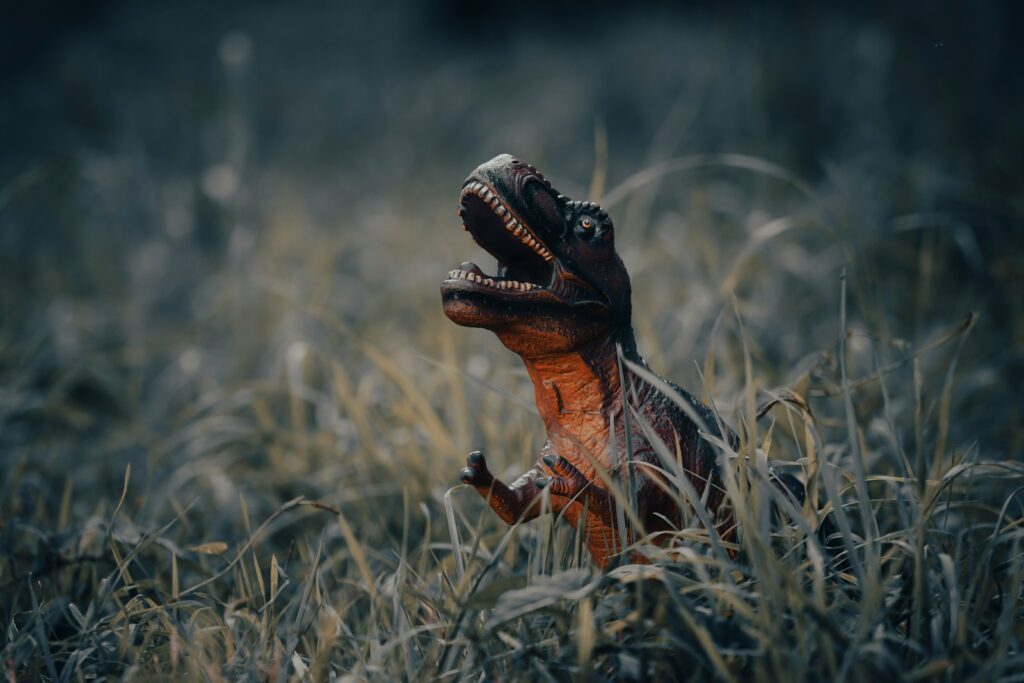
The Tyrannosaurus Rex consistently reigns supreme in the world of dinosaur plush toys, maintaining its position as the most recognizable and sought-after prehistoric plushie. With its distinctive silhouette featuring a massive head, tiny arms, and powerful stance, the T-Rex plush appeals to children drawn to its fearsome reputation and impressive appearance. Manufacturers typically emphasize the T-Rex’s menacing teeth and powerful jaw while simultaneously softening these features to create a cuddly, approachable version of this apex predator. Notable versions include the Natural History Museum’s scientifically accurate T-Rex plush and the more cartoonish, bright-colored iterations from companies like Aurora and Wild Republic that have become staples in children’s bedrooms worldwide. The T-Rex plush’s popularity surged following the release of Jurassic Park in 1993 and has maintained steady demand through subsequent films in the franchise.
Stegosaurus: The Plate-Backed Favorite
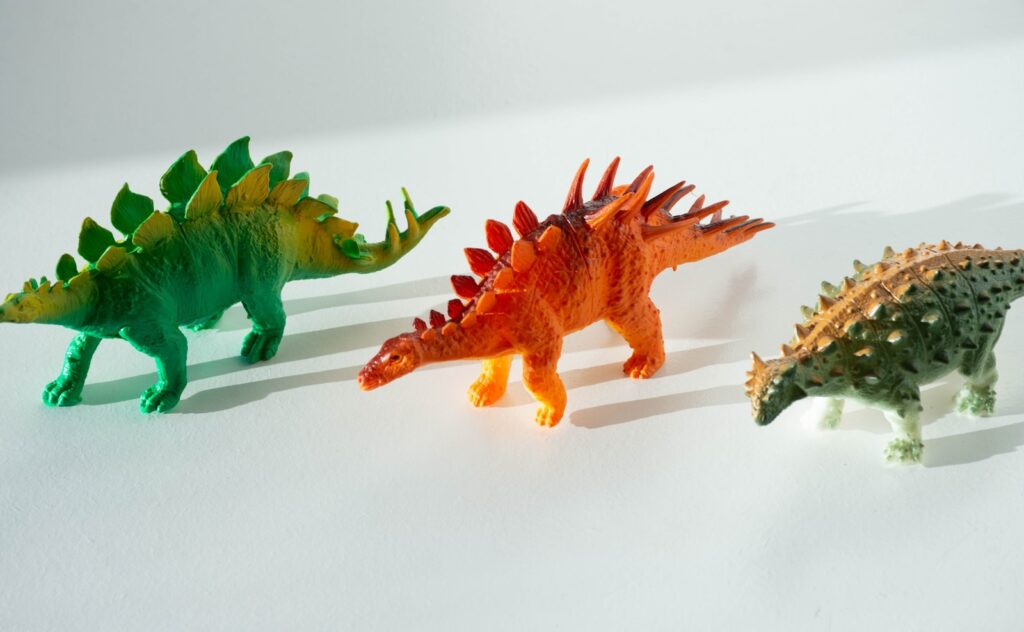
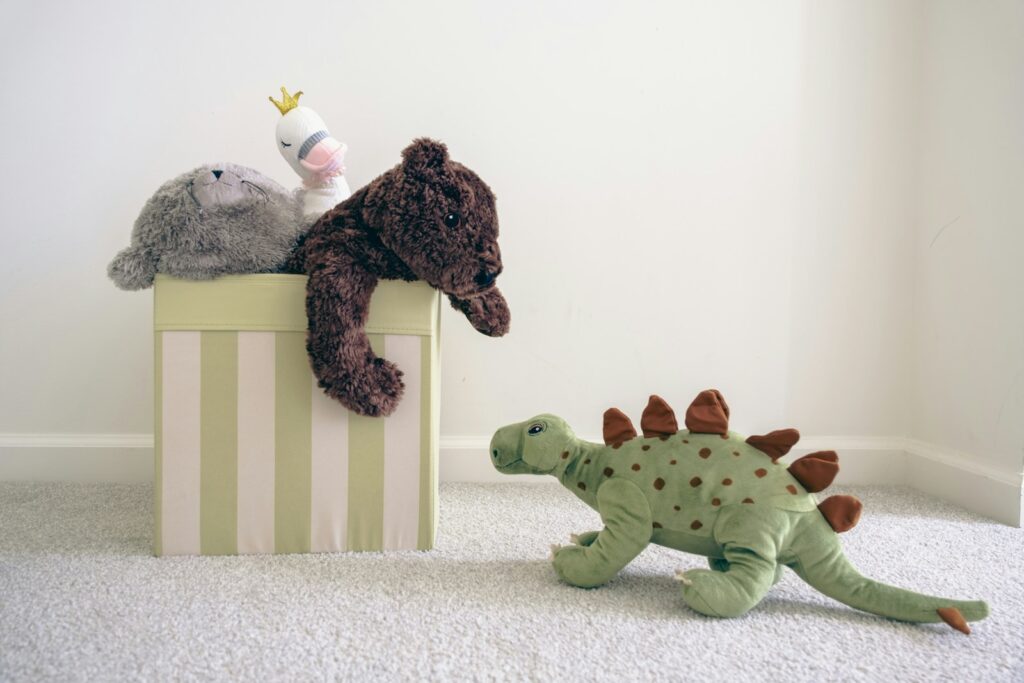
The Stegosaurus holds a special place in the dinosaur plush hierarchy, largely due to its instantly recognizable back plates and tail spikes that translate beautifully into soft toy form. Toy designers have embraced the unique challenge of creating plush versions that maintain the distinctive row of plates while ensuring they remain soft and child-friendly. Premium versions often feature individually stuffed plates that stand upright along the dinosaur’s back, while budget options might print the plates directly onto the fabric. The Stegosaurus appeals particularly to younger children who are drawn to its herbivorous nature and non-threatening appearance despite its impressive defensive features. Companies like IKEA and Melissa & Doug have produced particularly popular Stegosaurus plushies that balance anatomical recognition with cuddly appeal. Collectors often note that vintage Stegosaurus plushies from the 1980s and early 1990s have become coveted items at online auctions and toy conventions.
Triceratops: The Three-Horned Wonder
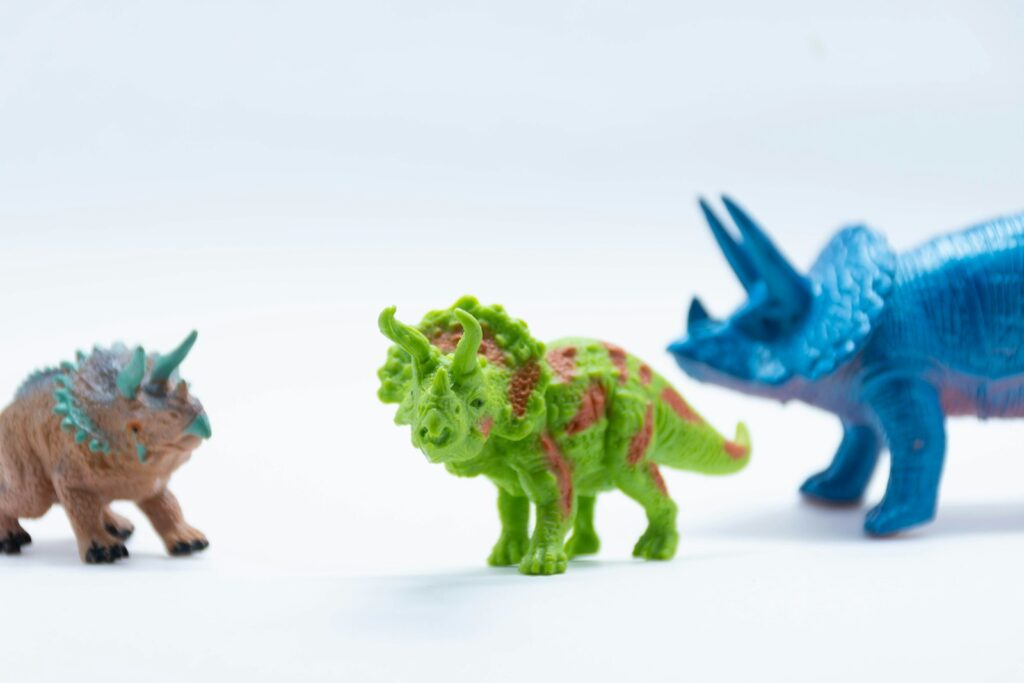
Triceratops plushies have maintained consistent popularity since the early days of dinosaur toy manufacturing, beloved for their distinctive three-horned face and protective neck frill. These features present a unique design challenge that toy makers have addressed with varying approaches, from simplified interpretations for very young children to detailed replicas for dinosaur enthusiasts. The Triceratops holds particular appeal for children who appreciate its complex facial structure and the dramatic defensive purpose of its horns, while parents often favor this herbivore as a gentler alternative to predatory dinosaur toys. Douglas Toys produces a particularly well-regarded Triceratops plush that balances anatomical accuracy with softness, featuring embroidered details rather than plastic parts for safety. The popularity of Triceratops plushies received a significant boost following the character of “Sara” in The Land Before Time animated films, creating a generation of children who specifically requested this three-horned dinosaur as their bedtime companion.
Brachiosaurus: The Gentle Giant
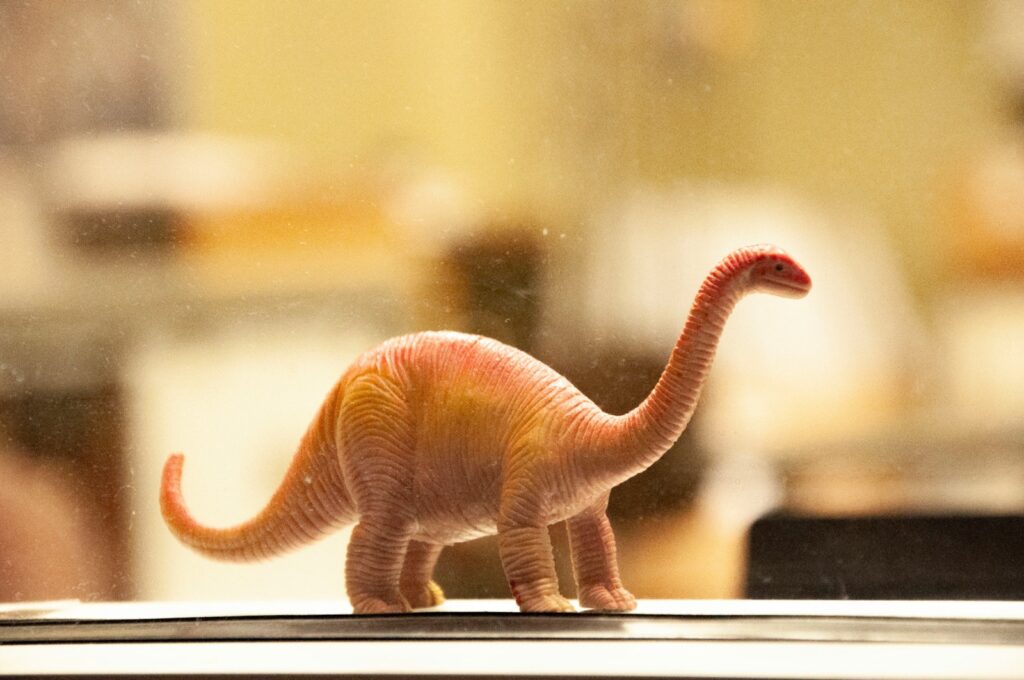
The long-necked Brachiosaurus represents one of the most challenging dinosaurs to translate into plush form, yet manufacturers have embraced this challenge to create some of the most beloved dinosaur plushies on the market. The distinctive long neck and tail require special construction techniques to maintain shape while remaining cuddly, with premium versions often incorporating wire supports or specialized stitching to help the neck stand upright. Children tend to gravitate toward Brachiosaurus plushies for their gentle appearance and impressive size, with many manufacturers producing oversized versions that serve as both toys and room decorations. The Danish toy company Steiff created what many collectors consider the definitive Brachiosaurus plush, featuring jointed neck segments and meticulous attention to proportions despite its softness. Brachiosaurus plushies saw a notable surge in popularity following the emotional “long-neck” scenes in the original Jurassic Park film, cementing this gentle giant’s place in the plush dinosaur pantheon.
Velociraptor: From Scientific Obscurity to Plush Stardom
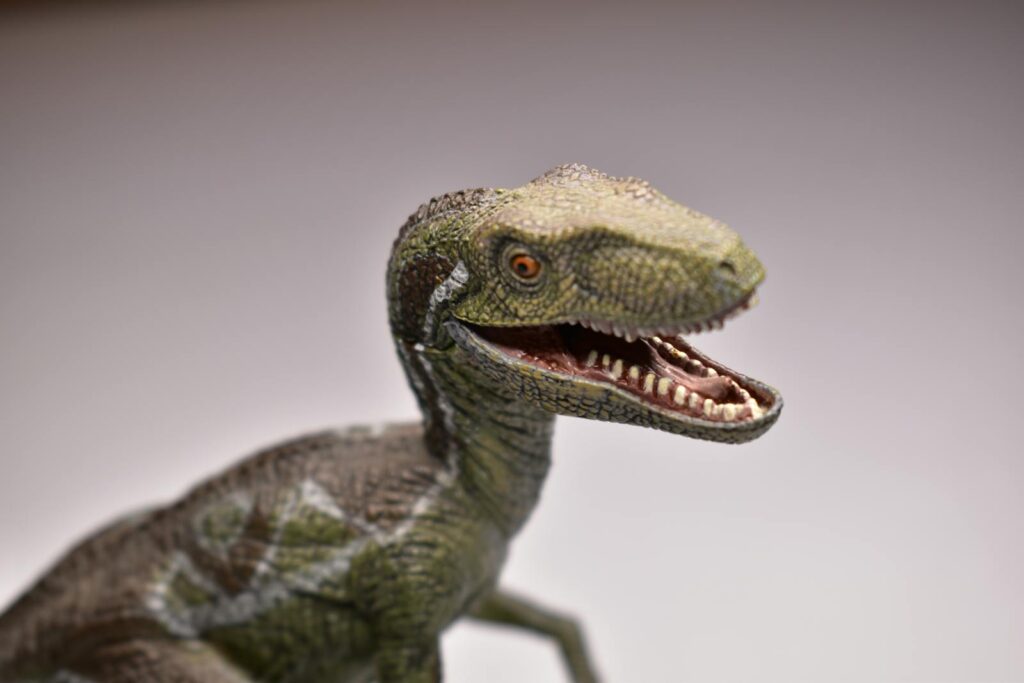
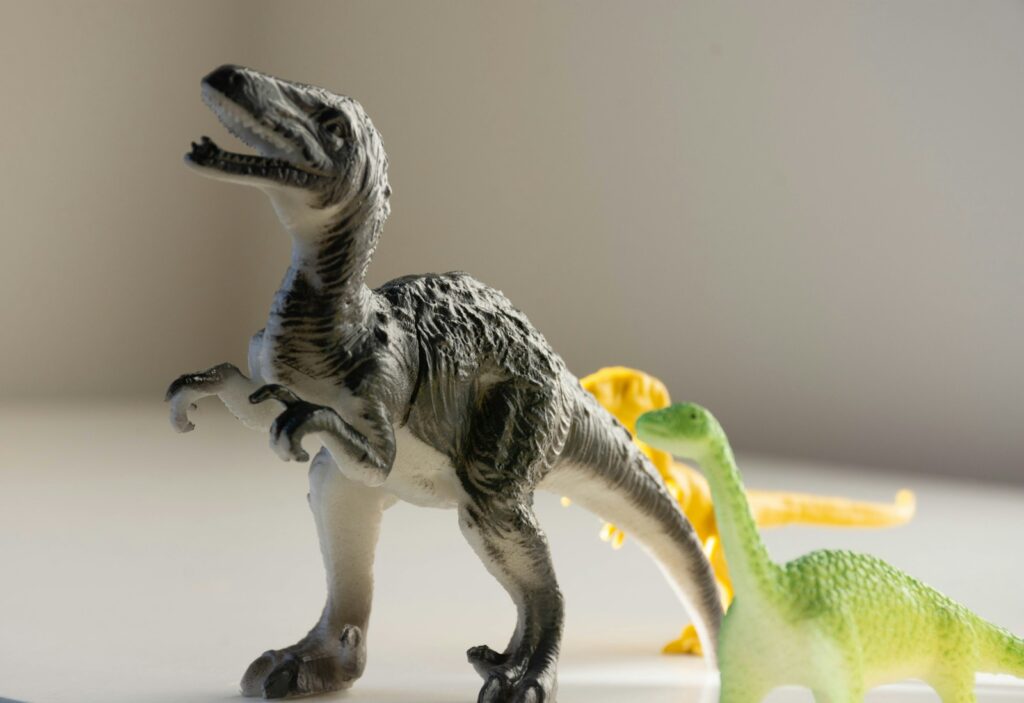
The Velociraptor’s transformation from relatively obscure dinosaur to plush toy superstar can be credited almost entirely to the Jurassic Park franchise, which catapulted this small predator into the mainstream consciousness. Before the films, Velociraptor plushies were virtually non-existent; afterward, they became essential additions to any dinosaur plush collection. Toy designers face the challenge of balancing the dinosaur’s fearsome aspects—particularly its curved claws and predatory stance—with child-friendly modifications that maintain cuddliness. The scientifically inaccurate but culturally significant depiction from the films (which more closely resembled Deinonychus) has largely defined the appearance of Velociraptor plushies, though some educational toy companies offer more accurate feathered versions. Gund’s Velociraptor plush became particularly successful by capturing the dinosaur’s alert posture and curious expression while minimizing its more frightening aspects. Limited edition “Blue” Velociraptor plushies, based on the character from the Jurassic World films, regularly sell out when released, demonstrating this dinosaur’s enduring appeal.
Pteranodon: The Flying Representative
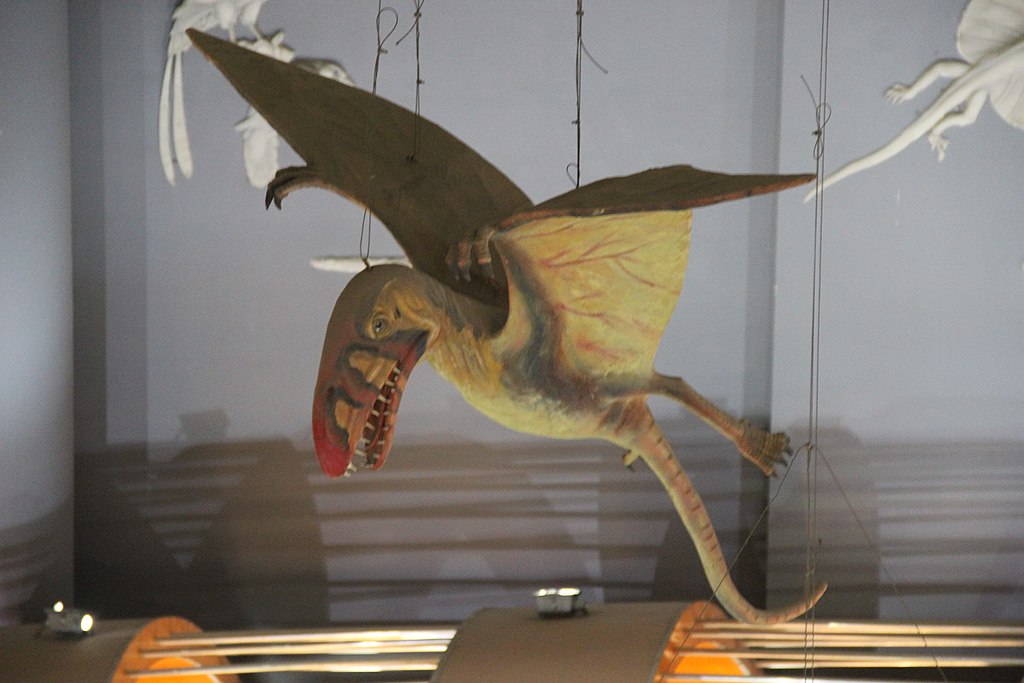
While technically not dinosaurs but rather flying reptiles, Pteranodon plushies have become essential members of the prehistoric plush toy family, offering a distinctive silhouette among the typically four-legged dinosaur options. The unique wing structure presents manufacturers with design challenges, typically resolved through fabric wings that extend from the body while maintaining a huggable form. Children are particularly drawn to Pteranodon plushies because they represent the fascinating concept of flight in the prehistoric world, with many designs featuring outstretched wings that can wrap around a child’s shoulders. The Wild Republic Pteranodon plush has achieved notable popularity due to its scientifically informed design and the clever use of different fabric textures to distinguish between body and wing membranes. Museum gift shops often feature Pteranodon plushies as bestsellers, as they provide a different perspective on prehistoric life compared to land-dwelling dinosaur toys and serve as tangible reminders of the impressive flying reptile skeletons displayed in many natural history museums.
Parasaurolophus: The Crest-Headed Musical Icon

The Parasaurolophus, with its distinctive backward-sweeping hollow crest, has carved out a special niche in the dinosaur plush market as a favorite among children fascinated by dinosaur communication. Toy designers have embraced the challenge of creating plush versions that showcase this remarkable head crest while maintaining the toy’s softness and cuddliness. Premium Parasaurolophus plushies often feature crests made of slightly firmer materials to maintain their characteristic shape, while still remaining completely safe for children. This herbivore gained significant popularity following the “Ducky” character in The Land Before Time animated series, who was technically a Saurolophus but bore enough similarity to make Parasaurolophus toys desirable by association. The Japanese company Sanei created a particularly beloved version that incorporated a subtle sound element when squeezed, referencing paleontological theories about the crest’s sound-producing capabilities. Educational toy companies often highlight the Parasaurolophus as a teaching tool about dinosaur diversity and theoretical communication methods, making it a popular choice for science-minded children.
Ankylosaurus: The Armored Tank
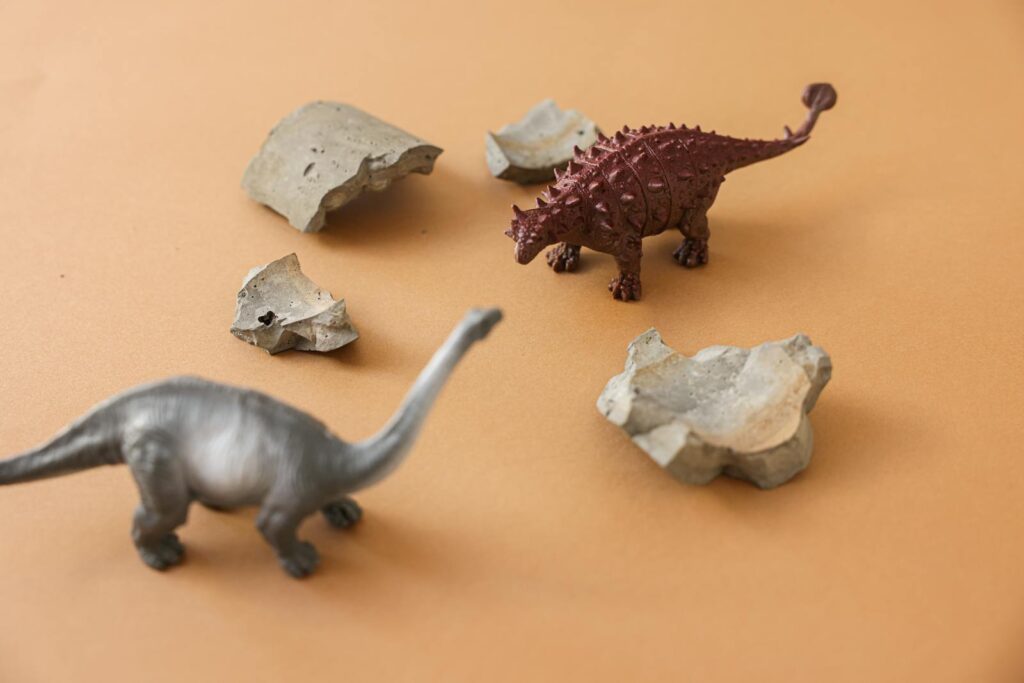
The heavily armored Ankylosaurus presents unique challenges for plush toy designers who must balance representing its distinctive defensive features while creating something genuinely cuddly. Most successful Ankylosaurus plushies use textured fabrics or embroidered details to suggest the bony plates covering the dinosaur’s back, while the characteristic club tail is typically rendered in a softer, safer interpretation than the formidable weapon it was in reality. Children are drawn to Ankylosaurus plushies for their distinctive silhouette and the inherent appeal of a dinosaur that was effectively a natural tank. The Build-A-Bear Workshop limited edition Ankylosaurus became unexpectedly popular when released, demonstrating the appeal of this less commonly merchandised dinosaur. Collectors particularly value vintage Ankylosaurus plushies from the 1970s Sinclair Oil promotional campaigns, which featured simplified but recognizable versions of this armored herbivore. The Ankylosaurus has seen renewed interest in plush form following appearances in recent dinosaur documentaries that highlight its impressive defensive capabilities against predators like T-Rex.
Diplodocus: The Long-Form Cuddle Companion
The extraordinary length of Diplodocus makes it one of the most distinctively shaped dinosaur plushies, often manufactured as extra-long toys that can stretch across a child’s bed or wrap around their shoulders. Toy designers face the challenge of creating a plush that maintains the proper proportions of this sauropod—with its extremely long neck and tail—while ensuring it remains soft and flexible enough for play. Children particularly enjoy Diplodocus plushies because they offer more hugging surface area than most other dinosaur toys, with some premium versions measuring over four feet from nose to tail tip. The Danish toy company Jellycat produces a particularly beloved Diplodocus plush that balances scientific silhouette with whimsical details and ultra-soft fabric. The Diplodocus has maintained steady popularity in plush form since the early days of dinosaur toys, in part because its gentle herbivore status and lack of sharp features makes it appropriate even for very young children. Museum gift shops often feature Diplodocus plushies as flagships of their dinosaur collections, particularly in institutions that display full sauropod skeletons.
Spinosaurus: The Comeback Story
The Spinosaurus represents one of the most dramatic transformations in dinosaur plush history, evolving from a relatively obscure toy to a bestseller following its villainous role in Jurassic Park III in 2001. Prior to the film, few manufacturers produced Spinosaurus plushies, but the dramatic sail-backed predator has since become a staple in dinosaur toy collections. Creating an effective Spinosaurus plush presents unique design challenges, particularly in representing the distinctive neural spine sail that defines this dinosaur while maintaining a huggable form. High-quality Spinosaurus plushies typically feature a sail made of separate fabric panels with light stuffing to help it stand upright while remaining soft. The scientifically accurate semi-aquatic nature of Spinosaurus has inspired some manufacturers to create plushies with subtle webbed feet or water-themed color patterns, particularly as new paleontological discoveries have revised our understanding of this dinosaur. The LEGO Group’s limited edition Spinosaurus plush that accompanied their dinosaur-themed sets became unexpectedly collectible, often selling for several times its original price on secondary markets.
Plesiosaur: The Sea Monster Favorite
While not technically dinosaurs but rather marine reptiles, Plesiosaur plushies have earned their place in the prehistoric plush pantheon as beloved representatives of ancient ocean life. With their distinctive long necks, turtle-like bodies, and flipper limbs, Plesiosaurs present unique design opportunities for toy manufacturers seeking to expand beyond traditional land-dwelling dinosaur options. Children are particularly drawn to Plesiosaur plushies because they represent the mysterious underwater world of prehistoric times, with the added appeal of resembling the legendary Loch Ness Monster. The Natural History Museum of London produces a scientifically accurate Plesiosaur plush that has become a bestseller in their gift shop, featuring detailed flippers and authentic coloration based on fossil evidence and comparative biology. Plesiosaur plushies experienced a surge in popularity following increased coverage in dinosaur documentaries that emphasized the diversity of prehistoric life beyond the stereotypical terrestrial dinosaurs. Many parents report that Plesiosaur plushies often become bath toys despite not being specifically designed for water, allowing children to simulate these ancient swimmers in their natural environment.
Collectible Dinosaur Plush Lines
Beyond individual dinosaur species, several comprehensive plush lines have achieved iconic status among collectors and children alike. The Smithsonian Museum’s official dinosaur plush collection stands as perhaps the most respected line, balancing scientific accuracy with cuddliness and featuring detailed information tags about each species. Japanese company San-X released the immensely popular “Dinosaur-san” series featuring chibi-style prehistoric creatures with exaggerated cute features that became international bestsellers despite minimal marketing outside Asia. The “Prehistoric Pals” line from Aurora World revolutionized dinosaur plushies in the early 2000s by introducing vibrant, non-traditional colors while maintaining recognizable dinosaur shapes, creating a distinctive aesthetic that many other manufacturers have since imitated. Douglas Cuddle Toys’ “Dinosaur Collection” earned acclaim for its use of varied fabric textures to suggest different skin types and features, creating a more tactilely interesting experience than competitors. Limited edition dinosaur plush sets released to coincide with major museum exhibitions often become highly sought-after collectibles, particularly those accompanying traveling displays of significant fossil discoveries that feature newly described species not commonly available in toy form.
The Educational Impact of Dinosaur Plushies

Dinosaur plush toys have proven to be more than just cuddly companions, serving as important educational tools that spark children’s interest in paleontology and natural history. Studies by early childhood educators have documented how dinosaur plushies often serve as entry points for scientific curiosity, with children learning complex scientific names and concepts through play with these prehistoric representatives. Museum educators have embraced this educational potential by designing specially tagged dinosaur plushies that include accurate information about time periods, diets, and interesting facts about each species, transforming a simple toy into a learning opportunity. The American Museum of Natural History developed a particularly effective program where children receive passport stamps for correctly identifying dinosaur plushies throughout the museum, encouraging engagement with the actual fossil exhibits. Parents consistently report that dinosaur plushies prompt questions about evolution, extinction, and scientific discovery, creating natural opportunities for meaningful scientific discussions with children as young as three years old. Teachers often incorporate dinosaur plushies into classroom activities as tangible representations that help students comprehend the vast time scales and evolutionary concepts associated with paleontology.
The Future of Dinosaur Plushies: New Discoveries and Designs
The world of dinosaur plushies continues to evolve as new paleontological discoveries reshape our understanding of these prehistoric creatures. The relatively recent scientific consensus that many dinosaurs had feathers has begun to influence plush designs, with companies like Paleontoy leading the way with accurately feathered Velociraptor and Microraptor plushies that balance scientific accuracy with aesthetic appeal. Advances in manufacturing techniques have enabled more anatomically correct designs while maintaining child-friendly softness, with 3D-modeling now often preceding physical prototyping to ensure proper proportions. Lesser-known dinosaurs are increasingly finding representation in plush form, with recent lines featuring previously overlooked species like Therizinosaurus, Carnotaurus, and Sinosauropteryx. Interactive elements are becoming more sophisticated, with some premium dinosaur plushies now incorporating subtle sound chips activated by pressure that play scientifically informed vocalizations based on skull resonance chamber studies. The growing market for adult collectors has sparked the development of limited-edition, museum-quality dinosaur plushies that emphasize scientific accuracy over traditional cuteness, demonstrating that the appeal of these prehistoric plush companions extends well beyond childhood fascination.
Conclusion
Dinosaur plush toys continue to captivate imaginations across generations, serving as both beloved companions and gateways to scientific curiosity. While the T-Rex maintains its reign as the king of dinosaur plushies, manufacturers have successfully translated even the most challenging dinosaur anatomies into huggable forms that balance recognition with comfort. These prehistoric plushies have evolved alongside our scientific understanding, with designs now reflecting new discoveries while maintaining the essential charm that has made them enduring favorites. Whether displayed proudly on collectors’ shelves or dragged through countless childhood adventures, dinosaur plush