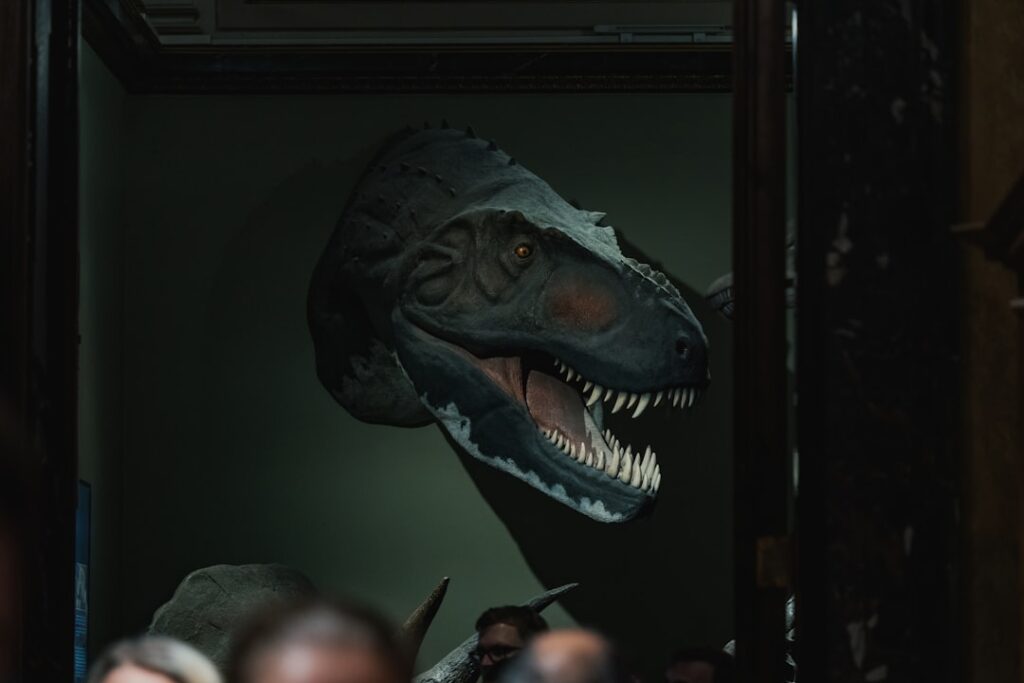
Hollywood has been fascinated with dinosaurs for decades, bringing these prehistoric giants to life on the silver screen with varying degrees of scientific accuracy. While some films have made genuine efforts to consult paleontologists and incorporate the latest research, others have prioritized spectacle over science. The result is a mixed bag of cinematic portrayals that range from remarkably accurate to laughably wrong. This ongoing battle between entertainment value and scientific truth has shaped how entire generations perceive these ancient creatures.
The Feathered Revolution: When Science Meets Cinema
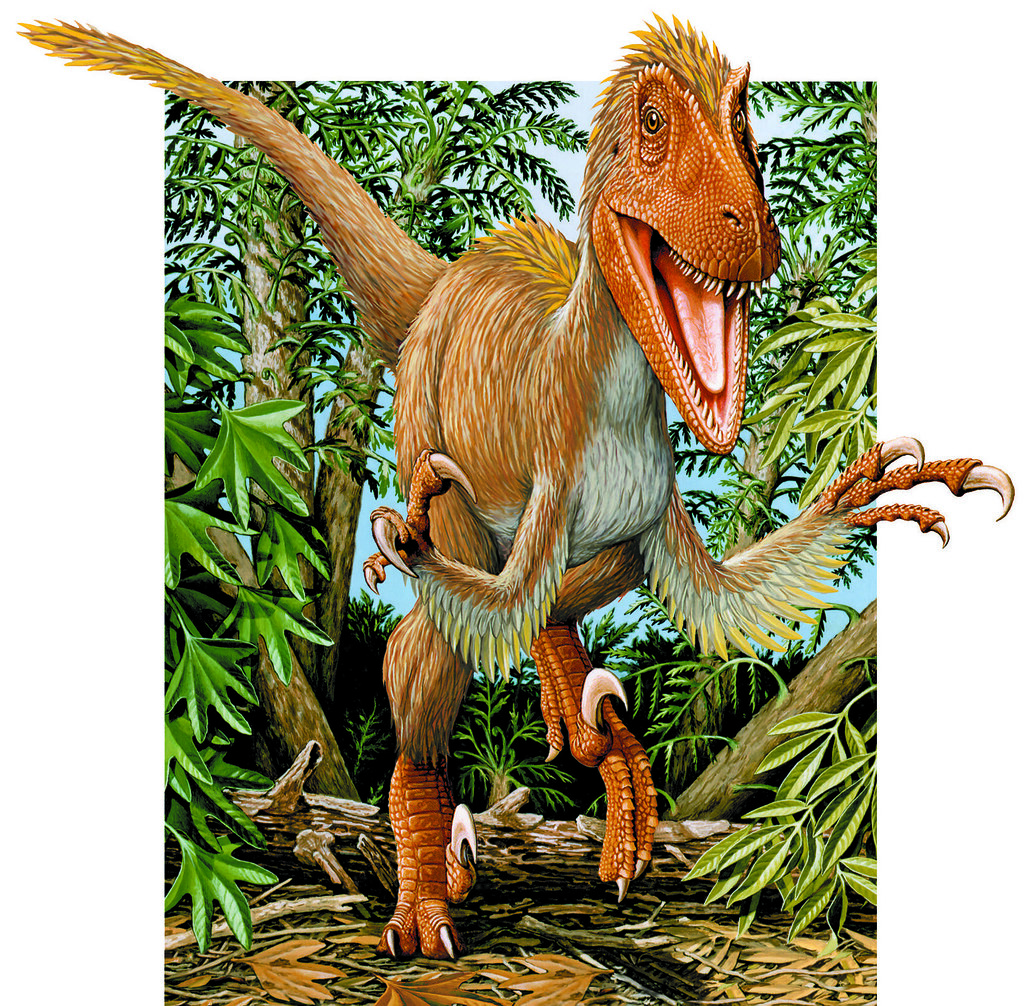
The discovery that many dinosaurs had feathers rather than scales revolutionized paleontology, but Hollywood was slow to catch up. For decades, movies depicted dinosaurs as giant lizards with rough, scaly skin reminiscent of modern reptiles. This misconception persisted even after scientists began finding fossilized feathers in dinosaur remains during the 1990s.
When films finally began incorporating feathered dinosaurs, the results were mixed. Some productions embraced the scientific evidence wholeheartedly, while others cherry-picked which dinosaurs to “feather” based on what looked most appealing to audiences. The challenge was making feathered predators seem as menacing as their traditionally scaly counterparts.
Jurassic Park: The Good, The Bad, and The Velociraptors
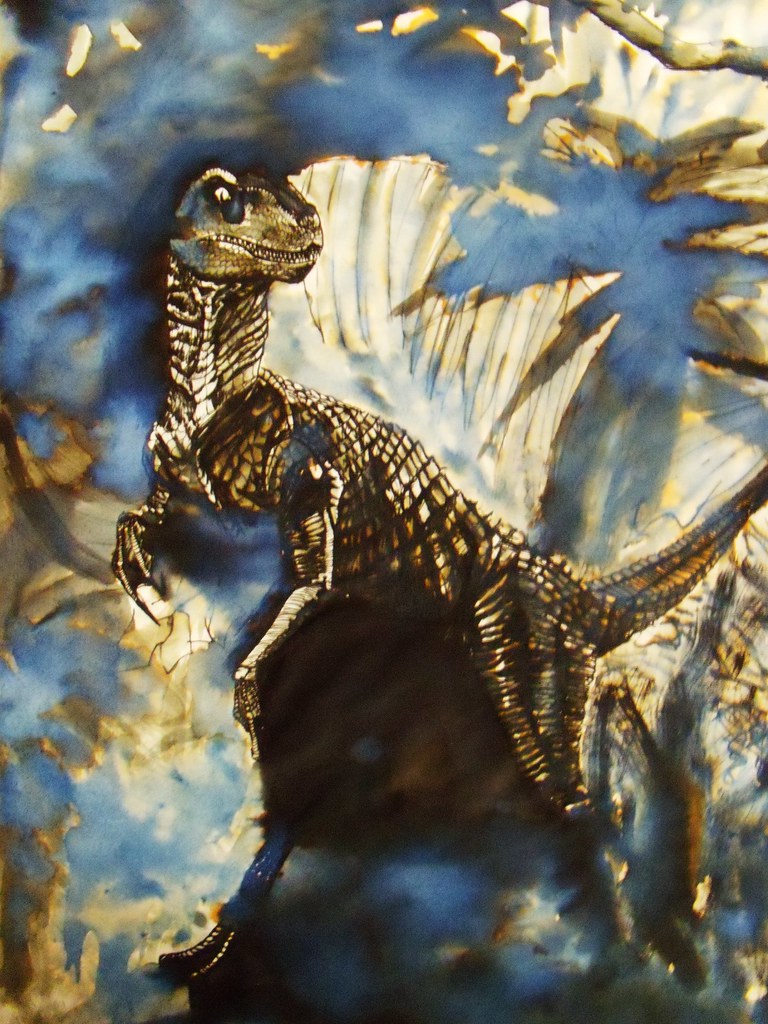
Steven Spielberg’s 1993 masterpiece “Jurassic Park” deserves credit for consulting with paleontologists and attempting scientific accuracy in many areas. The film’s portrayal of dinosaur behavior, pack hunting strategies, and even some anatomical details was groundbreaking for its time. However, the movie also perpetuated several myths that continue to influence public perception today.
The most glaring inaccuracy was the size of the Velociraptors, which were depicted as human-sized predators when the actual fossils show they were about the size of a large turkey. The film’s raptors were based more closely on Deinonychus, a larger relative. Additionally, the movie’s Dilophosaurus bore little resemblance to the actual dinosaur, complete with a fictional frill and venom-spitting ability that never existed.
The Dilophosaurus Disaster: How One Film Created a Myth
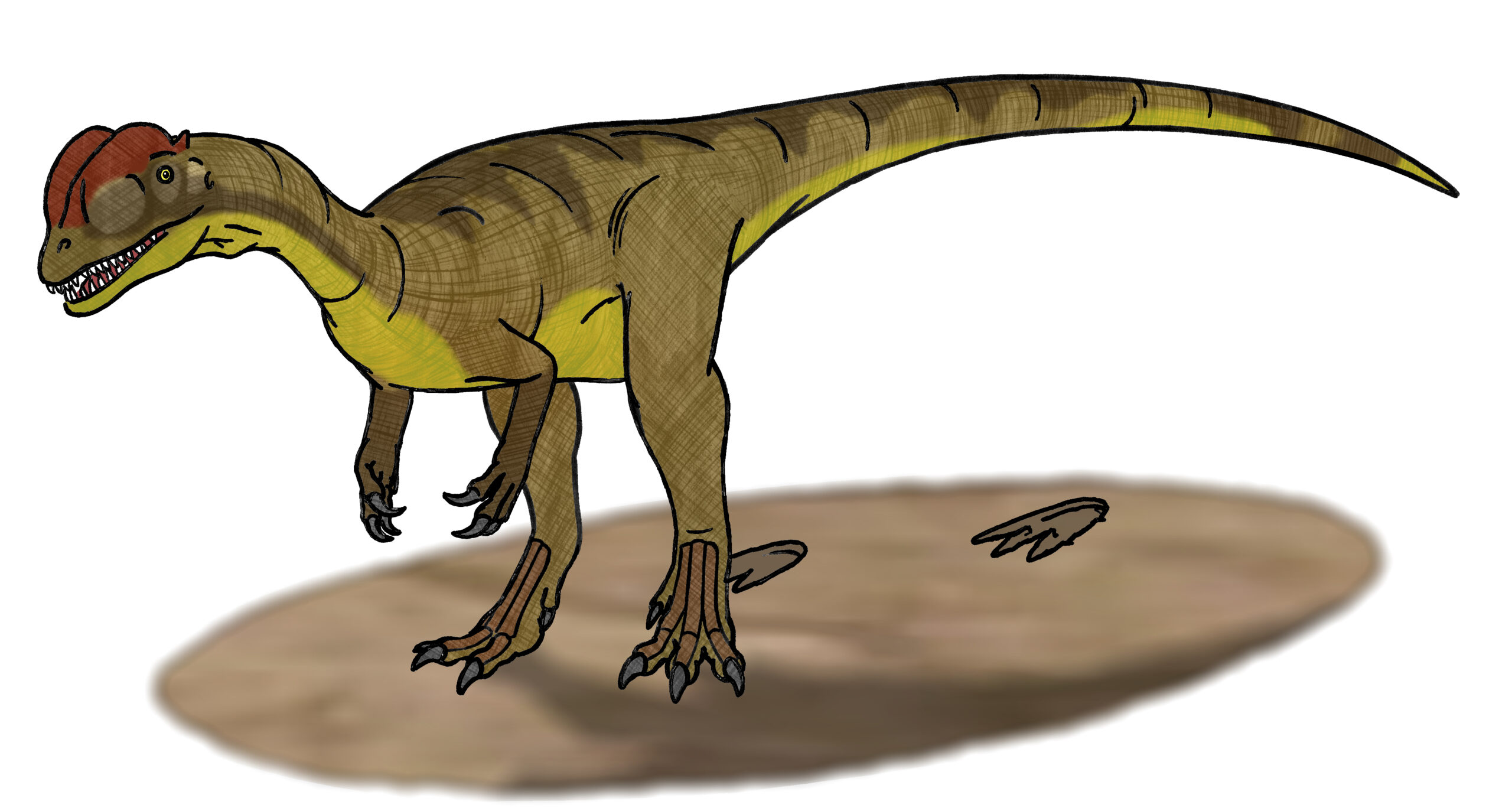
Perhaps no dinosaur has been more misrepresented in popular culture than Dilophosaurus, thanks largely to its portrayal in “Jurassic Park.” The film depicted this dinosaur as a small, frilled creature that could spit venom like a cobra. In reality, Dilophosaurus was a large predator measuring about 23 feet long with distinctive double crests on its head.
The real Dilophosaurus had no frill, couldn’t spit venom, and was significantly larger than its cinematic counterpart. This misrepresentation has been so influential that many people still associate these fictional characteristics with the actual dinosaur. The film’s creators admitted they took creative liberties, but the damage to public understanding was already done.
Walking with Dinosaurs: Television’s Scientific Triumph
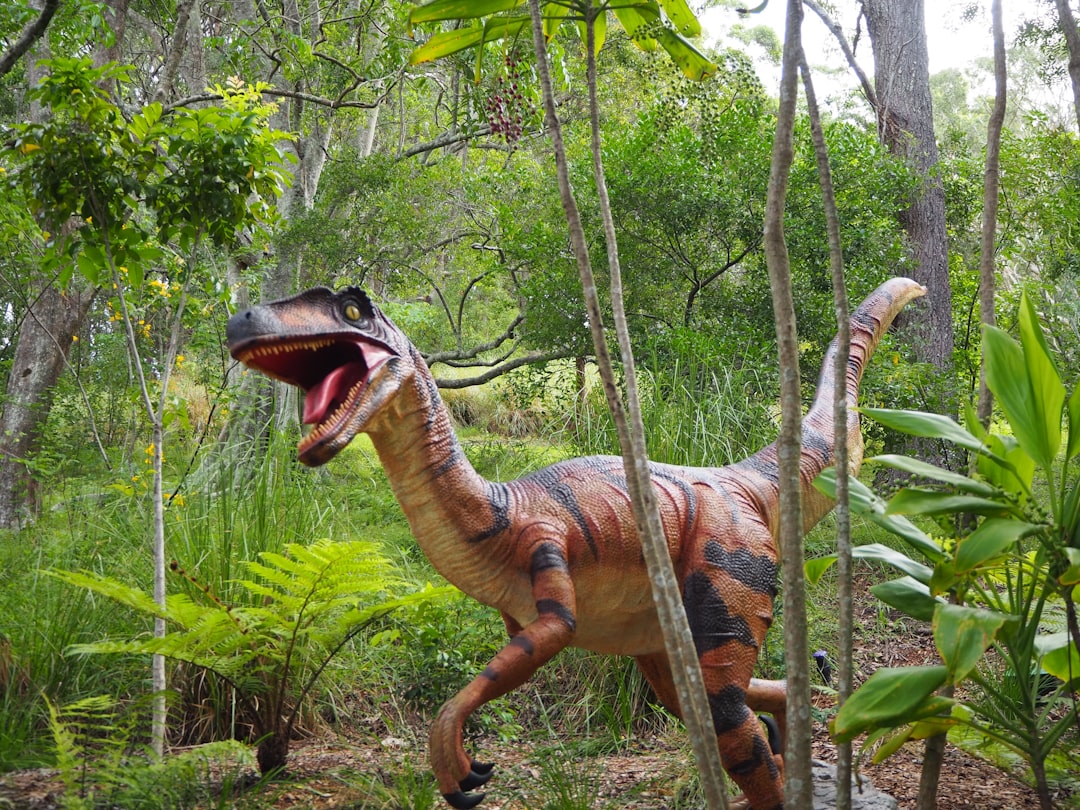
The BBC’s “Walking with Dinosaurs” series, which premiered in 1999, set a new standard for scientifically accurate dinosaur portrayals. The production team worked closely with paleontologists to ensure that the dinosaurs’ appearances, behaviors, and environments reflected the latest scientific understanding. The series avoided many of the Hollywood tropes that had dominated dinosaur media.
What made this series particularly impressive was its commitment to showing dinosaurs in their proper ecological contexts. Rather than focusing solely on massive predators, the show highlighted the diversity of dinosaur life, including smaller species and herbivores. The attention to detail in reconstructing ancient environments and food webs was unprecedented in dinosaur media.
The Spinosaurus Controversy: When New Science Changes Everything
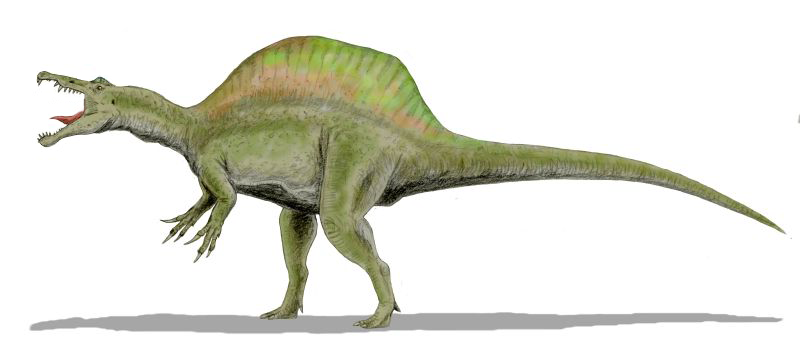
The portrayal of Spinosaurus in various films has been particularly problematic, largely because our understanding of this dinosaur has changed dramatically over the years. Early reconstructions depicted it as a typical large theropod with a prominent sail on its back. However, recent discoveries have revealed it to be a semi-aquatic dinosaur with paddle-like feet and a crocodile-like snout.
“Jurassic Park III” featured Spinosaurus as the main antagonist, but the film’s version was based on outdated reconstructions. The movie’s Spinosaurus was shown as a terrestrial predator capable of defeating a Tyrannosaurus rex, which contradicts current scientific understanding. This highlights the challenge filmmakers face when our knowledge of dinosaurs continues to evolve.
Disney’s Dinosaur: Animation Meets Paleontology
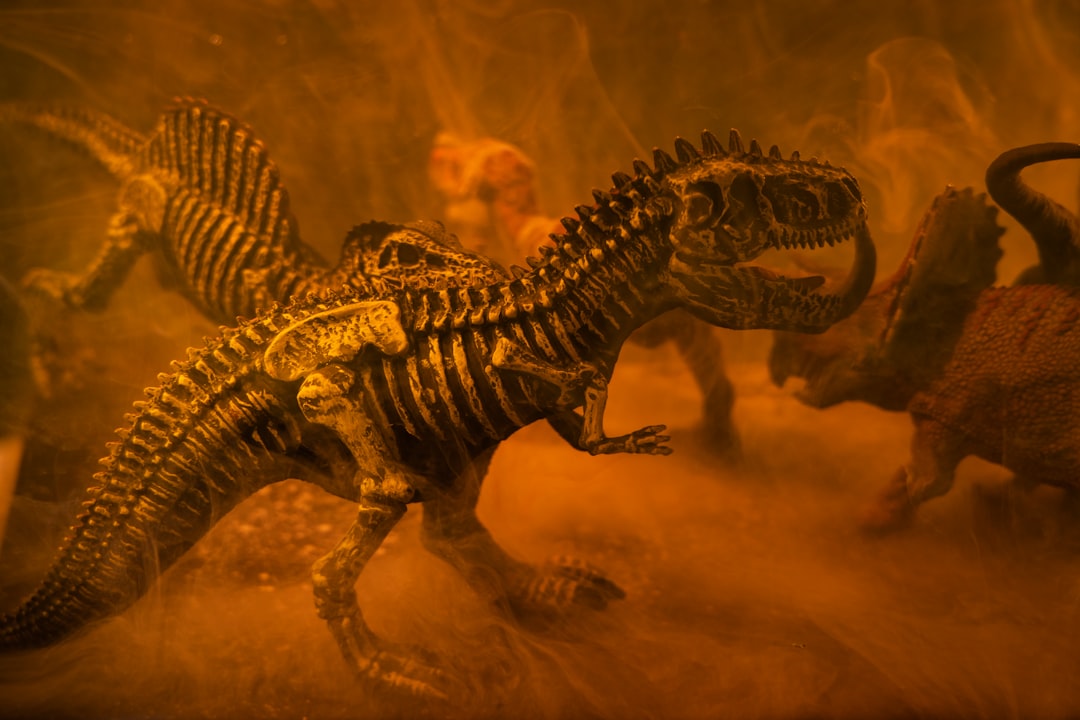
Disney’s 2000 film “Dinosaur” attempted to blend spectacular visuals with scientific accuracy, consulting with paleontologists during production. The movie succeeded in several areas, particularly in its depiction of dinosaur social behaviors and migration patterns. The film’s portrayal of herbivore herds and their survival strategies was largely accurate.
However, the movie also made significant compromises for dramatic effect. The film compressed different periods, showing dinosaurs that never coexisted in the same environments. Additionally, some of the predator behaviors were exaggerated for entertainment value, though the basic anatomical features remained largely faithful to fossil evidence.
The Dracorex Controversy: When Hollywood Creates “Dinosaurs”
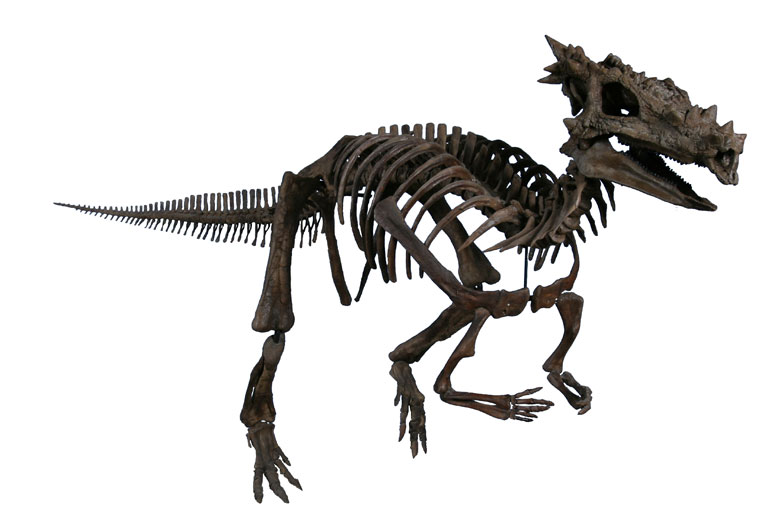
One of the most unusual cases of film influencing paleontology occurred with the discovery of Dracorex, a dinosaur whose name means “dragon king of Hogwarts.” This skull was initially thought to represent a new species, but later research suggested it was a juvenile Pachycephalosaurus. The discovery highlighted how our understanding of dinosaur growth and development continues to evolve.
The case of Dracorex demonstrates the complex relationship between popular culture and paleontology. While the name was inspired by the Harry Potter series, the actual scientific study of the specimen revealed important insights about dinosaur development. This shows how popular interest can drive scientific research, even when it leads to unexpected conclusions.
Prehistoric Planet: The New Gold Standard
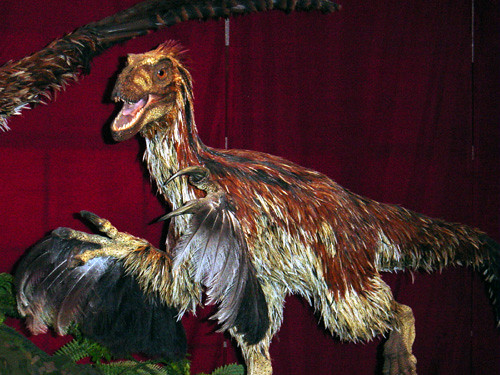
Apple TV+’s “Prehistoric Planet,” released in 2022, represents perhaps the most scientifically accurate dinosaur media ever produced. The series was created in collaboration with leading paleontologists and incorporated the latest research on dinosaur behavior, appearance, and ecology. Every aspect of the show was scrutinized for scientific accuracy.
The series excelled in showing dinosaurs as complex animals with sophisticated behaviors rather than simple monsters. It depicted feathered dinosaurs naturally, showed accurate feeding behaviors, and presented dinosaurs in their proper environmental contexts. The attention to detail in reconstructing ancient ecosystems was remarkable, making it a valuable educational tool as well as entertainment.
The Feathered Predator Problem: Why Hollywood Resists Science
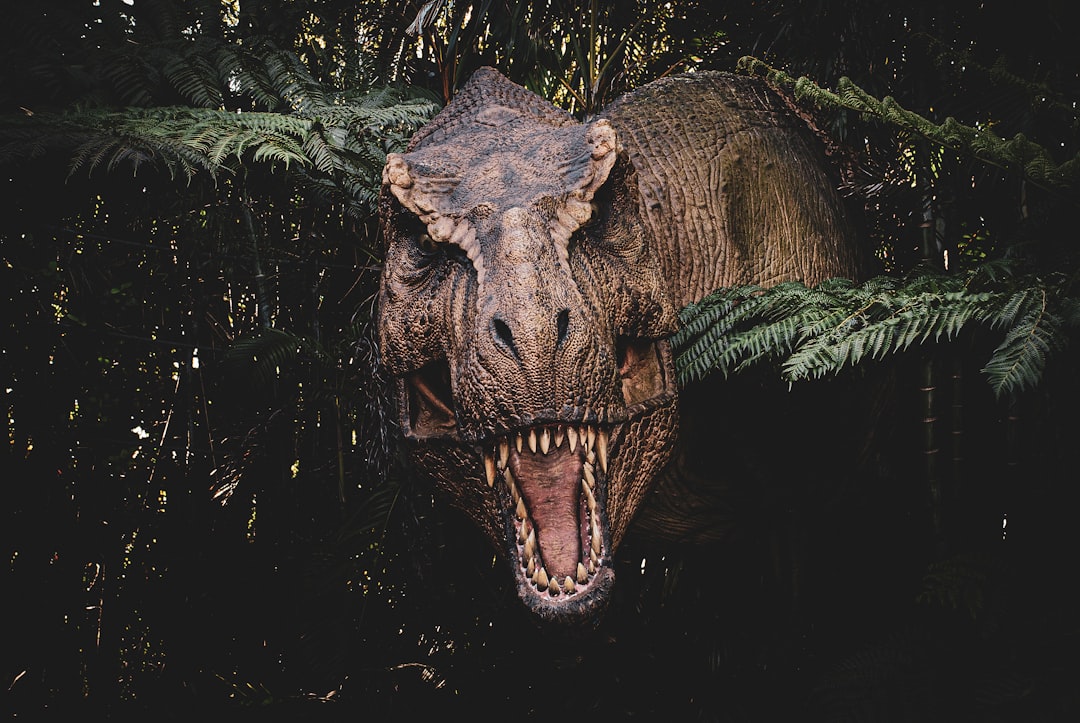
One of the biggest challenges in modern dinosaur films is the resistance to depicting feathered predators. Many filmmakers worry that feathered dinosaurs won’t seem as threatening or impressive to audiences. This has led to a reluctance to show large theropods like Tyrannosaurus rex with the feather coverings that scientific evidence suggests they may have had.
The industry’s hesitancy stems from decades of conditioning audiences to expect scaly, reptilian dinosaurs. Changing these deeply ingrained expectations requires filmmakers to balance scientific accuracy with audience expectations. Some productions have found creative ways to incorporate feathers while maintaining the intimidating appearance that audiences expect from dinosaur antagonists.
Sound and Fury: The Problem with Dinosaur Vocalizations
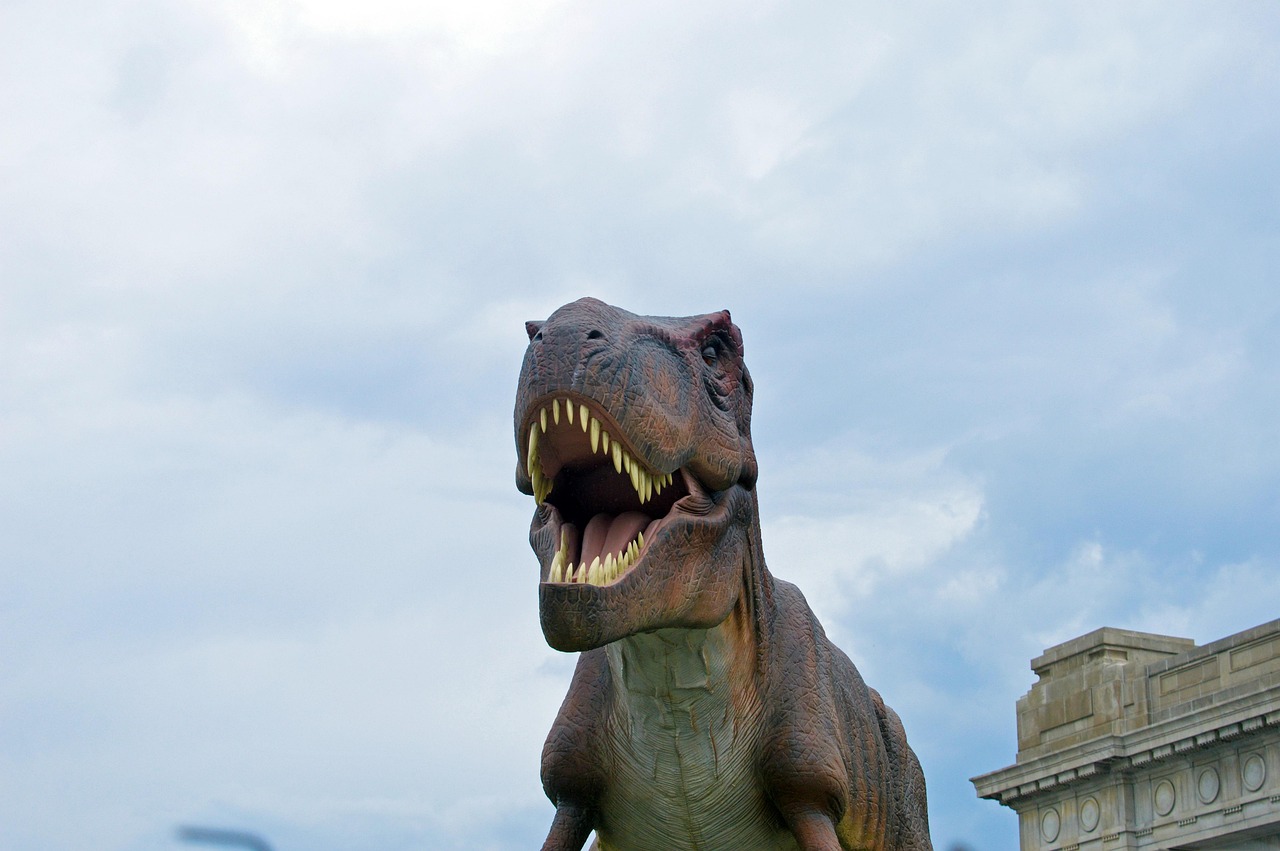
No aspect of dinosaur behavior is more speculative than their vocalizations, yet films rarely acknowledge this uncertainty. Most movies give dinosaurs loud, roaring vocalizations similar to modern large mammals or reptiles. In reality, dinosaurs likely made a variety of sounds, possibly including bird-like calls, since birds are their direct descendants.
Some films have experimented with more realistic vocalizations based on what we know about dinosaur anatomy and their relationship to modern animals. However, the temptation to use dramatic roars for emotional impact often overrides scientific considerations. The challenge is creating sounds that are both scientifically plausible and cinematically effective.
The Speed Demon Myth: Dinosaur Locomotion in Film

Movie dinosaurs often move with speeds and agility that would be impossible for animals of their size. Large theropods like Tyrannosaurus rex are frequently shown running at incredible speeds, when biomechanical studies suggest they were likely limited to fast walking or moderate running speeds. The physics of moving massive bodies simply doesn’t support the superhuman agility often depicted.
Smaller dinosaurs have also been misrepresented in terms of their movement capabilities. While some species were indeed fast and agile, others were likely more deliberate in their movements. The tendency to make all dinosaurs seem like super-athletes ignores the diversity of lifestyles and adaptations that existed among these ancient animals.
Color Patterns: From Guesswork to Scientific Evidence
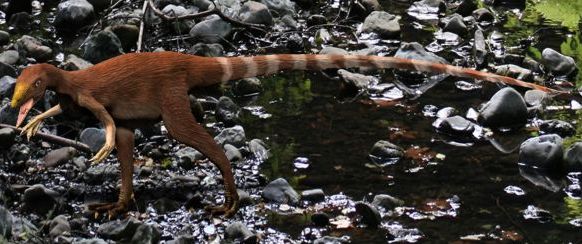
Early dinosaur films had little choice but to guess at dinosaur coloration, often defaulting to dull browns and grays. However, recent scientific advances have allowed researchers to determine the actual colors of some dinosaurs by analyzing fossilized melanosomes. These discoveries have revealed that some dinosaurs had vibrant colors and complex patterns.
Modern productions have begun incorporating these scientific findings, showing dinosaurs with more diverse and scientifically supported colorations. The shift from monochromatic movie dinosaurs to more realistic color schemes represents one of the most visible improvements in recent dinosaur media. This attention to detail helps create more believable and scientifically accurate portrayals.
The Herbivore Problem: Why Plant-Eaters Get Short Shrift
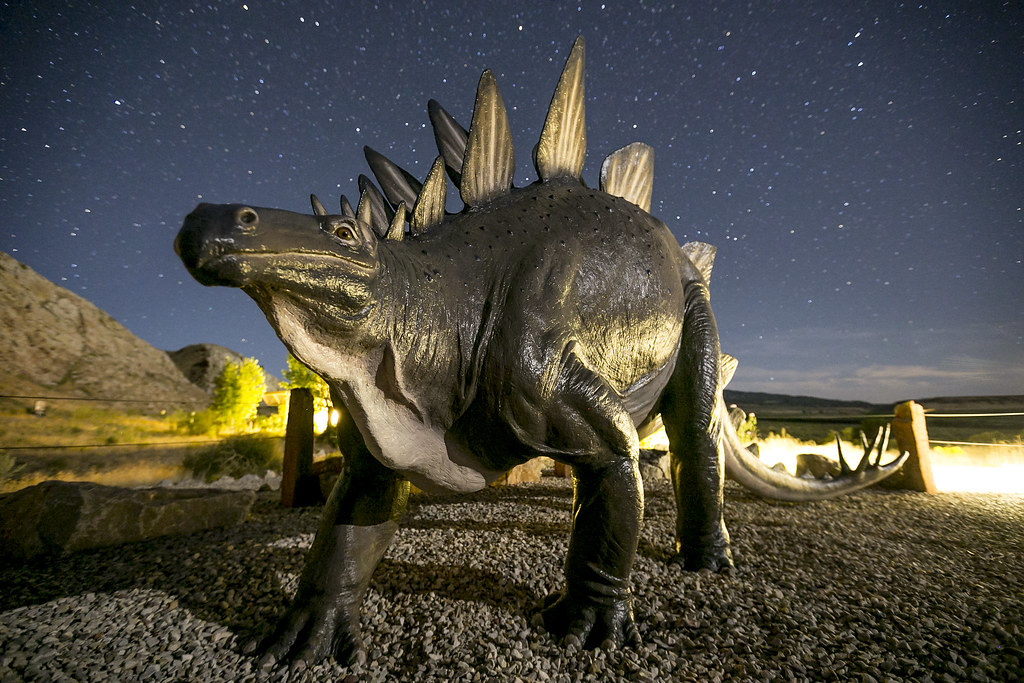
Most dinosaur films focus heavily on large predators while giving little attention to the diverse world of herbivorous dinosaurs. This bias creates a distorted view of dinosaur ecosystems, where plant-eaters made up the majority of species. When herbivores do appear, they’re often portrayed as helpless victims rather than the complex, well-adapted animals they are.
The few films that have given herbivores proper attention have revealed how fascinating these animals ccanbe. Many had sophisticated defensive mechanisms, complex social behaviors, and remarkable adaptations for processing plant material. Showing the full spectrum of dinosaur diversity would create more accurate and interesting portrayals of these ancient ecosystems.
Future Prospects: Where Dinosaur Cinema Goes from Here
The future of dinosaur cinema lies in embracing scientific accuracy while maintaining entertainment value. As our understanding of dinosaurs continues to evolve, filmmakers have the opportunity to create more sophisticated and realistic portrayals. The success of scientifically accurate productions like “Prehistoric Planet” suggests that audiences are ready for more authentic dinosaur stories.
Advances in computer graphics and animation technology make it easier than ever to create scientifically accurate dinosaurs. The challenge now is convincing filmmakers that scientific accuracy can enhance rather than hinder the entertainment value of dinosaur stories. The most successful future productions will likely be those that find creative ways to make accurate dinosaurs as compelling as their fictional counterparts.
Conclusion
The evolution of dinosaur portrayal in film reflects our growing understanding of these remarkable creatures. While early films can be forgiven for their inaccuracies, modern productions have access to a wealth of scientific knowledge that previous generations lacked. The choice between accuracy and entertainment no longer needs to be an either-or proposition – the best dinosaur media proves that science and spectacle can work together beautifully. What surprises you most about how far we’ve come in understanding these ancient giants?