
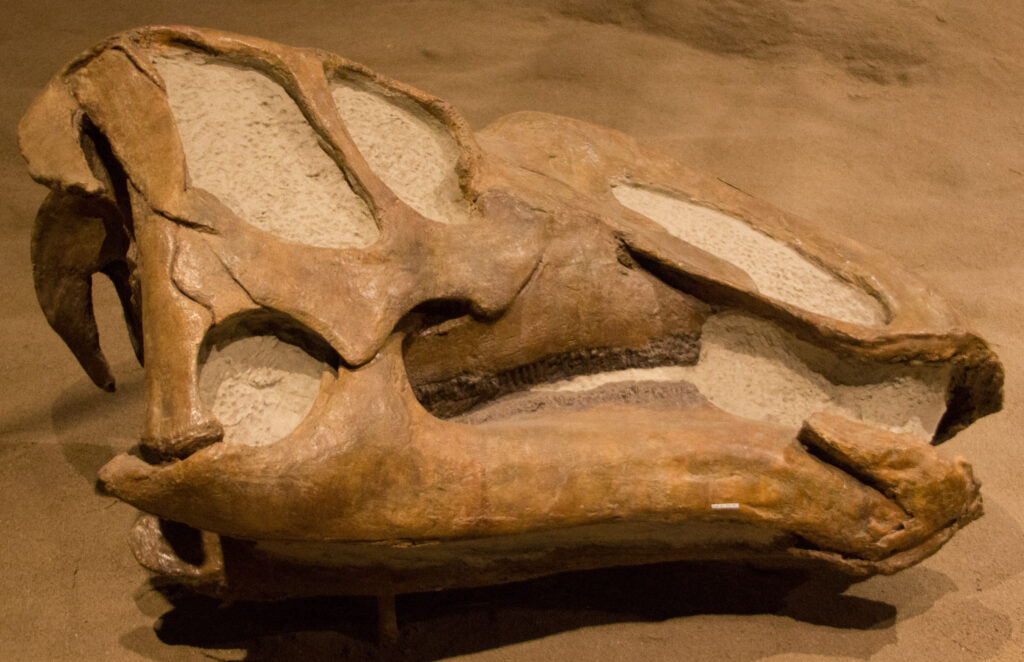
Throughout human history, our understanding of the natural world has been shaped by the fossils we’ve discovered and how we’ve interpreted them. When confronted with unfamiliar remains, people often made sense of them through the lens of their existing knowledge and beliefs. These misidentifications have led to fascinating myths, legends, and scientific missteps that reveal as much about human psychology as they do about paleontology. From ancient civilizations that interpreted mammoth skulls as cyclops remains to Victorian scientists who reconstructed dinosaurs in wildly inaccurate postures, the story of misidentified fossils offers a captivating glimpse into how we make meaning from the mysterious relics of the past.
Ancient Encounters: Fossils in Classical Mythology
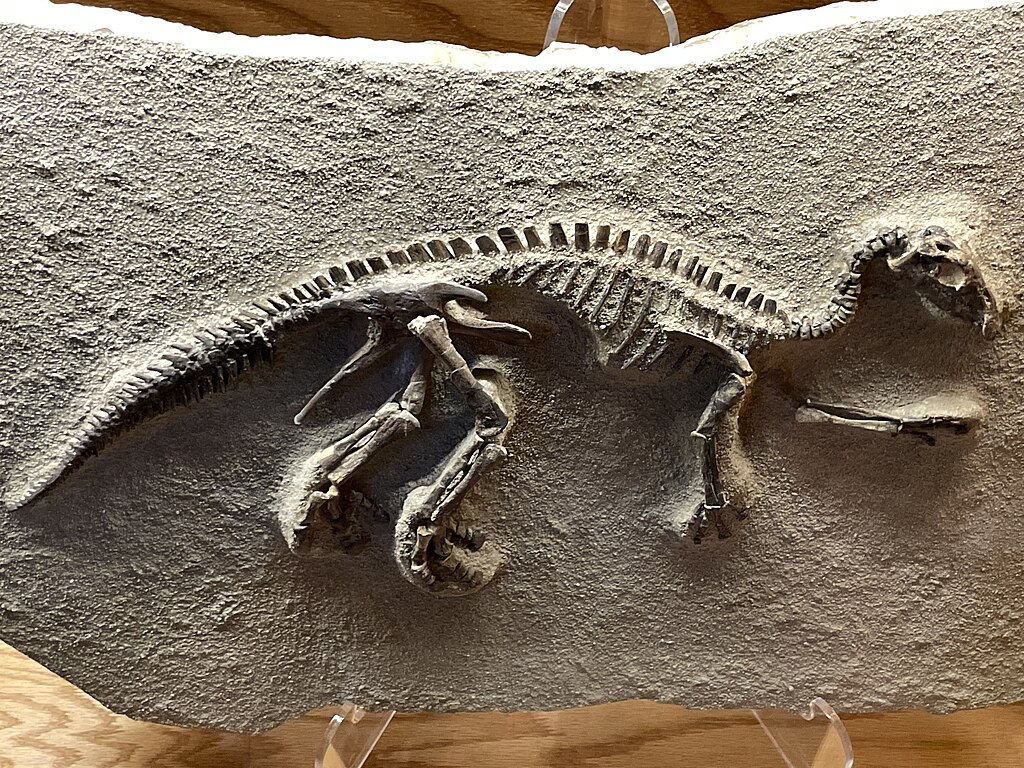
Ancient Greeks and Romans frequently encountered fossil remains that they incorporated into their mythological frameworks. One of the most famous examples involves the single nasal cavity in mammoth skulls, which ancient Mediterranean peoples interpreted as evidence of cyclopes—the one-eyed giants of myth. Paleontologist Adrienne Mayor has extensively documented how griffins may have been inspired by Protoceratops fossils found along Silk Road trade routes. In ancient China, “dragon bones” (which were often dinosaur fossils) were ground into powder for traditional medicine, representing one of the earliest systematic collections of prehistoric remains. These interpretations weren’t simply mistakes—they were creative attempts to reconcile unfamiliar evidence with existing worldviews, demonstrating how fossil misidentifications have shaped human culture for millennia.
Medieval Dragons and Biblical Giants

During the Middle Ages, fossil discoveries were frequently interpreted through religious and folkloric frameworks. Large dinosaur bones unearthed in Europe were commonly identified as the remains of dragons slain by saints and heroes, reinforcing popular legends. In Switzerland, a collection of mammoth bones discovered in 1577 was famously misidentified by physician Felix Platter as the remains of a giant human who stood nearly 20 feet tall—evidence that seemingly confirmed biblical accounts of giants. The fossilized bones of Ice Age mammals were sometimes displayed in churches and town halls as proof of biblical narratives or exceptional historical events. This period demonstrates how fossil misidentifications often reflected and reinforced the dominant belief systems of their time, with interpretations serving important social and religious functions rather than scientific ones.
The Infamous “Lying Stones” of Beringer

One of history’s most notorious fossil misidentifications occurred in the early 18th century with the case of Johann Beringer, a professor at the University of Würzburg. Beginning in 1725, Beringer collected and studied what he believed were genuine fossils featuring extraordinary depictions of birds, insects, celestial objects, and even Hebrew letters. He published a lavish book documenting these remarkable finds, only to later discover they were elaborately carved hoaxes planted by colleagues seeking to discredit him. The “Lying Stones” (Lügensteine) incident represents not just a personal misidentification but a cautionary tale about confirmation bias in scientific inquiry. Despite his academic credentials, Beringer’s eagerness to make revolutionary discoveries led him to overlook obvious signs of human manufacture. This embarrassing episode demonstrates how even trained scholars can be misled when fossils align too perfectly with their expectations or desires.
The Hydrarchos: P.T. Barnum’s Prehistoric Sea Serpent

In 1845, showman P.T. Barnum exhibited a sensational 114-foot-long fossil skeleton dubbed the “Hydrarchos,” claiming it represented an enormous sea serpent. The spectacular specimen attracted thousands of paying visitors eager to glimpse this apparent confirmation of sea monster legends. In reality, the Hydrarchos was a fraudulent composite created by Albert Koch, who had assembled bones from at least five different zeuglodon (now called Basilosaurus) specimens—ancient whale ancestors from the Eocene period. Koch had deliberately arranged the vertebrae in an unnaturally elongated fashion to create a more impressive display. Though scientists quickly denounced the exhibit as a misrepresentation, the public remained captivated by this “prehistoric monster.” The Hydrarchos case illustrates how fossil misidentifications could be deliberately exploited for commercial gain, blurring the line between scientific misunderstanding and outright deception.
Iguanodon’s Thumb Spike: An Anatomical Puzzle

When Gideon Mantell described the dinosaur Iguanodon in the 1820s, he faced a considerable challenge interpreting its fragmentary remains. In one of paleontology’s most famous anatomical misplacements, Mantell originally positioned Iguanodon’s distinctive thumb spike on the animal’s nose, creating a rhino-like appearance that persisted in scientific illustrations for decades. This error wasn’t corrected until the discovery of complete Iguanodon skeletons in a Belgian coal mine in 1878, which revealed the spike’s true position as a defensive thumb weapon. The long persistence of this misidentification highlights the difficulties early paleontologists faced when working with incomplete specimens. Without modern comparative anatomy or complete reference skeletons, scientists had to make educated guesses about how disparate fossil pieces fit together, often leading to reconstructions that seem amusingly incorrect by today’s standards.
Brontosaurus: The Dinosaur That Never Was (Until It Was Again)
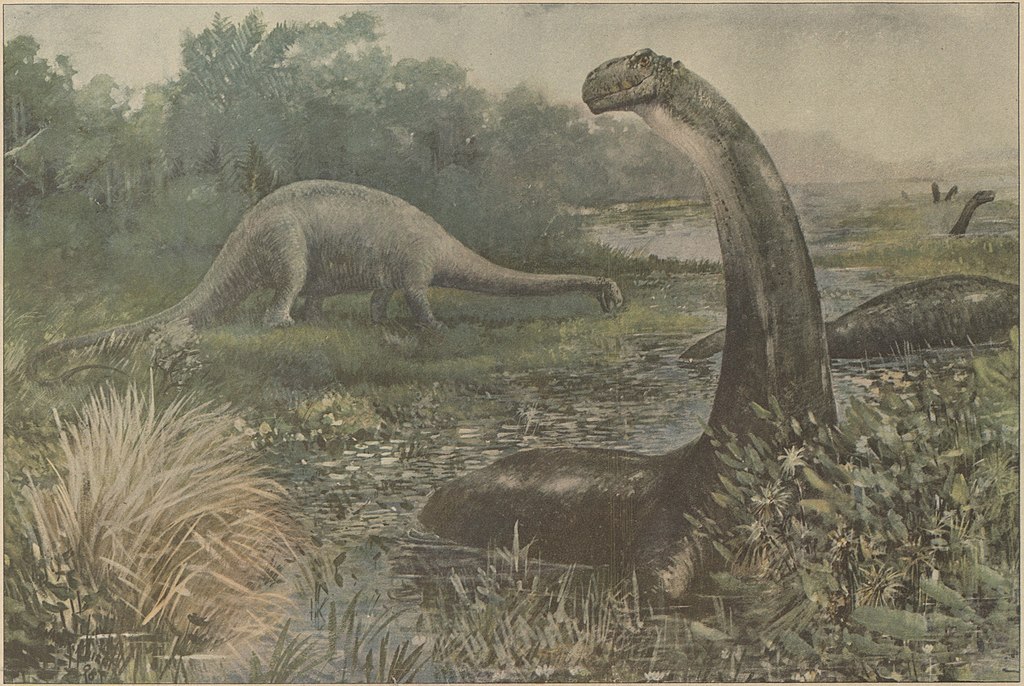
The Brontosaurus represents one of paleontology’s most famous identity crises and subsequent rehabilitations. In 1879, Othniel Charles Marsh described this massive sauropod as a new genus, distinct from his previously named Apatosaurus. However, in 1903, paleontologist Elmer Riggs determined that Brontosaurus was actually the same dinosaur as Apatosaurus, with the differences Marsh observed being attributable to age and preservation factors. Following scientific naming rules, the older name Apatosaurus took precedence, and Brontosaurus was officially relegated to a synonym for decades. Despite this scientific correction, “Brontosaurus” remained fixed in popular culture through museum displays, books, and films. In a surprising twist, a comprehensive 2015 study by Emanuel Tschopp and colleagues analyzed numerous specimens and concluded that Brontosaurus was indeed distinct enough from Apatosaurus to warrant its own genus, effectively resurrecting the name after more than a century of scientific exile.
Piltdown Man: The Most Infamous Fossil Fraud

The Piltdown Man represents the most notorious deliberate fossil misidentification in scientific history. Discovered between 1908 and 1912 in Sussex, England, the remains appeared to be the “missing link” between apes and humans—a humanoid skull with ape-like jawbones. For four decades, Piltdown Man was accepted by many as a genuine human ancestor, influencing evolutionary theories and diverting attention from authentic fossil discoveries in Africa. The fraud wasn’t conclusively exposed until 1953, when modern dating techniques revealed that the specimen was an elaborate composite: a medieval human skull combined with an orangutan jaw, chemically treated to appear ancient. While Charles Dawson, the amateur archaeologist who presented the finds, is widely considered the likely perpetrator, debate continues about potential accomplices and motives. The Piltdown Man case demonstrates how scientific preconceptions—in this case, British scientists’ desire to find human origins in England rather than Africa—can delay the recognition of even sophisticated frauds.
Dinosaur Postures: From Tail-Draggers to Dynamic Movers

Throughout much of the 20th century, dinosaurs were misrepresented in museums and popular media as lumbering, tail-dragging creatures with awkward postures. This misidentification of dinosaur biomechanics stemmed from incomplete understanding of how these animals actually moved and held their bodies. Early reconstructions placed dinosaurs in lizard-like poses with sprawling limbs, despite their distinctly different skeletal structures. The “Dinosaur Renaissance” beginning in the 1960s, led by paleontologists like John Ostrom and Robert Bakker, dramatically revised these interpretations. Modern studies of dinosaur trackways, joint articulation, and comparative anatomy have revealed that most dinosaurs held their tails horizontally as counterbalances, with many species adopting much more active, dynamic postures than previously thought. This wholesale reinterpretation of dinosaur posture represents one of the most significant corrections of misidentification in paleontological history, fundamentally changing how we visualize these ancient creatures.
The Oviraptor: Falsely Accused Egg Thief

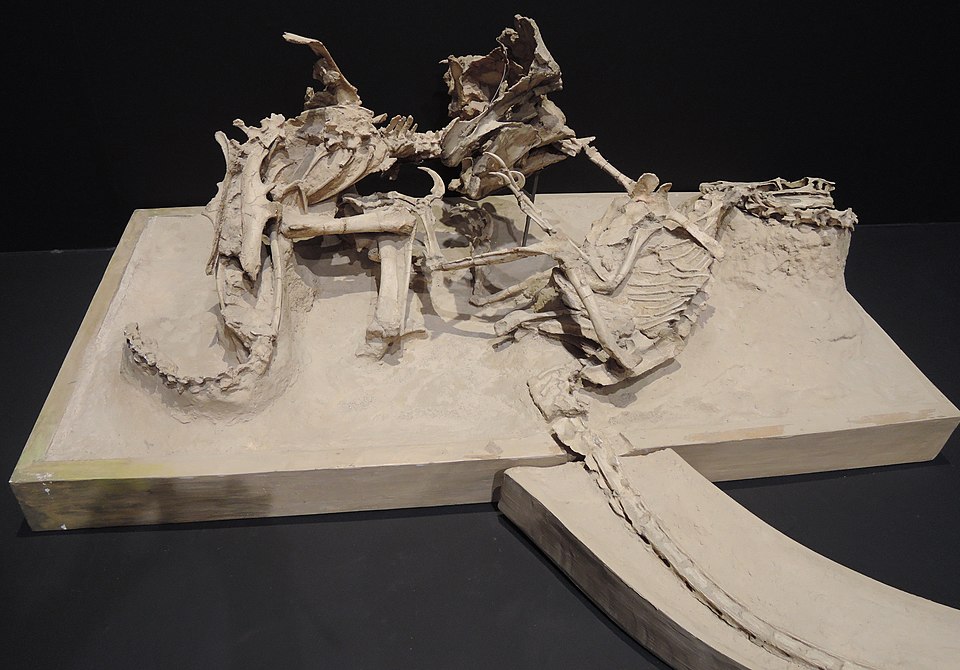
When Roy Chapman Andrews discovered the first Oviraptor fossil in Mongolia in 1923, it was found atop what appeared to be a nest of Protoceratops eggs. This circumstantial evidence led to its scientific name Oviraptor philoceratops, meaning “egg thief who loves ceratopsians.” For decades, this dinosaur was depicted as a nest raider, stealing and consuming the eggs of other species. However, in the 1990s, additional Oviraptor specimens were discovered in identical positions over nests, and closer examination revealed that these were actually Oviraptor eggs, not Protoceratops eggs as originally thought. The maligned dinosaur wasn’t stealing eggs—it was brooding its own nest, possibly having died while protecting its offspring. This dramatic reinterpretation transformed Oviraptor’s image from villain to devoted parent, illustrating how initial misidentifications can create persistent misconceptions about extinct animals’ behavior and ecological roles.
Hesperornis: The Misplaced Teeth
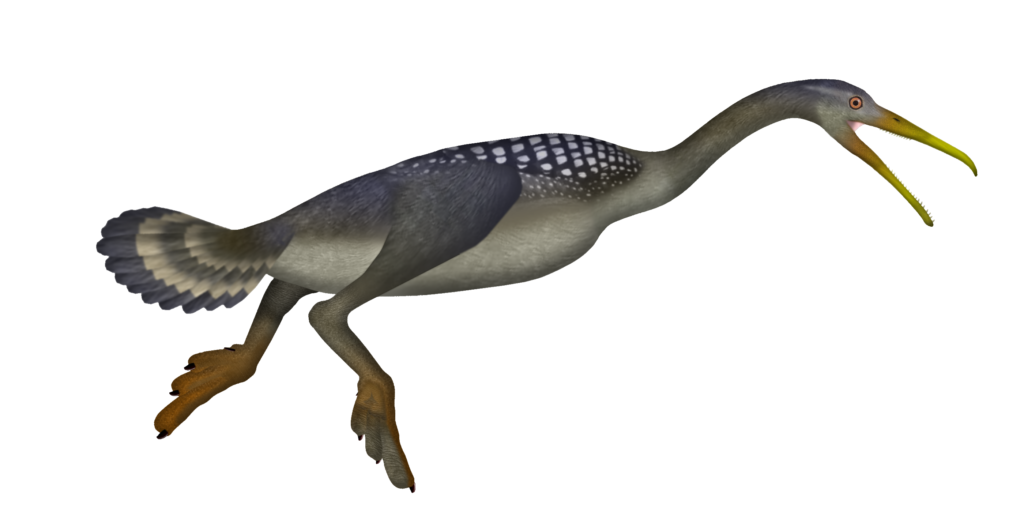
When paleontologist Othniel Charles Marsh first described the Cretaceous diving bird Hesperornis in the 1870s, he reconstructed it with teeth in the premaxilla (front of the upper jaw), creating an unusual appearance for this otherwise streamlined aquatic predator. This misidentification persisted in scientific literature and illustrations for decades. Later, more complete specimens and careful re-examination revealed that Hesperornis actually lacked teeth in the premaxilla, with its teeth restricted to the maxilla further back in the jaw. This correction significantly changed understanding of how this specialized diving bird captured and processed its prey. The misplacement of Hesperornis teeth demonstrates how even small anatomical misidentifications can influence our broader interpretations of extinct animals’ feeding behaviors and ecological adaptations.
Misidentified Marine Reptiles: Tanystropheus and the “Snake-Necked” Puzzle
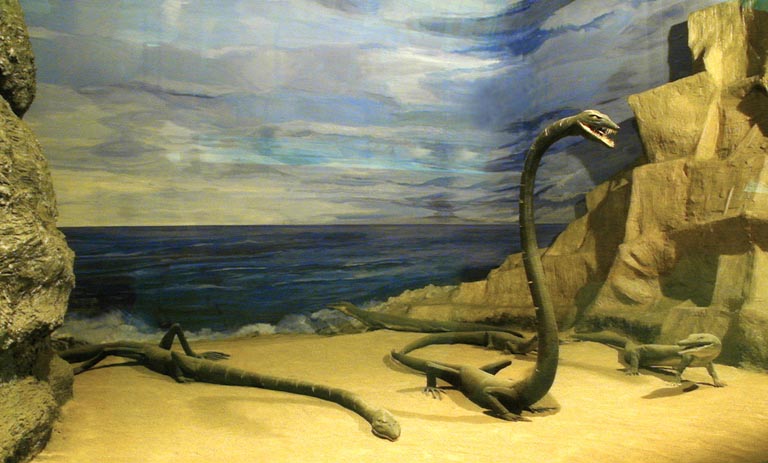
When fragmentary remains of the Triassic reptile Tanystropheus were first discovered in the 19th century, paleontologists struggled to make sense of its extraordinarily elongated neck vertebrae. Some scientists initially identified these unusual bones as pterosaur wing elements, while others suggested they belonged to a bizarre swimming creature with a snake-like body. It wasn’t until the discovery of more complete specimens in the 1930s that scientists could correctly reconstruct Tanystropheus as a bizarre shore-dwelling reptile with a neck longer than its body and tail combined. Even after this correction, debates continued about whether Tanystropheus lived primarily in water or on land, with modern research suggesting it was a specialized aquatic ambush predator. The complex history of Tanystropheus misidentifications illustrates how truly unusual ancient adaptations can confound even expert interpretation when working from incomplete evidence.
Modern Misidentifications: The Archaeoraptor Fiasco
Even in the era of advanced scientific techniques, fossil misidentifications continue to occur. The Archaeoraptor case from 1999 stands as a cautionary modern example. Initially hailed as a “missing link” between birds and terrestrial dinosaurs, this specimen featured in National Geographic was later revealed to be a composite forgery combining parts from at least two different species. Created by fossil dealers in China who had assembled pieces to increase the specimen’s commercial value, Archaeoraptor was exposed through CT scanning and careful analysis by scientists. Ironically, while the composite itself was fraudulent, both contributing specimens were scientifically significant—one was later described as Microraptor, a genuine feathered dinosaur. The Archaeoraptor incident demonstrates that despite sophisticated analytical tools, the commercial value of fossils continues to motivate forgeries that can temporarily mislead even professional scientists and respected publications.
Lessons from Historical Misidentifications: Advancing Scientific Methods
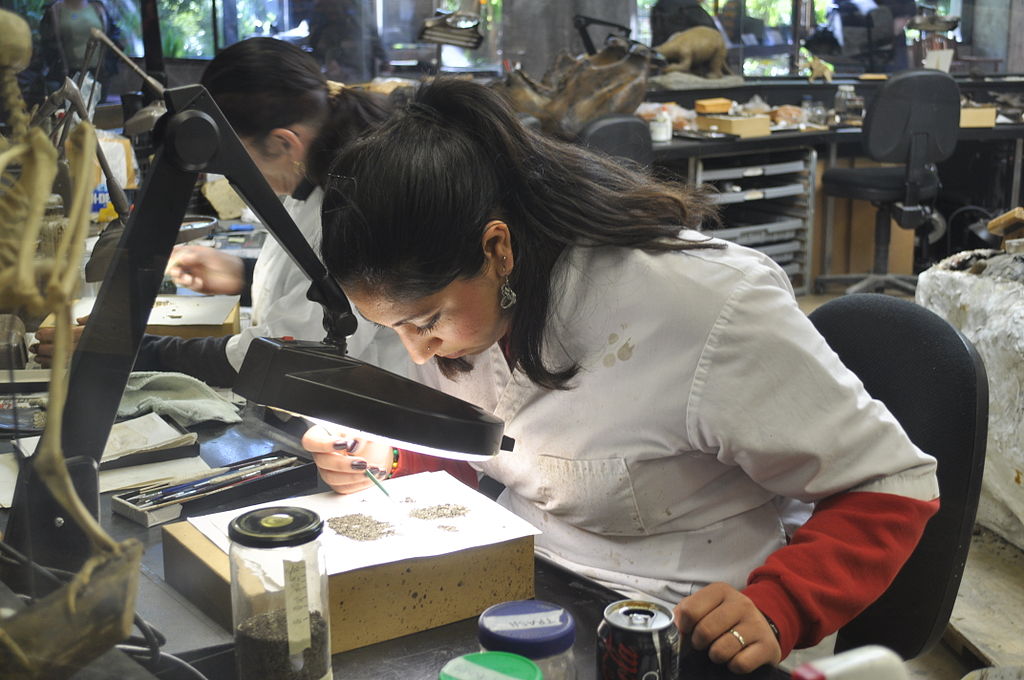
The long history of fossil misidentifications has played a crucial role in developing more rigorous paleontological methods. Each major error has prompted the scientific community to implement new safeguards and analytical approaches. The Piltdown Man fraud led to more standardized methods for authenticating fossil discoveries, including chemical testing and comparative anatomical analysis. Dinosaur posture misidentifications drove the development of biomechanical modeling and more careful attention to joint articulation. Modern paleontologists routinely employ CT scanning, 3D modeling, isotope analysis, and other advanced techniques that would have prevented many historical misidentifications. Perhaps most importantly, the field has developed a stronger culture of skepticism and peer review, recognizing that extraordinary claims require extraordinary evidence. Rather than simply representing embarrassing mistakes, these historical misidentifications have served as valuable learning opportunities that strengthened paleontological science as a whole.
Conclusion

The story of misidentified fossils is ultimately a human story—one that reveals our persistent attempts to make sense of the unfamiliar through the lens of what we already know or wish to believe. From ancient cyclopes to fraudulent missing links, each misidentification reflects the scientific understanding, cultural context, and sometimes the biases of its time. As our methods have become more sophisticated and our knowledge more extensive, the nature of misidentifications has changed but not disappeared entirely. Modern paleontologists continue to revise previous interpretations as new evidence emerges, demonstrating that science advances not through perfect knowledge but through a willingness to correct mistakes. The mystery bones of history have not only taught us about extinct creatures but about ourselves—how we observe, interpret, and occasionally mislead ourselves in our enduring quest to understand the past.


