Think about your world for a moment. Africa is thousands of miles from South America. Australia sits isolated in the Pacific. Yet if you look closely at certain fossils, something weird emerges. Identical species appear on continents now separated by vast oceans. How did they get there? Did ancient reptiles swim across the Atlantic? That seems impossible.
The answer lies buried in deep time, in an era when all land converged into a single, monstrous landmass. This ancient supercontinent didn’t just exist as a geographical curiosity. It fundamentally shaped how life evolved, diversified, and spread across our planet. Let’s dive into the astonishing story of Pangea and discover how one colossal continent created the biological world you see today.
When All the Pieces Fit Together
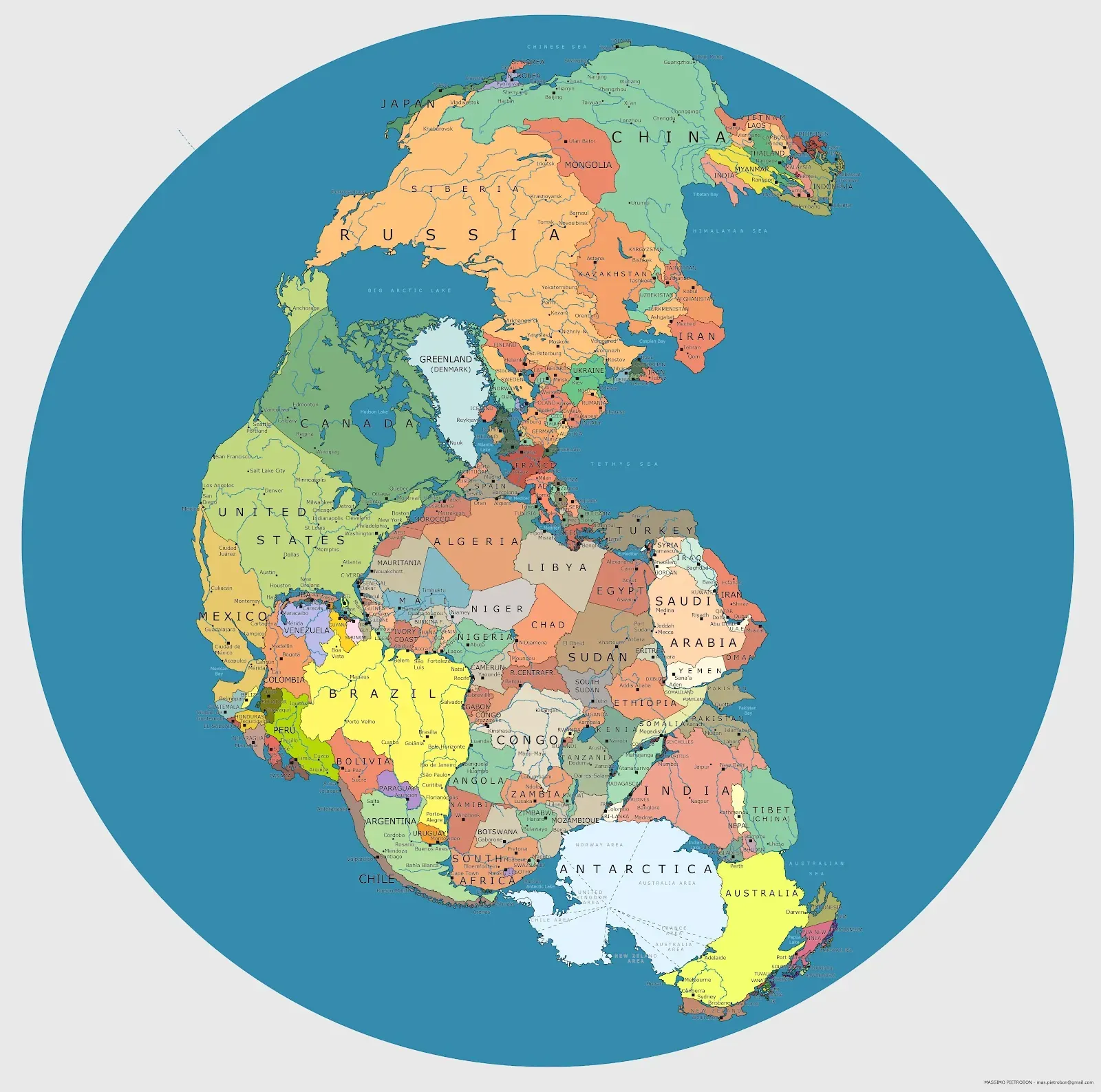
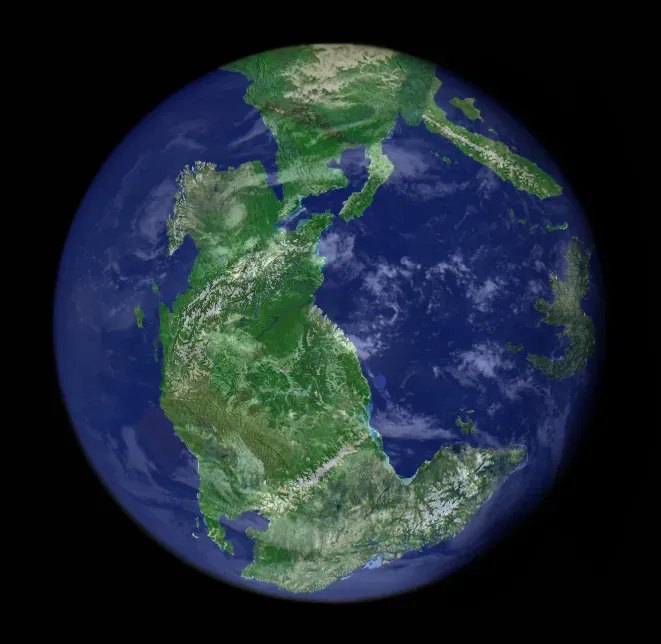
Pangea assembled from earlier continental units during the Carboniferous period approximately 335 million years ago, bringing together virtually all of Earth’s landmasses into one gigantic continent. Imagine every place you know compressed into a single sprawling territory. The supercontinent was C-shaped, with most of its mass stretching between Earth’s northern and southern polar regions, surrounded by the massive superocean Panthalassa.
The collision wasn’t gentle. Rugged mountain ranges similar to the Himalayas formed along the boundaries, including what we now call the Appalachians. These towering peaks rose as tectonic plates smashed together with unimaginable force. The sheer scale of Pangea’s formation represented one of the most dramatic geological events in Earth’s history, reshaping the planet’s surface and setting the stage for evolutionary changes that would echo through millions of years.
A World of Extreme Climates and Brutal Deserts
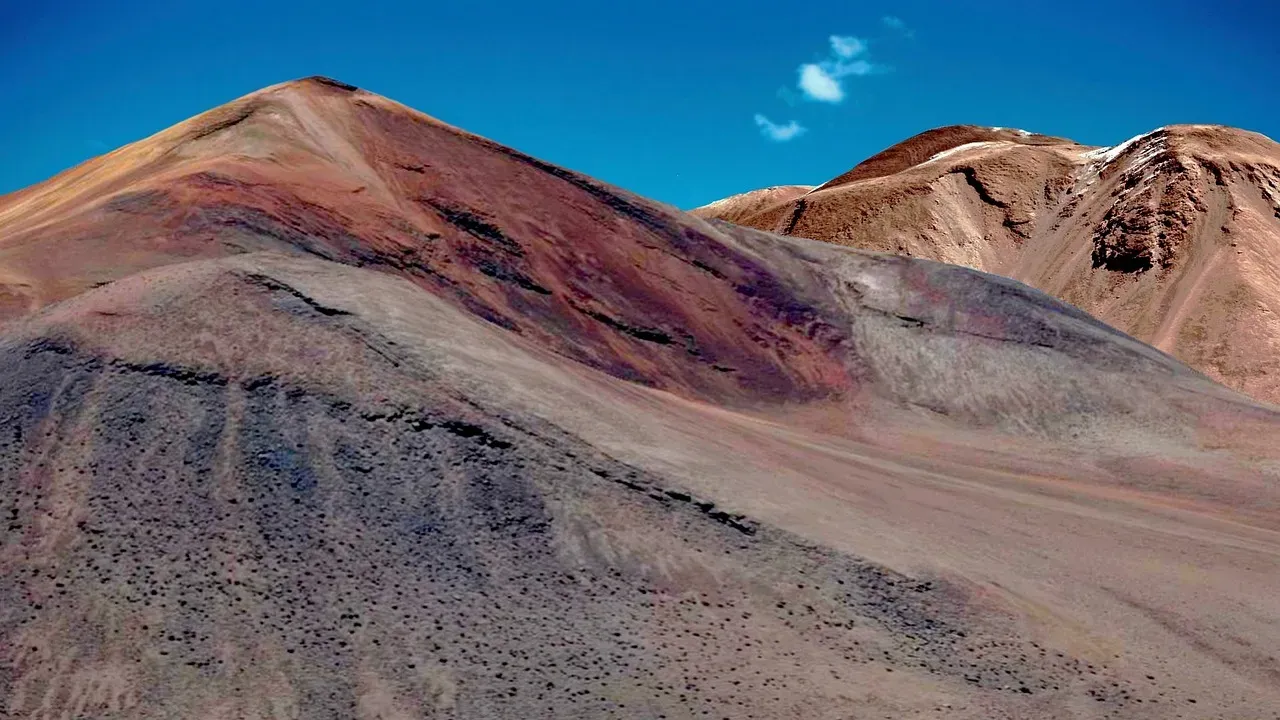
The inner parts of the supercontinent were significantly drier and cooler than its shores, likely forming one of the most extensive desert systems in Earth’s geological history. This wasn’t just any desert. We’re talking about a continental interior so vast and isolated from ocean moisture that temperatures swung wildly between scorching heat and bitter cold. Animals could walk from one end of Pangea to the other, but much of it would have been harsh to live in.
The climate created challenges that modern species rarely face. Warm seas surrounding Pangea brought tropical moisture-laden air over the land, causing rainfall in certain regions, but the interior remained punishingly arid. Think about the evolutionary pressure this created. Species had to adapt to temperature extremes, prolonged droughts, and seasonal monsoons that varied dramatically. Life couldn’t just survive here – it had to become remarkably resilient.
The Great Permian Catastrophe
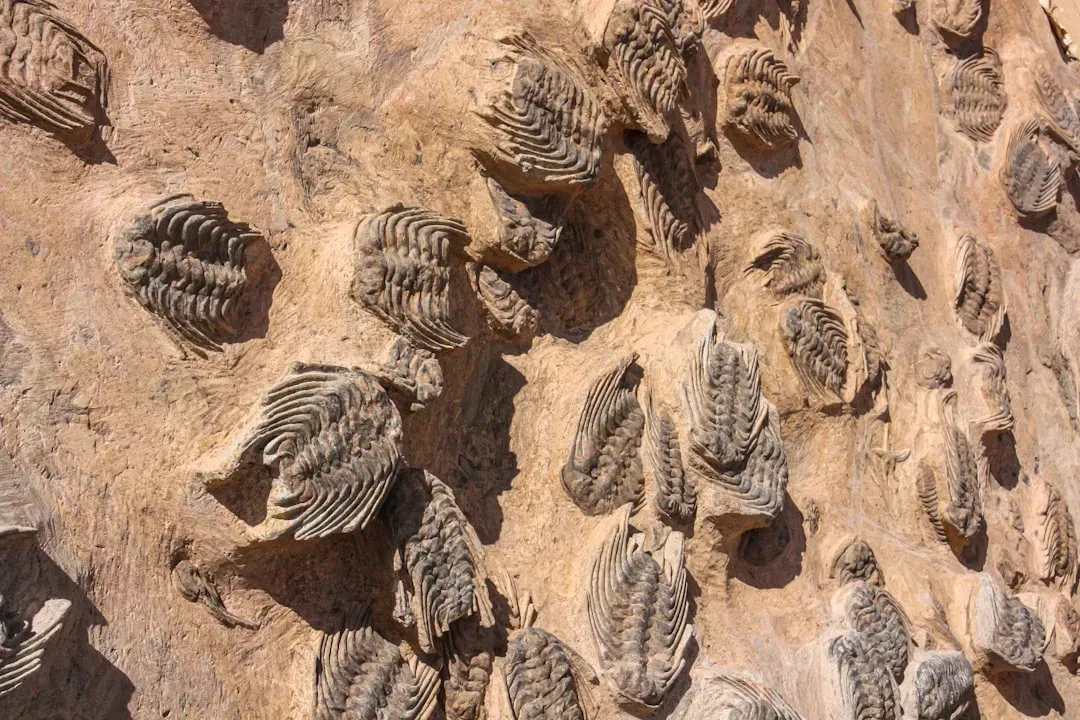
Here’s where things get dark. Pangea’s formation seems to have been partially responsible for the mass extinction event at the end of the Permian Period, particularly in the marine realm, as shallow water habitats declined and land barriers inhibited cold polar waters from circulating into the tropics, reducing dissolved oxygen levels. Nearly all of marine life was wiped out.
This wasn’t just bad luck. The very existence of Pangea altered ocean circulation patterns so drastically that marine ecosystems collapsed. When continents merge, shallow coastal seas disappear. Most marine biodiversity thrives in these shallow zones, so their loss was catastrophic. The extinction reset life’s evolutionary trajectory, clearing ecological niches and forcing survivors to adapt or perish. It’s hard to overstate how profoundly this single supercontinent influenced which species would dominate the planet for the next hundred million years.
Dinosaurs Walk Across the World
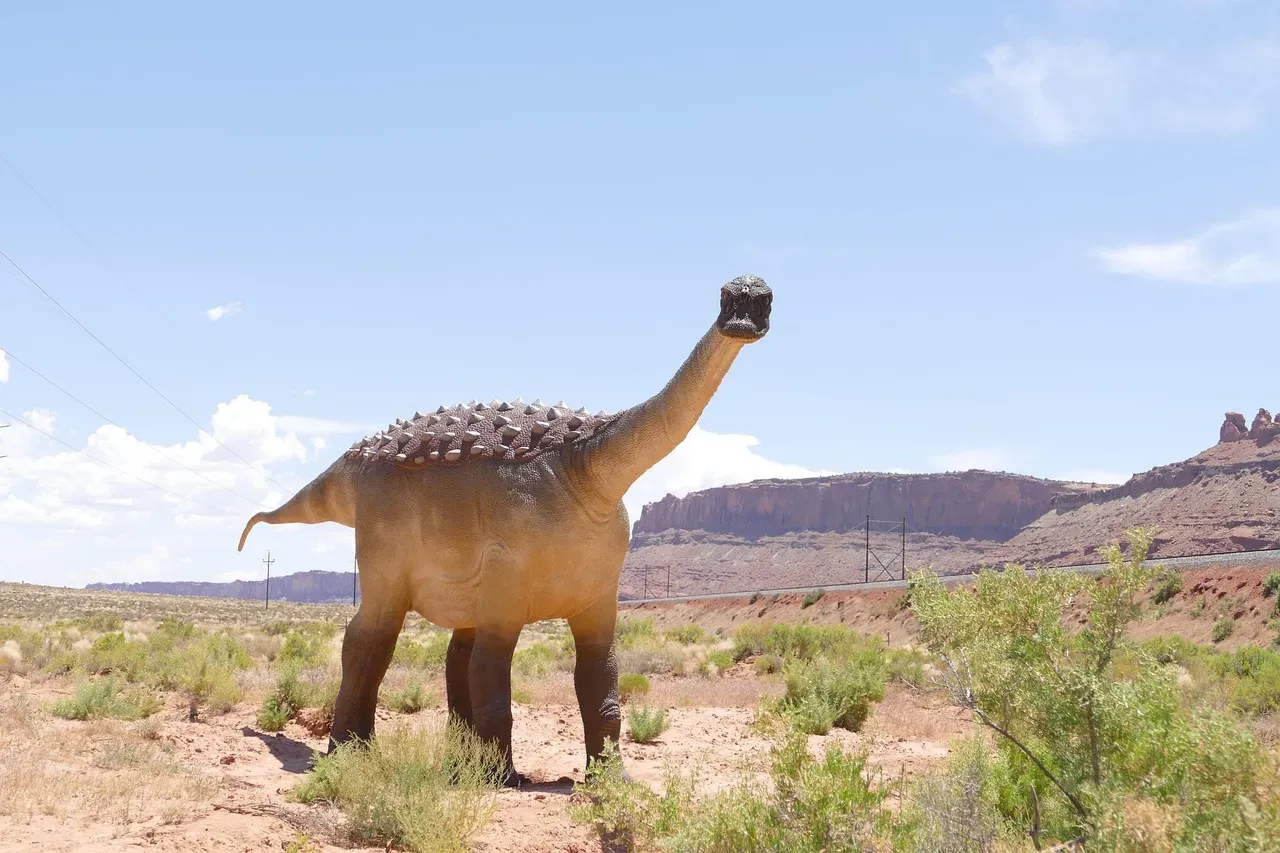
Dinosaurs first appeared in the fossil record in sediment from the late Triassic period, and because the continents were unified, early dinosaur species could spread across the globe. This is crucial. Without oceanic barriers, a successful species in one region could migrate thousands of miles to colonize distant territories. Early dinosaurs weren’t confined to isolated pockets – they could roam freely.
At the beginning of the age of dinosaurs during the Triassic Period, about 230 million years ago, the continents were arranged together as a single supercontinent called Pangea. This global connectivity meant evolutionary innovations spread rapidly. A predator evolving sharper teeth in what’s now North America could eventually compete with species in Africa or Asia. Pangea became an evolutionary proving ground where only the most adaptable creatures thrived, setting the stage for the spectacular diversity of the Mesozoic era.
The Breakup That Changed Everything
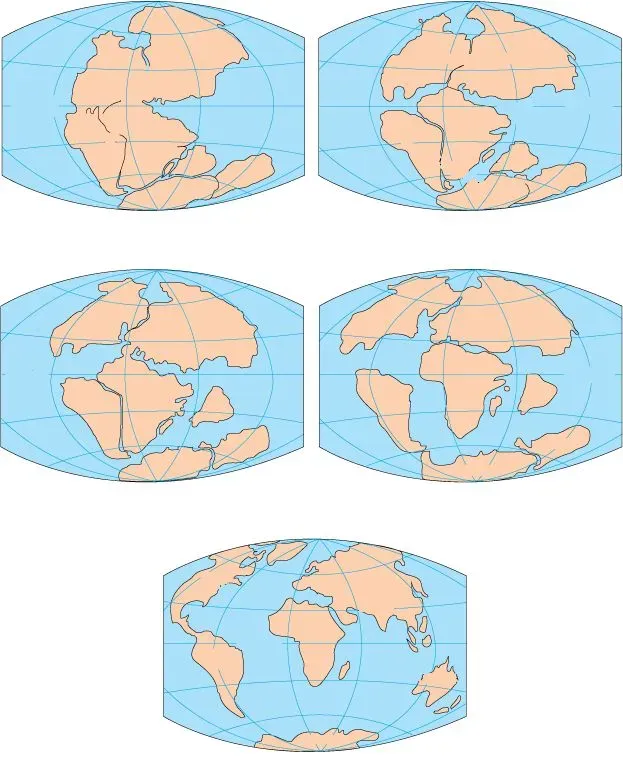
Pangea began to break apart about 200 million years ago, at the end of the Triassic and beginning of the Jurassic. The fracture started slowly, with massive rifts tearing through the supercontinent. A three-pronged fissure grew between Africa, South America, and North America, with magma welling up through the crust, creating volcanic rift zones that spewed ash and volcanic debris across the landscape.
Pangea separated around 180 Ma into a southern continent, Gondwana, and a northern continent, Laurasia. This split was more than just geographical – it was evolutionary dynamite. The split between the supercontinents led to divergent evolution, as unique species formed on each continent in response to different environmental conditions. Suddenly, populations that once intermingled were isolated by expanding oceans, free to evolve along separate paths.
Fossils That Prove the Connection
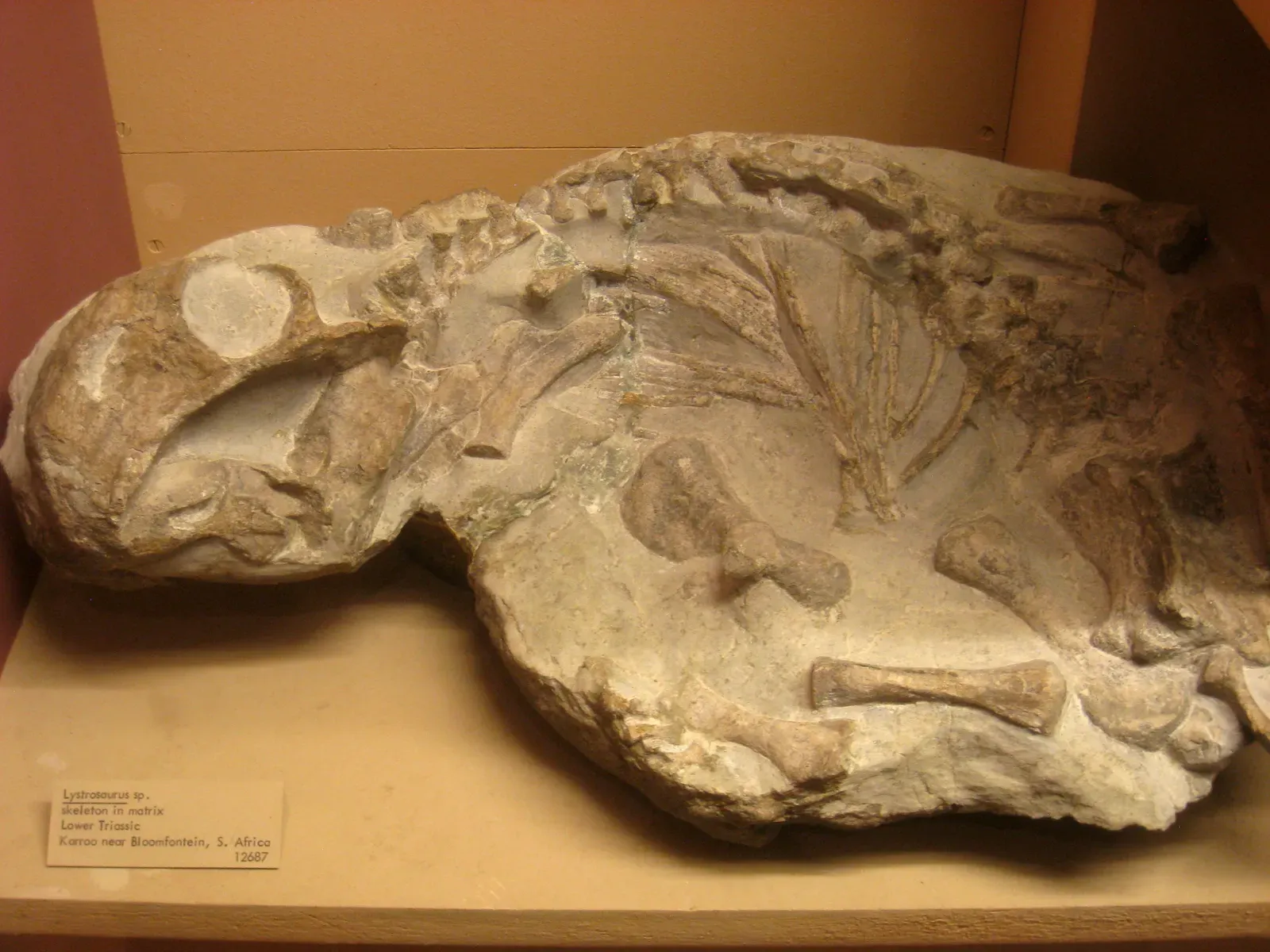
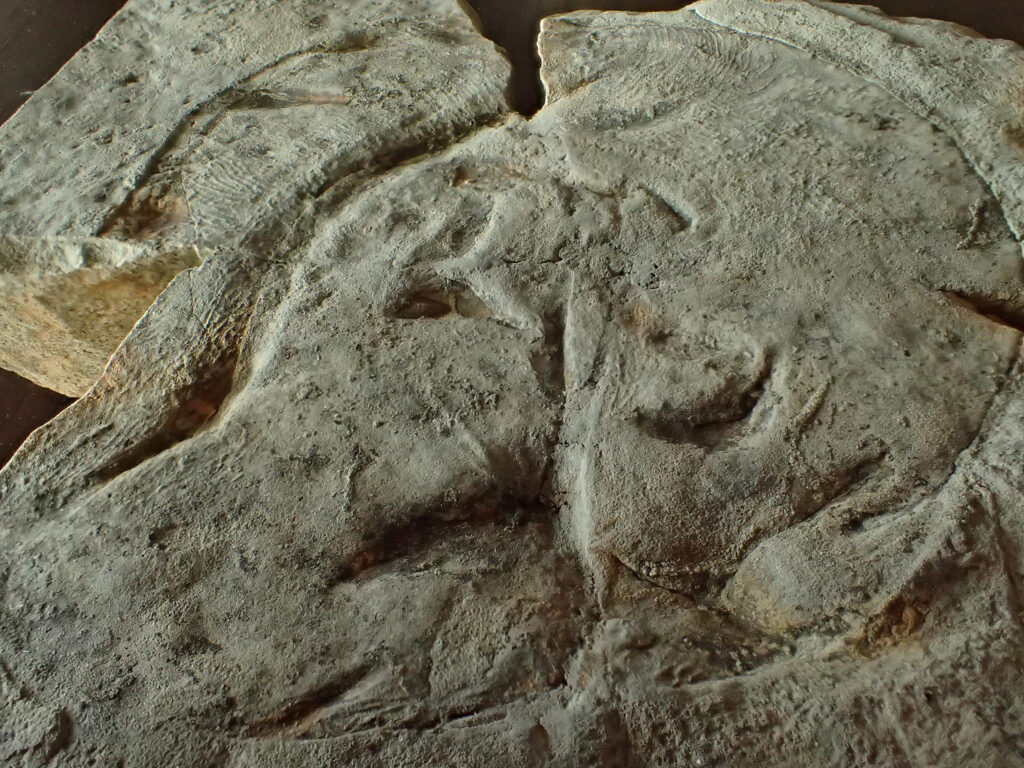
Fossils of the therapsid Lystrosaurus have been found in South Africa, India and Antarctica, alongside members of the Glossopteris flora. How else could identical species appear on continents now separated by thousands of miles of ocean? The freshwater reptile Mesosaurus has been found only in localized regions of the coasts of Brazil and West Africa, regions that once fit together like puzzle pieces.
These fossil distributions were puzzling for centuries until Pangea’s existence was confirmed. The presence of identical fossil species along the coastal parts of Africa and South America was the most compelling evidence that the two continents were once joined. The fossils tell stories of ancient ecosystems where creatures roamed freely across what are now separate continents. They’re frozen evidence of a vanished world, proof that our planet’s geography was once radically different.
How Pangea’s Legacy Lives in Modern Species
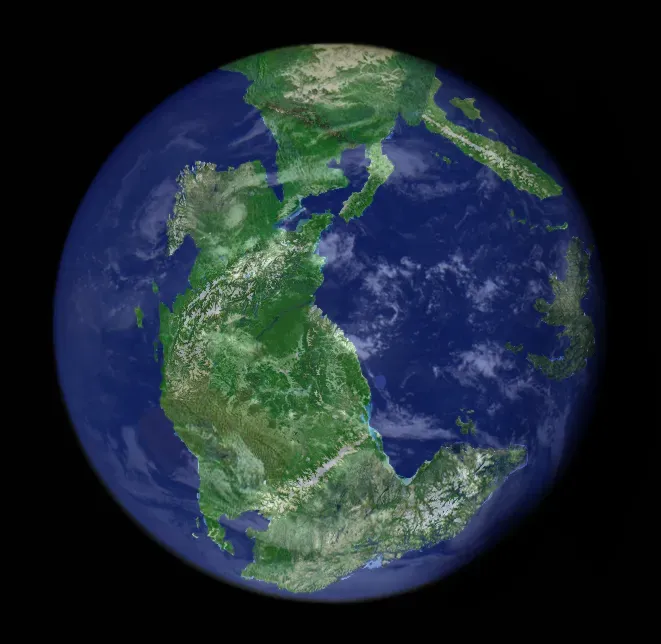
Continental drift has a strong influence on clade geographical distributions and has led to opportunities for vicariance, potentially increasing global speciation rates and species richness. When Pangea fragmented, populations of widespread species were suddenly divided. Over millions of years, these isolated groups evolved into distinct species adapted to their new environments. Australia’s marsupials, South America’s unique fauna, Africa’s megafauna – all owe their distinctiveness to Pangea’s breakup.
The expansion of temperate climate zones that accompanied the breakup of Pangea may have contributed to the diversification of the angiosperms. Flowering plants, which now dominate terrestrial ecosystems, exploded in diversity as continents drifted apart. The fragmentation created new habitats, climatic zones, and evolutionary opportunities. Pangea’s disintegration wasn’t an ending – it was a beginning, launching Earth’s biodiversity on trajectories that continue shaping life today.
Conclusion: The Supercontinent That Still Shapes Us
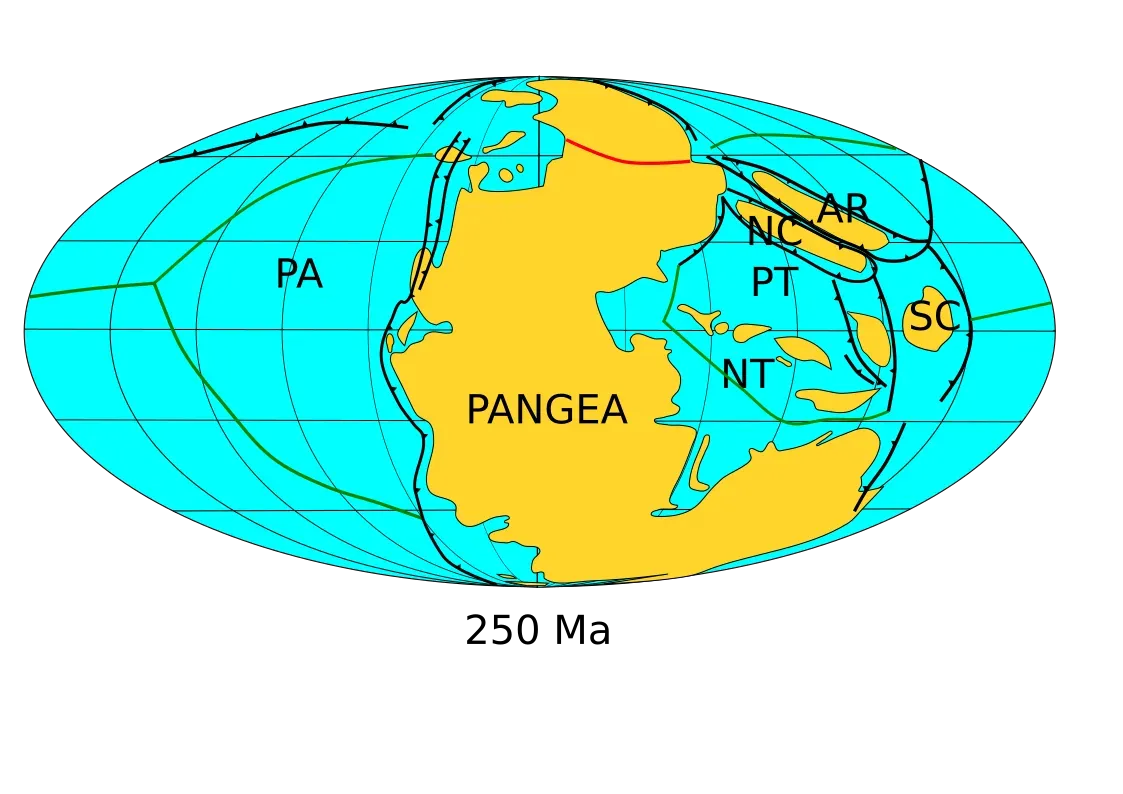
Pangea existed for roughly 160 million years, but its influence extends far beyond its lifespan. The patterns of species distribution we observe today, the mountain ranges stretching across continents, even the Atlantic Ocean itself – all are consequences of this ancient supercontinent’s formation and eventual fragmentation. Life didn’t just exist on Pangea; it was forged by it.
The extreme climates, mass extinctions, and eventual breakup created evolutionary pressures that selected for adaptability, resilience, and diversification. From the dinosaurs that once roamed its expanse to the mammals that inherited the fractured continents, Pangea’s legacy is written into the DNA of every species alive today. Looking at a world map, we see separated continents, but beneath the surface lies the ghost of a unified landmass that shaped evolution itself. What do you think our world would look like if Pangea had never broken apart? Share your thoughts in the comments.