Few stories in natural history are as staggering, strange, or deeply personal as the one that connects a tiny, shrew-like creature scurrying beneath the feet of dinosaurs to the warm-blooded, curious, fur-covered beings reading this article today. You are the product of hundreds of millions of years of survival, reinvention, and some rather extraordinary biological luck. The journey from primitive reptile-like ancestors to modern mammals is filled with evolutionary puzzles so complex that scientists are still piecing them together in 2026.
The term “missing link” has captured public imagination for well over a century. It conjures images of half-creature, half-beast hybrids frozen in rock, waiting to be discovered. The reality, as it turns out, is far more nuanced and far more fascinating. Let’s dive in.
What Does “Missing Link” Actually Mean?
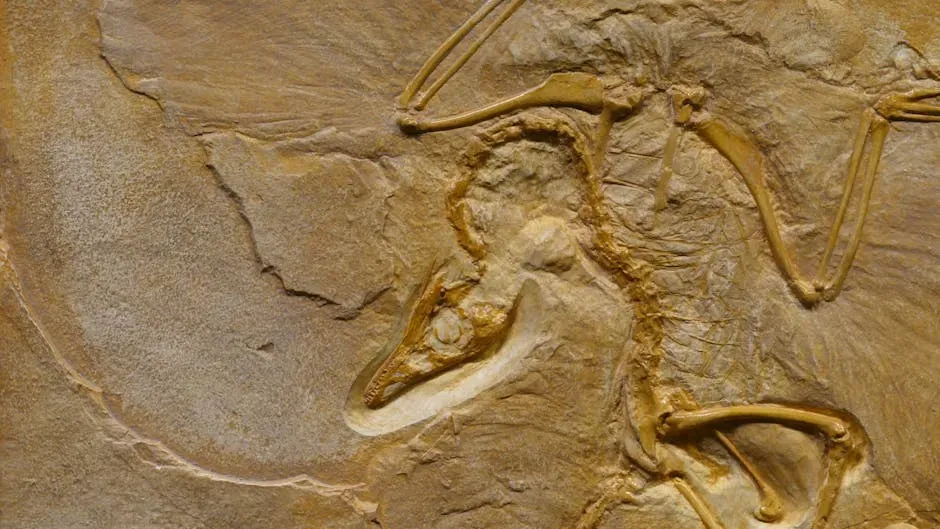
Here’s the thing – the idea of a single “missing link” is a bit of a myth, and honestly, a rather misleading one. There is no singular missing link. The scarcity of transitional fossils can be attributed to the incompleteness of the fossil record. Think of evolution less like a chain and more like an enormous, sprawling tree, with thousands of branches, dead ends, and unexpected offshoots.
Understanding that most fossil discoveries represent extinct relatives and not the ancestors of modern forms is important because it gives us a more accurate picture of evolution overall – as a vastly pruned bush with just a few surviving lineages, rather than as a march of progress, with ancient species transforming inevitably into modern organisms. So when you hear about a dramatic “missing link” discovery in the headlines, it’s worth pausing to appreciate what that actually means scientifically.
The Ancient Roots: Synapsids and the First Proto-Mammals
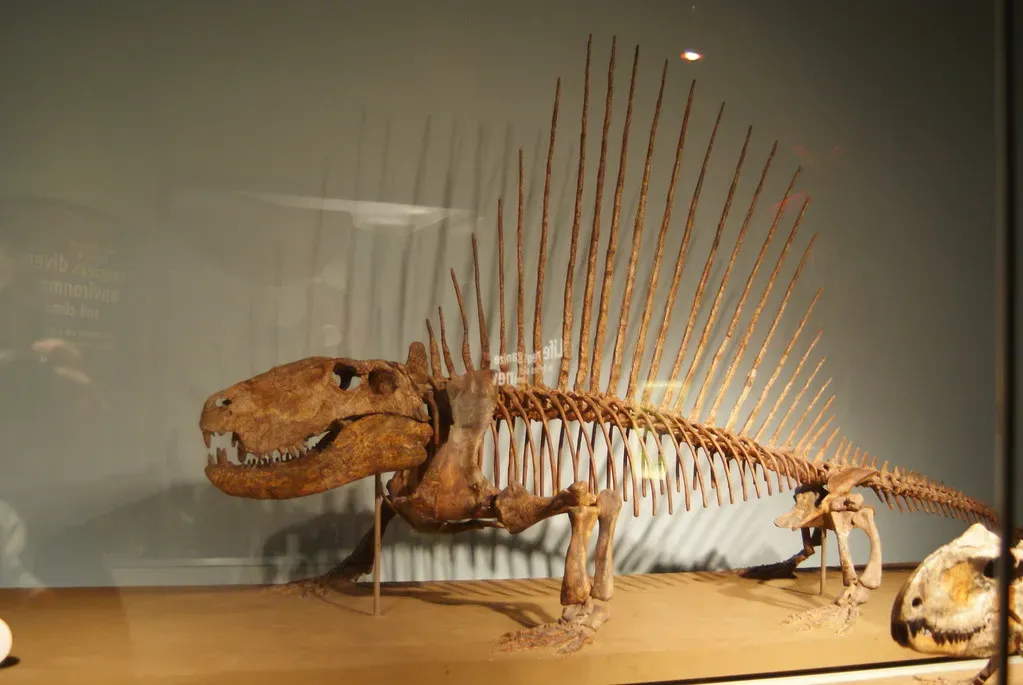
Believe it or not, your evolutionary story starts more than 300 million years ago, long before the first dinosaur ever took a step. The synapsid lineage became distinct from the sauropsid lineage in the late Carboniferous period, between 320 and 315 million years ago. The sauropsids are today’s reptiles and birds, along with all the extinct animals more closely related to them than to mammals. That split is arguably one of the most consequential moments in the history of vertebrate life.
Throughout the Permian period, the synapsids included the dominant carnivores and several important herbivores. In the subsequent Triassic period, however, a previously-obscure group of sauropsids, the archosaurs, became the dominant vertebrates. It’s almost poetic, isn’t it? Your ancestors were once the kings of the land, only to be dethroned – then patiently wait in the shadows until their big moment came again.
The Therapsid Revolution: When Mammals Started to Take Shape
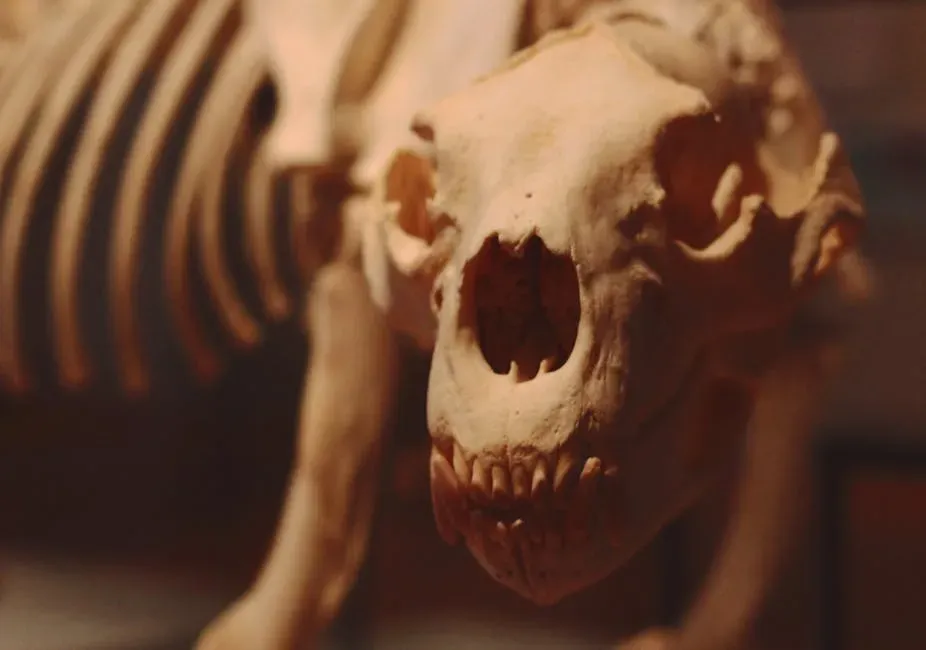
If you were to travel back roughly 270 million years, you would begin to see creatures that, while definitely not mammals, were starting to acquire some surprisingly familiar features. Therapsida is a clade comprising a major group of synapsids that includes mammals and their ancestors and close relatives. Many of the traits today seen as unique to mammals had their origin within early therapsids, including limbs that were oriented more underneath the body, resulting in a more “standing” quadrupedal posture, as opposed to the lower sprawling posture of many reptiles and amphibians.
The therapsids were remarkably diverse. The jaws of some therapsids were more complex and powerful, and the teeth were differentiated into frontal incisors for nipping, great lateral canines for puncturing and tearing, and molars for shearing and chopping food. Therapsid legs were positioned more vertically beneath their bodies than were the sprawling legs of reptiles and pelycosaurs. It is genuinely awe-inspiring to realize that the specialized dentistry your own jaw carries today has roots in creatures that walked the Earth nearly 280 million years ago.
Cynodonts: The Closest Cousins You Never Knew You Had
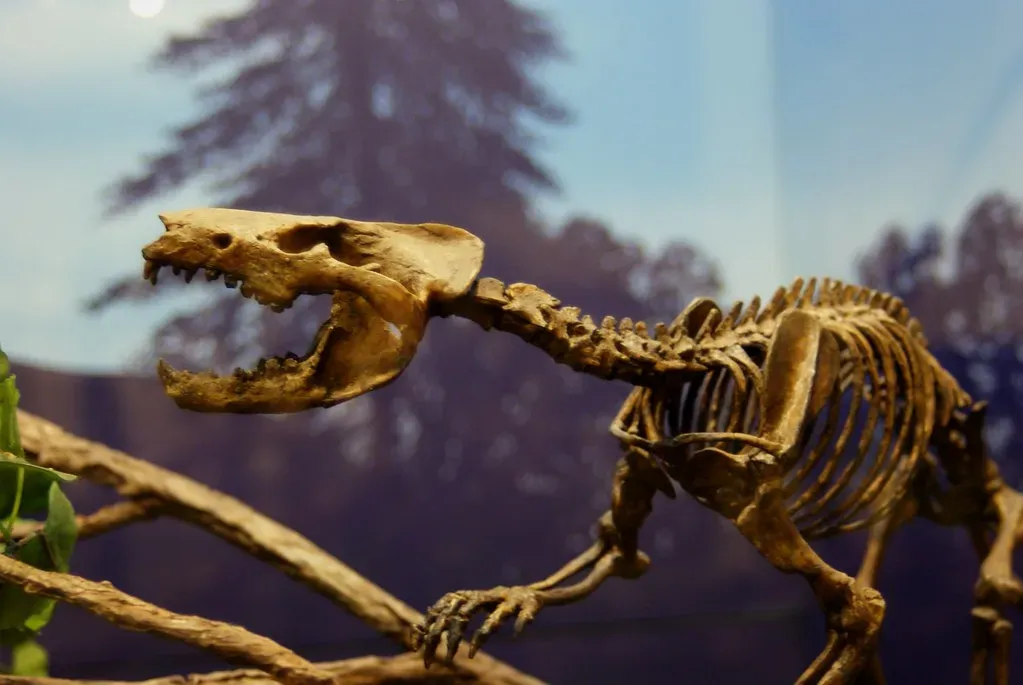
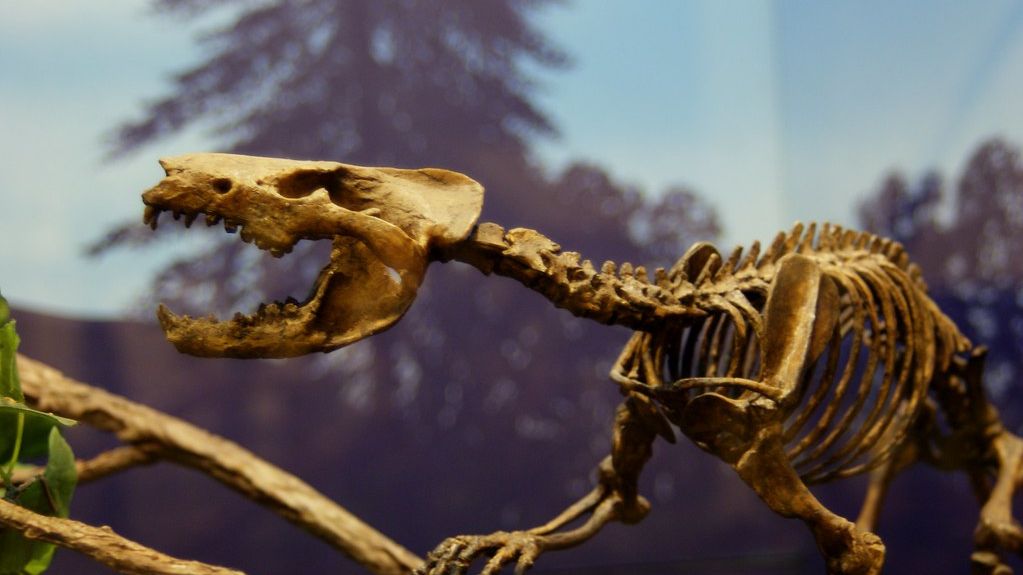
Of all the evolutionary stepping stones between ancient synapsids and true mammals, cynodonts are perhaps the most critical. The cynodonts, a theriodont group that also arose in the late Permian, include the ancestors of all mammals. Cynodonts’ mammal-like features include further reduction in the number of bones in the lower jaw, a secondary bony palate, cheek teeth with a complex pattern in the crowns, and a brain which filled the endocranial cavity. These were animals that, if you squinted hard enough, you might almost recognize.
During the evolutionary succession from early therapsid to cynodont to eucynodont to mammal, the main lower jaw bone, the dentary, replaced the adjacent bones. Thus, the lower jaw gradually became just one large bone, with several of the smaller jaw bones migrating into the inner ear and allowing sophisticated hearing. I know it sounds crazy, but the tiny bones inside your ear right now – the ones that let you hear every sound around you – were once part of a reptile-like jaw. Evolution, it turns out, is endlessly creative with spare parts.
Surviving the Great Dying: Mammals Through the Permian-Triassic Extinction
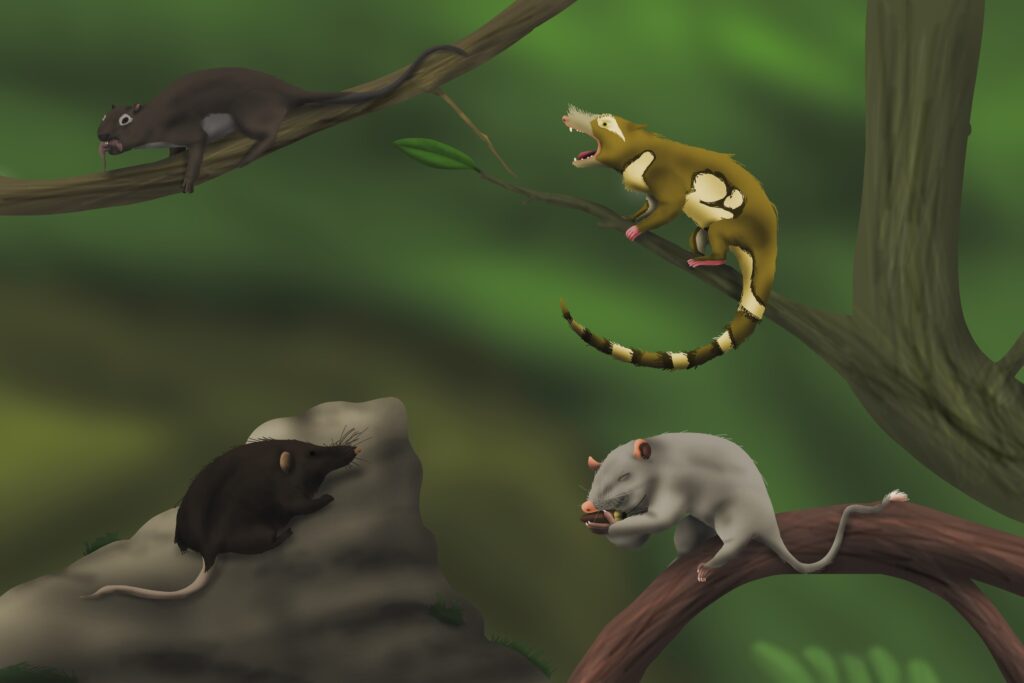
Around 252 million years ago, life on Earth faced its most catastrophic moment. The Permian-Triassic extinction event, often referred to as the “Great Dying,” occurred approximately 251 million years ago and is considered the most severe extinction event in Earth’s history. It resulted in the loss of around 90% of marine species and 70% of terrestrial vertebrate species due to a combination of volcanic eruptions, climate changes, and oceanic anoxia, which reduced oxygen levels in both the atmosphere and oceans. Honestly, it is remarkable that anything survived at all.
Smaller carnivorous cynodont therapsids survived, a group that included the ancestors of mammals. As with dicynodonts, selective pressures favoured endothermic epicynodonts. There is something deeply moving about this. While entire ecosystems collapsed around them, the scrappy little proto-mammals held on. On land, the ancestors of mammals and birds became warm-blooded and could move around faster. It now seems that the Early and Middle Triassic bird and mammal ancestors had some form of insulation, hairs in the mammal line, feathers in the bird line. Survival shaped them profoundly.
Living in the Shadow of Dinosaurs: Early Mammals in the Mesozoic
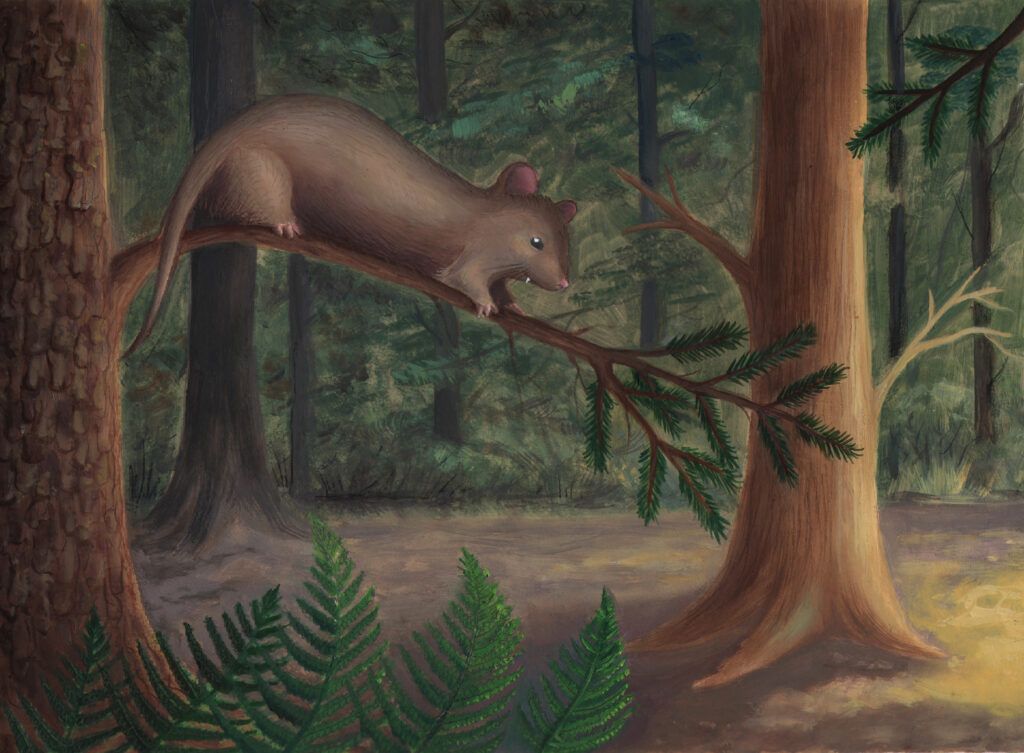
Once dinosaurs rose to dominance, your mammal ancestors had no choice but to adapt, shrink, and hide. Living alongside the colossal dinosaurs, Mesozoic mammals occupied ecological niches that minimized direct competition. Their small body size allowed them to exploit resources inaccessible to larger reptiles. Many early mammals were nocturnal, a strategy that helped them avoid encounters with large, diurnal dinosaurs. Picture a world where being small and invisible was actually your greatest survival advantage.
The findings suggest these mammals were not only darkly colored, but were unlikely to have patterns, much like bats, mice, and other modern nocturnal mammals. Preserved pigments in fossil fur confirm that Jurassic mammals were dark-coated, consistent with a life lived in darkness. Yet the story of Mesozoic mammals is not one of pure timidity. Mammals were quite diverse during the Mesozoic, evolving multiple times into tree-climbing, burrowing, swimming, gliding, and other modes of life. They were quietly extraordinary, building the biological toolkit that would one day allow them to conquer the planet.
Conclusion: You Are the Punchline of a 300-Million-Year Story
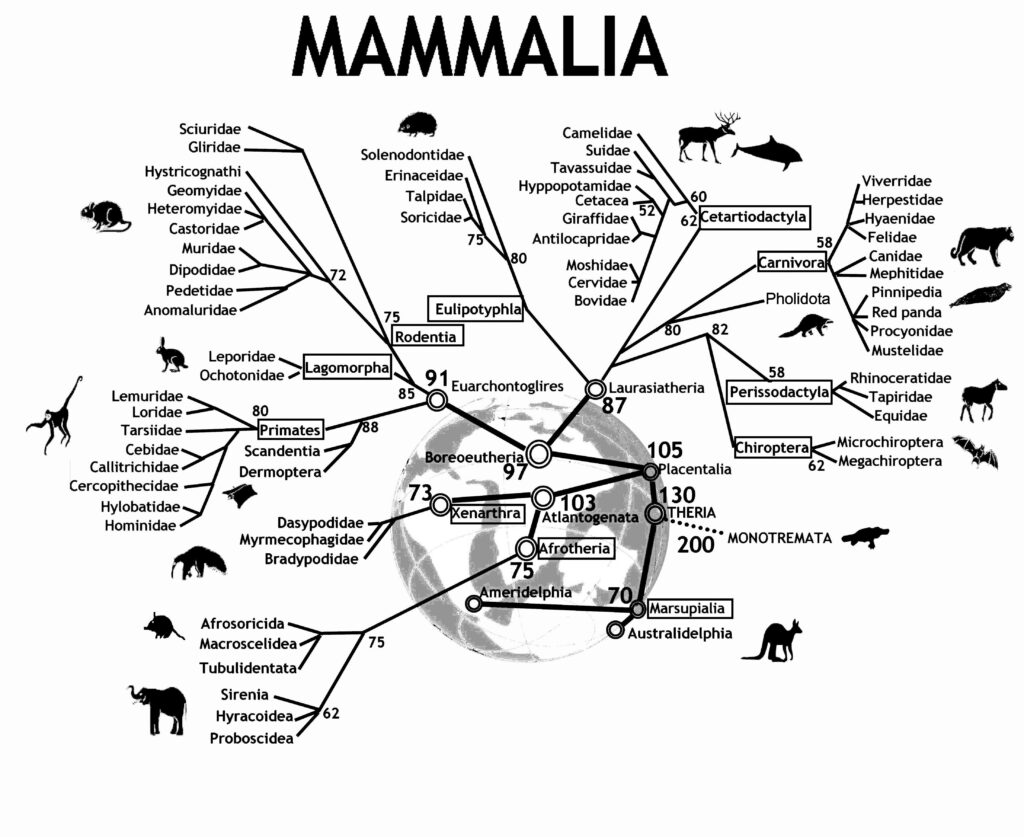
When you zoom out and look at the full sweep of early mammalian evolution, what strikes you most is not the grandeur of the big extinction events or the towering dinosaurs, but rather the quiet, relentless persistence of your ancestors. Small, nocturnal ancestors gave rise to numerous large-bodied herbivores such as antelopes, camels, hippos, horses, rhinoceroses, kangaroos, and elephants, along with the carnivorous cats, wolves, bears, and hyenas that preyed upon them.
Every bone in your middle ear, every strand of hair on your body, every warm breath you draw traces back to creatures that survived catastrophes you can barely imagine. The year 2024 marked groundbreaking fossil discoveries and phylogenetic insights into the evolution of mammals and their synapsid ancestors, highlighting adaptations from the Permian through the Cretaceous periods. Key events included refinements to our understanding of early mammal growth patterns and auditory structures, contributing to a deeper comprehension of mammalian diversification post-dinosaur extinction and during the Mesozoic era.
The mystery of the missing link was never really about finding one perfect fossil. It was about understanding that you yourself are the living result of countless improbable survivals, breathtaking adaptations, and over 300 million years of evolutionary ingenuity. What part of that ancient story surprises you most? Tell us in the comments.