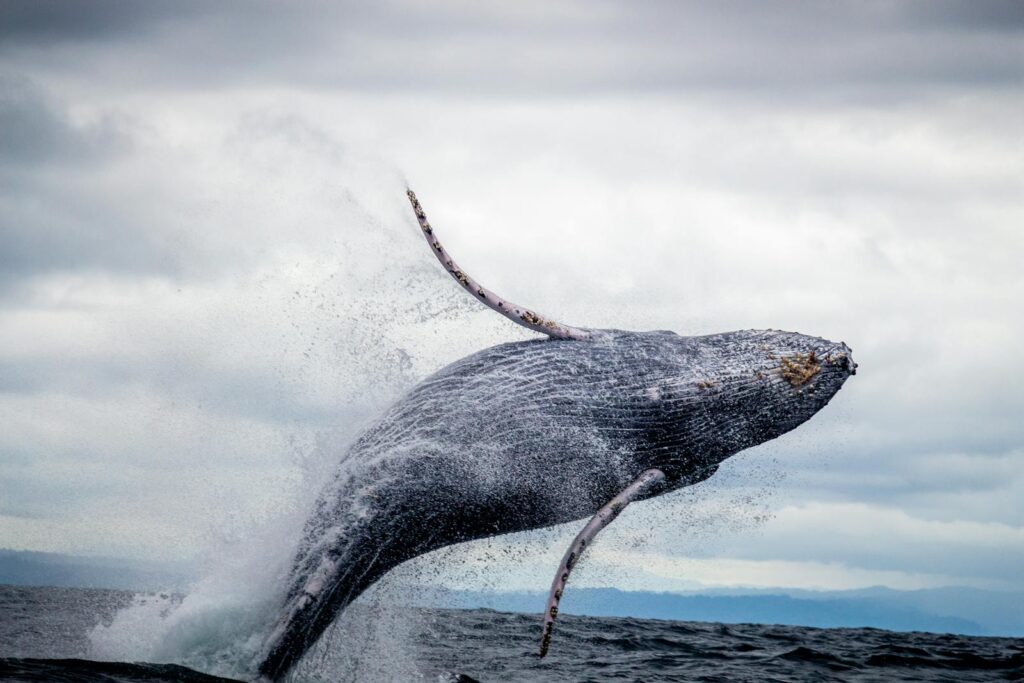
Imagine a creature so massive that its heart alone weighs as much as a small car, and its tongue could hold an entire elephant. This isn’t science fiction or fantasy – this is the reality of the blue whale, a living giant that has earned its place as the largest animal to have ever existed on our planet. These oceanic titans cruise through our seas today, yet their journey to becoming Earth’s ultimate heavyweight champions spans millions of years of evolution, adaptation, and survival against impossible odds.
The Ancient Roots of Gigantism
The story of the blue whale begins not in the ocean, but on land, roughly 50 million years ago. Their earliest ancestors were four-legged mammals called mesonychids, creatures about the size of wolves that hunted along ancient shorelines. These primitive whale ancestors possessed sharp teeth and powerful jaws, characteristics that seem almost alien when compared to the filter-feeding giants we know today.
The transition from land to sea wasn’t instantaneous – it was a gradual process that took place over approximately 15 million years. Fossil evidence reveals intermediate species like Ambulocetus, the “walking whale,” which could both walk on land and swim in water. This evolutionary bridge demonstrates how natural selection gradually favored traits that made aquatic life more efficient.
What’s remarkable is that these early whale ancestors were relatively small compared to modern whales. The largest of these transitional forms barely reached the size of today’s killer whales. The true gigantism that defines blue whales would come much later, driven by entirely different evolutionary pressures.
The Physics of Ocean Living
Living in water fundamentally changes the rules of physics for any creature. Unlike land animals that must constantly fight against gravity, marine mammals experience buoyancy that supports their massive bodies. This aquatic environment removes the structural limitations that prevent land animals from growing to enormous sizes – imagine trying to support a blue whale’s weight on four legs!
Water also provides a three-dimensional living space that land environments simply cannot match. While terrestrial animals are confined to moving across surfaces, whales can utilize the entire water column for feeding, traveling, and breeding. This expanded habitat allows for larger populations and reduces competition for space.
The density of water, roughly 800 times greater than air, also means that moving through it requires different strategies. Larger bodies can actually be more efficient in water, as they create less drag relative to their volume. This physical principle helped set the stage for the evolution of massive marine mammals.
The Great Cooling and Ocean Expansion
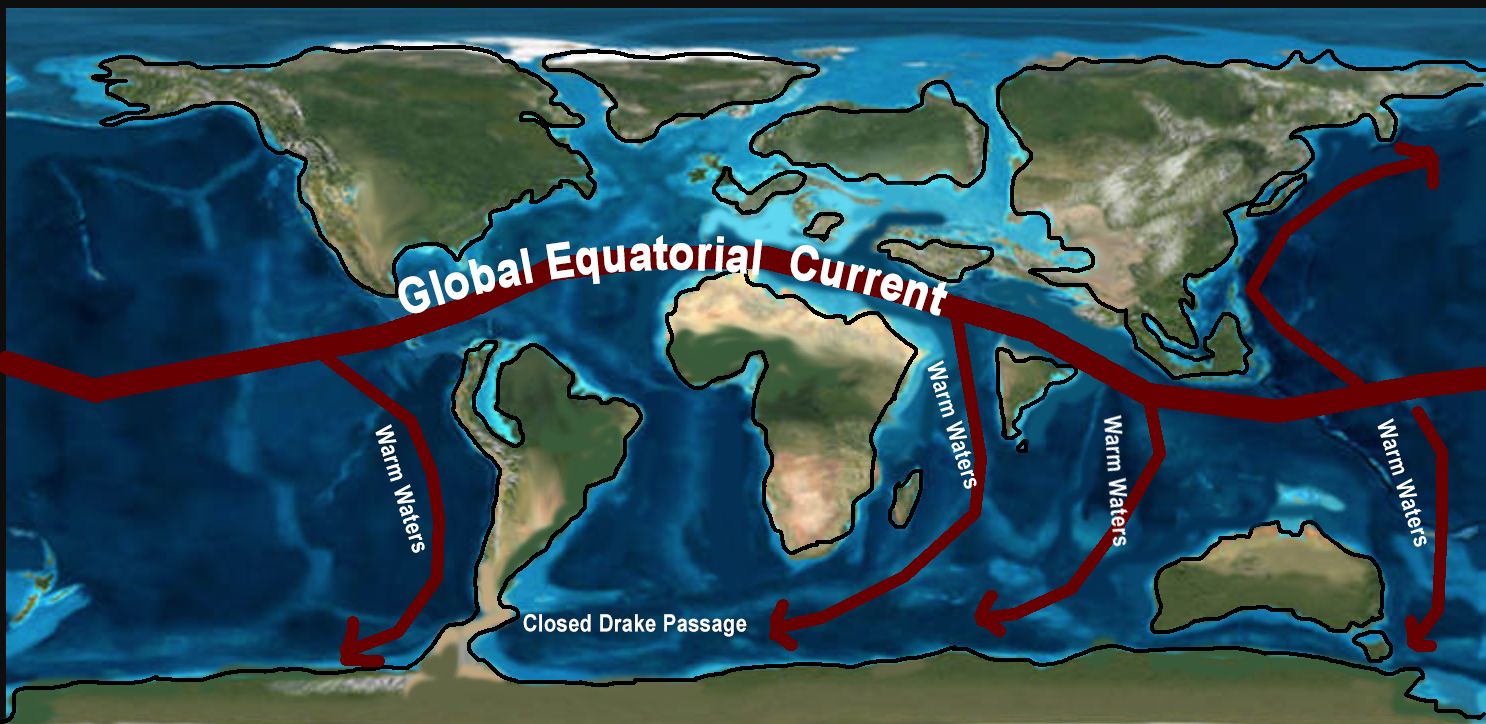
Around 34 million years ago, Earth experienced a dramatic climate shift known as the Eocene-Oligocene transition. Global temperatures dropped significantly, and ice caps began forming at the poles for the first time in millions of years. This cooling event fundamentally altered ocean circulation patterns and created the cold, nutrient-rich waters that would become crucial for large whale evolution.
The formation of the Antarctic Circumpolar Current during this period created a massive conveyor belt of cold water around Antarctica. This current brought deep, nutrient-rich waters to the surface, creating some of the most productive marine ecosystems on Earth. These upwelling zones became the foundation for the enormous food webs that could support gigantic filter-feeding whales.
Prior to this cooling event, whales were primarily active predators with teeth designed for catching large prey. The changing ocean conditions would eventually favor a completely different feeding strategy – one that could take advantage of the massive blooms of tiny organisms in these newly productive waters.
The Revolution of Filter Feeding

The evolution of baleen – the comb-like filtering system that modern blue whales use – represents one of the most significant innovations in mammalian evolution. This remarkable adaptation replaced teeth entirely, transforming whales from active hunters into efficient filter feeders. The transition likely occurred gradually, with some intermediate species possessing both teeth and primitive baleen structures.
Baleen is made of keratin, the same protein found in human hair and fingernails, but arranged in long, flexible plates that hang from the whale’s upper jaw. When a blue whale feeds, it can engulf enormous volumes of water – up to 16,000 gallons in a single gulp – then force the water out through the baleen while trapping millions of tiny krill inside.
This feeding strategy proved incredibly efficient in the krill-rich waters of the Southern Ocean. Unlike predators that must hunt individual prey items, filter feeders can harvest vast quantities of small organisms in a single feeding event. This efficiency became the key to supporting the massive energy requirements of truly gigantic whales.
The Krill Connection
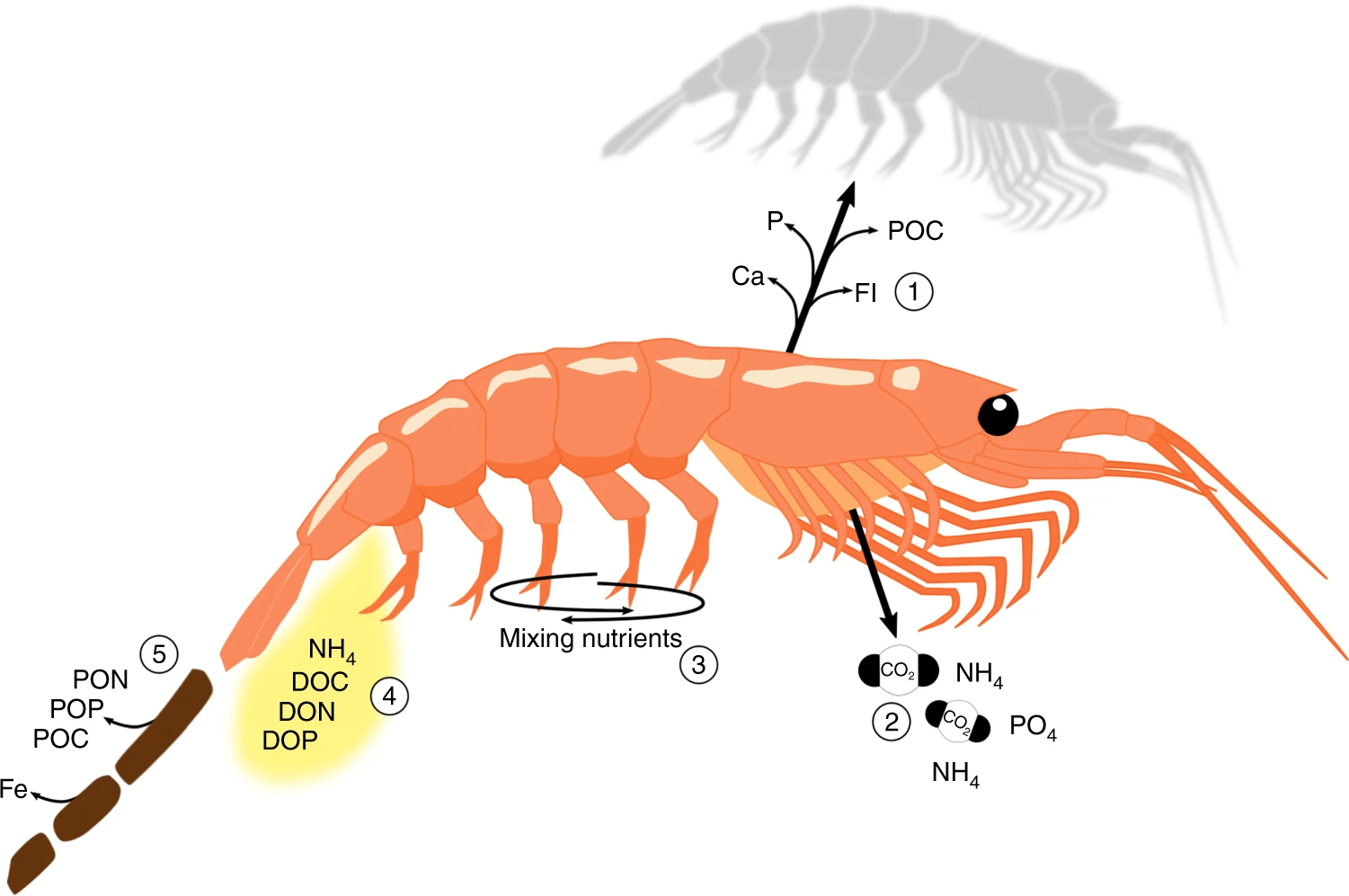
The relationship between blue whales and Antarctic krill represents one of nature’s most spectacular examples of ecological specialization. These tiny, shrimp-like crustaceans form some of the largest aggregations of animals on Earth, with swarms that can contain billions of individuals and stretch for miles across the ocean surface.
Krill are incredibly nutritious, containing high levels of protein and fat that provide the energy density necessary to fuel a blue whale’s metabolism. During peak feeding season, a single blue whale can consume up to 4 tons of krill per day – that’s roughly 40 million individual krill. This massive consumption is only possible because krill aggregate in such enormous concentrations.
The timing of krill blooms, driven by seasonal changes in sunlight and ocean currents, also influences blue whale behavior and distribution. These whales have evolved to migrate thousands of miles between feeding and breeding grounds, timing their movements to coincide with peak krill availability. This specialized relationship created an evolutionary feedback loop that favored ever-larger whales capable of making longer migrations and consuming more krill.
Size Advantages in the Open Ocean
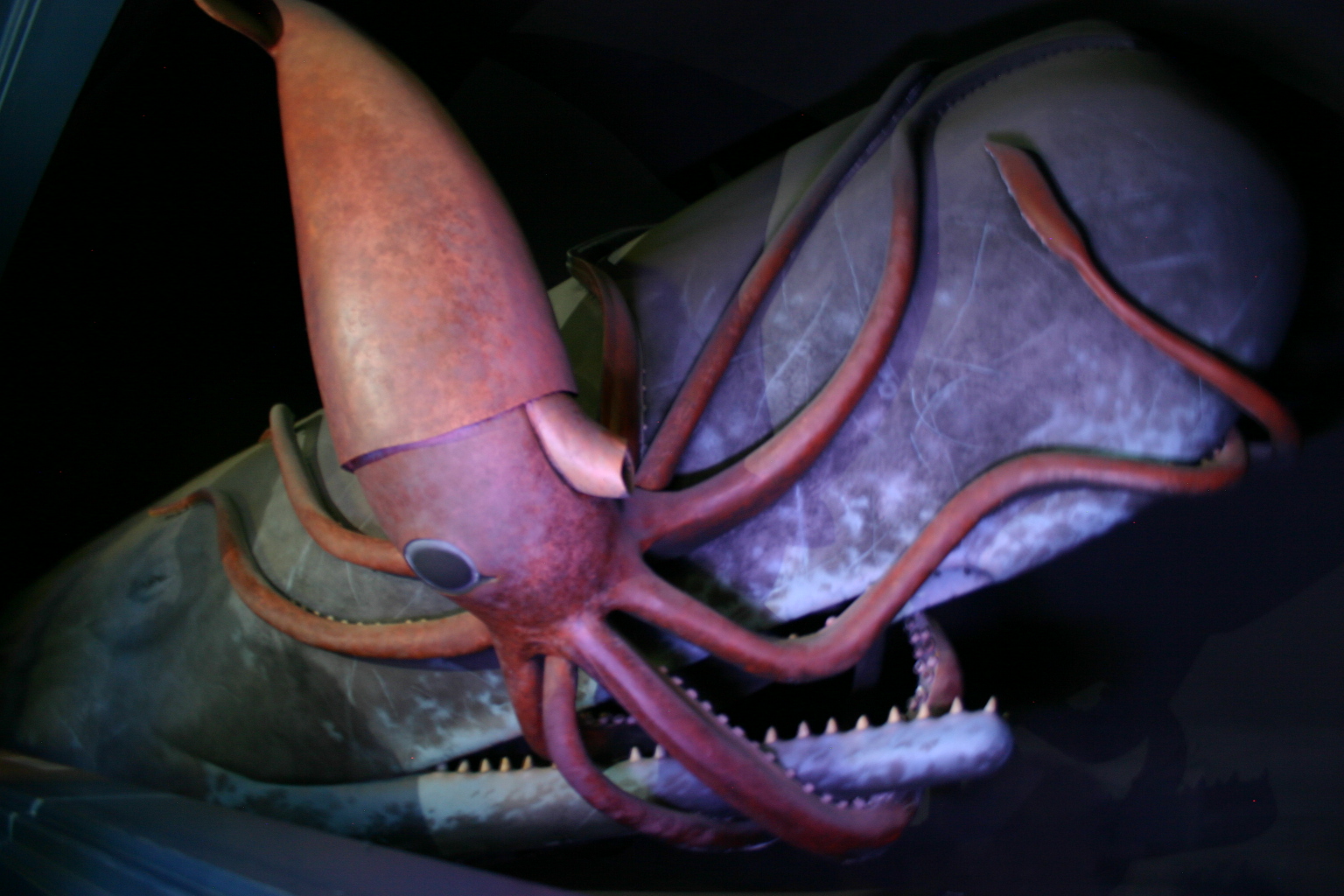
Being large in the ocean comes with distinct advantages that smaller animals simply cannot access. Larger whales can dive deeper and hold their breath longer, allowing them to access food sources unavailable to smaller competitors. Blue whales can dive to depths of over 500 meters and hold their breath for up to 90 minutes, though they typically surface much sooner.
Size also provides thermal advantages in cold ocean waters. Large animals have a lower surface area to volume ratio, which means they lose heat more slowly than smaller animals. This thermal efficiency is crucial for whales that spend time in near-freezing Antarctic waters, where smaller mammals would quickly succumb to hypothermia.
Perhaps most importantly, large size provides protection from predators. While young blue whales may fall prey to killer whales or large sharks, healthy adult blue whales have virtually no natural predators. This freedom from predation pressure allowed blue whales to evolve toward maximum feeding efficiency rather than defensive strategies.
The Energy Economics of Gigantism
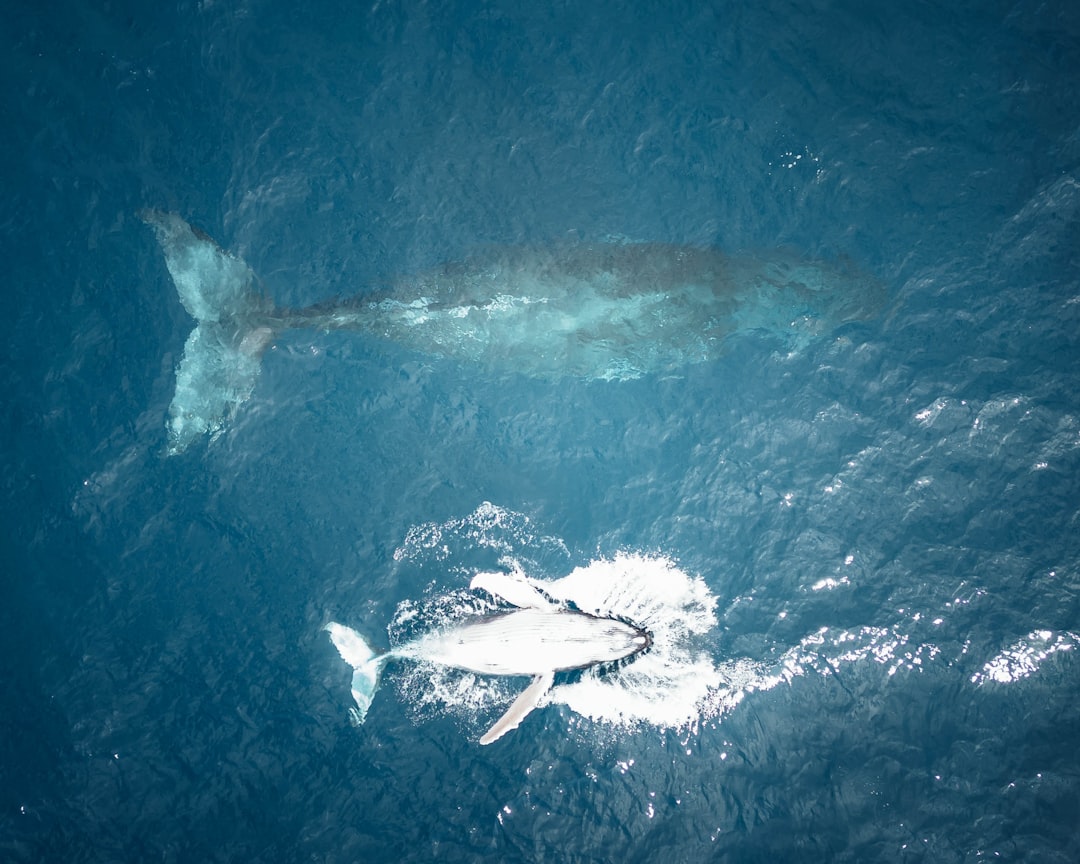
Supporting a body that can reach lengths of over 100 feet and weights of up to 200 tons requires careful energy management. Blue whales have evolved remarkable physiological adaptations to maximize energy intake while minimizing energy expenditure. Their massive mouths can process enormous volumes of water with each feeding lunge, but they’ve also evolved highly efficient swimming techniques that conserve energy during long migrations.
The whale’s streamlined body shape, perfected over millions of years, allows them to move through water with surprising efficiency despite their massive size. Their flippers and tail flukes are positioned to maximize thrust while minimizing drag, and their smooth skin helps reduce turbulence as they swim.
Blue whales also employ energy-saving behaviors like gliding and using ocean currents to their advantage. During migrations, they can travel thousands of miles while barely feeding, relying on stored fat reserves accumulated during intensive feeding periods. This feast-or-famine lifestyle requires precise energy budgeting that only large animals with substantial fat storage capacity can maintain.
Evolutionary Arms Race with the Environment
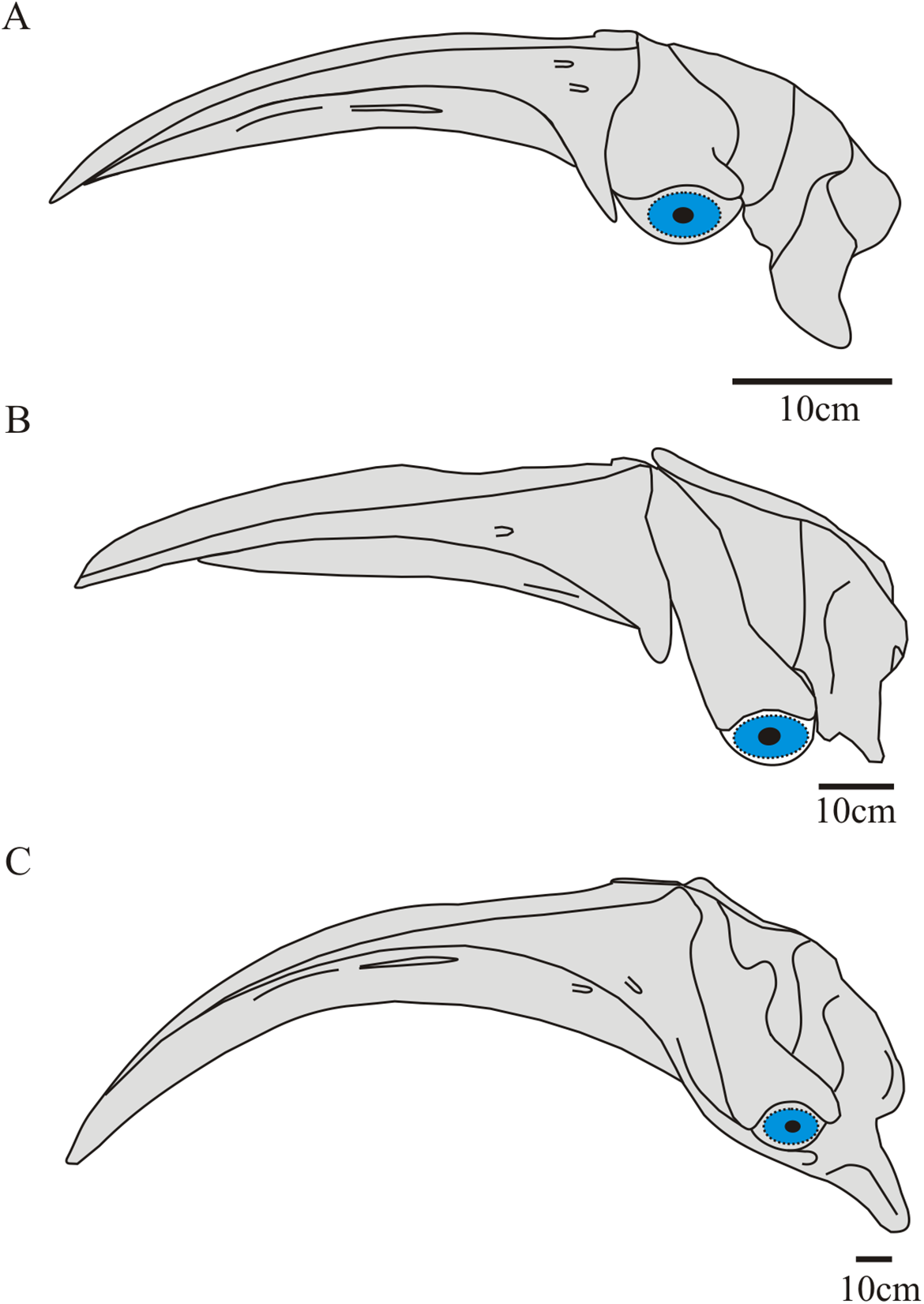
The evolution of blue whale gigantism wasn’t a straightforward path toward bigger and bigger animals. Environmental changes throughout the Cenozoic Era created a complex evolutionary landscape where size advantages fluctuated with changing conditions. During warmer periods when ocean productivity decreased, smaller, more efficient whale species often had advantages over their giant relatives.
Ice ages played a crucial role in shaping whale evolution, as advancing and retreating ice sheets dramatically altered ocean circulation patterns and food availability. The most recent ice ages, beginning around 2.6 million years ago, created the highly seasonal, productivity-driven marine ecosystems that modern blue whales depend upon.
Competition with other large filter-feeding whales also influenced blue whale evolution. Species like fin whales, sei whales, and right whales occupied similar ecological niches, creating evolutionary pressure for resource partitioning. Blue whales evolved to specialize on the smallest prey – primarily krill – while other species focused on larger zooplankton or schooling fish.
The Biomechanics of Being Massive
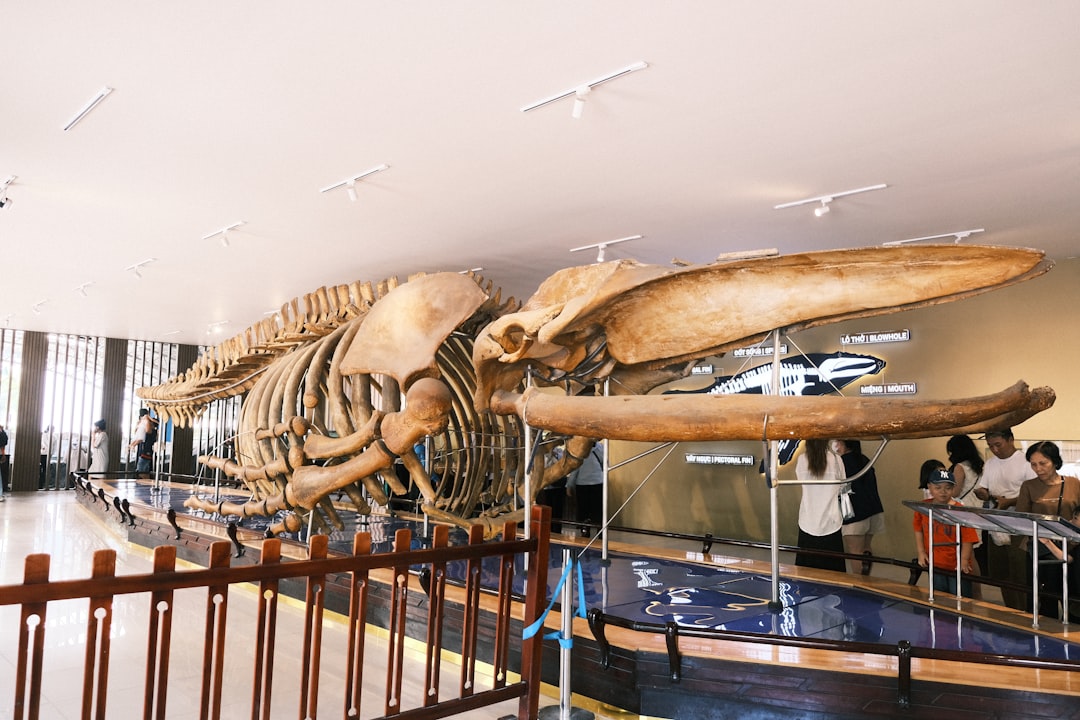
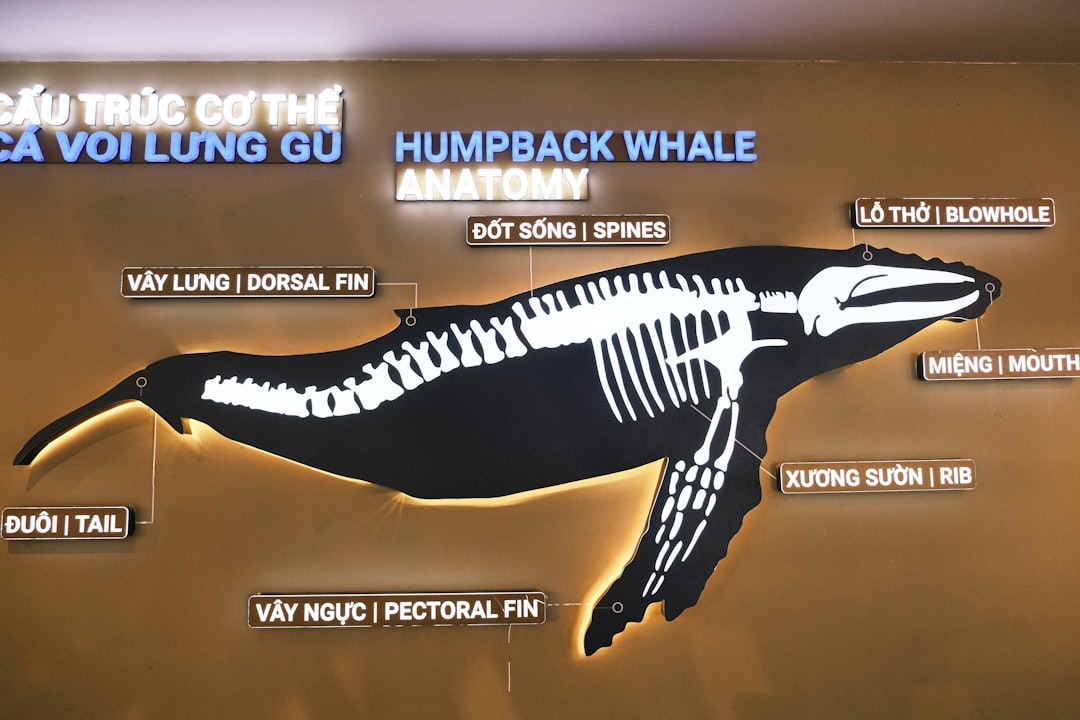
Engineering a body the size of a blue whale presents unique biomechanical challenges that have required innovative evolutionary solutions. Their skeleton must support massive internal organs while remaining flexible enough for efficient swimming. Blue whale bones are surprisingly lightweight relative to their size, with internal structures that maximize strength while minimizing weight.
The whale’s circulatory system represents a marvel of biological engineering. Their heart, weighing up to 400 pounds, must pump blood through a body that can stretch over 100 feet long. Blood vessels near the whale’s extremities are specially adapted to prevent heat loss and maintain circulation in cold water.
Perhaps most remarkably, blue whales have evolved specialized feeding mechanics that allow them to process enormous volumes of water without drowning. Their throat pleats can expand like an accordion, creating a massive pouch that can hold more water than their entire body weight. Coordinated muscle contractions then force this water out through their baleen plates in a process that requires precise timing and enormous muscular power.
Social Evolution and Communication
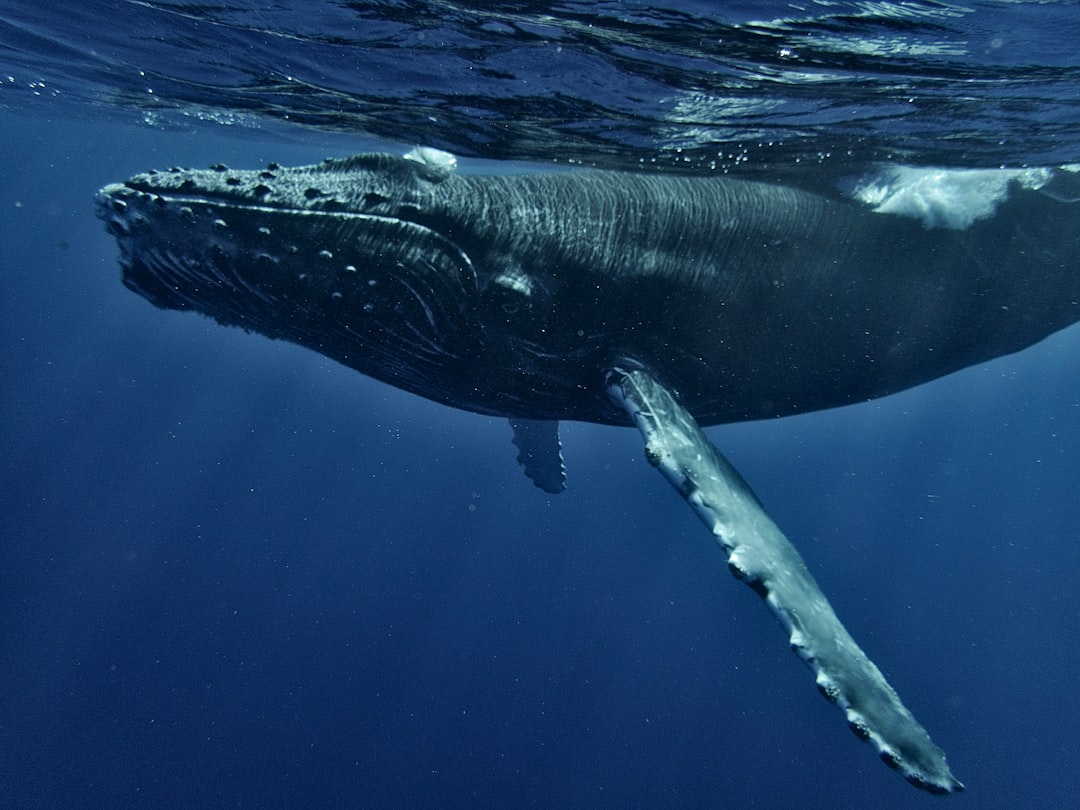
Blue whales have developed sophisticated communication systems that allow them to coordinate activities across vast oceanic distances. Their low-frequency calls, some of the loudest sounds produced by any animal, can travel hundreds of miles through deep ocean waters. These calls likely help individuals locate feeding areas, coordinate group feeding activities, and find mates across the vast expanses of the open ocean.
The evolution of long-distance communication was crucial for animals that live at such low population densities. Unlike smaller whales that can maintain closer social groups, blue whales are often solitary or found in small, loose aggregations. Their communication system allows them to maintain social connections despite being separated by enormous distances.
Recent research suggests that blue whale communication patterns have changed in response to increasing ocean noise from human activities. This adaptation demonstrates the ongoing evolutionary pressures that these giants face in the modern world, showing how they continue to evolve in response to environmental changes.
The Modern Blue Whale
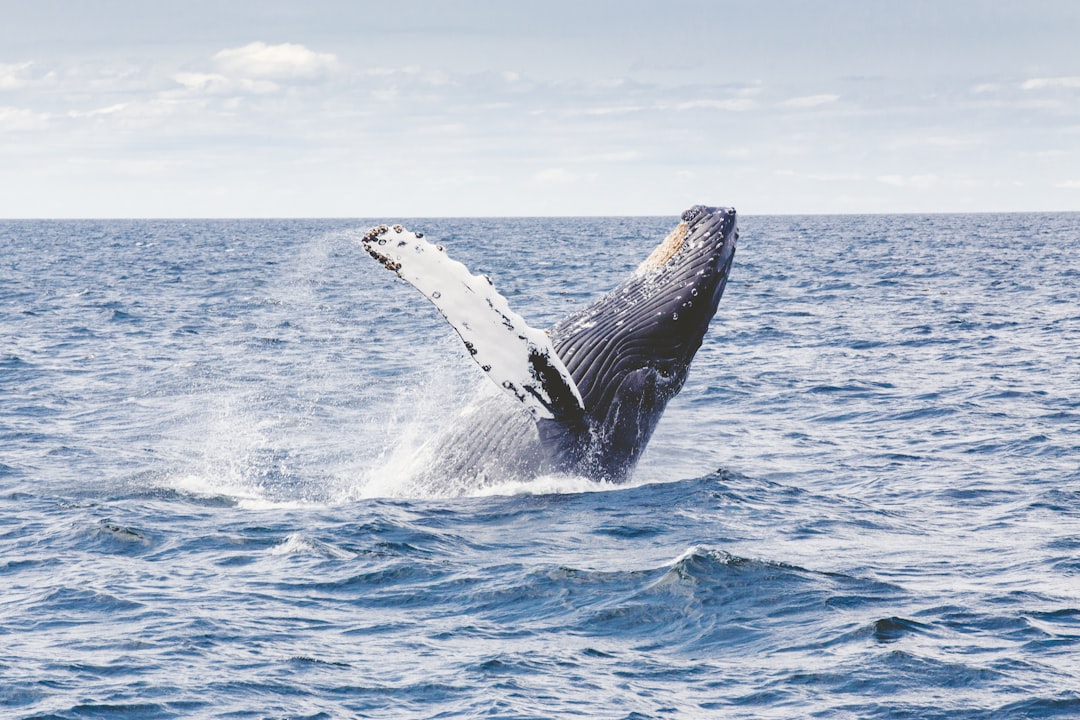
Today’s blue whales represent the culmination of roughly 30 million years of evolutionary refinement toward maximum size and feeding efficiency. Modern blue whales are found in oceans worldwide, though the largest populations remain in the Southern Ocean where their krill-based ecosystem reaches peak productivity.
Different populations of blue whales have evolved distinct characteristics based on their local environments. Antarctic blue whales are the largest, reaching maximum recorded sizes, while populations in other regions tend to be somewhat smaller. These regional differences reflect ongoing evolutionary adaptation to local conditions and prey availability.
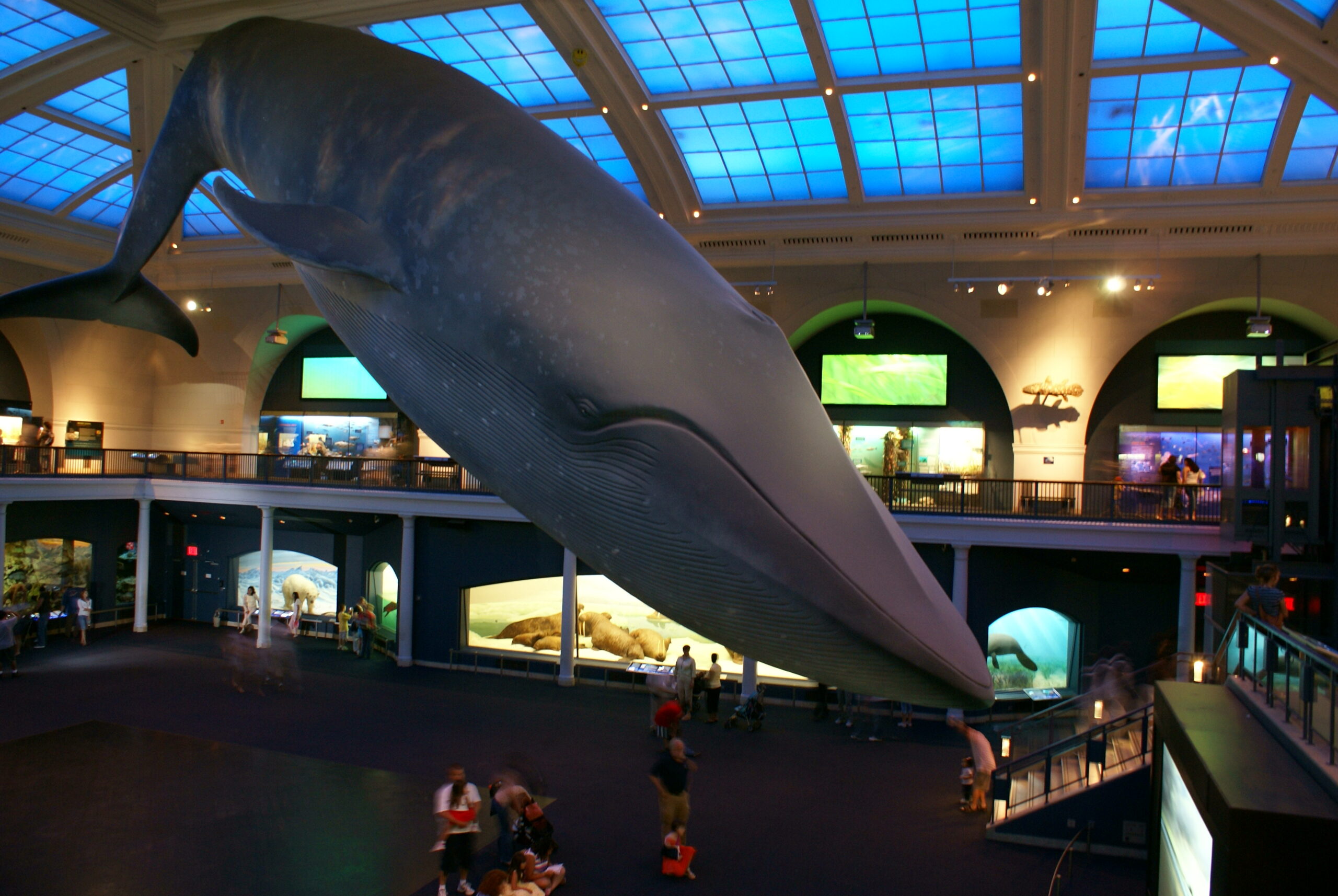
The blue whale’s position as Earth’s largest animal ever is now scientifically confirmed through comprehensive studies of both living animals and the fossil record. No dinosaur, no prehistoric marine reptile, no other mammal has ever approached the maximum size achieved by blue whales. They represent the absolute pinnacle of animal gigantism on our planet.
Survival Against the Odds
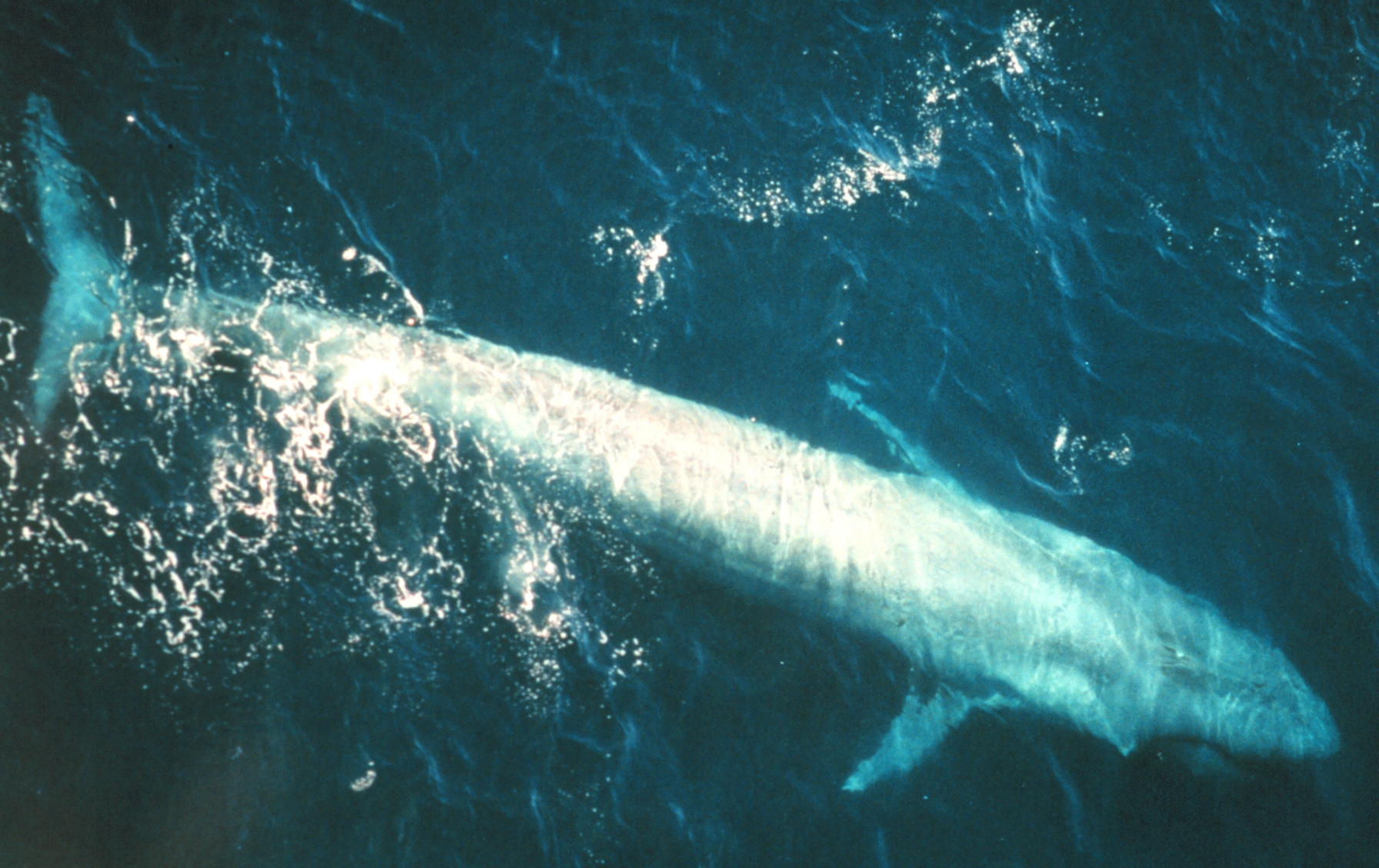
The blue whale’s journey to becoming Earth’s largest animal was nearly cut short by human activities in the 20th century. Commercial whaling reduced global blue whale populations from an estimated 350,000 individuals to fewer than 5,000 by the 1960s. This dramatic population bottleneck threatened to end millions of years of evolutionary success in just a few decades.
The species’ survival required international cooperation and legal protection that came almost too late. The International Whaling Commission’s 1966 ban on blue whale hunting marked a turning point, though recovery has been slow due to the species’ naturally low reproduction rate and the degraded state of marine ecosystems.
Current blue whale populations have recovered to approximately 25,000 individuals worldwide, still a fraction of historical numbers but representing a remarkable conservation success story. Their survival demonstrates the resilience of evolutionary adaptations refined over millions of years, even when faced with unprecedented human-caused pressures.
The Future of Ocean Giants
Climate change and ocean acidification present new challenges for blue whales that may rival those faced during their evolutionary history. Rising ocean temperatures are shifting the distribution of krill populations, potentially disrupting the feeding patterns that have sustained these giants for millions of years. Ocean acidification threatens the base of the marine food web, potentially cascading up to affect krill populations.
However, blue whales have survived multiple ice ages, dramatic climate shifts, and massive environmental changes throughout their evolutionary history. Their ability to migrate vast distances and adapt their feeding behaviors to changing conditions suggests they may be better equipped to handle environmental change than many other species.
The blue whale’s story is far from over. As we continue to study these remarkable animals, we’re discovering new aspects of their biology, behavior, and ecology that reveal the sophisticated adaptations behind their evolutionary success. Their future depends not only on their own remarkable adaptability but also on humanity’s commitment to protecting the marine ecosystems that have sustained them for millions of years.
Conclusion
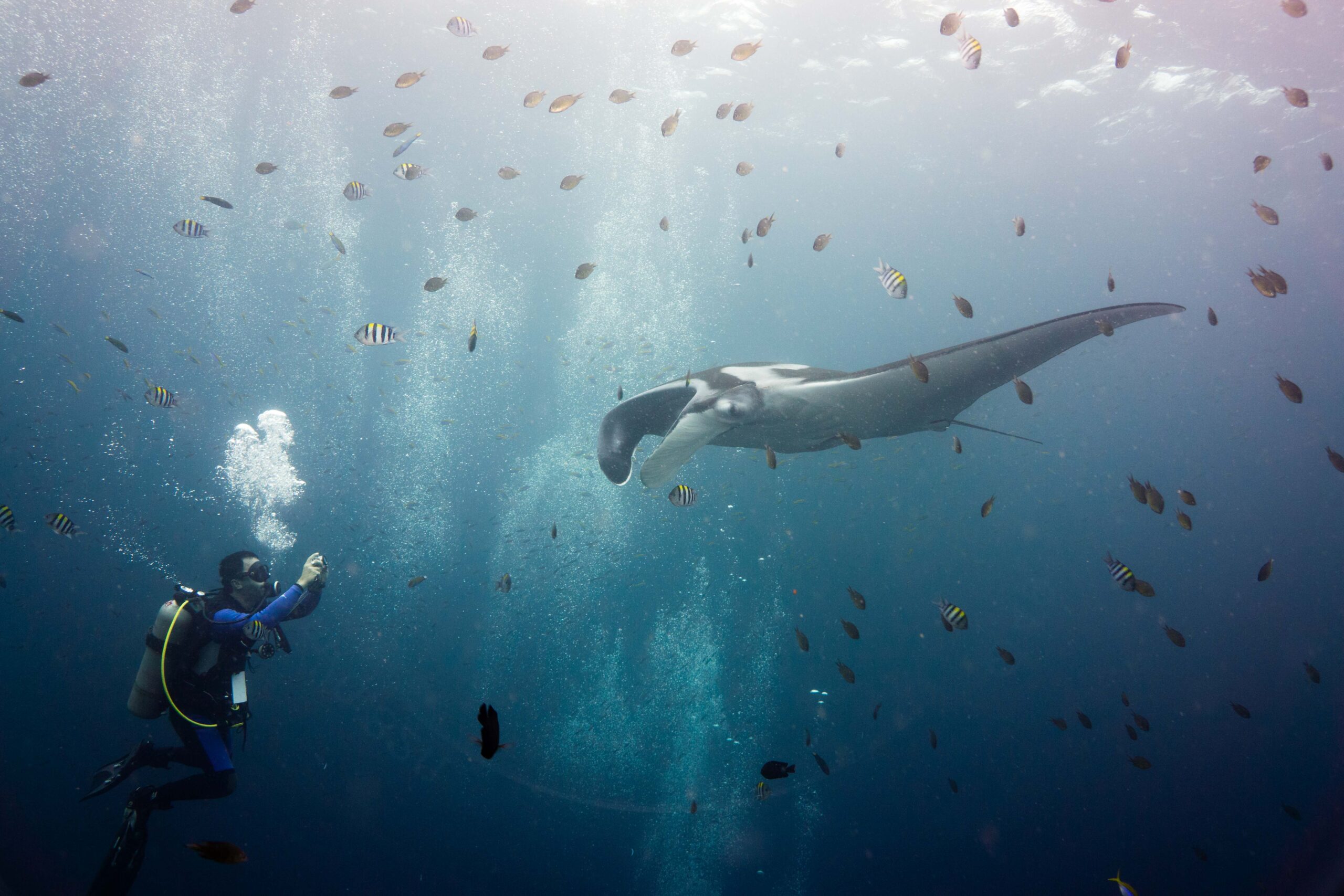
The blue whale’s rise to become Earth’s largest animal ever represents one of evolution’s most extraordinary achievements. From small, land-dwelling ancestors to ocean-spanning giants, their journey spans 50 million years of adaptation, innovation, and survival. The combination of oceanic lifestyle, specialized filter feeding, abundant krill resources, and freedom from predation created the perfect conditions for unprecedented gigantism.
Their story reminds us that evolution is not just about survival of the fittest, but about finding and exploiting opportunities in an ever-changing world. Blue whales found their niche in the vast, productive oceans of our planet and evolved to fill it more completely than any animal before or since. They stand as living proof that life on Earth can achieve scales and complexities that challenge our imagination.
The next time you stand at the ocean’s edge, remember that somewhere in those waters swim the largest animals that have ever existed on our planet. What would you have guessed could grow to such magnificent proportions in the depths of our blue world?