Have you ever wondered what lurked beneath the waves millions of years before whales dominated our oceans? Long before dolphins perfected their underwater ballet, the seas were ruled by creatures so alien, so perfectly adapted to their watery realm, that they put modern marine animals to shame. These were the marine reptiles of the Mesozoic era, and they owned every corner of the ancient oceans for nearly 200 million years.
Let’s be real, when most people think about prehistoric life, dinosaurs steal the show. Yet while those land giants were busy terrorizing the continents, another evolutionary drama was unfolding in the depths. The story of marine reptiles is one of remarkable adaptation, fierce competition, and ultimately, mysterious extinction. These weren’t just reptiles that happened to swim. They were air-breathing pioneers that transformed themselves into oceanic apex predators, developing features so sophisticated that evolution would later recycle them in whales and dolphins.
The Great Marine Invasion
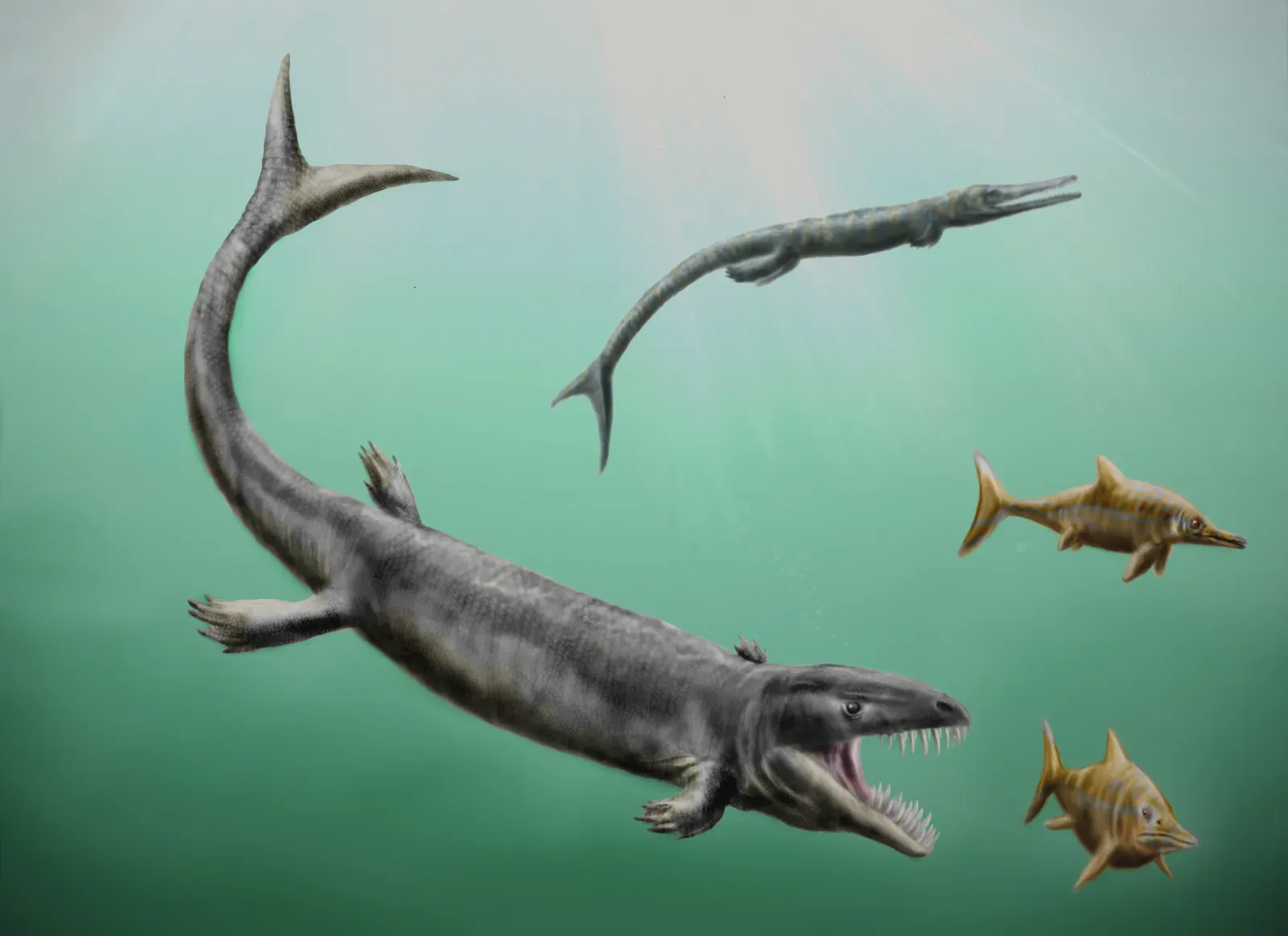
Only after the worst mass extinction of all time, as Earth’s ecosystems struggled to recover from intense global warming spurred by volcanoes, did reptiles began to live by the shoreline and become ever more at home in the water. It sounds crazy, but this catastrophic event actually opened the door for one of evolution’s most ambitious experiments. Among the most striking finds are the fossils of unusual marine reptiles and amphibians representing some of the earliest examples of land-based species adapting to life far from shore.
The transformation wasn’t gradual or cautious. The giant ichthyosaur lived 244 million years ago, just five million years after the first, tiny ichthyosaurs, and Ichthyosaurs evolved to giant size at a faster rate than early whales did. Think about that for a moment: in less time than separates us from the earliest human civilizations, these reptiles went from small coastal swimmers to ocean giants exceeding fifty feet in length.
Rulers of Different Realms
During the Mesozoic era, many groups of reptiles became adapted to life in the seas, including such familiar clades as the ichthyosaurs, plesiosaurs, mosasaurs, nothosaurs, placodonts, sea turtles, thalattosaurs and thalattosuchians. Each group took a different approach to conquering the waves. Some resembled dolphins with their streamlined bodies, while others looked more like something from a fever dream, with necks so long they seemed to defy physics.
There were more than a dozen groups of marine reptiles in the Mesozoic, of which four had more than 30 genera, namely sauropterygians, ichthyosaurs, mosasaurs, and sea turtles. The diversity was staggering. Some of them were giants, reaching 20 meters in total length, whereas the others were small, reaching only about 40 centimeters, with some adapted to cruising long distances whereas the others were more suitable for ambushing.
Ichthyosaurs: The Dolphin Mimics
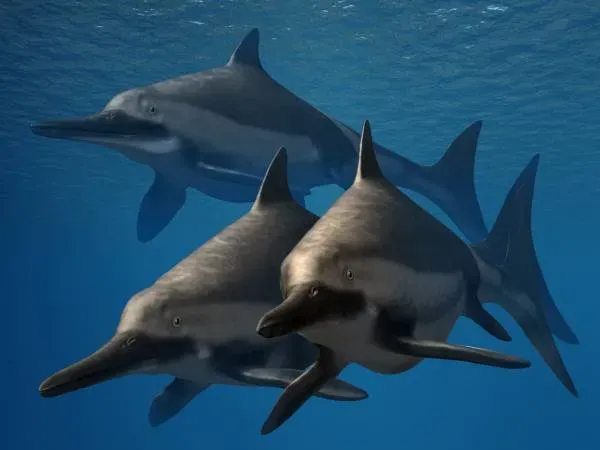
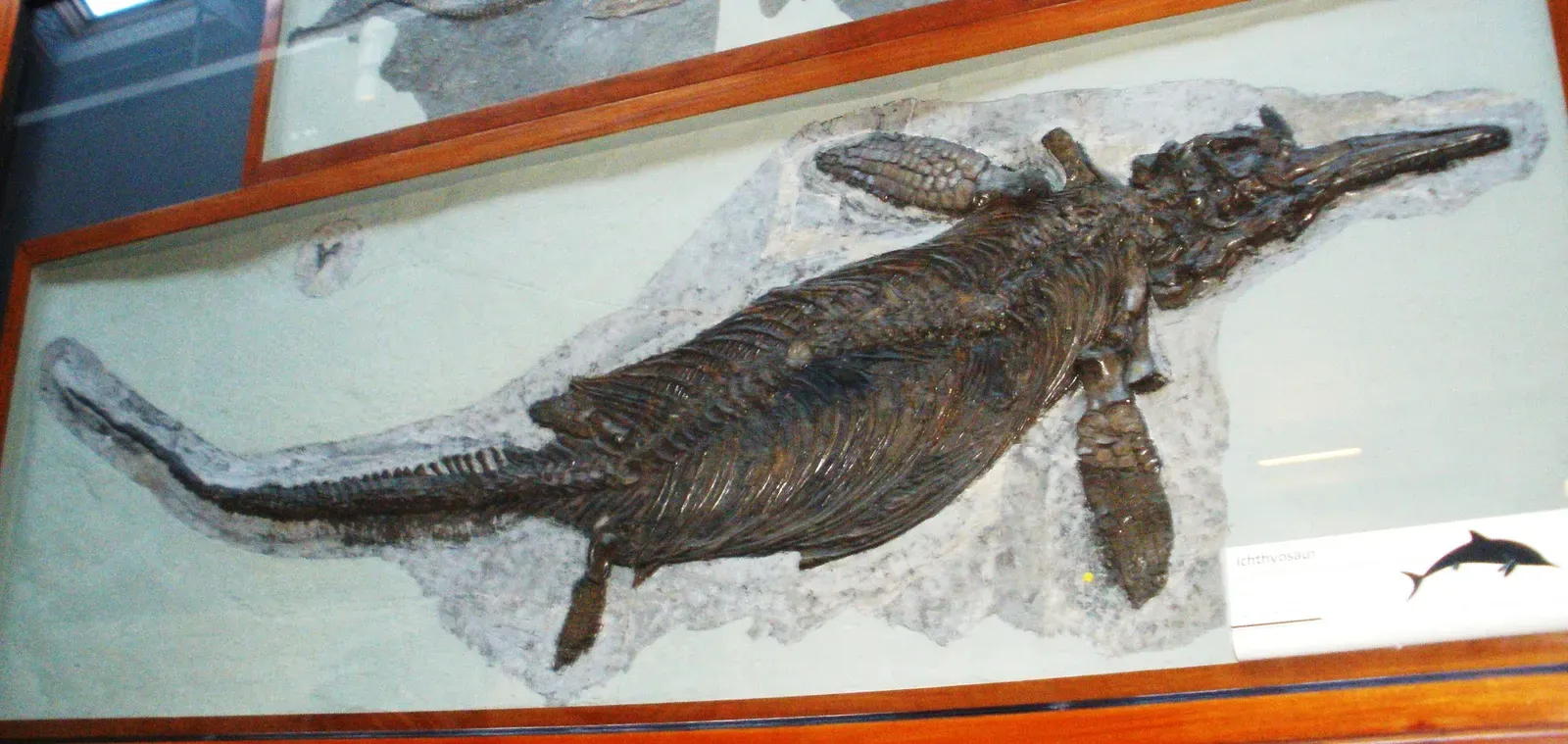
If you saw an ichthyosaur swimming past you, your first thought would probably be “dolphin!” Yet these remarkable creatures had absolutely nothing to do with mammals. Ichthyosaurians were air-breathing, warm-blooded, and bore live young, with many, if not all, species having a layer of blubber for insulation. Evolution basically handed them the same instruction manual that mammals would receive millions of years later.
Their adaptations were almost unsettlingly perfect. The eyes were very large, for deep diving. Some ichthyosaur eyes were among the largest of any vertebrate ever discovered, suggesting they hunted in the murky depths where sunlight barely penetrated. Ichthyosaurs would be a fifth faster than plesiosaurs, and they maintained their relative position even after speed estimates were revised. Speed, vision, and endurance made them formidable hunters.
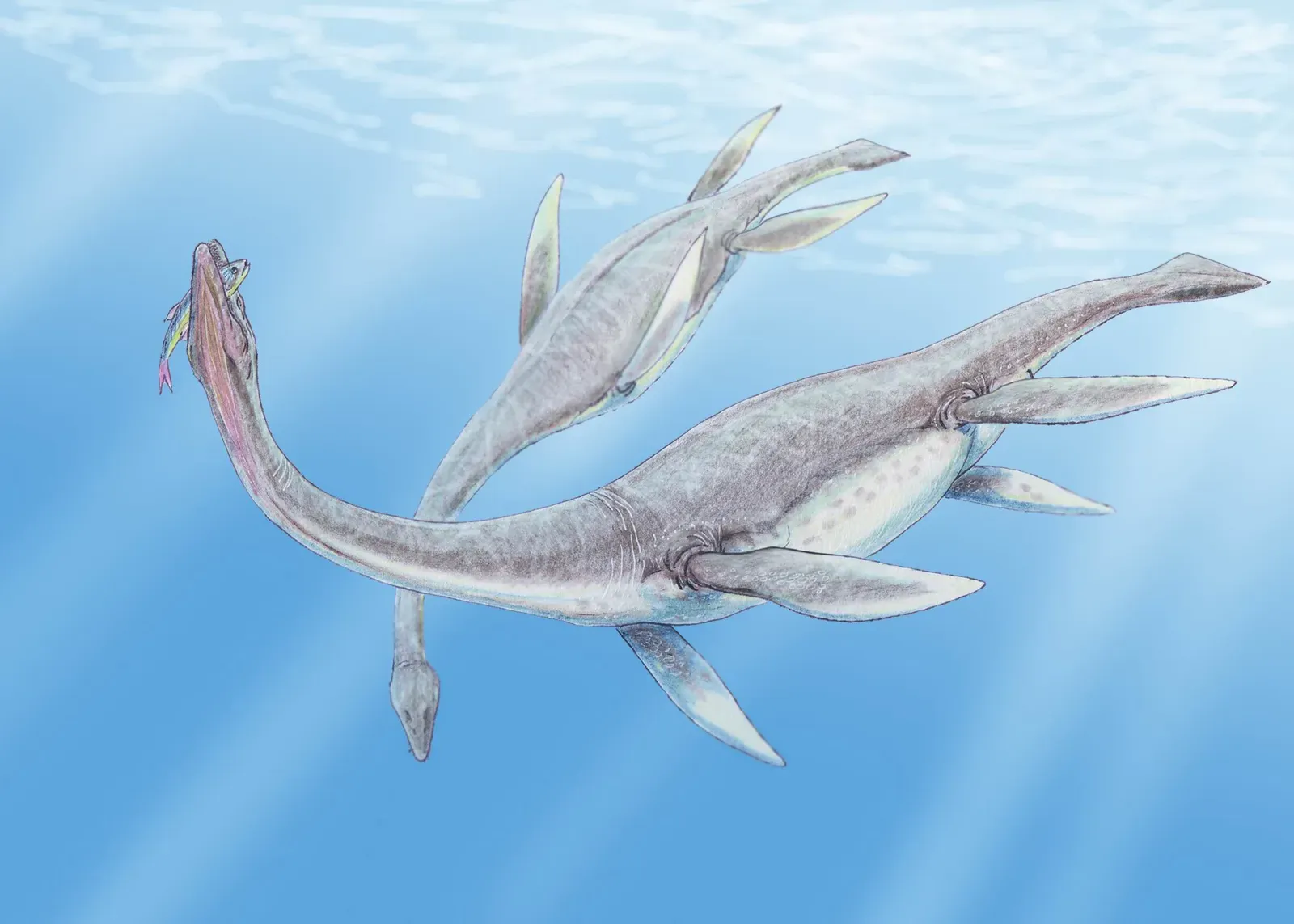
Plesiosaurs: Masters of Four-Flipper Flight
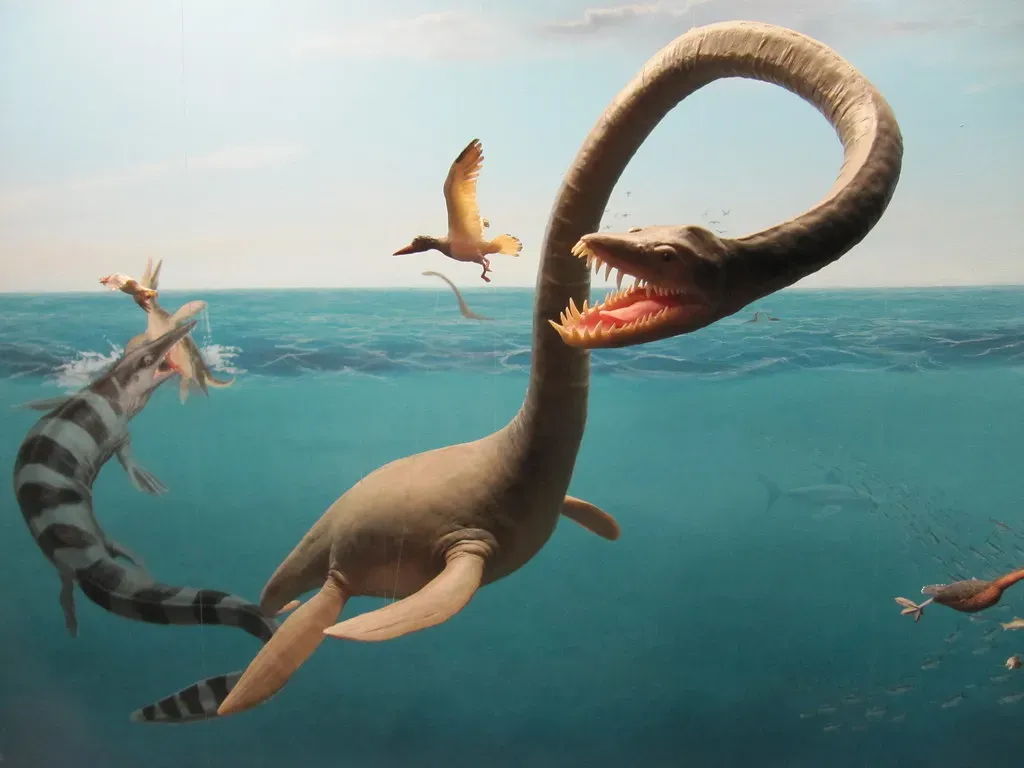
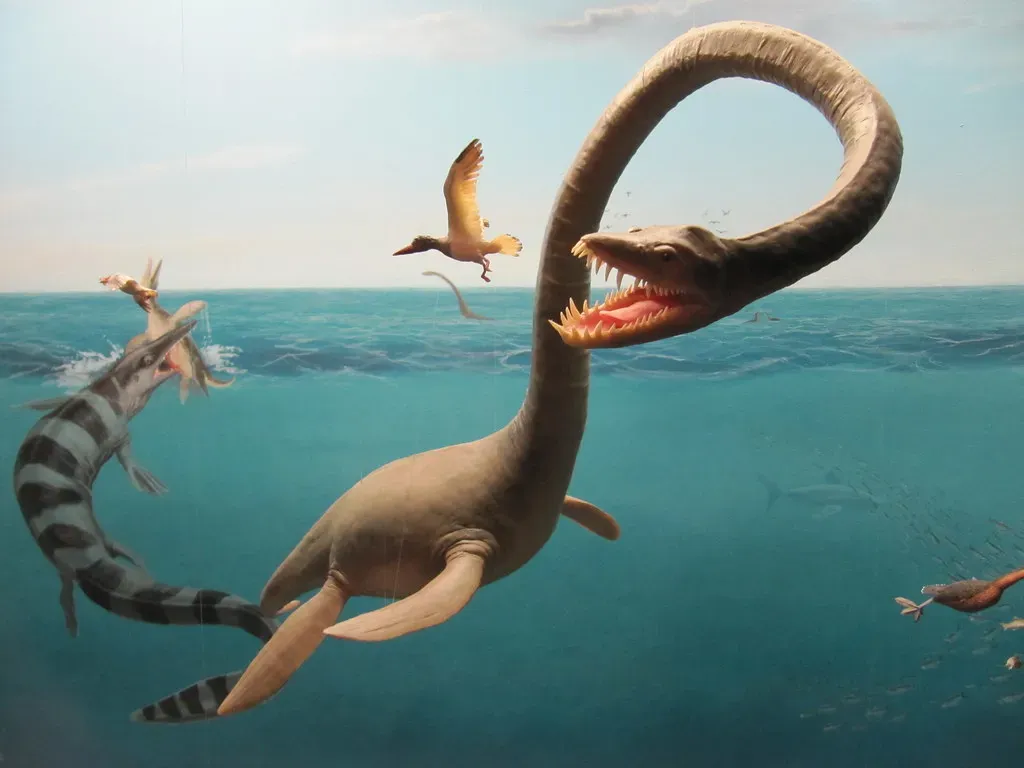
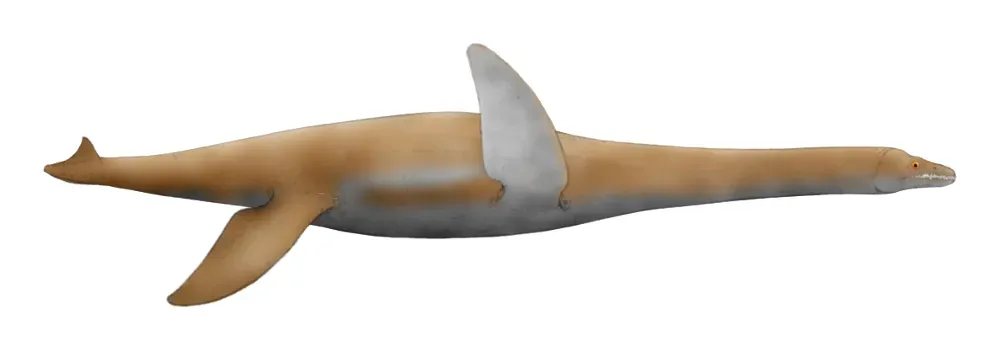
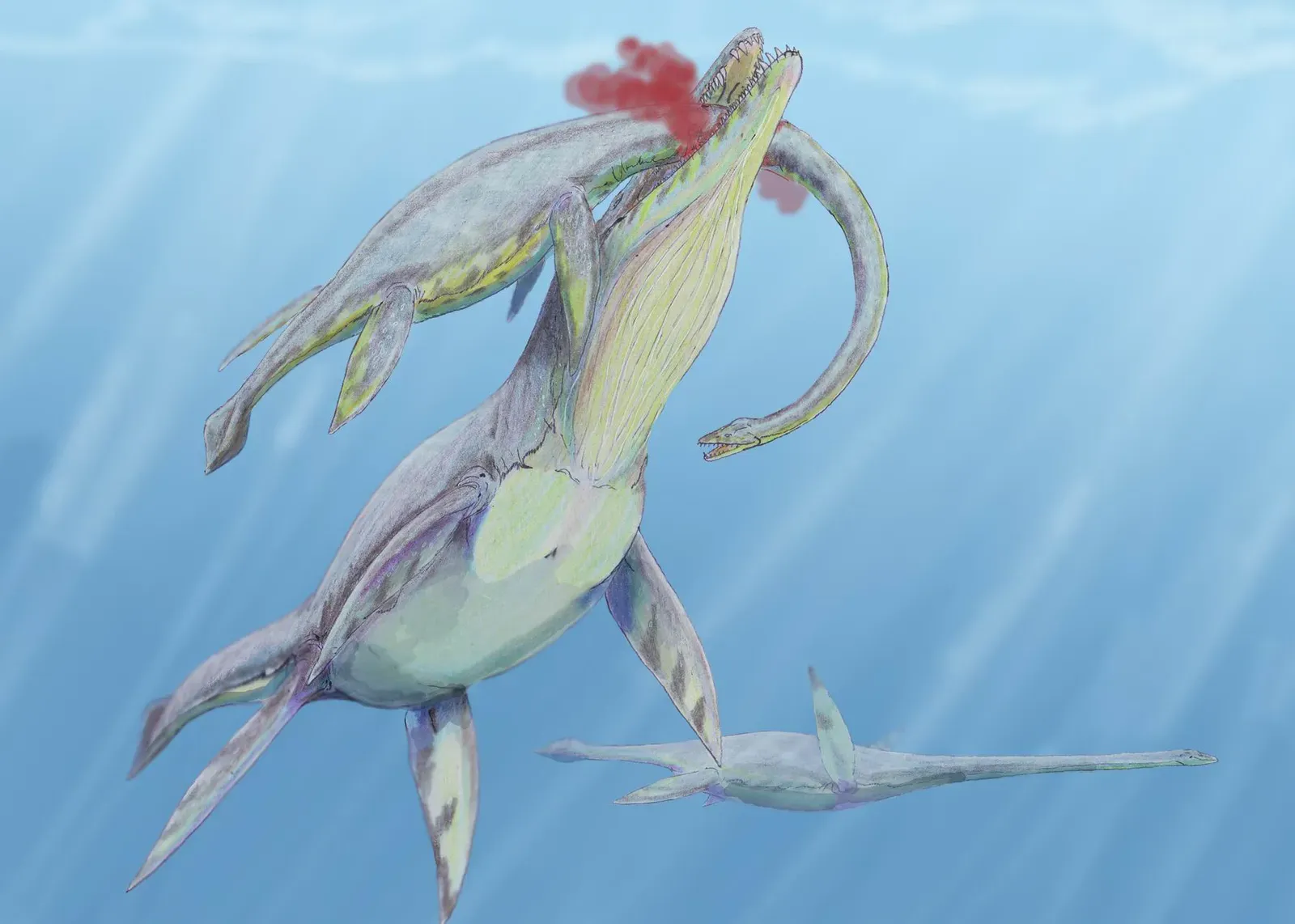
Here’s where things get truly bizarre. Plesiosaurs evolved something no other marine animal before or since has perfected: four-flipper propulsion. The flipper arrangement is unusual for aquatic animals in that probably all four limbs were used to propel the animal through the water by up-and-down movements. Imagine a sea creature literally flying through water using all four limbs as wings.
The group split into two distinct body plans. Other species, some of them reaching a length of up to seventeen meters, had the “pliosauromorph” build with a short neck and a large head; these were apex predators, fast hunters of large prey. Meanwhile, their long-necked cousins looked like reptilian giraffes mounted on turtle bodies. Jurassic pliosaurs such as Liopleurodon developed enormous skulls, sometimes over 2 meters long, and robust bodies capable of generating tremendous speed and bite force, feeding on large fish, ammonites, sharks, and other marine reptiles.
Mosasaurs: The Ocean’s Final Act
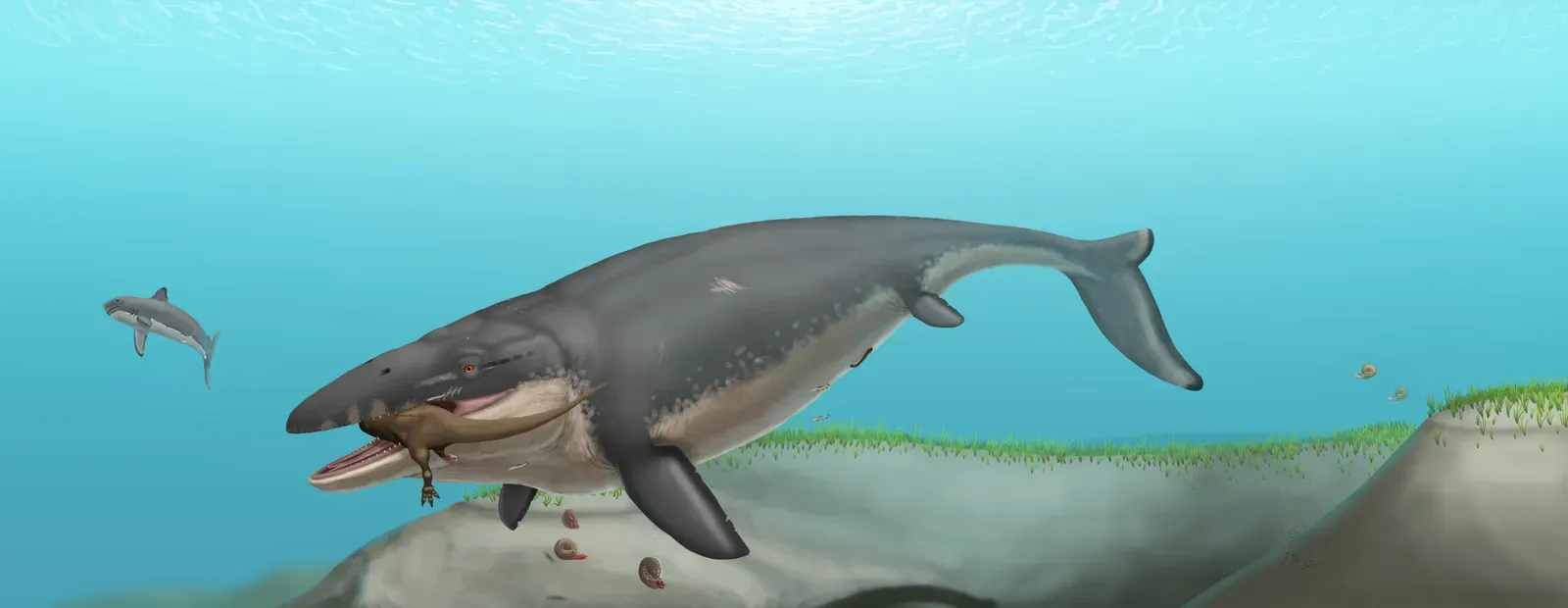
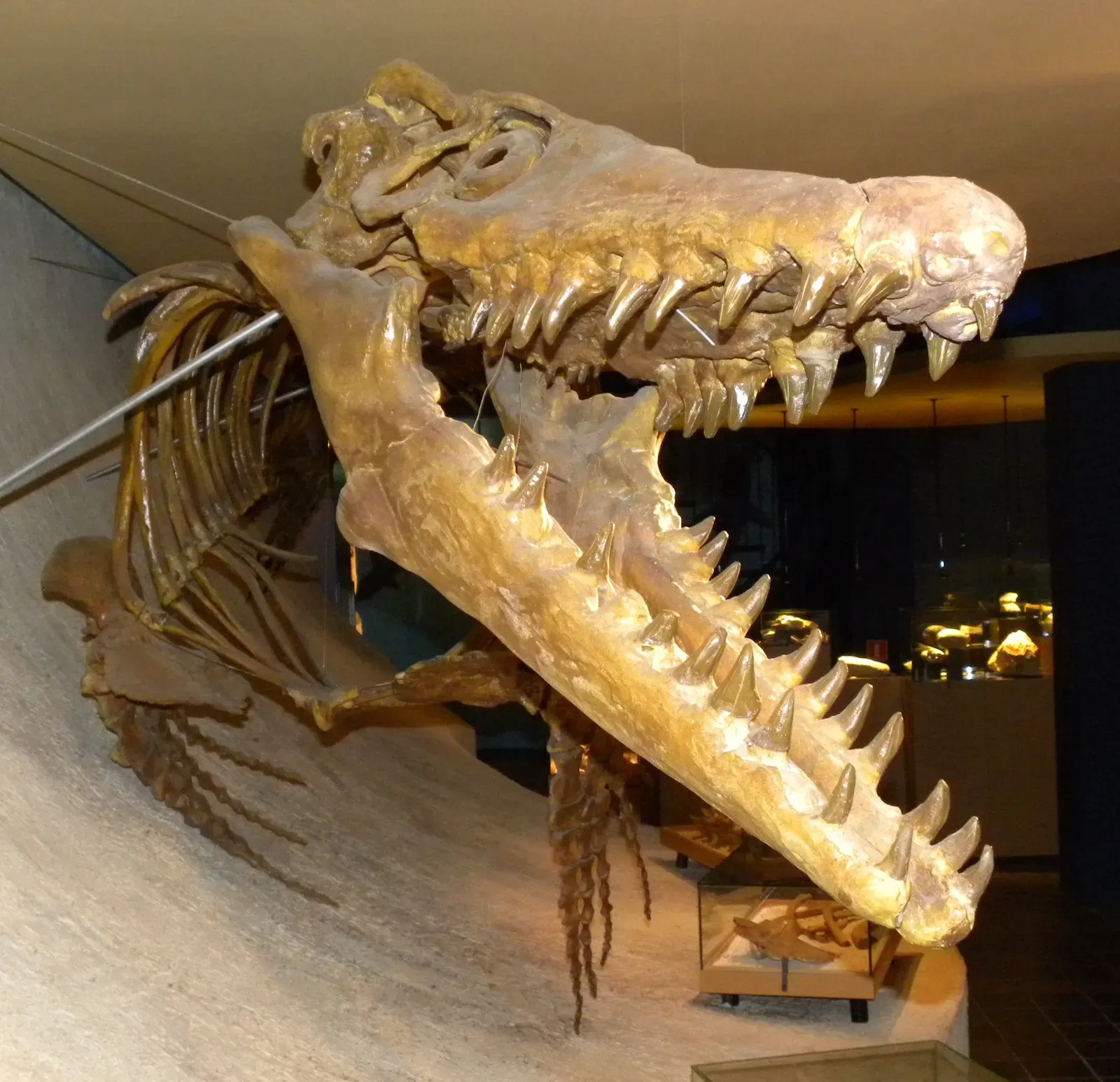
The Mosasaur became the dominant ocean predator at the end of the Cretaceous after the extinction of the Ichthyosaurs and the decline of the Plesiosaurs. Think of them as the ocean’s last great reptilian experiment. These creatures were essentially enormous sea-going lizards, relatives of modern monitor lizards that decided coastal living wasn’t ambitious enough.
They Emerged from small, semi-aquatic lizards after the Cenomanian-Turonian anoxic event, and in just 4 million years, they evolved into 15-meter apex predators, exploiting the collapse of ichthyosaurs and pliosaurs. That’s evolutionary opportunism at its finest. A 2016 study using similar methods found evidence that the sea lizards evolved to have elevated body temperatures that helped make them faster and more persistent in pursuit of their meals.
Revolutionary Adaptations
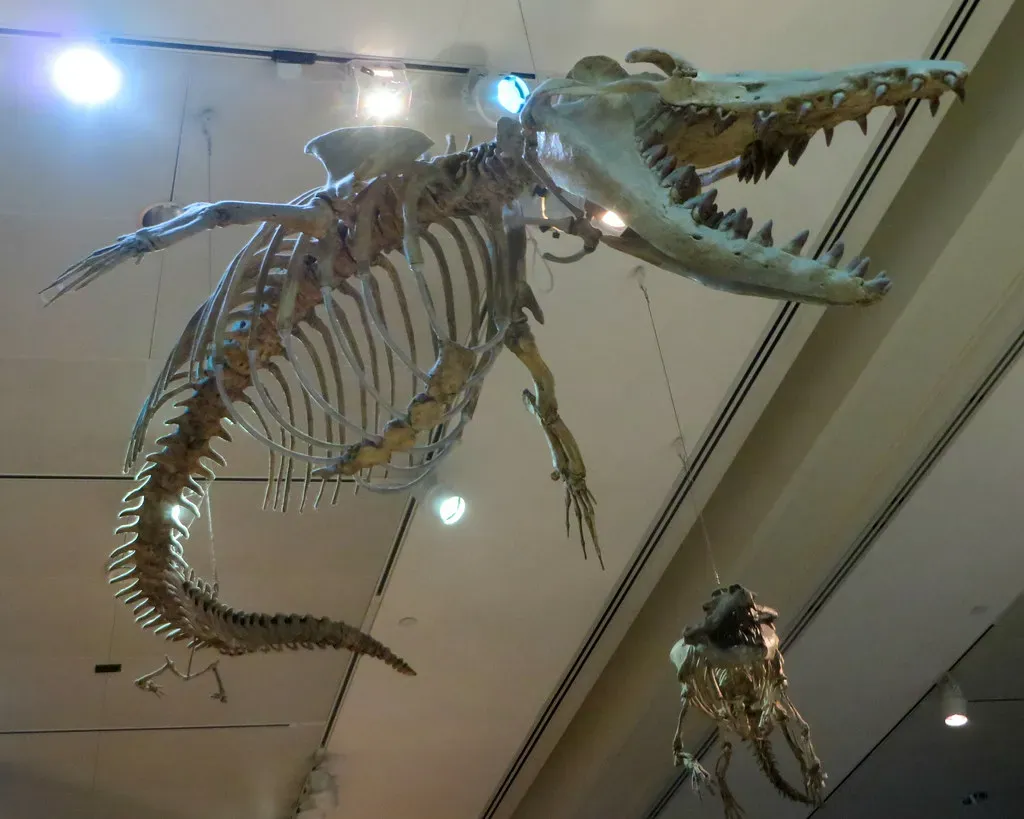
These marine reptiles didn’t just learn to swim; they revolutionized what it meant to be aquatic. Many millions of years before whales and seals would evolve blubber, marine reptiles were already enjoying the benefits of the thick subcutaneous fat. Some developed smooth skin for speed, while others kept streamlined scales. A fossil of the large mosasaur Plotosaurus preserved scaly skin with scales that were keeled in such a way that they streamlined the lizard’s body and would have allowed it to swim with less effort.
Perhaps most remarkably, they solved the reproduction problem in spectacular fashion. Evidence for live birth in other marine reptiles has piled up, with a fossil of the long-snouted plesiosaur Polycotylus found with the bones of an embryo inside, and mosasaurs evolved the ability to give live birth, as well. No awkward beach landings required.
An Ecosystem Beyond Imagination
Recent research has revealed just how complex these ancient marine ecosystems were. This prehistoric sea was filled with enormous marine reptiles, some growing longer than 10 meters, that occupied a previously unseen seventh level of the food chain. Let that sink in for a second. In today’s oceans, food chains typically reach only six levels, with animals such as killer whales and great white sharks sitting at the top, highlighting just how rich and complex the Paja ecosystem once was.
The region supported plesiosaurs, ichthyosaurs, and large numbers of invertebrates, creating one of the most intricate marine food webs ever identified. The oceans weren’t just inhabited by these reptiles; they were utterly dominated by them in ways that modern ecosystems can’t match.
The Mystery of Extinction
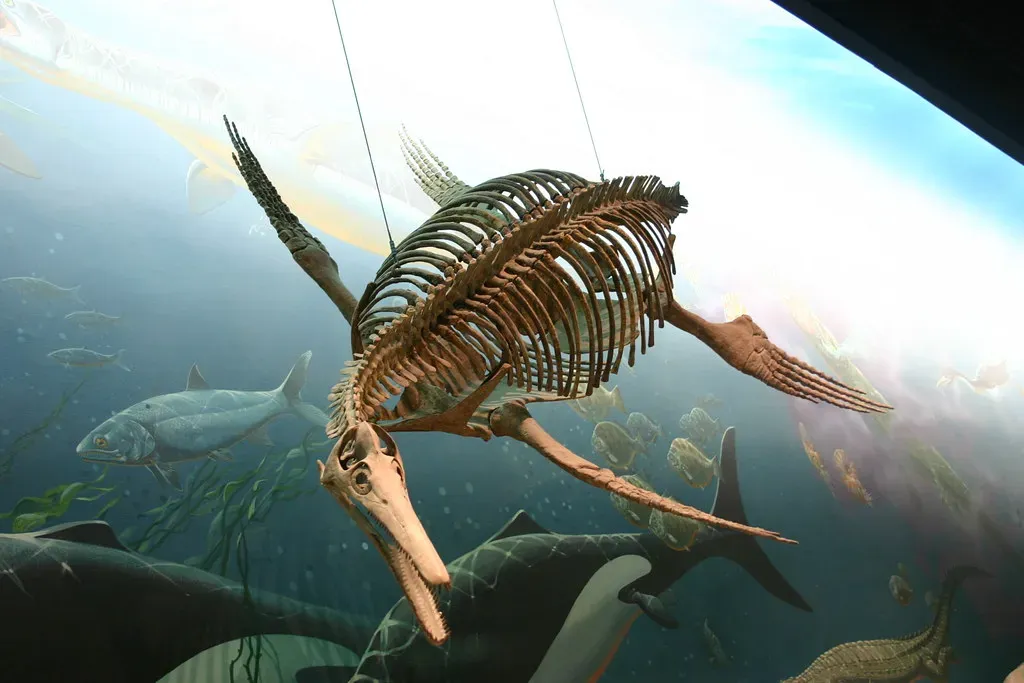
Most marine reptile groups became extinct at the end of the Cretaceous period, but some still existed during the Cenozoic, most importantly the sea turtles. The ichthyosaurs actually disappeared earlier. This last ichthyosaur genus was thought to have become extinct during the Cenomanian about 95 million years ago, with two major explanations proposed for this extinction including either chance or competition from other large marine predators such as plesiosaurs.
It’s hard to say for sure, but the prevailing theory involves multiple factors. The KT asteroid triggered plankton collapse, starving food chains, while cooling oceans crippled ectothermic mosasaurs, and ash-blocked sunlight halted reproduction. The extinction wasn’t just about the impact; it was about a cascading series of environmental catastrophes that even these supremely adapted creatures couldn’t survive.
Living Echoes
Only about 100 of the 12,000 extant reptile species and subspecies are classed as marine reptiles, including marine iguanas, sea snakes, sea turtles and saltwater crocodiles. These modern survivors are shadows of the past glory days. The most famous Mesozoic marine reptiles, like Plesiosaurs and Mosasaurs, could achieve enormous sizes, and modern marine reptiles are far less ubiquitous and diverse in today’s oceans, with Ichthyosaurs, Plesiosaurs, and Mosasaurs extremely common and occupying the top levels of the ancient ocean food chains.
Sea turtles represent perhaps the most successful marine reptile lineage, having navigated both the Cretaceous extinction and millions of years of subsequent change. They’re the true survivors, carrying forward a legacy that stretches back to when their distant cousins ruled the waves.
Rewriting History
Recent discoveries continue to reshape our understanding of these ancient monarchs. A spectacular fossil trove on the Arctic island of Spitsbergen shows that marine life made a stunning comeback after Earth’s greatest extinction, with tens of thousands of fossils revealing fully aquatic reptiles and complex food chains thriving just three million years later, with some predators growing over five meters long. The recovery was far faster than scientists previously believed possible.
The evolution of Mesozoic marine reptiles wasn’t static and about long stretches of conservatism, but dynamic and complex, with major overturns and innovations happening right to the end. These weren’t evolutionary relics coasting on ancient success. They were actively adapting, experimenting, and diversifying right up until the asteroid changed everything.
Conclusion: Lessons From the Deep
The marine reptiles of the Mesozoic weren’t just evolutionary curiosities. They represent one of the most successful adaptive radiations in vertebrate history, proving that life finds not just a way, but often finds the best possible way given enough time. Their story reminds us that Earth’s oceans have hosted wonders we can barely imagine, creatures so perfectly suited to their environment that they thrived for durations that dwarf all of human history.
Understanding how groups like Ichthyosaurs, Plesiosaurs, and Mosasaurs came to be so successful in the Mesozoic seas can enhance our understanding of how modern groups such as whales and dolphins achieved the same success in similar roles, while a better understanding of why those ancient groups went extinct can help us understand potential threats to our modern ocean ecosystems as well. The past, it turns out, isn’t just fascinating; it’s instructive.
What do you think: if marine reptiles hadn’t gone extinct, would mammals have ever dominated the oceans the way they do today? Share your thoughts in the comments below.