
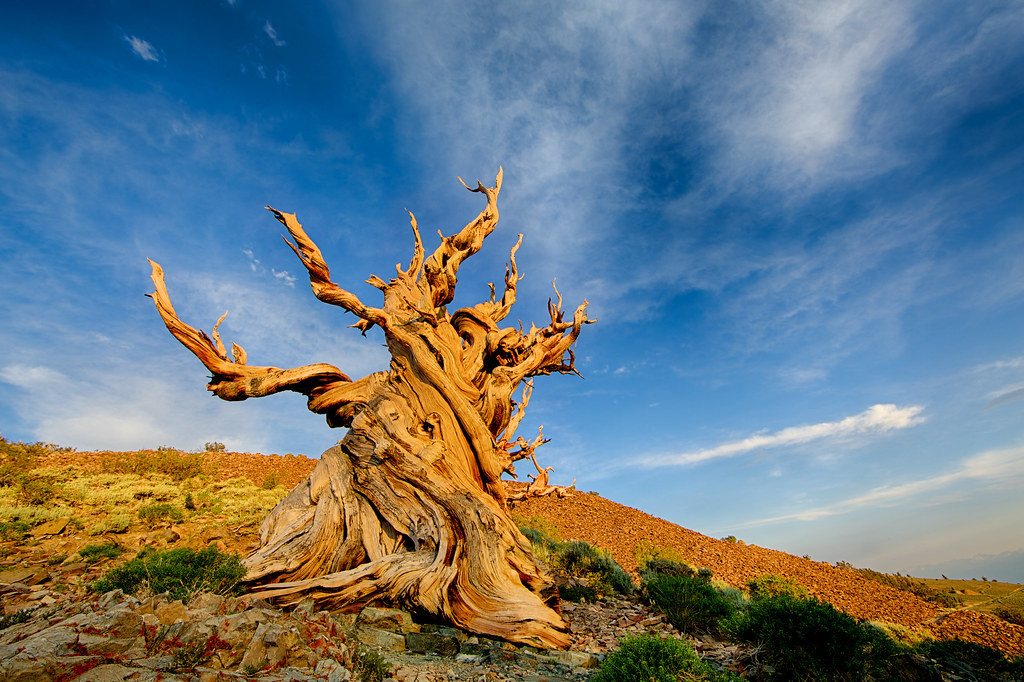
Imagine something that was already old when the pyramids were new, still standing quietly today, photosynthesizing in the thin mountain air as people post selfies from below its branches. The oldest known individual tree on Earth is exactly that: a living time capsule rooted in place while human civilizations rose, collapsed, and reinvented themselves over and over again. It has outlived empires, religions, languages, and nearly every story humans tell about themselves.
What makes this tree so gripping is not just its age, but what that age really means. When it first pushed a fragile green shoot out of rocky ground, humans were still figuring out how to write, farm at scale, and organize complex societies. Today, we study it with satellites, genetic sequencing, and climate models. The tree has barely moved. We, on the other hand, have changed nearly everything.
Meet Methuselah: The Ancient Bristlecone Pine That Refuses To Die
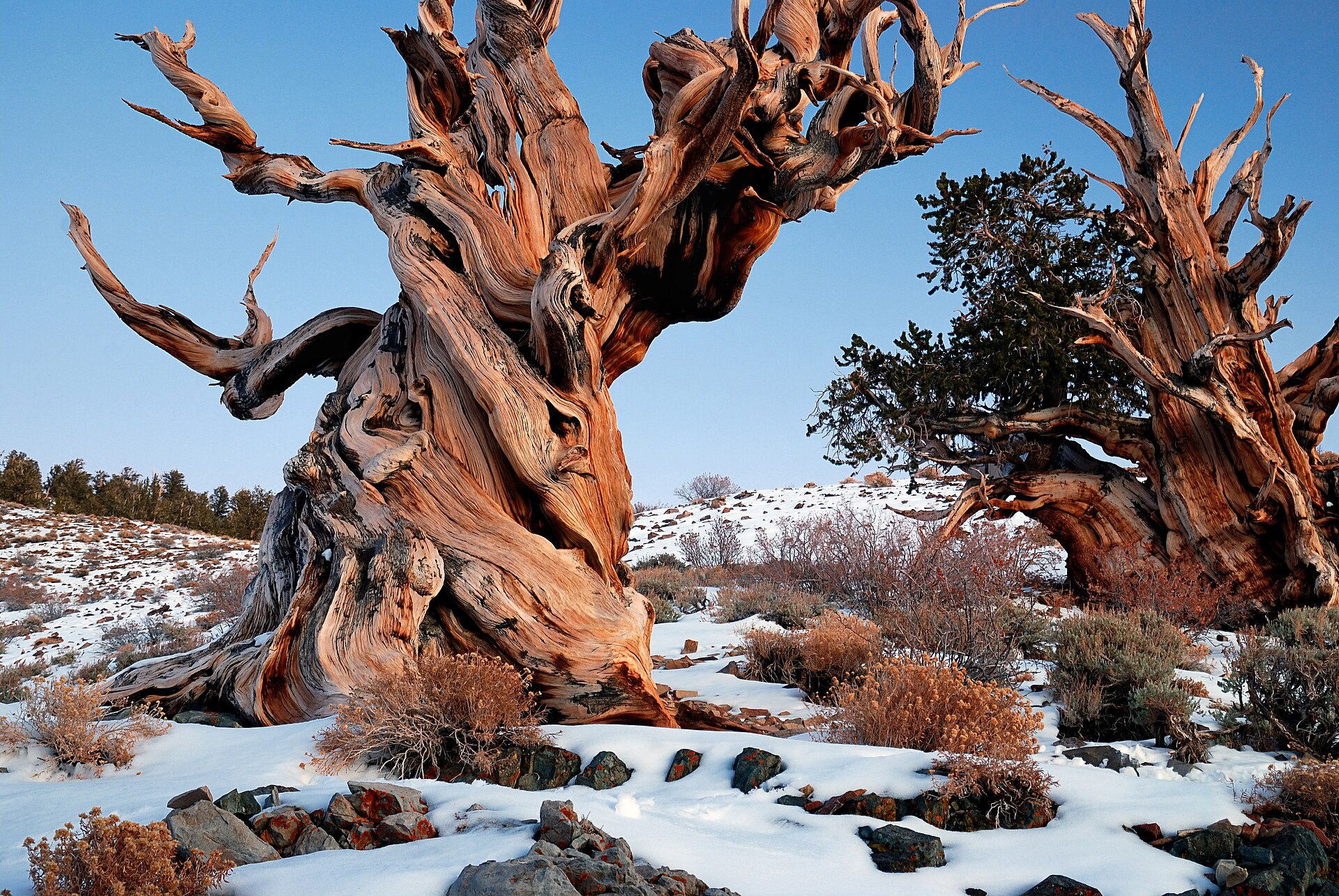
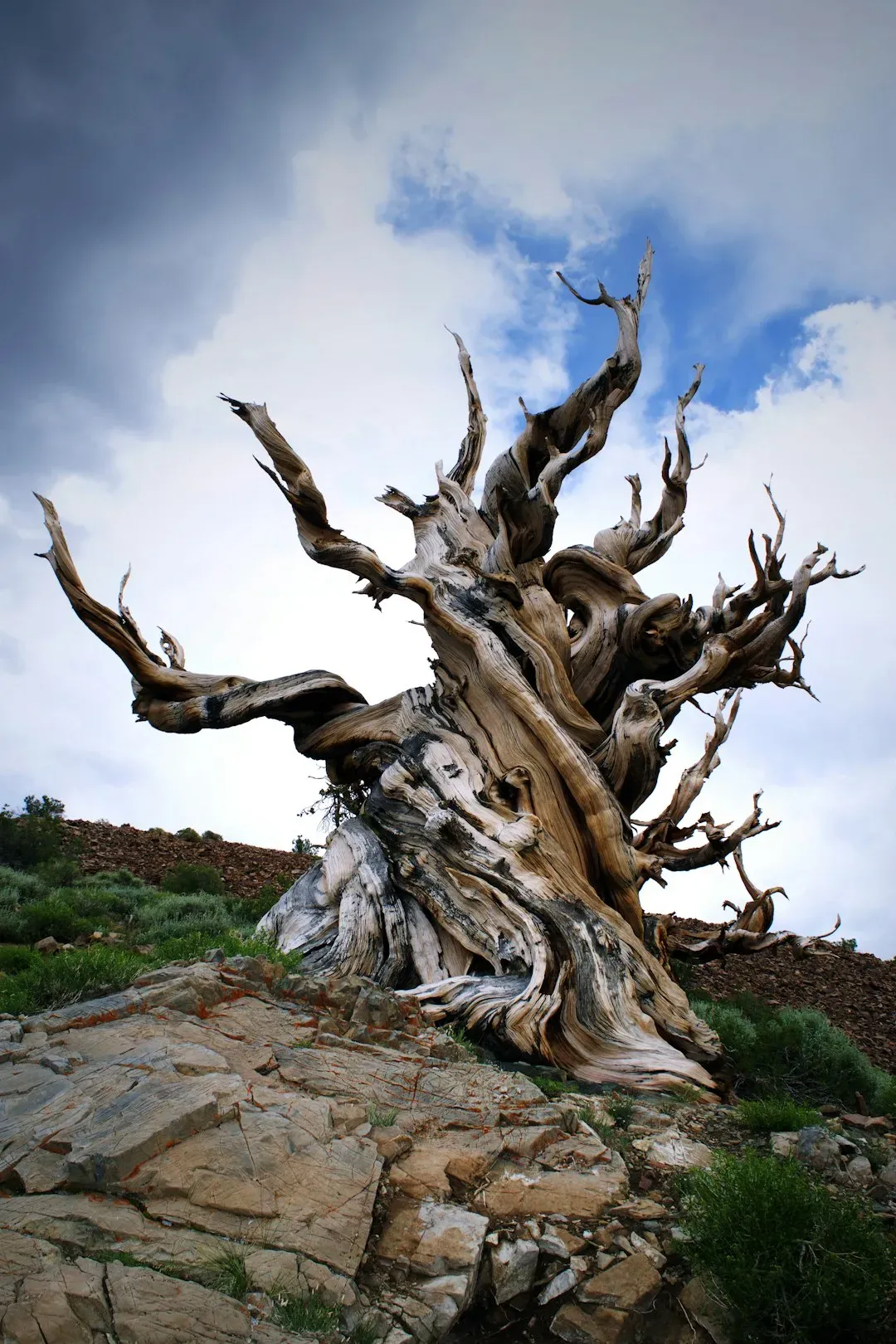
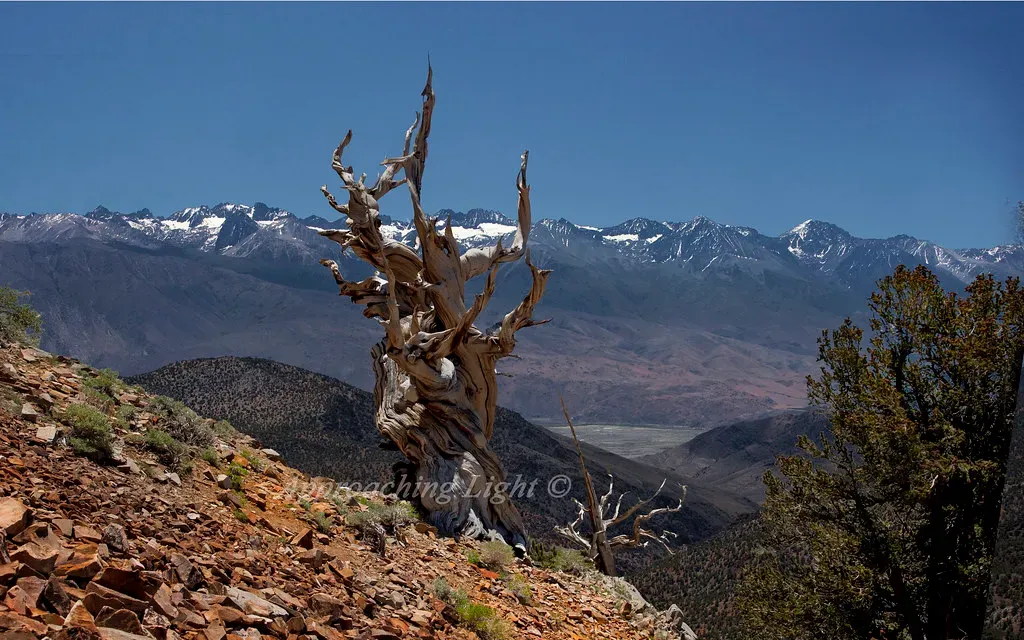
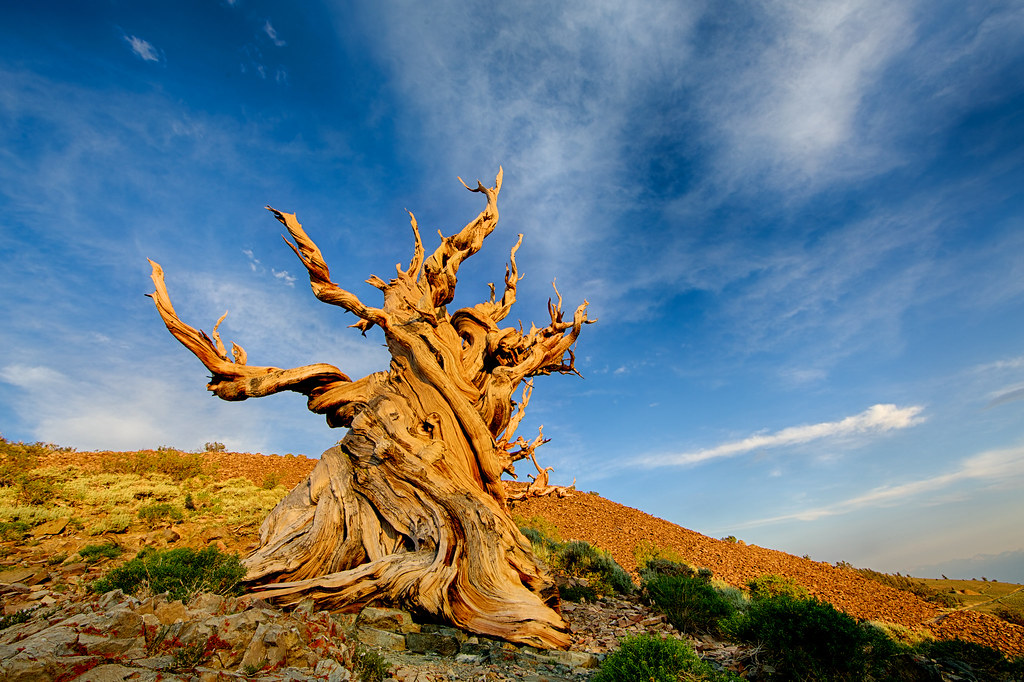
The oldest known living individual tree that scientists have precisely dated is a Great Basin bristlecone pine nicknamed Methuselah, growing in the White Mountains of California. It is more than four and a half millennia old, which means it germinated in the mid–third millennium BCE, long before classical Greece, the Roman Empire, or even Stonehenge as we know it today. Bristlecone pines are small, twisted, and weather-beaten; you would probably walk past Methuselah without guessing you were looking at one of the most remarkable organisms on the planet.
Its exact location is kept secret by the U.S. Forest Service to protect it from vandalism and overtourism, which honestly feels like the least we can do for something that has survived almost everything nature can throw at it. The tree’s age was established using tree-ring analysis: scientists took a narrow core and counted the rings year by year, like reading a bar-coded history of droughts and storms. That is one reason Methuselah, and another slightly older but now-dead bristlecone discovered later, have become icons in both science and environmental culture. They are proof that life, under the right conditions, can stretch time almost beyond our imagination.
When Methuselah Was a Seedling: A World of Pyramids and Bronze
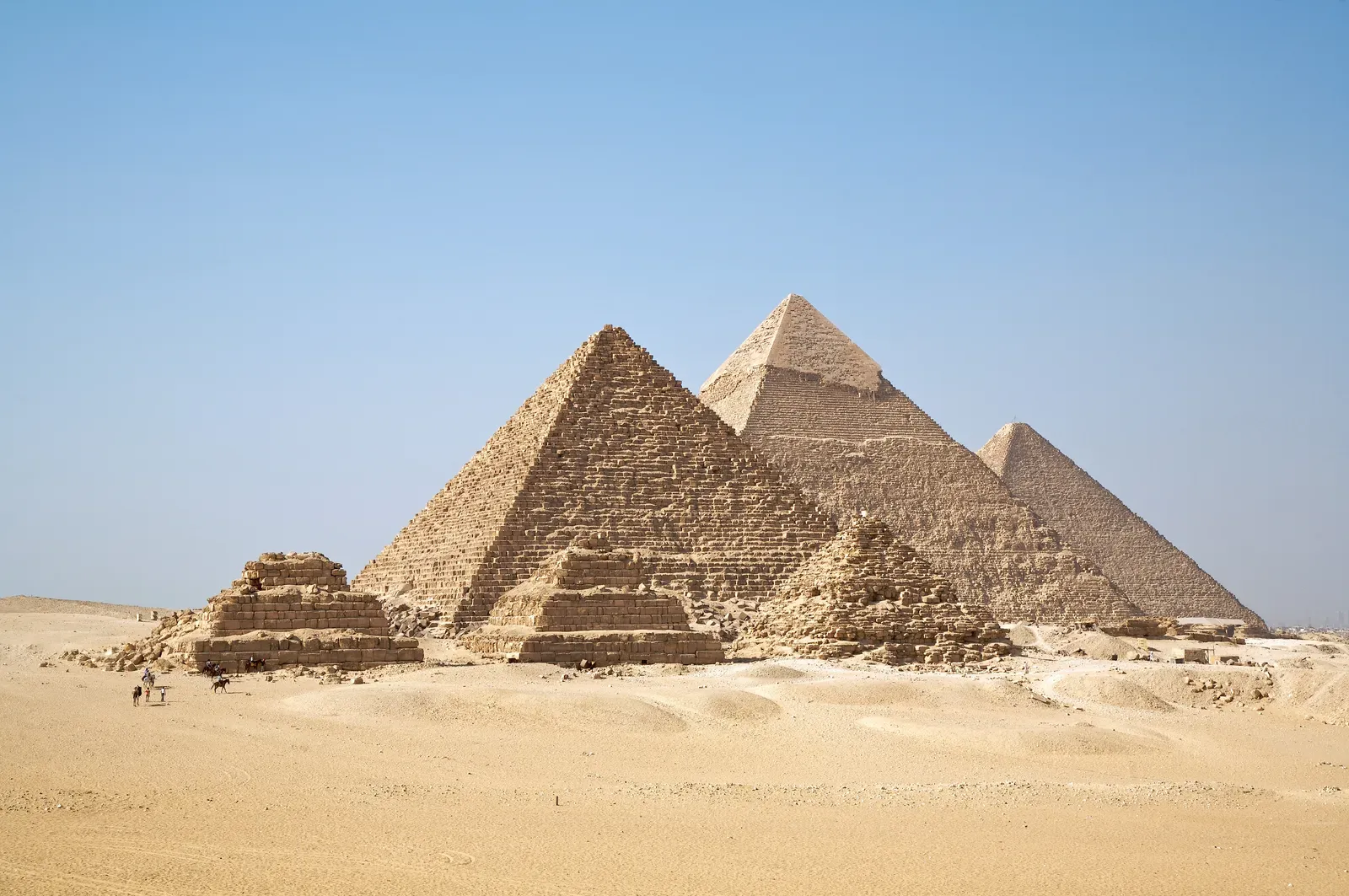
If you rewind the clock to when Methuselah first broke through the soil, you land somewhere around the time early pharaohs ruled ancient Egypt. This was an era when monumental stone architecture was taking off, with large-scale pyramid building either underway or on the horizon, depending on the exact year you pick. In Mesopotamia, city-states like Ur and Uruk were thriving, writing was being used for administration and storytelling, and complex legal and religious systems were already deeply established.
Further east, early urban cultures in the Indus Valley were either emerging or not far off, building sophisticated cities with drainage systems and standard weights and measures. To the north in what is now Europe, people were raising megalithic structures, farming, and slowly adopting bronze technology. None of these people knew that far across an ocean, high on a dry mountain in a land they could not imagine, a tiny pine seed had just lodged in a crack of dolomite, beginning a life that would outlast all of their monuments.
Slow Life in a Harsh Place: How a Tree Survives for Millennia
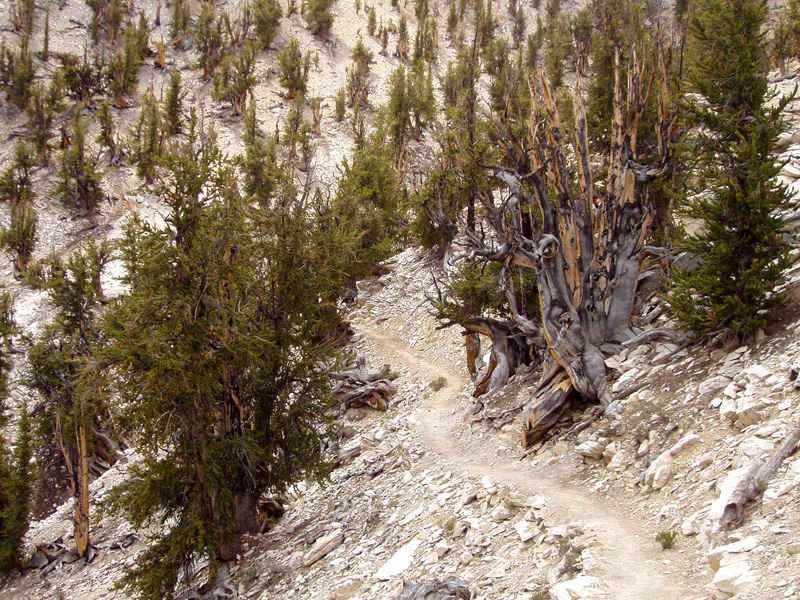
At first glance, Methuselah’s home is not what you would call welcoming. The White Mountains are cold, dry, and exposed, with thin, rocky soils and fierce winds. These are exactly the conditions that make bristlecone pines incredibly long-lived. They grow very slowly, keeping their metabolism low and their wood dense and resin-rich. That density makes the wood not only strong but also highly resistant to insects, fungi, and decay, allowing dead parts of the tree to linger for thousands of years while the living parts keep going.
Over centuries, bristlecones often lose large sections of their trunks and branches, surviving on what scientists call a “strip of living tissue” that still connects roots to needles. Instead of crashing dramatically like a giant oak in a storm, these trees erode away, almost like stone, gradually sculpted by time and weather. It is a survival strategy that trades speed and stature for endurance. In a way, Methuselah lives by doing less, more slowly, in a place where very few other plants can even get started.
The Tree-Ring Time Machine: Reading Climate and Catastrophe in Wood
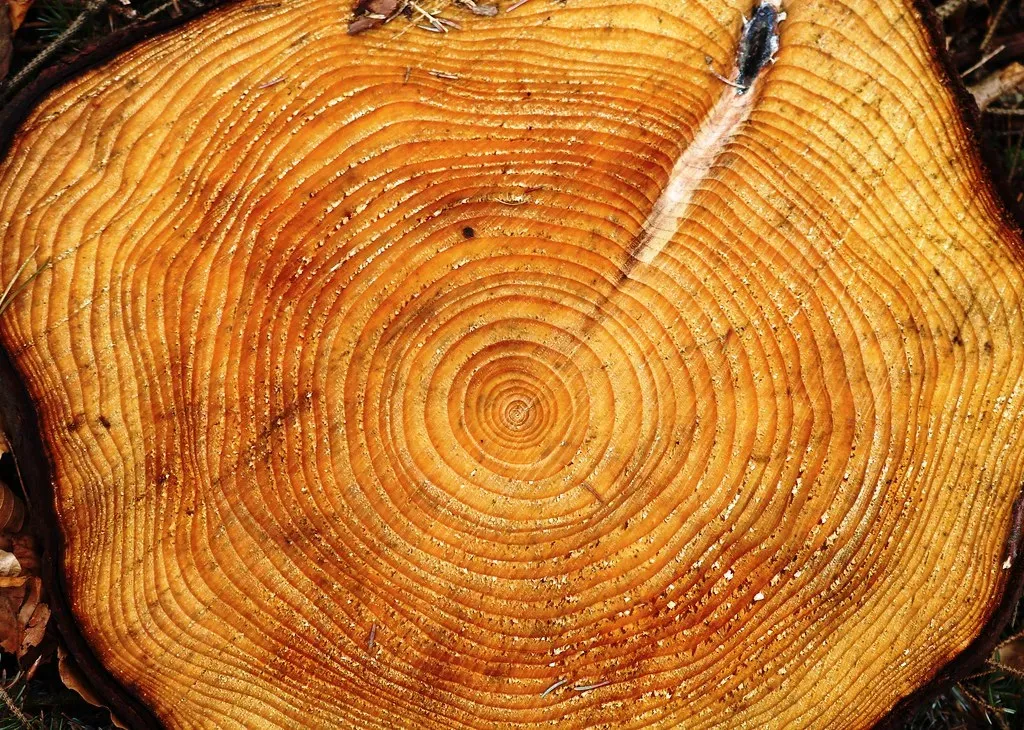
One of the most astonishing things about Methuselah is that it is not just old; it is also an archive. Each year, even in that bleak environment, the tree lays down a new ring of wood – thicker in good years, thinner in bad ones. By carefully measuring these rings, scientists have built extremely long, continuous records of climate stretching back thousands of years in the western United States. These records help researchers understand past droughts, temperature swings, and large volcanic eruptions that affected sunlight and rainfall.
This tree-ring work is not just academic trivia. It lets scientists calibrate radiocarbon dating, cross-check historical accounts of famines and unusual weather, and test modern climate models against real-world evidence from deep time. When we say that a drought today rivals some of the worst in the last several millennia, bristlecone rings are part of the evidence backing that up. The quiet irony is powerful: a tree that never moved has become one of our most mobile scientific tools, its data shared worldwide in graphs, models, and research papers.
Remote Mountains, Rising Civilizations: Human History Marches On
While Methuselah stayed rooted in its high alpine home, human history rolled past like a highlight reel. By the time classical Greece was flourishing with philosophers, playwrights, and early democratic experiments, the tree was already older than any building in Athens. When Rome went from a small town to an empire stretching across continents, Methuselah kept adding its invisible annual rings, indifferent to the rise and fall of legions and law codes.
Fast forward again: major world religions formed and spread, trading networks spanned oceans, printing presses and then industrial machines rewired human life, and eventually satellites started orbiting Earth. Empires that saw themselves as eternal came and went in what, from the tree’s perspective, probably feels like the lifespan of a single branch. That is one reason standing among bristlecones feels so disorienting; the human timeline suddenly looks compressed, more like a short film than an endless epic.
From Methuselah’s mountains, the modern world would have arrived all at once: colonization, scientific expeditions, and eventually roads, cars, and park signs. The same species that once carved gods and kings into stone now arrives with smartphones, logging apps, and climate anxiety. Yet the tree is still doing pretty much what it always did – drinking sparse water, catching sunlight, and turning thin air into wood, one microscopic cell at a time.
Why This One Tree Captures Our Imagination So Strongly
There are plenty of old trees in the world, and in some ways even older “organisms” like clonal groves where new stems replace older ones over tens of thousands of years. But Methuselah hits a nerve because it is a single, identifiable individual that has been alive since long before recorded history began piling up. People project all kinds of feelings onto it: reverence, protectiveness, even guilt. The idea that you could kill four and a half millennia of living history with one careless act is pretty hard to shake once you have thought about it.
Personally, I find it humbling in a way that fancy observatories and space probes sometimes are not. Those feel like symbols of what humans can accomplish when we cooperate and focus. An old bristlecone pine does the opposite: it shows you how much can be accomplished by simply being stubbornly alive in the same place, regardless of whether humans are paying attention. In an age obsessed with speed, disruption, and constant novelty, a gnarled little tree that survives by moving slowly and refusing to quit feels almost rebelliously modern.
Ancient Trees in a Warming World: Vulnerable Witnesses, Not Eternal Guardians
It is tempting to treat Methuselah and other ancient trees as invincible guardians that will simply keep standing no matter what we do to the planet. That stance is emotionally comforting, but it is not realistic. These trees evolved in, and survived through, a wide range of natural climate swings. The pace and scale of current human-driven warming, shifting snowpacks, and altered fire regimes add stressors they have never faced before, at least not this quickly. A tree adapted to cold, dry peaks cannot just pick up and walk higher when conditions change; it is locked into its elevation and geology.
At the same time, it would be too dramatic to say that one warm decade is guaranteed to kill Methuselah or its neighbors. High-elevation environments are changing, but not uniformly, and some microhabitats may remain relatively stable refuges. The more honest, slightly uncomfortable truth is that we do not fully know how long these trees can keep outsmarting the odds under 21st-century conditions. To me, that uncertainty is a call for caution, not panic – an argument for treating ancient beings as precious and non-renewable, rather than assuming they will quietly absorb any damage we cause.
Conclusion: A Four-Millennia Mirror Held Up to Us
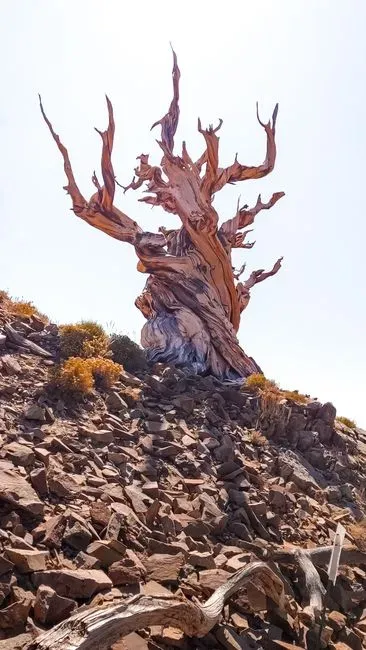
When you strip away the romance, Methuselah is just a tree doing what trees do. It does not care about human empires, art, or stock markets; it does not “remember” pharaohs or philosophers. And yet, standing in front of a living organism that was already old when so much of what we call history was just getting started forces a kind of perspective we rarely practice. It makes our news cycles feel tiny and our biggest political dramas look like weather passing through a single season of its growth rings.
My blunt opinion is that how we treat beings like Methuselah tells the truth about us more clearly than most of our speeches and slogans. If we cannot bring ourselves to protect a handful of ancient trees that harmed no one and quietly stitched the past to the present, what does that say about our claimed love for heritage, wisdom, or future generations? In a world obsessed with the newest thing, maybe the most radical act is to stand still for a moment, look up at a twisted old pine, and ask: if it can endure for thousands of years in one place, what excuse do we have for not thinking even a little bit further ahead?