Picture a world where nearly all life suddenly vanishes. Forests collapse into rotting biomass, oceans become toxic graveyards, and survivors huddle in the ruins of a planet pushed to its limits. This isn’t science fiction. It happened roughly 252 million years ago, and we’re still piecing together the nightmare.
The Permian extinction occurred approximately 251.9 million years ago, marking the boundary between two geological eras. Yet what sets this catastrophe apart isn’t just its antiquity. It remains Earth’s most severe known extinction event, eliminating 57% of biological families, 62% of genera, 81% of marine species, and 70% of terrestrial vertebrate species. Let’s be real here: when you’re talking about nine out of ten species disappearing, you’re looking at something far beyond an ordinary ecological crisis. So what actually happened back then, and why should you care about an extinction that predates dinosaurs?
When the Earth Nearly Died
The event that occurred approximately 251.9 million years ago wasn’t a single catastrophic moment but possibly multiple devastating pulses. Think of it less like a meteorite strike and more like a drawn-out environmental torture session. Evidence exists for one to three distinct pulses, or phases, of extinction, meaning life got hammered repeatedly before it finally collapsed.
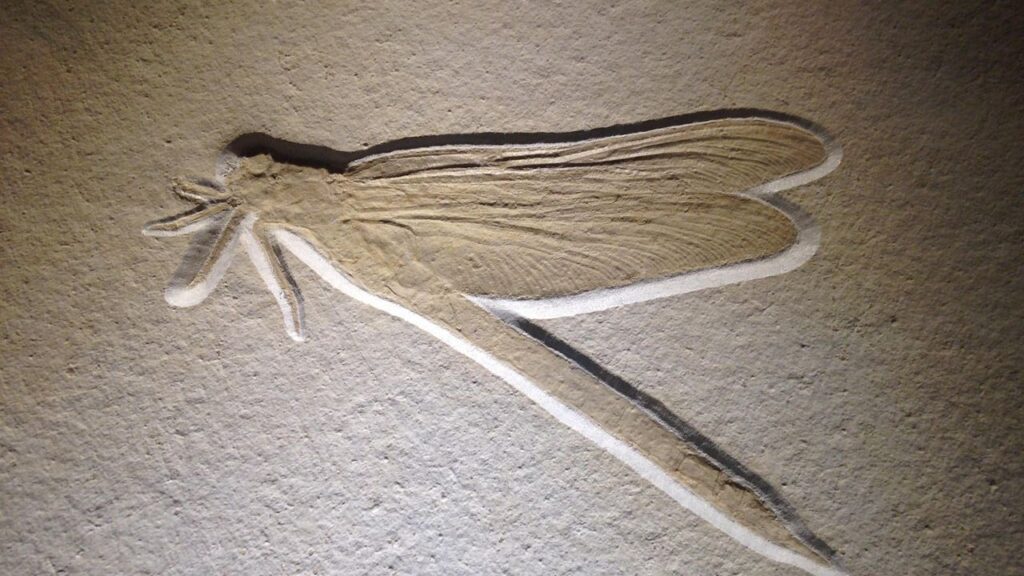
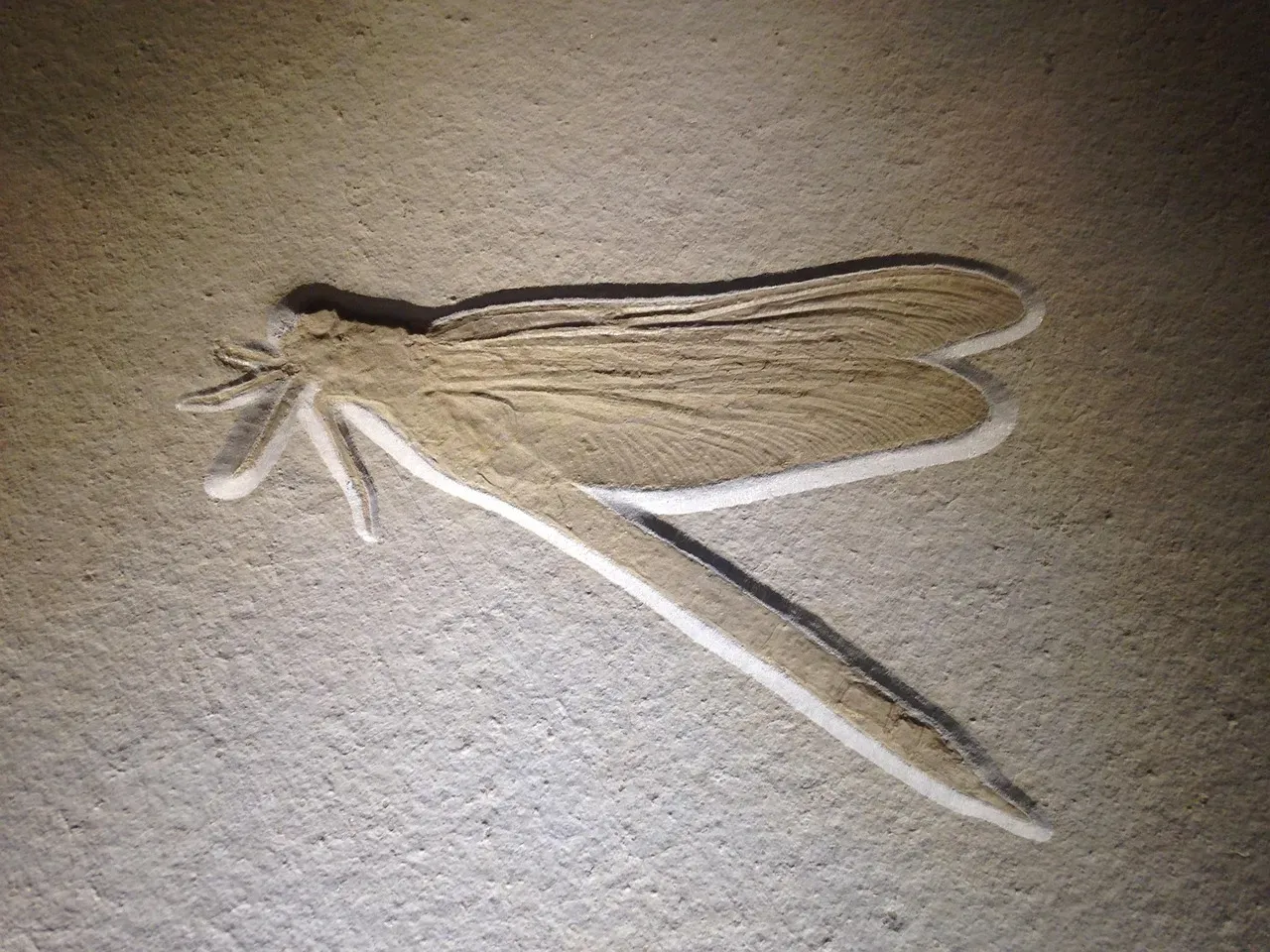
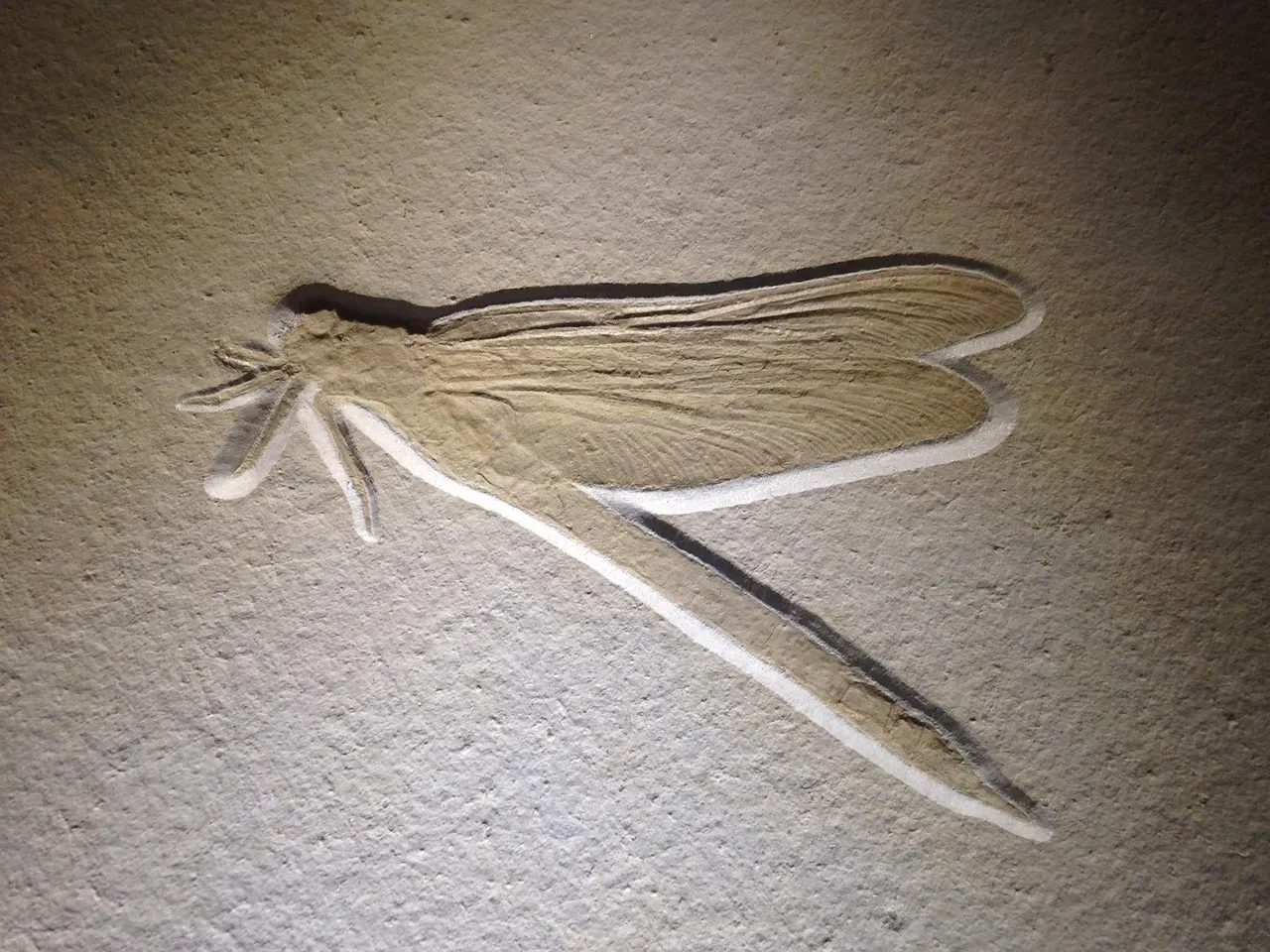
Here’s the thing that makes this extinction particularly brutal: It was the greatest known mass extinction of insects. Insects are survivors by nature, tough little creatures that can adapt to almost anything. When even they started dying off in massive numbers, you know conditions had become genuinely hellish. Eight or nine insect orders became extinct and ten more were greatly reduced in diversity, fundamentally reshaping the world’s ecosystems.
The Siberian Inferno
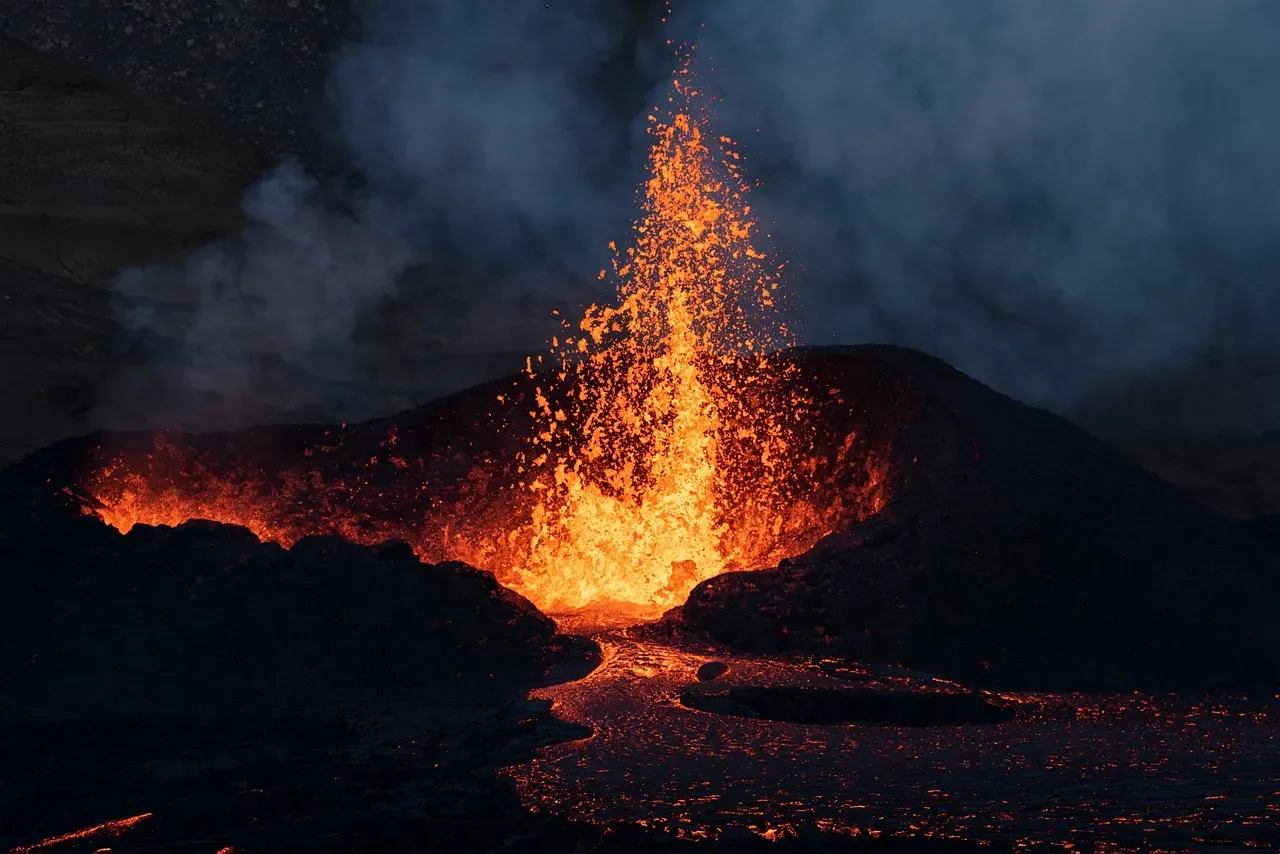
So what triggered this planetary meltdown? Scientific consensus points to flood basalt volcanic eruptions that created the Siberian Traps, which released sulfur dioxide and carbon dioxide. Imagine volcanic eruptions so massive they make modern disasters look like fireworks displays. The massive eruptive event that formed the traps is one of the largest known volcanic events in the last 500 million years.
The eruptions continued for roughly two million years and spanned the Permian-Triassic boundary. Two million years of volcanic hell. About two-thirds of this magma likely erupted prior to and during the period of mass extinction, pumping greenhouse gases into the atmosphere at rates that fundamentally altered the planet’s climate system.
The Oceanic Death Trap
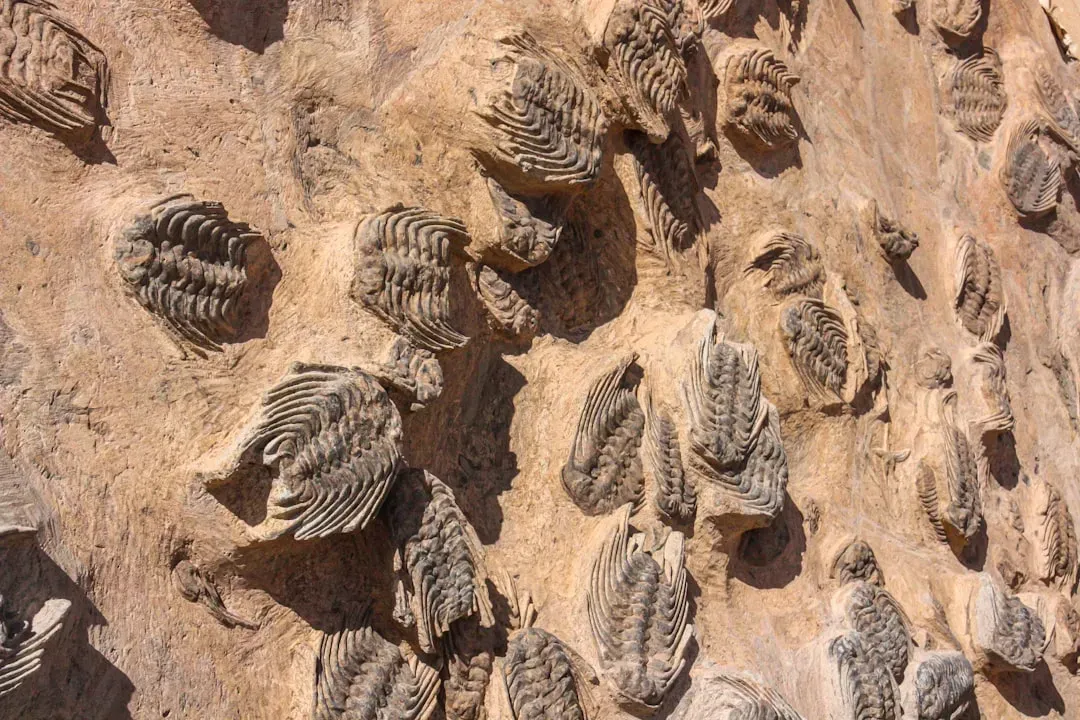
Scientists estimate some 96 percent of marine species died off during the event, transforming the oceans into something resembling a planetary graveyard. The mechanism behind this marine massacre is genuinely fascinating and terrifying. The Permian mass extinction in the oceans was caused by global warming that left animals unable to breathe, as temperatures rose and the metabolism of marine animals sped up while warmer waters could not hold enough oxygen.
Picture trying to run a marathon while someone slowly removes oxygen from the air. That’s essentially what happened to ocean life. A greater percentage of marine animals survived in the tropics than at the poles, defying conventional wisdom that tropical species would suffer most. The fossil record painted an unexpected geographic pattern of survival and death.
A World on Fire and Drowned in Acid
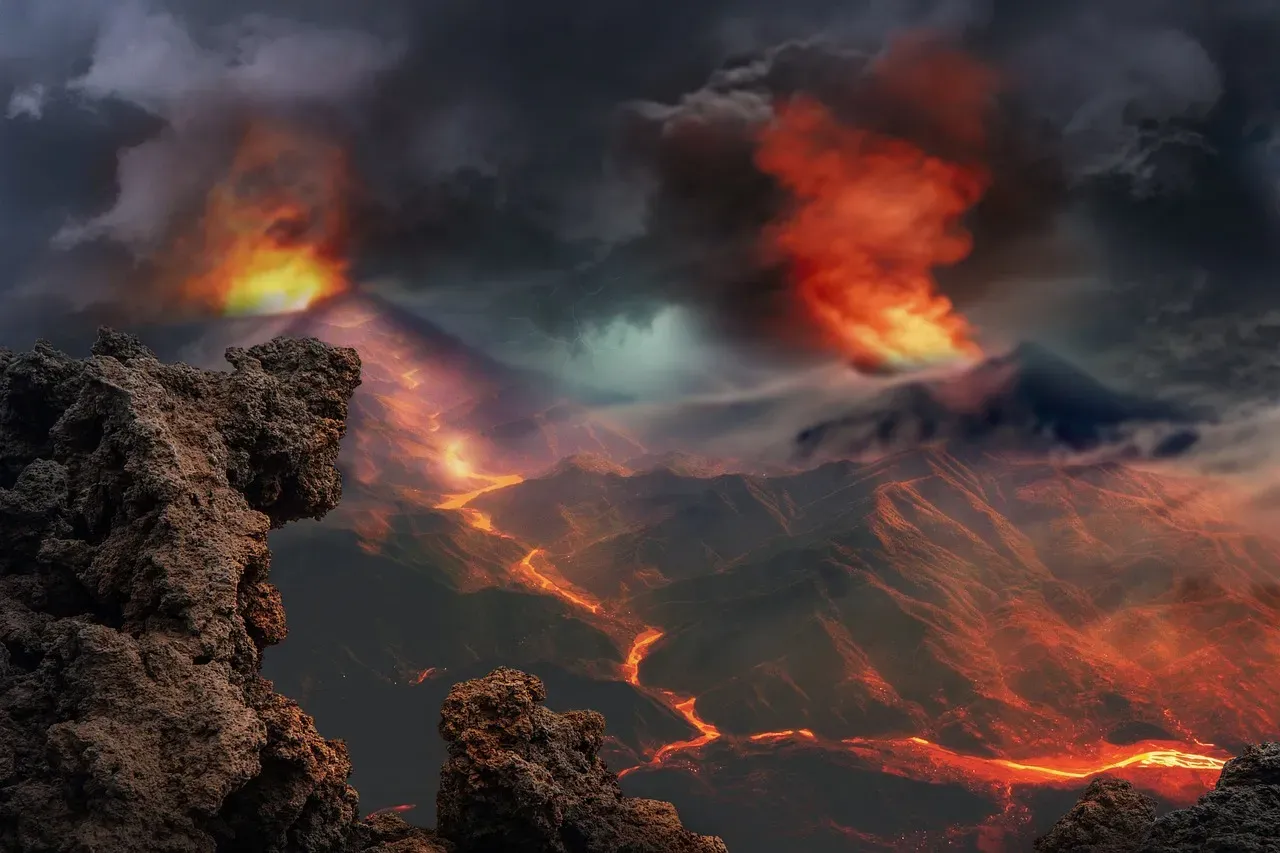
The emission of large magnitudes of CO2, SO2, halogens and metals by the eruptions led to global warming, oceanic anoxia, oceanic acidification, ozone reduction, acid rain and metal poisoning. It’s hard to say which was worse: the heat, the poison, or the suffocation. Honestly, the Permian extinction reads like someone went through a checklist of “ways to kill a planet” and ticked every single box.
Scientists found elevated levels of fungal remains worldwide while tree pollen grains became scarce, leading to the conclusion that nearly all the world’s trees died en masse. Forests collapsed globally, replaced by landscapes dominated by fungi feeding on dead plant matter. One researcher compared it to a soft, rotting banana: biomass decomposing on a planetary scale.
The Temperature from Hell
During the latest Permian before the extinction, global average surface temperatures were about 18.2 degrees Celsius, which shot up to as much as 35 degrees Celsius, this hyperthermal condition lasting as long as 500,000 years. Imagine half a million years of lethal heat waves. Most modern organisms suffer major physiological damage at temperatures between 35 and 40 degrees Celsius. The Permian extinction pushed global temperatures into the death zone and kept them there.
Low latitude surface water temperatures surged about 8 degrees Celsius, while tropical sea surface temperatures jumped to over 35 degrees Celsius during the extinction. These aren’t just uncomfortable temperatures; they’re genuinely lethal to most complex life. The oceans became hot, acidic, oxygen-depleted death traps.
The Agonizingly Slow Recovery
After the catastrophe came something almost as disturbing: the recovery that wouldn’t happen. Some scientists estimate recovery took 10 million years until the Middle Triassic, while global marine diversity reached pre-extinction values no earlier than the Middle Jurassic, approximately 75 million years after the extinction event. Think about that timeframe. Seventy-five million years for the oceans to recover their former diversity.
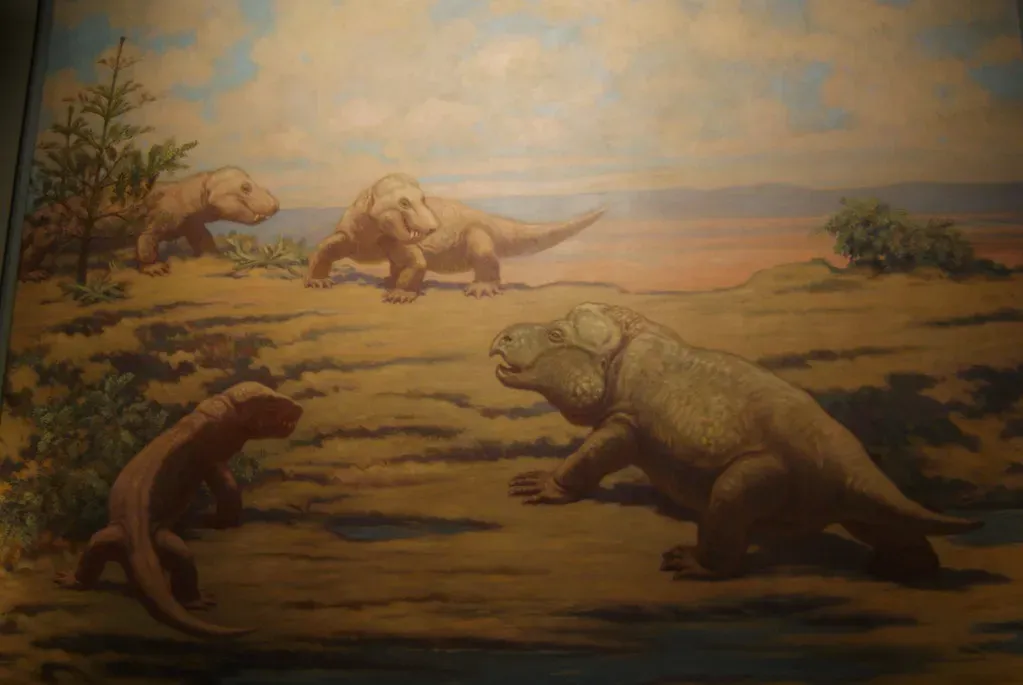
Disaster taxa such as Lystrosaurus insinuated themselves into almost every corner of the sparsely populated landscape, with the dicynodont accounting for approximately 90% of terrestrial vertebrates. A single species dominating most land ecosystems suggests a world fundamentally broken. The lack of competition caused vicious boom-and-bust cycles in the ecosystems, as external forces wreaked magnified havoc on the tenuous links in the food web, with terrestrial ecosystems taking up to 8 million years to rebound fully.
Why It Matters Today
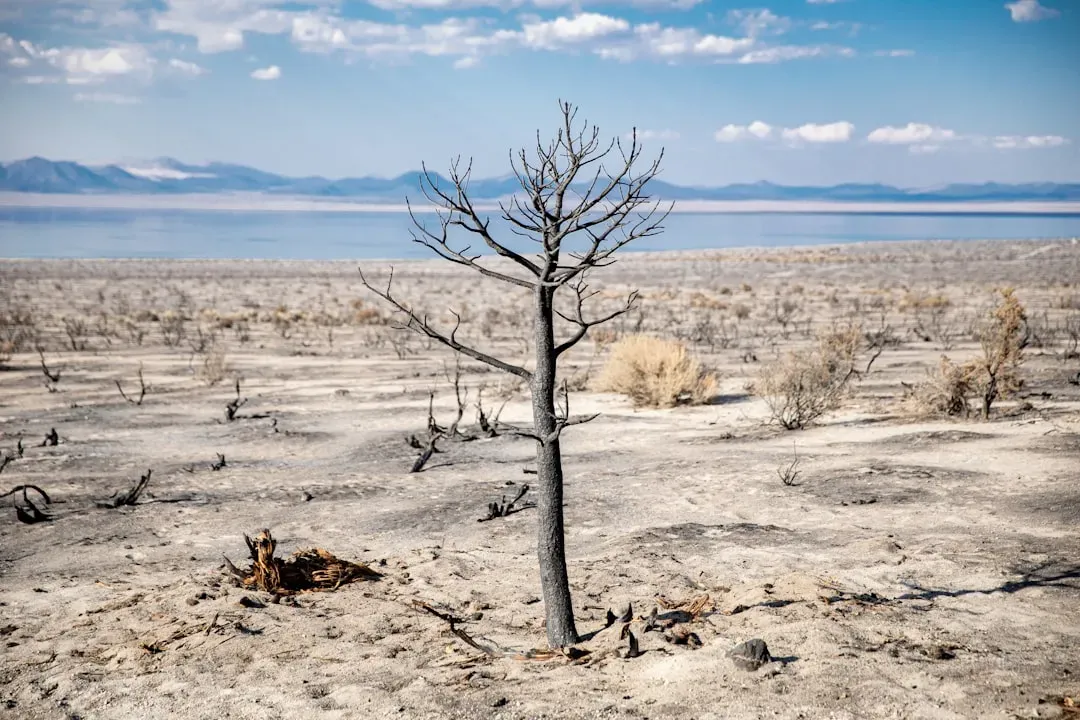
Here’s where things get uncomfortable. Under business-as-usual emissions scenarios, by 2100 warming in the upper ocean will have approached 20 percent of warming in the late Permian, and by 2300 it will reach between 35 and 50 percent, highlighting the potential for a mass extinction arising from a similar mechanism under anthropogenic climate change. We’re conducting an experiment eerily similar to what happened 252 million years ago, just faster.
The drivers of the Permian mass extinction – volcanic CO2 emissions into the atmosphere leading to global warming – are analogous to human-caused CO2 emissions occurring today. The mechanism is different, but the fundamental chemistry remains the same: pump enough greenhouse gases into the atmosphere, and you fundamentally alter the planet’s ability to support complex life. The Permian extinction provides a test case, a historical precedent for what happens when you push Earth’s systems beyond critical thresholds.
Conclusion
The Permian extinction stands as Earth’s closest brush with total biosphere collapse. The event came closer than any other extinction in the fossil record to wiping out life on Earth, leaving behind a devastated planet that required millions of years to rebuild functional ecosystems. The catastrophe fundamentally restructured marine and terrestrial life, ending the dominance of Paleozoic fauna and paving the way for the age of dinosaurs.
What should we take from this ancient catastrophe? Perhaps this: Earth’s systems have breaking points, and recovery from crossing those thresholds takes geological timescales. The planet survived the Permian extinction, but countless species did not. Life persisted, but it returned in completely different forms, in ecosystems that bore little resemblance to what came before. Do you think we’re paying enough attention to these ancient warnings? What would you do differently if you knew recovery could take millions of years?