Picture a world so devastated that nearly everything living on it is simply gone. No coral reefs teeming with colour. No forests humming with insects. No vast schools of fish flickering through sunlit water. Just silence, ash, and a planet gasping to reset itself. That was Earth roughly 252 million years ago, at the moment scientists now call the Permian-Triassic extinction event, or, as it is far more evocatively known, the Great Dying.
What happened during those dark, smoking millennia is one of the most chilling and fascinating stories in the entire four-billion-year biography of our planet. You might think the dinosaur extinction was the most dramatic die-off in history, but honestly, it doesn’t even come close. The Permian extinction makes the asteroid that killed the dinosaurs look almost modest by comparison. So buckle up, because this story goes deep, and it gets both darker and more hopeful than you might expect.
What Exactly Was the Great Dying, and Why Should You Care?
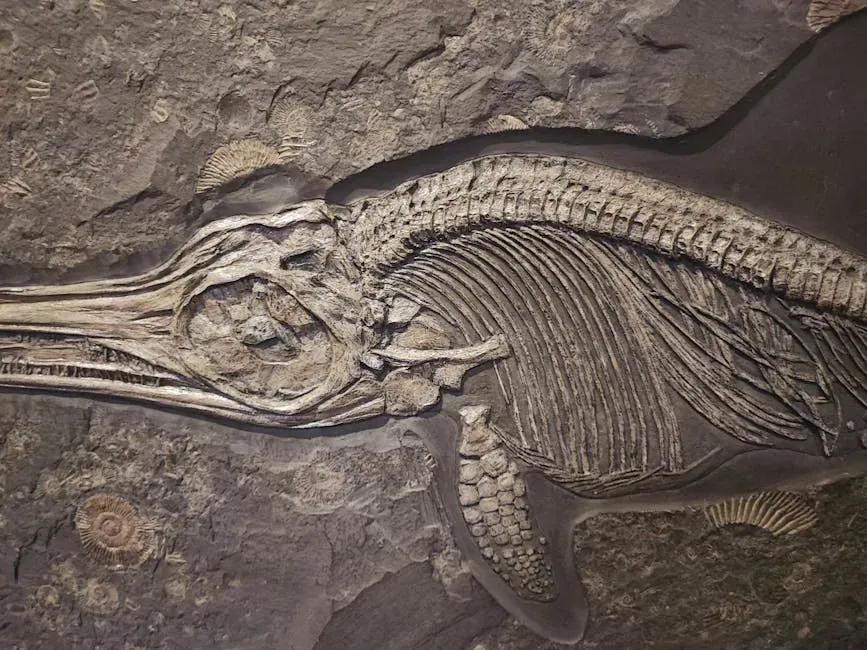
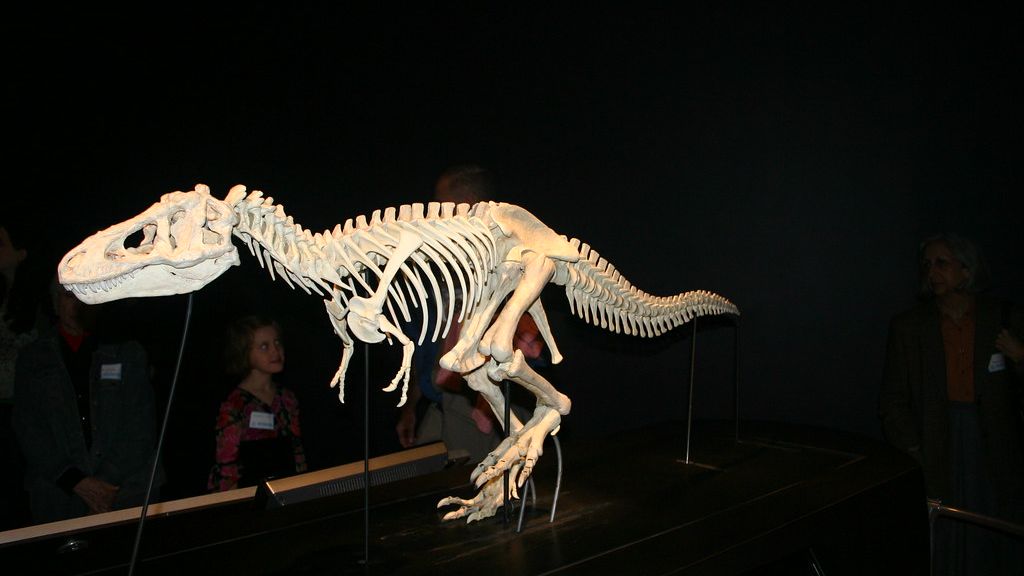
The Permian-Triassic extinction event, colloquially known as the Great Dying, occurred approximately 251.9 million years ago at the boundary between the Permian and Triassic geologic periods, marking the transition between the Paleozoic and Mesozoic eras. Think of it as the ultimate system reset, like a hard reboot of life itself on a planetary scale. Nothing before or since has come close to its raw, apocalyptic scale.
It is Earth’s most severe known extinction event, wiping out 57% of biological families, 62% of genera, roughly four out of every five marine species, and about seven in ten terrestrial vertebrate species. It is also the greatest known mass extinction of insects. Insects, by the way, are survival machines. They outlasted the dinosaurs with barely a scratch. The fact that even they were devastated tells you just how merciless this event truly was.
The Staggering Scale: Just How Much Life Was Erased?
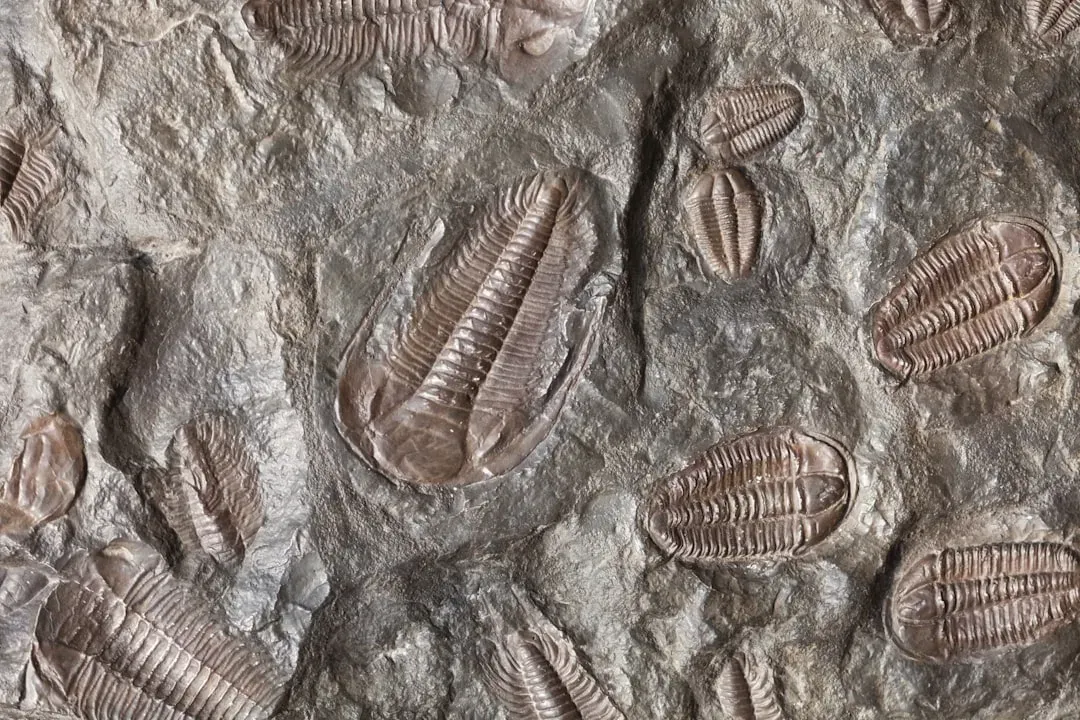
Here’s the thing, you really do need numbers to appreciate this, even if numbers sometimes fail to carry the weight of what they represent. The Permian extinction was characterized by the elimination of about 90 percent of the species on Earth, which included more than 95 percent of the marine species and 70 percent of the terrestrial species. In addition, more than half of all taxonomic families present at the time disappeared.
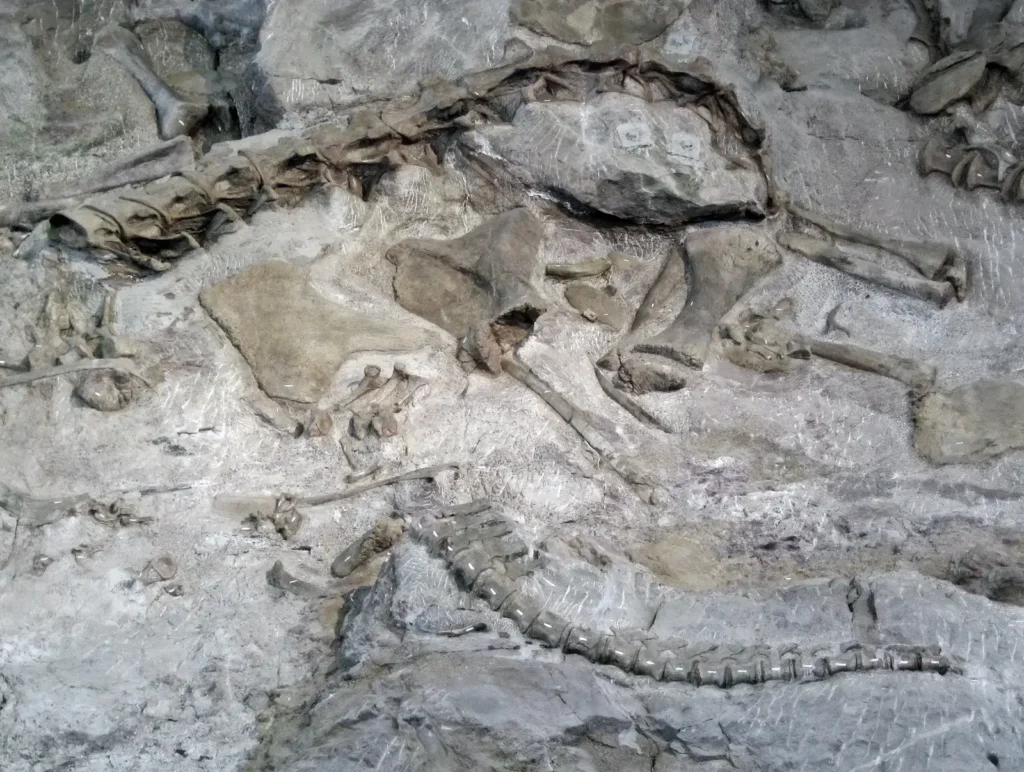
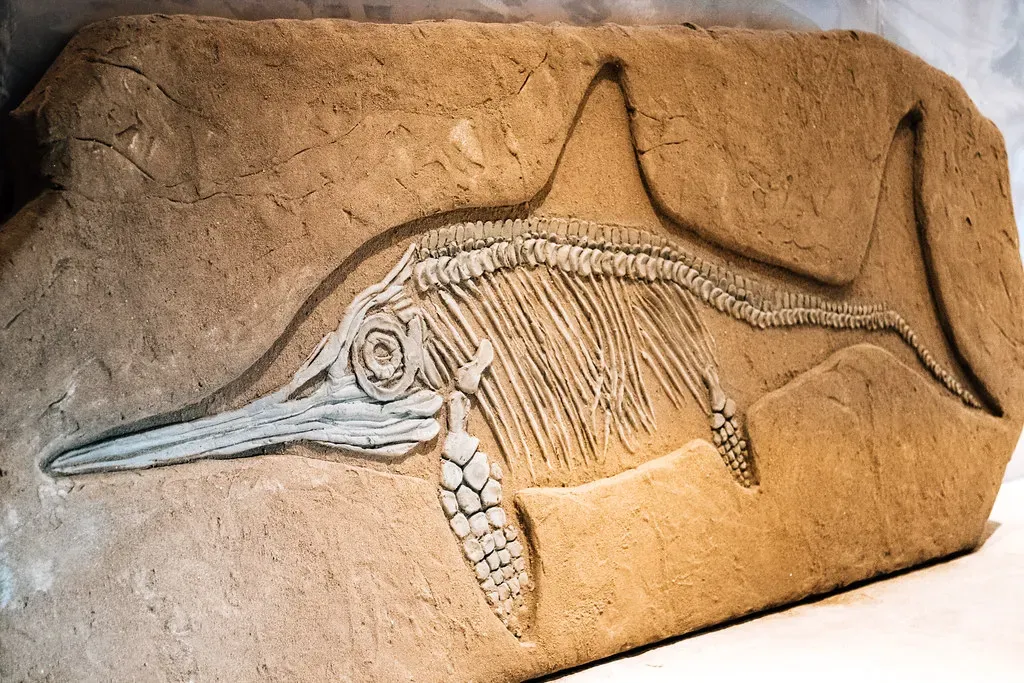
In the sea, the level of species loss was between 80 and 96 percent, and blastoid echinoderms, tabulate and rugose corals, graptolites, trilobites, eurypterids, acanthodians, and placoderms disappeared entirely. On land, the dominant Glossopteris flora was replaced, eight orders of insects became extinct, and two-thirds of tetrapod families were lost. Trilobites, those armored sea creatures that had crawled across ocean floors for nearly 300 million years, were simply erased. Gone. Forever. It’s difficult not to feel something when you sit with that reality for a moment.
The Volcanic Culprit: When Siberia Tried to Destroy the World
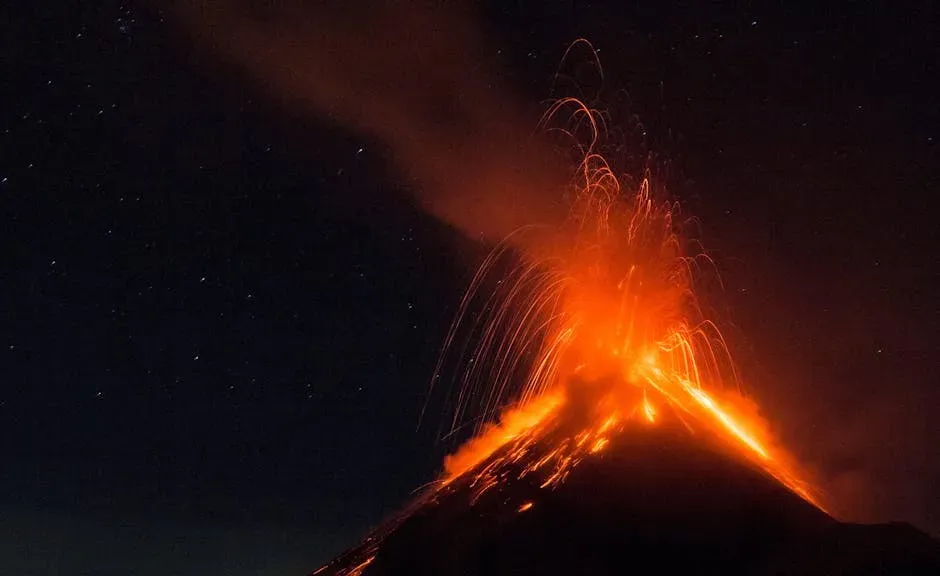
So what caused all of this? Let’s be real, scientists have debated this for decades, and the answer turns out to be volcanic activity on a scale that staggers the imagination. The Permian-Triassic mass extinction was caused by volcanic eruptions in what is now the Siberian Traps, releasing 100,000 billion metric tons of carbon dioxide into the atmosphere over a million years and killing off most animals. You can’t truly picture 100,000 billion metric tons of anything, but trust that it’s enough to fundamentally alter the chemistry of an entire planet.
This destabilized the climate and the carbon cycle, leading to dramatic global warming, deoxygenated oceans, and mass extinction. The cascade of consequences played out like a nightmare chain reaction. The ash and soot from the explosions blocked sunlight, preventing plants from being able to grow. The death of most plants disrupted entire food chains. With little greenery to eat, many plant-eating animals died. Large meat-eating predators then had no smaller animals to eat, and they also perished. It was one catastrophic domino after another, each toppling the next.
Ocean Apocalypse: When the Seas Became Deadly
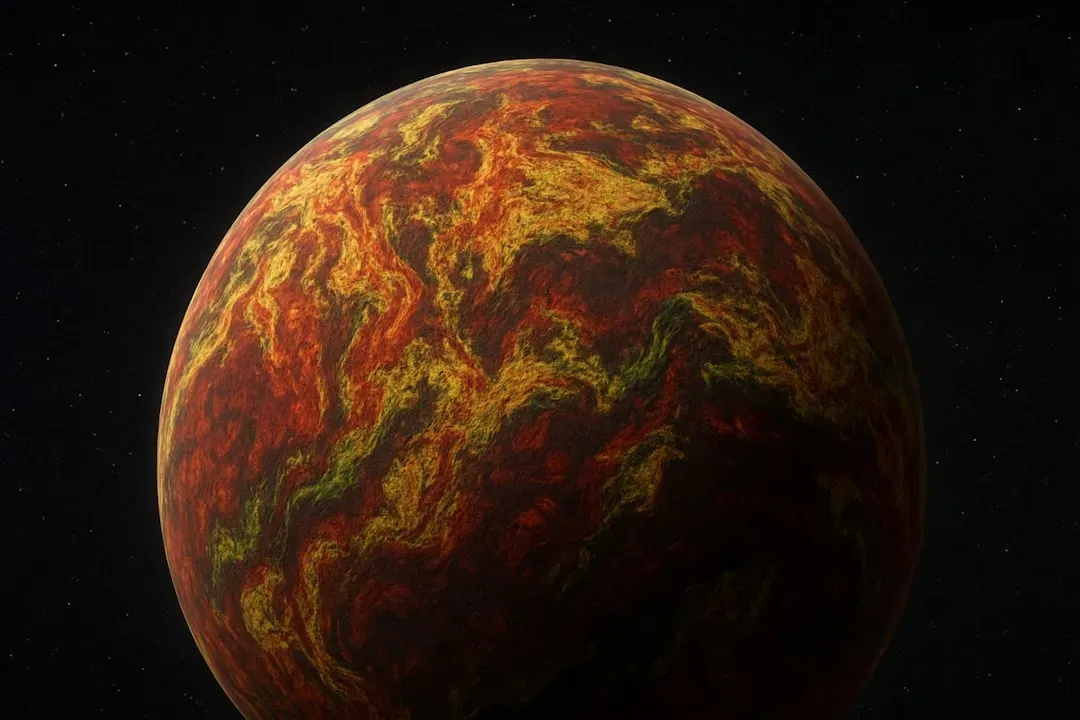
If the land was struggling, the oceans were experiencing something close to complete biological collapse. Research combining models of ocean conditions and animal metabolism with published paleoceanographic records has shown that the Permian mass extinction in the oceans was caused by global warming that left animals unable to breathe. As temperatures rose and the metabolism of marine animals sped up, the warmer waters could not hold enough oxygen for them to survive.
Studies paint a dire portrait of how anoxic conditions reduced seawater oxygen levels by roughly a hundredfold at the onset of the mass extinction. Oxygen levels then slowly rose, only returning to pre-extinction levels after 5 million years, corresponding to when the climate became more stable and life regained its former diversity. Think about what that means: five million years of oxygen-starved oceans. For context, five million years ago, your earliest human ancestors had just started walking upright. That’s how long the seas remained inhospitable after the Great Dying. Staggering, honestly.
The Survivors: Who Made It Through, and How?
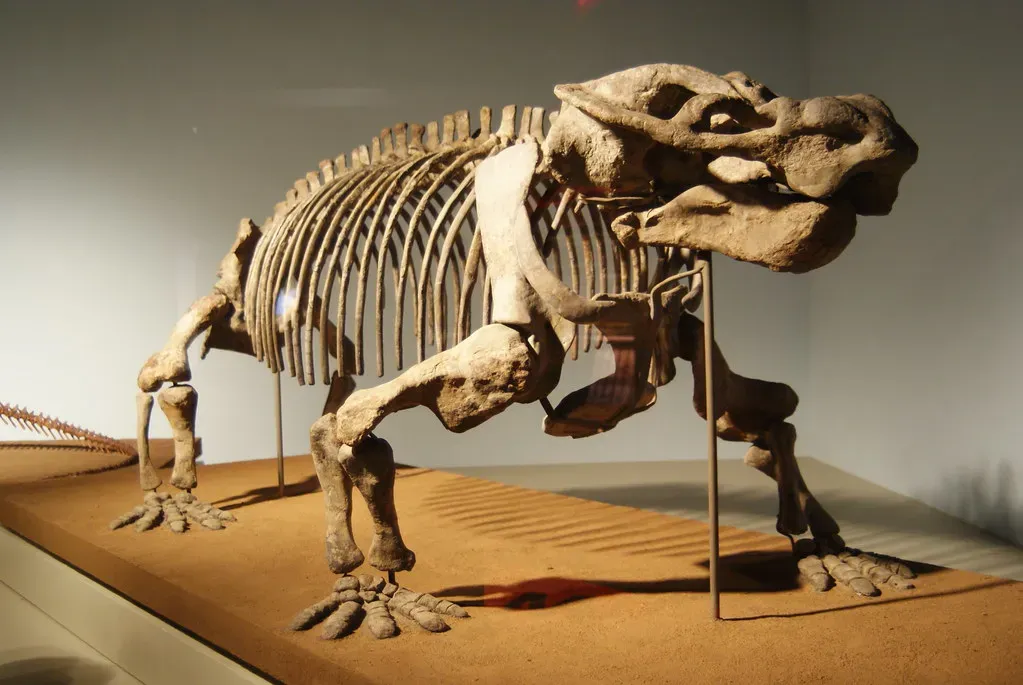
Here is where the story takes a turn toward something almost miraculous. Everything that has existed since the Permian-Triassic extinction evolved from the four percent of species that survived. Every bird you’ve ever seen. Every dog, every whale, every oak tree. All of it traces its ancestry back to that tiny, battered four percent of life that somehow clung on. It’s a humbling thought.
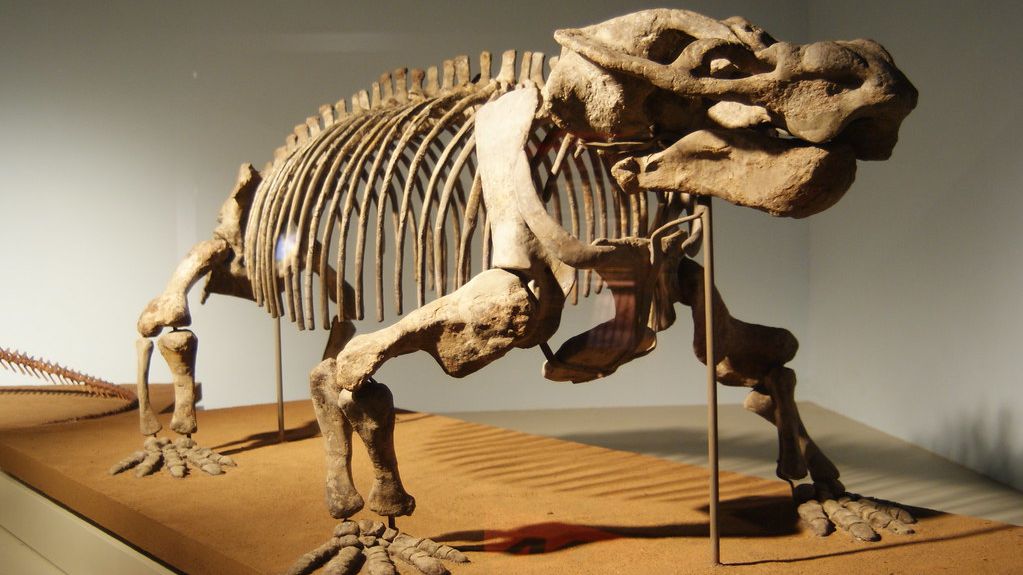
Lystrosaurus, a pig-sized herbivorous dicynodont therapsid, constituted as much as 90 percent of some of the earliest Triassic land vertebrate fauna. The dicynodont genus is often used as a biostratigraphic marker for the extinction event. The evolutionary success of Lystrosaurus in the aftermath of the mass extinction is believed to be attributable to the dicynodont’s grouping behaviour and tolerance for extreme and highly variable climatic conditions. In other words, Lystrosaurus was basically the cockroach of its age. Adaptable, resilient, and just stubborn enough to survive what nothing else could.
Life’s Comeback: The Long, Slow Road to Rebirth
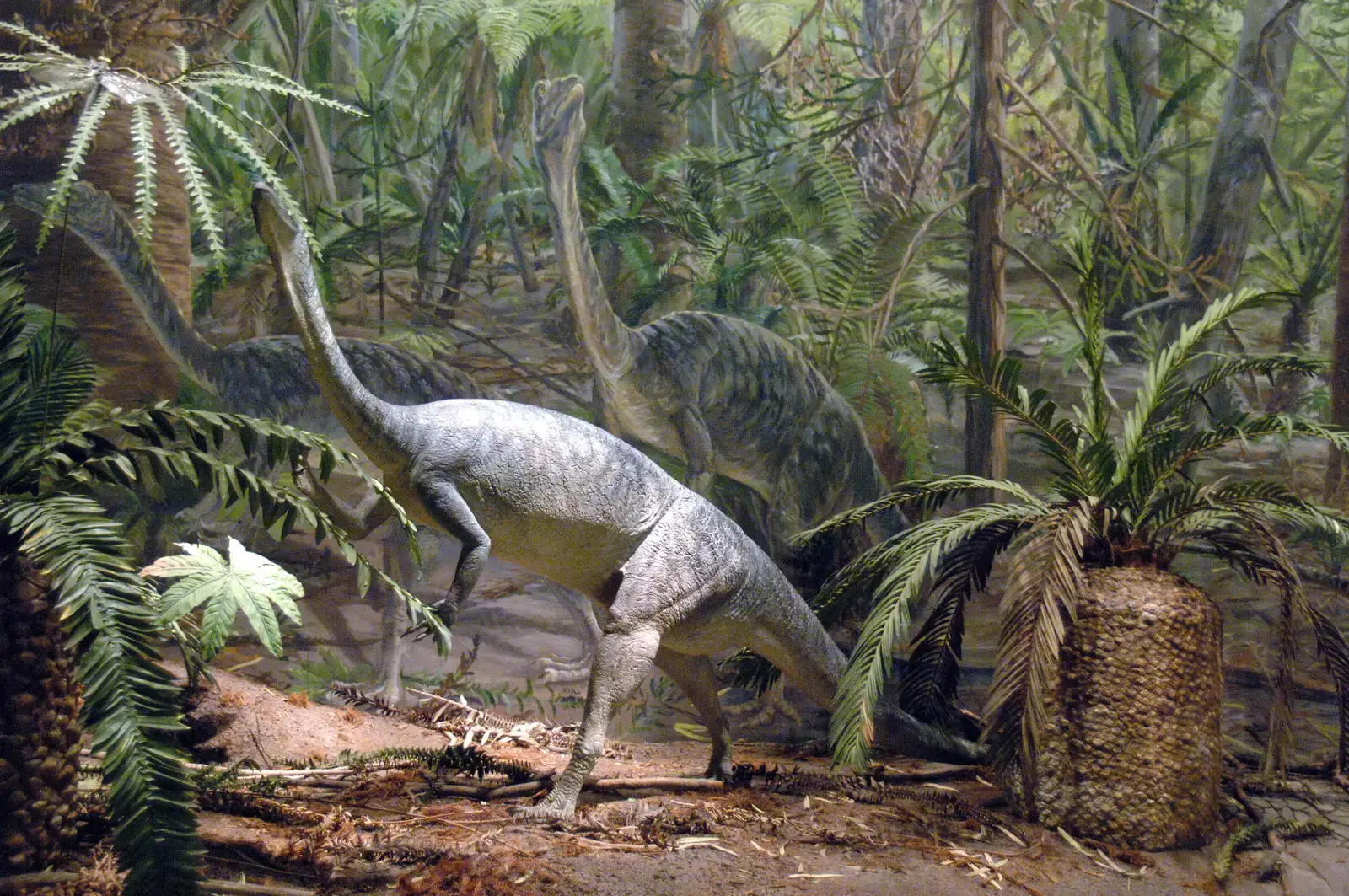
Recovery, it turns out, is far harder than survival. The main reason the Great Dying’s aftermath was so prolonged was that the end-Permian crisis was much more severe than any other mass extinction, wiping out 19 out of every 20 species. With survival of only five percent of species, ecosystems had been completely destroyed, and ecological communities had to reassemble from scratch.
Research has found that after the extinction, it took about 5 million years for animals at the top of the food chain to emerge, but it took about 50 million years for the underlying ecosystem to bounce back. Meanwhile, there were signs of hope in unexpected places. Tropical riparian ecosystems, those found along rivers and wetlands, recovered much faster than expected following the end-Permian mass extinction around 252 million years ago. Rivers and wetlands, it seems, acted as refuges, sheltering pockets of life that would eventually seed the recovery of the wider world. On land, dinosaurs and mammals eventually arose in the course of the Triassic. From the ashes of catastrophe came the creatures that would come to define the next great chapter of life on Earth.
Conclusion: What Earth’s Darkest Hour Teaches Us Today
The Great Dying is not just a chapter in a geology textbook. It is a mirror. Scientists have noted that a framework studying these Permian climate tipping points can be used to understand tipping behavior in the current climate system in response to today’s CO2 increase. If this increase continues at the same rate, we would reach the level of emissions that caused the Permian-Triassic mass extinction in around 2,700 years, a much faster timescale than the original Permian-Triassic boundary emissions.
I think what truly moves me about this story is not the destruction, as horrifying as it is. It’s the persistence. Four percent of life clung to a burning, suffocating, oxygen-starved world, and from those embers, everything you see around you today eventually grew. Forests, oceans, mammals, you. Life didn’t give up. It reassembled, slowly and stubbornly, across tens of millions of years.
Earth has faced its absolute worst, and it came back. The question worth sitting with, especially right now in 2026, is whether we are paying close enough attention to the warnings written in ancient rock and fossil. The planet has told this story once. It would prefer not to have to tell it again.
What do you think about it? Drop your thoughts in the comments below.